Fences, Gates, Cattle Guards, Roads, Bridges, and Culverts - Construction, Use and Maintenance
What this document covers
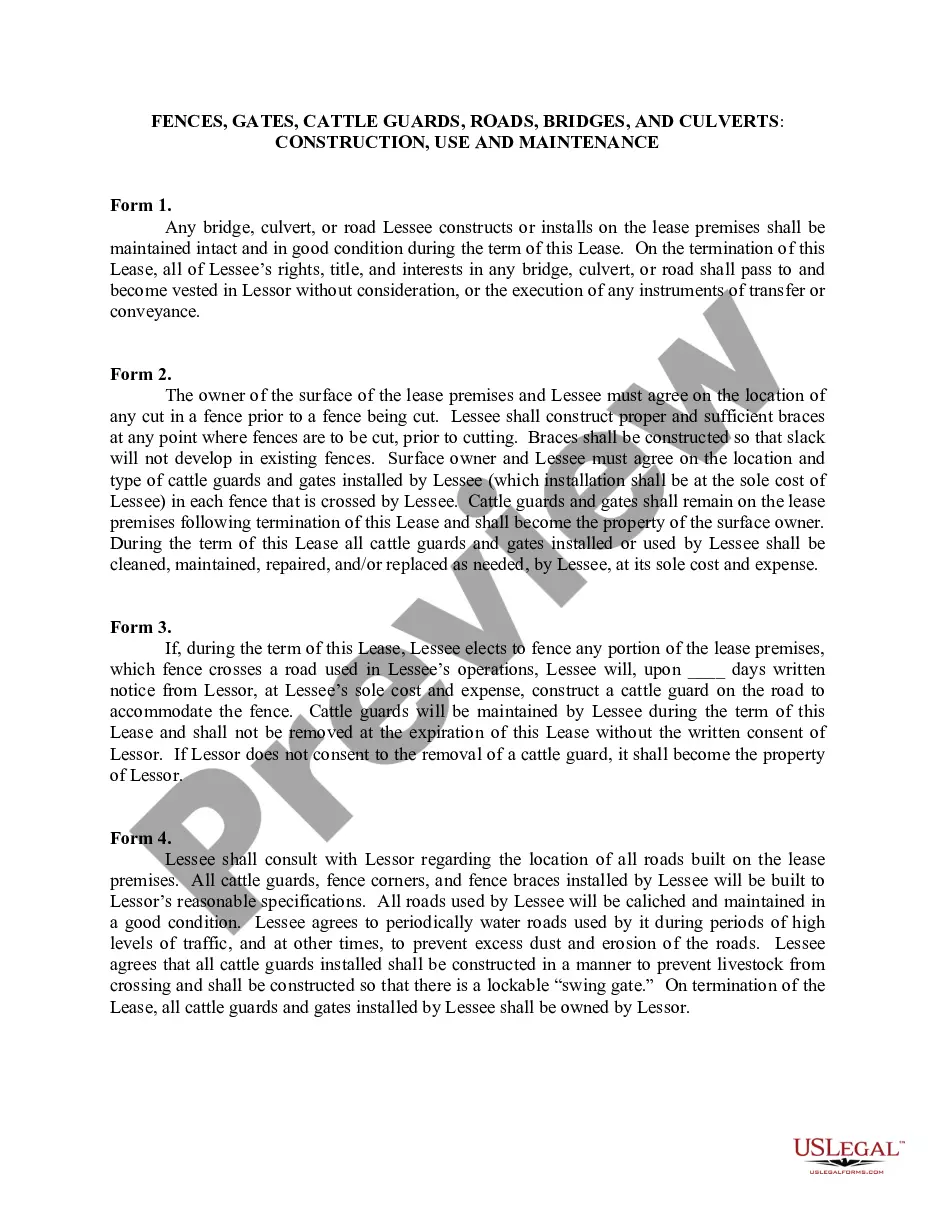
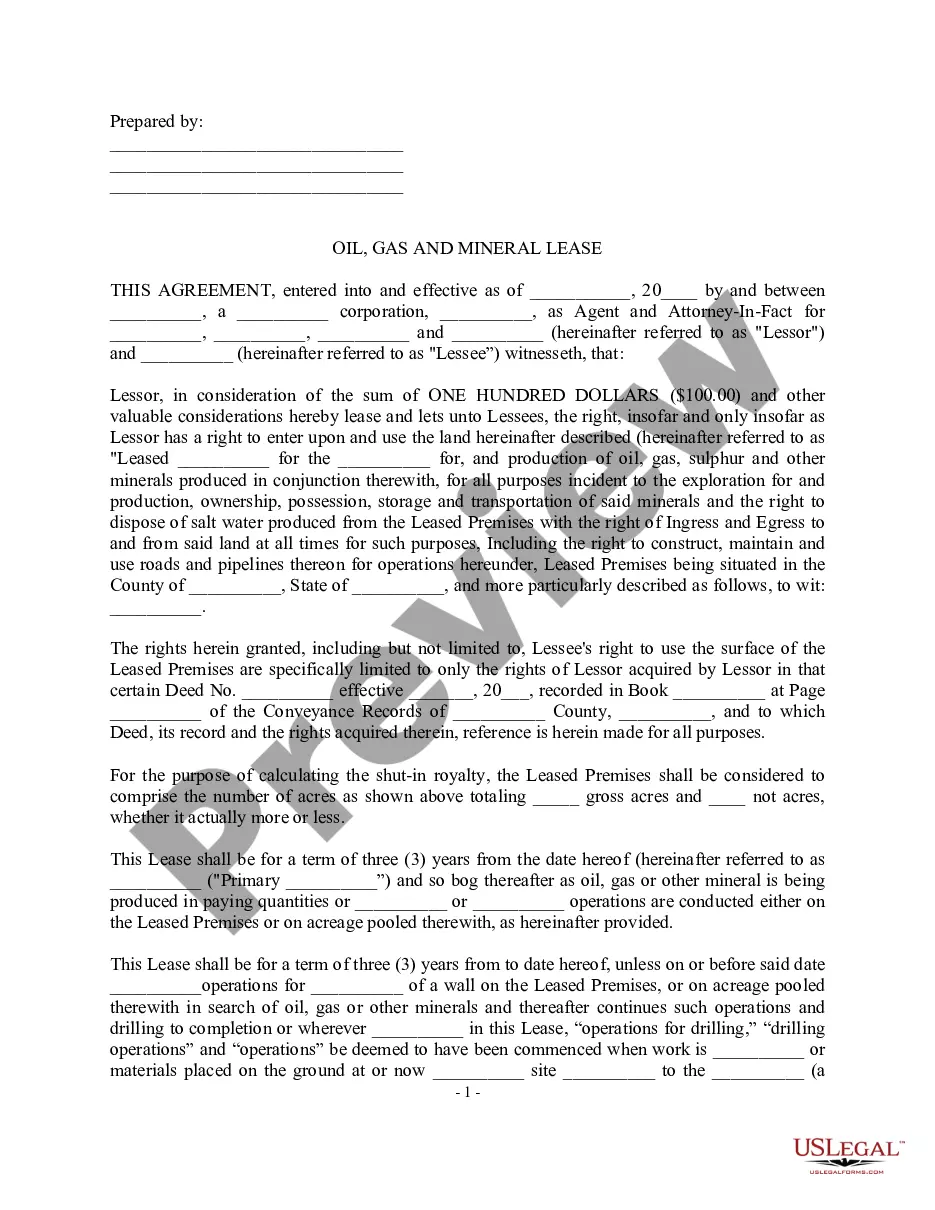
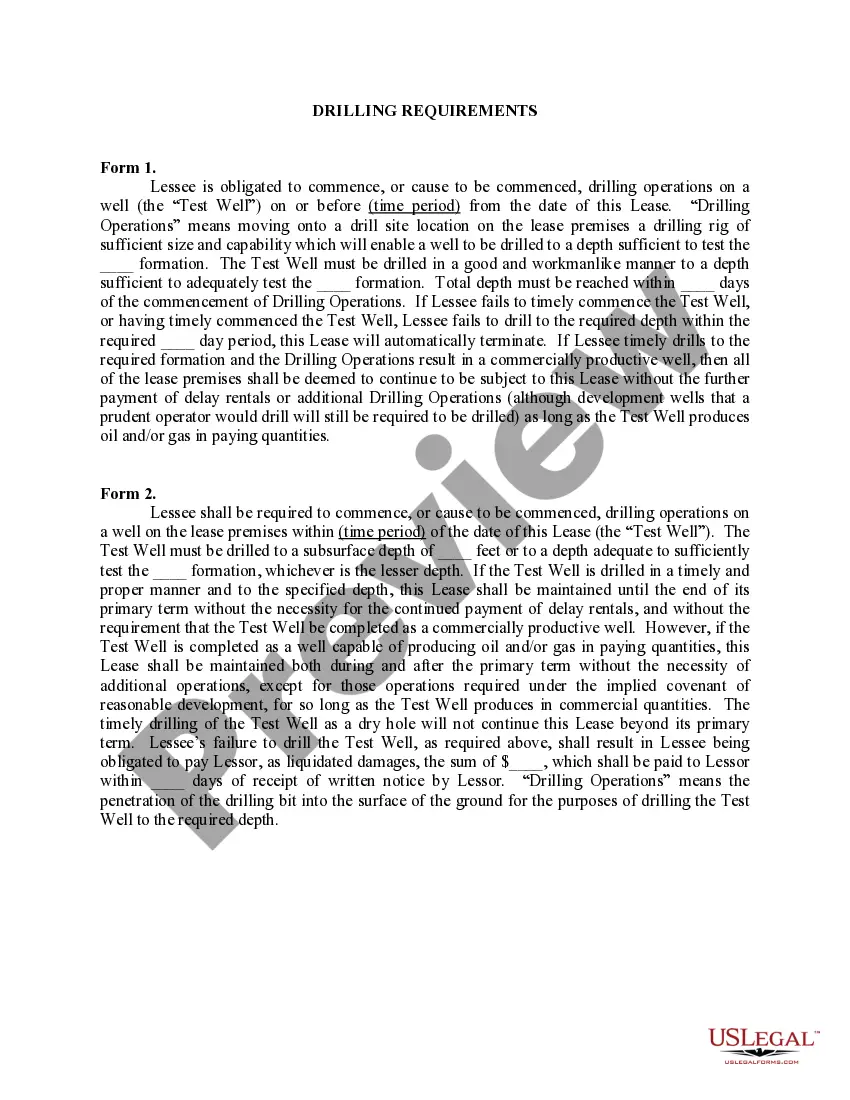
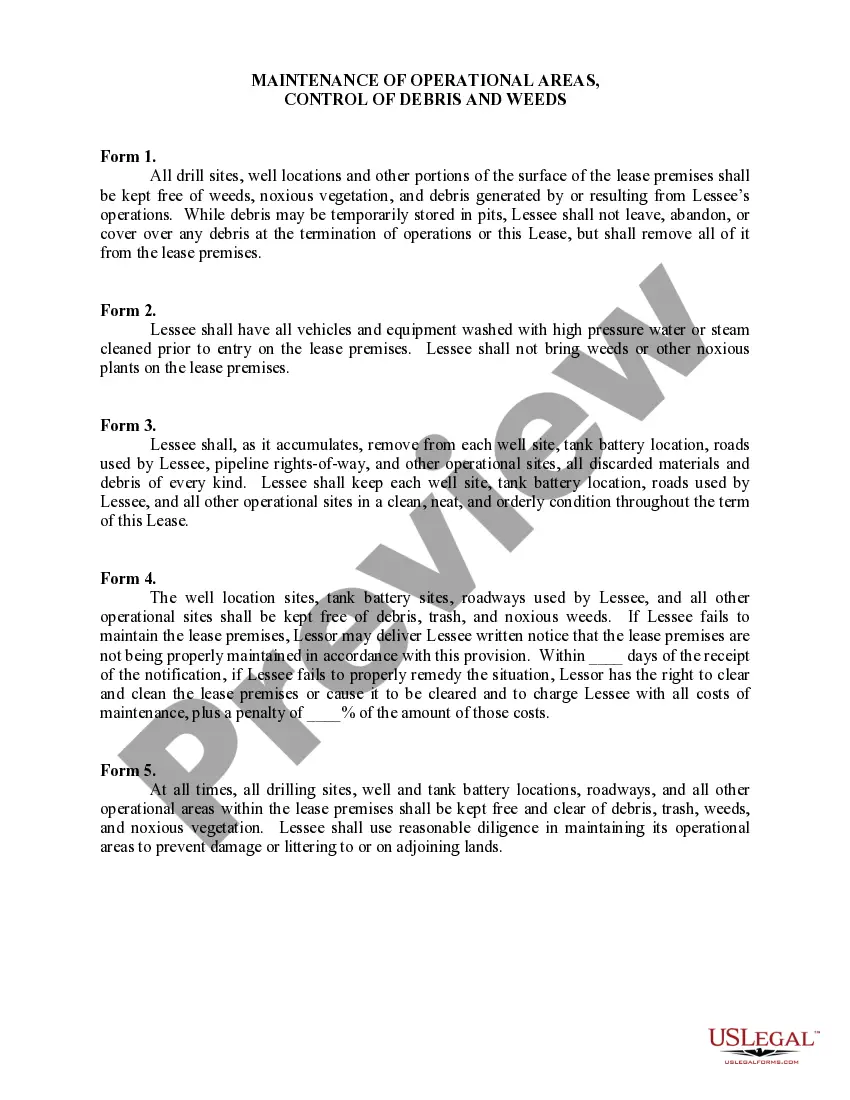
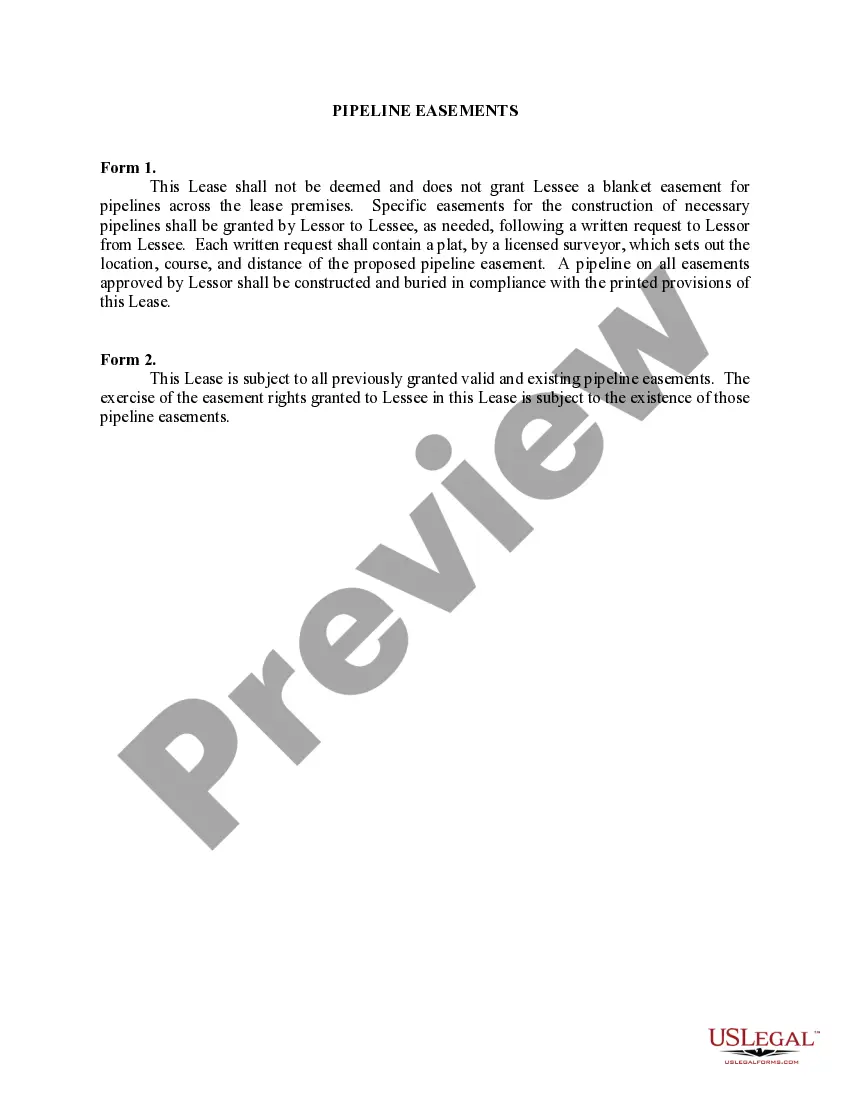
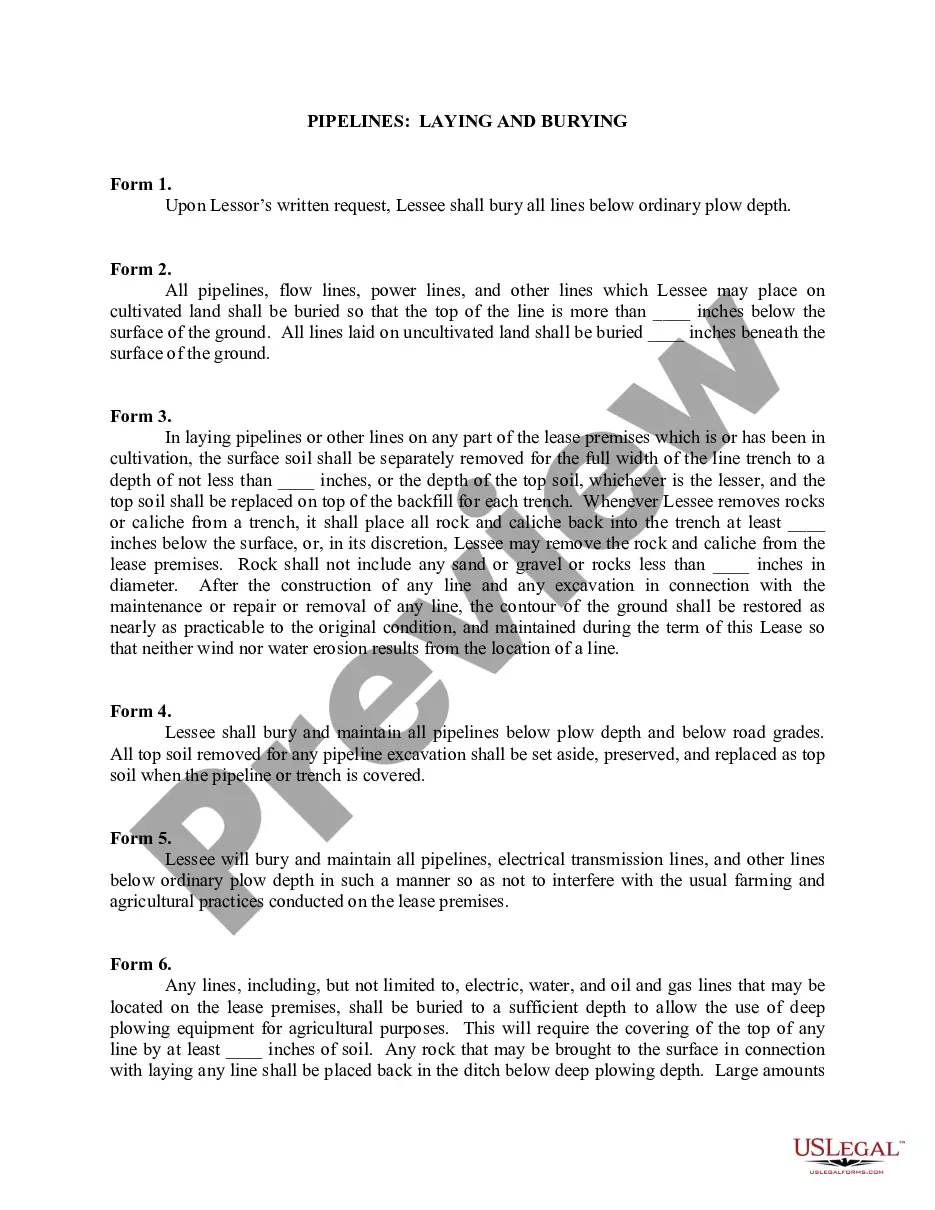
This form, titled "Fences, Gates, Cattle Guards, Roads, Bridges, and Culverts - Construction, Use and Maintenance," is designed to outline the responsibilities and rights of the Lessor and Lessee regarding various construction and maintenance activities on leased premises. It provides specific guidelines on the construction and upkeep of essential infrastructure, ensuring clarity and reducing potential disputes between the parties involved. This form stands out from other lease agreements by focusing specifically on infrastructure and land use permissions related to oil and gas leases.
Key parts of this document
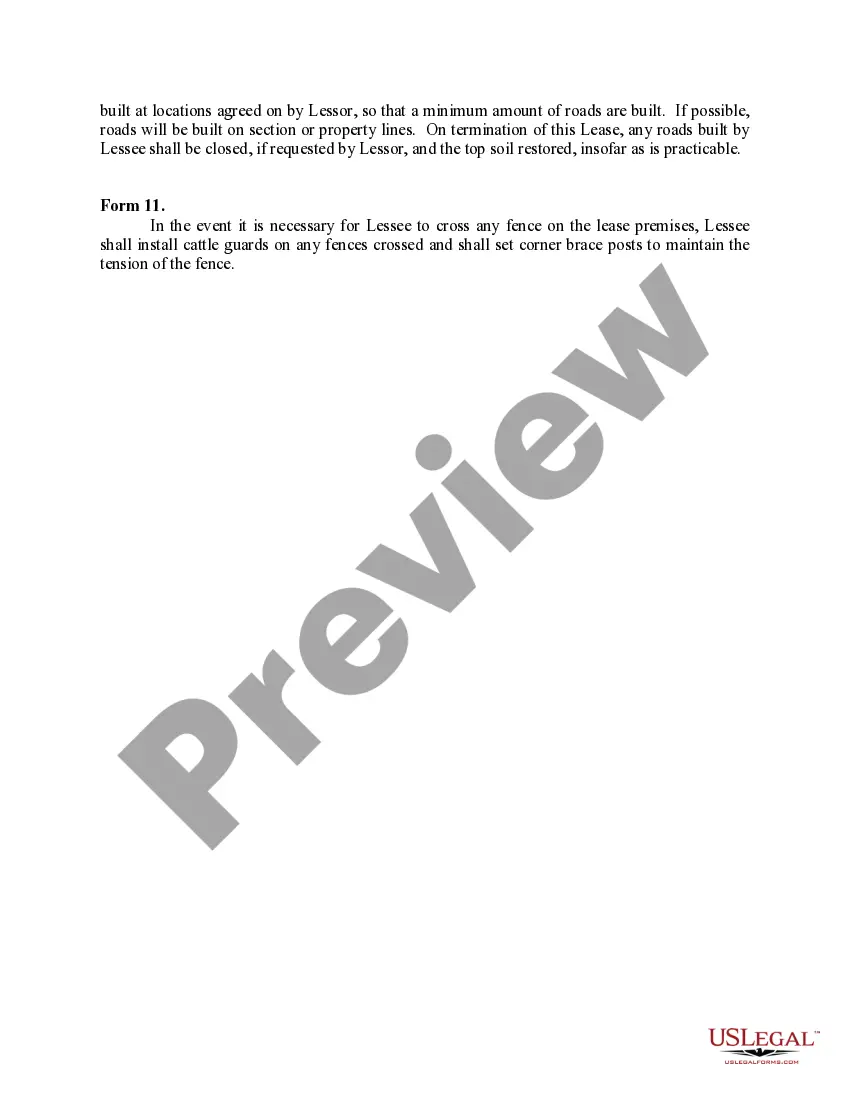
- Maintenance obligations for bridges, culverts, and roads constructed on lease premises.
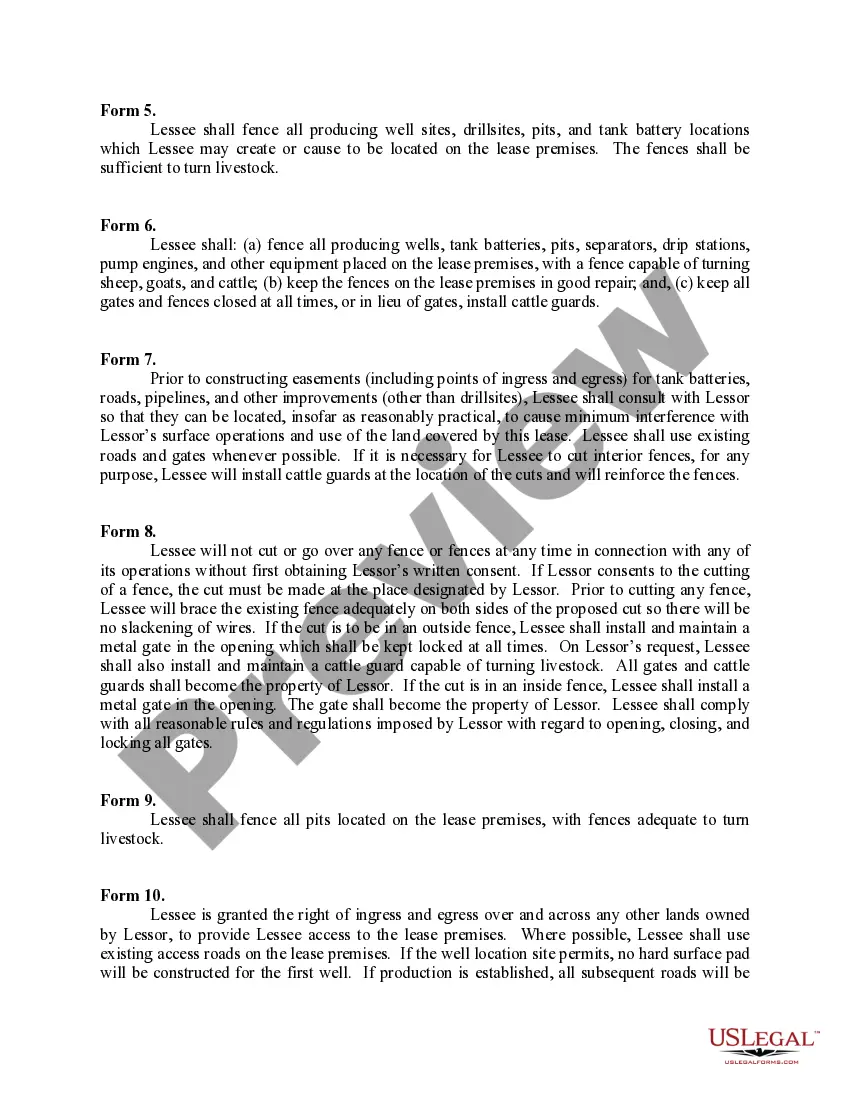
- Provisions on fence cuts and the construction of gates and cattle guards.
- Specifications for the construction and maintenance of roads and cattle guards.
- Requirements for fencing around well sites and other critical equipment.
- Conditions regarding the crossing of fences and the rights of access to lease premises.
When to use this form
This form should be used when entering into a lease agreement where oil and gas operations may impact the land, specifically regarding the construction and maintenance of fences, gates, roads, and other infrastructure. Use this form to clarify the responsibilities and ownership of improvements made during the lease, ensuring that both parties understand their rights and obligations throughout the leasing term.
Intended users of this form
- Landlords or Lessors looking to lease their land for oil and gas exploration.
- Lessee companies involved in oil and gas extraction operations.
- Legal representatives for either party needing to draft or amend lease provisions.
- Anyone involved in negotiations about land use and infrastructure related to lease agreements.
How to complete this form
- Identify all parties involved in the lease agreement, including the Lessor and Lessee.
- Specify the terms regarding the construction and maintenance of roads, fences, and cattle guards.
- Outline the responsibilities for maintaining infrastructure during the lease term.
- Clarify the conditions under which any structures may be altered or removed upon lease termination.
- Include any additional provisions that address specific concerns of the Lessor or Lessee.
Does this form need to be notarized?
Notarization is not commonly needed for this form. However, certain documents or local rules may make it necessary. Our notarization service, powered by Notarize, allows you to finalize it securely online anytime, day or night.
Get your form ready online
Our built-in tools help you complete, sign, share, and store your documents in one place.
Make edits, fill in missing information, and update formatting in US Legal Forms—just like you would in MS Word.
Download a copy, print it, send it by email, or mail it via USPS—whatever works best for your next step.
Sign and collect signatures with our SignNow integration. Send to multiple recipients, set reminders, and more. Go Premium to unlock E-Sign.
If this form requires notarization, complete it online through a secure video call—no need to meet a notary in person or wait for an appointment.
We protect your documents and personal data by following strict security and privacy standards.

Make edits, fill in missing information, and update formatting in US Legal Forms—just like you would in MS Word.

Download a copy, print it, send it by email, or mail it via USPS—whatever works best for your next step.

Sign and collect signatures with our SignNow integration. Send to multiple recipients, set reminders, and more. Go Premium to unlock E-Sign.

If this form requires notarization, complete it online through a secure video call—no need to meet a notary in person or wait for an appointment.

We protect your documents and personal data by following strict security and privacy standards.
Common mistakes
- Failing to specify maintenance responsibilities, leading to disputes later.
- Not detailing the agreed locations for fence cuts or construction, which can result in confusion.
- Overlooking the implications of infrastructure ownership after lease termination.
Why use this form online
- Convenient access to legal templates that can be adapted to individual needs.
- Editability to ensure all specific terms and conditions are included and clear.
- Instant download availability allows for quick implementation in lease negotiations.
Quick recap
- This form outlines detailed responsibilities for maintaining infrastructure on leased land.
- It helps clarify the rights and obligations of both lessors and lessees.
- Proper use of this form can prevent disputes regarding land use and property modifications.
Looking for another form?




Form popularity
FAQ
Treated pine ($12 to $19 per linear foot installed) 2/17. Chain link ($10 to $20 per linear foot) 3/17. Wrought iron ($24 to $32 per linear foot) 4/17. Barbed wire ($1.50 to $2 per linear foot) Hog wire ($3 to $5 per linear foot) Electric ($1 to $6 per linear foot) Pallet (free!) Split rail ($10 to $20 per linear foot)
Fence installation costs $1,500 to $3,000 for an average yard with most homeowners spending about $1,800. New fencing costs $5 to $16 per linear foot, or about $2,016 to $9,011 for 1 acre. Prices depend on the type of fence materials used and the length and height of the fence.
Average Cost To Install Fencing The average order value for The Home Depot's fence installation in 2020 was $4,600. That's a monthly payment as low as $195 over 24 months with 0% interest using The Home Depot Credit Card, or $62 per month using our 120 Month Financing Plan.
Aluminum Fencing: Aluminum is less expensive than many types of wood, though not all.The Winner: Overall, aluminum fence costs vs wood are about equal for materials on average, but are less when you include labor and maintenance. Indeed, maintenance costs for wood can make the long-term cost up to 40% higher!
The cheapest fence to build around your yard would be made woven wire, barbed wire, or hog wire at an average cost of $2 per foot. The next cheapest fence to build around your yard would be a chain link fence.
A fence, also known as a receiver, mover, or moving man, is an individual who knowingly buys stolen goods in order to later resell them for profit. The fence acts as a middleman between thieves and the eventual buyers of stolen goods who may not be aware that the goods are stolen.
Vinyl costs more up front, but maintaining wood makes it pricier over time. Wood fencing typically costs about $12 per linear foot uninstalled, but a wood fence is bound to require maintenance, such as replacing boards as they warp or rot.
The average daily rate of a fence installer is around £300 to A£400 per day for a 36-foot fence installation. For fencing measuring around 200-foot, you should expect to pay around A£750 to A£1200 in labour. Some fence installers may also charge an hourly rate anywhere between A£7 to A£15.
Aluminum fences are often considered the easiest to installyou simply have to assemble the sections of rails rather than, say, chopping your own wood and then nailing it together.