Address Telecommuting Zip With Password Protection
Description
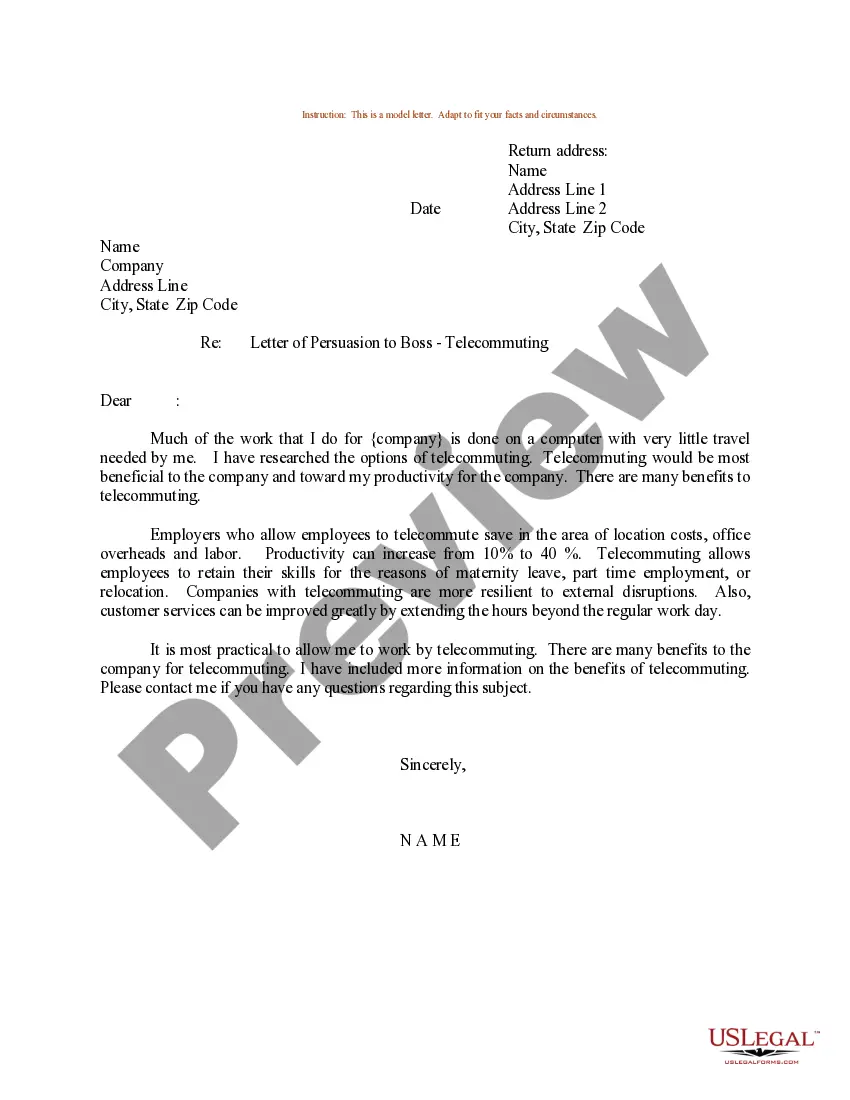
Get your form ready online
Our built-in tools help you complete, sign, share, and store your documents in one place.
Make edits, fill in missing information, and update formatting in US Legal Forms—just like you would in MS Word.
Download a copy, print it, send it by email, or mail it via USPS—whatever works best for your next step.
Sign and collect signatures with our SignNow integration. Send to multiple recipients, set reminders, and more. Go Premium to unlock E-Sign.
If this form requires notarization, complete it online through a secure video call—no need to meet a notary in person or wait for an appointment.
We protect your documents and personal data by following strict security and privacy standards.

Make edits, fill in missing information, and update formatting in US Legal Forms—just like you would in MS Word.

Download a copy, print it, send it by email, or mail it via USPS—whatever works best for your next step.

Sign and collect signatures with our SignNow integration. Send to multiple recipients, set reminders, and more. Go Premium to unlock E-Sign.

If this form requires notarization, complete it online through a secure video call—no need to meet a notary in person or wait for an appointment.

We protect your documents and personal data by following strict security and privacy standards.
Looking for another form?


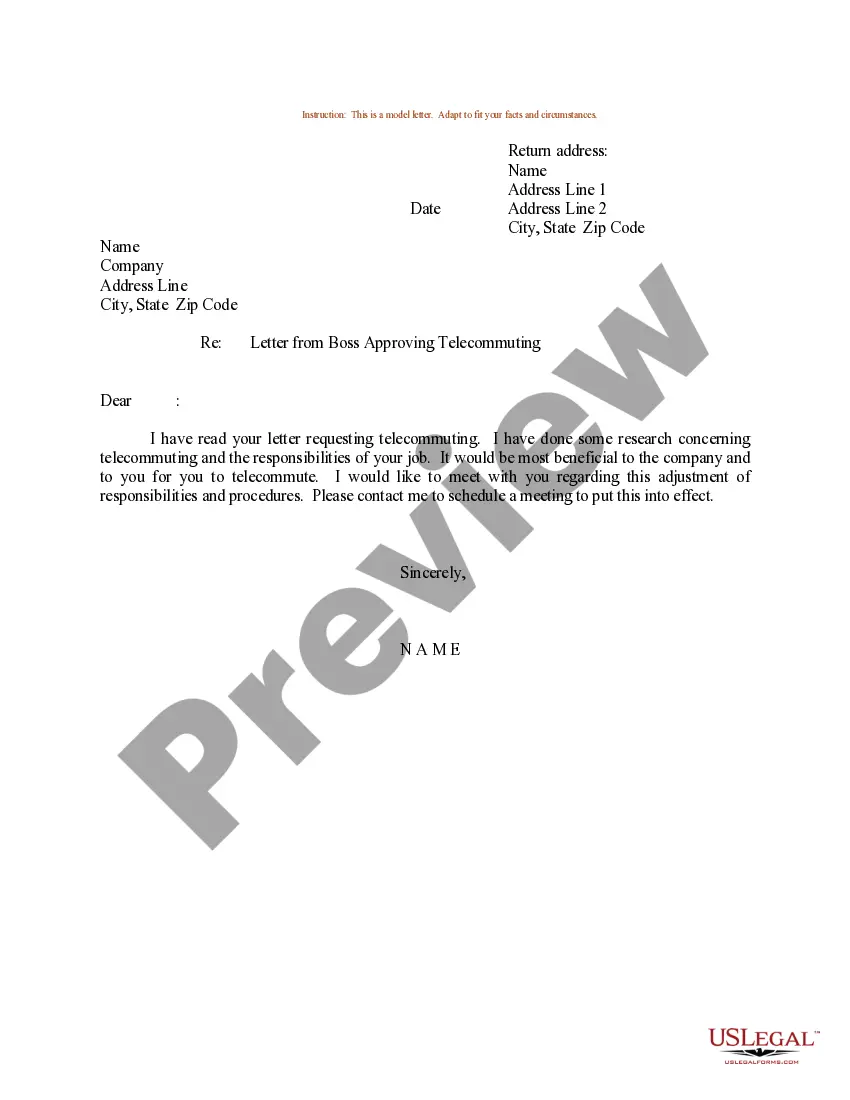
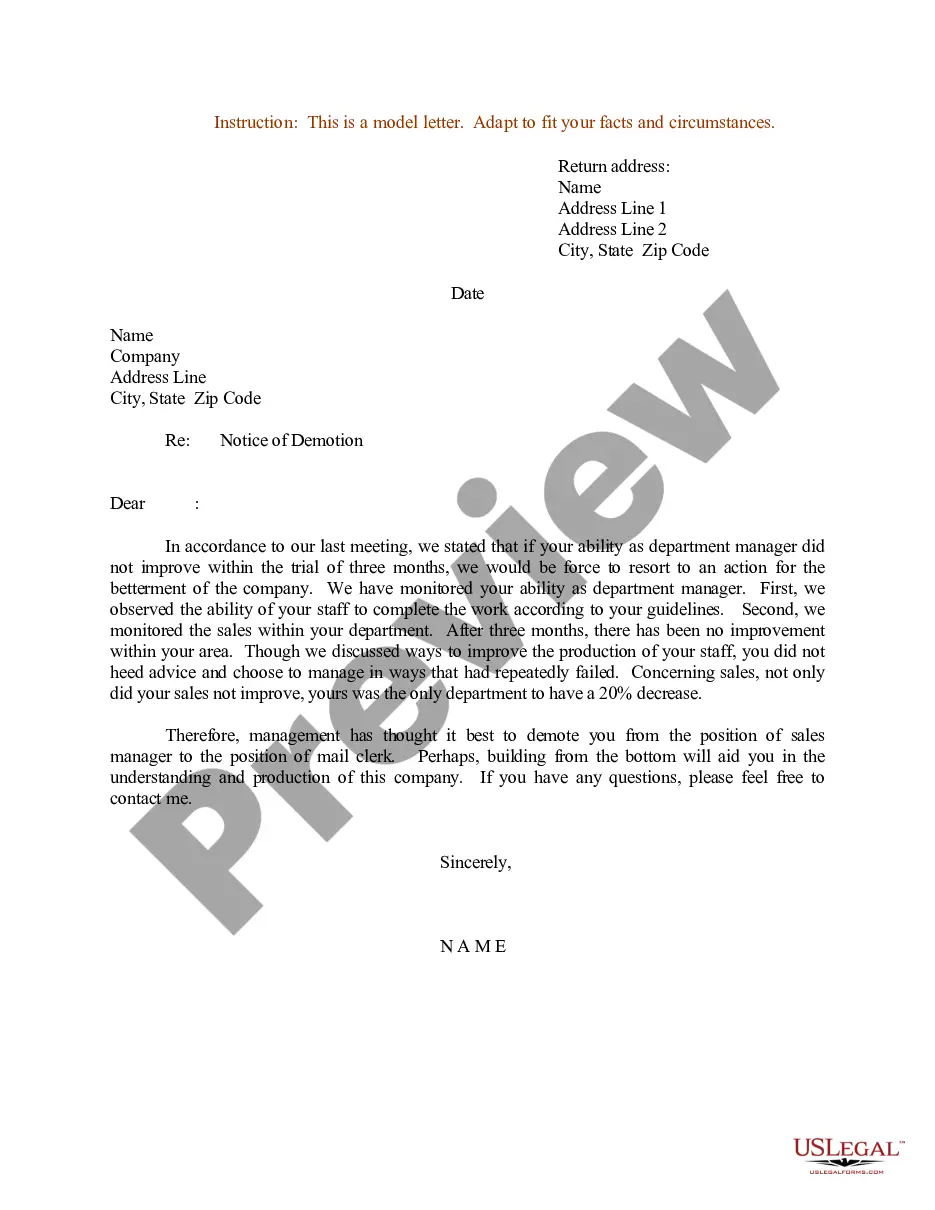
How to fill out Sample Letter For Letter From Boss Approving Telecommuting?
- Begin by logging into your existing US Legal Forms account. If you are not a member yet, create an account to start accessing the library.
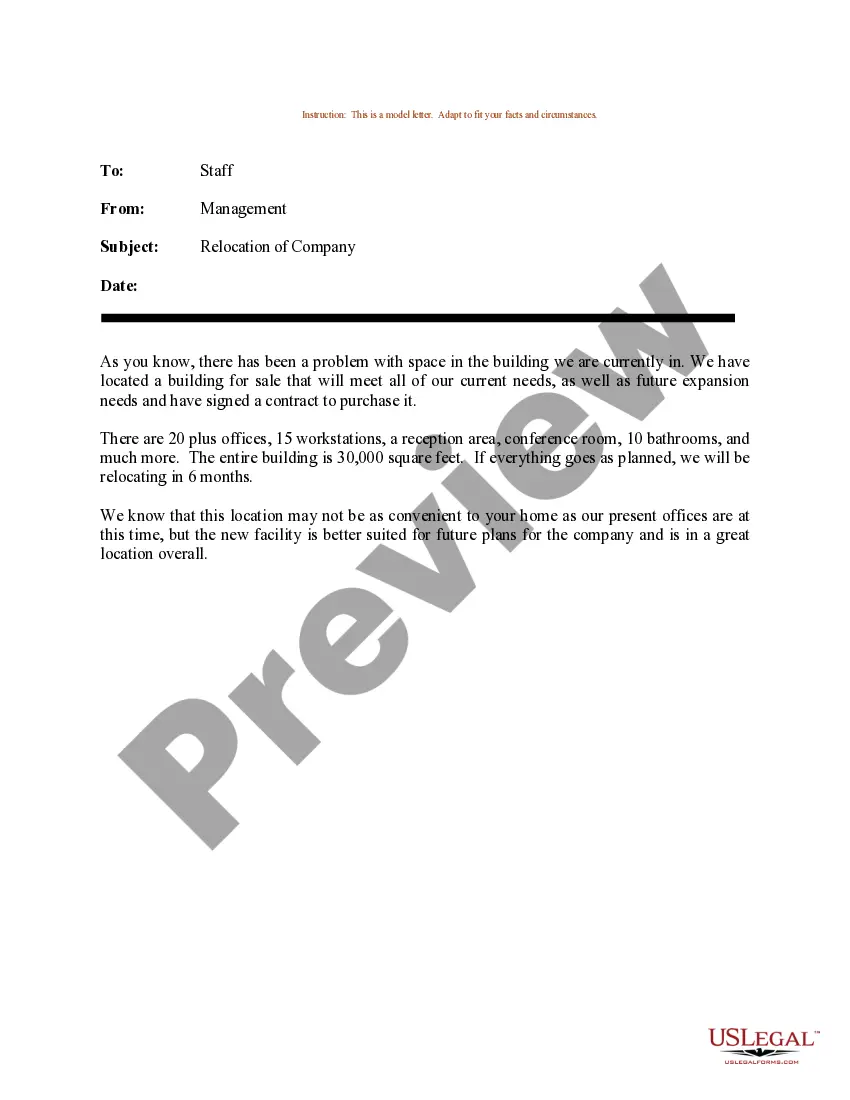
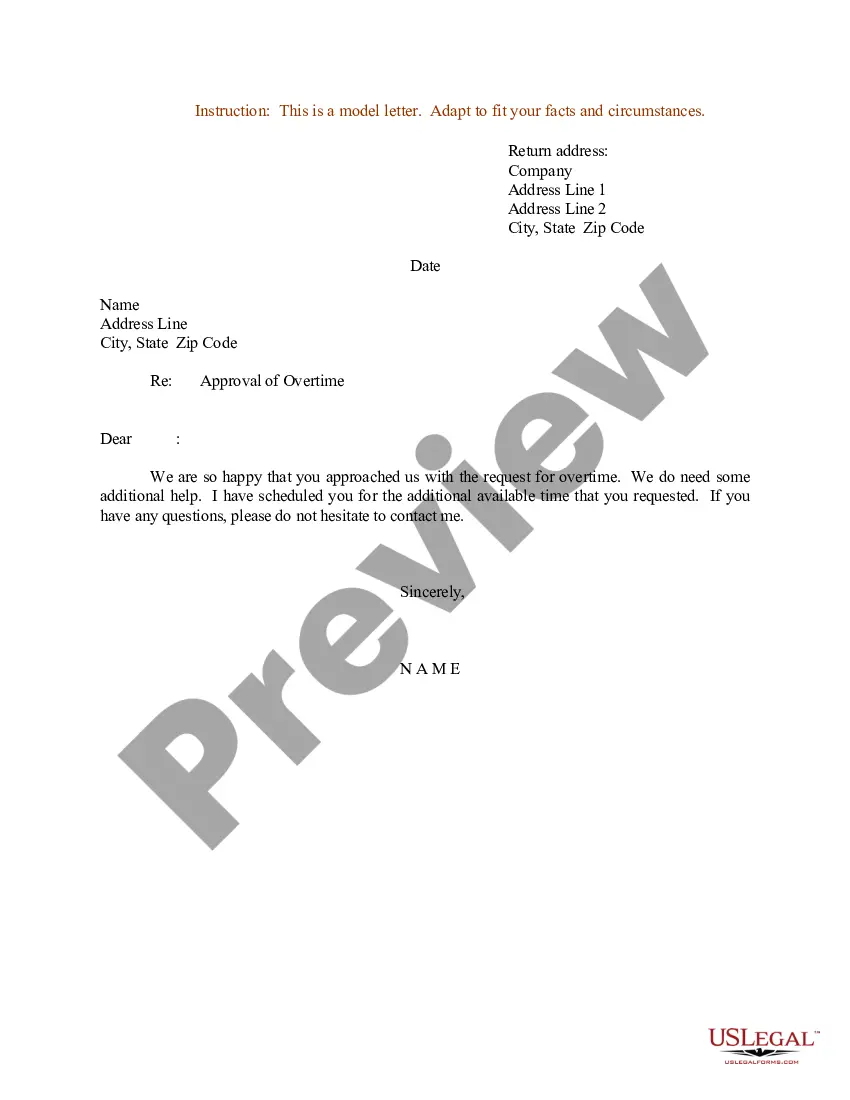
- Navigate to the form library and use the Preview mode to review zip code templates related to telecommuting. Ensure the form meets your locality's legal requirements.
- If you need a different template or cannot find the desired document, utilize the Search function to locate the appropriate forms.
- Select the template that fits your needs. Click on the Buy Now button, and choose the subscription plan that suits you best.
- Complete the purchase process by entering your payment details or using your PayPal account to secure your subscription.
- After purchase, download your selected template and save it on your device. You can access it anytime through the My Forms section in your profile.
By following these steps, you can easily address telecommuting zip codes with password protection using US Legal Forms. Their robust collection and expert assistance ensure you prepare precise legal documents.
Take control of your telecommuting needs today—start your US Legal Forms subscription now and secure your documents with confidence!
Form popularity
FAQ
To make a file password protected, begin by choosing the file you wish to secure. Use a zip program that supports password protection to compress the file. As you create the zip file, look for the password setting and enter a strong password. By following these steps, you effectively address telecommuting zip with password protection and enhance the security of your sensitive documents.
To create a zip file and password protect it, first select the files you want to compress. Then, right-click and choose the zip file option from your zip program. Next, look for an option to add a password; this usually appears in the file settings before you finalize the zip. By doing so, you ensure your address telecommuting zip with password protection is secure and only accessible to authorized users.
Yes, you can password protect a zip folder in Windows 10. Although Windows 10 does not offer built-in features for password protection on zip files, third-party software like 7-Zip can be very helpful. Simply install 7-Zip, right-click on the folder, choose 'Add to archive', and then set a password when prompted. By doing so, you can easily address telecommuting zip with password protection, securing your important files.
To put a password on a zip file, start by selecting the files you wish to compress. Right-click on the selected files and choose the 'Send to' option, then select 'Compressed (zipped) folder'. After creating the zip file, use a tool like WinZip or 7-Zip, which provide an option to add password protection when you create or modify the zip. This method ensures that your files are secure, allowing you to effectively address telecommuting zip with password protection.
To create a zip file with password protection, first, select your files and use a zip program that offers this feature. After you choose to create a zip file, look for options to set a password before completion. Following this process secures your files, making it easier to address telecommuting zip with password protection. Utilizing platforms like uslegalforms can further streamline this task efficiently.
If you cannot password protect a zip file, it may be due to using the wrong software or an outdated version. Ensure that your zip program supports encryption features and is fully updated. Additionally, check your settings to confirm that the password protection feature is enabled. Addressing these aspects will help you secure your files effectively.
Several zip programs provide password protection features, including WinZip, 7-Zip, and WinRAR. These programs allow you to encrypt your zip files effortlessly. By using a program with this capability, you can ensure that your files remain secure while you address telecommuting requirements. Always choose a reputable program for the best security.
Yes, you can create a zip file that is password-protected. This method helps you safeguard sensitive information while enabling easy file sharing. Many zip programs offer options to add password protection when you create your zip file. Utilizing this feature is essential for addressing telecommuting needs securely.
To make a password protected ZIP file, you need to use file compression software like WinZip or WinRAR. After selecting your files for zipping, look for the security or encryption options, where you can assign a password. This ensures that only authorized users can access your compressed files, particularly useful in contexts involving address telecommuting zip with password protection.
In Windows 11, start by selecting the files you want to zip. Use a third-party tool like 7-Zip, which allows you to create a compressed folder with password protection. During the zipping process, select the option to set a password, thus securing your ZIP file. This method is effective for users focusing on address telecommuting zip with password protection.