License Patent With For Thesis Submission
Description
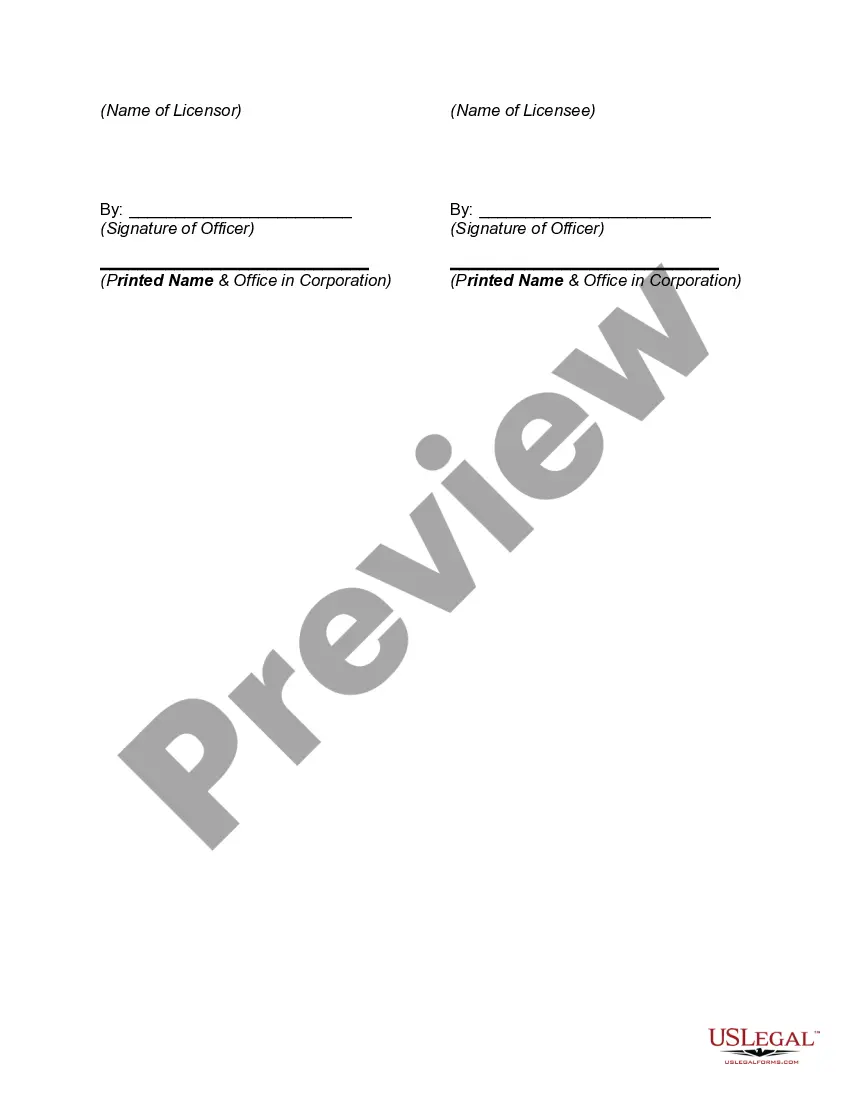
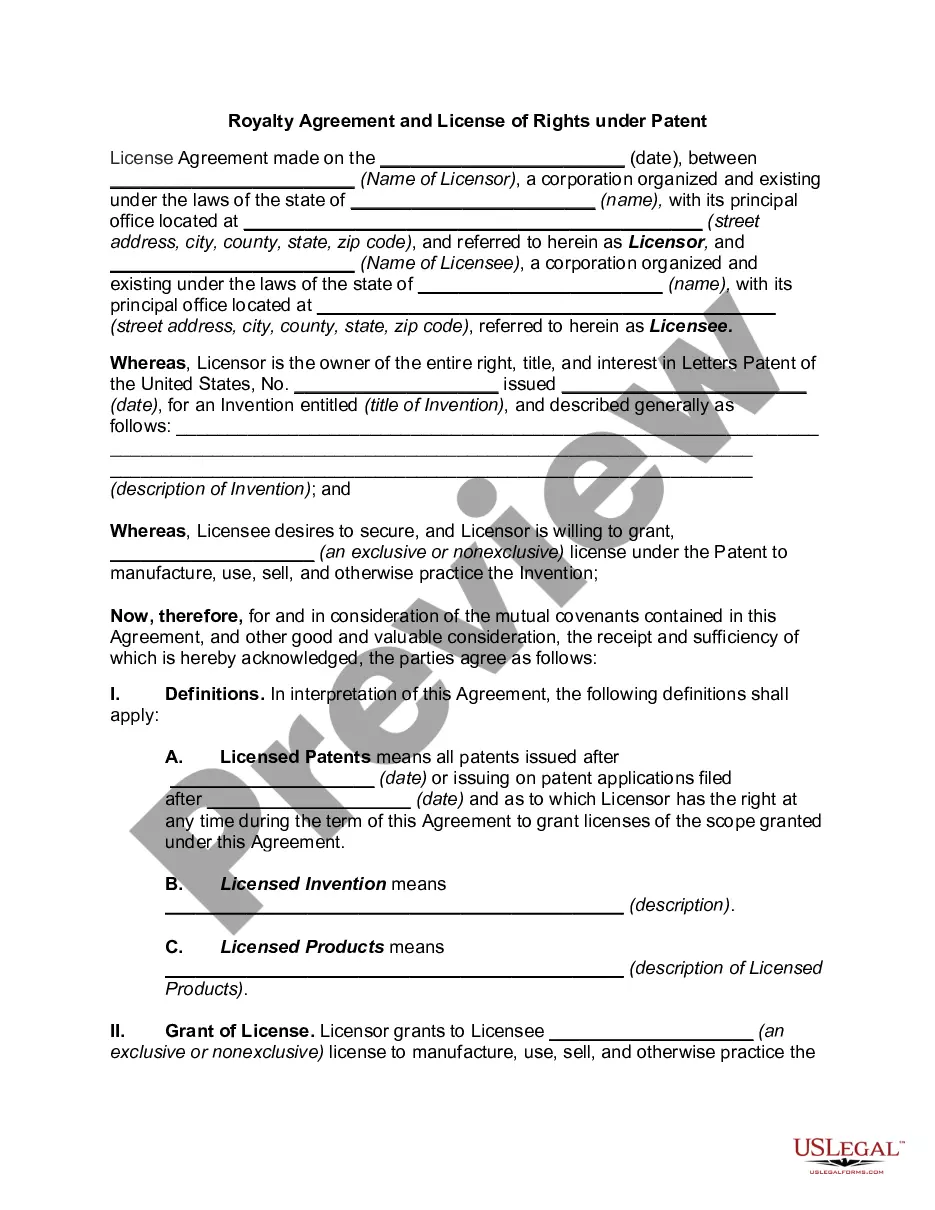
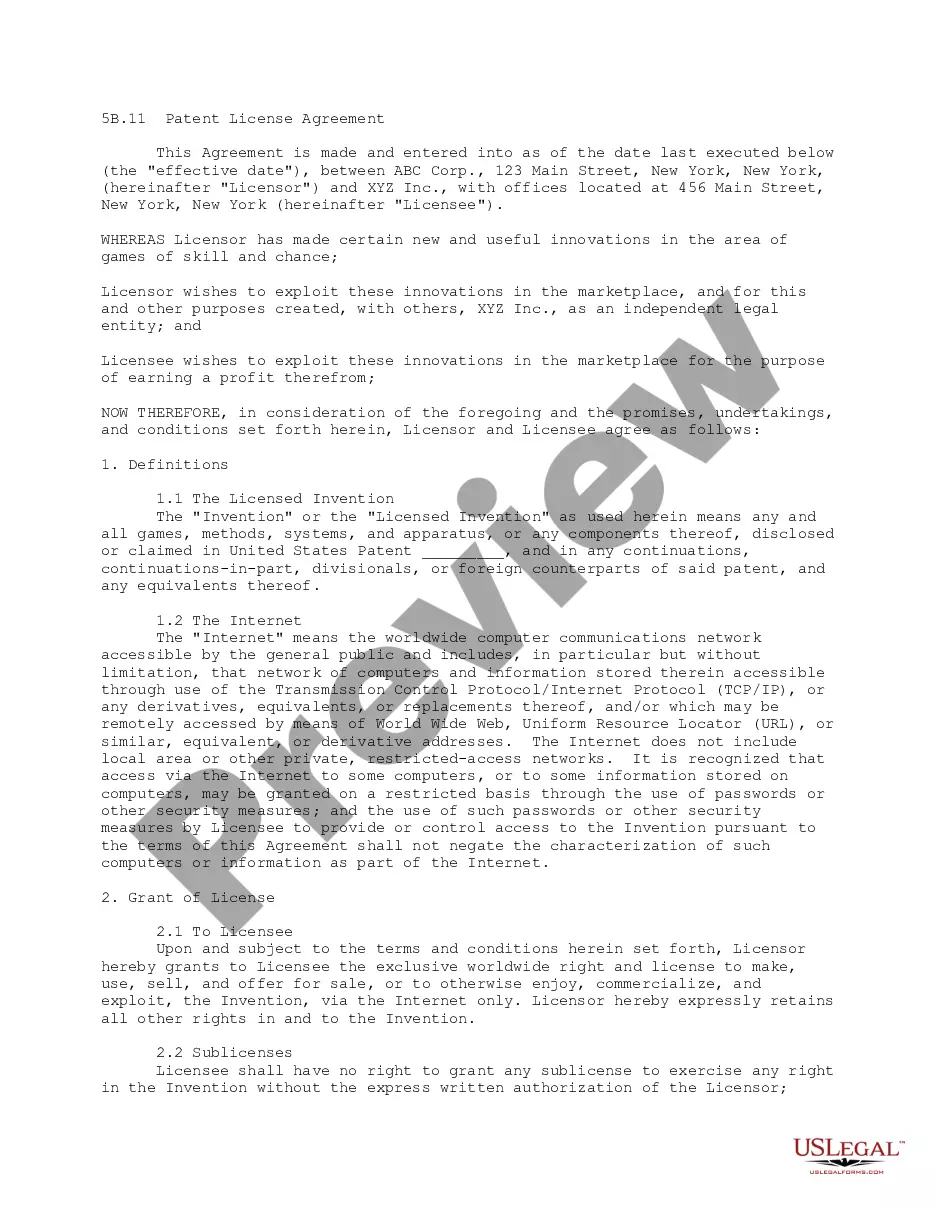
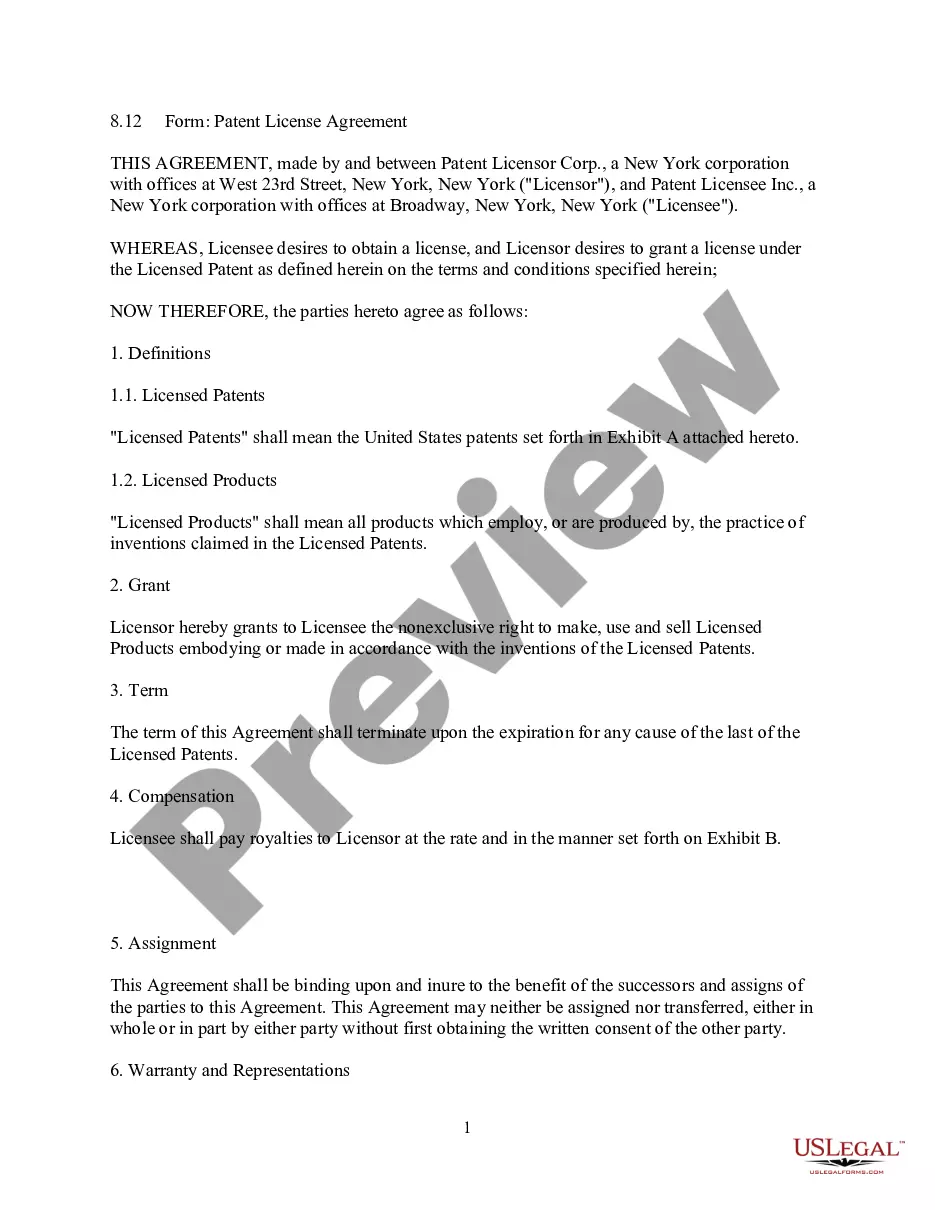
Get your form ready online
Our built-in tools help you complete, sign, share, and store your documents in one place.
Make edits, fill in missing information, and update formatting in US Legal Forms—just like you would in MS Word.
Download a copy, print it, send it by email, or mail it via USPS—whatever works best for your next step.
Sign and collect signatures with our SignNow integration. Send to multiple recipients, set reminders, and more. Go Premium to unlock E-Sign.
If this form requires notarization, complete it online through a secure video call—no need to meet a notary in person or wait for an appointment.
We protect your documents and personal data by following strict security and privacy standards.

Make edits, fill in missing information, and update formatting in US Legal Forms—just like you would in MS Word.

Download a copy, print it, send it by email, or mail it via USPS—whatever works best for your next step.

Sign and collect signatures with our SignNow integration. Send to multiple recipients, set reminders, and more. Go Premium to unlock E-Sign.

If this form requires notarization, complete it online through a secure video call—no need to meet a notary in person or wait for an appointment.

We protect your documents and personal data by following strict security and privacy standards.
Looking for another form?






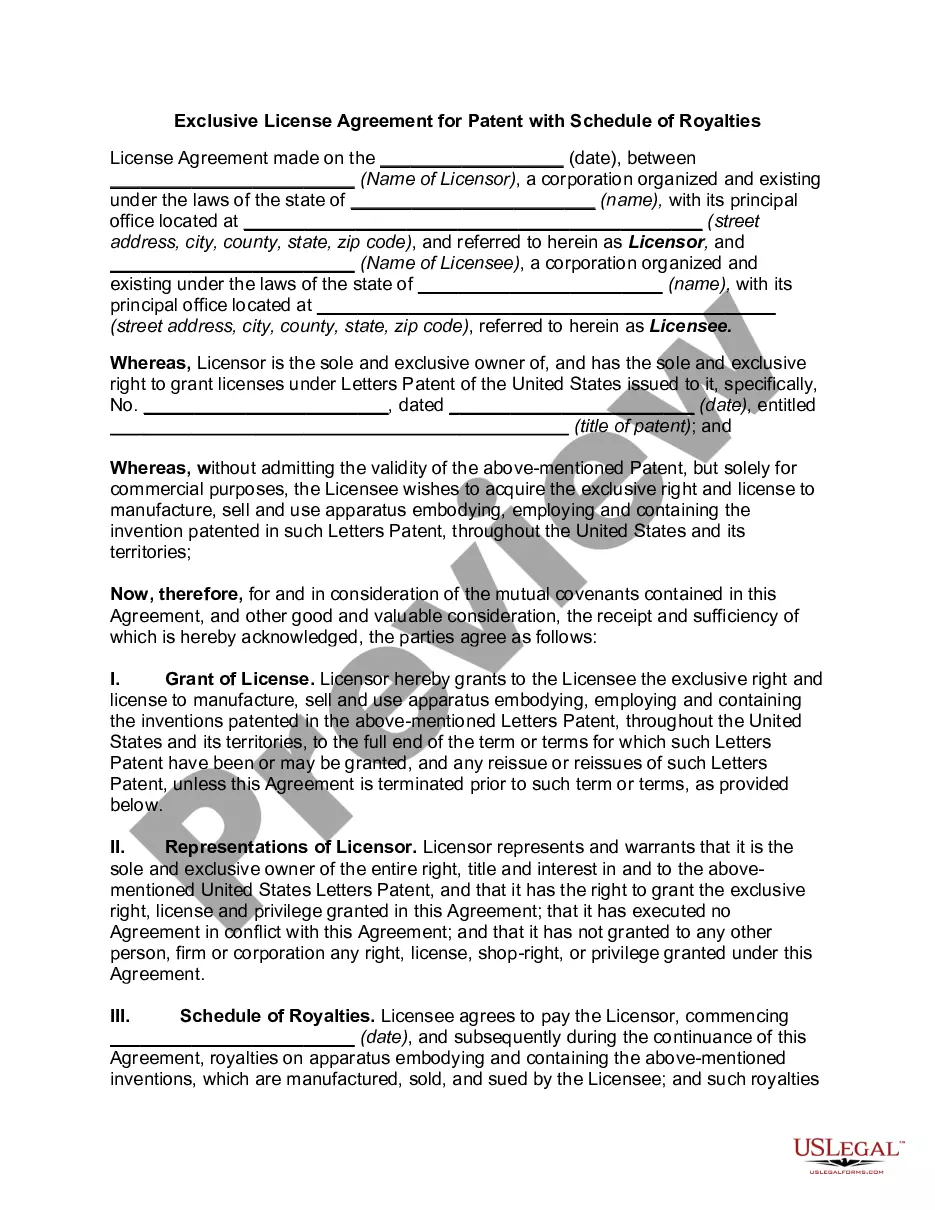
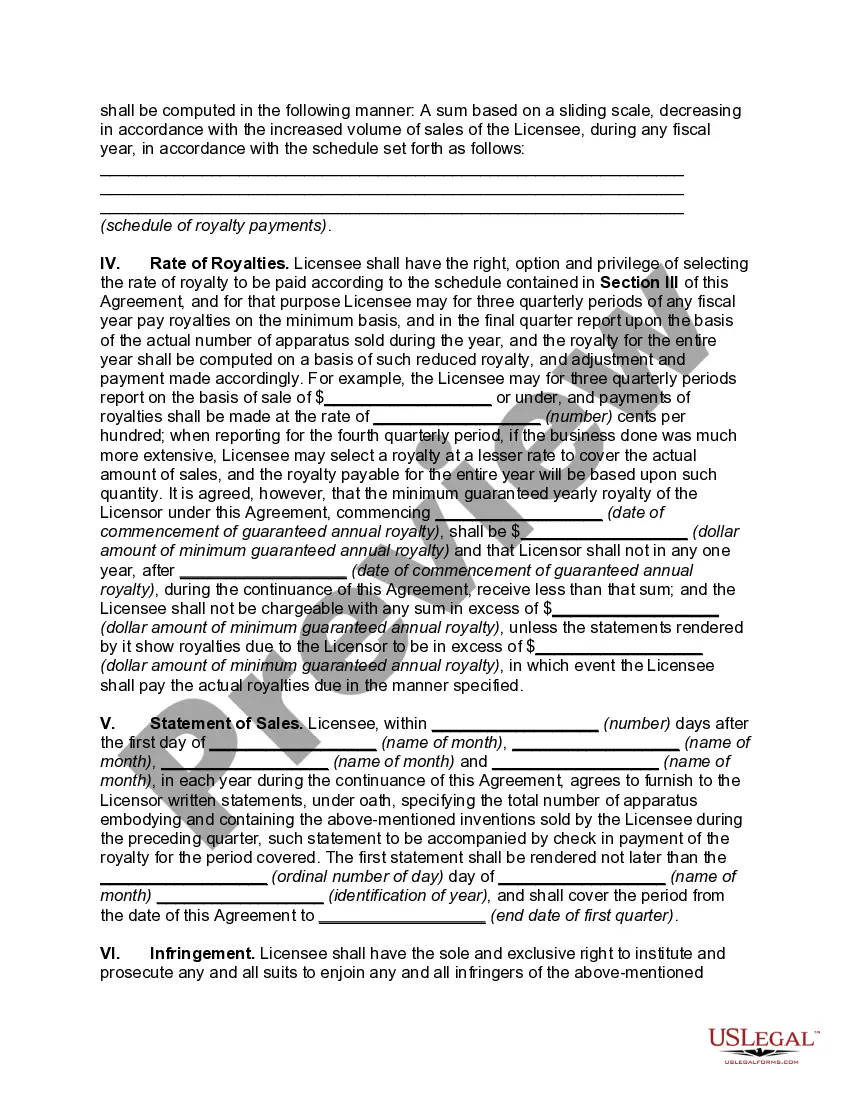
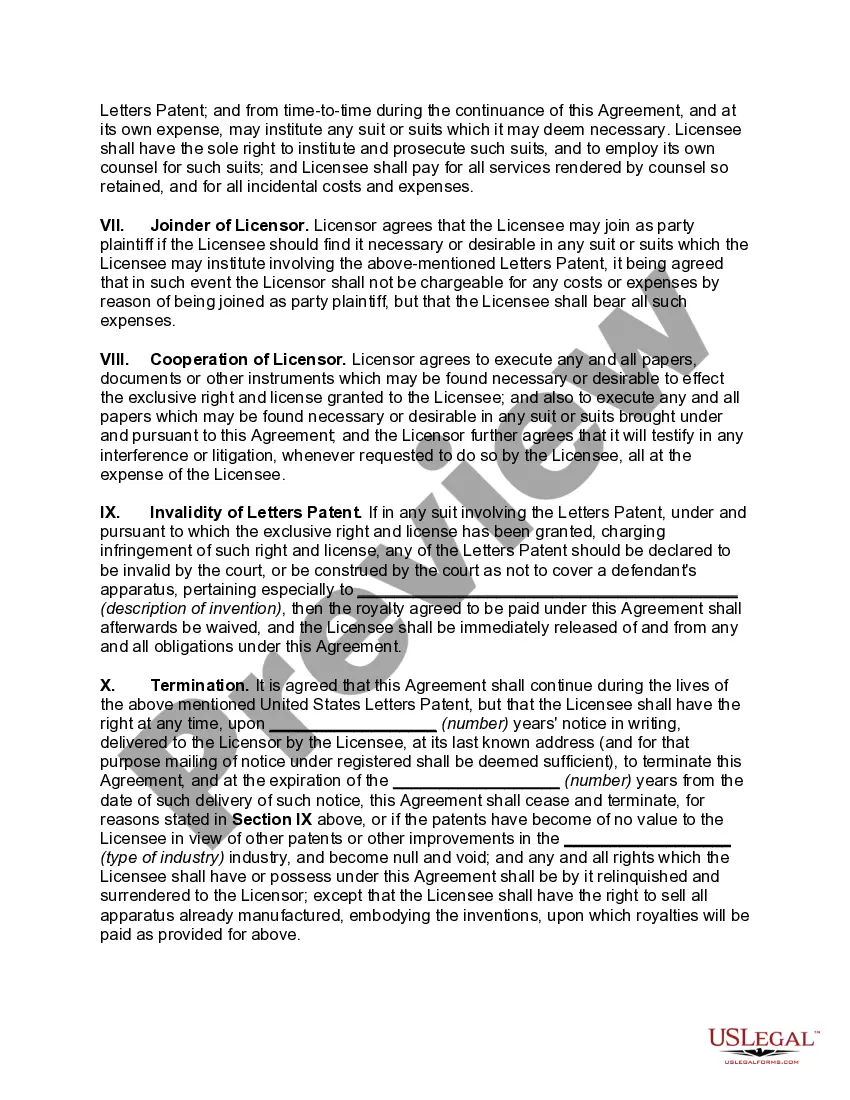
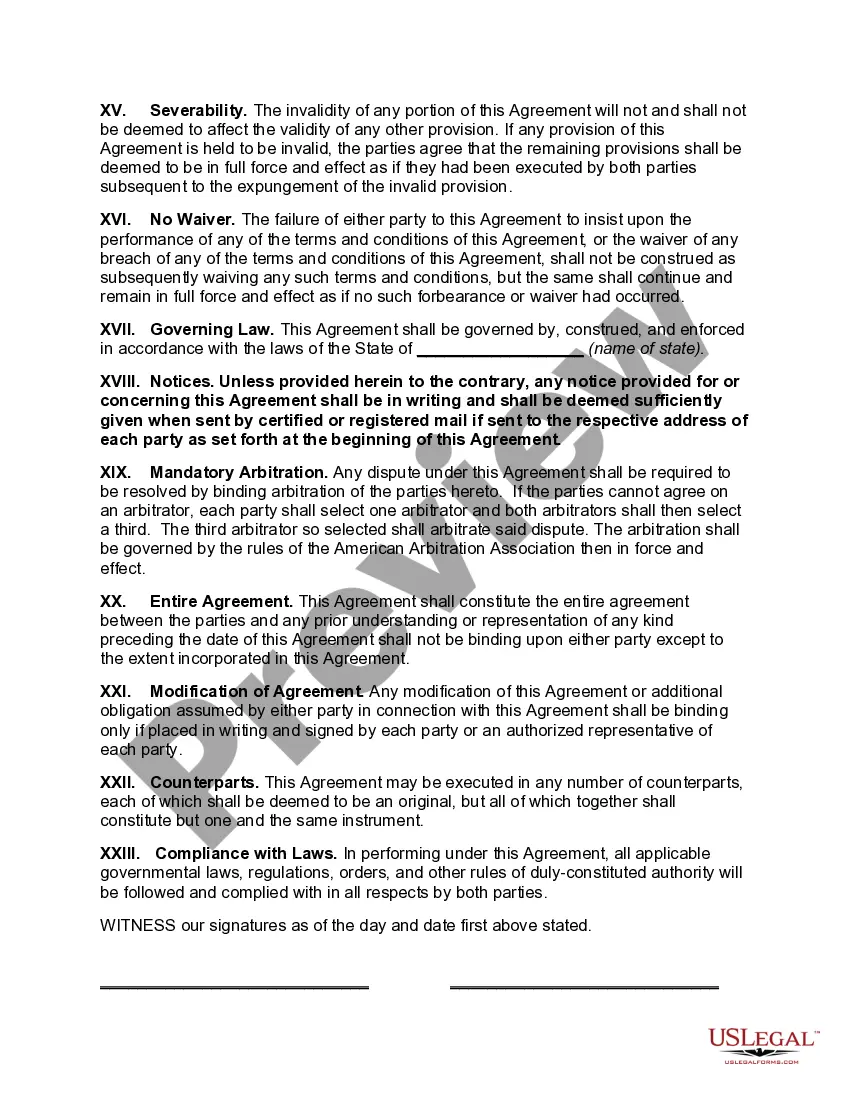
How to fill out Exclusive License Agreement For Patent With Schedule Of Royalties?
- Visit the US Legal Forms website and log in to your account if you're a returning user. Ensure your subscription is active or renew it if necessary.
- Browse through the extensive library of legal forms and check the preview mode to find the patent license template that suits your needs.
- If you cannot find the template you need, use the search function to locate additional options tailored to your specific requirements.
- Select the appropriate document and click on the Buy Now button to proceed with the purchase. Choose the subscription plan that works best for you.
- Complete your purchase by entering your payment information via credit card or PayPal account.
- Download the licensed patent template to your device for completion, and access it later in the My Forms section of your account.
In conclusion, using US Legal Forms enables you to efficiently navigate the process of licensing a patent for your thesis. Their extensive library and expert assistance ensure you have the right tools for legally sound documentation.
Start your journey today by visiting US Legal Forms and unlocking the essential forms for your thesis submission!
Form popularity
FAQ
To copyright your master's thesis, you should file an application with the U.S. Copyright Office. Provide necessary documentation, including a copy of your thesis and a completed application form. By securing copyright, you protect your intellectual property, an essential step if you also plan to license your patent for thesis submission.
A patent grants the inventor exclusive rights to their invention, while a patent license permits others to use the patented invention under specific conditions. Understanding this difference is crucial, especially if you are looking to license your patent for thesis submission. This distinction helps clarify your rights and responsibilities as an inventor.
Citing a patent in your thesis requires you to follow the citation guidelines relevant to your field. Include the patent inventor name, the title of the patent, the patent number, and the issue date. This method will strengthen your arguments and illustrate how your work intersects with licensed patents, benefiting your thesis submission.
To cite a patent in your thesis, use a consistent citation format suitable for your discipline. Generally, include the inventor(s), patent title, patent number, and date of issue. This helps establish the context of your research, particularly when you intend to license your patent for thesis submission.
Typically, a patent does not count as a formal publication in academic terms. However, it is a public disclosure of your invention which provides some level of visibility. If you aim to license your patent for thesis submission, think of the patent as a valuable addition to your portfolio, even if it's not classified as a conventional publication.
Indicating a patent involves referencing its patent number alongside its title in your content. You may also include the date it was granted for added clarity. This practice enhances the professionalism of your thesis, especially if you plan to license your patent for thesis submission.
To mention a patent in your work, clearly state its patent number and title when referring to the invention. You can also include a brief description of the patent’s significance to your research. This approach adds credibility to your thesis, especially when you plan to license your patent for thesis submission.
To fill out an invention disclosure form, start by gathering information about your invention. Describe its purpose, design, and functionality. Next, include any prior art or existing patents that relate to your work. By accurately completing this form, you can better license your patent for thesis submission.
You can patent something after publishing it; however, timing and jurisdiction are crucial. In some regions, public disclosure can jeopardize the novelty required for patent protection. Therefore, if you decide to publish first, consult a legal expert to determine the best steps to take towards licensing your patent with for thesis submission.
You cannot patent something that lacks novelty, is abstract, or is merely a scientific principle. Additionally, work in the public domain or products already patented by someone else are not eligible for patenting. If you created something based only on existing knowledge that doesn’t qualify as an invention, it will not receive patent protection. Therefore, think about how to license your patent with for thesis submission to maximize your rights.