Change File Name With Excel
Description
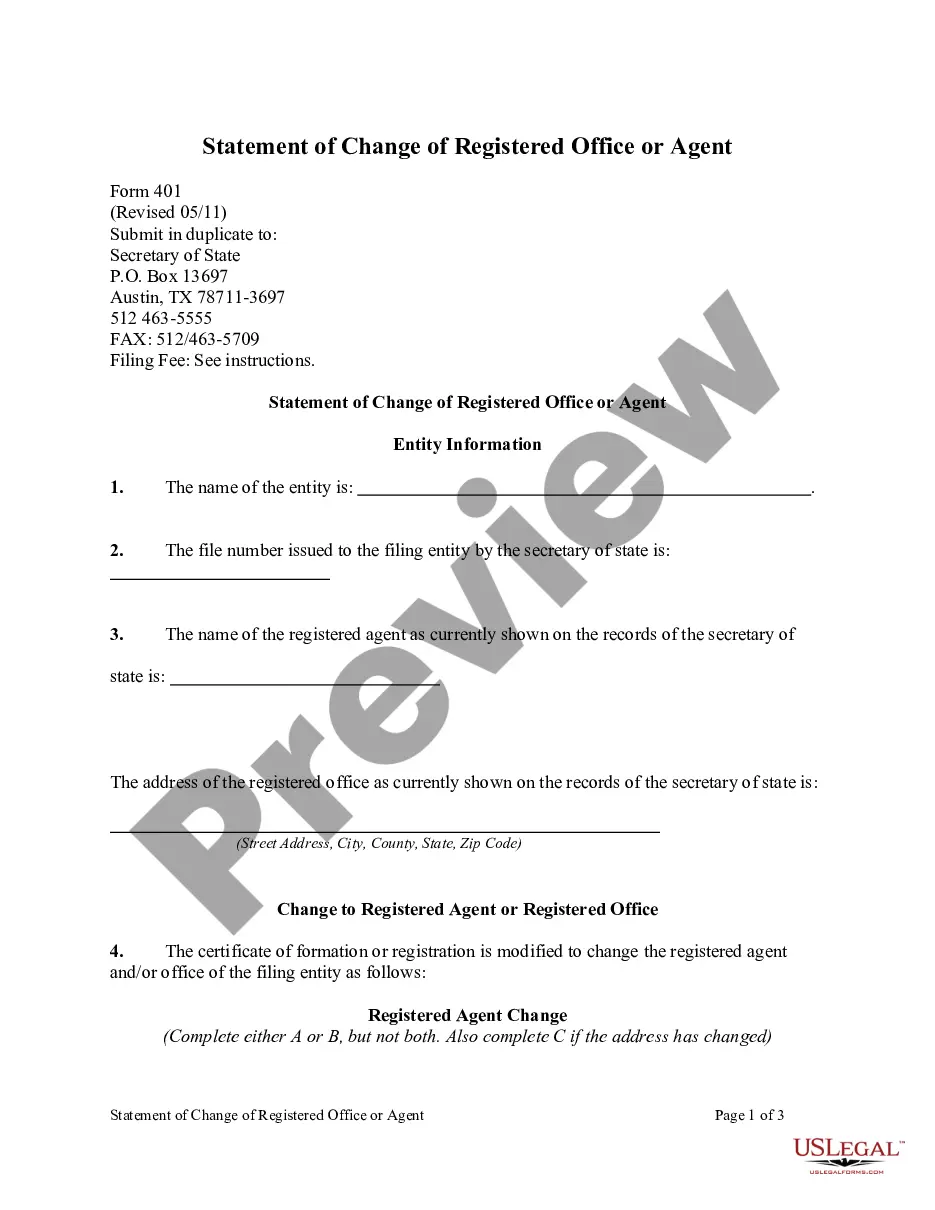
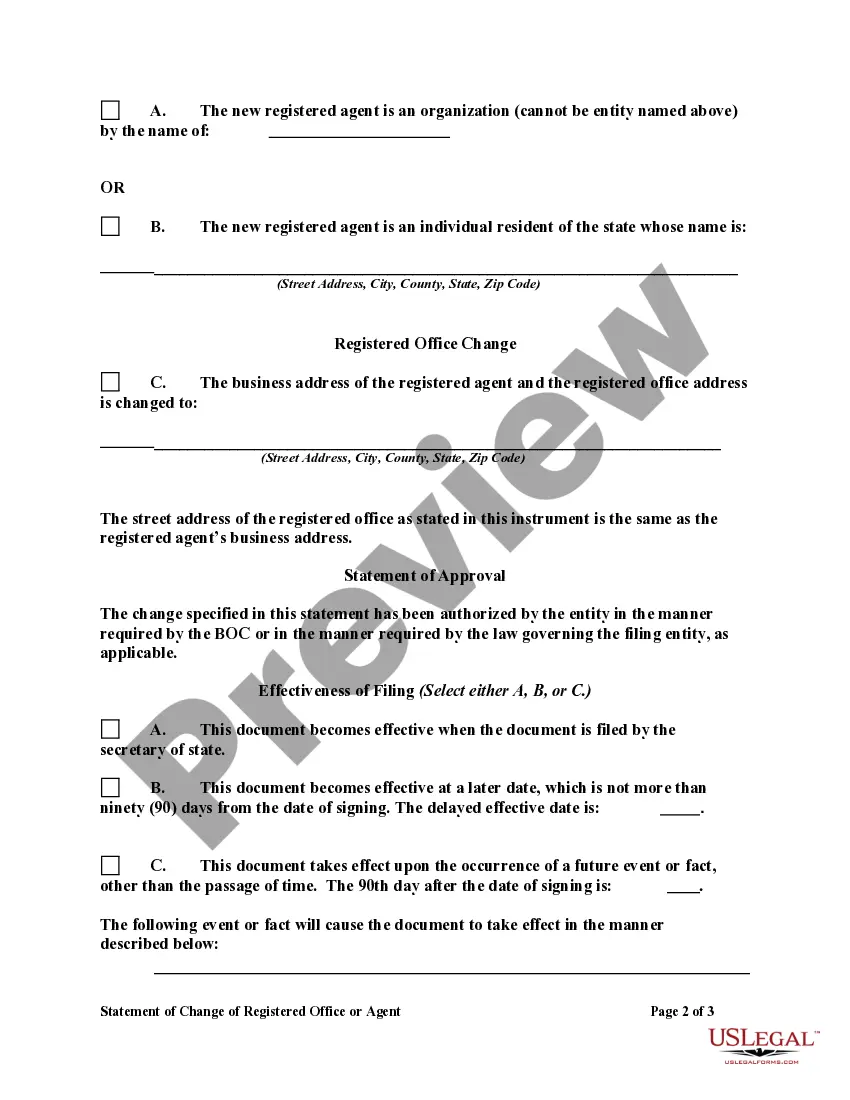

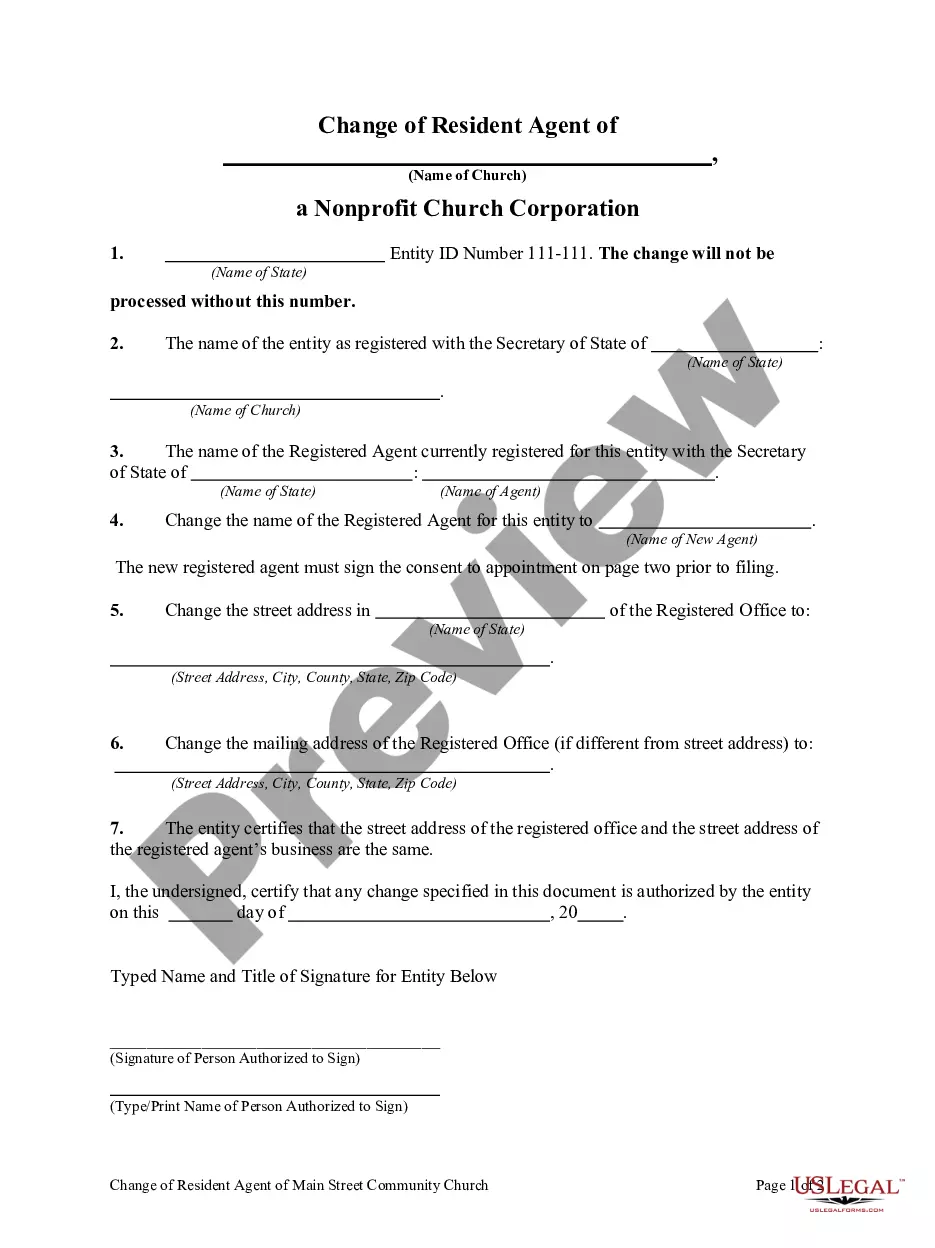
Get your form ready online
Our built-in tools help you complete, sign, share, and store your documents in one place.
Make edits, fill in missing information, and update formatting in US Legal Forms—just like you would in MS Word.
Download a copy, print it, send it by email, or mail it via USPS—whatever works best for your next step.
Sign and collect signatures with our SignNow integration. Send to multiple recipients, set reminders, and more. Go Premium to unlock E-Sign.
If this form requires notarization, complete it online through a secure video call—no need to meet a notary in person or wait for an appointment.
We protect your documents and personal data by following strict security and privacy standards.

Make edits, fill in missing information, and update formatting in US Legal Forms—just like you would in MS Word.

Download a copy, print it, send it by email, or mail it via USPS—whatever works best for your next step.

Sign and collect signatures with our SignNow integration. Send to multiple recipients, set reminders, and more. Go Premium to unlock E-Sign.

If this form requires notarization, complete it online through a secure video call—no need to meet a notary in person or wait for an appointment.

We protect your documents and personal data by following strict security and privacy standards.
Looking for another form?
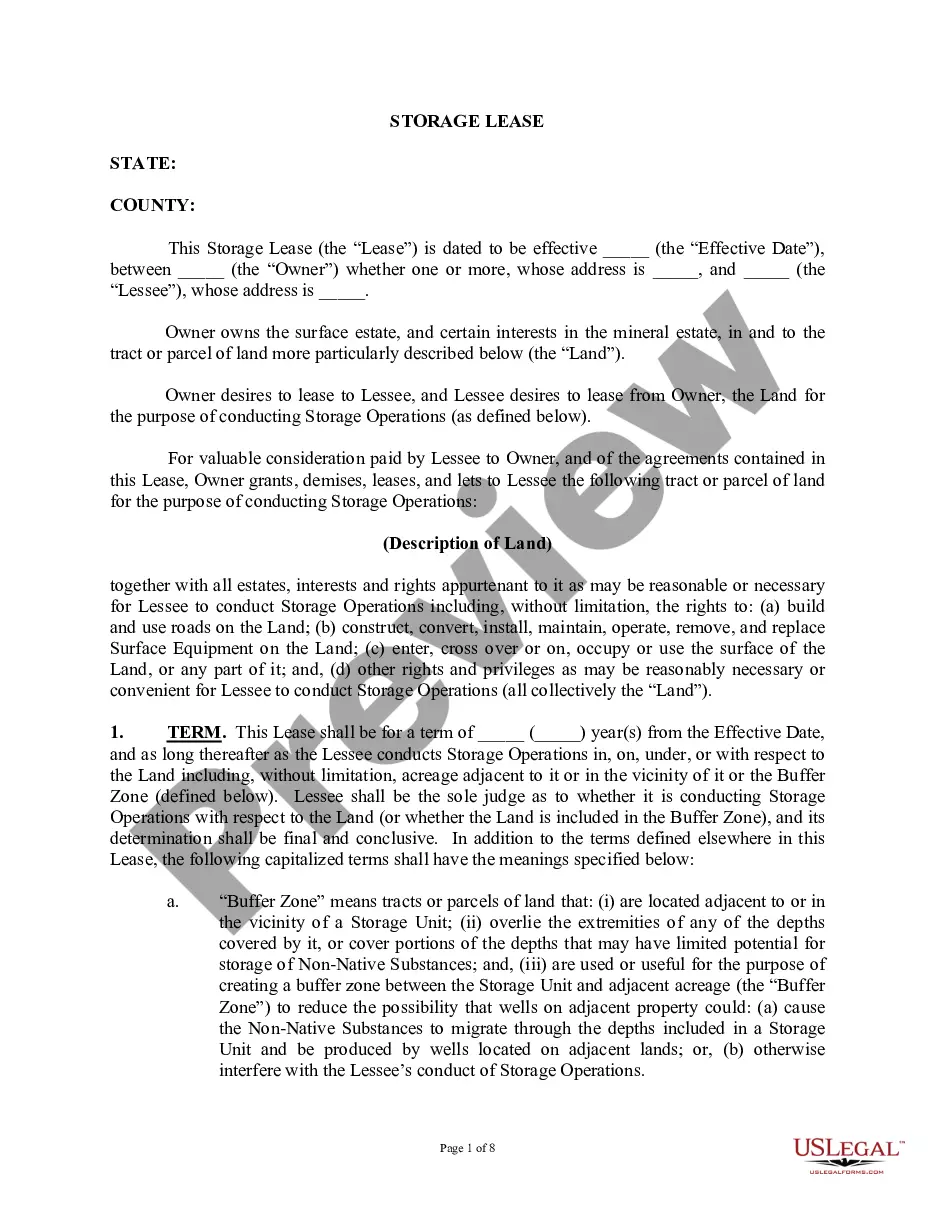







How to fill out Statement Of Change Of Registered Office Or Agent?
Regardless of whether it pertains to business needs or personal matters, all individuals must encounter legal circumstances at various stages in their lives.
Filling out legal documents requires meticulous focus, starting with choosing the correct form template.
With a vast catalog from US Legal Forms available, you do not need to waste time searching for the right sample on the internet. Utilize the library's straightforward navigation to find the correct template for any circumstance.
- Obtain the template you need by utilizing the search bar or browsing the catalog.
- Review the details of the form to ensure it aligns with your specific situation, state, and locality.
- Click on the form's preview to inspect it.
- If it is the wrong document, return to the search feature to find the Change File Name With Excel template you need.
- Acquire the template if it satisfies your requirements.
- If you already have a US Legal Forms account, click Log in to access previously stored documents in My documents.
- Should you not possess an account yet, you can acquire the form by clicking Buy now.
- Select the suitable pricing plan.
- Fill out the profile registration form.
- Choose your payment option: you can utilize a credit card or PayPal account.
- Select the document format you desire and download the Change File Name With Excel.
- After saving it, you can either fill out the form using editing software or print it to complete it manually.
Form popularity
FAQ
If you change the file name with Excel and need to retrieve the renamed file, start by checking the folder where you saved it. You can use the search function in your file explorer to locate the file by its new name. Additionally, if you remember any part of the old name, try searching for that as well. If you have trouble finding it, consider using file recovery software, which may help you locate previous versions or unsaved files.
To automatically rename a file with the same name, you can set up a macro in Excel that triggers when you save or update a document. This macro can prompt you to input a new name or append a timestamp to the existing name. By utilizing this method, you effectively change file name with Excel, ensuring you maintain version control and organization.
To get Excel to auto fill names, start by entering a partial name in a cell. Drag the fill handle, a small square at the bottom-right corner of the cell, down to fill adjacent cells with sequential names. This feature allows you to quickly populate a list, which can then be used when you change file name with Excel for a more organized approach.
To change file name using Excel, you can create a list of the new names in a spreadsheet. Then, use a simple VBA script or Excel's built-in features to reference these names and rename corresponding files. This method streamlines the renaming process and ensures accuracy, making it easier for you to manage your files.
To rename files all at once, you can use a batch renaming tool or script. A common method is to utilize the Command Prompt or PowerShell in Windows, or Automator on Mac. If you prefer a more user-friendly approach, consider using software that integrates with Excel, allowing you to change file name with Excel and automate the process efficiently.
To rename a file name, you typically right-click on the file in your file explorer and select 'Rename'. Alternatively, you can open the file in Excel and use the 'Save As' function to change the file name with Excel. This flexibility allows you to manage your documents efficiently while keeping your file names organized.
To change file name with Excel for multiple files, you might consider using a VBA script or a third-party tool that integrates with Excel. Unfortunately, Excel doesn't directly allow batch renaming of files; however, you can list the files in a spreadsheet and use a script to automate the renaming process. This method saves time and ensures consistency across your file names.
Yes, you can rename files using Excel, but it requires saving the file under a new name. By utilizing the 'Save As' feature, you can easily change the file name with Excel. This approach not only allows you to rename the file but also helps in creating different versions of your document as needed.
To change the title of a document in Excel, you can modify the 'Title' property in the document's metadata. Click on 'File', then 'Info', and look for 'Properties'. Here, you can enter a new title, which will help you better organize your files and make it easier to find them later. This method is essential when you want to change file name with Excel for better clarity.
To change file name with Excel, first, open the file you want to rename. Click on 'File' in the top left corner, then select 'Save As'. In the dialog box, type your new file name in the 'File name' field and click 'Save'. This simple process allows you to easily change your file name without leaving Excel.