Contract Insurance Agreement With Client
Description

Get your form ready online
Our built-in tools help you complete, sign, share, and store your documents in one place.
Make edits, fill in missing information, and update formatting in US Legal Forms—just like you would in MS Word.
Download a copy, print it, send it by email, or mail it via USPS—whatever works best for your next step.
Sign and collect signatures with our SignNow integration. Send to multiple recipients, set reminders, and more. Go Premium to unlock E-Sign.
If this form requires notarization, complete it online through a secure video call—no need to meet a notary in person or wait for an appointment.
We protect your documents and personal data by following strict security and privacy standards.
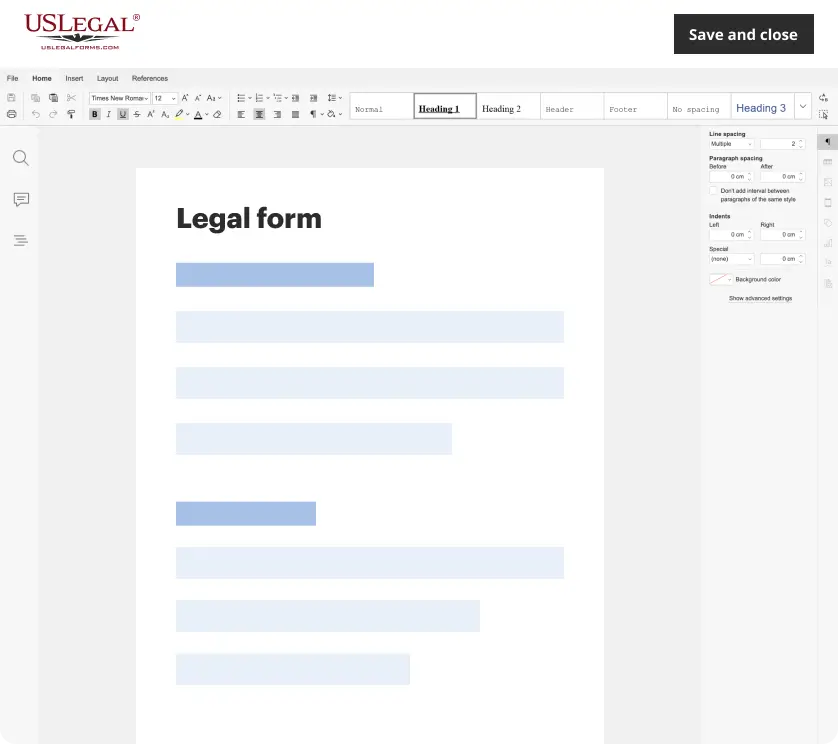
Make edits, fill in missing information, and update formatting in US Legal Forms—just like you would in MS Word.
Download a copy, print it, send it by email, or mail it via USPS—whatever works best for your next step.
Sign and collect signatures with our SignNow integration. Send to multiple recipients, set reminders, and more. Go Premium to unlock E-Sign.

If this form requires notarization, complete it online through a secure video call—no need to meet a notary in person or wait for an appointment.
We protect your documents and personal data by following strict security and privacy standards.
Looking for another form?

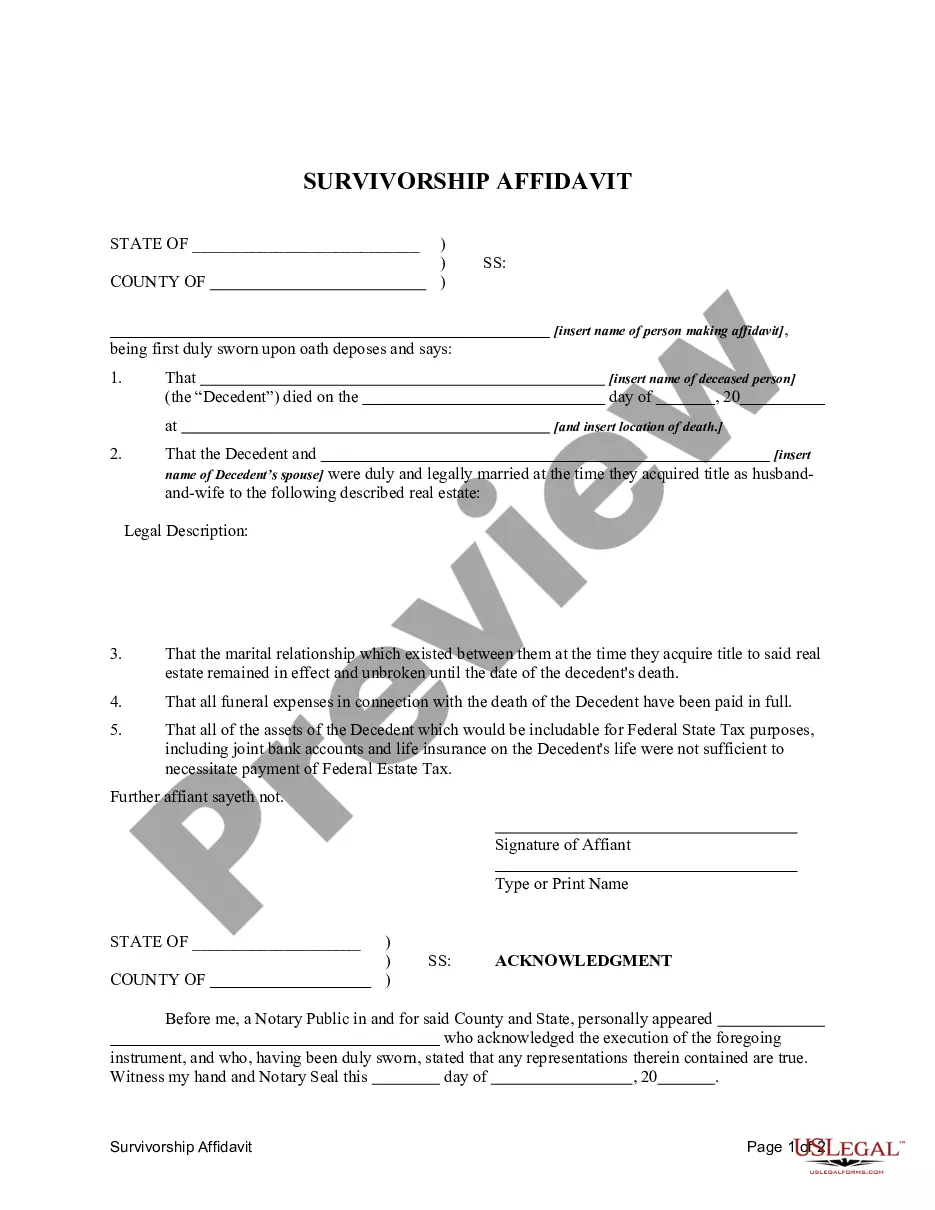
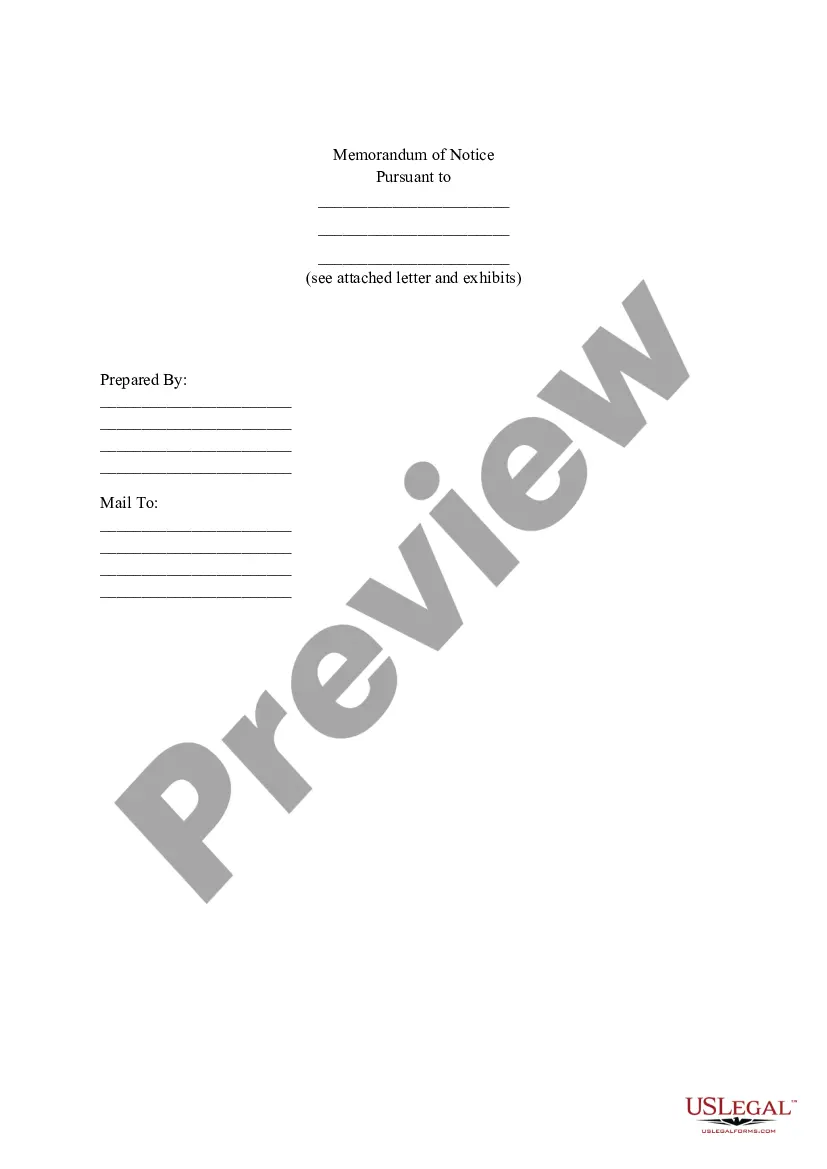

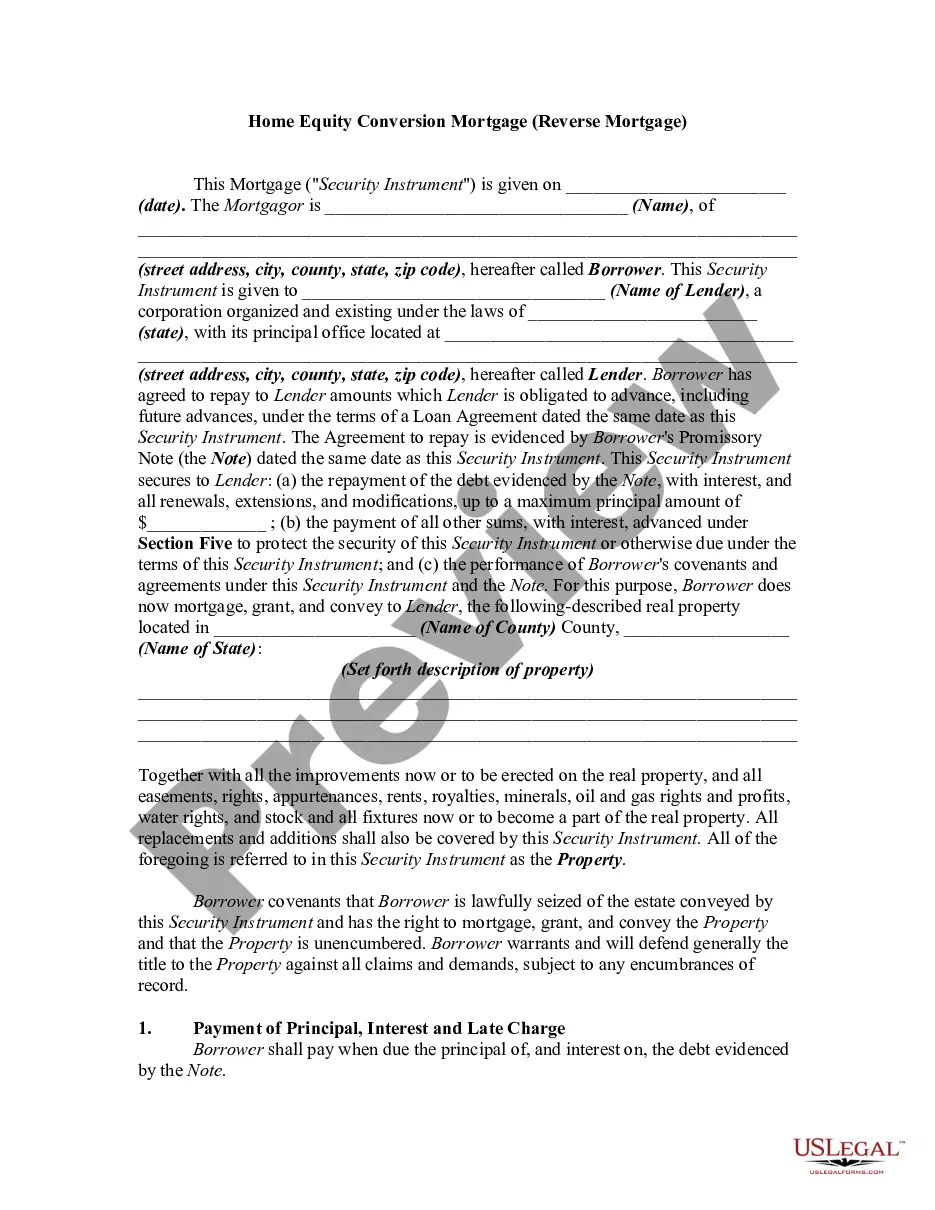

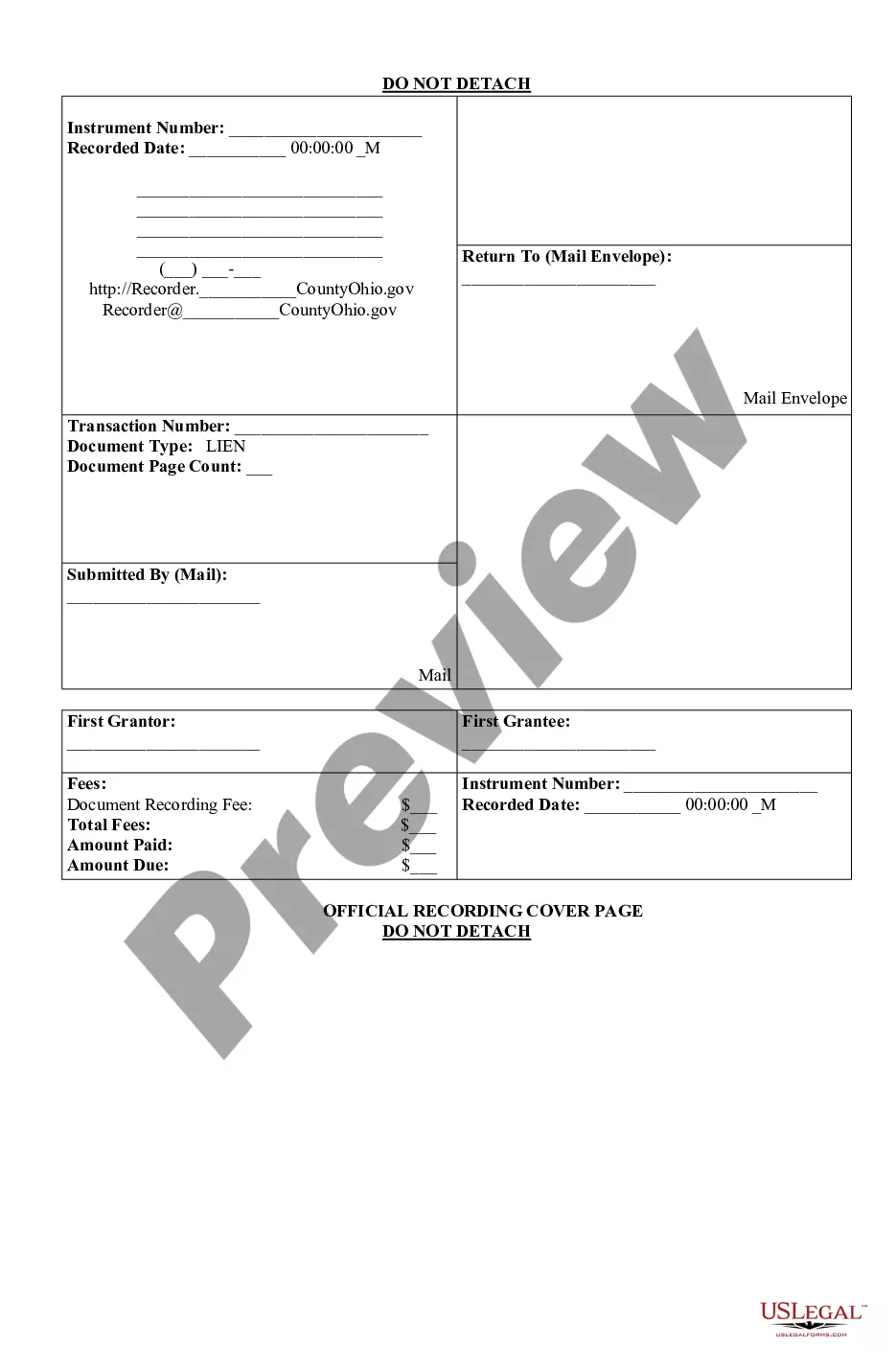
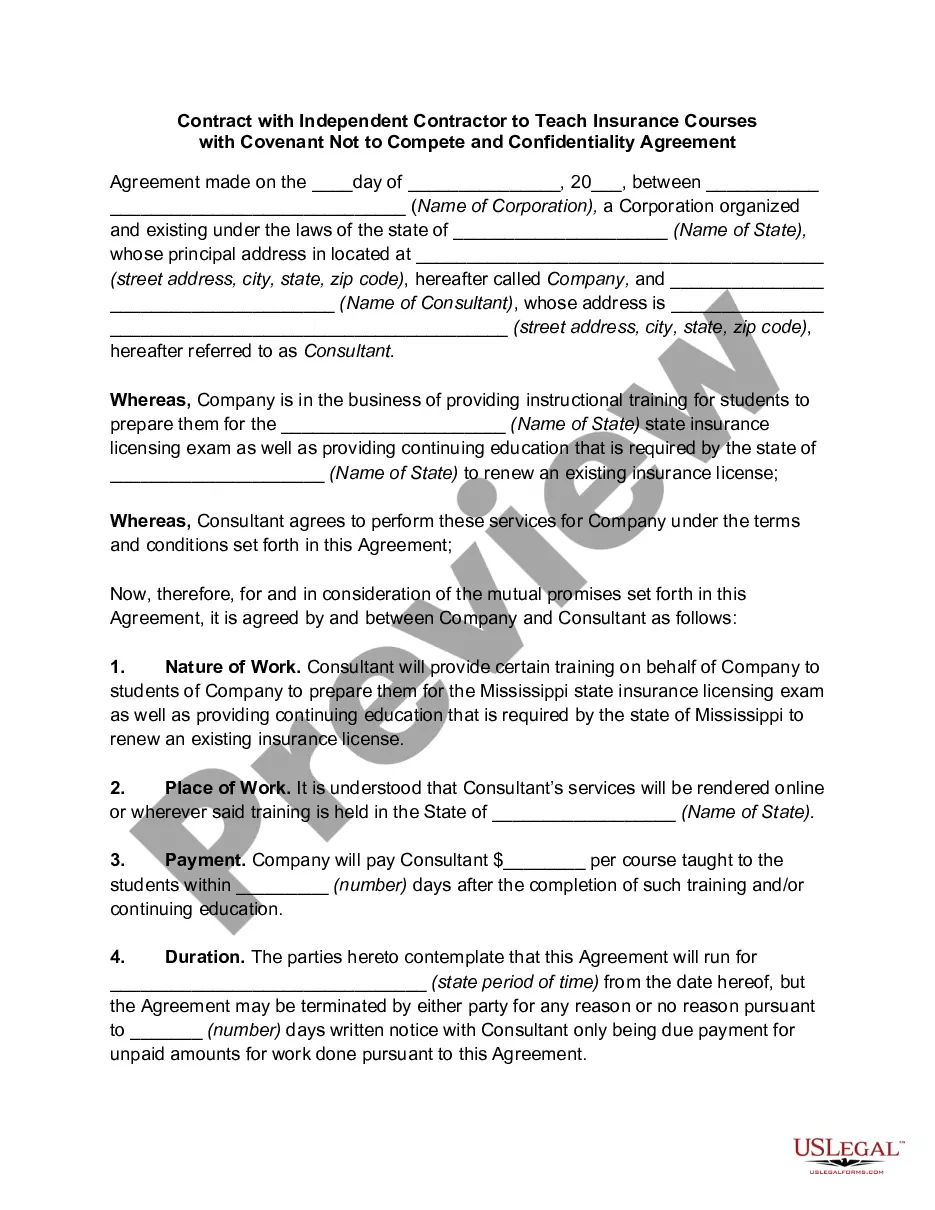
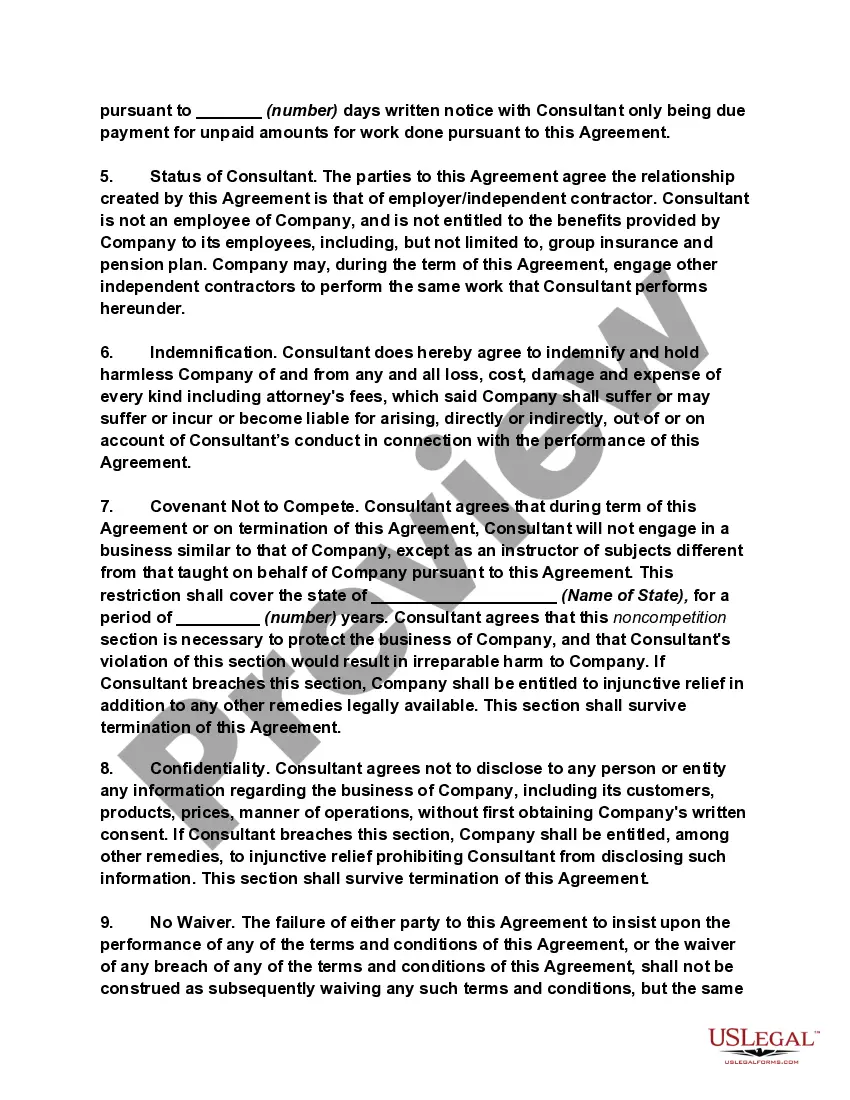
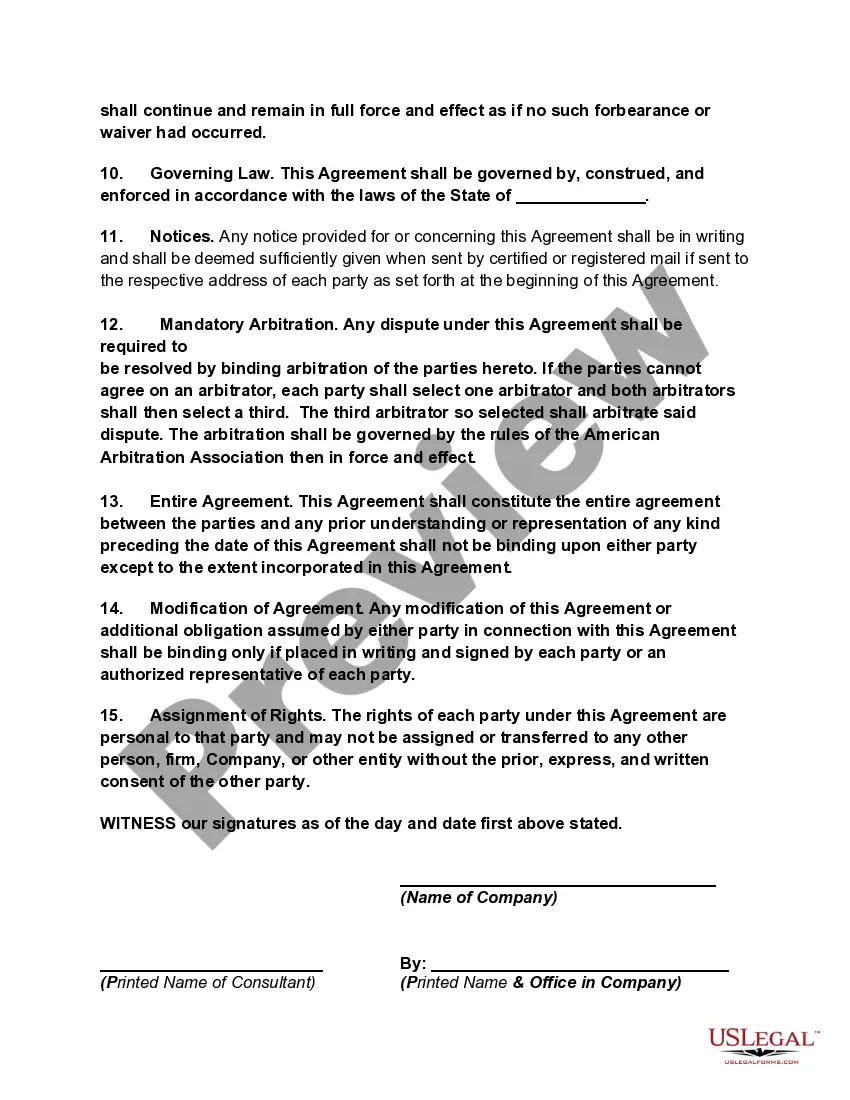
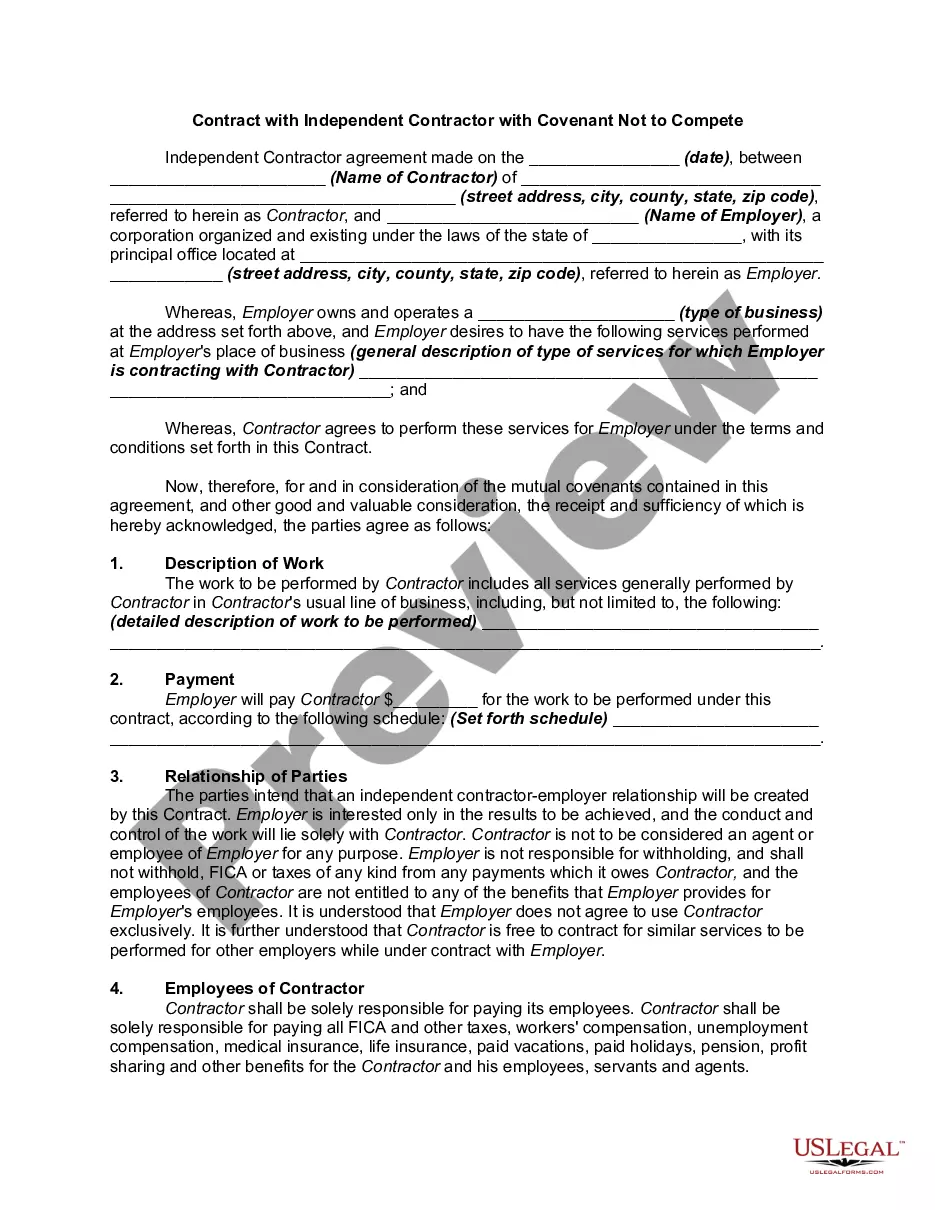
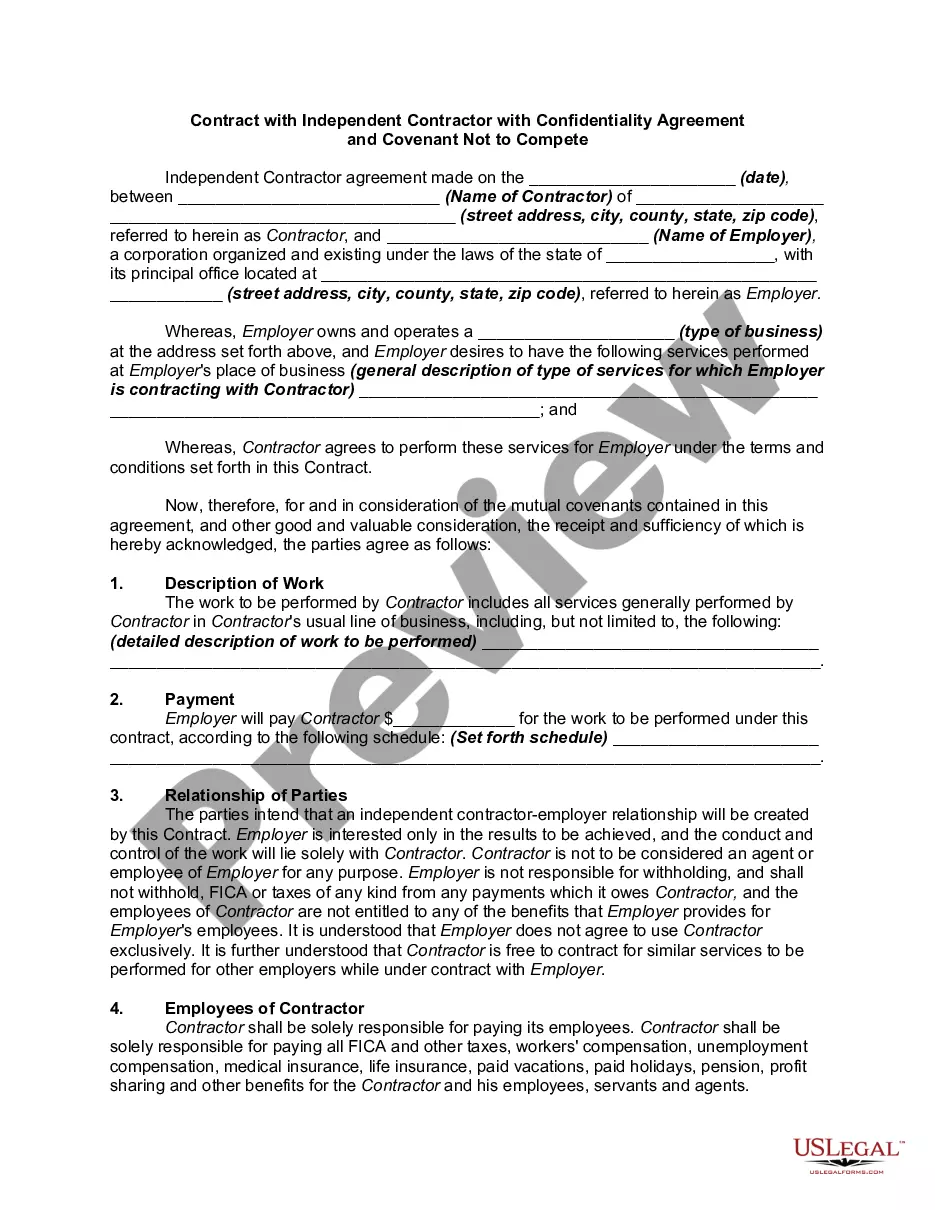
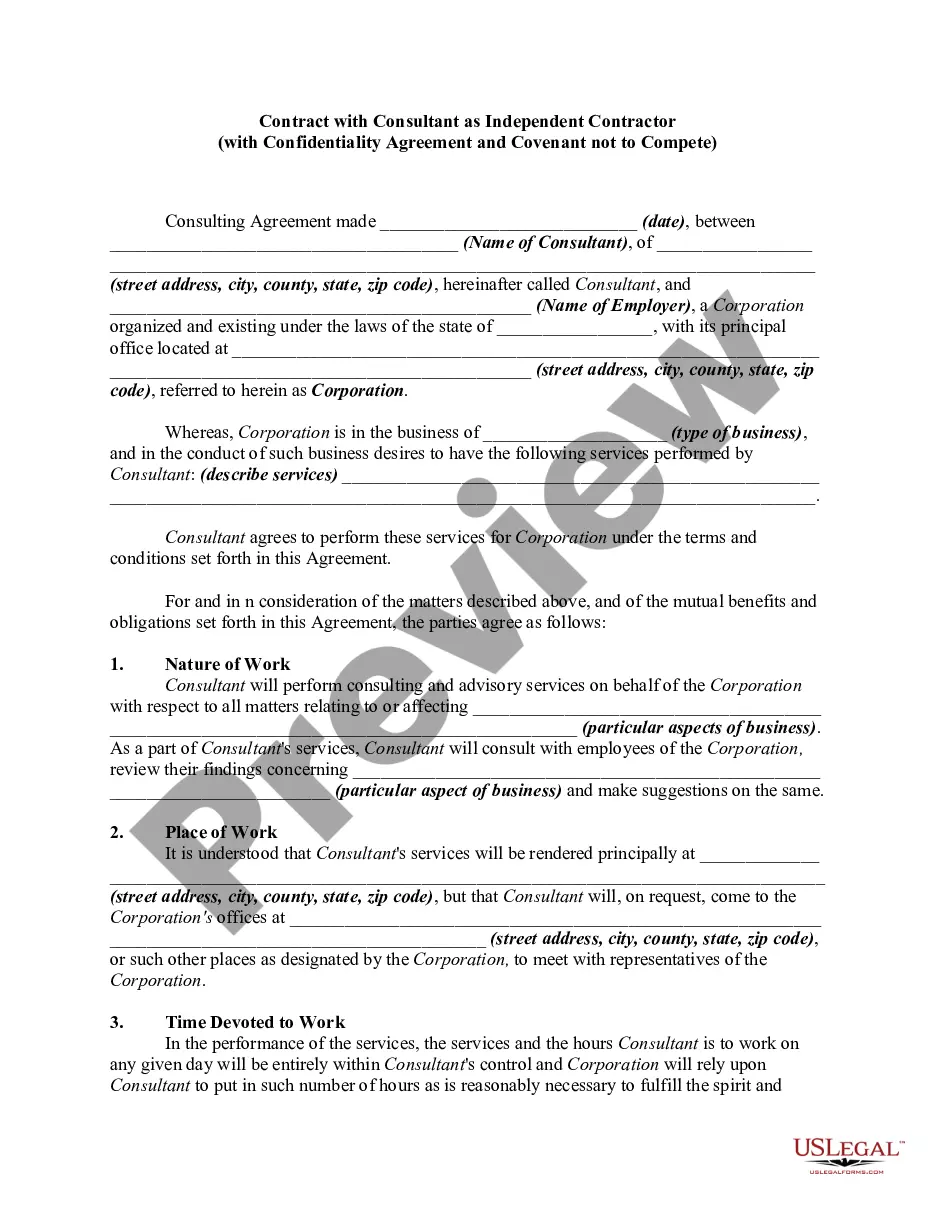
How to fill out Contract With Independent Contractor To Teach Insurance Courses With Covenant Not To Compete And Confidentiality Agreement?
The Insurance Contract Agreement With Client displayed on this page is a versatile official template crafted by qualified attorneys in accordance with federal and state laws.
For over 25 years, US Legal Forms has offered individuals, enterprises, and legal experts more than 85,000 authenticated, state-specific documents for any business or personal affair. It’s the quickest, simplest, and most trustworthy method to acquire the paperwork you require, as the service ensures bank-level data protection and anti-malware safeguards.
Register for US Legal Forms to have authenticated legal templates for all of life's situations at your disposal.
- Examine the document you require and review it.
- Scan through the example you searched and preview it or assess the form description to ensure it meets your needs. If it doesn’t, utilize the search feature to locate the correct one. Click Buy Now once you have found the template you need.
- Register and Log In.
- Choose the payment plan that fits you and create an account. Use PayPal or a credit card for a quick transaction. If you already have an account, Log In and review your subscription to proceed.
- Acquire the editable template.
- Select the format you desire for your Insurance Contract Agreement With Client (PDF, DOCX, RTF) and save the sample on your device.
- Complete and sign the documents.
- Print the template to fill it out manually. Alternatively, employ an online multifunctional PDF editor to efficiently and accurately complete and sign your form with an electronic signature.
- Download your documents once again.
- Reuse the same document whenever necessary. Access the My documents tab in your profile to redownload any previously retrieved documents.
Form popularity
FAQ
How To Write a Business Contract Get It in Writing. ... Use Language You Can Understand. ... Be Detailed. ... Include Payment Details. ... Consider Confidentiality. ... Include Language on How to End the Contract. ... Consider State Laws Governing the Contract. ... Include Indemnification, Remedies, and Attorneys' Fees.
How to write a client contract Include contact information of both parties. ... Outline project terms and scope. ... Create payment terms. ... Set a schedule. ... Decide what to do if a contract is terminated. ... Determine who owns final copyrights. ... Clarify the working relationship. ... Choose your law and venue.
What Needs To Be Included In A Client Contract Client and Company Details. Client contracts typically begin by outlining the parties involved in the agreement. ... Project Scope and Terms. ... Services or Goods Description. ... Payment Terms. ... Deadlines and Work Schedule. ... Expiration Clause. ... Copyright Ownership. ... Working Relationships.
There are four necessary elements to comprise a legally binding contract: (1) Offer and acceptance, (2) consideration, (3) legal purpose, and (4) competent parties. The effective date of a policy is the date the insurer accepts an offer by the applicant "as written."
Those seven elements are: Identification (Defining all the parties involved) Offer (The agreement) Acceptance (Agreement mirrored by other parties) Mutual consent (Signatory consent of all parties) Consideration (The value exchanged for the offer) Capacity (Legal/mental competence of all parties)