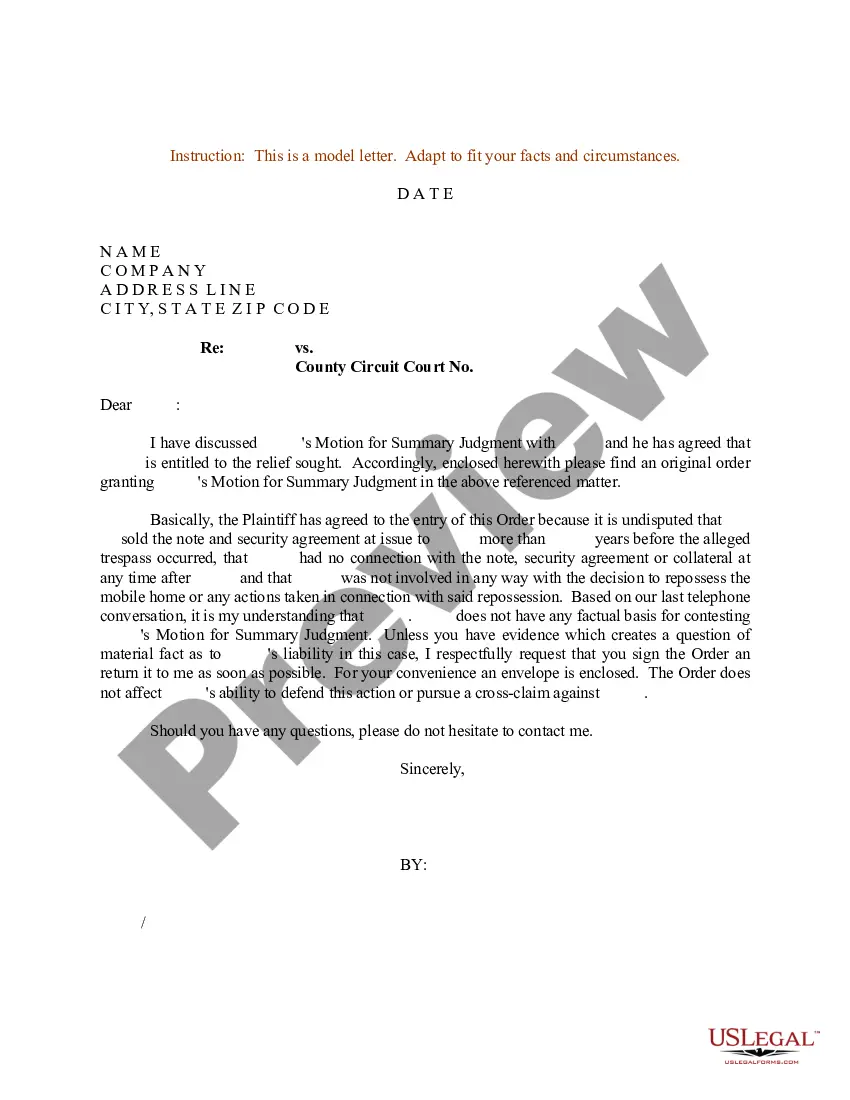
Summary Judgement In Court Without Discovery
Description
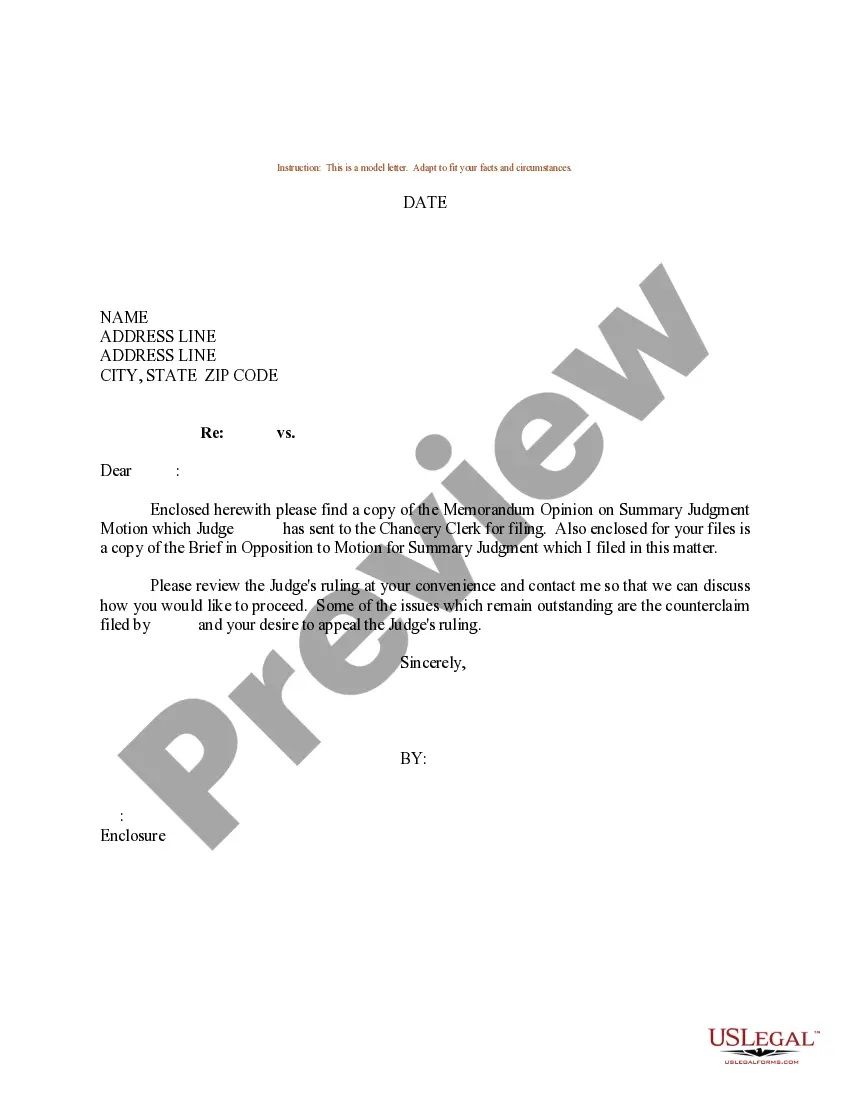
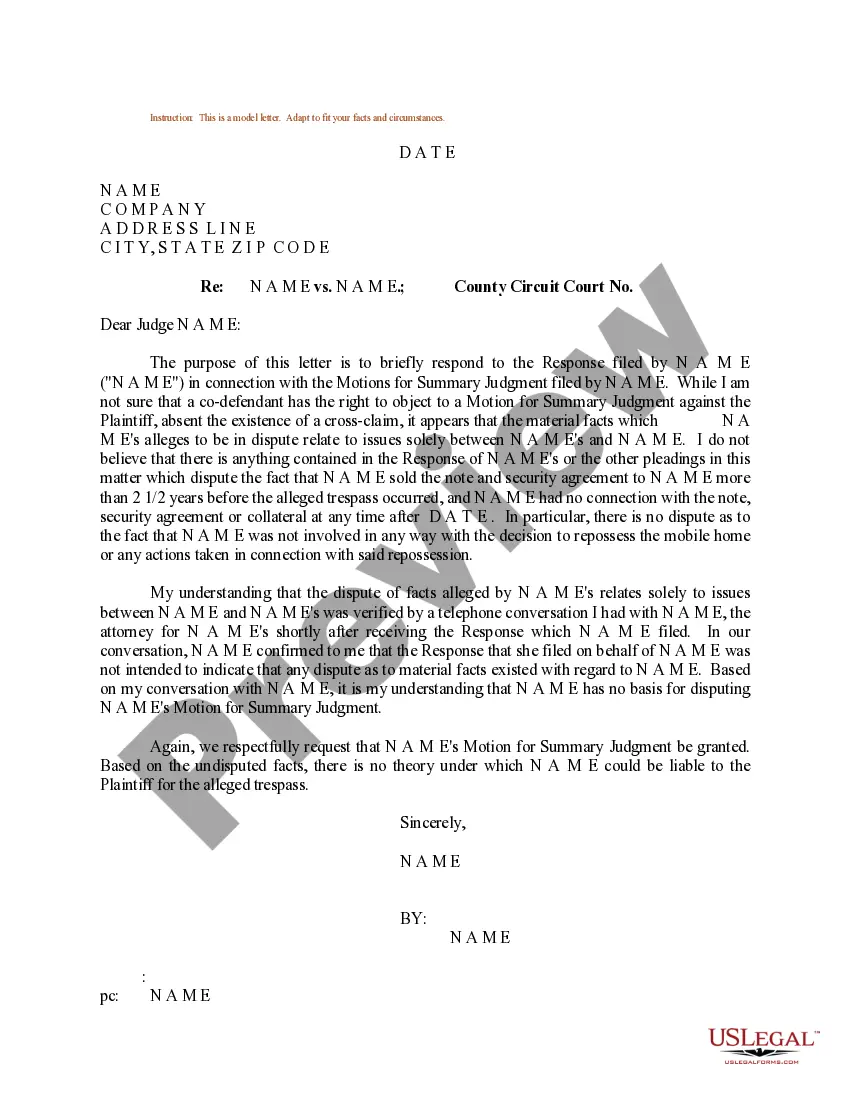
Get your form ready online
Our built-in tools help you complete, sign, share, and store your documents in one place.
Make edits, fill in missing information, and update formatting in US Legal Forms—just like you would in MS Word.
Download a copy, print it, send it by email, or mail it via USPS—whatever works best for your next step.
Sign and collect signatures with our SignNow integration. Send to multiple recipients, set reminders, and more. Go Premium to unlock E-Sign.
If this form requires notarization, complete it online through a secure video call—no need to meet a notary in person or wait for an appointment.
We protect your documents and personal data by following strict security and privacy standards.

Make edits, fill in missing information, and update formatting in US Legal Forms—just like you would in MS Word.

Download a copy, print it, send it by email, or mail it via USPS—whatever works best for your next step.

Sign and collect signatures with our SignNow integration. Send to multiple recipients, set reminders, and more. Go Premium to unlock E-Sign.

If this form requires notarization, complete it online through a secure video call—no need to meet a notary in person or wait for an appointment.

We protect your documents and personal data by following strict security and privacy standards.
Looking for another form?



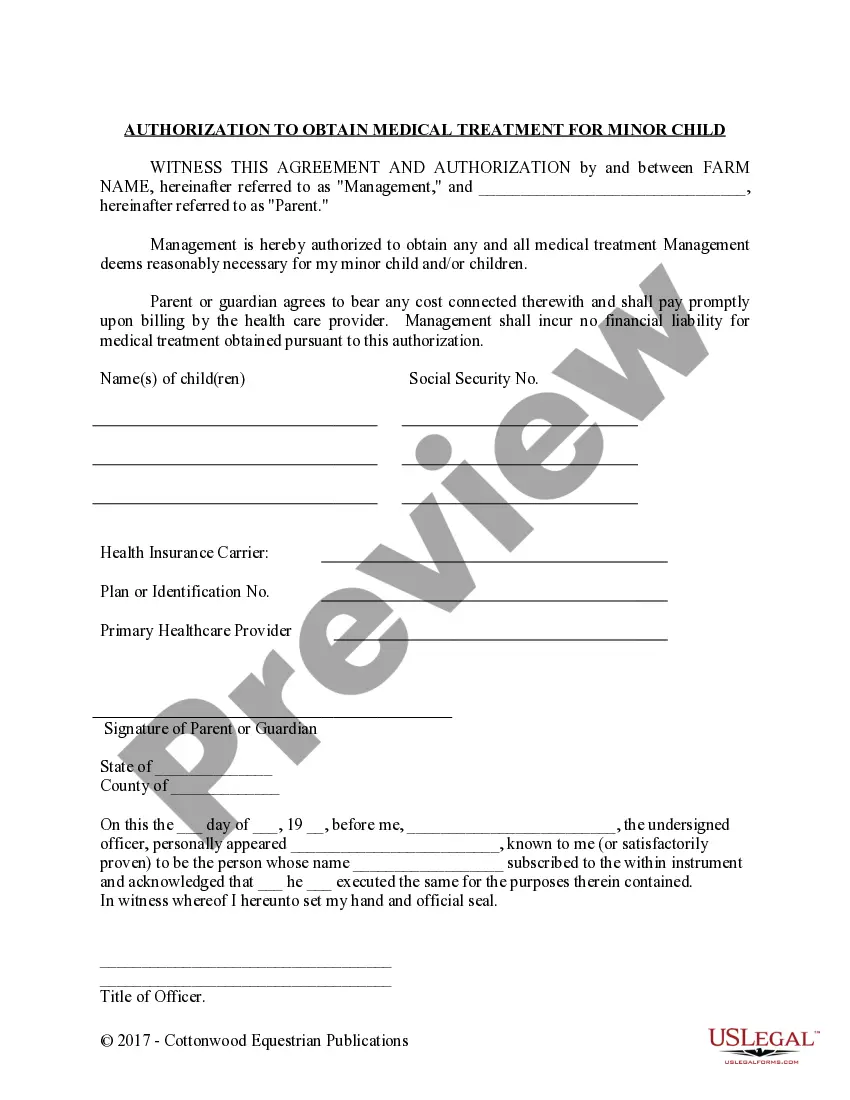

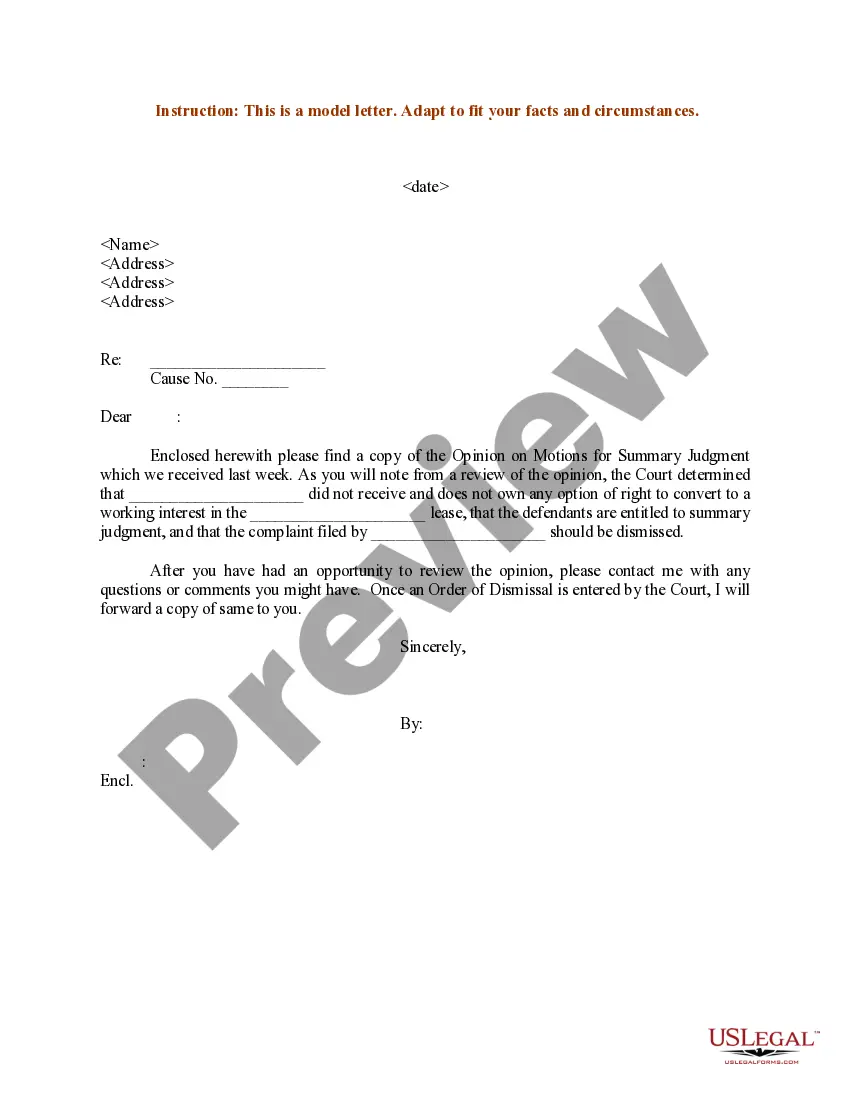
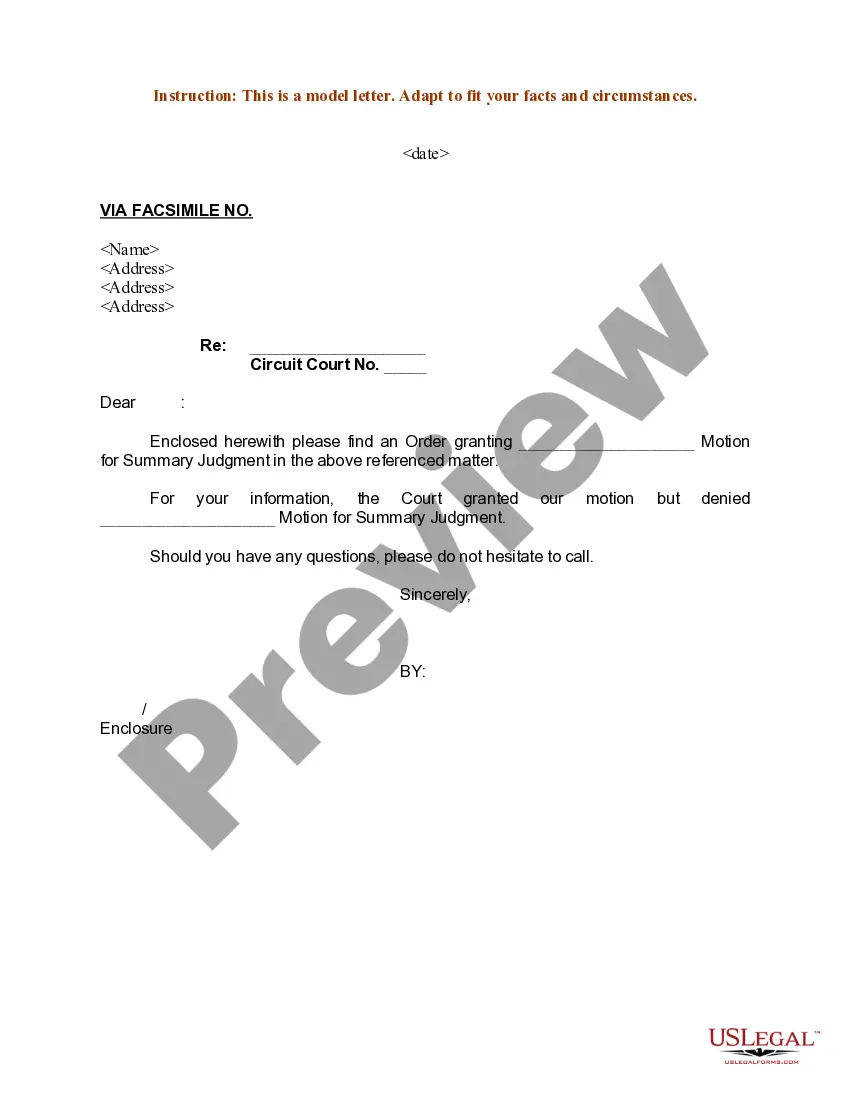
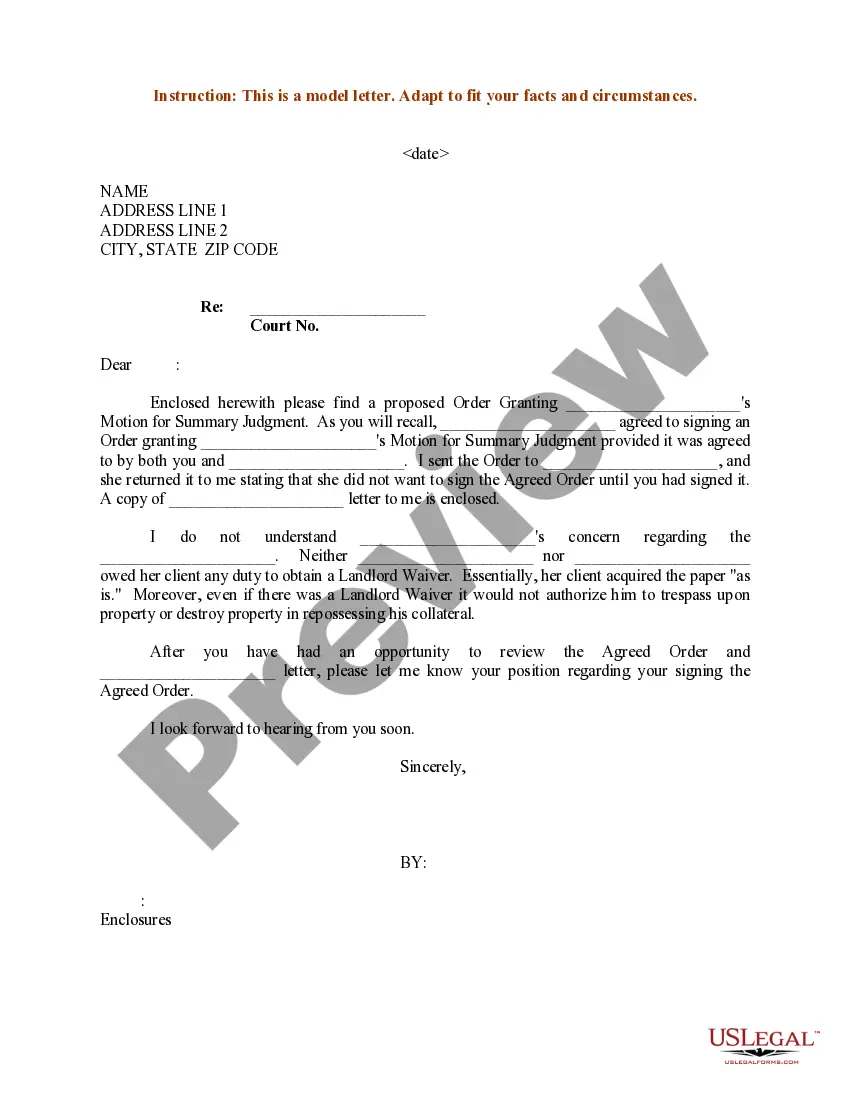
How to fill out Sample Letter For Motion For Summary Judgment?
Dealing with legal documents and procedures can be a time-consuming addition to your entire day. Summary Judgement In Court Without Discovery and forms like it typically need you to search for them and understand the way to complete them properly. As a result, if you are taking care of financial, legal, or personal matters, using a comprehensive and convenient web library of forms at your fingertips will significantly help.
US Legal Forms is the top web platform of legal templates, featuring over 85,000 state-specific forms and numerous resources that will help you complete your documents quickly. Explore the library of pertinent papers available with just a single click.
US Legal Forms gives you state- and county-specific forms offered at any moment for downloading. Safeguard your papers managing processes using a top-notch services that allows you to make any form in minutes without any additional or hidden cost. Simply log in to your account, locate Summary Judgement In Court Without Discovery and download it straight away within the My Forms tab. You can also access previously downloaded forms.
Could it be your first time making use of US Legal Forms? Register and set up a free account in a few minutes and you will get access to the form library and Summary Judgement In Court Without Discovery. Then, adhere to the steps below to complete your form:
- Be sure you have found the correct form using the Review option and looking at the form information.
- Choose Buy Now as soon as ready, and choose the monthly subscription plan that fits your needs.
- Select Download then complete, eSign, and print the form.
US Legal Forms has twenty five years of experience assisting users manage their legal documents. Obtain the form you require right now and enhance any operation without breaking a sweat.
Form popularity
FAQ
(b) For Defending Party . A party against whom a claim, counterclaim, or cross-claim is asserted or a declaratory judgment is sought may, at any time, move with or without supporting affidavits for a summary judgment in the party's favor as to all or any part thereof. (c) Motion and Proceedings Thereon .
The Court may make any order necessary for the conduct of the summary trial. Rule 215(3)(b) empowers the Court to dismiss a motion for summary judgment in whole or in part and order that the matter proceed to trial and be specially managed thereby allowing the matter to move forward as quickly as possible.
Rule 56 of the Federal Rules of Civil Procedure governs summary judgment for federal courts. Under Rule 56, in order to succeed in a motion for summary judgment, a movant must show 1) that there is no genuine dispute as to any material fact, and 2) that the movant is entitled to judgment as a matter of law.
The chance of success in these cases is less than 10% [1]. Another study found that summary judgment is mostly granted in Title VII cases, for example, cases involving equal pay or employment discrimination [2]. When it comes to federal cases, summary judgments are filed in 17% of total cases.
Summary judgment is a pre-trial motion and often takes place after discovery is complete.