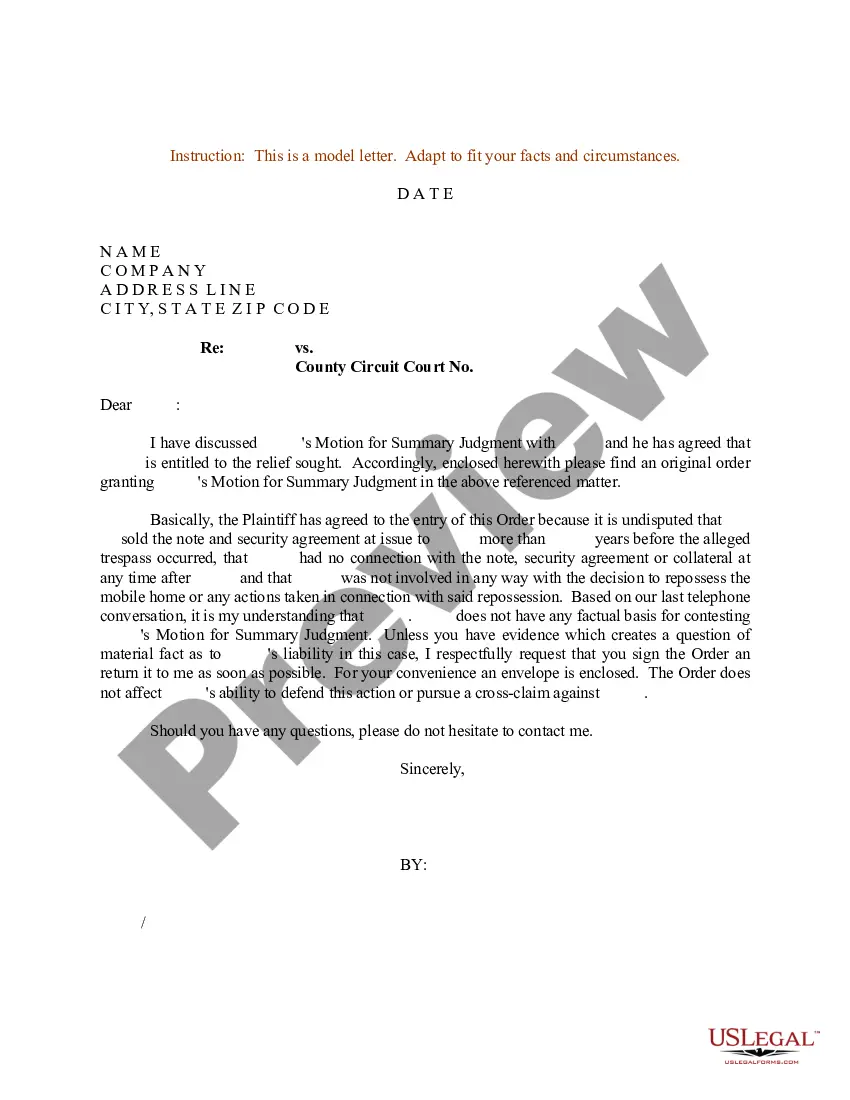
Sample Summary Form Paper Format
Description
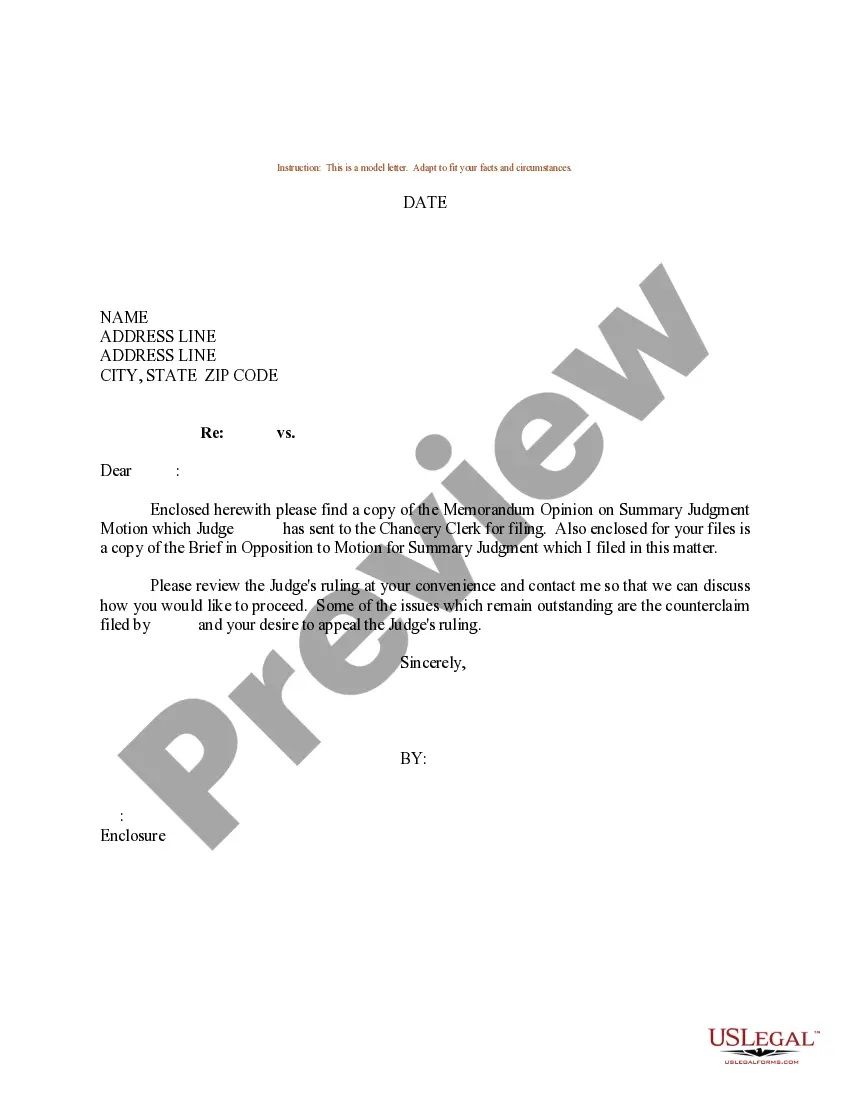
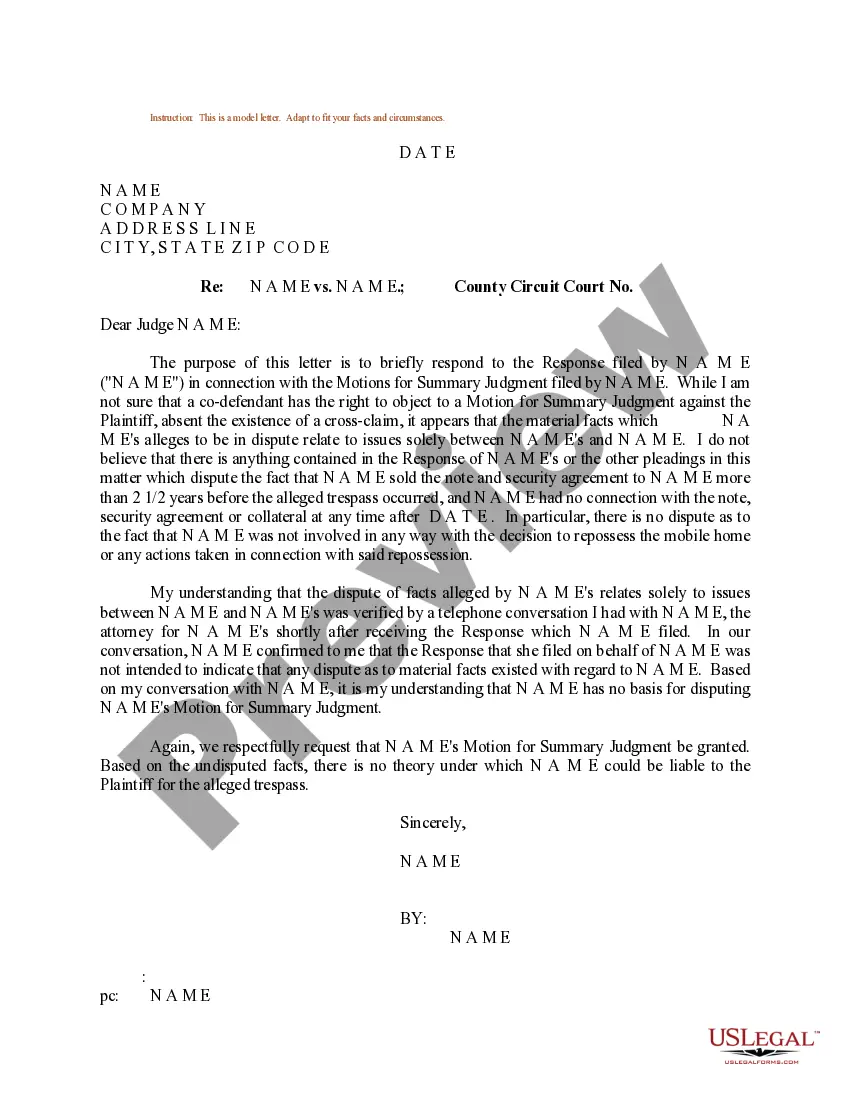
Get your form ready online
Our built-in tools help you complete, sign, share, and store your documents in one place.
Make edits, fill in missing information, and update formatting in US Legal Forms—just like you would in MS Word.
Download a copy, print it, send it by email, or mail it via USPS—whatever works best for your next step.
Sign and collect signatures with our SignNow integration. Send to multiple recipients, set reminders, and more. Go Premium to unlock E-Sign.
If this form requires notarization, complete it online through a secure video call—no need to meet a notary in person or wait for an appointment.
We protect your documents and personal data by following strict security and privacy standards.

Make edits, fill in missing information, and update formatting in US Legal Forms—just like you would in MS Word.

Download a copy, print it, send it by email, or mail it via USPS—whatever works best for your next step.

Sign and collect signatures with our SignNow integration. Send to multiple recipients, set reminders, and more. Go Premium to unlock E-Sign.

If this form requires notarization, complete it online through a secure video call—no need to meet a notary in person or wait for an appointment.

We protect your documents and personal data by following strict security and privacy standards.
Looking for another form?

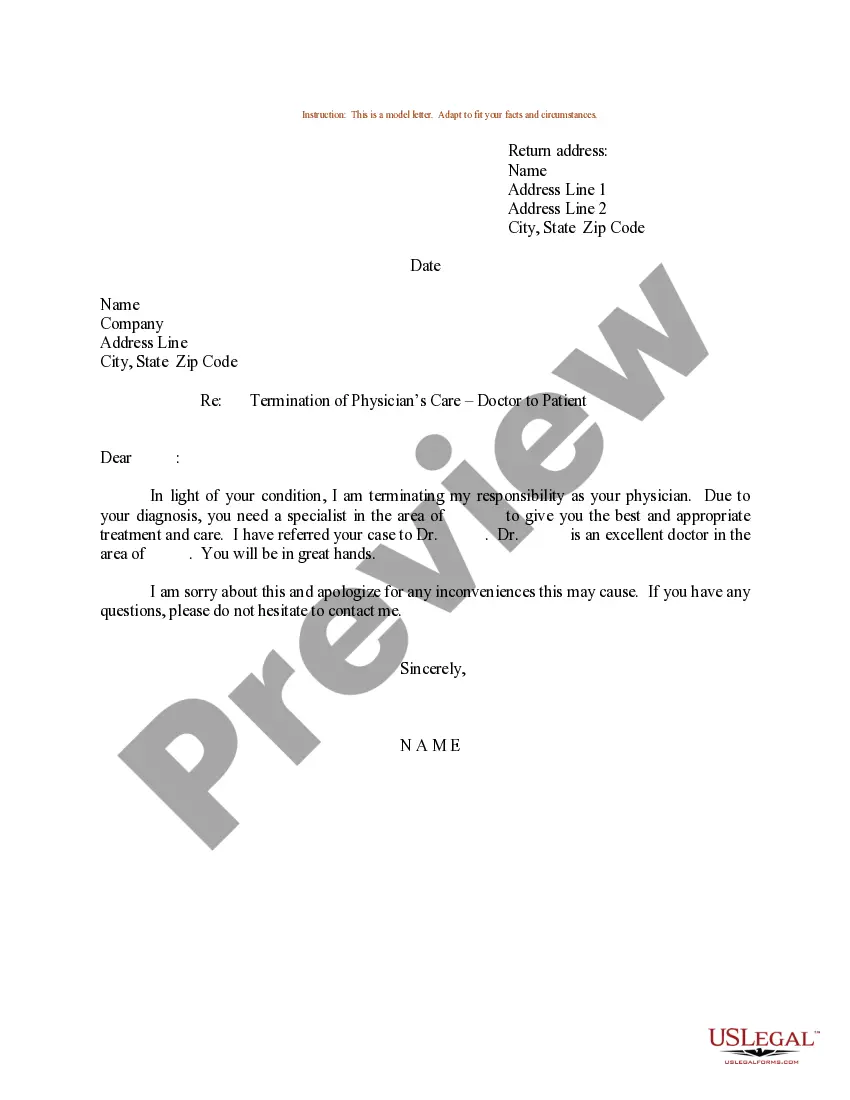
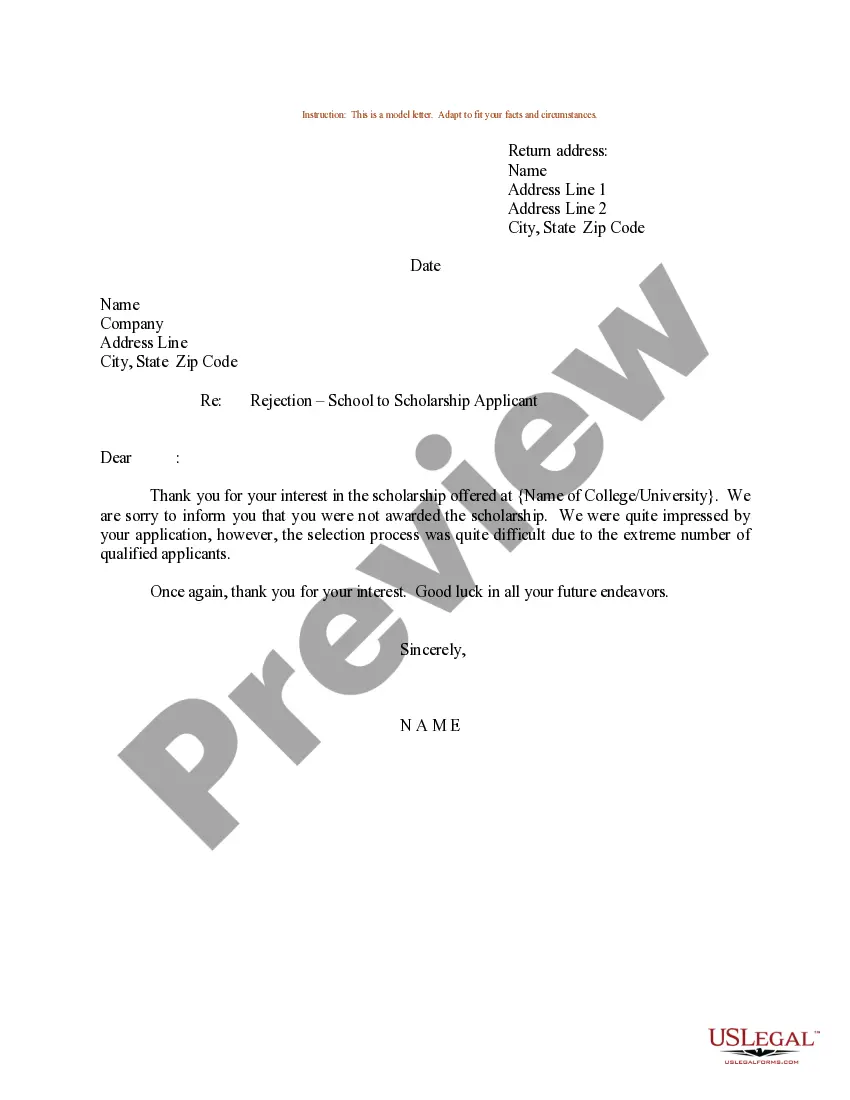
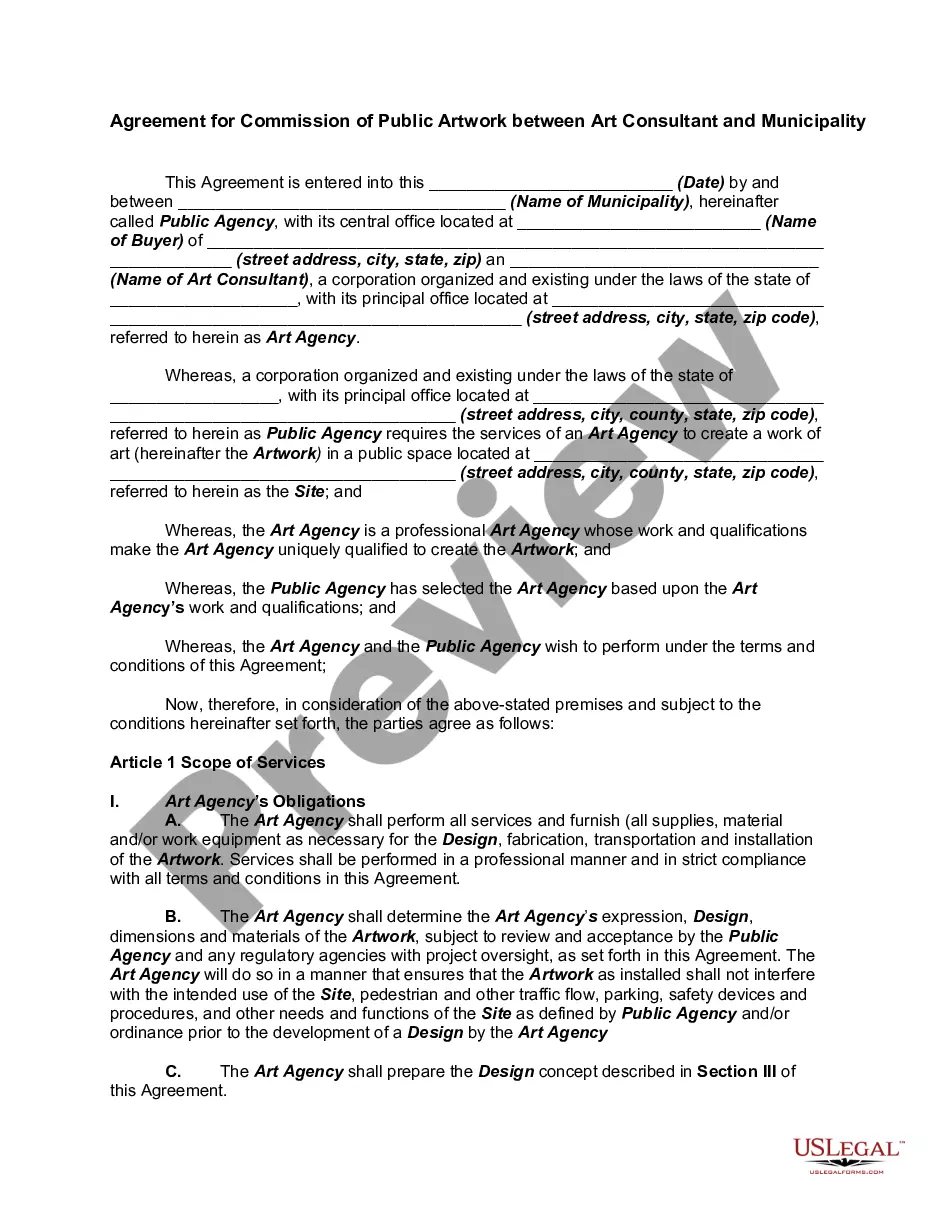
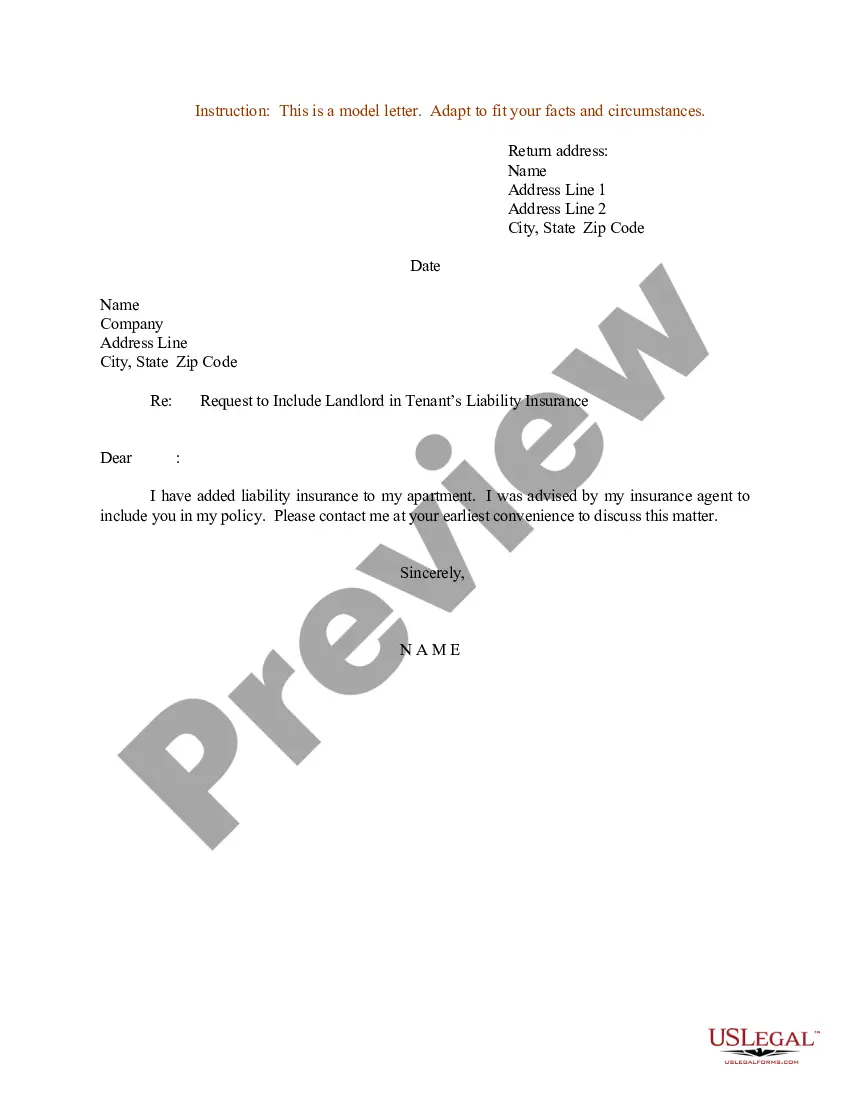

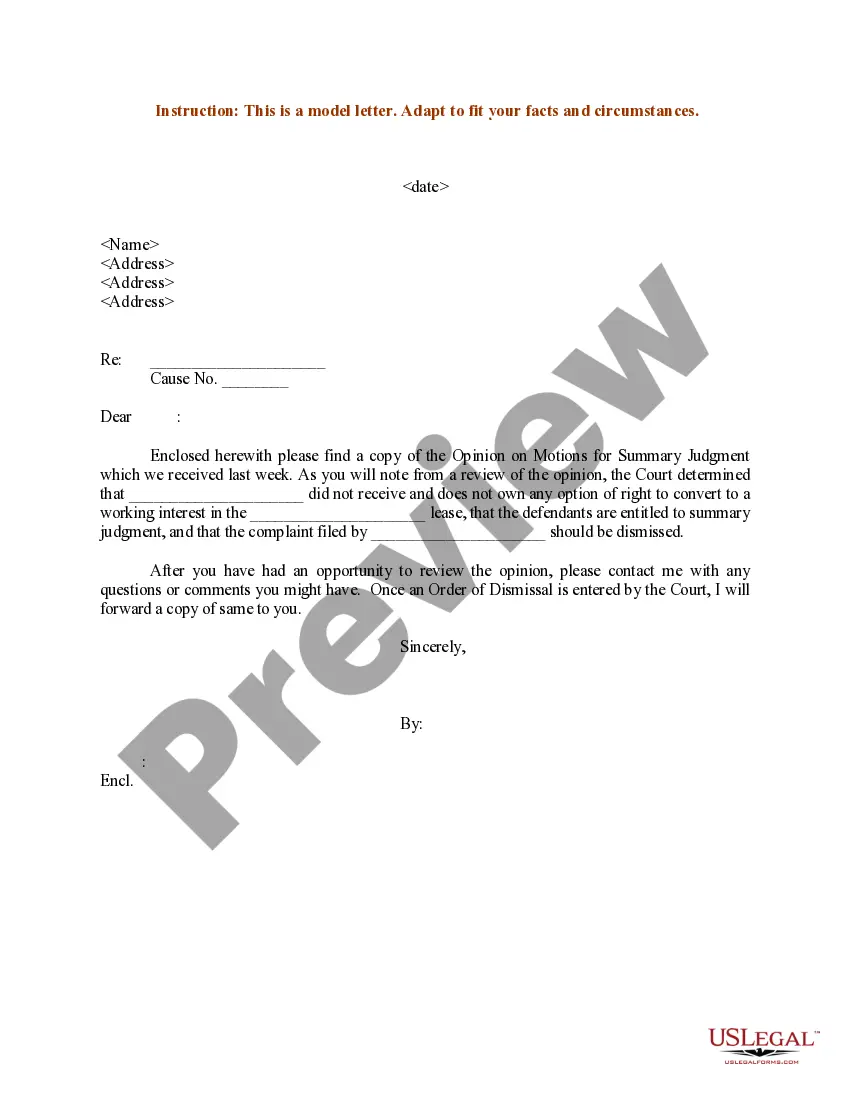
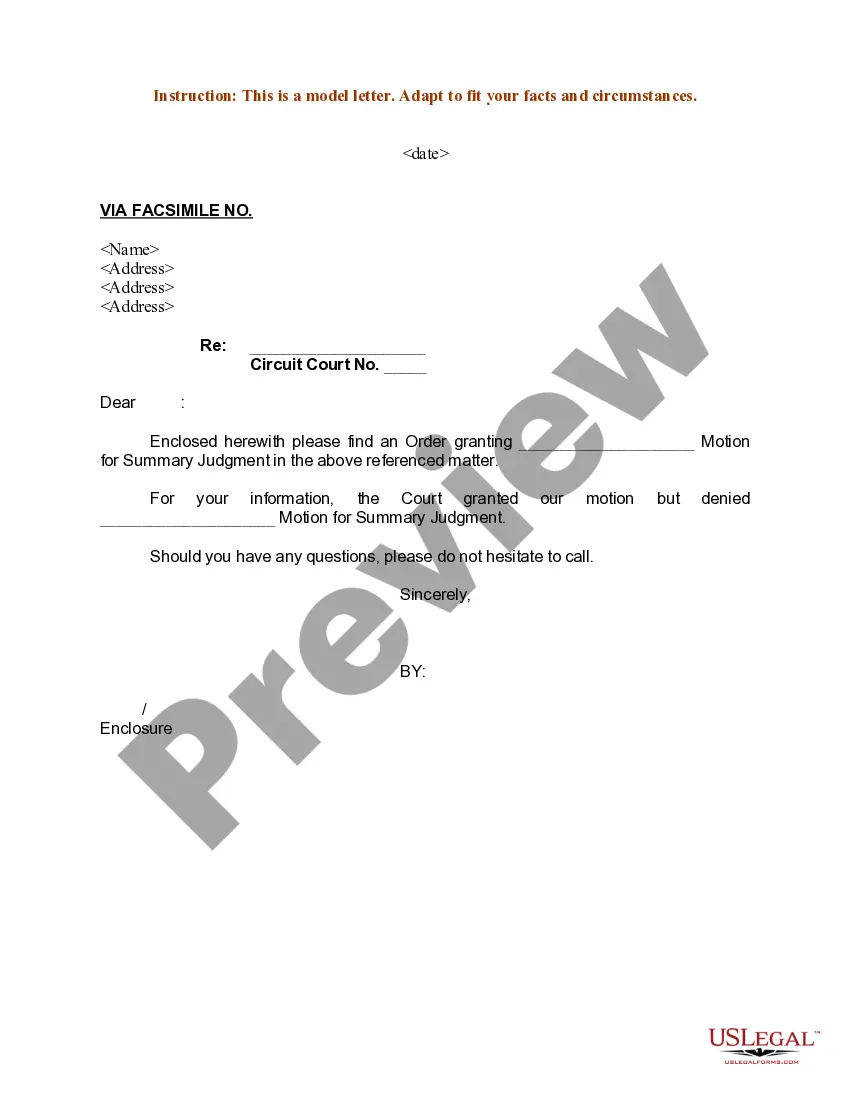
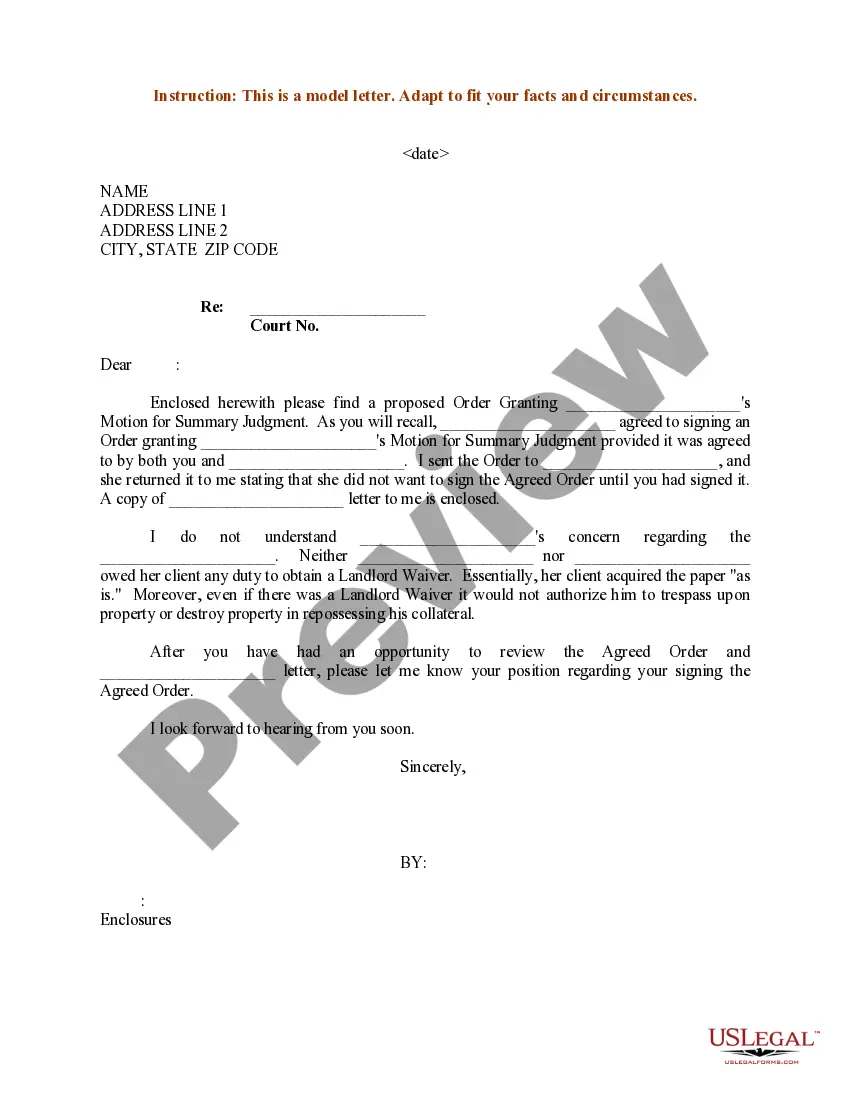
How to fill out Sample Letter For Motion For Summary Judgment?
Utilizing legal templates that comply with federal and state regulations is essential, and the web provides numerous choices.
However, what is the purpose of spending time searching for the appropriately drafted Sample Summary Form Paper Format template online when the US Legal Forms digital library already consolidates such templates in one location.
US Legal Forms is the largest online legal repository with over 85,000 editable templates created by attorneys for various professional and personal situations.
Review the template using the Preview feature or through the text outline to ensure it fulfills your needs. Search for another sample using the search option at the top of the page if needed. Click Buy Now once you’ve identified the correct form and select a subscription plan. Create an account or Log In and complete your payment via PayPal or credit card. Choose the format for your Sample Summary Form Paper Format and download it. All templates you find through US Legal Forms are reusable. To re-download and fill out previously purchased forms, access the My documents tab in your profile. Take advantage of the most comprehensive and user-friendly legal documentation service!
- They are easy to navigate with all documents categorized by state and intended use.
- Our specialists stay updated with legislative changes, ensuring your documents are current and compliant when obtaining a Sample Summary Form Paper Format from our site.
- Acquiring a Sample Summary Form Paper Format is straightforward and fast for both existing and new users.
- If you already possess an account with an active subscription, Log In and download the document sample you require in the appropriate format.
- If you are new to our site, follow the steps below.
Form popularity
FAQ
Start a summary with an introductory sentence about an article by mentioning the name and surname of the author (s), including the title. Write about the main message in the article made by the author(s). Cover supporting points found in the article. Include relevant details to the topic used by the author(s). How to Start a Summary: Easy Technique for Your Paper - Wr1ter wr1ter.com ? how-to-start-a-summary wr1ter.com ? how-to-start-a-summary
Your summary should include: Introduction. Give an overview of the article, including the title and the name of the author. ... Body Paragraphs. Use the body paragraphs to explain the supporting ideas of your thesis statement. ... Concluding Paragraph. Summarize your thesis statement and the underlying meaning of the article. How to Write Article Summaries, Reviews & Critiques - RCC Library randolph.edu ? summaries randolph.edu ? summaries
The act of summarizing is much like stating the plot of a play. For instance, if you were asked to summarize the story of Shakespeare's 'Hamlet,' you might say: It's the story of a young prince of Denmark who discovers that his uncle and his mother have killed his father, the former king.
DO: Report the overall topic right away. Begin with the name of the essay and the author. Write in present tense. Describe the main points covered in the text. Include supporting details as needed depending upon the length and depth of the summary desired. Mention any important conclusions drawn.
When writing a summary, remember that it should be in the form of a paragraph. A summary begins with an introductory sentence that states the text's title, author and main point of the text as you see it. A summary is written in your own words. A summary contains only the ideas of the original text.