Motor Authorization With Api
Description
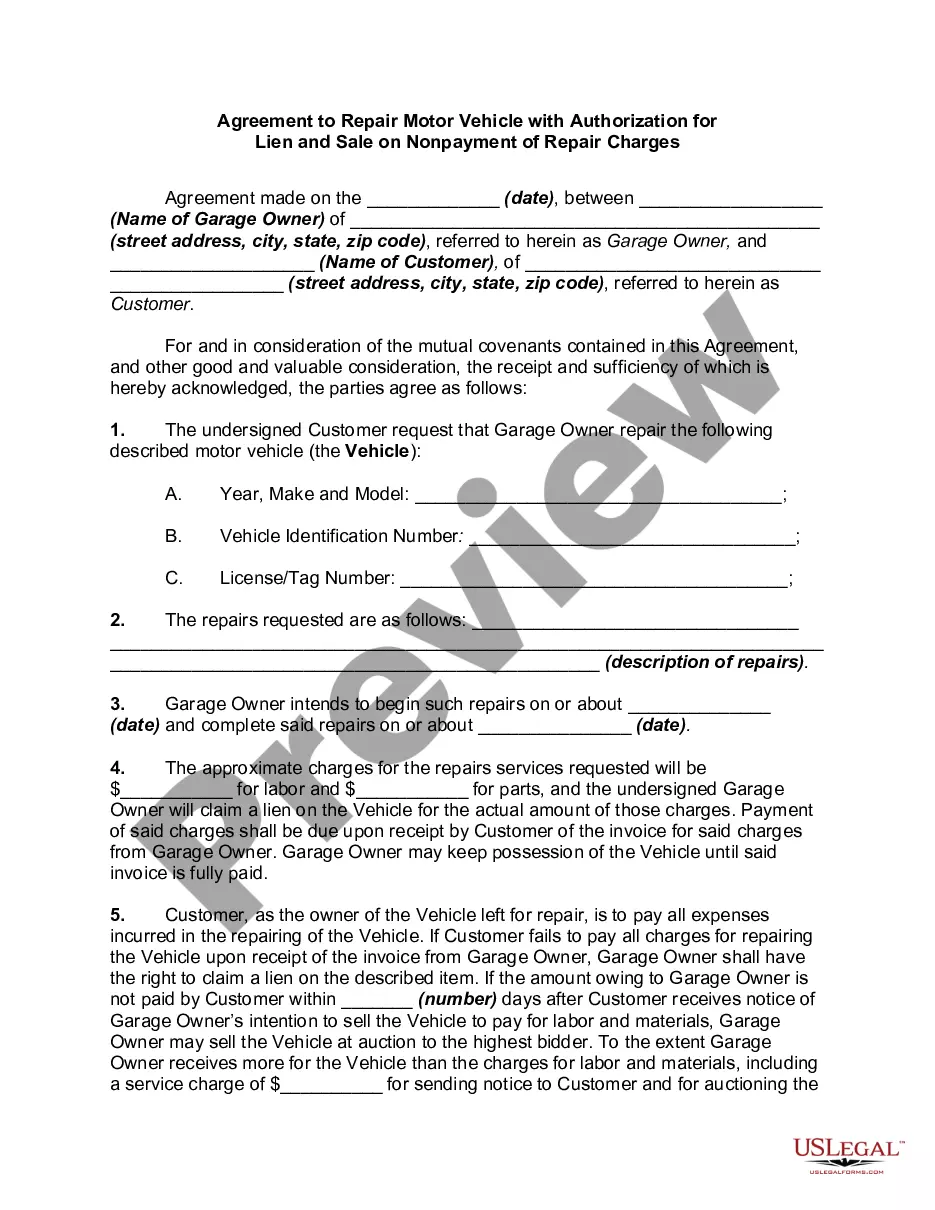
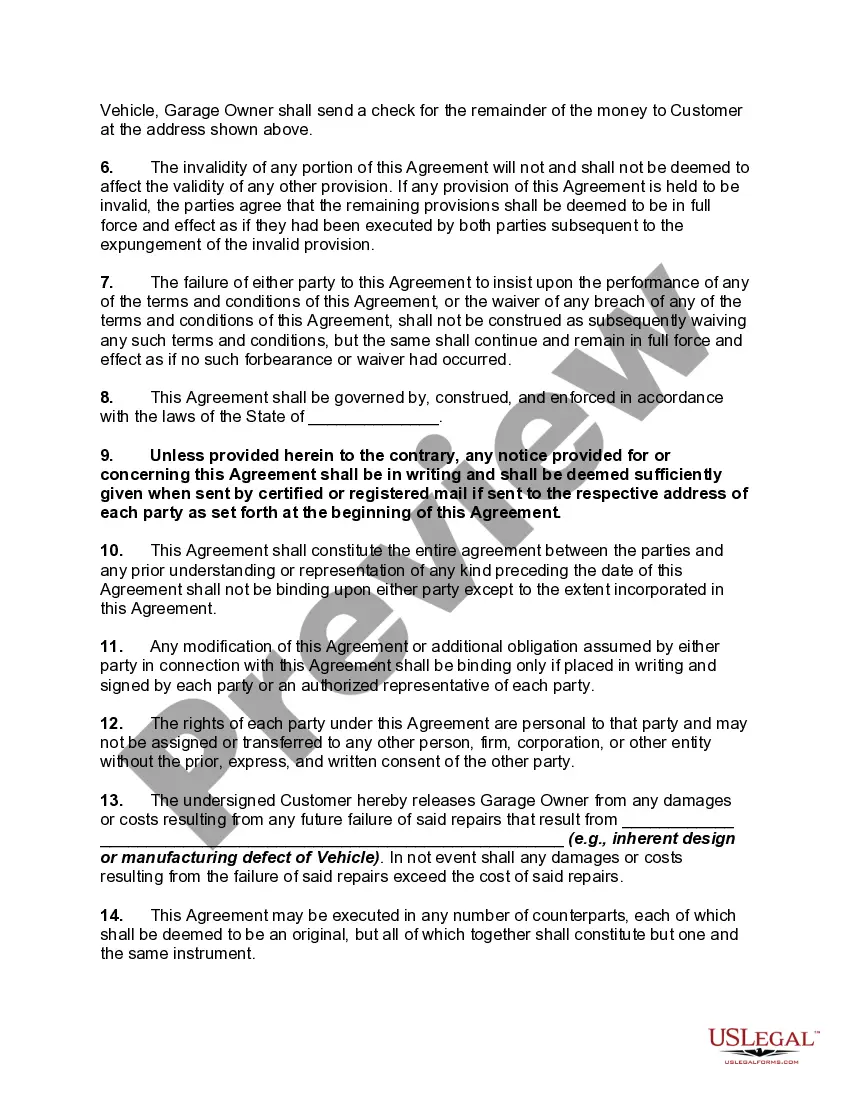
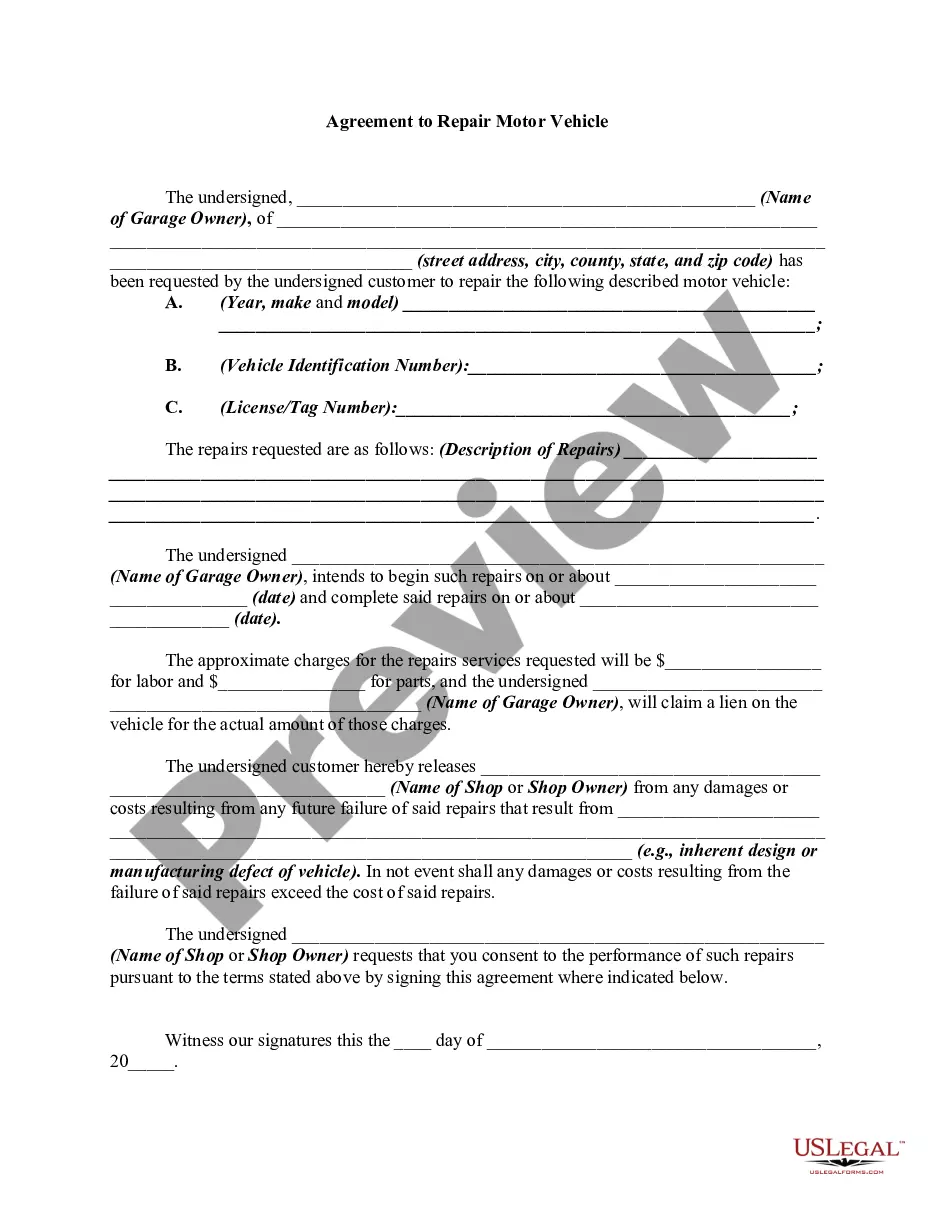
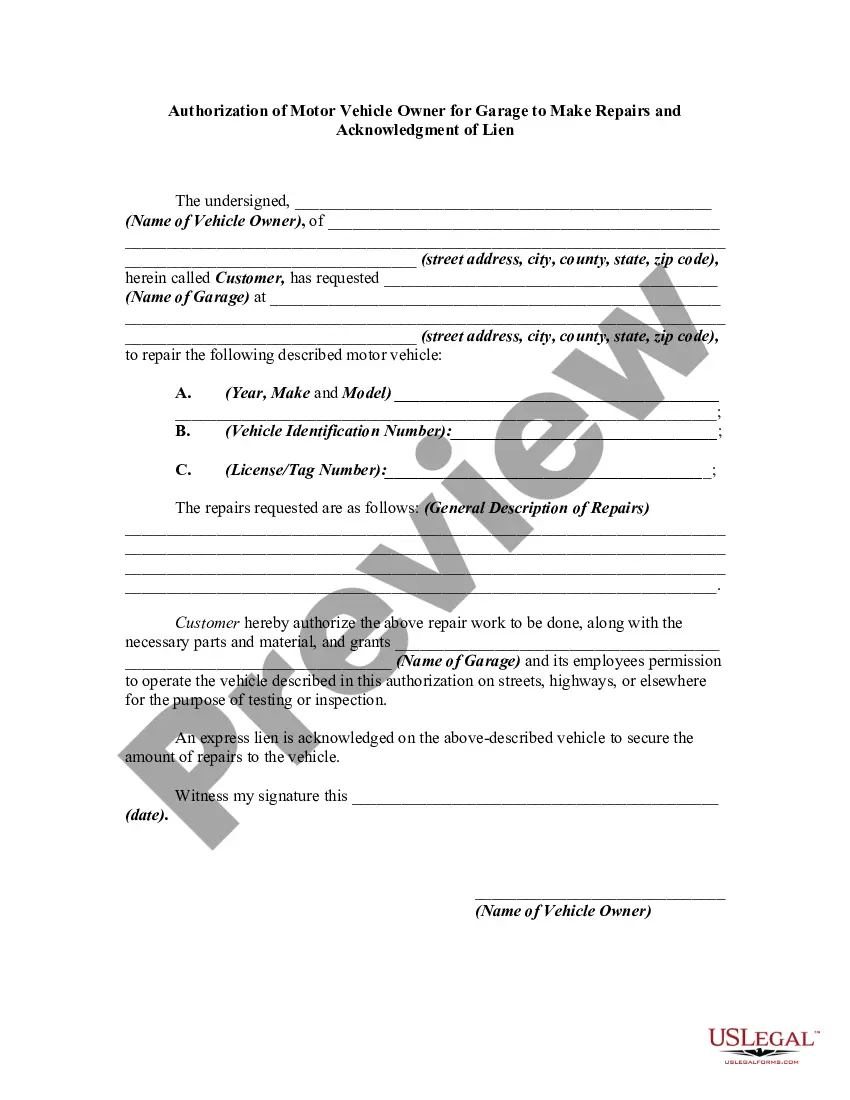
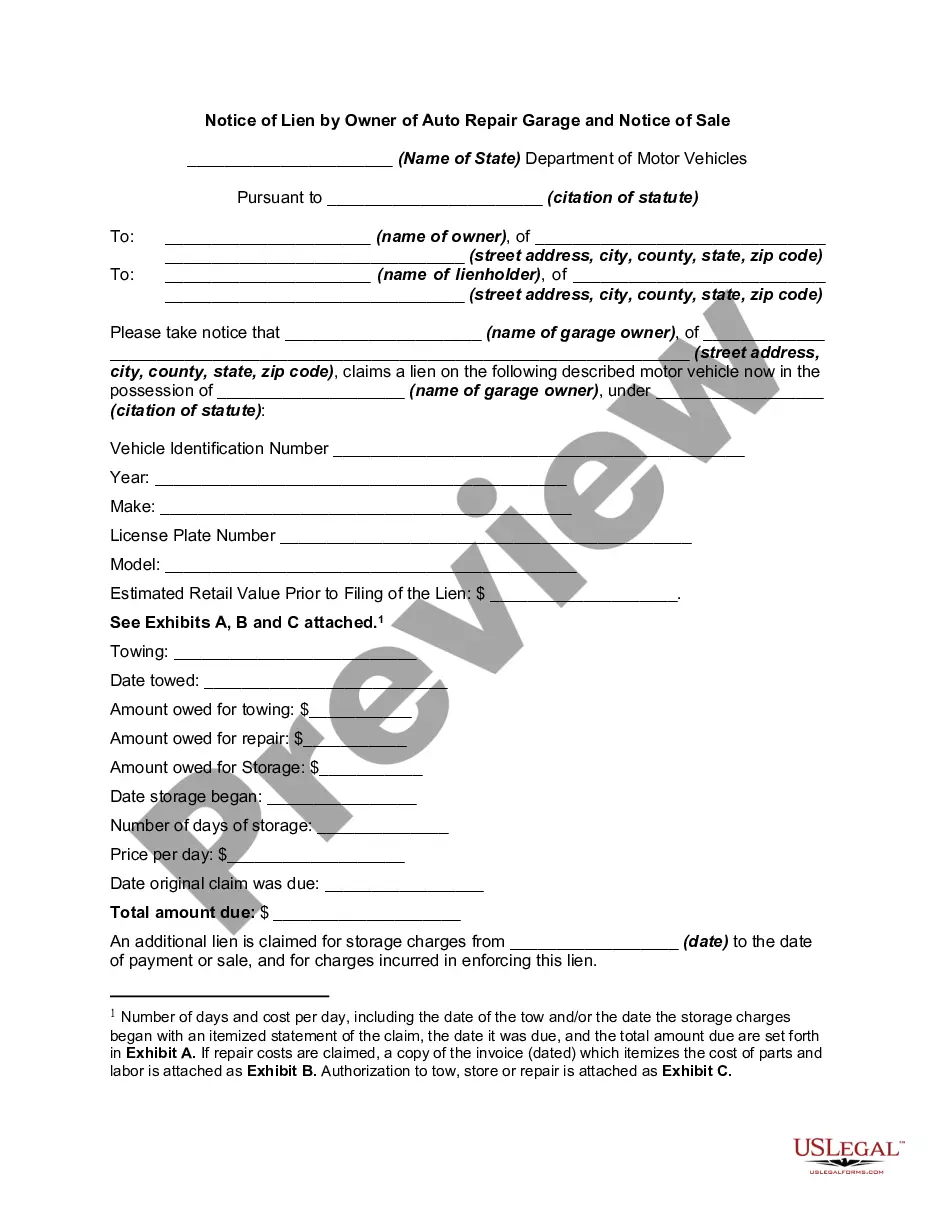


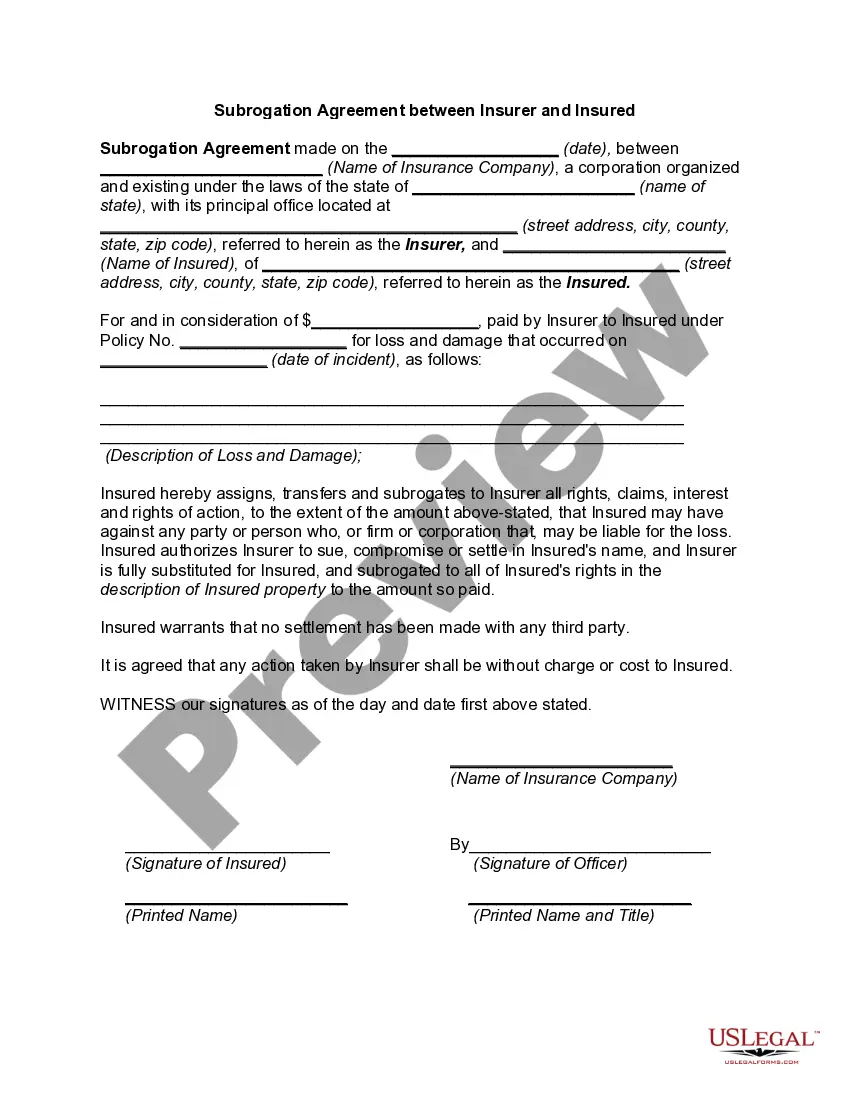



How to fill out Agreement To Repair Motor Vehicle With Authorization For Lien And Sale On Nonpayment Of Repair Charges?
The Motor Authorization With Api presented on this page is a reusable official template crafted by expert attorneys in accordance with national and local laws and regulations.
For over 25 years, US Legal Forms has supplied individuals, enterprises, and legal practitioners with over 85,000 validated, state-specific documents for any commercial and personal scenario. It’s the quickest, easiest, and most trustworthy method to acquire the paperwork you require, as the service ensures the utmost level of data security and anti-malware safeguards.
Select the format you prefer for your Motor Authorization With Api (PDF, Word, RTF) and download the example onto your device.
- Search for the document you require and verify it.
- Browse through the file you've sought and preview it or review the form description to ensure it meets your needs. If it doesn’t, use the search bar to find the right one. Click Buy Now when you have located the template you desire.
- Choose and Log In.
- Select the pricing plan that fits you and create an account. Use PayPal or a credit card for a swift payment. If you already possess an account, Log In and verify your subscription to proceed.
- Acquire the editable template.
Form popularity
FAQ
The is a text string, included in the request header. In the request Authorization tab, select Bearer from the Type drop-down list. In the field, enter your API key value. For added security, store it in a variable and reference the variable by name.
Authorization is when an entity proves a right to access. In other words, Authorization proves you have the right to make a request. Essentially, API authentication is a system that proves your identity.
Why do APIs even need authentication? For read-only APIs, sometimes users don't need keys. But most commercial APIs do require authorization in the form of API keys or other methods. If you didn't have any security with your API, users could make unlimited amounts of API calls without any kind of registration.
You can pass the API key via Basic Auth as either the username or password. Most implementations pair the API key with a blank value for the unused field (username or password). You will need to base64-encode the `username:password` content, but most request libraries do this for you.
Basic Authorization is a simple authorization method that involves sending a username and password with each API request. The username and password are encoded in Base64 format and sent as part of the Authorization header. The server then verifies the credentials and grants access to the resource if they are valid.