Detainer Term With Its Correct Description
Description
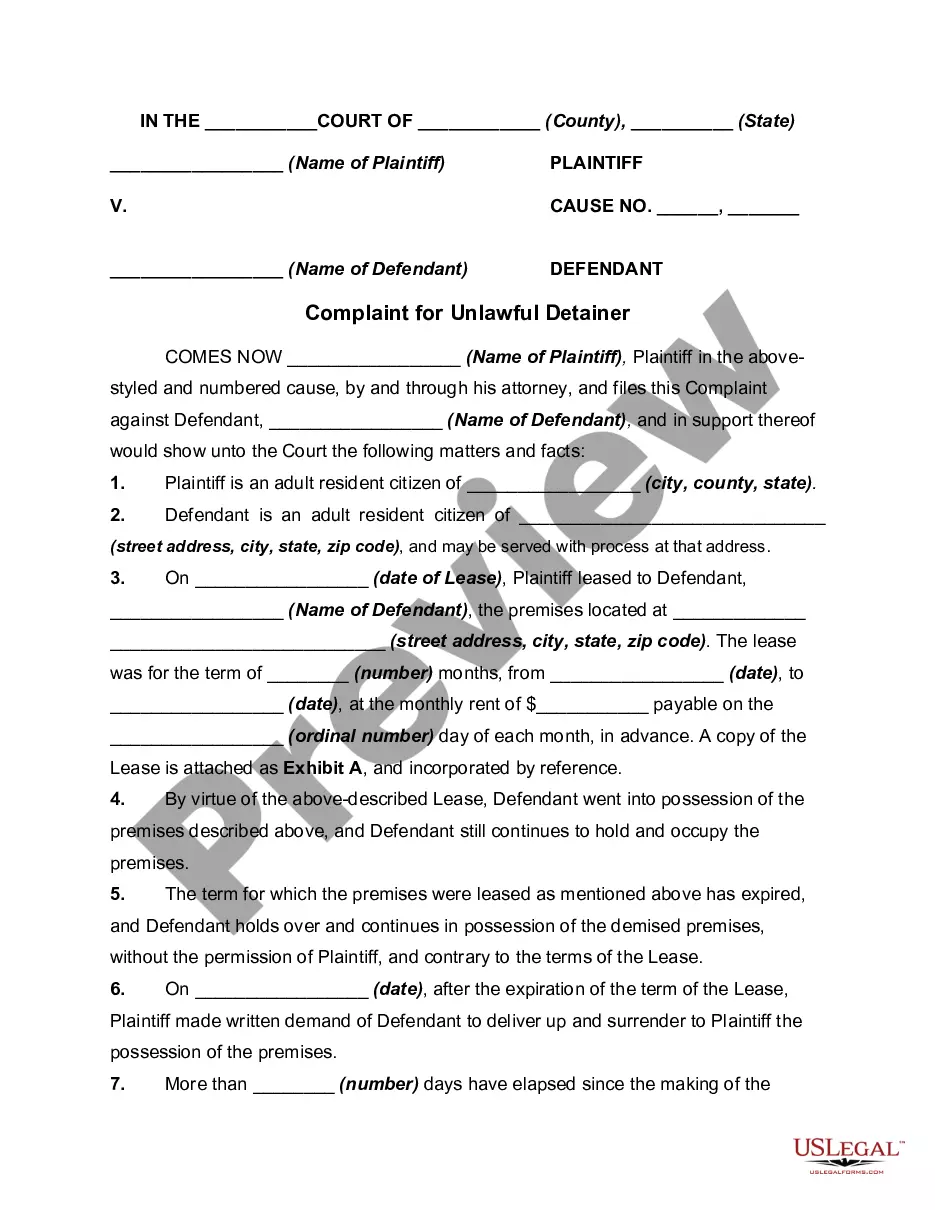

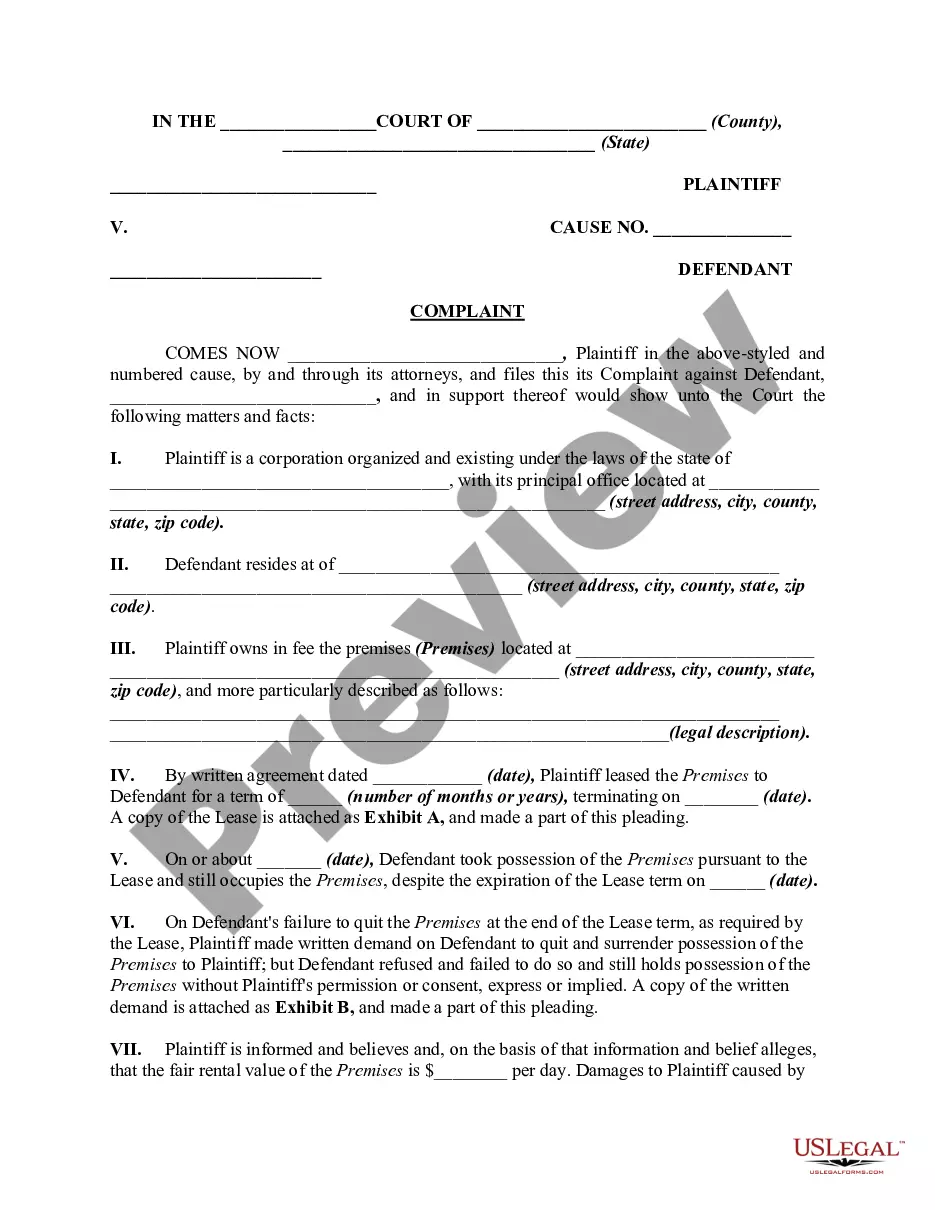
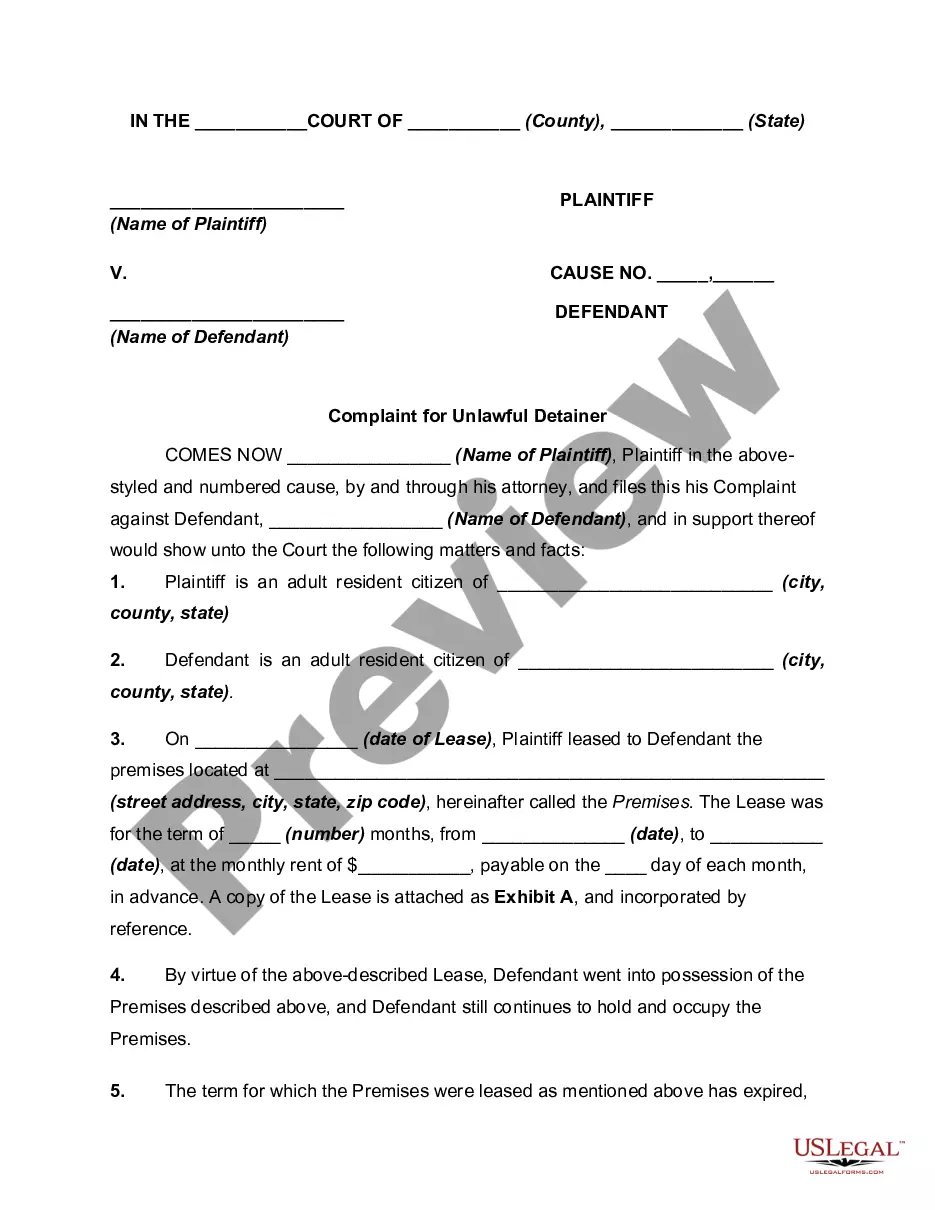
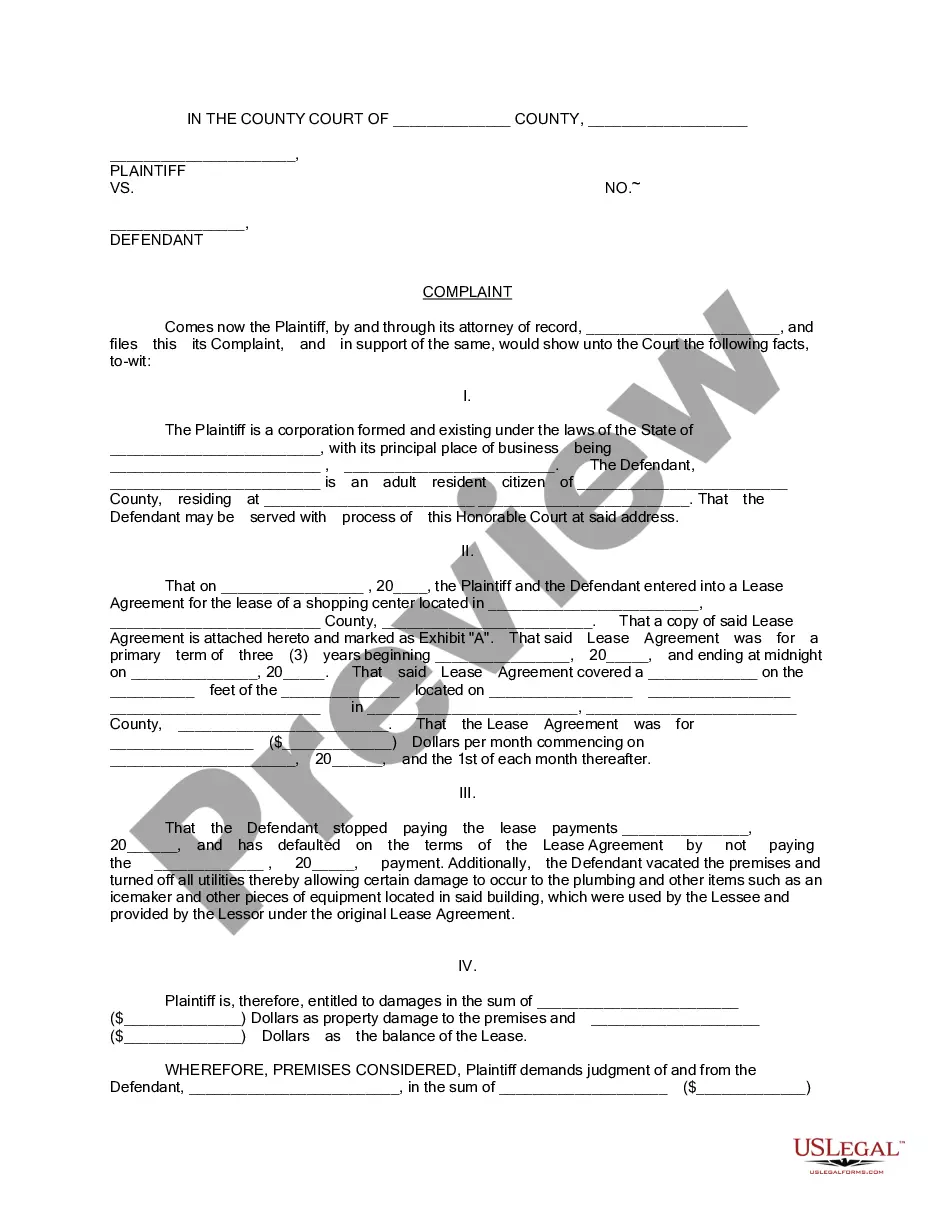
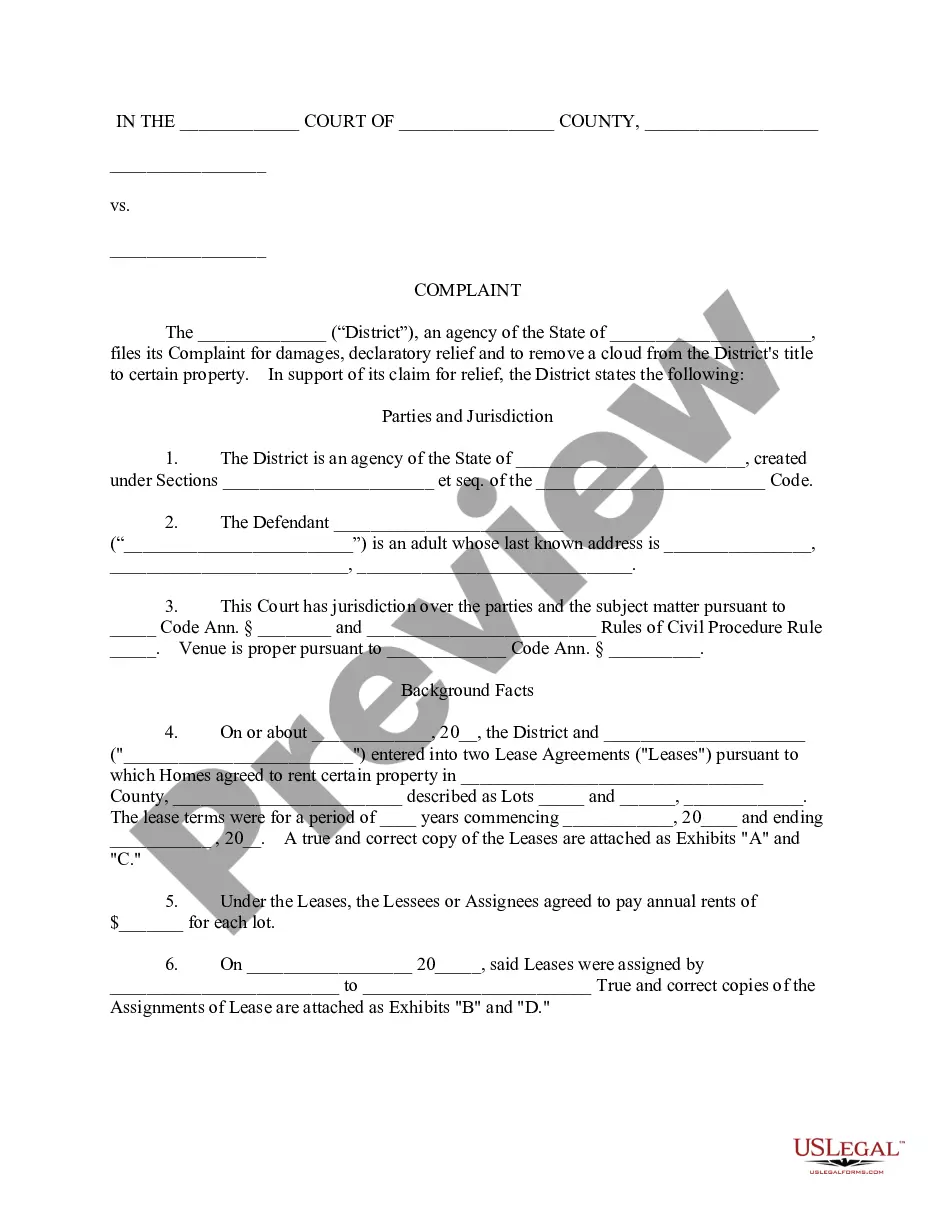

How to fill out Complaint For Unlawful Detainer - Tenant Holding Over After Expiration Of Term?
It’s well known that you cannot become a legal expert instantly, nor can you understand how to swiftly compose a Detainer Term With Its Accurate Description without possessing a specialized skill set.
Drafting legal documents is an arduous task requiring specific training and expertise. So why not entrust the creation of the Detainer Term With Its Accurate Description to the experts.
With US Legal Forms, one of the most extensive legal document repositories, you can obtain anything from court papers to templates for internal business communication. We recognize the significance of compliance and adherence to federal and local regulations.
Establish a free account and choose a subscription plan to acquire the template.
Select Buy now. After the payment is finalized, you can download the Detainer Term With Its Accurate Description, fill it out, print it, and send or mail it to the relevant parties or organizations.
- That’s why, on our site, all templates are location-specific and current.
- Here’s how you can initiate your journey with our platform and obtain the form you require in just a few minutes.
- Locate the document you seek using the search bar at the top of the page.
- Preview it (if this feature is available) and review the accompanying description to ascertain if the Detainer Term With Its Accurate Description matches your needs.
- If you require a different template, start your search again.
Form popularity
FAQ
To determine if someone has a detainer, you can check with local law enforcement or court records. Many jurisdictions maintain public databases that indicate whether a detainer has been filed against an individual. It is advisable to seek legal guidance if you suspect a detainer, as it can have serious implications for housing and legal rights.
In law, detainer refers specifically to the legal right of a property owner to retain possession of their property until certain conditions are met, often related to lease agreements. It is a critical concept in eviction proceedings, emphasizing the landlord's right to reclaim their property. Understanding this term can help both landlords and tenants navigate their legal situations more effectively.
An example of a filled-out eviction notice includes essential details such as the tenant's name, the property address, and the reason for eviction. It should clearly state the date by which the tenant must vacate the premises. Using a professional template, like those available on uslegalforms, can ensure that your eviction notice meets legal requirements.
A good sentence for evict could be: 'The landlord had no choice but to evict the tenant after multiple violations of the lease agreement.' This sentence clearly illustrates the process of eviction, which is often tied to the detainer term and the legal steps involved in reclaiming property.
The unlawful detainer UD 105 is a legal form used in California to respond to an unlawful detainer action filed by a landlord. This form allows tenants to present their defense against eviction. It is essential to fill this form accurately to ensure your rights are represented in court.
A detainer can significantly impact your legal status, especially if you are a tenant facing eviction. When a detainer is filed, it initiates a legal process that may result in losing your right to occupy the property. It's crucial to respond promptly to any detainer notice to protect your legal rights and seek advice if needed.
The detainer term refers to a legal process where a property owner seeks to regain possession of their property from a tenant. It often arises in eviction cases when a tenant refuses to leave after their lease has ended or if they have violated lease terms. Understanding this term is essential for both landlords and tenants, as it outlines the rights and responsibilities involved.
The legal term detainer refers to a request to hold a person in custody for legal reasons. This could be due to pending charges or the need for further investigation. The detainer serves as a formal notification to the facility holding the inmate that there are additional legal matters to address. Familiarizing yourself with the detainer term with its correct description can empower you to take appropriate actions in your legal situation.
An inmate can be held on a detainer for an indefinite period, but typically, there are limits set by state laws. Many jurisdictions require that a detainer be resolved within a certain timeframe to avoid indefinite detention. If you find yourself in this situation, it is crucial to consult legal resources to understand your rights. Platforms like US Legal Forms can provide you with the necessary forms and information to address detainer issues effectively.
When a detainer is placed, it indicates that law enforcement or a legal authority has requested to hold an inmate for further legal action. This request usually arises due to pending charges or investigations. It effectively means the inmate will remain in custody until the detainer is resolved. Understanding the detainer term with its correct description is essential for navigating legal processes.