Detainer Term For Court
Description
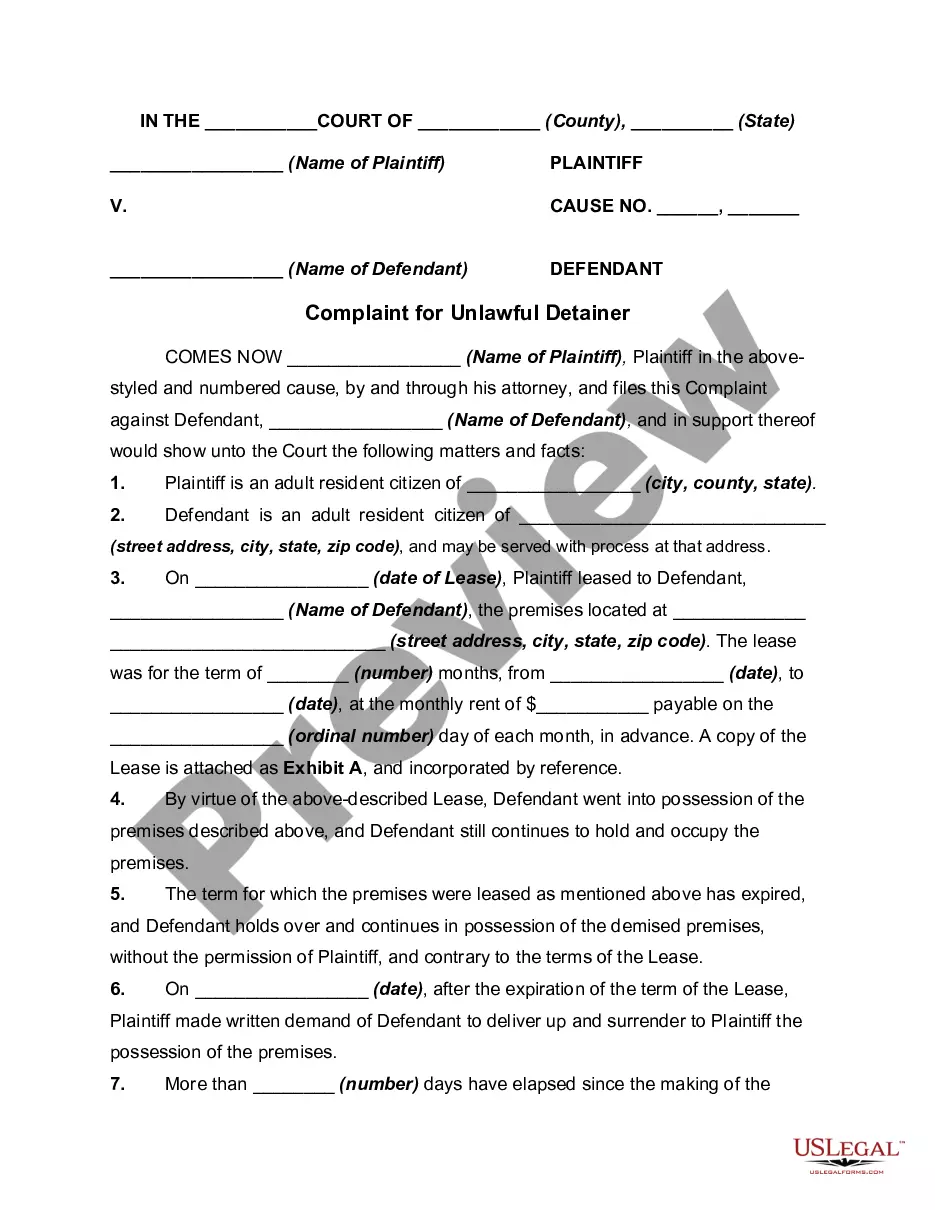

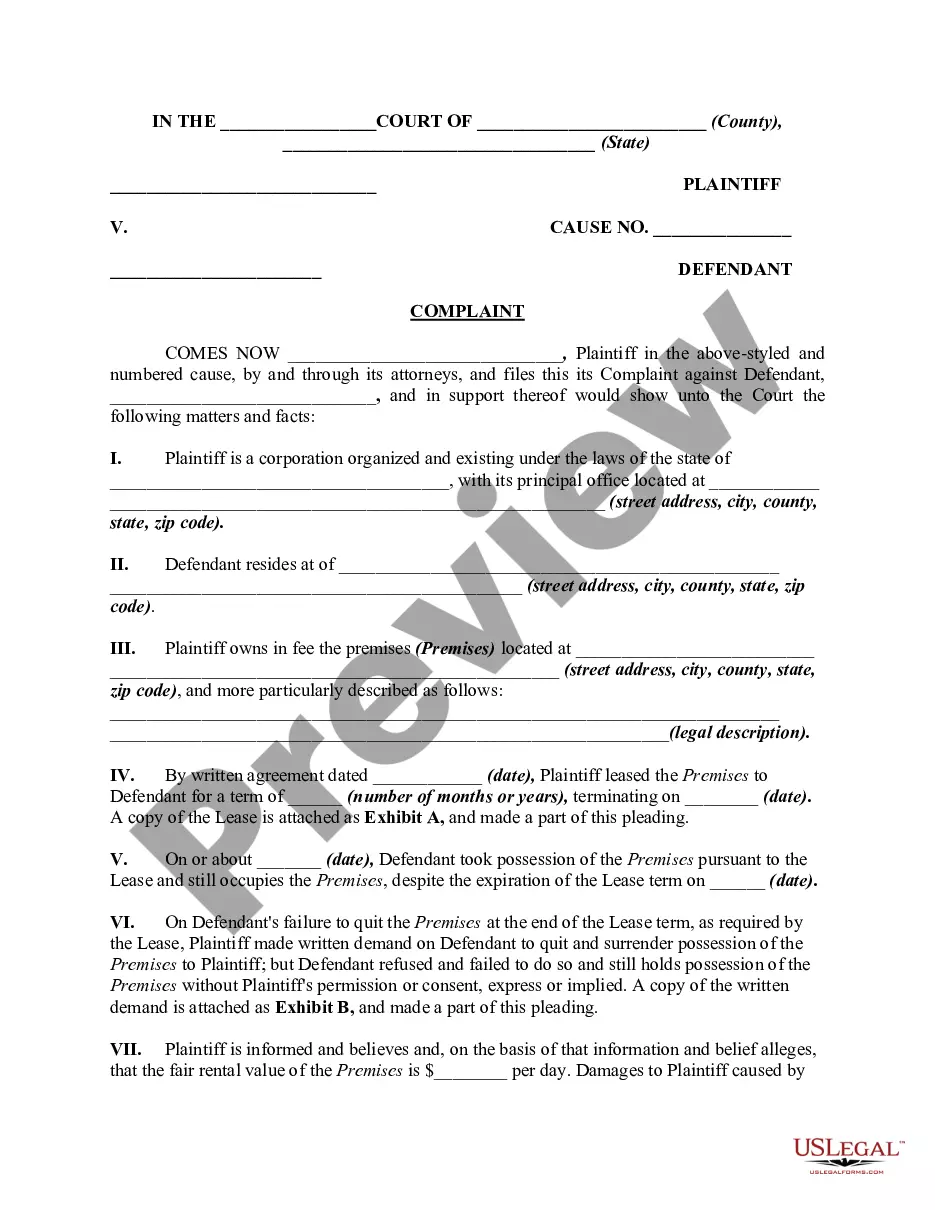
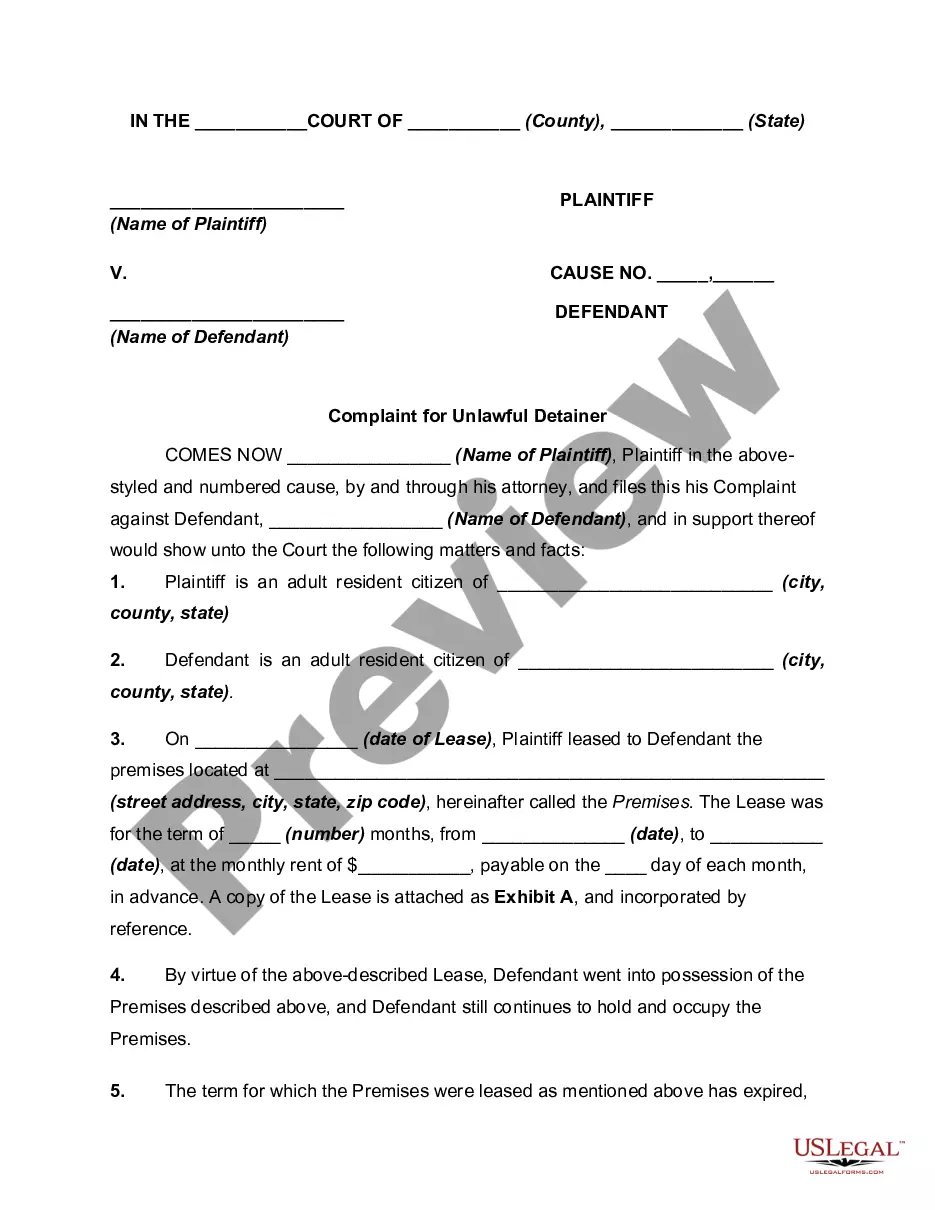
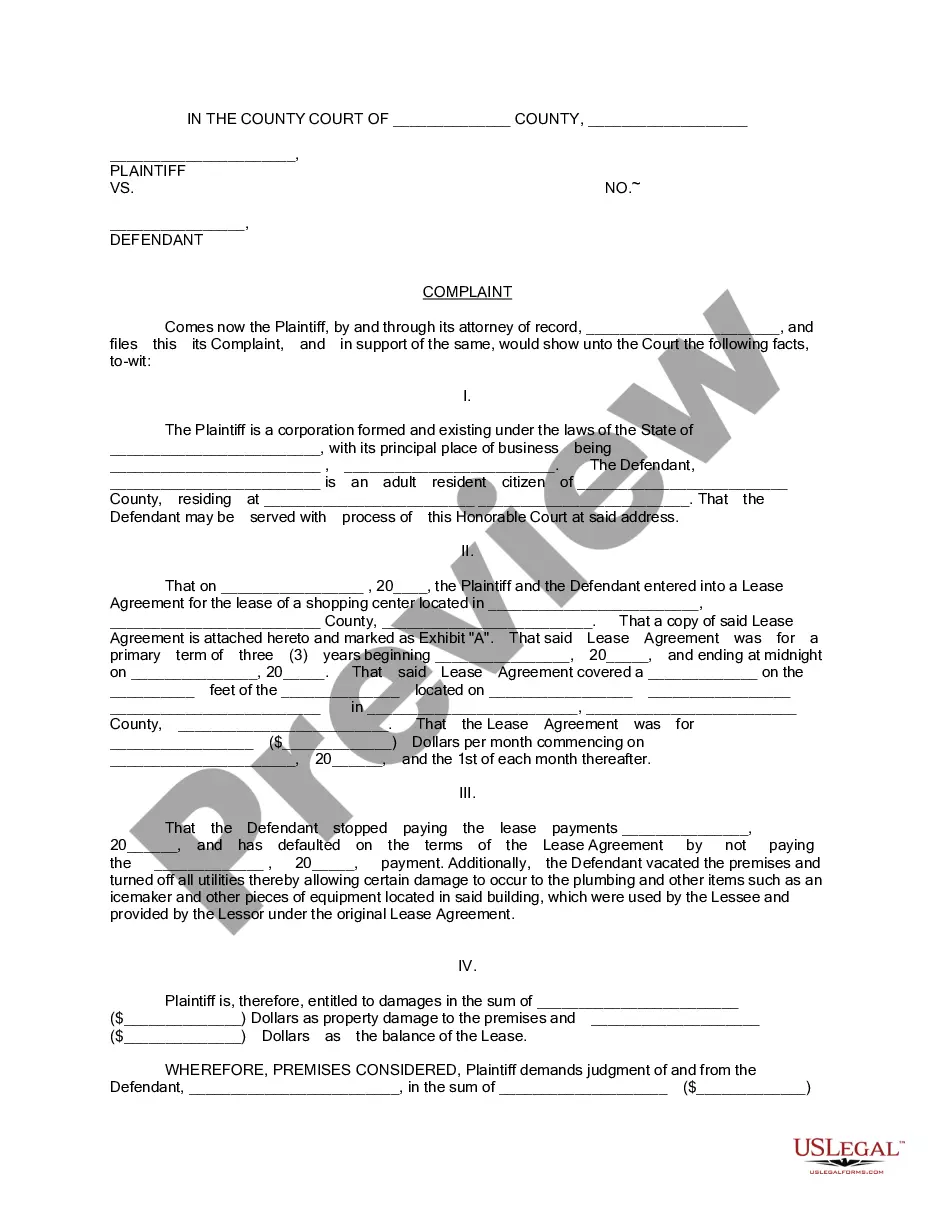
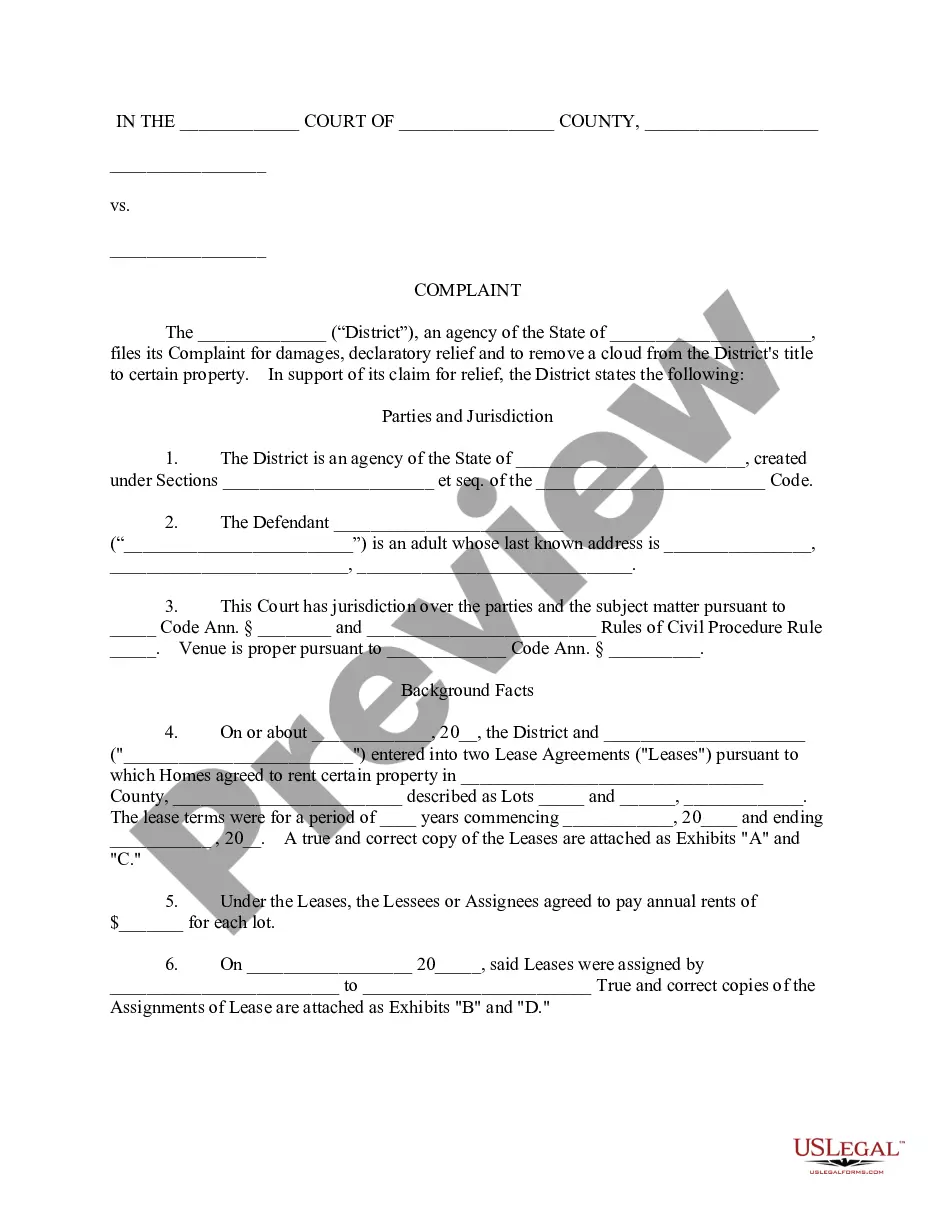
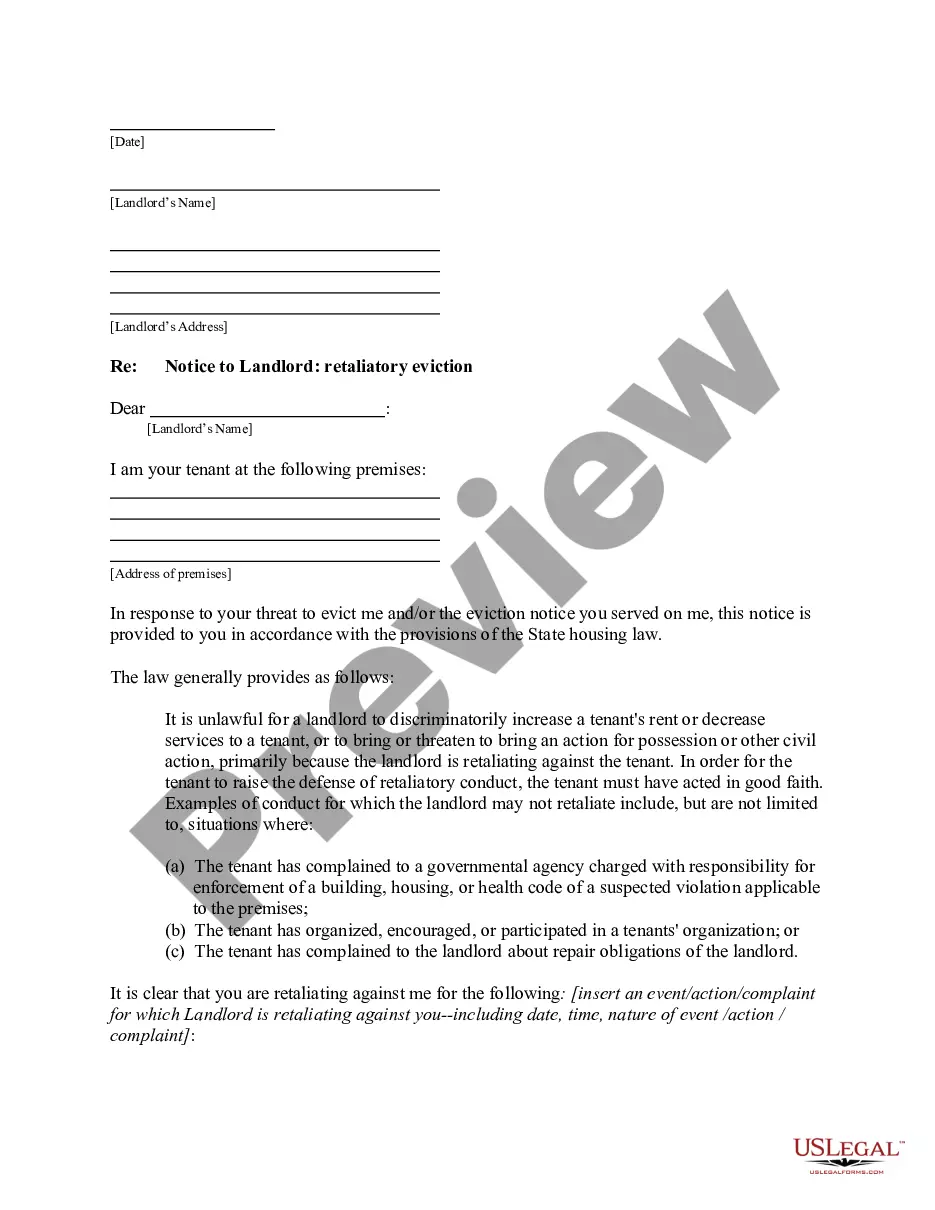
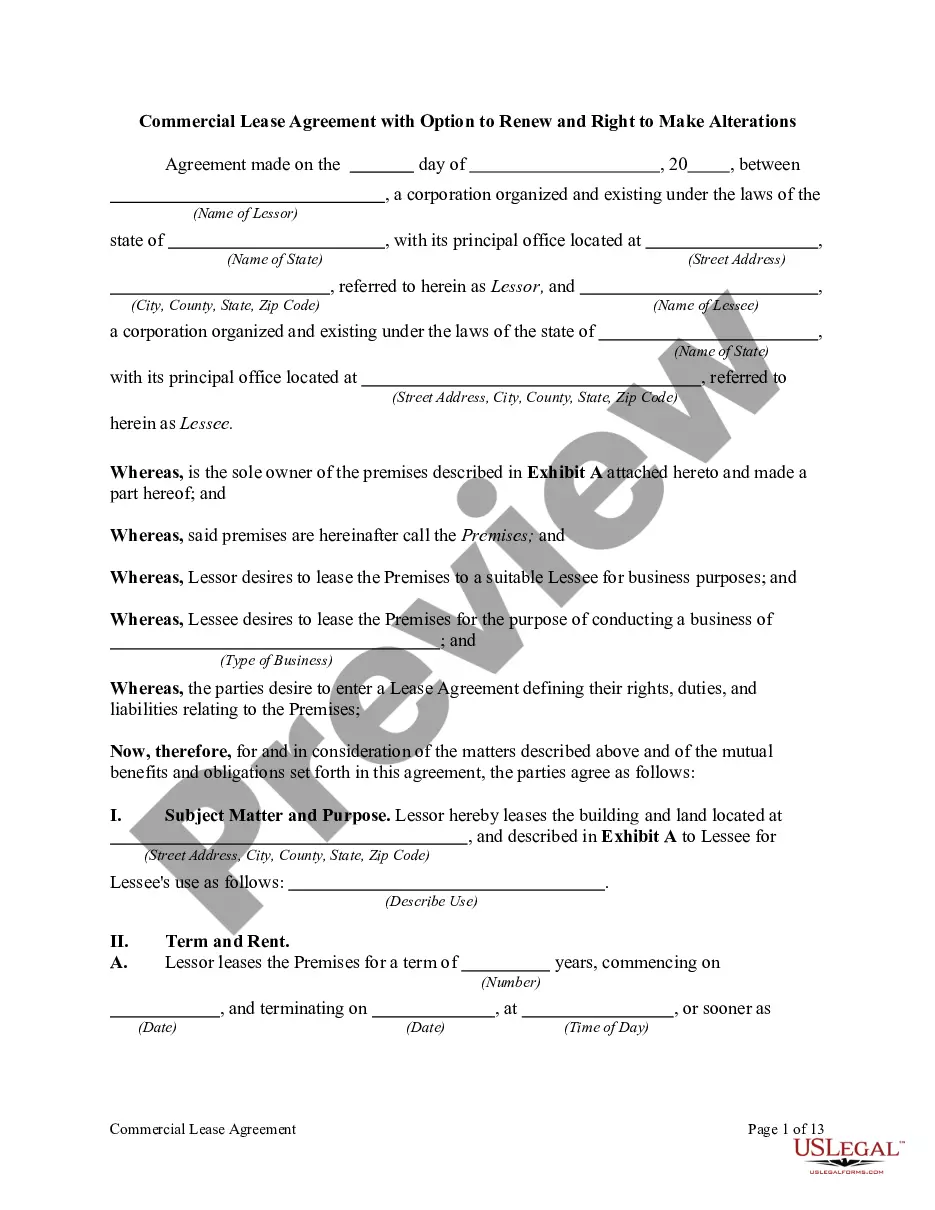
How to fill out Complaint For Unlawful Detainer - Tenant Holding Over After Expiration Of Term?
Regardless of whether for commercial objectives or for individual matters, everyone must deal with legal circumstances at some point in their life.
Filling out legal documents requires meticulous focus, beginning with choosing the correct form example. For instance, if you select an incorrect version of the Detainer Term For Court, it will be denied upon submission.
With a considerable US Legal Forms library available, you don’t need to waste time searching for the correct template across the web. Utilize the library’s straightforward navigation to find the appropriate template for any situation.
- Acquire the template you need by using the search bar or directory navigation.
- Review the form’s description to confirm it fits your circumstances, state, and county.
- Click on the form’s preview to view it.
- If it is the wrong form, return to the search function to locate the Detainer Term For Court example you need.
- Obtain the template if it meets your requirements.
- If you possess a US Legal Forms account, simply click Log in to access previously saved templates in My documents.
- If you don’t have an account yet, you can acquire the form by clicking Buy now.
- Select the appropriate pricing choice.
- Complete the account registration form.
- Choose your payment method: utilize a credit card or PayPal account.
- Select the file format you prefer and download the Detainer Term For Court.
- Once it is downloaded, you can fill out the form using editing software or print it and complete it by hand.
Form popularity
FAQ
The duration of a detainer can vary based on state laws and the specific circumstances of the case. Typically, once a detainer is filed, the court will set a hearing date, which usually occurs within a few weeks. After the hearing, if the court rules in favor of the landlord, the detainer may lead to eviction, which can happen shortly thereafter. Familiarizing yourself with the detainer term for court and utilizing legal resources like US Legal Forms can ensure you understand your rights and obligations in this situation.
The legal term detainer refers to a formal request by a landlord to regain possession of a rental property from a tenant. This term is commonly used in court proceedings when a landlord seeks to evict a tenant for various reasons, such as non-payment of rent or violation of lease terms. Understanding the detainer term for court is crucial for both landlords and tenants as it outlines the legal process involved in eviction. Utilizing resources like US Legal Forms can help you navigate this process effectively.
The legal term detainer refers to the action of holding someone in custody due to unresolved legal issues. This term signifies that a law enforcement agency or court has a legitimate reason to prevent an individual from being released. Understanding the detainer term for court is essential for anyone involved in legal proceedings, as it informs them of their rights and the next steps in their case.
In legal terms, a detainer is a request to keep an individual in custody until certain legal proceedings are resolved. This often occurs when there are pending charges or other legal obligations that have not been met. Familiarity with the detainer term for court can empower individuals to understand their rights and options within the legal framework.
When a detainer is placed, it indicates that law enforcement or a court has issued a request to hold an individual for further legal action. This can happen for various reasons, such as pending charges or unresolved legal matters. For anyone facing a detainer, grasping the detainer term for court can help in navigating the legal system more effectively.
A detainer can significantly impact your legal status, as it often leads to a hold on your release from custody. This means that even if you are eligible for bail or release, the detainer must be resolved first. Understanding the detainer term for court is crucial, as it can affect your ability to move forward with your case or obtain necessary legal remedies.
To find out if someone has a detainer, you can check public records or contact local law enforcement agencies. Many jurisdictions provide online databases where you can search for active detainers. Additionally, consulting with an attorney can provide clarity on the detainer term for court, as they can access specific court records that may not be publicly available.
out eviction notice typically includes the landlord's name, tenant's name, address of the rental property, and the reason for eviction. For example, if the notice pertains to nonpayment of rent, it should clearly state the due amount and the due date, aligning with the detainer term for court. Additionally, it should specify the notice period and any actions the tenant must take. For a reliable template, consider using US Legal Forms, which offers complete and compliant eviction notice forms.
When speaking to a judge to stop eviction, clearly present your reasons, focusing on any legal grounds for your defense. Emphasize any payments that were made or agreements that were established, as this may relate to the detainer term for court. Be respectful and concise, providing any evidence that supports your case. It is also beneficial to express your willingness to resolve the issue amicably.
To fill out an eviction notice form, start by obtaining the correct form for your state, as procedures may vary. Clearly include the tenant's name, address, and reason for eviction, which falls under the detainer term for court. Make sure to provide the appropriate notice period required by law, and sign and date the document. Finally, deliver the notice to the tenant in accordance with your state's regulations.