Detainer Term For 3rd
Description
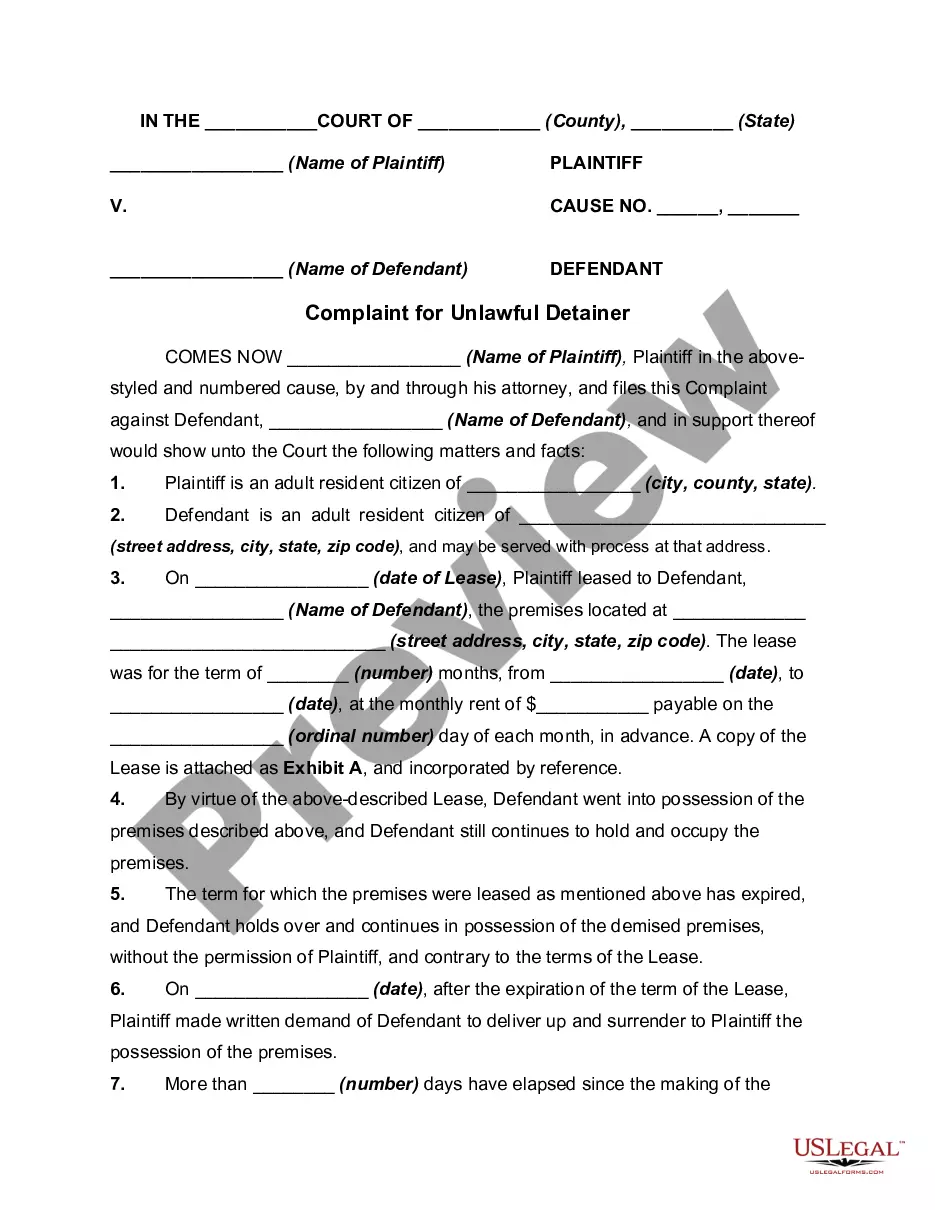

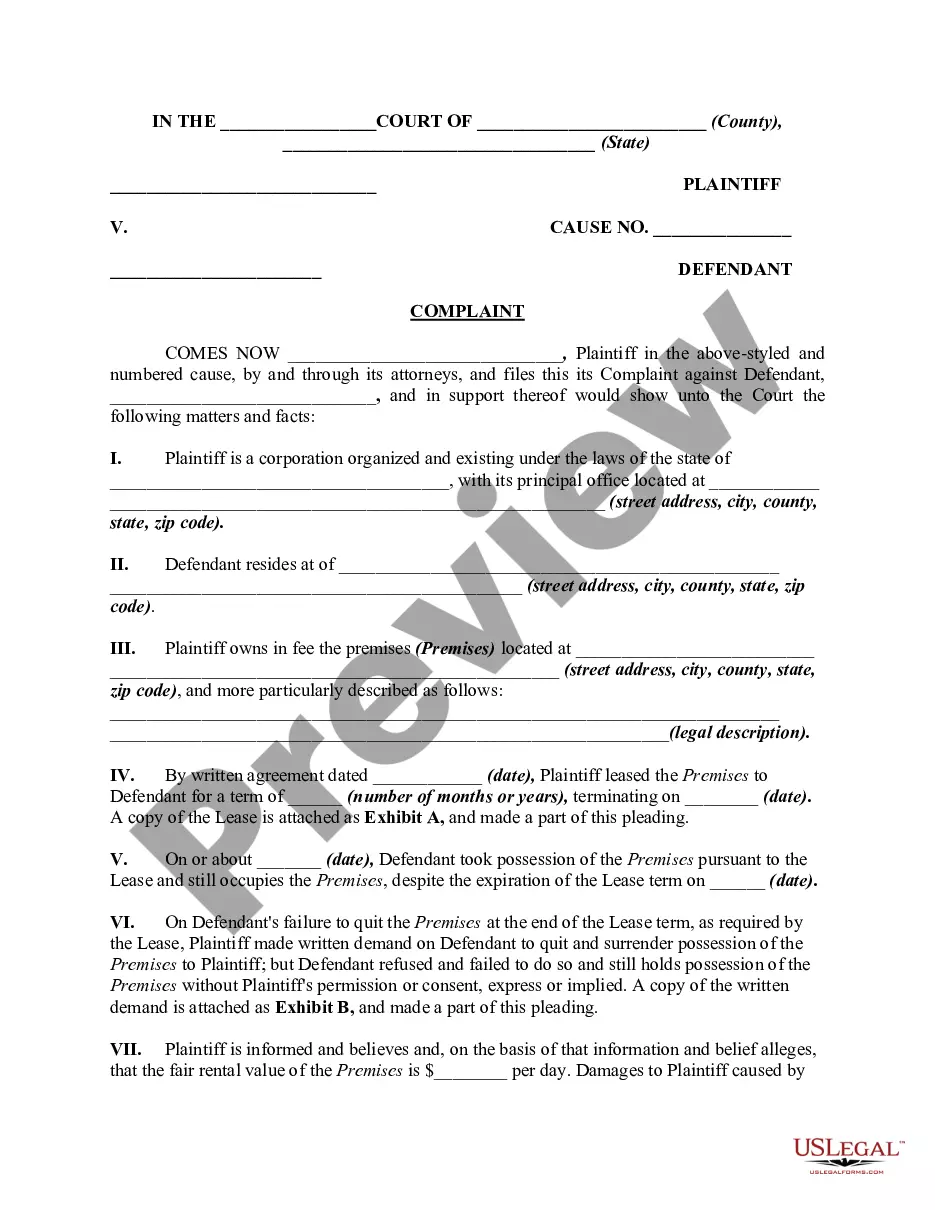
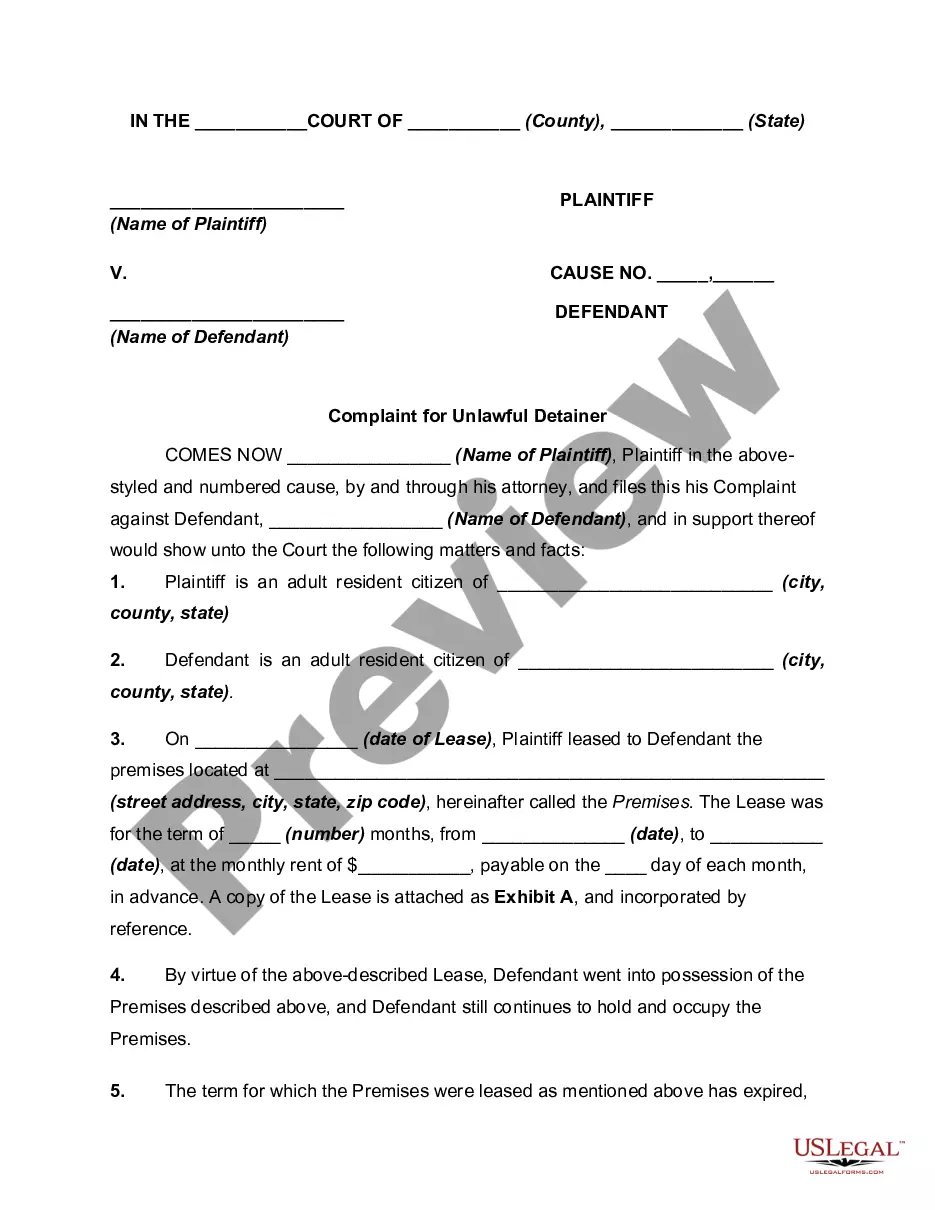
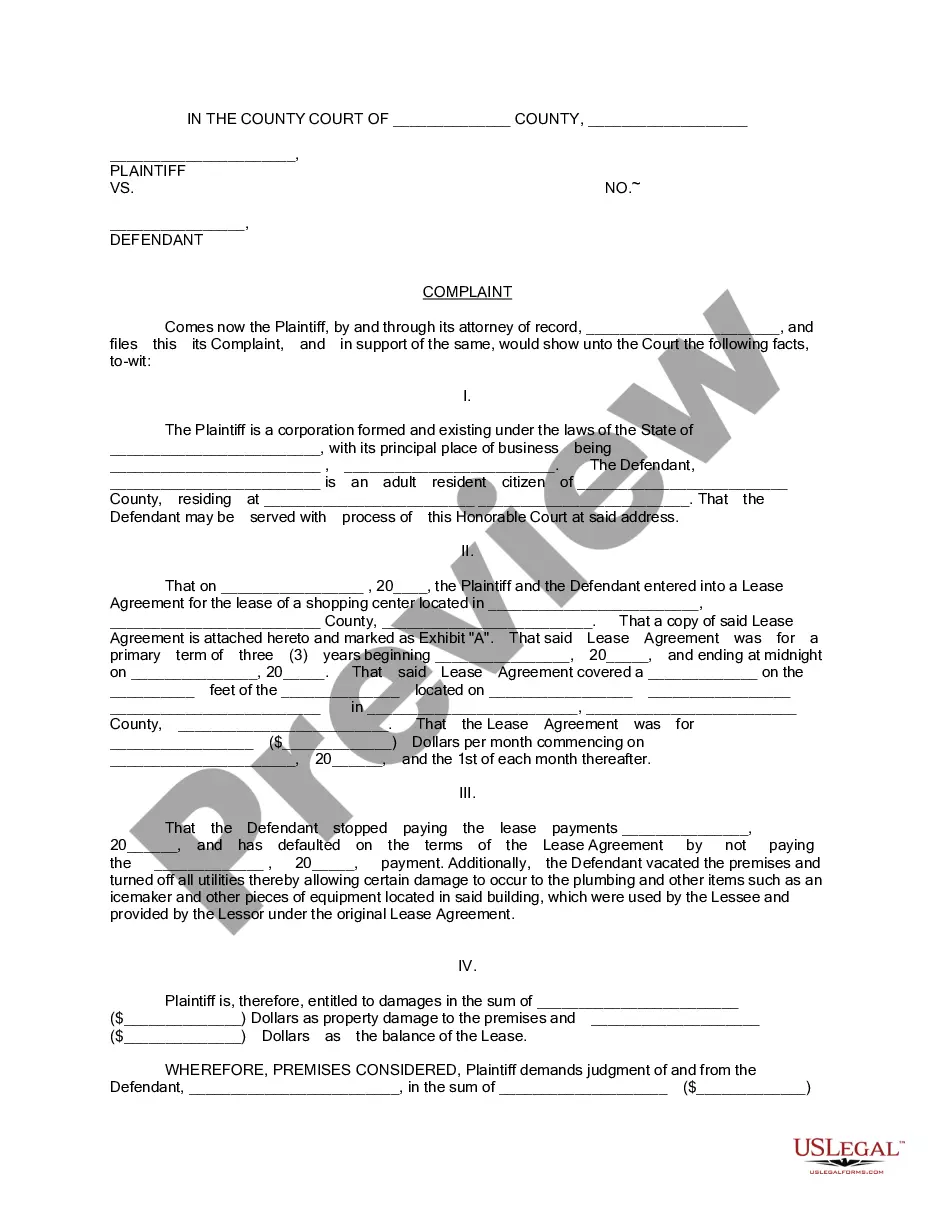
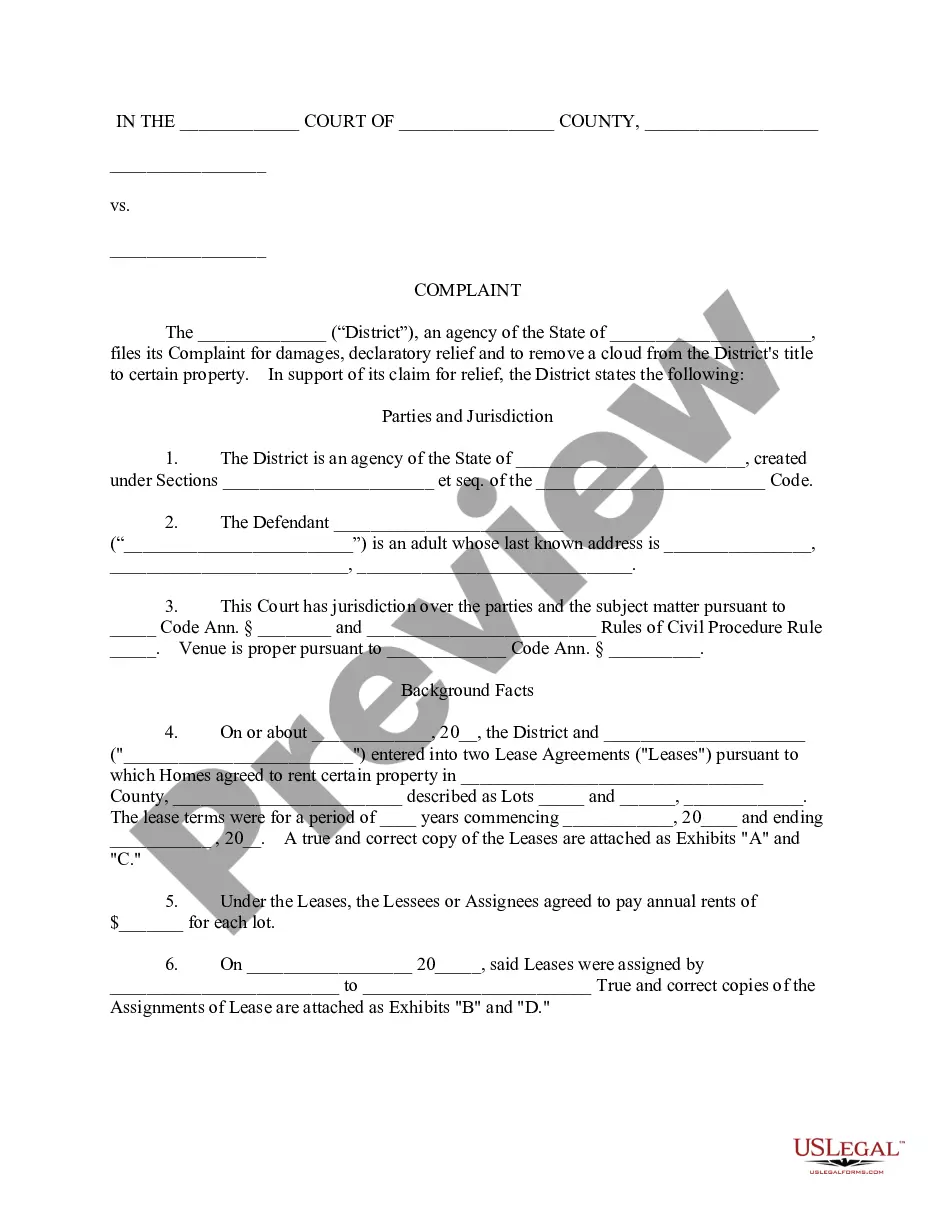


How to fill out Complaint For Unlawful Detainer - Tenant Holding Over After Expiration Of Term?
Creating legal documents from the ground up can frequently be somewhat daunting. Certain cases may require extensive research and a significant financial commitment.
If you’re looking for a more straightforward and cost-effective method of preparing Detainer Term For 3rd or any other documentation without unnecessary complications, US Legal Forms is always available to assist you.
Our online repository of over 85,000 current legal documents covers nearly every facet of your financial, legal, and personal matters. With just a few clicks, you can immediately access state- and county-compliant templates carefully crafted for you by our legal experts.
Utilize our platform whenever you require a dependable service through which you can effortlessly find and download the Detainer Term For 3rd. If you’re a returning user and have previously registered with us, simply Log In to your account, locate the template, and download it or re-download it at any time from the My documents section.
Choose the most suitable subscription plan to purchase the Detainer Term For 3rd. Download the document, then complete, certify, and print it. US Legal Forms has a strong reputation and over 25 years of expertise. Join us today and make form completion an easy and efficient process!
- No account? No problem. Setting it up takes just a few minutes and browsing the catalog is easy.
- However, before you proceed to download the Detainer Term For 3rd, consider these suggestions.
- Review the form preview and descriptions to ensure you have found the correct document.
- Confirm that the form you select meets the requirements of your state and county.
Form popularity
FAQ
The three stages of eviction generally involve the notice stage, the court stage, and the enforcement stage. First, a landlord issues an eviction notice, often referred to as a detainer term for 3rd, to inform the tenant of the eviction and reasons behind it. If the tenant does not comply, the landlord can then file for eviction in court. Finally, if the court rules in favor of the landlord, they can proceed with enforcement, which may involve local authorities to remove the tenant from the property.
A filled out eviction notice typically includes details such as the tenant's name, the property address, and the reason for eviction. For instance, if the tenant is being evicted for non-payment, the notice should specify the amount owed. Additionally, it should state the deadline for the tenant to vacate the property. Using the right form, such as those offered by US Legal Forms, can help ensure that your eviction notice meets legal requirements and clearly communicates your intentions.
The duration an inmate can be held on a detainer varies depending on the legal processes involved and the jurisdictions in question. In some cases, a detainer can lead to indefinite holding until the underlying charges are resolved. To navigate this complex scenario, it's beneficial to refer to reliable legal resources that clarify the detainer term for 3rd, such as US Legal Forms.
The number of holds in jail refers to the various detainers or legal reasons that prevent an inmate from being released. Each hold can represent different charges or jurisdictions that have an interest in the individual. Understanding these holds and the detainer term for 3rd can help you address your legal situation more effectively.
Bailing out with a detainer in place can be complex. While you may be able to post bail for the charges you are facing, the detainer can prevent your release if the holding agency refuses to let you go. To better understand your options, consider consulting resources that explain the detainer term for 3rd, such as those offered by US Legal Forms.
In jail, a detainer indicates that another jurisdiction has requested the individual be held for further action, such as prosecution or sentencing. This can complicate a person's situation, as they may not be eligible for release until the detainer is resolved. Knowing the implications of the detainer term for 3rd can help you navigate these challenging circumstances.
A detainer refers to a legal order that allows law enforcement to hold an individual in custody, often due to pending charges or investigations. This means that even if a person posts bail, they may still be held if there is a detainer placed against them. Understanding the detainer term for 3rd is crucial, as it can affect your release options.