Affidavit Support Document For Canada
Description

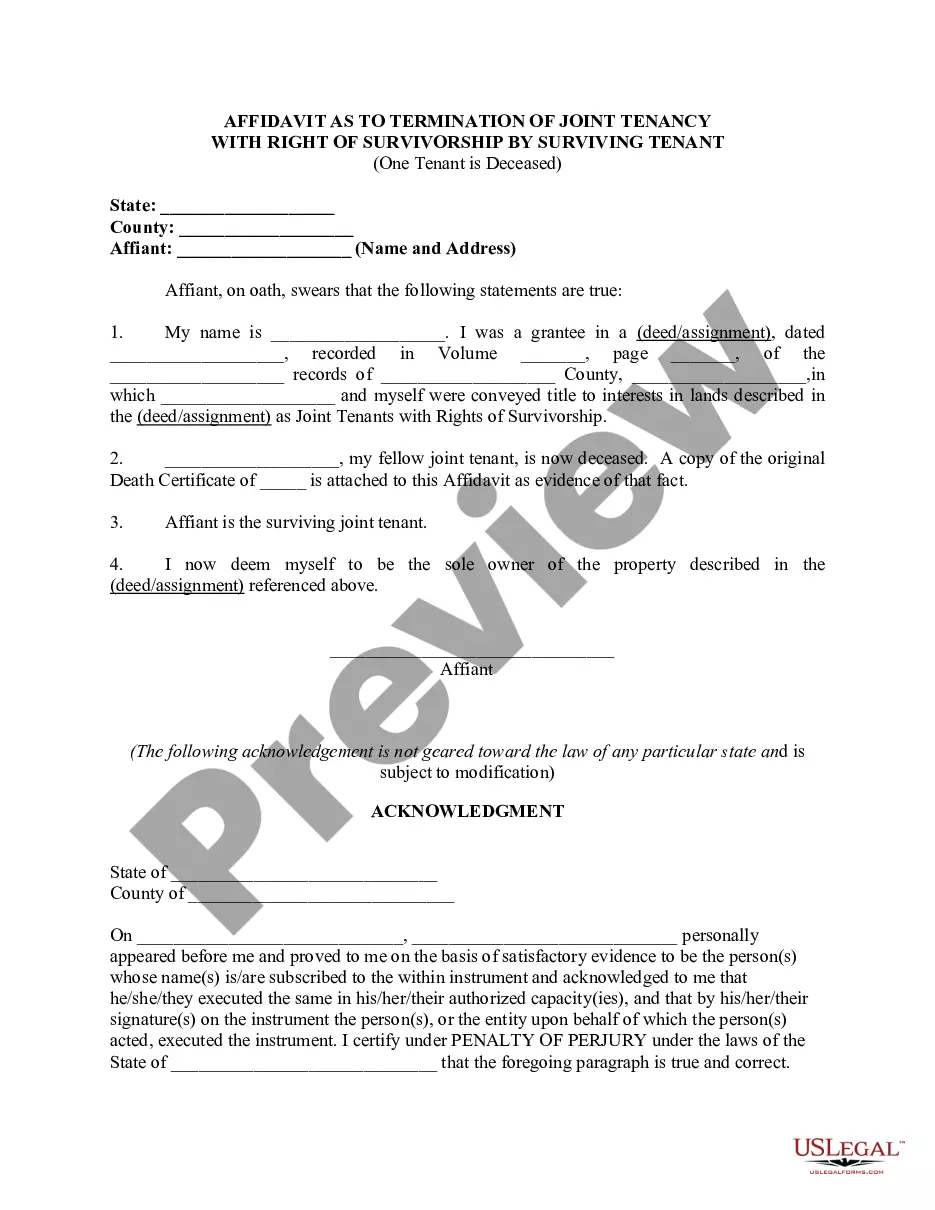
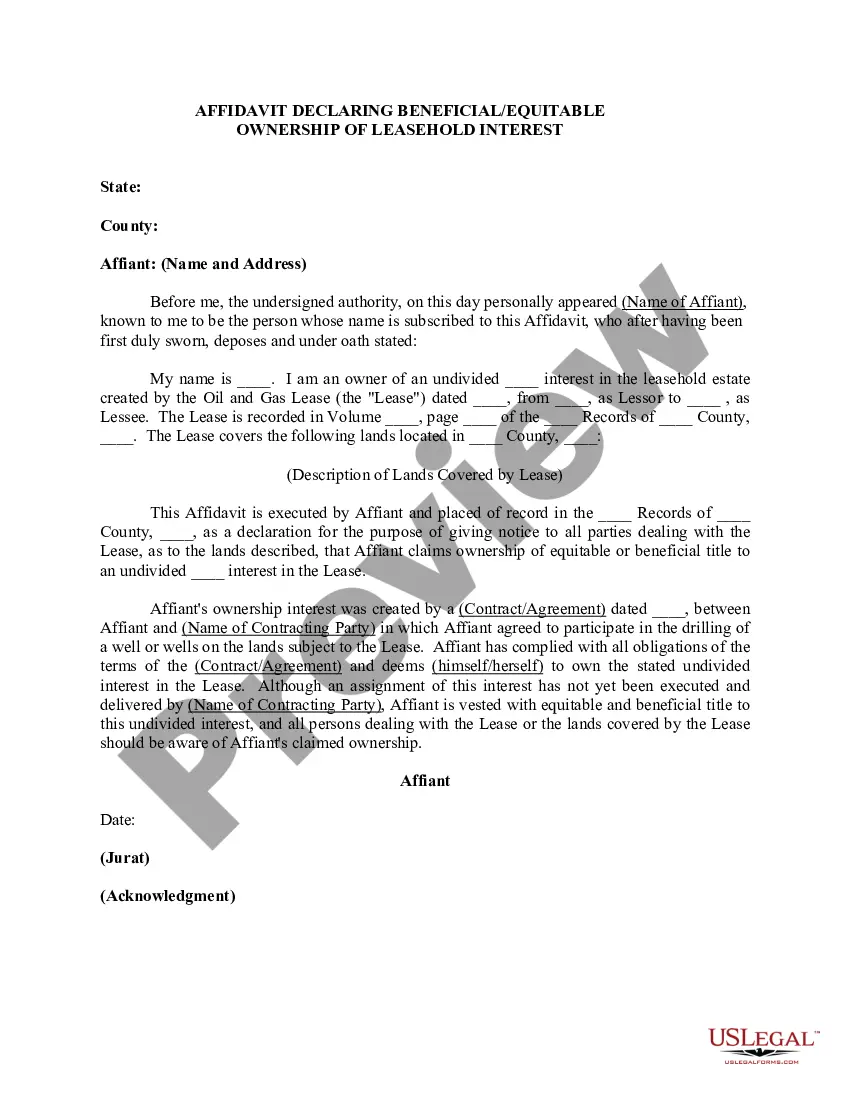
Get your form ready online
Our built-in tools help you complete, sign, share, and store your documents in one place.
Make edits, fill in missing information, and update formatting in US Legal Forms—just like you would in MS Word.
Download a copy, print it, send it by email, or mail it via USPS—whatever works best for your next step.
Sign and collect signatures with our SignNow integration. Send to multiple recipients, set reminders, and more. Go Premium to unlock E-Sign.
If this form requires notarization, complete it online through a secure video call—no need to meet a notary in person or wait for an appointment.
We protect your documents and personal data by following strict security and privacy standards.

Make edits, fill in missing information, and update formatting in US Legal Forms—just like you would in MS Word.

Download a copy, print it, send it by email, or mail it via USPS—whatever works best for your next step.

Sign and collect signatures with our SignNow integration. Send to multiple recipients, set reminders, and more. Go Premium to unlock E-Sign.

If this form requires notarization, complete it online through a secure video call—no need to meet a notary in person or wait for an appointment.

We protect your documents and personal data by following strict security and privacy standards.
Looking for another form?




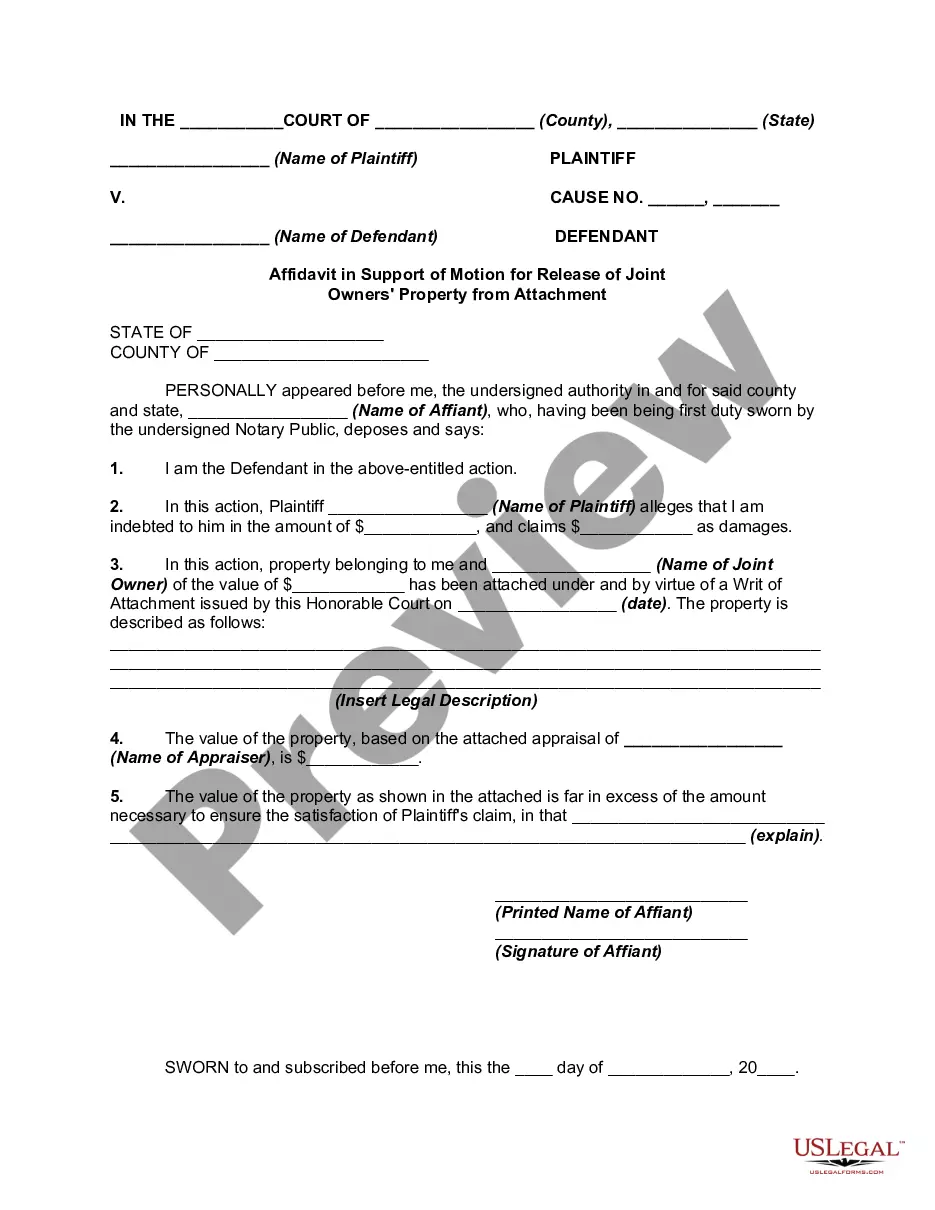
How to fill out Affidavit In Support Of Motion For Release Of Joint Owners' Property From Attachment?
Locating a reliable source for obtaining the latest and suitable legal templates is a significant part of navigating bureaucracy. Securing the correct legal documents requires accuracy and meticulousness, which is why it is essential to source samples of Affidavit Support Document For Canada exclusively from trustworthy providers, such as US Legal Forms. An incorrect template can squander your time and delay your situation. With US Legal Forms, you can have peace of mind. You can access and examine all the specifics regarding the document’s application and relevance to your circumstances and in your state or locality.
Consider these steps to finalize your Affidavit Support Document For Canada.
Eliminate the stress associated with your legal paperwork. Explore the extensive US Legal Forms library where you can find legal templates, assess their relevance to your specific situation, and download them immediately.
- Use the catalog navigation or search bar to locate your template.
- Review the form’s details to confirm it meets the requirements of your state and county.
- Preview the form, if available, to verify it is the correct document you need.
- Return to the search and seek the appropriate document if the Affidavit Support Document For Canada does not meet your requirements.
- If you are confident about the form’s applicability, download it.
- If you are an authorized user, click Log in to verify and gain access to your chosen templates in My documents.
- If you do not have an account yet, click Buy now to acquire the template.
- Select the pricing plan that suits your needs.
- Proceed to registration to finalize your purchase.
- Complete your purchase by selecting a payment method (credit card or PayPal).
- Choose the file format for downloading Affidavit Support Document For Canada.
- Once you have the form on your device, you can modify it using the editor or print it and complete it manually.
Form popularity
FAQ
Some examples of documentation that may be accepted as evidence of strong ties to your home country include: Proof of family ties, such as marriage or birth certificates. Proof of employment, such as a letter from your current employer confirming your position and salary.
Ways to Show Proof of Financial Support Proof of a Canadian bank account (in your name, with the required amount in it) Proof of a student or educational loan from a bank. Bank statements from the past four months. A bank draft that may be converted into local currency.
An Affidavit of Sponsor is an affidavit used to demonstrate the source of funds submitted in an application for a visa to Canada or to declare that you have a person who is committed to help you financially pay for your expenses in Canada.
Conditions to submit an affidavit of support The sponsor must : Be a family member of the student applicant up to and including the 3rd degree AND be a Canadian citizen or Permanent Resident in Canada; Prove that he/she has sufficient financial resources to support a student.
An Affidavit of Support should include: The affiant's full name, address, birthdate, and place. Their relationship to you and your spouse. How they met you. Duration and frequency of their interactions with you. Date and signature.