Modified Endowment Contract For Life Insurance
Description
Get your form ready online
Our built-in tools help you complete, sign, share, and store your documents in one place.
Make edits, fill in missing information, and update formatting in US Legal Forms—just like you would in MS Word.
Download a copy, print it, send it by email, or mail it via USPS—whatever works best for your next step.
Sign and collect signatures with our SignNow integration. Send to multiple recipients, set reminders, and more. Go Premium to unlock E-Sign.
If this form requires notarization, complete it online through a secure video call—no need to meet a notary in person or wait for an appointment.
We protect your documents and personal data by following strict security and privacy standards.

Make edits, fill in missing information, and update formatting in US Legal Forms—just like you would in MS Word.

Download a copy, print it, send it by email, or mail it via USPS—whatever works best for your next step.

Sign and collect signatures with our SignNow integration. Send to multiple recipients, set reminders, and more. Go Premium to unlock E-Sign.

If this form requires notarization, complete it online through a secure video call—no need to meet a notary in person or wait for an appointment.

We protect your documents and personal data by following strict security and privacy standards.
Looking for another form?



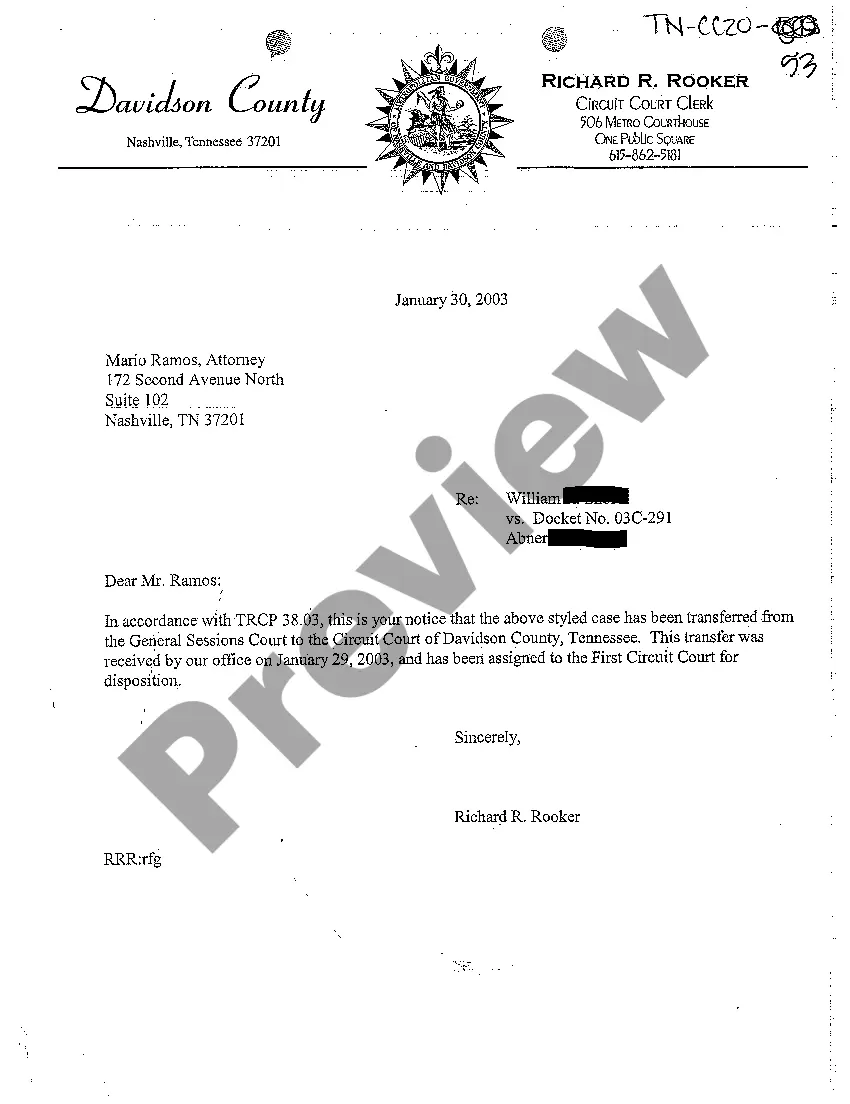




How to fill out Checklist For Modifying Or Extending And Existing Contract?
The Altered Endowment Agreement For Life Assurance you see on this page is a multi-use official template crafted by expert attorneys in compliance with national and local laws and regulations.
For over 25 years, US Legal Forms has supplied individuals, organizations, and legal professionals with more than 85,000 authenticated, state-specific documents for any professional and personal situation. It’s the quickest, easiest, and most trustworthy method to acquire the forms you require, as the service ensures bank-level data protection and anti-malware safeguards.
Subscribe to US Legal Forms to have validated legal templates for every facet of life readily available.
- Browse for the document you require and review it.
- Examine the sample you searched and view it or check the document description to ensure it meets your requirements. If it does not, use the search feature to find the right one. Click Buy Now when you have found the template you need.
- Register and Log In.
- Select the pricing option that fits you and set up an account. Use PayPal or a credit card to process a prompt payment. If you already possess an account, Log In and check your subscription to proceed.
- Obtain the editable template.
- Choose the format you desire for your Altered Endowment Agreement For Life Assurance (PDF, DOCX, RTF) and download the document onto your device.
- Fill out and sign the documentation.
- Print the template to complete it manually. Alternatively, use an online all-in-one PDF editor to quickly and accurately fill out and endorse your form with a valid signature.
- Download your documents again.
- Utilize the same document once more whenever necessary. Access the My documents tab in your account to redownload any forms you have previously acquired.
Form popularity
FAQ
Determining if a modified endowment contract for life insurance is good depends on your financial goals. While a MEC can offer growth potential and death benefits, it may not provide the same tax benefits as a traditional life insurance policy. If you are considering a MEC, it's essential to evaluate your long-term objectives and consult with a financial advisor. Tools like USLegalForms can help clarify the details and implications of MECs.
A modified endowment contract for life insurance is a policy that has been funded beyond certain limits set by the IRS. When a policy becomes a MEC, it loses some of the tax advantages typically associated with life insurance. This means that any loans or withdrawals taken from the policy may be subject to taxes. Understanding the implications of a MEC is crucial for effective financial planning.
A modified endowment contract for life insurance can be disadvantageous due to the tax implications it carries. Withdrawals or loans against the policy may be subject to income tax and penalties. Therefore, it's important to consider these factors carefully and consult with a specialist, such as uslegalforms, to understand the impact of MECs on your financial strategy.
A life insurance policy becomes a modified endowment contract for life insurance when the total premium payments exceed the IRS guidelines during the initial period. This occurs primarily due to high premiums or a reduced death benefit. Understanding these rules is essential, as exceeding the limits can lead to unexpected tax consequences.
The seven-pay test To determine MEC status, the IRS uses something called a ?seven-pay test,? also known as a ?seven-pay limit? or ?MEC limit.? During the first seven years of the policy, the cumulative amount paid toward the cash value of your policy cannot exceed the cumulative seven-pay limit for that year.
Here's an example of how it works: Suppose you purchase a $100,000 policy with annual MEC limits of $4,000. In years one and two, you pay $4,000 per year, but in year three, you pay $6,000. Because you've exceeded the aggregate MEC limit in the first seven years, the policy becomes an MEC.
Under a modified endowment contract, the gains are withdrawn first, which are taxed as ordinary income. MEC withdrawals also typically incur a 10% tax penalty if you take out the money before turning 59½ years old.
For example, if the MEC limit for a policy is $5,784 the first year and $4,000 of the premium is paid into the policy, then the excess $1,784 of the unpaid premium is carried over to the premium limit for the second year.
What is a modified endowment contract? A modified endowment contract (MEC) is a designation given to cash value life insurance contracts that have exceeded legal tax limits. When the IRS relabels your life insurance policy as an MEC, it removes the tax benefits of withdrawals you can make from the policy.