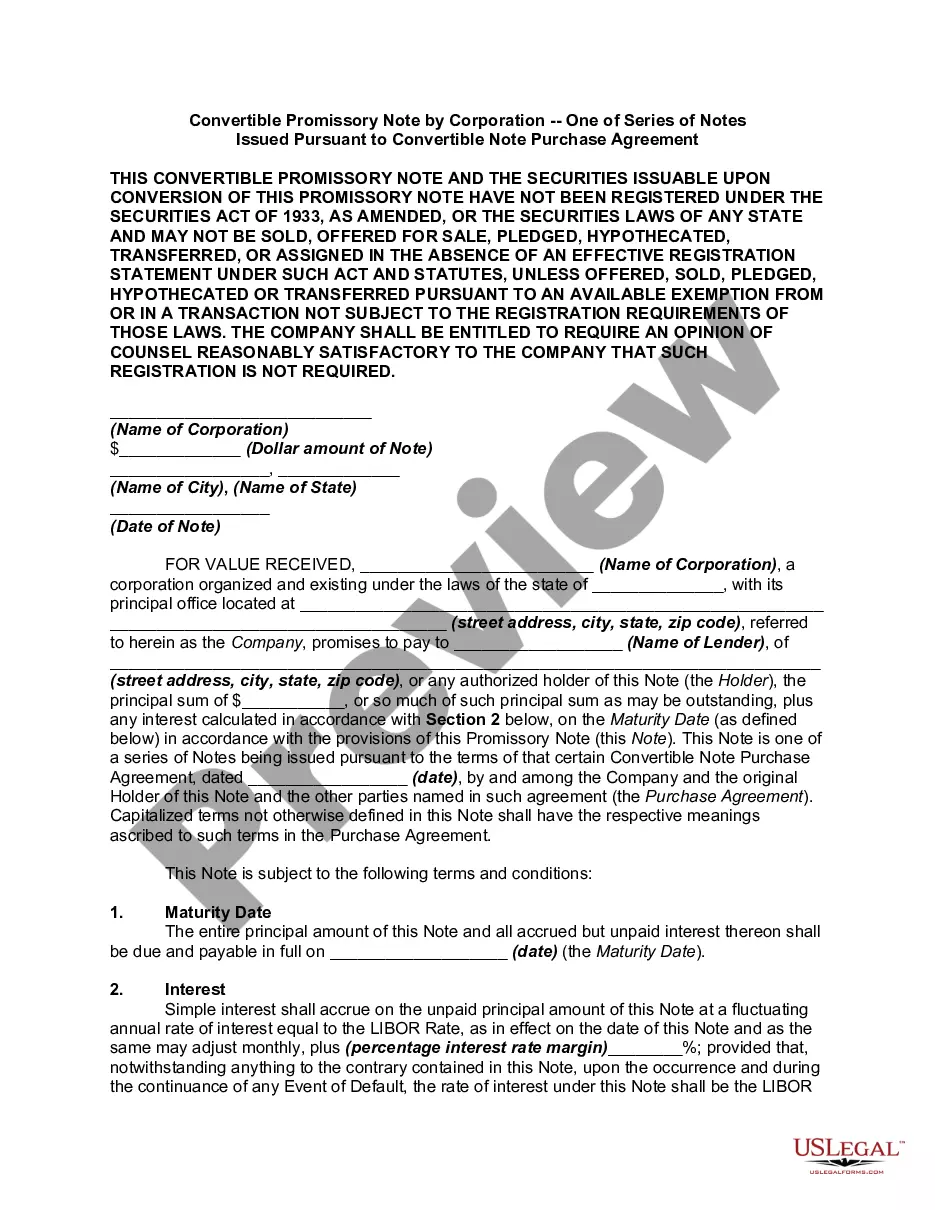
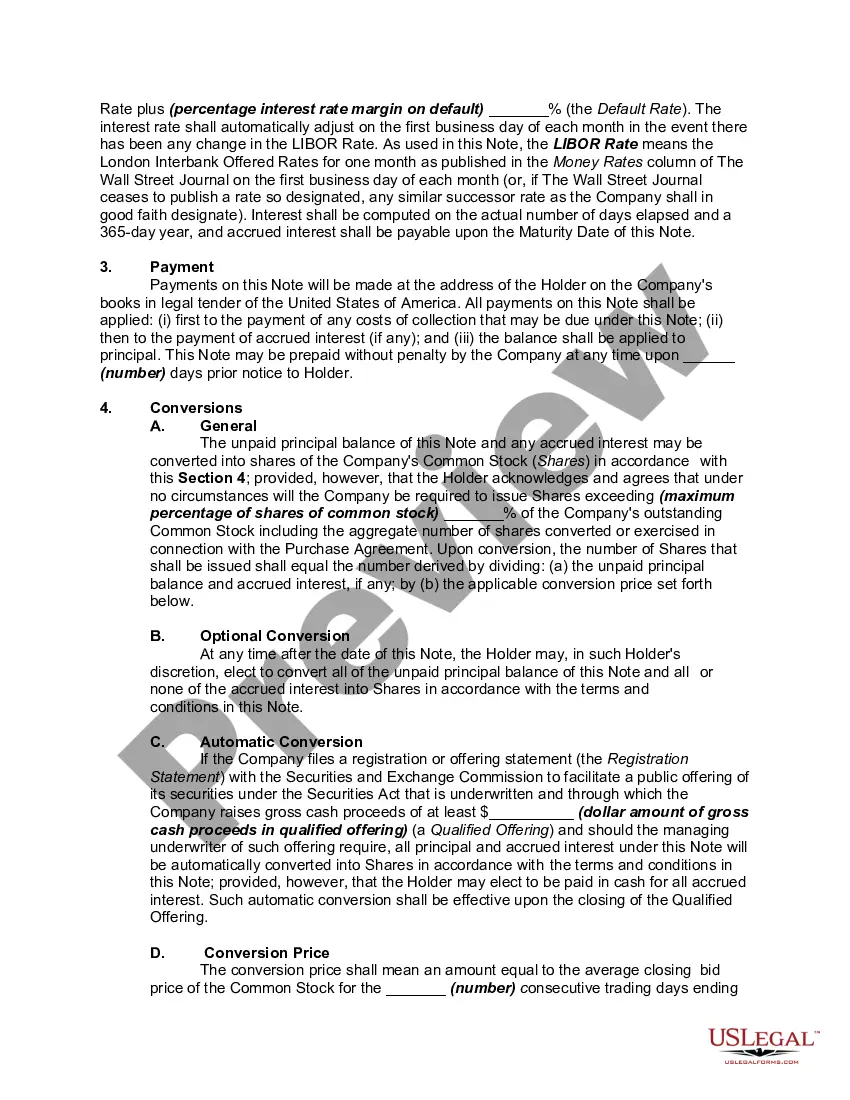
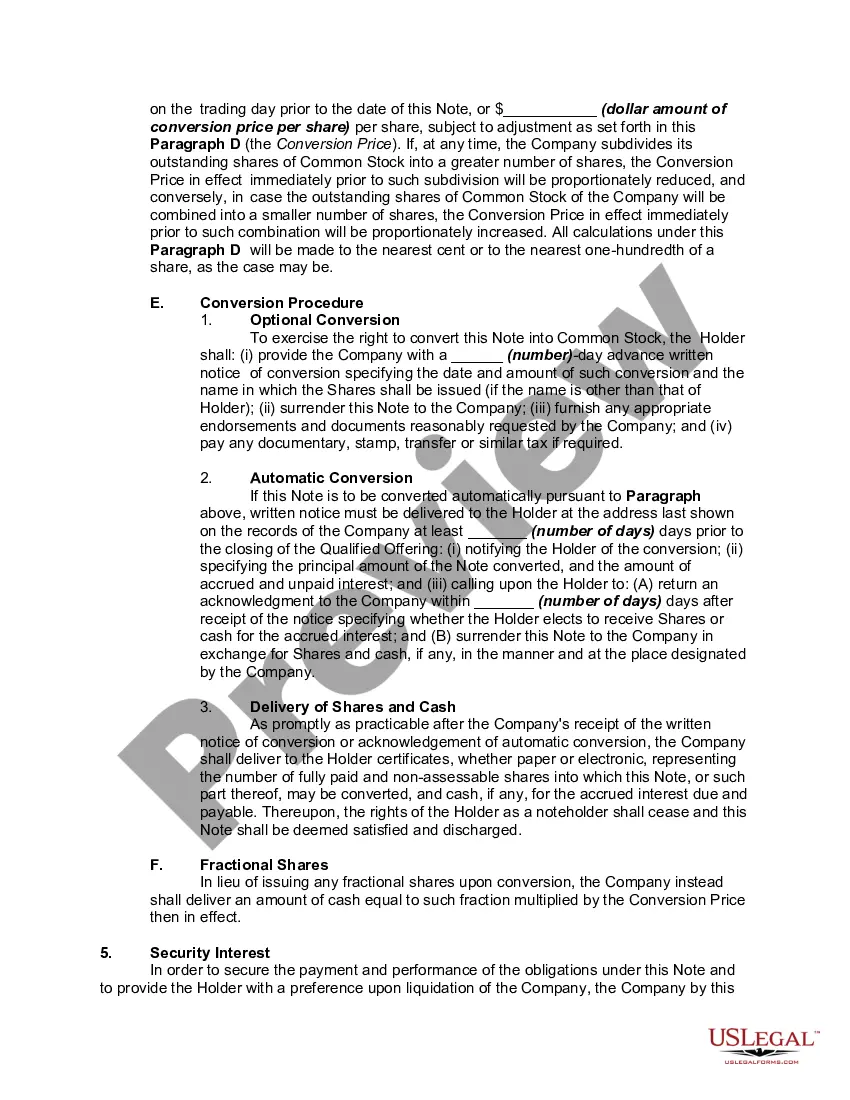
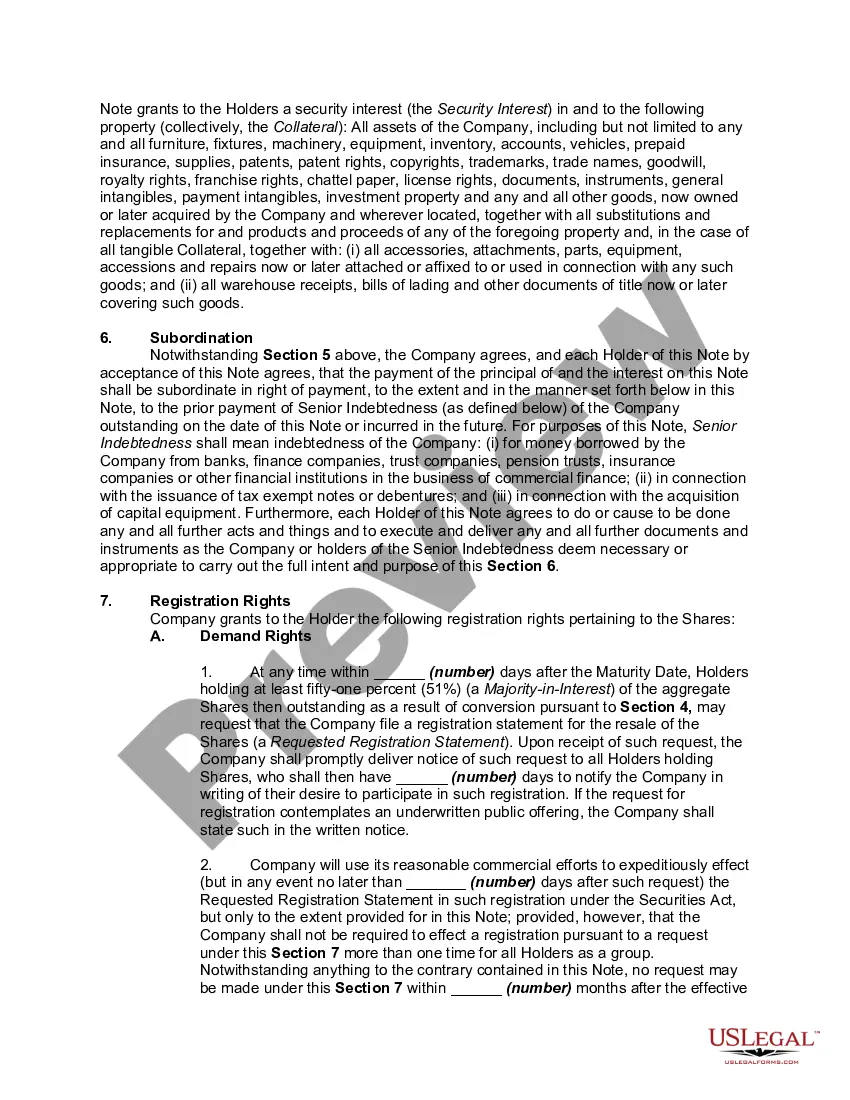
Convertible Note Notes Form With Dividends
Description
Get your form ready online
Our built-in tools help you complete, sign, share, and store your documents in one place.
Make edits, fill in missing information, and update formatting in US Legal Forms—just like you would in MS Word.
Download a copy, print it, send it by email, or mail it via USPS—whatever works best for your next step.
Sign and collect signatures with our SignNow integration. Send to multiple recipients, set reminders, and more. Go Premium to unlock E-Sign.
If this form requires notarization, complete it online through a secure video call—no need to meet a notary in person or wait for an appointment.
We protect your documents and personal data by following strict security and privacy standards.

Make edits, fill in missing information, and update formatting in US Legal Forms—just like you would in MS Word.

Download a copy, print it, send it by email, or mail it via USPS—whatever works best for your next step.

Sign and collect signatures with our SignNow integration. Send to multiple recipients, set reminders, and more. Go Premium to unlock E-Sign.

If this form requires notarization, complete it online through a secure video call—no need to meet a notary in person or wait for an appointment.

We protect your documents and personal data by following strict security and privacy standards.
Looking for another form?






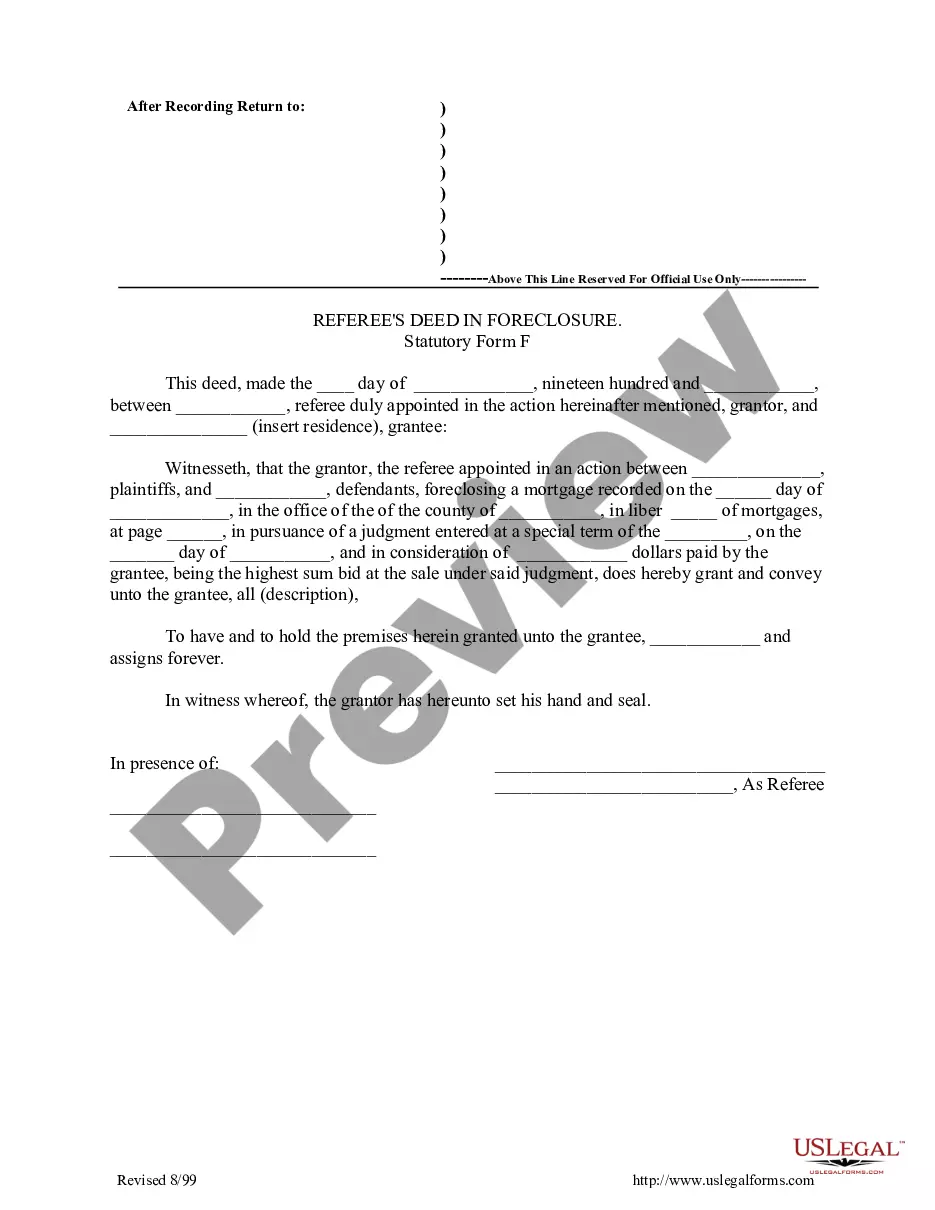
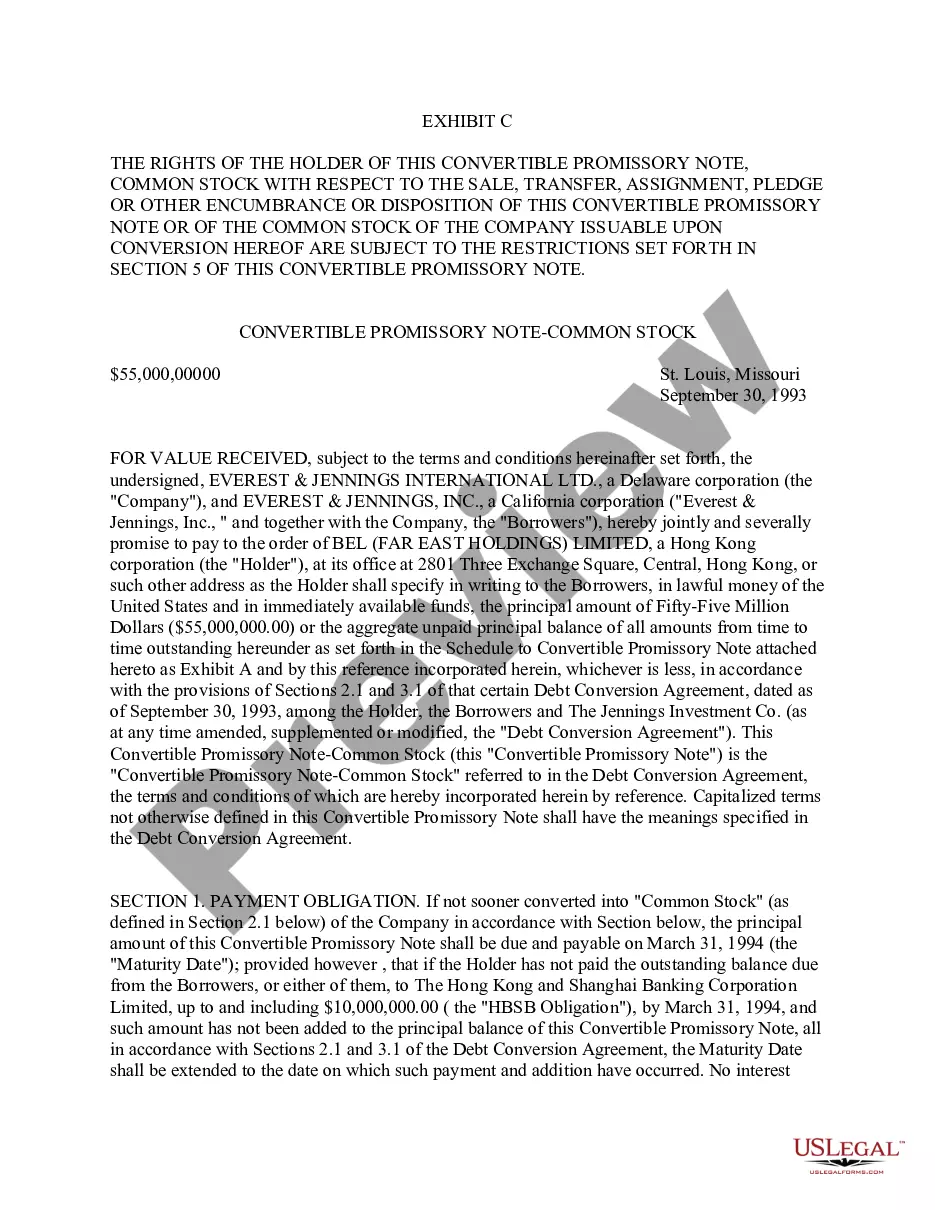
How to fill out Convertible Promissory Note By Corporation - One Of Series Of Notes Issued Pursuant To Convertible Note Purchase Agreement?
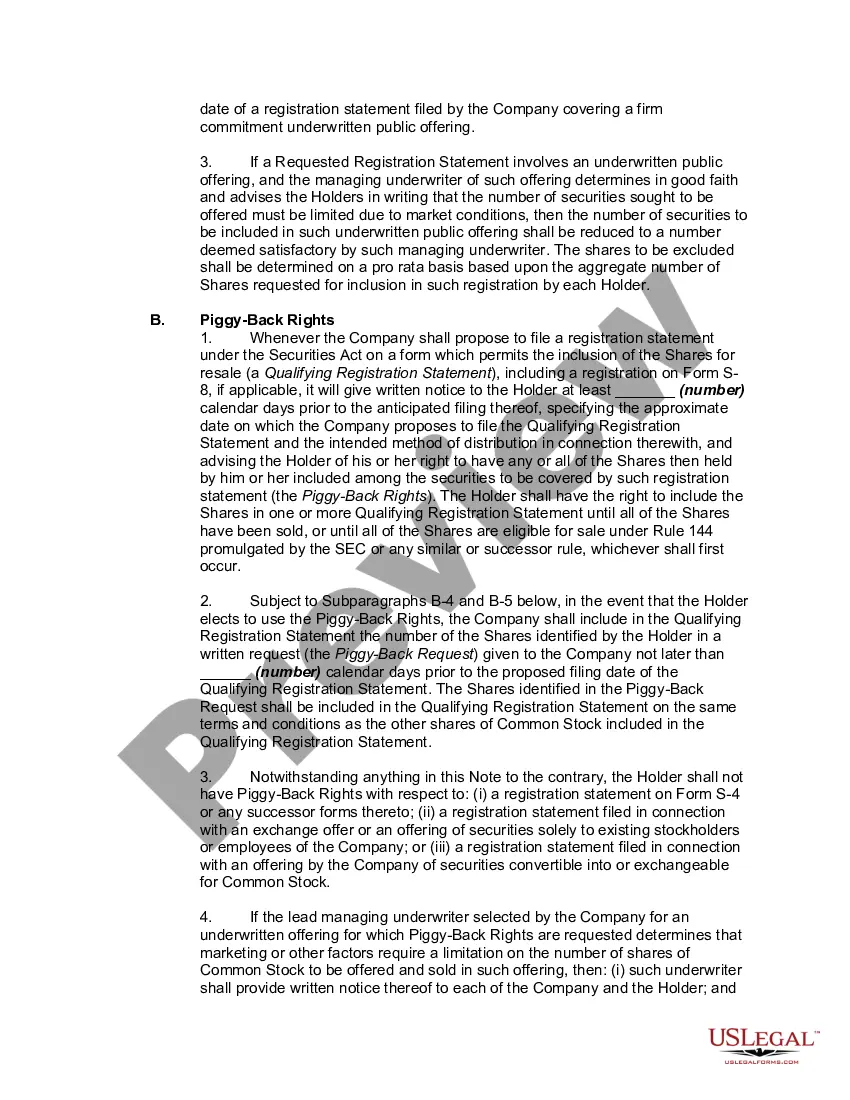
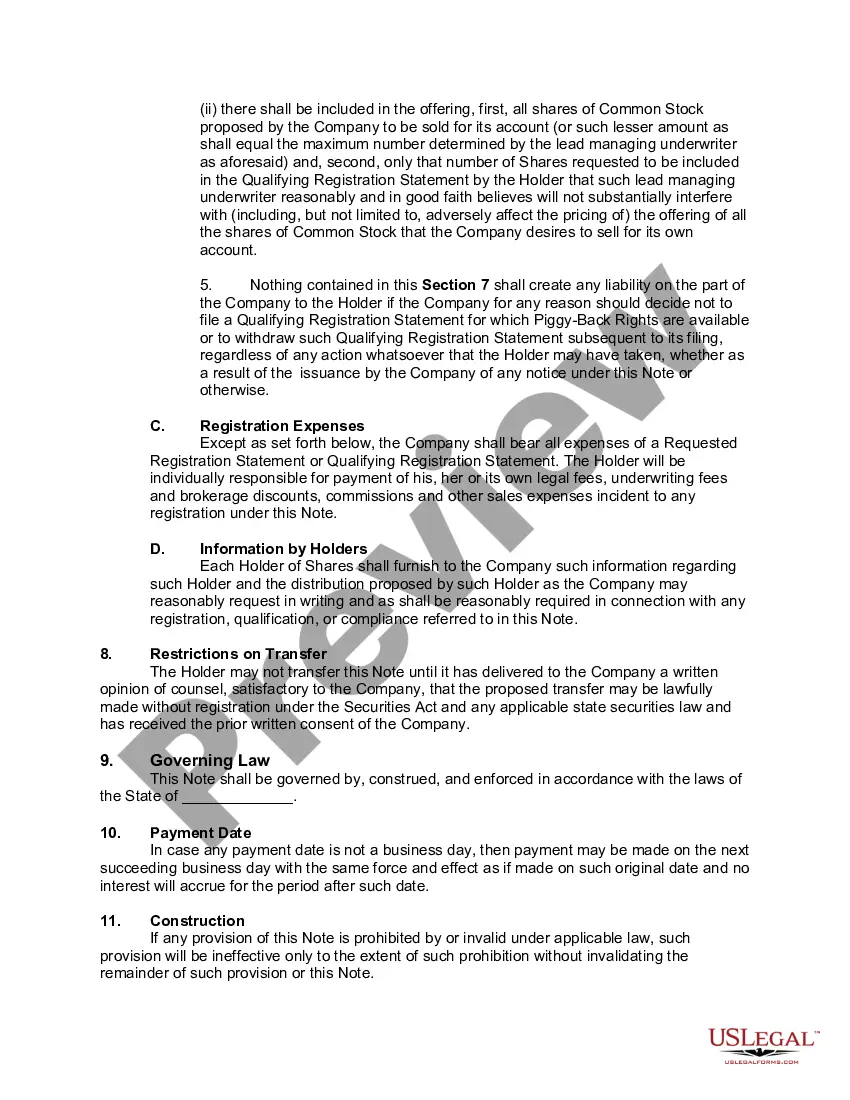
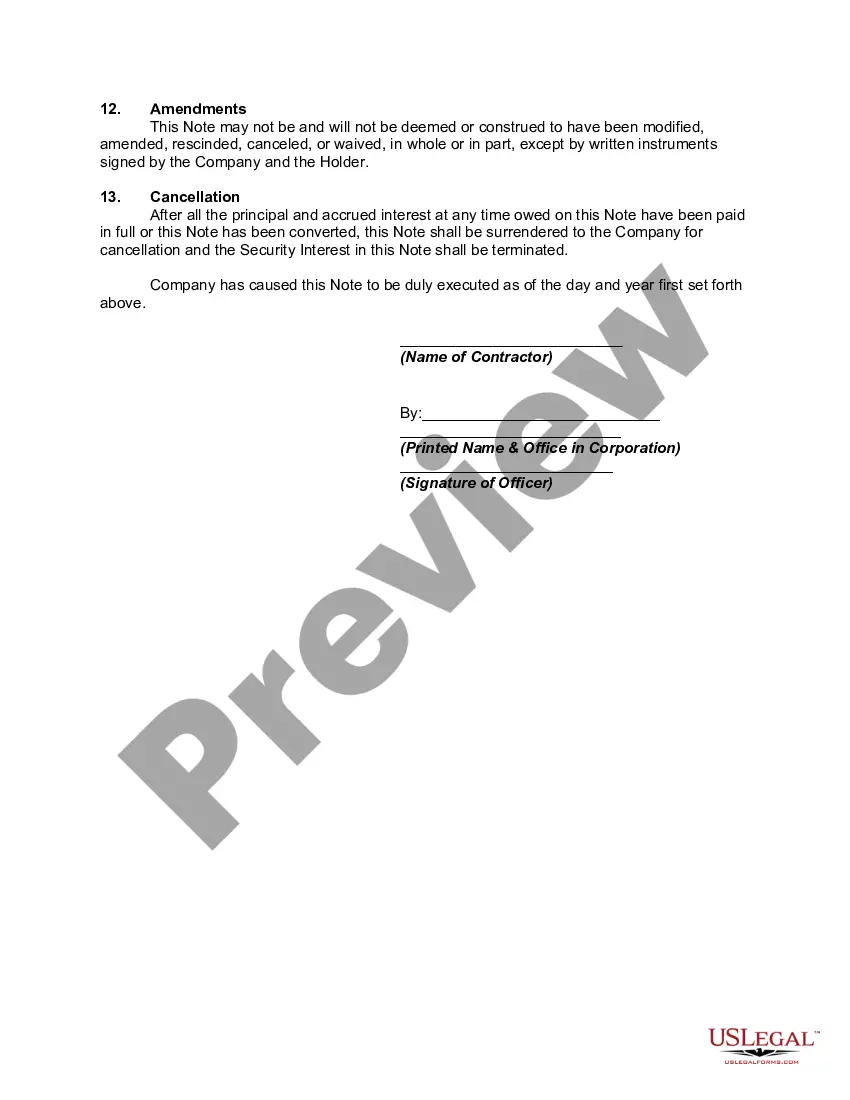
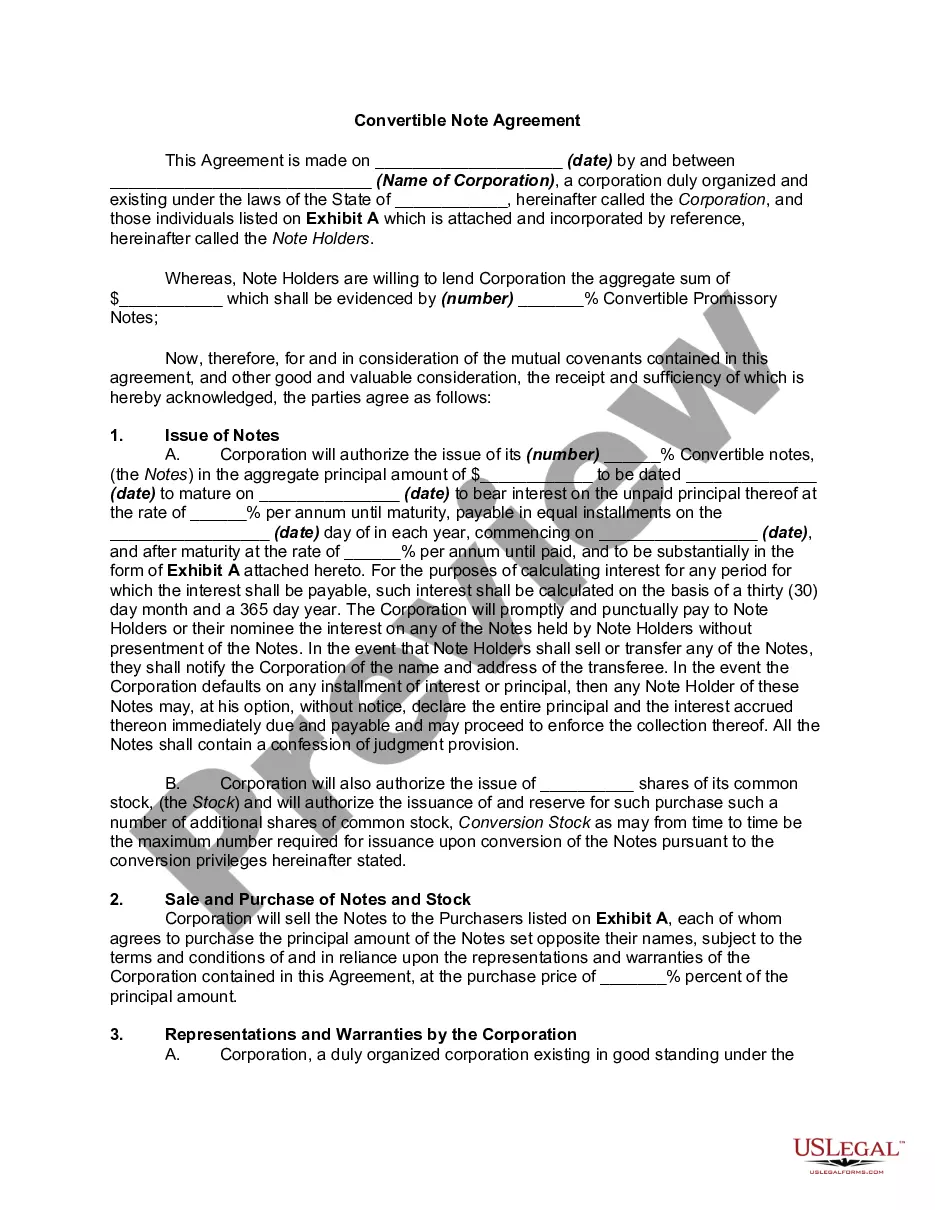
The Convertible Note Notes Form With Dividends displayed on this page is a reusable legal template crafted by expert lawyers in accordance with federal and state statutes and regulations.
For over 25 years, US Legal Forms has supplied individuals, businesses, and legal practitioners with more than 85,000 verified, state-specific documents for various business and personal scenarios. It’s the quickest, easiest, and most dependable method to obtain the necessary paperwork, as the service assures bank-level data security and anti-malware measures.
Register for US Legal Forms to have verified legal templates available for all of life's circumstances.
- Search for the document you need and review it.
- Browse through the file you searched and preview it or examine the form description to confirm it meets your needs. If it doesn’t, utilize the search bar to find the appropriate one. Click Buy Now once you have located the template you require.
- Subscribe and Log In.
- Choose the pricing plan that fits you and create an account. Use PayPal or a credit card to make a quick payment. If you already possess an account, Log In and review your subscription to proceed.
- Acquire the editable template.
- Select the format you prefer for your Convertible Note Notes Form With Dividends (PDF, DOCX, RTF) and save the file on your device.
- Complete and sign the document.
- Print the template to fill it out by hand. Alternatively, use an online multifunctional PDF editor to swiftly and accurately fill out and sign your form with a legally-binding electronic signature.
- Retrieve your documents again.
- Utilize the same document again whenever necessary. Access the My documents tab in your profile to redownload any forms you’ve previously acquired.
Form popularity
FAQ
Form D is a form used by companies to file a notice of an exempt offering of securities, primarily under Regulation D of the Securities Act. This form is essential for reporting offerings that include financial instruments such as convertible notes. When companies file Form D, they demonstrate transparency in their fundraising efforts, which is especially relevant for those using convertible note notes form with dividends.
Generally, convertible notes convert into shares (the ?Conversion Shares?) at a qualified equity financing round (this term should be defined in the note and usually means a preferred financing round of a minimum size) at the lower of two different prices per share: (1) the price per share using the conversion cap ( ...
Convertible notes are usually structured as a single agreement called the note purchasing agreement. This covers all of the financing terms. Promissory notes are then issued to individual investors with the date and amount of their investment.
Convertible notes also contain debt terms (such as interest rate, maturity date, etc.) and resemble traditional debt in many ways. An investor who purchases a convertible note is a lender of the issuing entity and is not entitled to stockholder rights (such as voting rights, dividends, etc.)
The note typically includes details such as the principal amount, interest rate, maturity date, conversion terms, and other relevant provisions. The key aspect of a convertible note, as the term implies, is its conversion feature.
Simply multiply the convertible note's interest rate by the number of years that have passed since the convertible note was issued. In this case, we would multiply 6% by 5 to get an accrued interest of 30%.