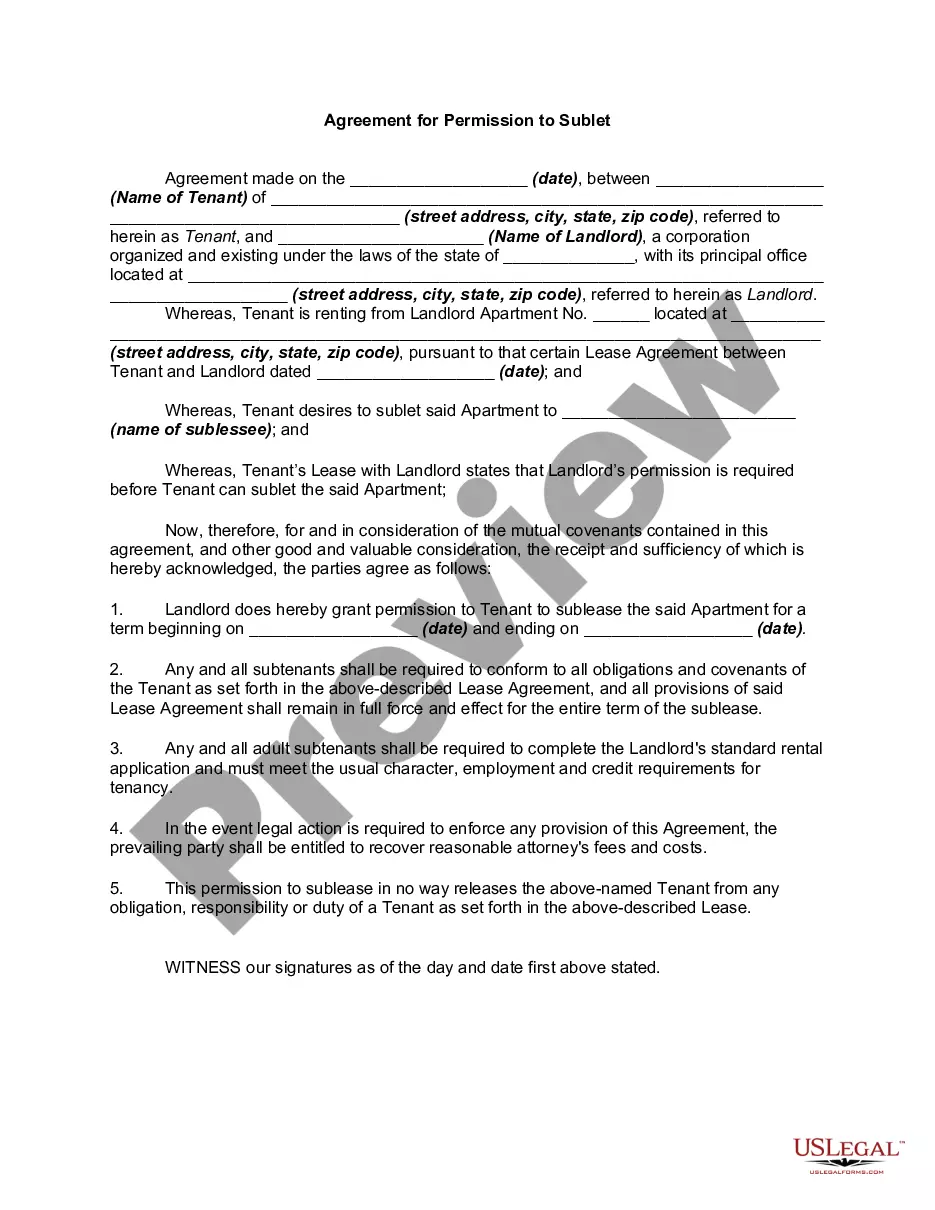
Subletting On Lease
Description
Get your form ready online
Our built-in tools help you complete, sign, share, and store your documents in one place.
Make edits, fill in missing information, and update formatting in US Legal Forms—just like you would in MS Word.
Download a copy, print it, send it by email, or mail it via USPS—whatever works best for your next step.
Sign and collect signatures with our SignNow integration. Send to multiple recipients, set reminders, and more. Go Premium to unlock E-Sign.
If this form requires notarization, complete it online through a secure video call—no need to meet a notary in person or wait for an appointment.
We protect your documents and personal data by following strict security and privacy standards.

Make edits, fill in missing information, and update formatting in US Legal Forms—just like you would in MS Word.

Download a copy, print it, send it by email, or mail it via USPS—whatever works best for your next step.

Sign and collect signatures with our SignNow integration. Send to multiple recipients, set reminders, and more. Go Premium to unlock E-Sign.

If this form requires notarization, complete it online through a secure video call—no need to meet a notary in person or wait for an appointment.

We protect your documents and personal data by following strict security and privacy standards.
Looking for another form?







How to fill out Agreement For Permission To Sublet?
Acquiring samples of legal documents that conform to national and local regulations is crucial, and the web provides many alternatives to choose from.
However, what is the use of expending time searching for the suitable Subletting On Lease template online when the US Legal Forms digital library already consolidates such formats in one location.
US Legal Forms is the premier digital legal repository featuring more than 85,000 customizable templates crafted by attorneys for various business and personal situations.
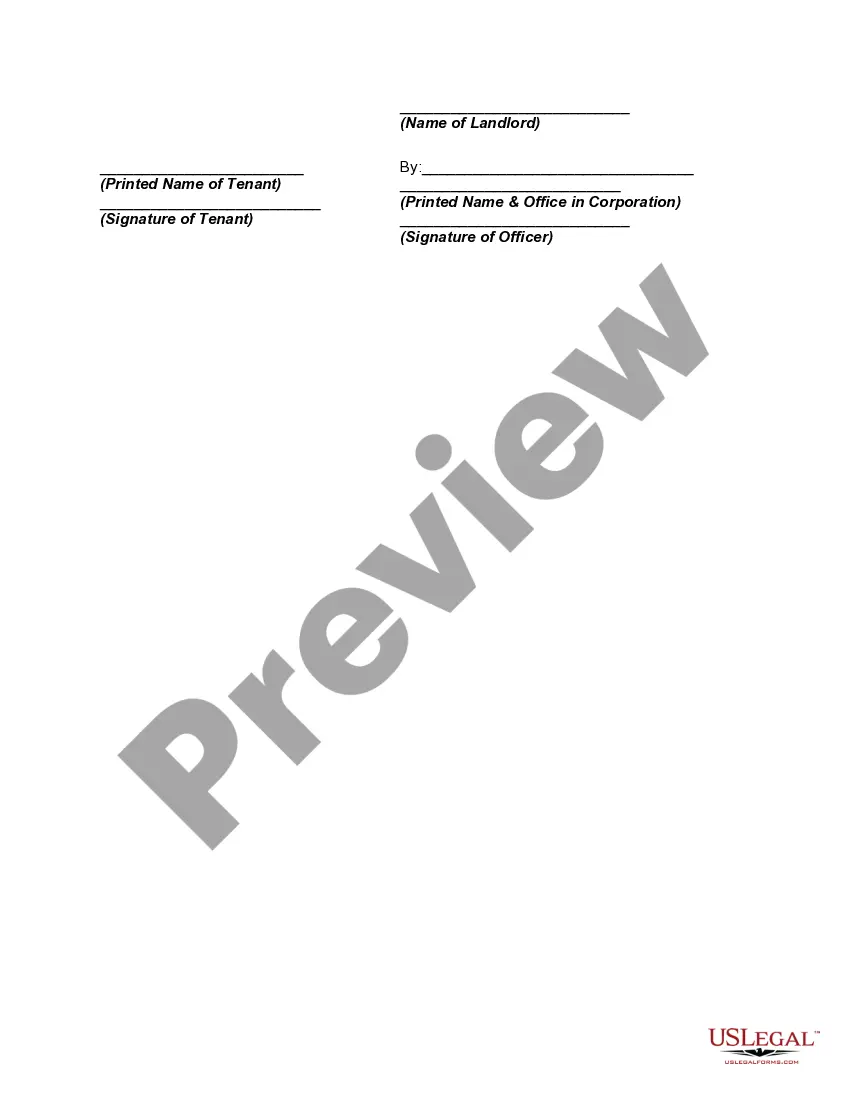
Review the template using the Preview option or through the text outline to verify it satisfies your needs.
- They are straightforward to navigate as all documents are categorized by state and intended use.
- Our specialists keep up with regulatory changes, ensuring that your documents remain current and compliant when procuring a Subletting On Lease from our platform.
- Acquiring a Subletting On Lease is quick and uncomplicated for both existing and new users.
- If you possess an account with an active subscription, sign in and save the document sample you require in the appropriate format.
- For first-time users of our site, follow the instructions below.
Form popularity
FAQ
In a subletting arrangement, the landlord is the party that originally leases the property to the primary tenant. This means that while you, as a subtenant, live in the unit, your rights are still tied to the obligations set forth in the main lease. Understanding that the landlord is the primary leaseholder ensures clarity on who to contact for issues regarding the property. Adhering to the terms of the original lease is vital when engaging in subletting on lease.
If you are subletting, your landlord remains the original property owner or management company with whom the original tenant signed the lease. You may not have a direct relationship with your landlord, as your primary contact is the tenant who is subletting. It is crucial to understand this distinction, as your rights and responsibilities as a subtenant relate to the original lease agreement. Subletting on lease can often complicate landlord-tenant relationships.
Rules regarding subletting can vary depending on your lease agreement and local laws. Generally, most leases require the landlord's consent before subletting can occur. It is essential to review your lease terms carefully and communicate openly with your landlord. Knowing the specific rules can make the process of subletting on lease smoother and more successful.
In a sublease arrangement, the original tenant remains the primary lessee while the subtenant holds rights to occupy the space. The original tenant effectively retains ownership of the sublease agreement with the subtenant. Consequently, any agreements regarding the property, such as maintenance or payment issues, typically involve the original tenant. Understanding this relationship is key to subletting on lease.
To report subletting income, you should include it as part of your rental income on your tax return. It is important to maintain accurate records of all transactions related to the sublease. Engaging with a tax professional can help ensure you comply with IRS requirements regarding subletting on lease. UsLegalForms offers resources to guide you through this process.
A person who is subletting is referred to as a subtenant. The subtenant enters into a sublease agreement with the original tenant, not the landlord. This arrangement allows individuals to temporarily occupy a rented space while the original lease remains active. Subletting on lease can be a great solution for both parties when done correctly.
The sublease laws in Maryland dictate that landlords must not unreasonably withhold consent to sublet, unless the lease explicitly states otherwise. Tenants should also ensure that their sublease agreement aligns with the original lease terms to avoid conflicts. Utilizing resources like US Legal Forms can provide you with templates and legal guidance to navigate the intricacies of subletting on lease.
In Maryland, subleasing is governed by state law and the specific terms of the lease agreement. Tenants typically need to obtain written consent from their landlord before proceeding with a sublease. Familiarizing yourself with these rules helps ensure a smooth subletting process and compliance with Maryland law regarding subletting on lease.
Generally, you cannot sublet without permission from your landlord, as it may violate your lease agreement. Most leases require written consent before a tenant can sublet the property. To ensure compliance and avoid penalties, it is best to consult your lease or seek an amendment that permits subletting on lease.
The subletting clause in a lease agreement outlines the conditions under which a tenant can sublet the rented space. It typically specifies whether subletting is allowed, if landlord approval is required, and what information must be provided to the landlord. Understanding this clause is crucial to avoid potential disputes, so always refer to it before considering subletting on lease.