Release With Bail
Description
Get your form ready online
Our built-in tools help you complete, sign, share, and store your documents in one place.
Make edits, fill in missing information, and update formatting in US Legal Forms—just like you would in MS Word.
Download a copy, print it, send it by email, or mail it via USPS—whatever works best for your next step.
Sign and collect signatures with our SignNow integration. Send to multiple recipients, set reminders, and more. Go Premium to unlock E-Sign.
If this form requires notarization, complete it online through a secure video call—no need to meet a notary in person or wait for an appointment.
We protect your documents and personal data by following strict security and privacy standards.

Make edits, fill in missing information, and update formatting in US Legal Forms—just like you would in MS Word.

Download a copy, print it, send it by email, or mail it via USPS—whatever works best for your next step.

Sign and collect signatures with our SignNow integration. Send to multiple recipients, set reminders, and more. Go Premium to unlock E-Sign.

If this form requires notarization, complete it online through a secure video call—no need to meet a notary in person or wait for an appointment.

We protect your documents and personal data by following strict security and privacy standards.
Looking for another form?




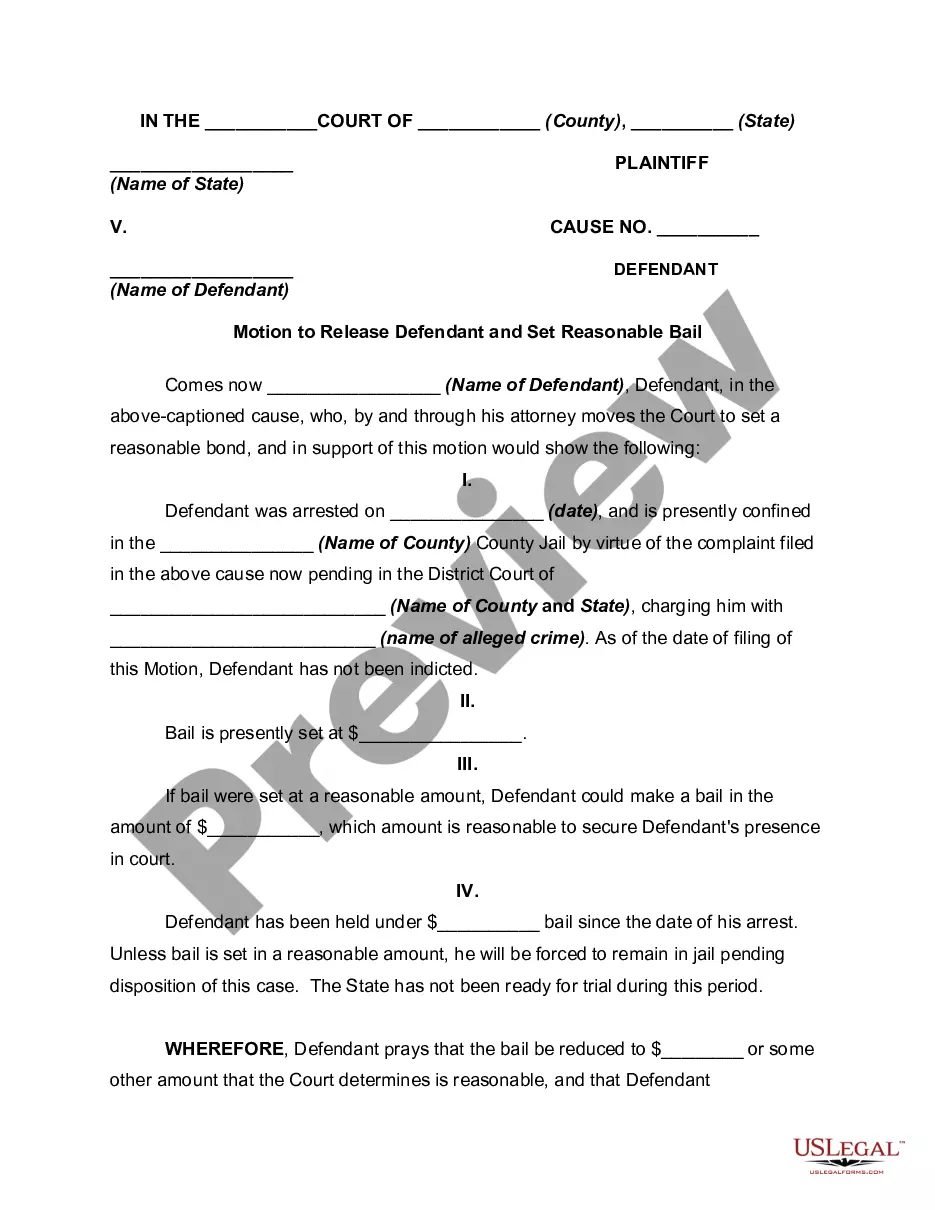
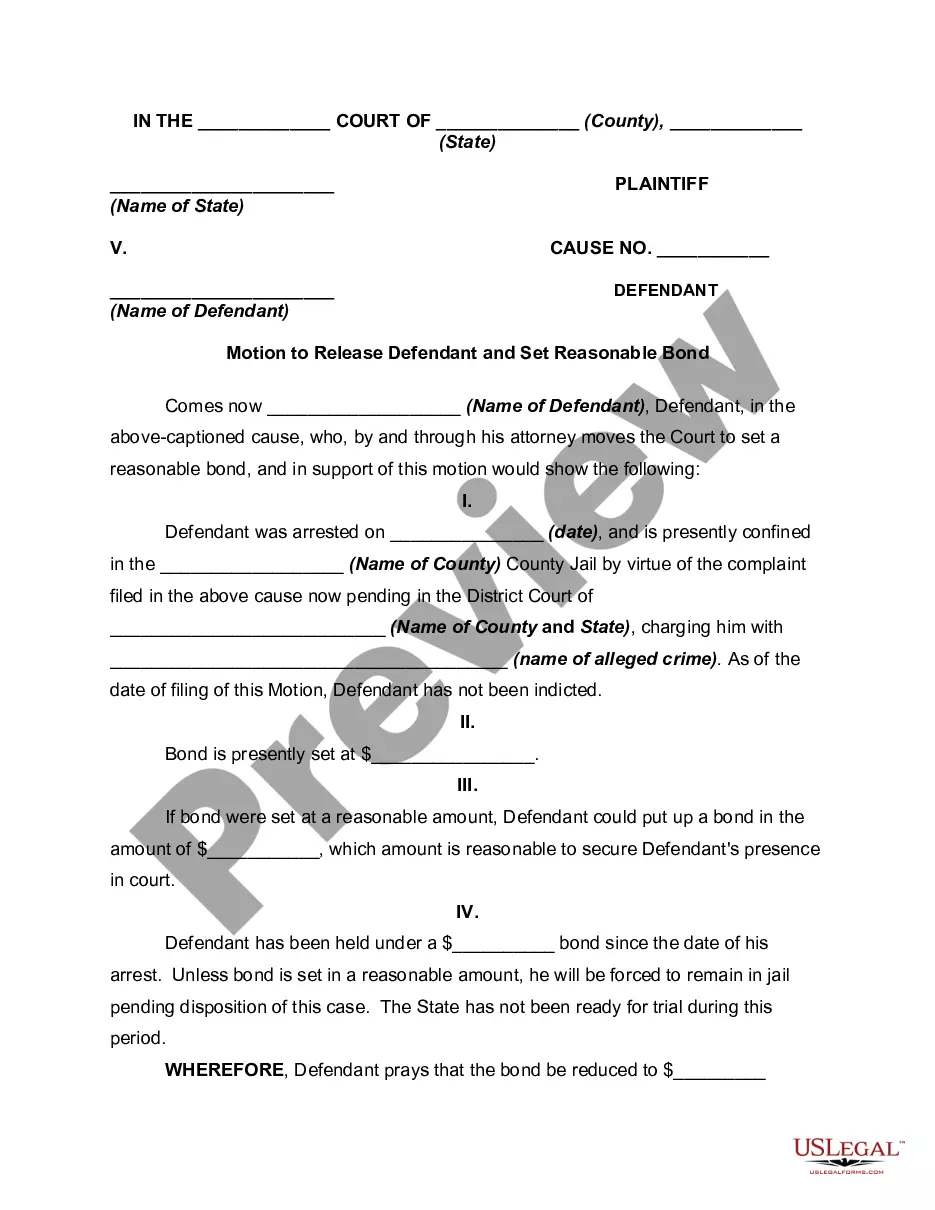
How to fill out Motion To Release Defendant And Set Reasonable Bail?
It’s clear that you cannot transform into a legal expert in an instant, nor can you swiftly learn how to quickly prepare a Release With Bail without having a specialized background.
Assembling legal documents is an intricate undertaking that necessitates specific training and expertise.
So why don’t you entrust the crafting of the Release With Bail to the professionals.
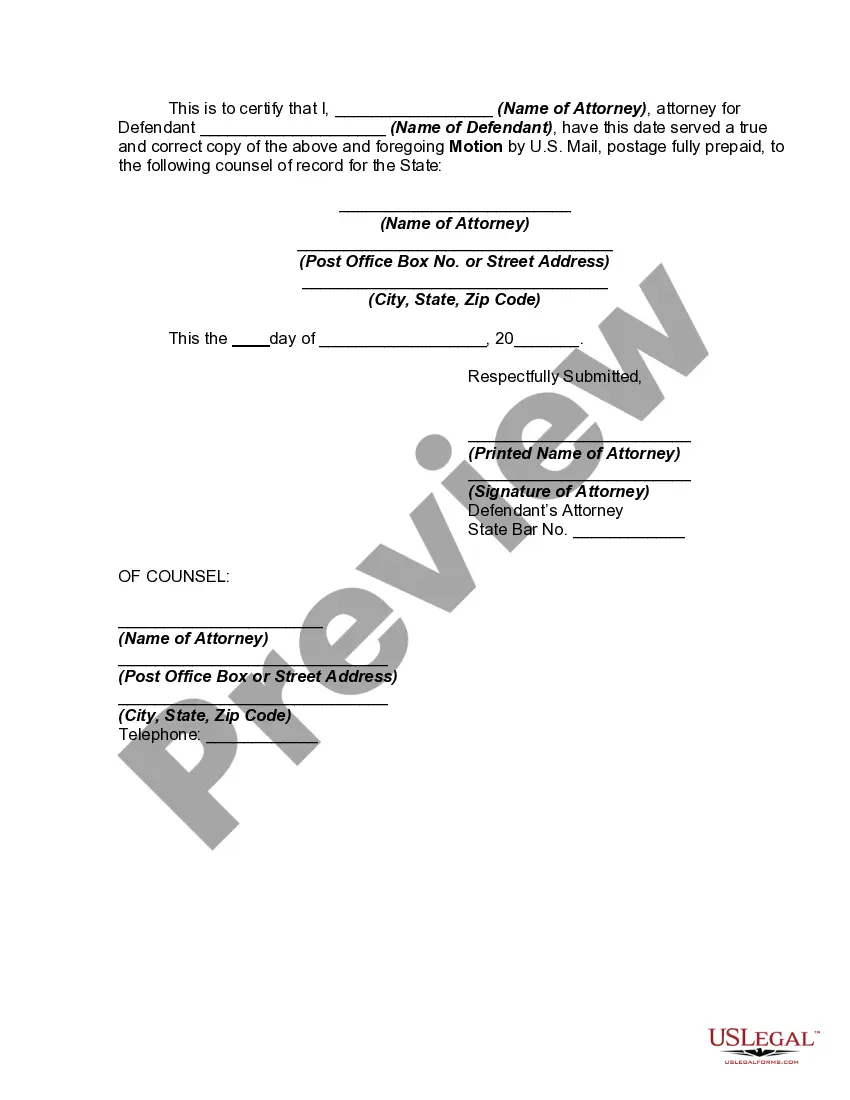
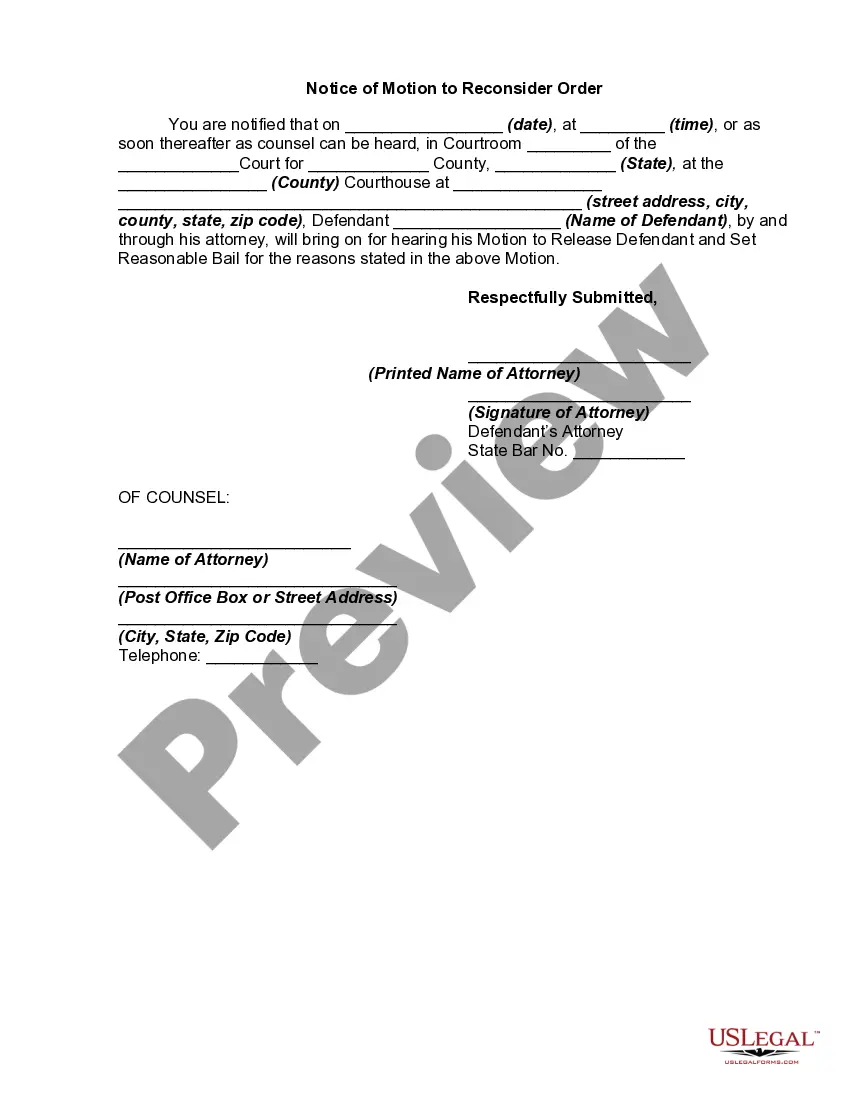
Preview it (if this option is available) and review the accompanying description to determine if Release With Bail is what you’re looking for.
Start your search again if you require another form.
- With US Legal Forms, one of the most extensive legal template collections, you can discover everything from court documents to templates for internal communication.
- We recognize the significance of compliance with federal and local laws and regulations.
- That’s the reason, on our website, every template is location-specific and current.
- Let’s begin with our platform and obtain the document you require in just a few minutes.
- Locate the form you need by utilizing the search bar at the top of the page.
Form popularity
FAQ
Freed on bail refers to a situation where someone has secured their release from jail by paying a specified amount set by the court. This allows the individual to avoid being held in detention while waiting for the case to be resolved. Following the proper procedures and keeping court dates is vital to maintain this freedom. By using services like US Legal Forms, individuals can easily navigate the bail process and understand their rights regarding release with bail.
To be released with bail, a defendant typically must agree to specific conditions set by the court. These can include appearing at all court hearings, not committing any additional crimes, and occasionally paying a percentage of the bail amount. Courts may require additional terms, such as maintaining employment or residing at a designated address. Knowing your responsibilities is essential to maintaining your release status and avoiding complications.
Common bail conditions that may be imposed upon release with bail include restrictions on travel, maintaining a curfew, and prohibitions against drug and alcohol use. Defendants might also need to submit to random drug testing or participate in treatment programs. Meeting these conditions is crucial for upholding bail privileges and avoiding further legal complications. Staying informed and compliant can help you navigate this challenging period.
The length of time someone can remain out on bail is not specifically capped but largely depends on the duration of the court proceedings. In many cases, defendants can remain out on bail for several months or even years, depending on court delays and the complexity of their case. However, it is essential to stay compliant with court regulations during this time. If you are facing a lengthy process, consider seeking assistance from platforms like USLegalForms to understand your rights.
When you release with bail, the court often imposes certain restrictions. These may include staying within a specific area, attending all court dates, and not contacting certain individuals. Additionally, courts may require regular check-ins or monitoring through an ankle bracelet. Failing to adhere to these conditions can result in revoked bail and immediate arrest.
The duration a person can remain out on bail in North Carolina depends on the specifics of their case and the charges against them. Generally, individuals may remain out on bail until their trial concludes or a plea deal is reached. It is crucial to understand that being on bail does not guarantee permanent freedom, as the court will continue to monitor compliance with bail conditions. If conditions are violated, the court may revoke the bail.
The most common type of pretrial release involves personal recognizance, where a defendant is released without bail but agrees to appear for all court dates. This method is often granted to low-risk defendants and helps them maintain their freedom while awaiting trial. Keeping up with court appearances is crucial in this scenario to ensure a positive outcome.
Yes, being released on bond is essentially another term used for bail. When someone is released with bail, they may be required to post a bond, which ensures their return to court. Understanding how bonds work can help you make informed decisions about the release process and what to expect moving forward.
The duration of pretrial release varies and depends on several factors, including the nature of the charges and court schedules. Some defendants might remain on pretrial release for just a few weeks, while others could be under supervision for months or even longer. It is essential to comply with any conditions set by the court to avoid complications during this period.
During bail hearings, a judge decides whether to grant release with bail and may set specific conditions for the defendant. This process typically evaluates the defendant's risk of fleeing and the seriousness of the charges. If granted, the defendant can post bail and be released until their court date, which is crucial for preparing their defense effectively.