Evidence On Motion Meaning
Description
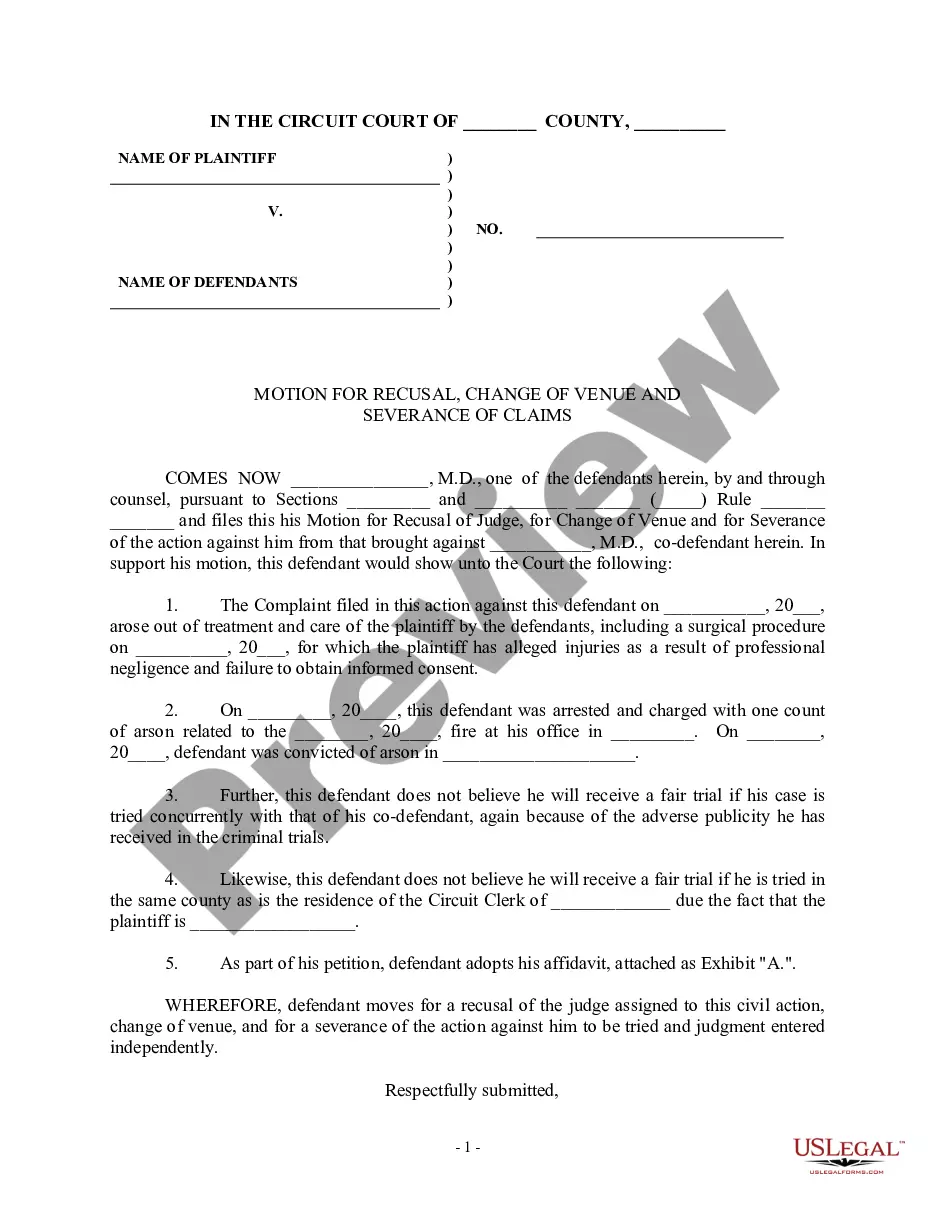
Get your form ready online
Our built-in tools help you complete, sign, share, and store your documents in one place.
Make edits, fill in missing information, and update formatting in US Legal Forms—just like you would in MS Word.
Download a copy, print it, send it by email, or mail it via USPS—whatever works best for your next step.
Sign and collect signatures with our SignNow integration. Send to multiple recipients, set reminders, and more. Go Premium to unlock E-Sign.
If this form requires notarization, complete it online through a secure video call—no need to meet a notary in person or wait for an appointment.
We protect your documents and personal data by following strict security and privacy standards.

Make edits, fill in missing information, and update formatting in US Legal Forms—just like you would in MS Word.

Download a copy, print it, send it by email, or mail it via USPS—whatever works best for your next step.

Sign and collect signatures with our SignNow integration. Send to multiple recipients, set reminders, and more. Go Premium to unlock E-Sign.

If this form requires notarization, complete it online through a secure video call—no need to meet a notary in person or wait for an appointment.

We protect your documents and personal data by following strict security and privacy standards.
Looking for another form?


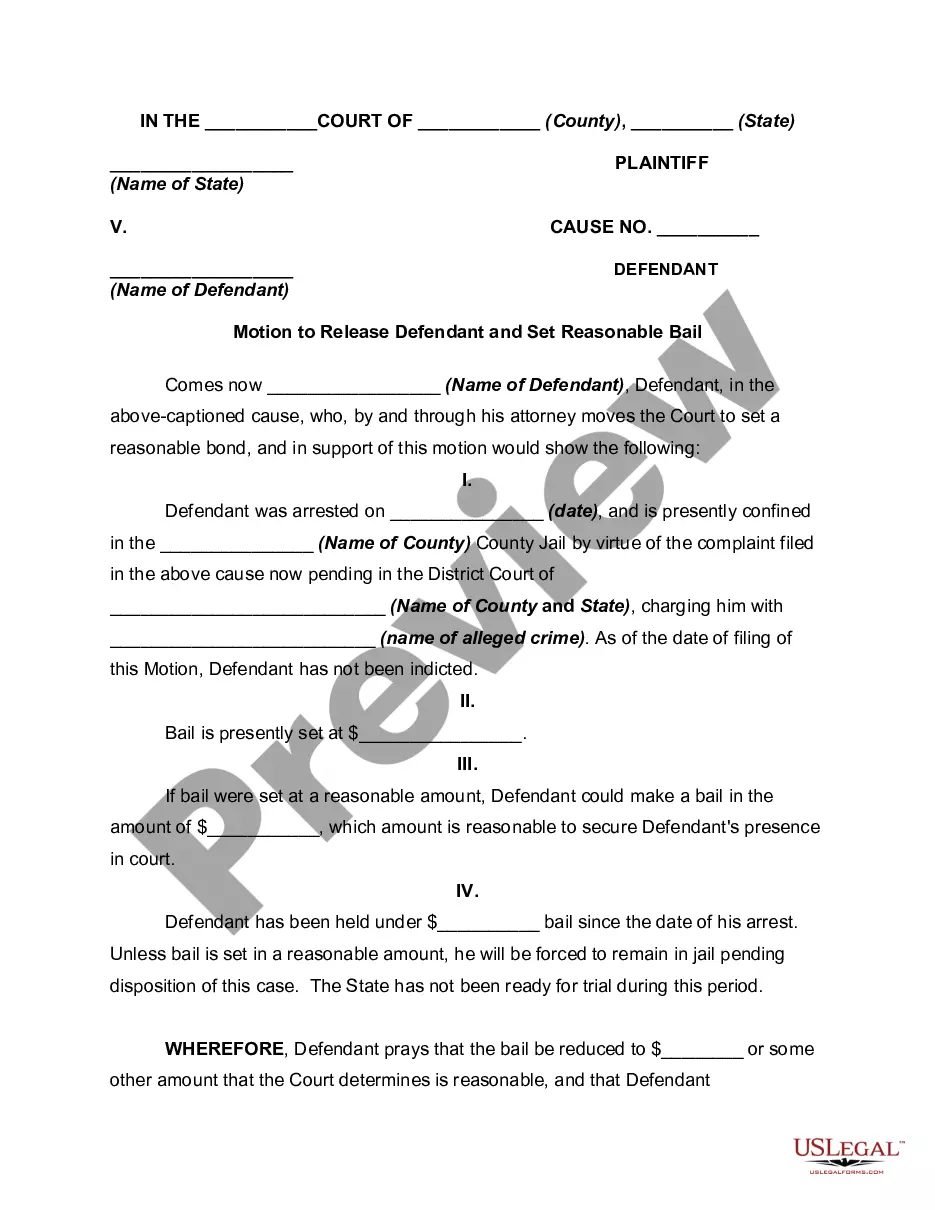
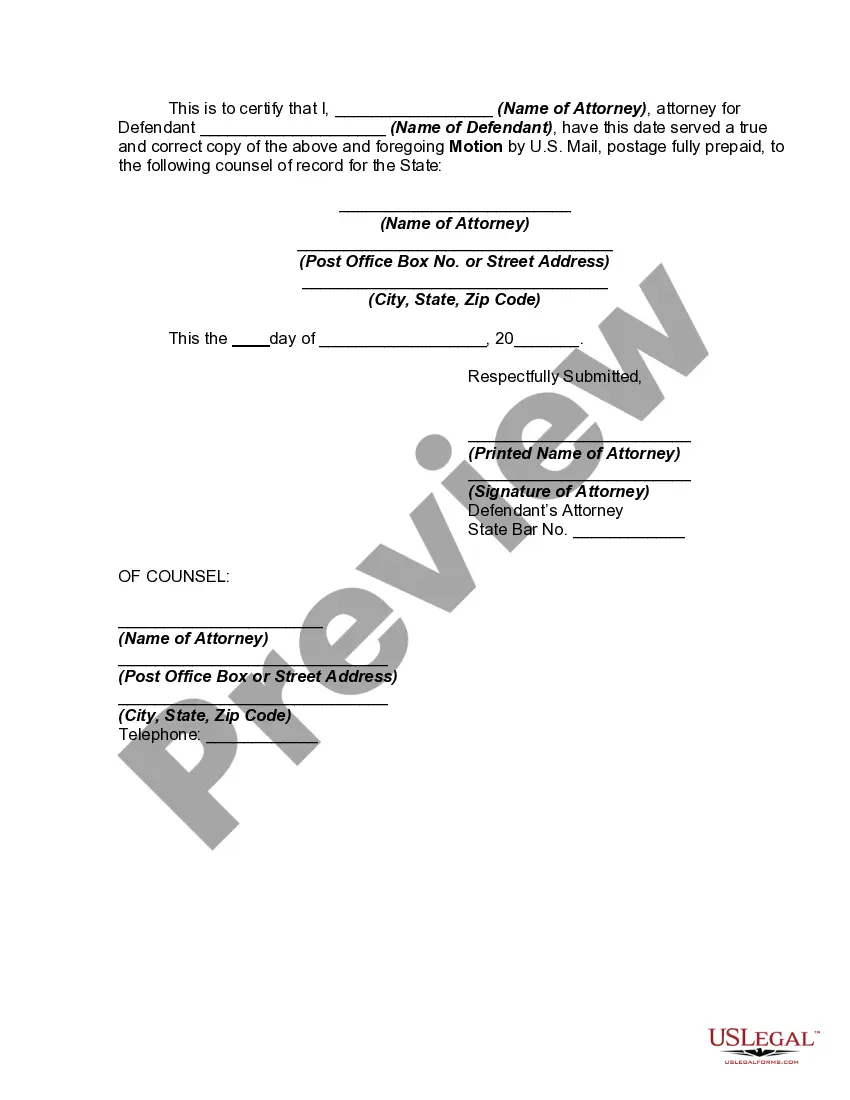
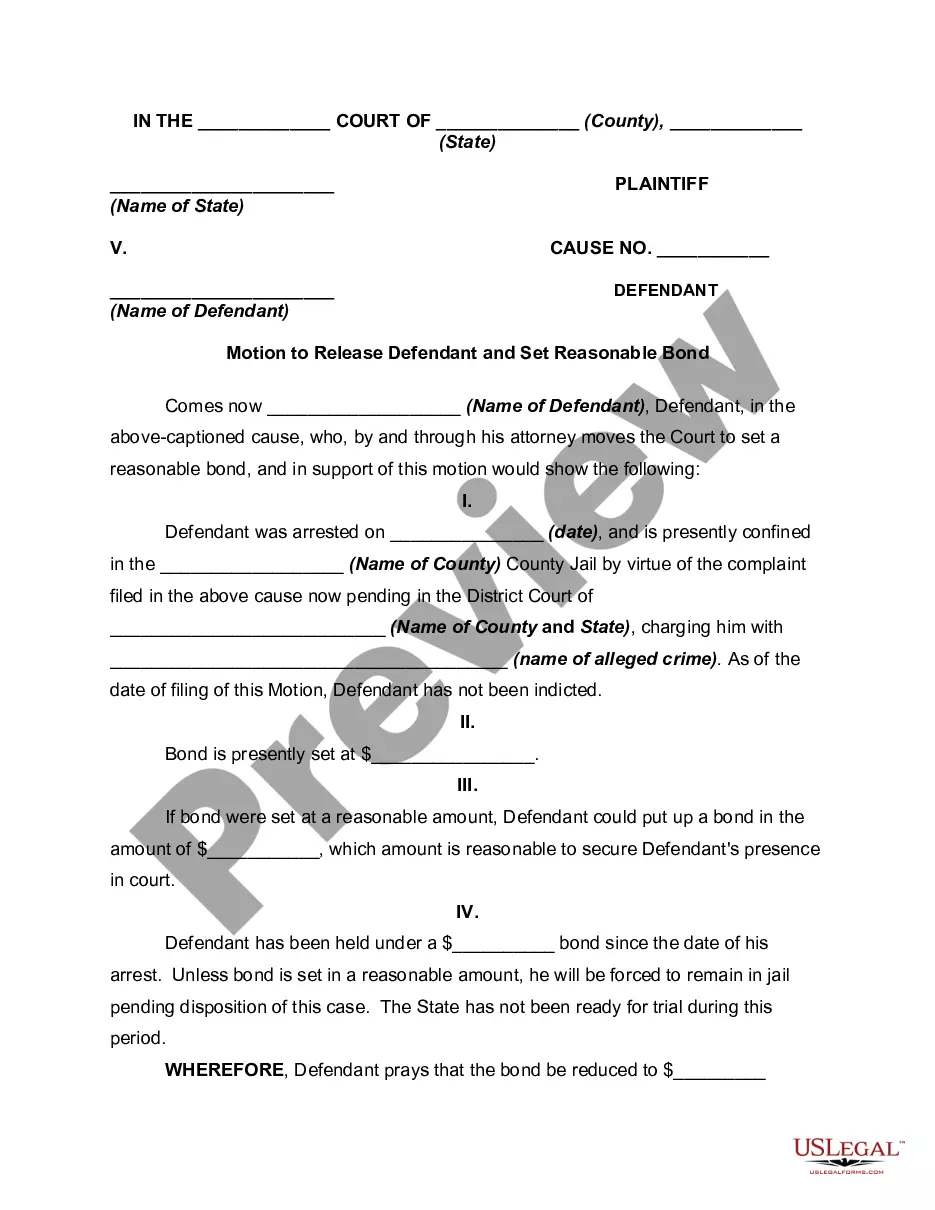
How to fill out Motion To Release Defendant And Set Reasonable Bail?
The Documentation Regarding Motion Definition you observe on this site is a versatile formal outline composed by skilled attorneys in alignment with national and local statutes and regulations.
For more than 25 years, US Legal Forms has supplied individuals, businesses, and legal practitioners with over 85,000 authenticated, state-specific documents for any commercial and personal circumstance. It’s the fastest, simplest, and most dependable method to acquire the papers you require, as the service ensures bank-grade data security and anti-malware safeguards.
Register with US Legal Forms to have verified legal templates available for every situation in life.
- Conduct a search for the document you require and assess it.
- Browse through the file you have searched and preview or review the form description to verify it meets your needs. If it does not, utilize the search bar to locate the appropriate one.
- Click Buy Now when you have found the template you need.
- Choose and Log In to your account.
- Select a pricing plan that works for you and create an account. Use PayPal or a credit card to make a swift payment. If you already possess an account, Log In and verify your subscription to continue.
Form popularity
FAQ
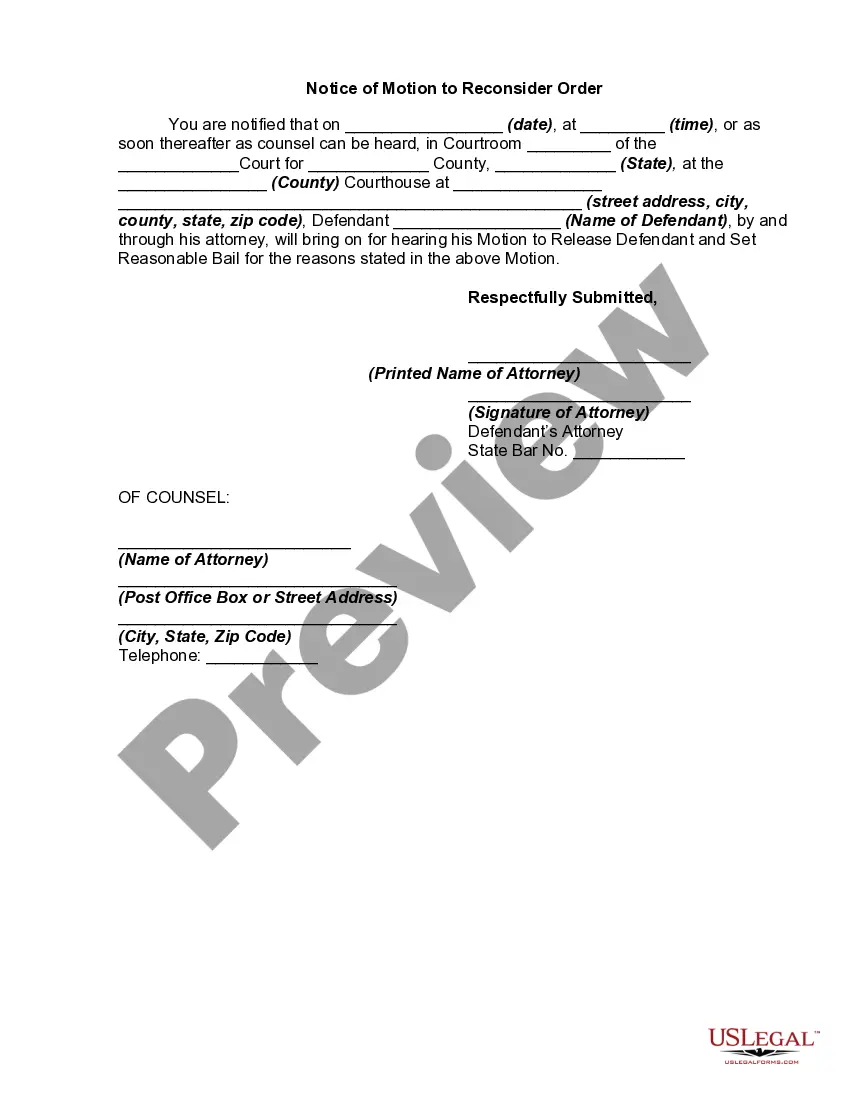
What it means to file a motion: A motion, in its simplest form is a list of requests that you are asking the Court grant on your behalf. You, or your attorney on your behalf, will file a Notice of Motion which includes a list of requests for the court to rule upon.
Defendants have a qualified right against self-incrimination which they can exercise by choosing not to give evidence at trial. Defendants can similarly decline to answer questions when interviewed by the police or other prosecuting authority.
Giving evidence take your time, speak slowly and clearly. ask for the question to be repeated if you do not understand it or cannot hear. if you are not sure of the answer, say so. you can ask the judge for guidance. talk to the judge (or jury if there is one) when giving your evidence.
There are several different types of post-judgment motions, but the most common are motions for new trial, motions to vacate, and motions to set-aside. Motions for new trial, motions to vacate, and motions to set-aside are the three most common post-judgment motions.
Common post-trial motions include: Motion for a New Trial ? The court can vacate the judgment and allow for a new trial. ... Motion for Judgment of Acquittal ? Court may set aside the jury's verdict and allow the defendant to go free.