Texas Title Transfer For Jet Ski
Description
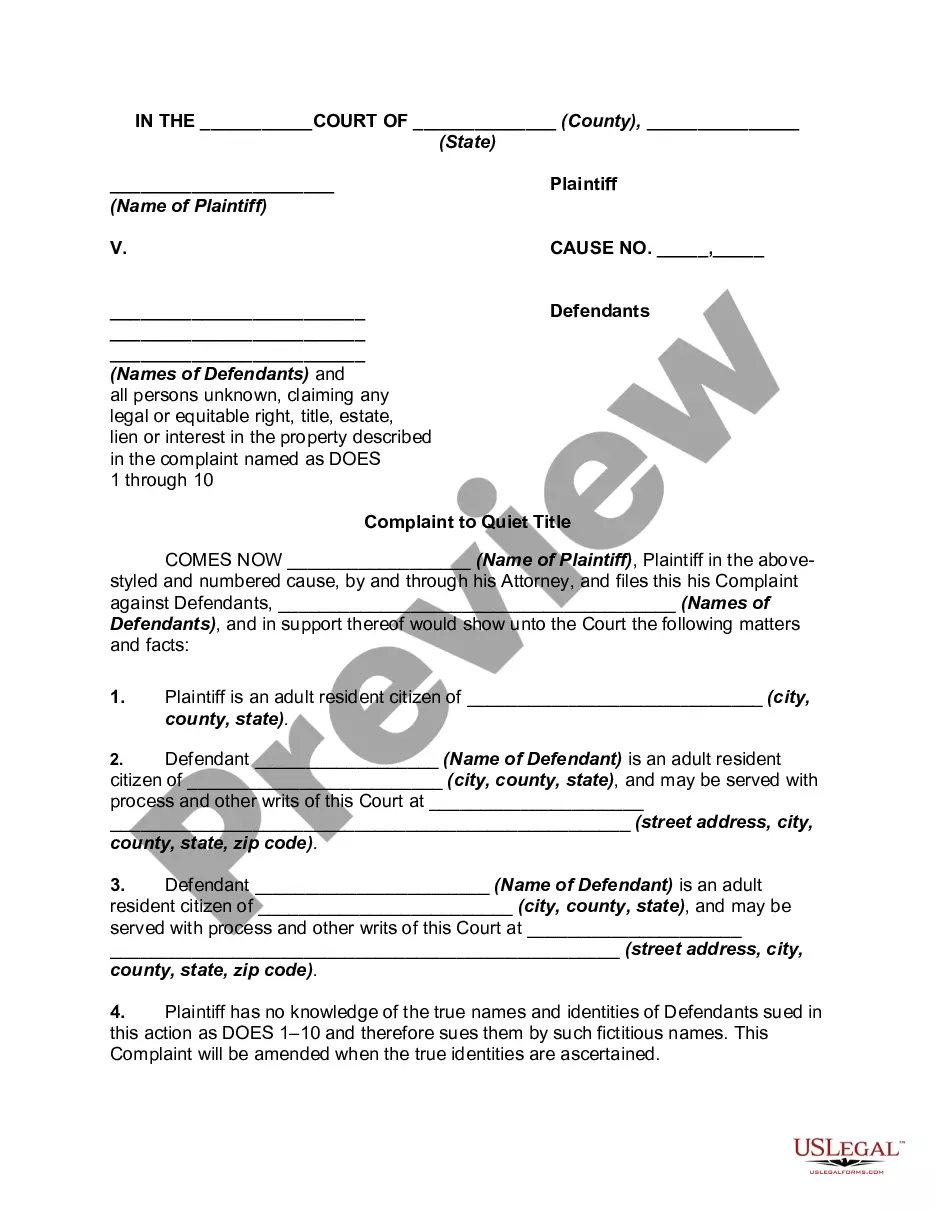
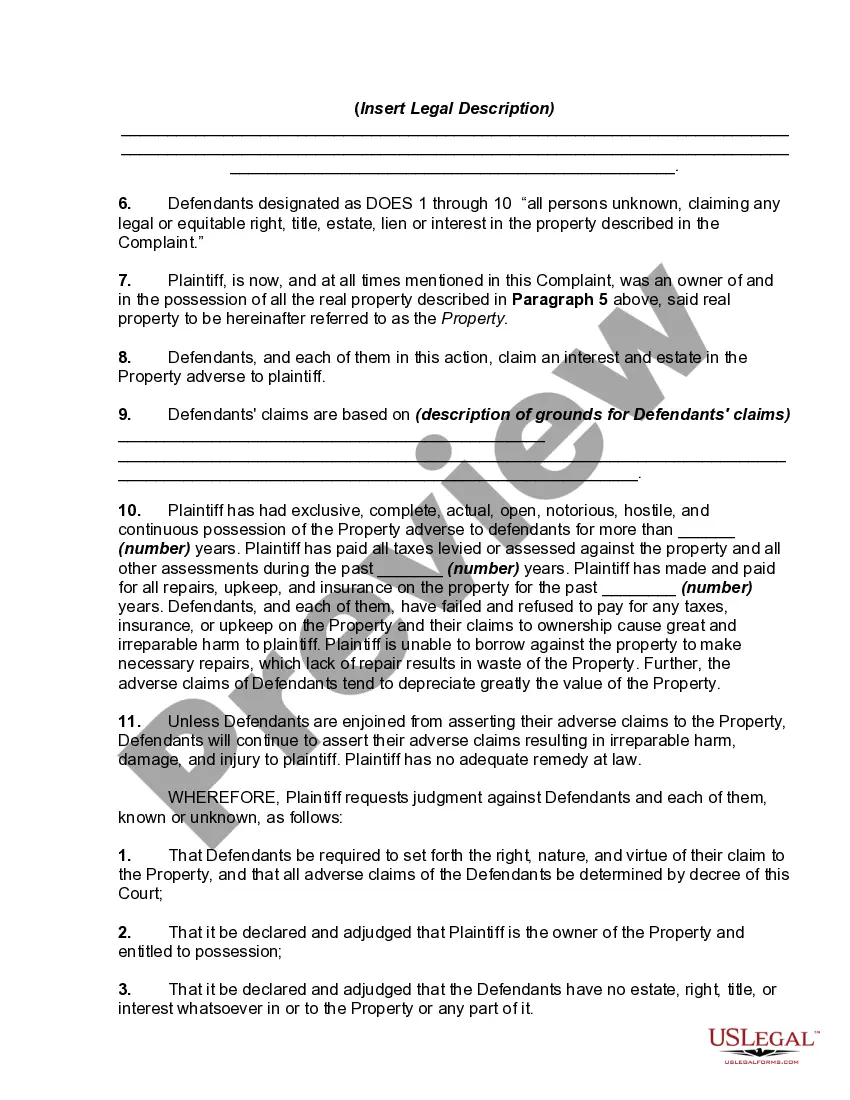
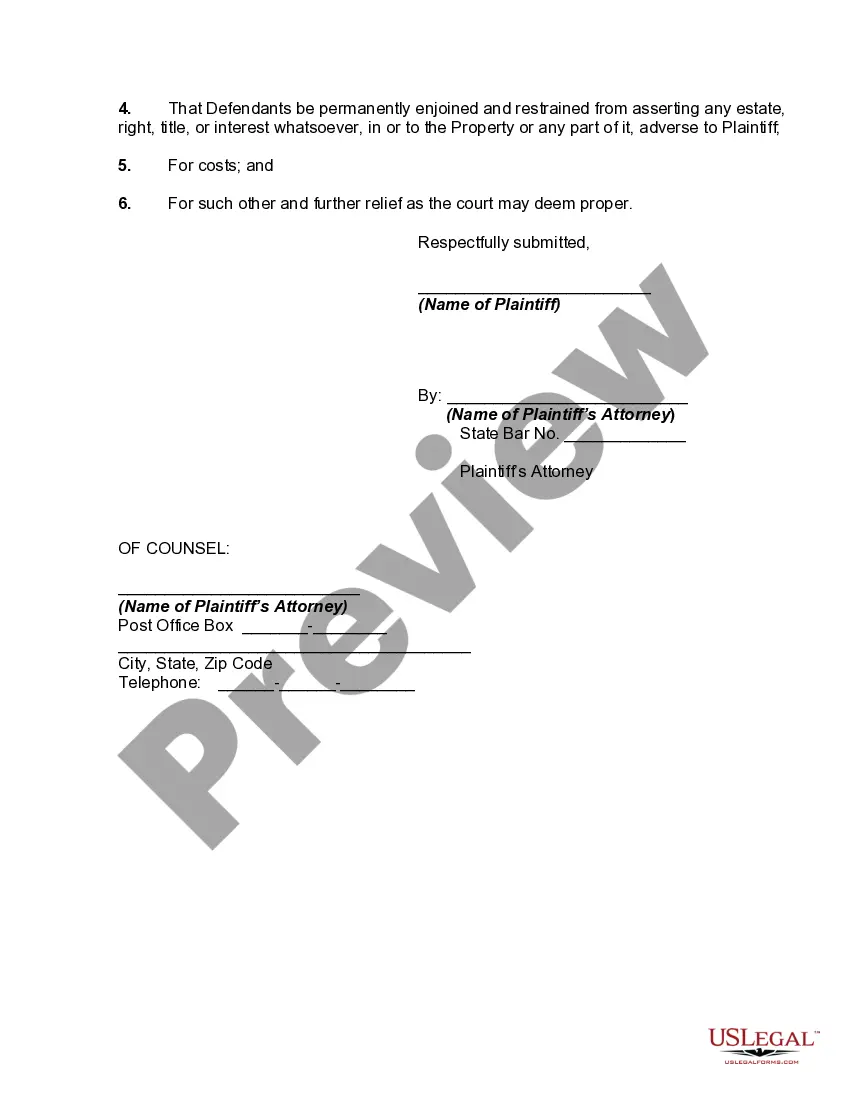
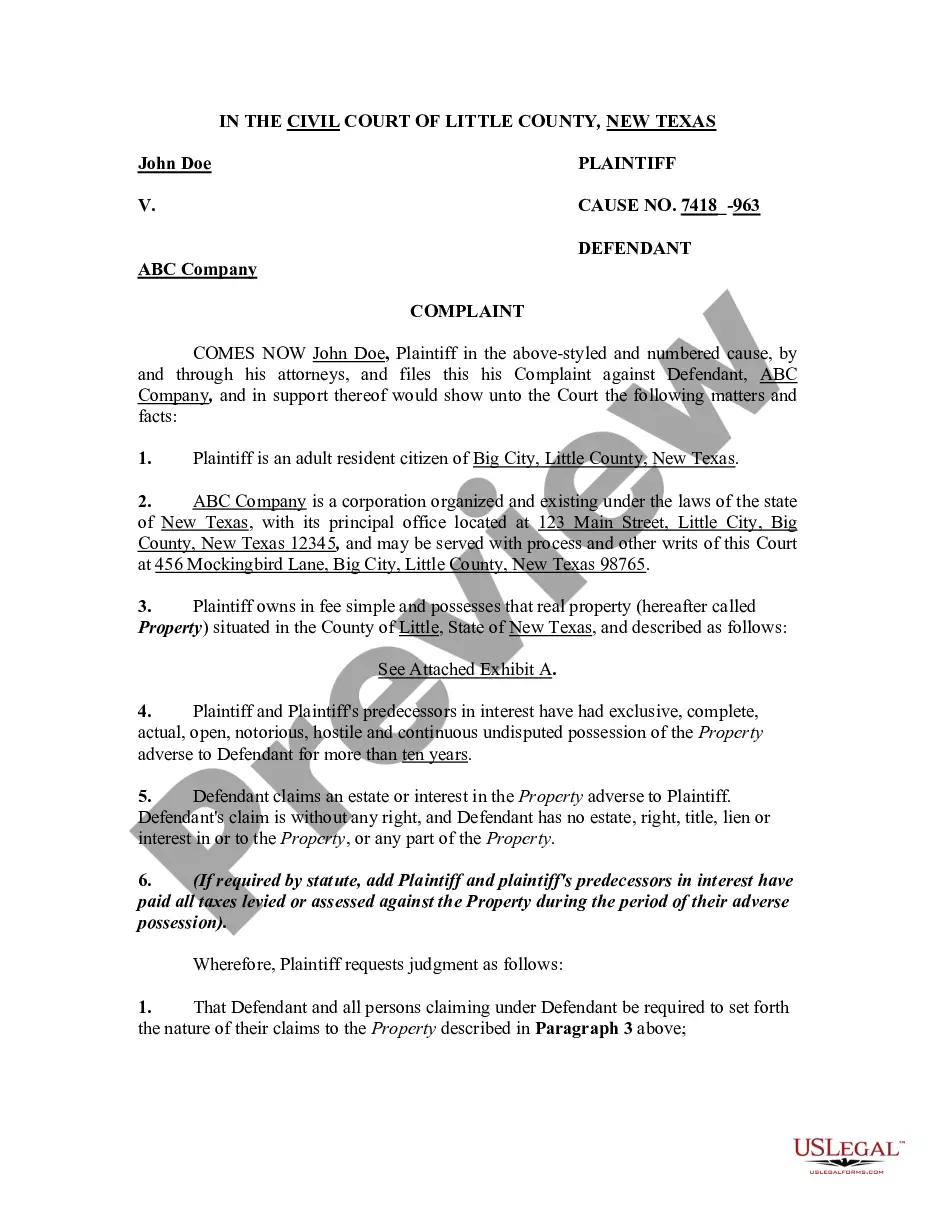
Get your form ready online
Our built-in tools help you complete, sign, share, and store your documents in one place.
Make edits, fill in missing information, and update formatting in US Legal Forms—just like you would in MS Word.
Download a copy, print it, send it by email, or mail it via USPS—whatever works best for your next step.
Sign and collect signatures with our SignNow integration. Send to multiple recipients, set reminders, and more. Go Premium to unlock E-Sign.
If this form requires notarization, complete it online through a secure video call—no need to meet a notary in person or wait for an appointment.
We protect your documents and personal data by following strict security and privacy standards.

Make edits, fill in missing information, and update formatting in US Legal Forms—just like you would in MS Word.

Download a copy, print it, send it by email, or mail it via USPS—whatever works best for your next step.

Sign and collect signatures with our SignNow integration. Send to multiple recipients, set reminders, and more. Go Premium to unlock E-Sign.

If this form requires notarization, complete it online through a secure video call—no need to meet a notary in person or wait for an appointment.

We protect your documents and personal data by following strict security and privacy standards.
Looking for another form?

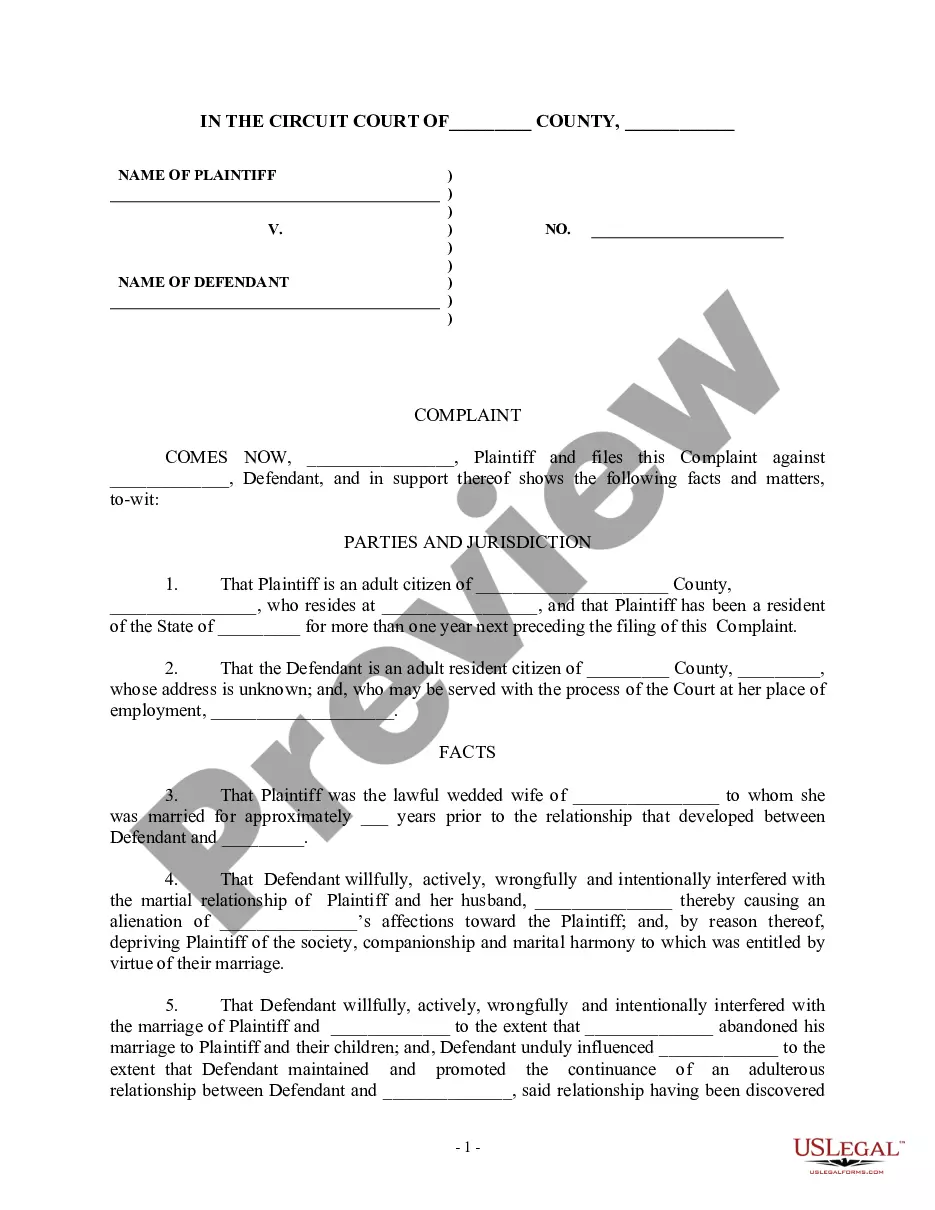
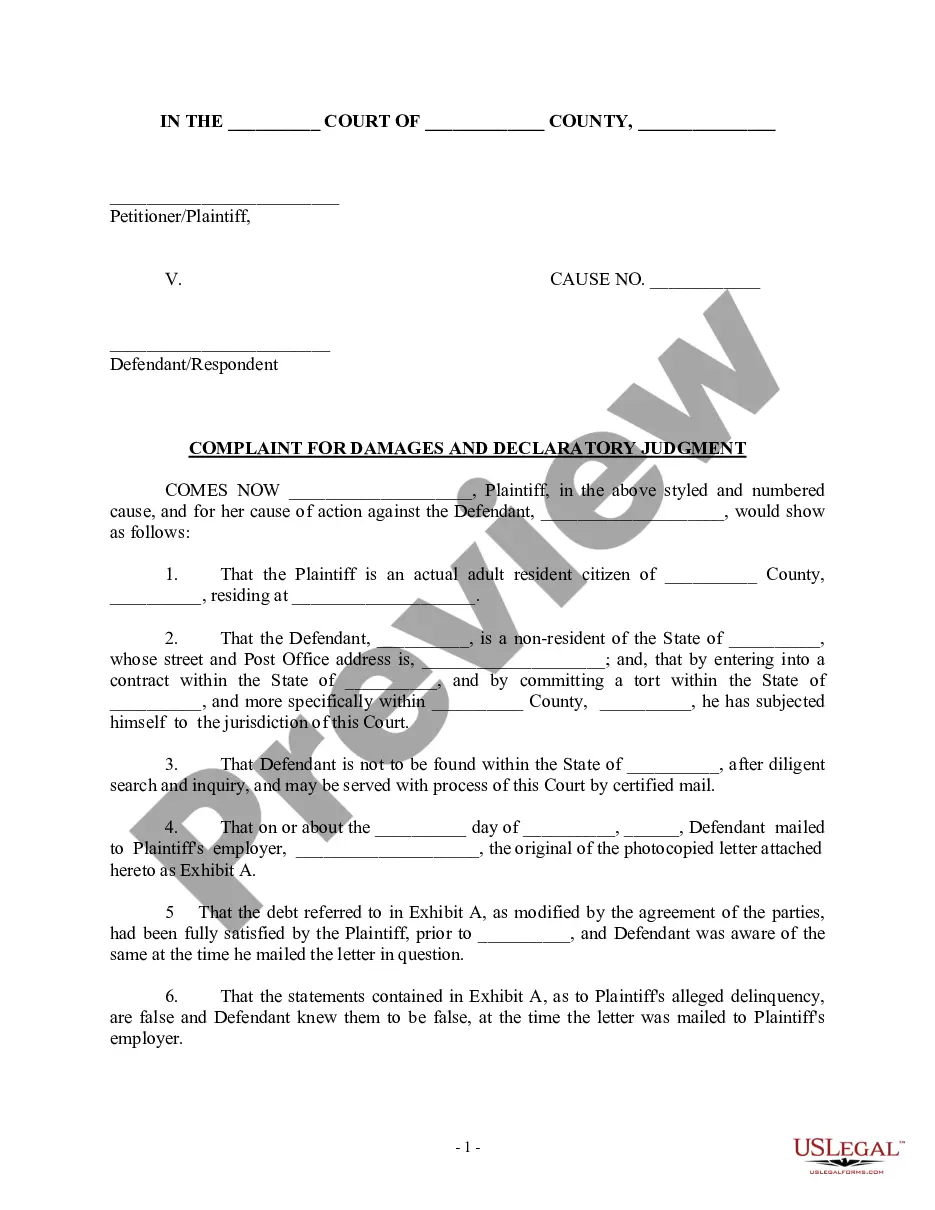
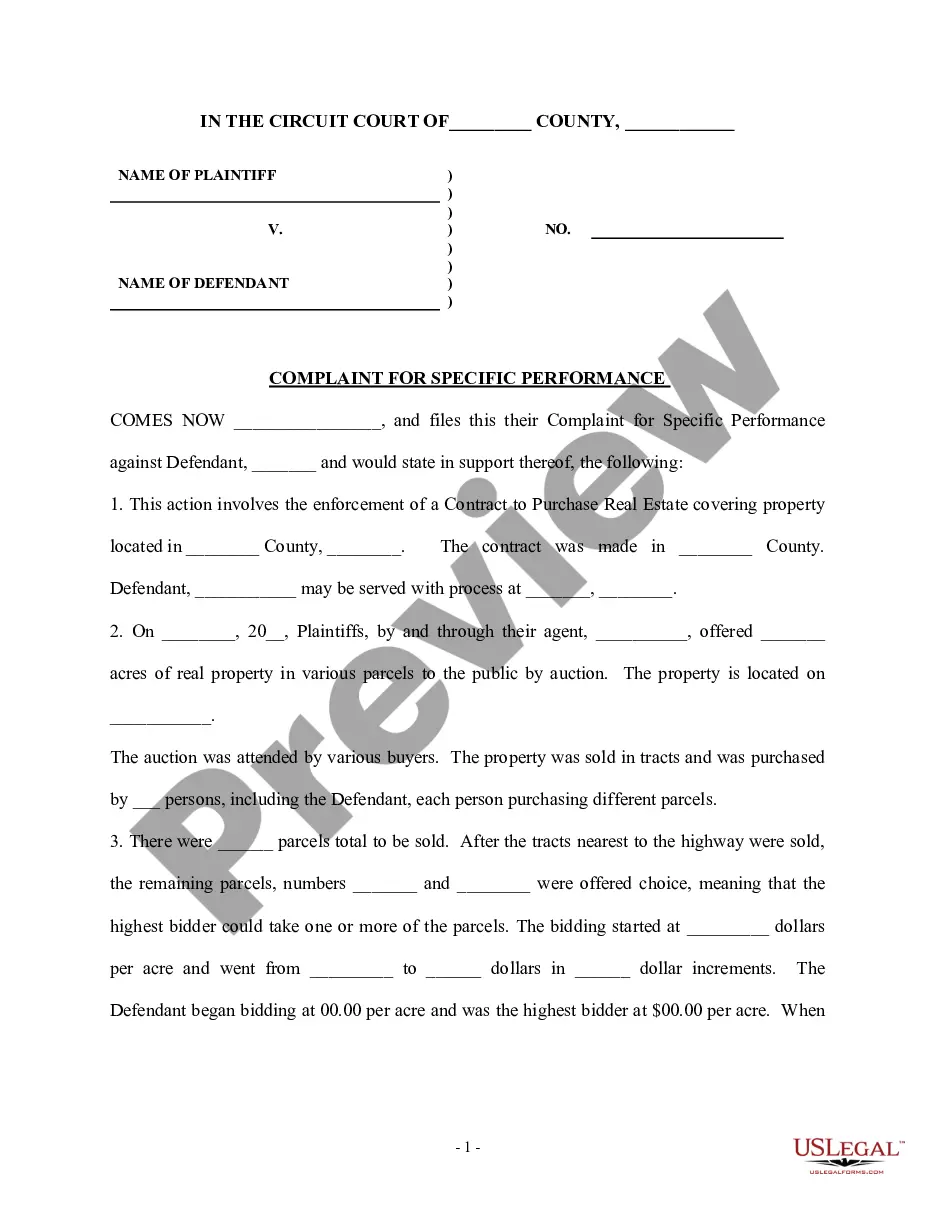
How to fill out Complaint To Quiet Title By Adverse Possessor With Unknown Defendants?
Locating a reliable source for acquiring the most up-to-date and suitable legal templates is a significant part of navigating red tape.
Selecting the appropriate legal documents requires precision and careful consideration, which is why it is crucial to obtain samples of Texas Title Transfer For Jet Ski solely from credible providers, such as US Legal Forms. An incorrect template can consume your time and delay your circumstances.
Eliminate the stress associated with your legal paperwork. Explore the extensive US Legal Forms collection to find legal templates, assess their applicability to your situation, and download them without delay.
- Utilize the library navigation or search bar to find your template.
- Review the form’s details to determine if it meets the requirements for your state and locality.
- Access the form preview, if offered, to ensure it is the document you need.
- Return to the search if the Texas Title Transfer For Jet Ski does not align with your needs.
- If you are certain about the form’s applicability, download it.
- As a registered user, click Log in to validate and retrieve your selected forms in My documents.
- If you haven’t created an account yet, click Buy now to acquire the template.
- Choose a pricing option that suits your needs.
- Proceed to the signup to complete your purchase.
- Finalize your transaction by selecting a payment method (credit card or PayPal).
- Pick the file format for downloading Texas Title Transfer For Jet Ski.
- Once the form is on your device, you can modify it using the editor or print it out and complete it by hand.
Form popularity
FAQ
To get a bonded boat title in Texas, start by gathering essential documents, such as the bill of sale and proof of ownership. Next, you will need to apply for a bonded title at your local county tax office and get a surety bond. Using US Legal Forms can guide you through this process, making your Texas title transfer for jet ski easier and more straightforward.
The Fair Debt Collection Practices Act (FDCPA) prohibits debt collectors from using abusive, unfair, or deceptive practices to collect debts from you, including: Misrepresenting the nature of the debt, including the amount owed. Falsely claiming that the person contacting you is an attorney.
In most cases, the statute of limitations for a debt will have passed after 10 years. This means a debt collector may still attempt to pursue it (and you technically do still owe it), but they can't typically take legal action against you.
In New Hampshire, the statute of limitations period for most types of debt is three years. That said, the statute of limitations period in New Hampshire for auto loan debt is four years, for credit card debt is three years, for medical debt is six years, and for mortgage debt is twenty years.
Most debt claims, however, that arise from a written credit contract must be brought within 3 years of the payment default. There are exceptions to this rule, for example, a retail sales installment contract claim may be brought within 4 years of the default of payment.
The limited time window in which debt collectors and creditors can sue debtors for nonpayment of credit card bills in New Hampshire is 3 years. The statute applies to "written contracts" or "open accounts. In most cases, once the statute of limitations on a case "runs out," the legal claim is not valid any longer.
Most negative items should automatically fall off your credit reports seven years from the date of your first missed payment, at which point your credit scores may start rising. But if you are otherwise using credit responsibly, your score may rebound to its starting point within three months to six years.
Under this Act (Title VIII of the Consumer Credit Protection Act), third-party debt collectors are prohibited from using deceptive or abusive conduct in the collection of consumer debts incurred for personal, family, or household purposes.
The Fair Debt Collection Practices Act was signed into law by President Jimmy Carter on September 20, 1977. The act prohibits certain debt collection practices, and requires debt collectors to identify themselves when communicating with a consumer and to validate the debt at the consumer's request.