Adverse Possession Cases In Florida
Description
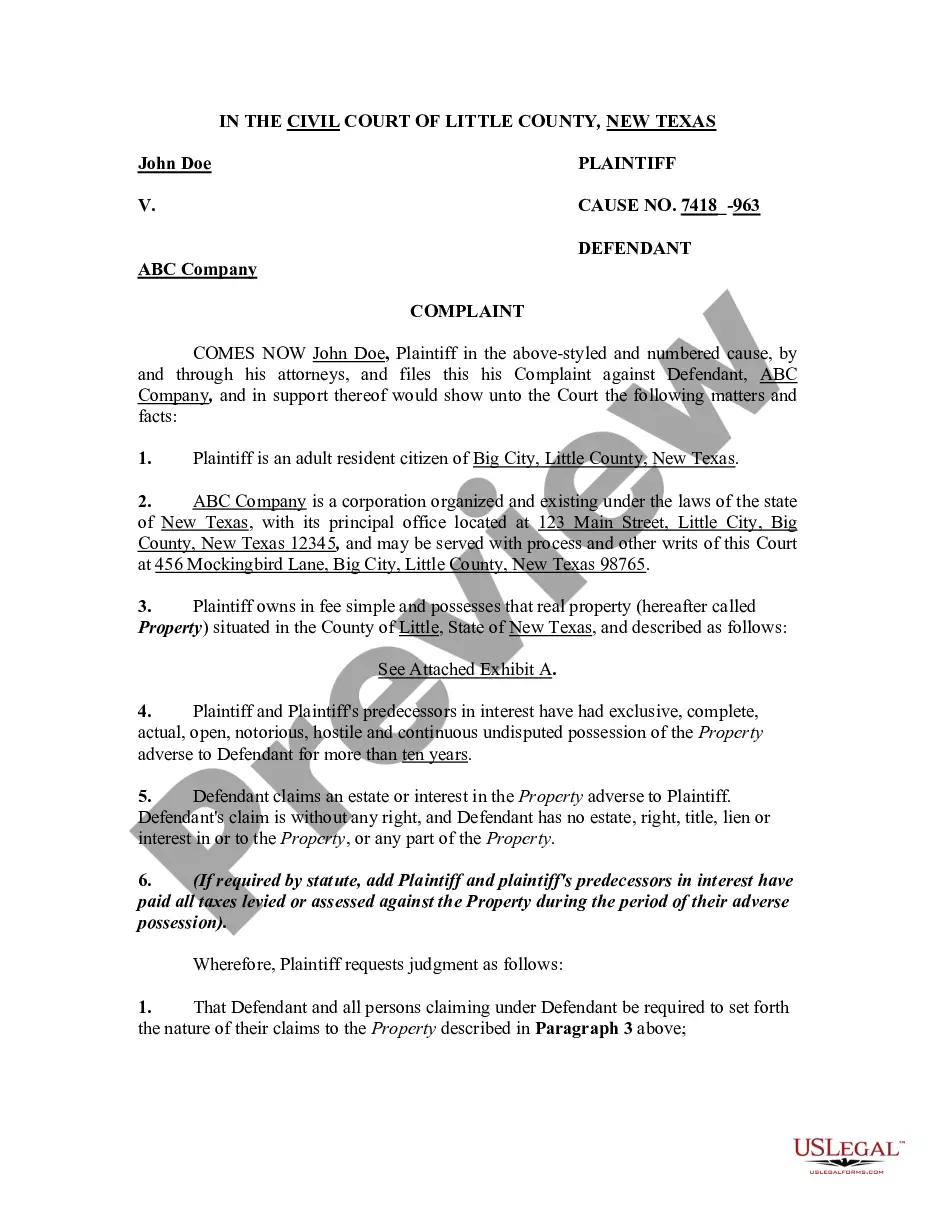
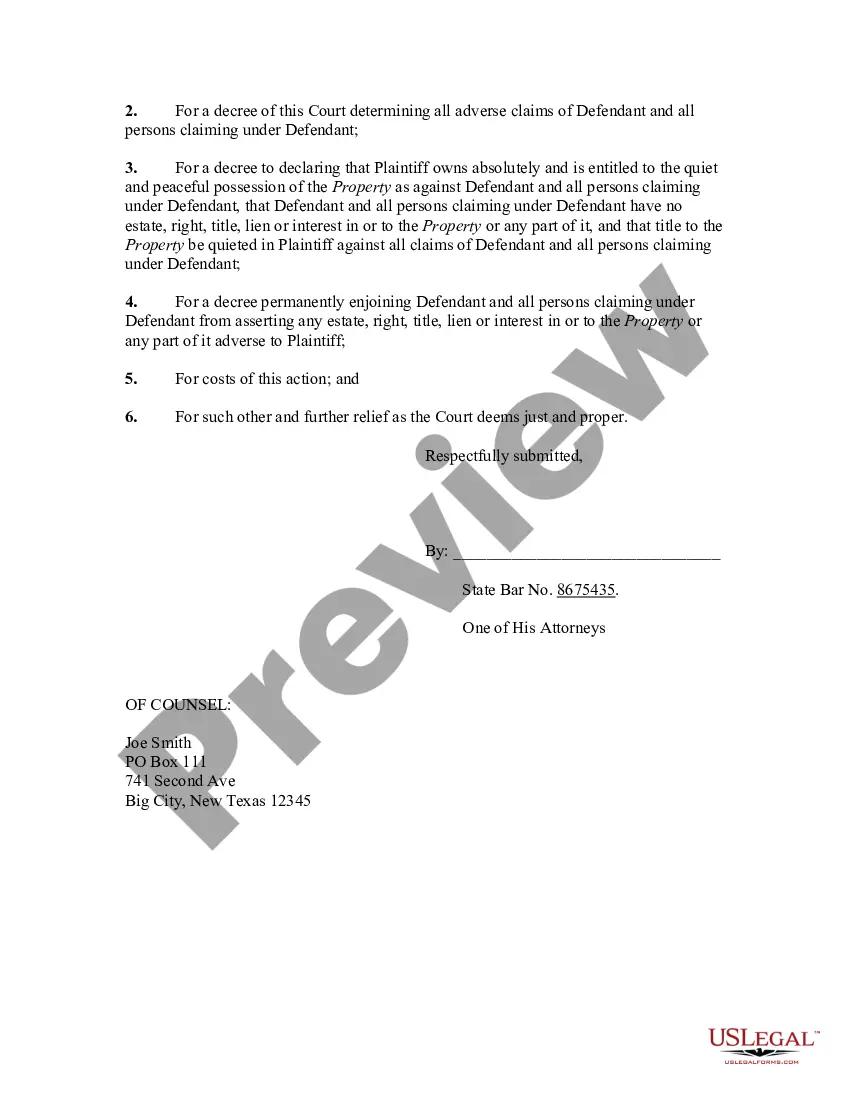
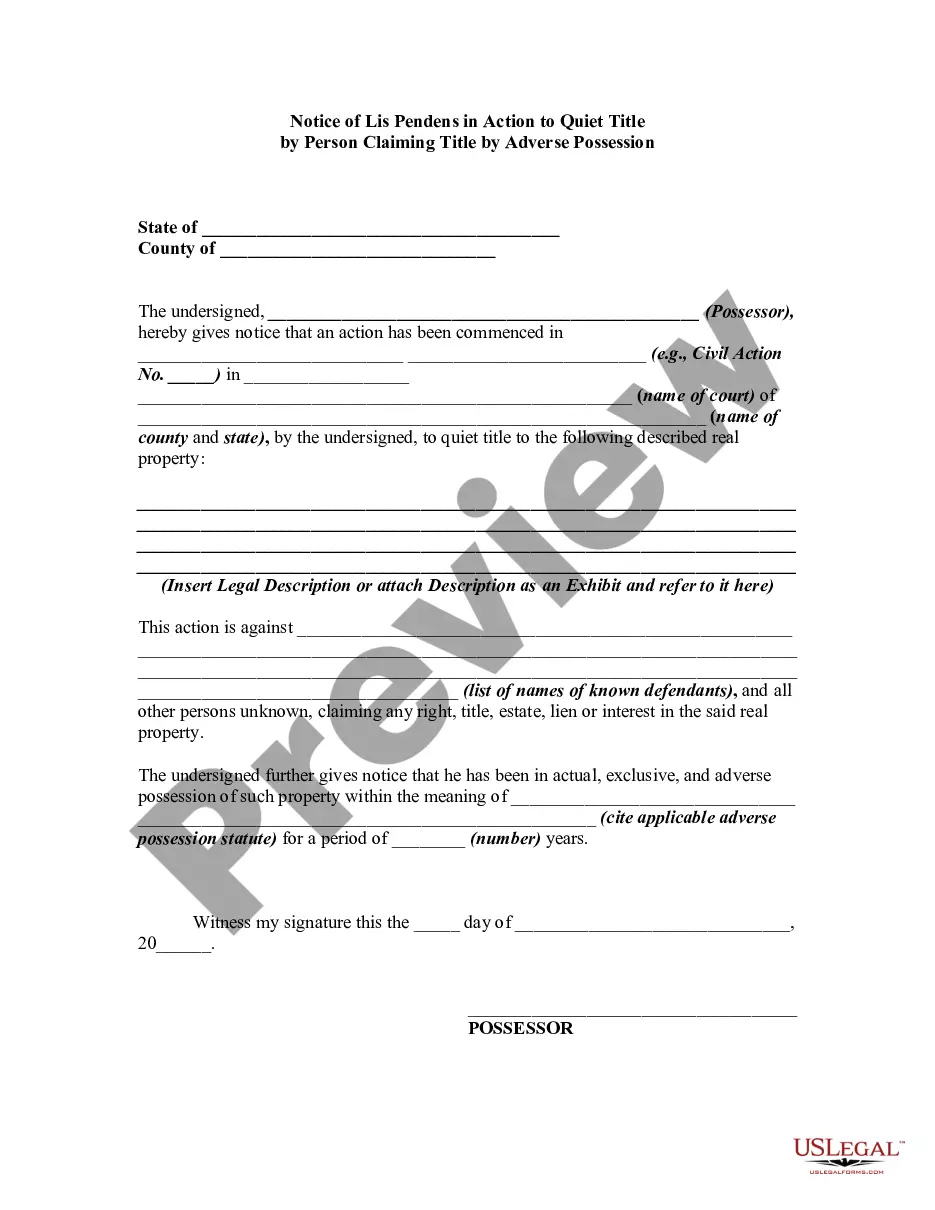
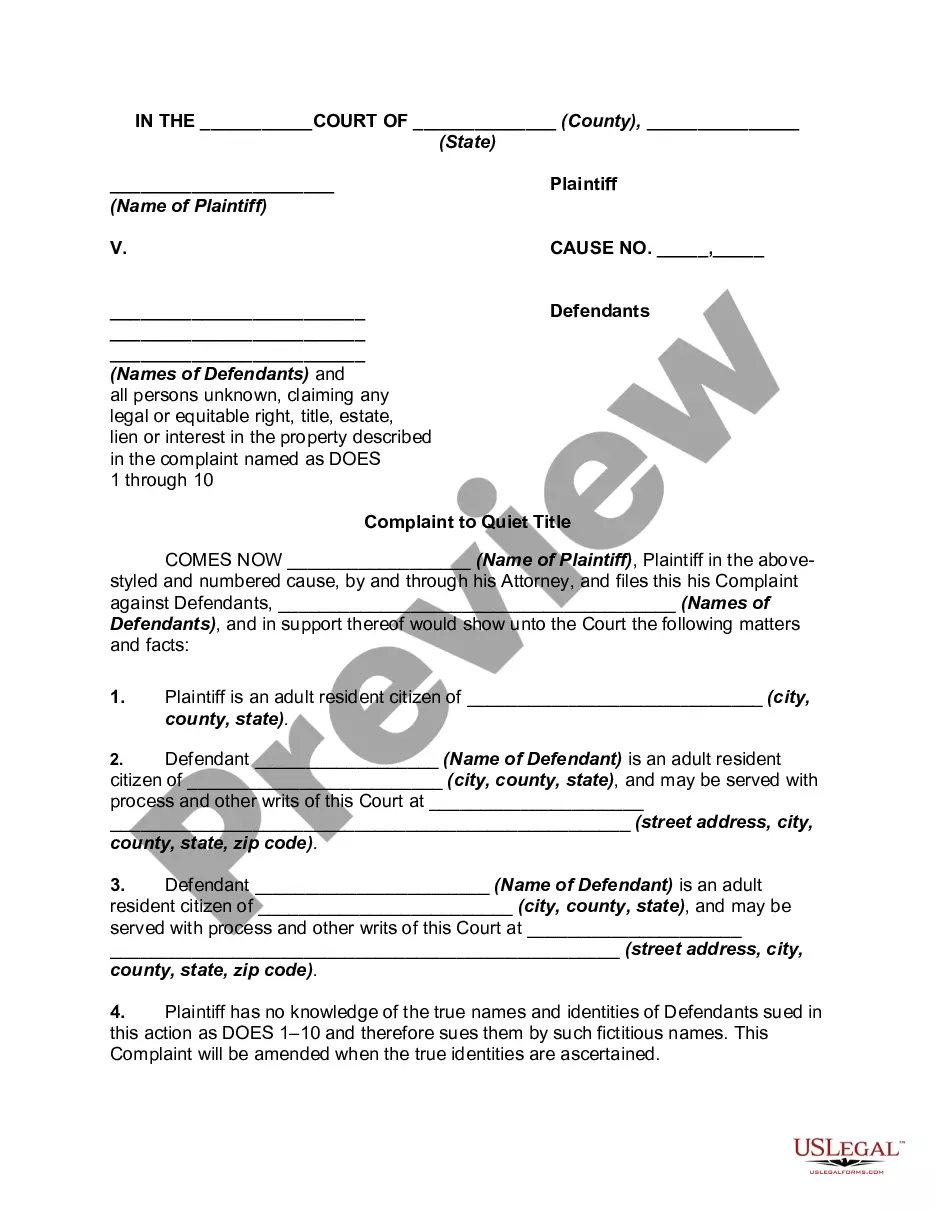
Get your form ready online
Our built-in tools help you complete, sign, share, and store your documents in one place.
Make edits, fill in missing information, and update formatting in US Legal Forms—just like you would in MS Word.
Download a copy, print it, send it by email, or mail it via USPS—whatever works best for your next step.
Sign and collect signatures with our SignNow integration. Send to multiple recipients, set reminders, and more. Go Premium to unlock E-Sign.
If this form requires notarization, complete it online through a secure video call—no need to meet a notary in person or wait for an appointment.
We protect your documents and personal data by following strict security and privacy standards.

Make edits, fill in missing information, and update formatting in US Legal Forms—just like you would in MS Word.

Download a copy, print it, send it by email, or mail it via USPS—whatever works best for your next step.

Sign and collect signatures with our SignNow integration. Send to multiple recipients, set reminders, and more. Go Premium to unlock E-Sign.

If this form requires notarization, complete it online through a secure video call—no need to meet a notary in person or wait for an appointment.

We protect your documents and personal data by following strict security and privacy standards.
Looking for another form?


How to fill out Complaint To Quiet Title By Person Claiming Adverse Possession - Squatters Rights?
Utilizing legal document templates that comply with federal and local regulations is essential, and the web provides numerous selections to choose from.
However, what is the benefit of spending time searching for the appropriate Adverse Possession Cases In Florida example online if the US Legal Forms digital library has already compiled such templates in one location.
US Legal Forms is the premier online legal repository with more than 85,000 fillable templates created by lawyers for any professional and personal situation. They are easy to navigate with all documents organized by state and intended use. Our specialists stay informed on legislative updates, ensuring that your form is always current and compliant when obtaining an Adverse Possession Cases In Florida from our site.
- Review the template using the Preview feature or the text description to confirm it fulfills your requirements.
- If necessary, search for another sample using the search bar at the top of the page.
- Click Buy Now once you have found the appropriate document and select a subscription option.
- Create an account or Log In and complete your payment using PayPal or a credit card.
- Choose the best format for your Adverse Possession Cases In Florida and download it.
Form popularity
FAQ
Florida has specific rules governing adverse possession that you should be aware of. The possession must be continuous for at least seven years, and the possessor must file a claim in court to gain legal title. Furthermore, it is important to understand that you cannot claim possession of property owned by the government. Familiarizing yourself with these rules is crucial, and utilizing platforms like US Legal Forms can help you access the necessary legal documents and guidance for adverse possession cases in Florida.
To prove adverse possession in Florida, you must present various forms of evidence. This can include documents showing continuous occupancy, such as utility bills or tax records, along with photographs that demonstrate your use of the property. Additionally, witness testimonies can strengthen your claim by confirming your exclusive possession. Collecting thorough evidence is vital in adverse possession cases in Florida, as it substantiates your claim and helps navigate legal proceedings.
To establish adverse possession in Florida, you must meet five key requirements. First, you need to possess the property continuously for at least seven years. Second, your possession must be actual, meaning you physically occupy the property. Third, your possession should be open and notorious, so that the true owner is aware of your use. Fourth, your possession must be exclusive, meaning you do not share it with others. Finally, the possession must be hostile, as in without the permission of the true owner. Understanding these criteria is essential when dealing with adverse possession cases in Florida.
To establish a claim in adverse possession cases in Florida, you need to provide clear evidence of possession. This includes showing continuous, open, and notorious use of the property for a statutory period, usually 7 years. Additionally, you must demonstrate that your possession was exclusive and hostile to the original owner's rights. Utilizing US Legal Forms can help you gather the necessary documentation and navigate the complexities of adverse possession cases in Florida effectively.
Adverse Possession and Statute of Limitations This is a legal concept in Florida and other states that states if someone takes possession of your land for an extended period of time, they could claim adverse possession if you have not taken legal action previously. Typically, this period is set at 7 years but can vary.
The Florida Department of Revenue Adverse Possession form, DE-452, must be completed by the adverse possessor and filed with the property appraiser in the county where the property is located within one year after entering into possession and has subsequently paid all taxes and matured installments of special ...
One who seeks to assert title in land by adverse possession must prove each of the following for a period of more than ten years: that he has held the land adversely and that the possession has been actual, open and notorious, exclusive, continuous, and under a claim of title or color of title.
Regular property inspections can alert the true owner to any unauthorized use and are always beneficial to ensure your property is unoccupied. Leasing the property can also effectively thwart any claims of adverse possession since it delineates a legal agreement between the owner and occupant.
To prevent a claim of right through adverse possession, you can take some precautions to help protect your property, such as: Clearly marking the boundary lines. Walking your property lines to check for any signs of trespassing. Installing ?No Trespassing? signs to deter unwanted visitors.