Creditor Write Off For Business Expenses
Description
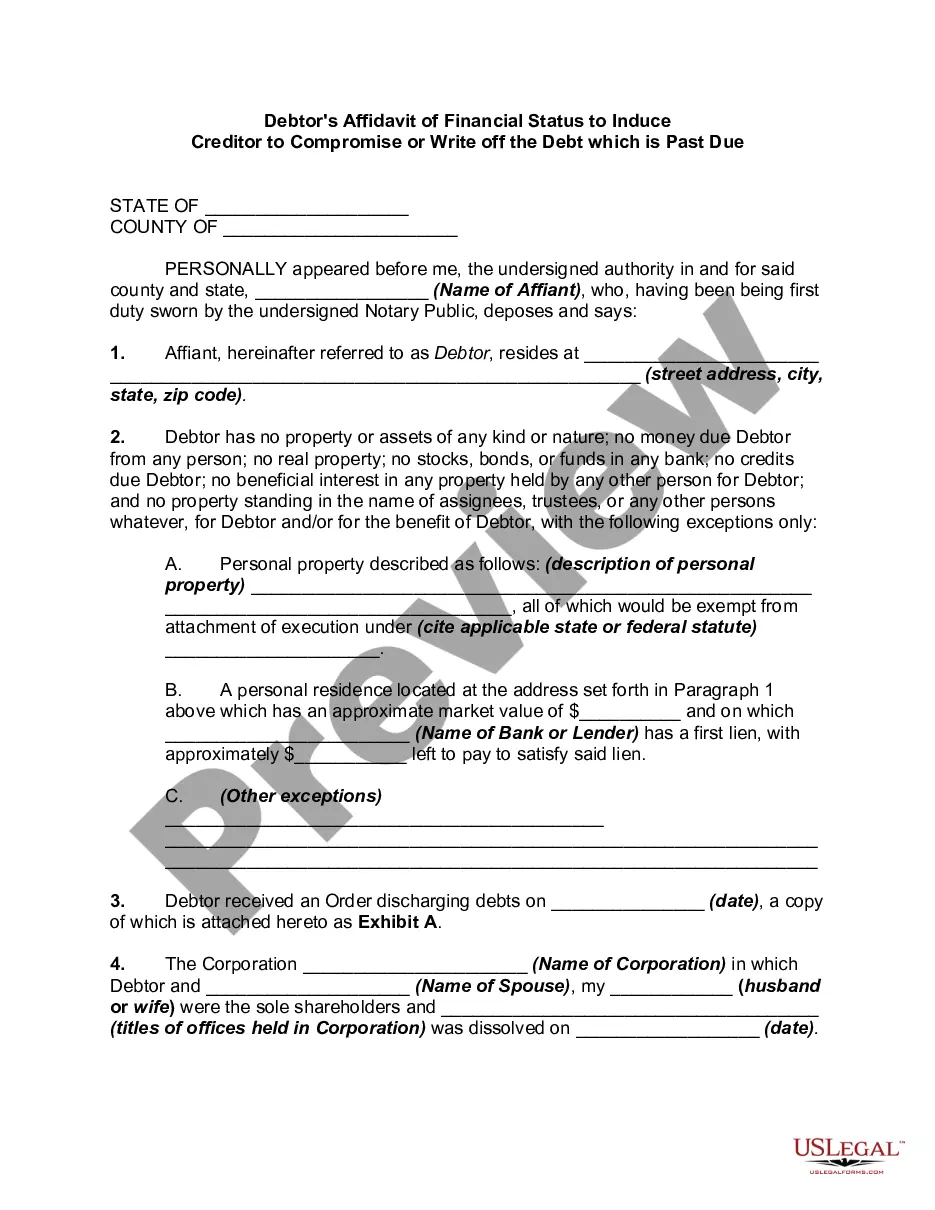
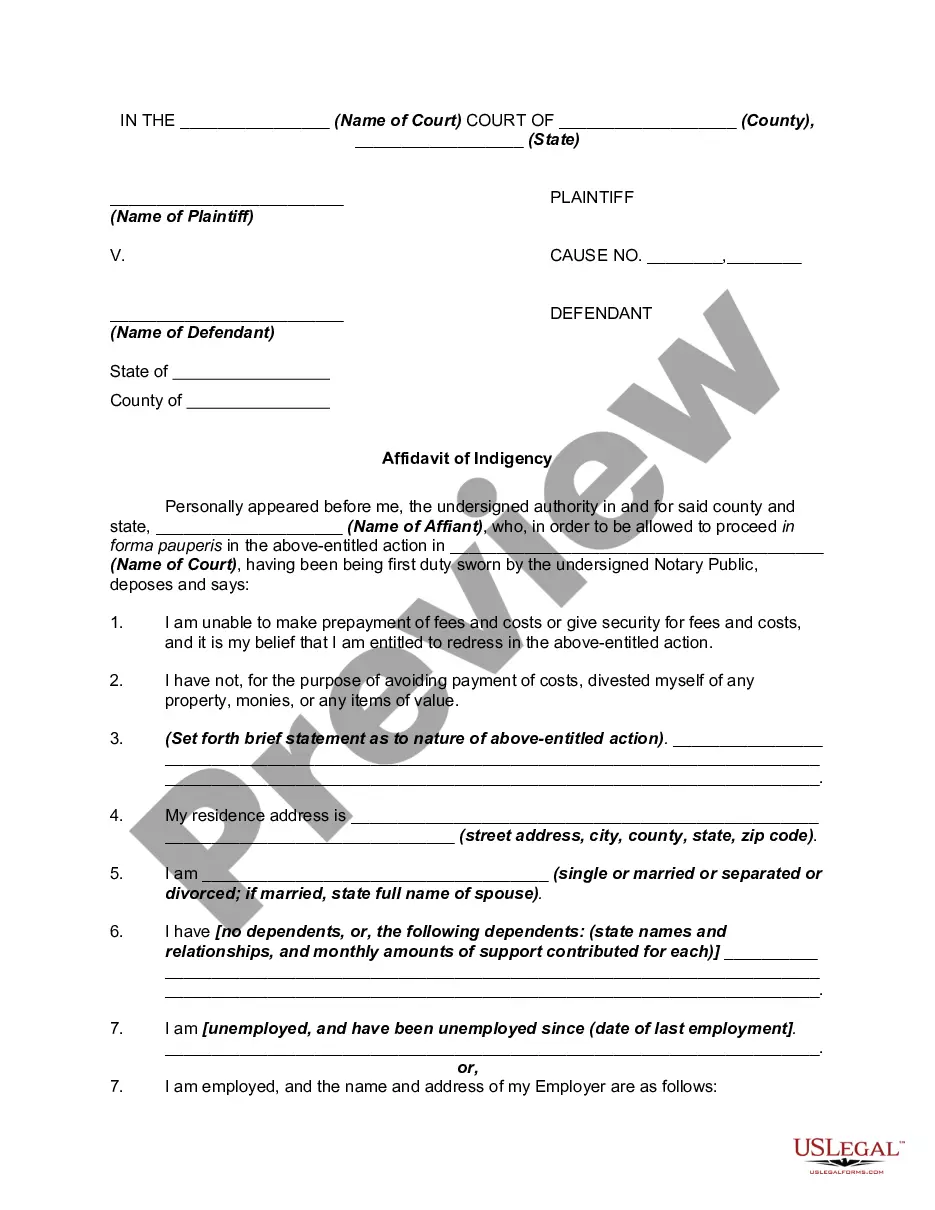
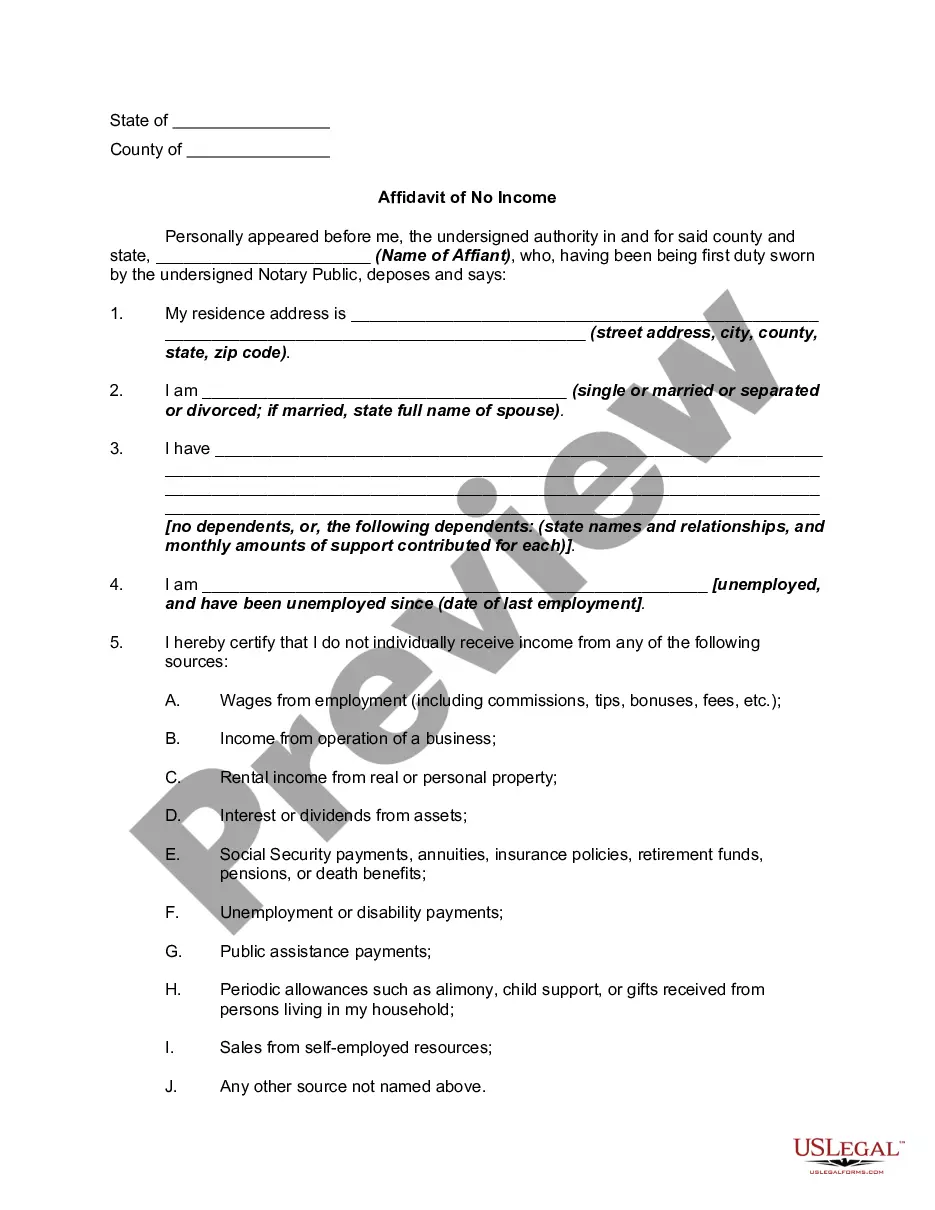
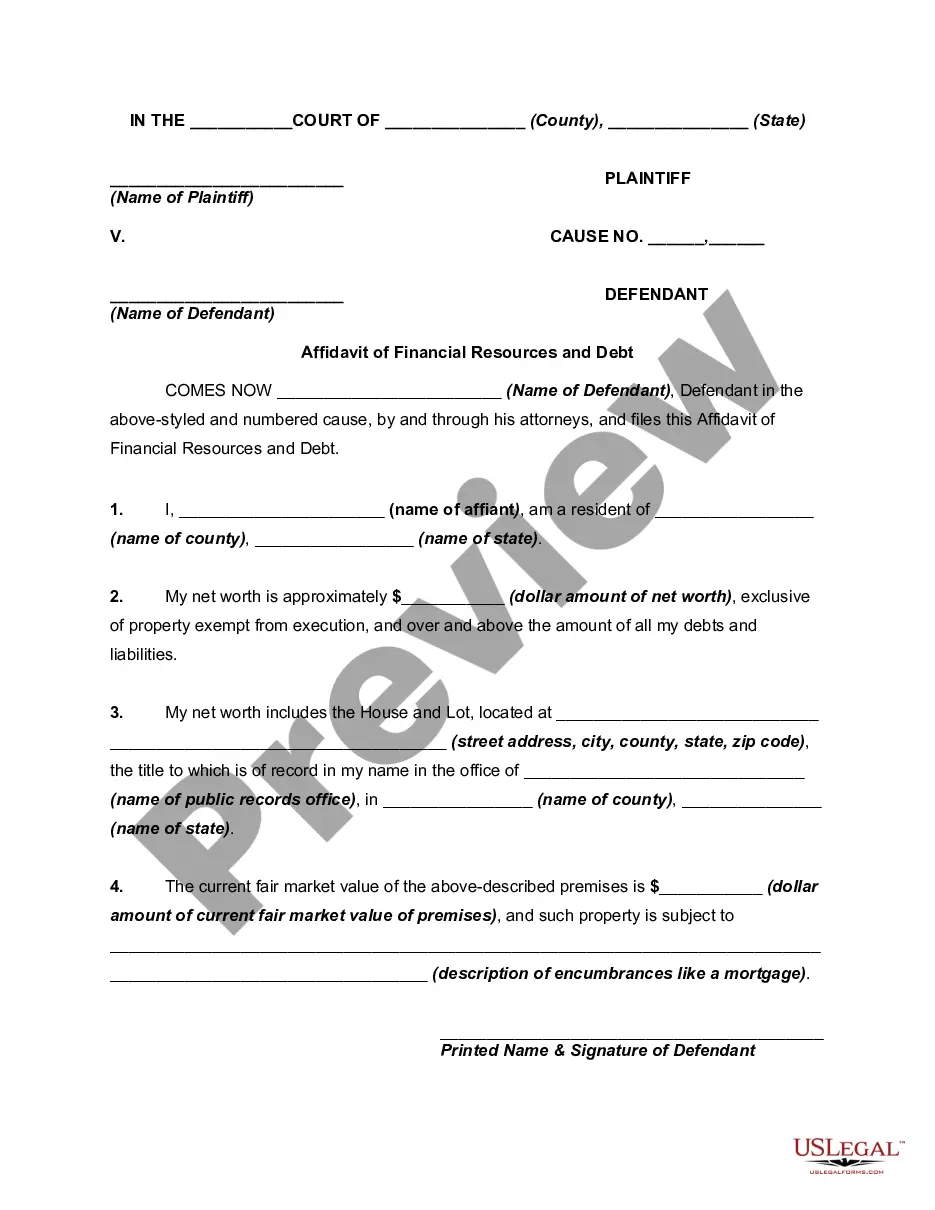


How to fill out Debtor's Affidavit Of Financial Status To Induce Creditor To Compromise Or Write Off The Debt Which Is Past Due - Assets And Liabilities?
The Creditor Write Off For Business Expenses you see on this page is a reusable formal template drafted by professional lawyers in accordance with federal and local regulations. For more than 25 years, US Legal Forms has provided individuals, businesses, and attorneys with more than 85,000 verified, state-specific forms for any business and personal occasion. It’s the fastest, most straightforward and most reliable way to obtain the paperwork you need, as the service guarantees bank-level data security and anti-malware protection.
Acquiring this Creditor Write Off For Business Expenses will take you only a few simple steps:
- Search for the document you need and check it. Look through the file you searched and preview it or review the form description to confirm it fits your needs. If it does not, make use of the search option to find the correct one. Click Buy Now when you have found the template you need.
- Sign up and log in. Choose the pricing plan that suits you and create an account. Use PayPal or a credit card to make a quick payment. If you already have an account, log in and check your subscription to continue.
- Get the fillable template. Select the format you want for your Creditor Write Off For Business Expenses (PDF, DOCX, RTF) and save the sample on your device.
- Complete and sign the document. Print out the template to complete it manually. Alternatively, utilize an online multi-functional PDF editor to rapidly and accurately fill out and sign your form with a legally-binding] {electronic signature.
- Download your paperwork one more time. Use the same document once again anytime needed. Open the My Forms tab in your profile to redownload any earlier saved forms.
Subscribe to US Legal Forms to have verified legal templates for all of life’s situations at your disposal.
Form popularity
FAQ
Under the direct write-off method, bad debts are expensed. The company credits the accounts receivable account on the balance sheet and debits the bad debt expense account on the income statement. Under this form of accounting, there is no "Allowance for Doubtful Accounts" section on the balance sheet.
Bad Debts Written Off Meaning Under the direct write-off method, the Bad Debts are shown as expensed. The company credits the accounts which are receivable on the balance sheet while debiting the Bad Debt expense account on the income statement.
Any business can deduct credit card fees on their taxes. The form you use depends on your business structure. Corporations: Incorporated entities, including limited liability companies (LLCs) filing as a C-corp, use Form 1120. Those filing as an S-corp use Form 1120-S.
However, it is important that you "write off" your bad debts. Writing off a bad debt simply means that you are acknowledging that a loss has occurred. This is in contrast with bad debt expenses, which is a way of anticipating future losses. Accounting for bad debts is important during your bookkeeping sessions.
To qualify for a write-off, the IRS uses the terms "ordinary" and "necessary;" that is, an expense must be regarded as necessary and appropriate to the operation of your type of business. Generally, tax write-offs fit into specific reporting categories such as business travel, advertising, or home office expenses.