Become Shareholders For Company Debt
Description
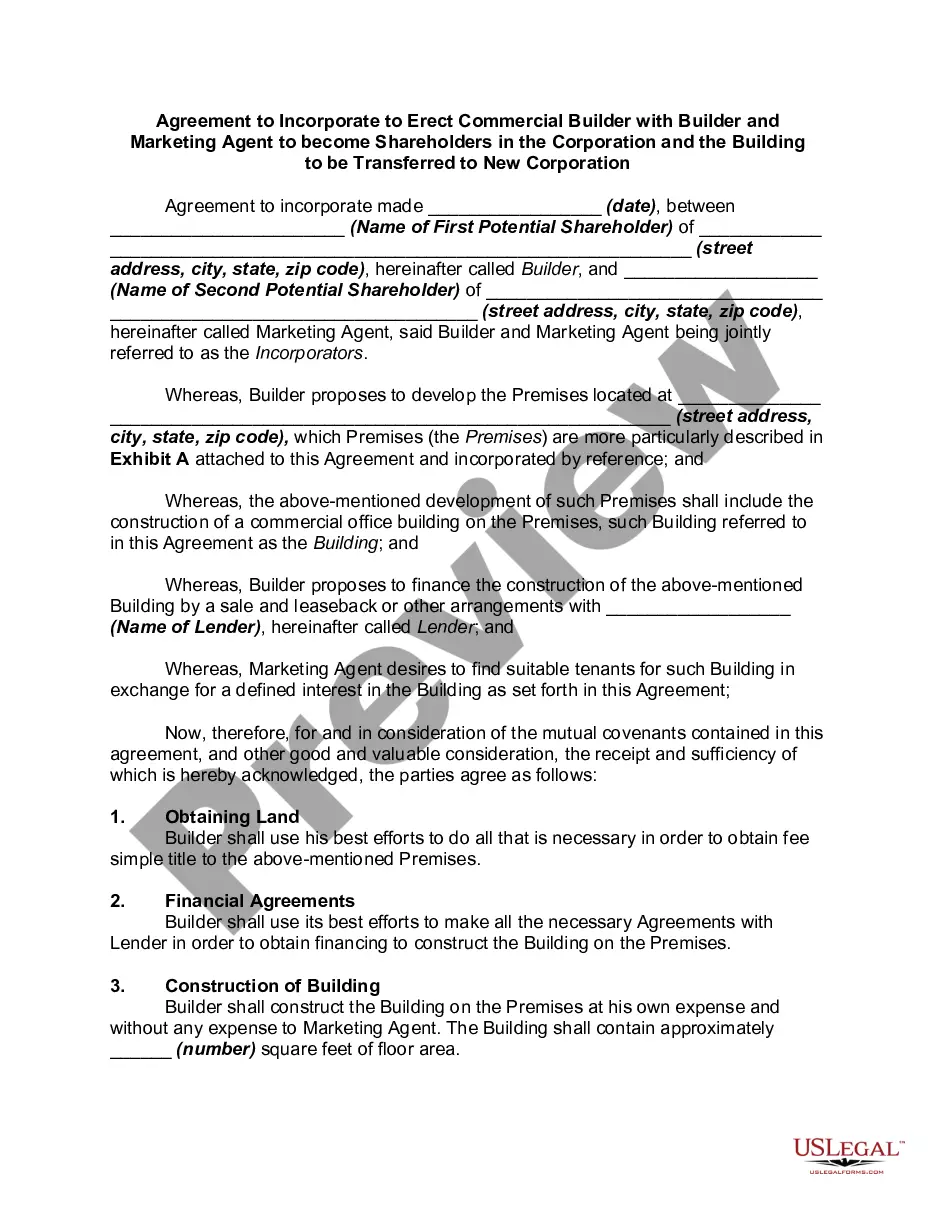
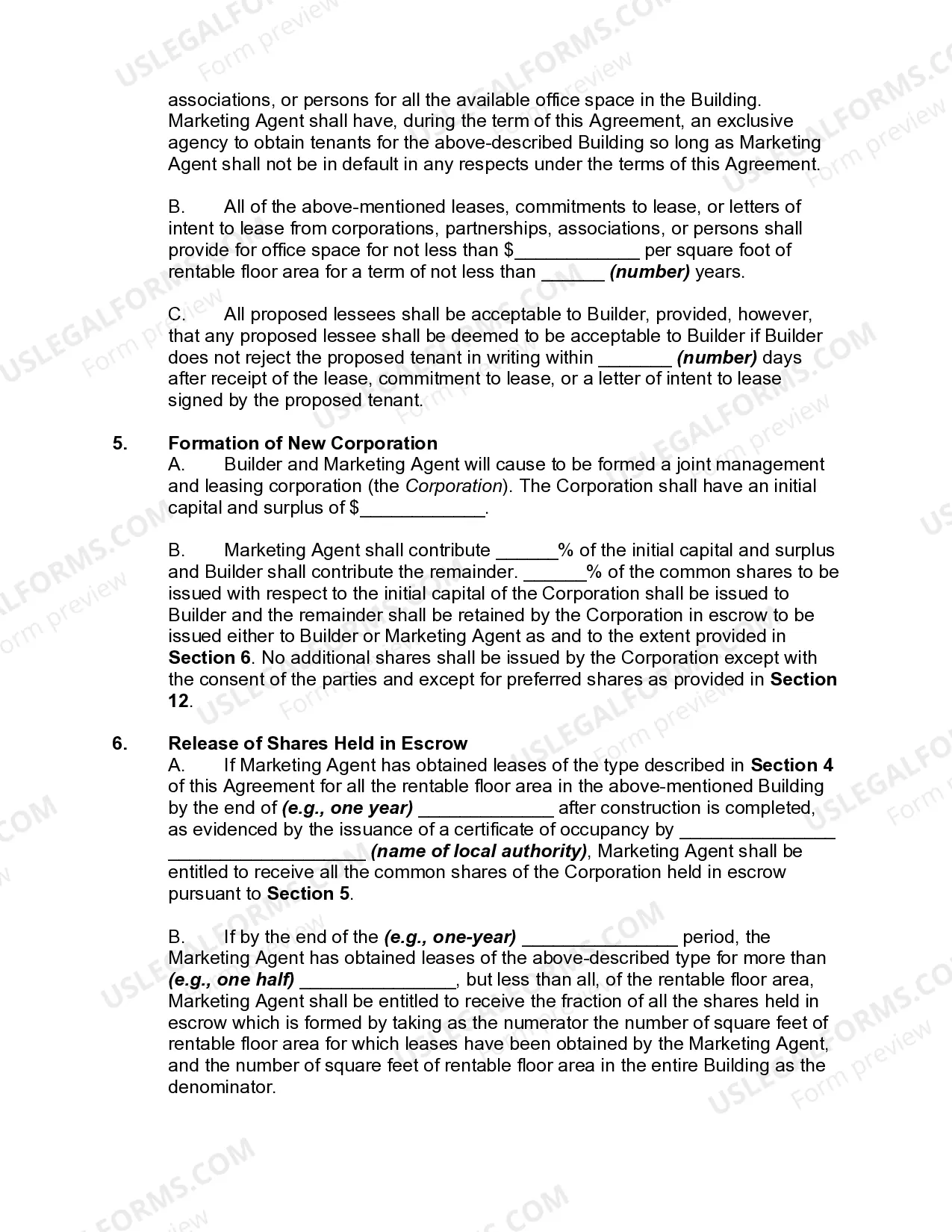
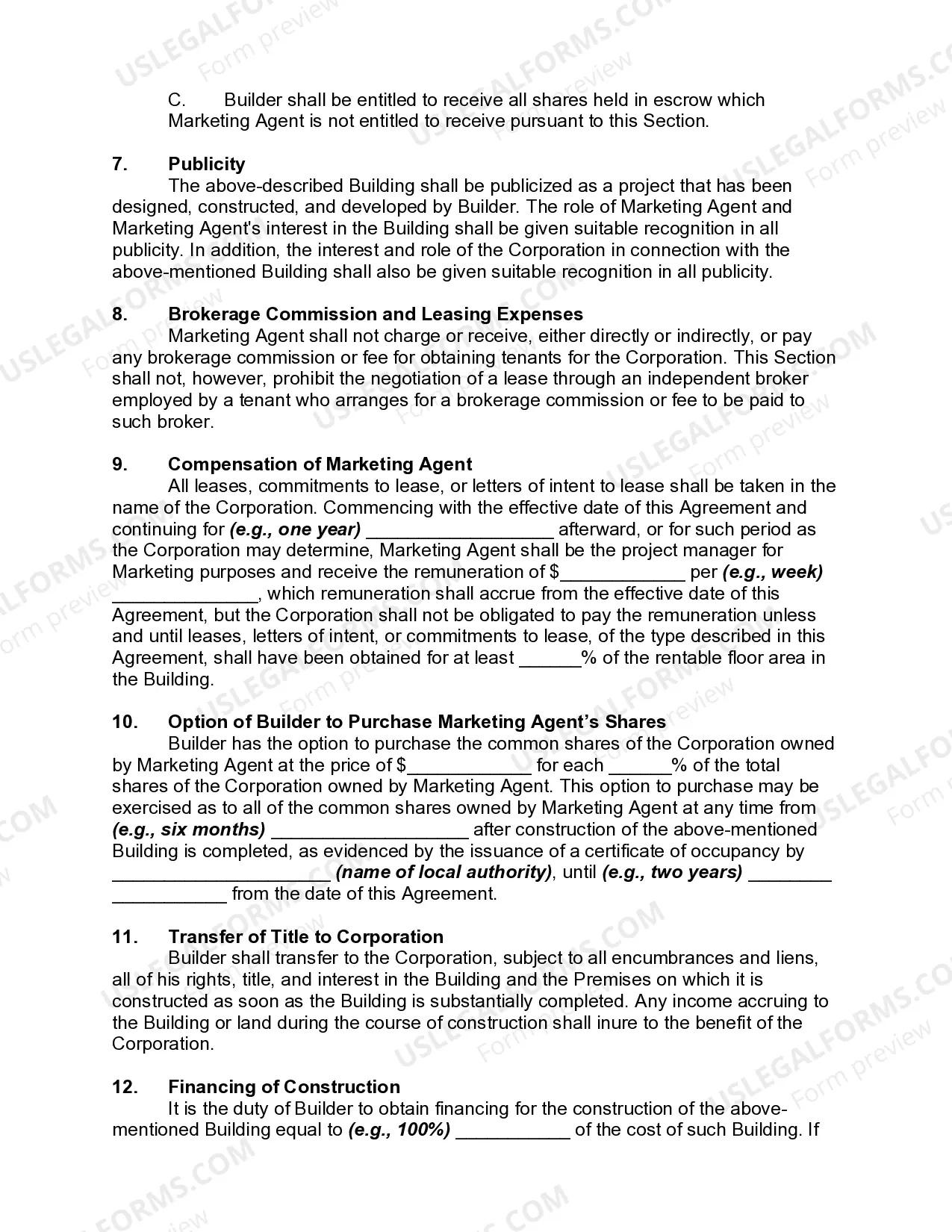
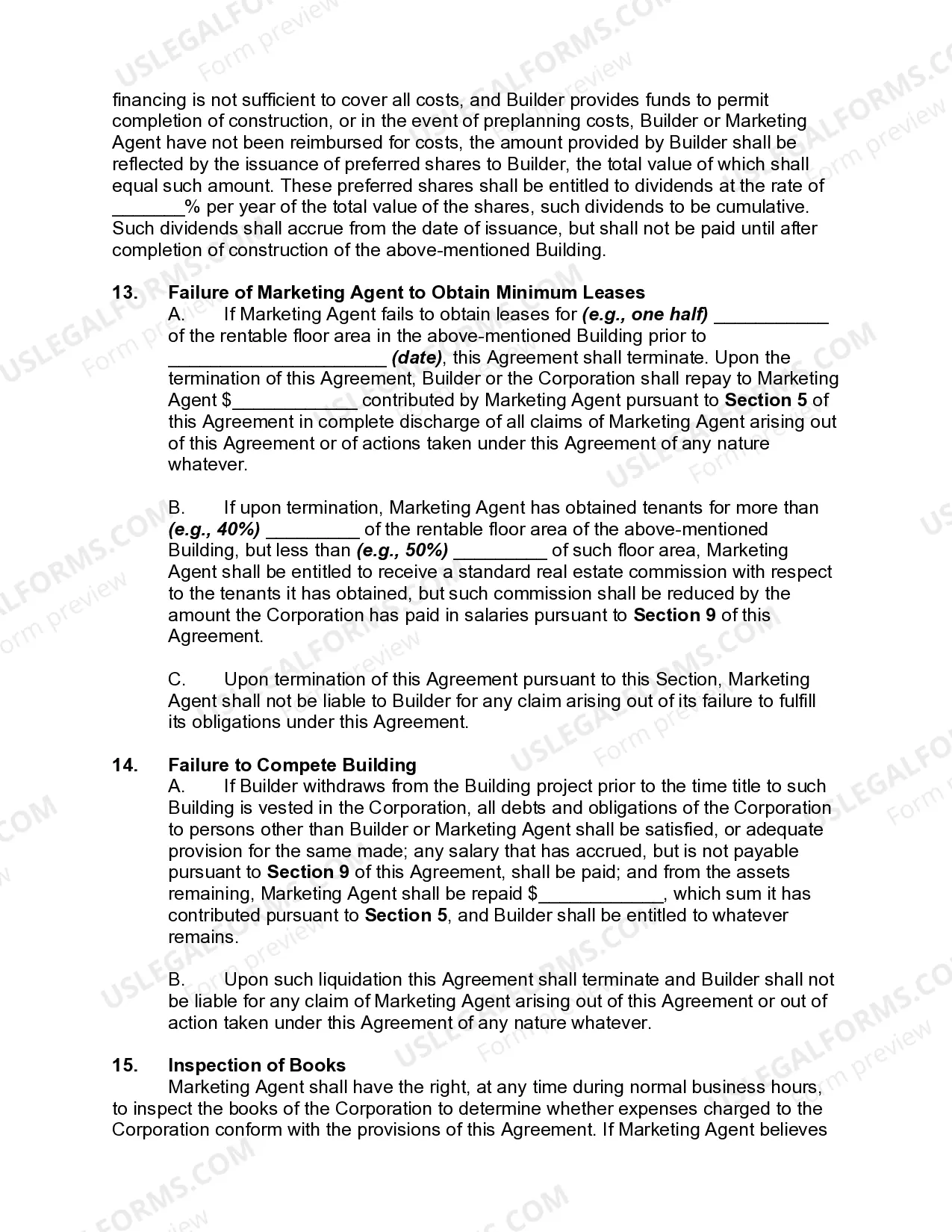
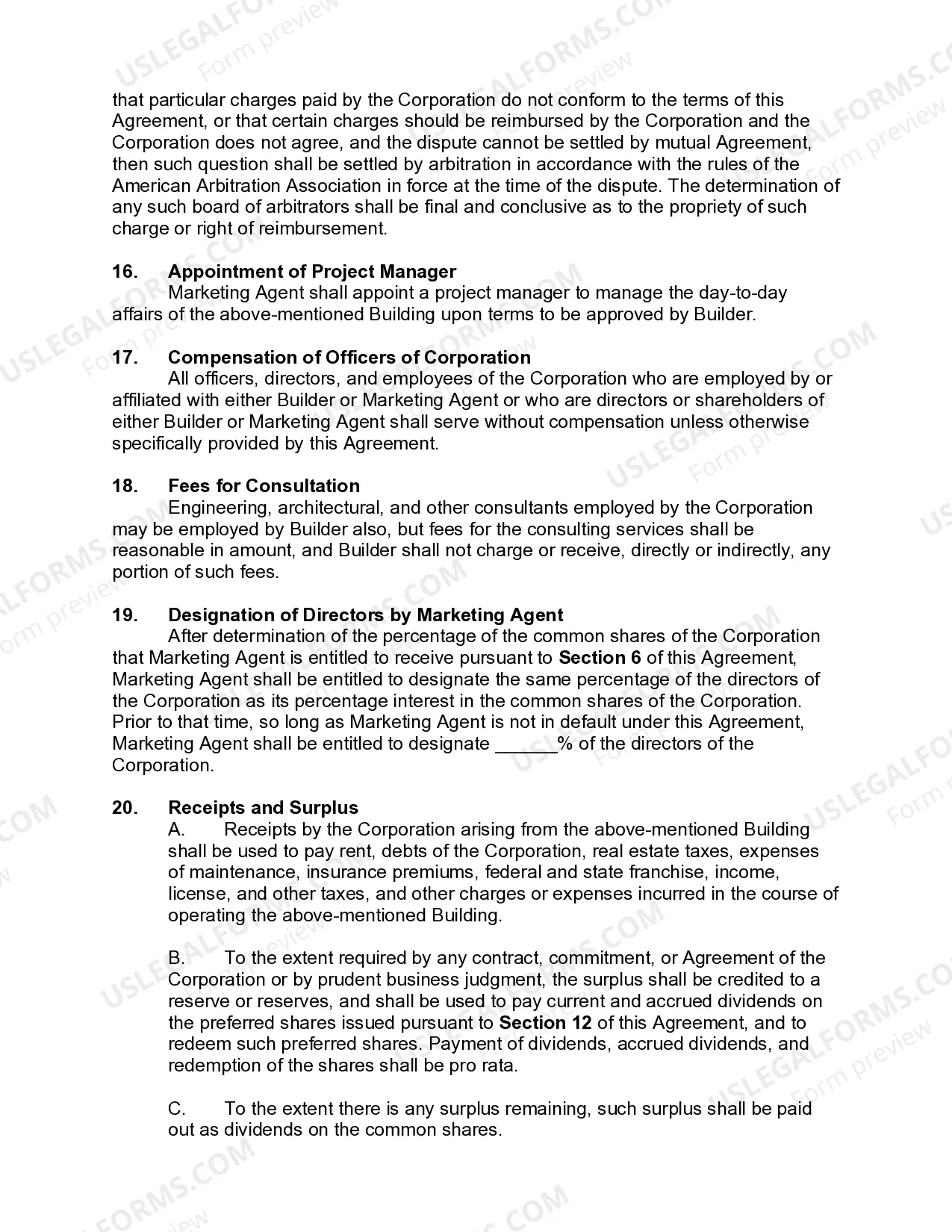
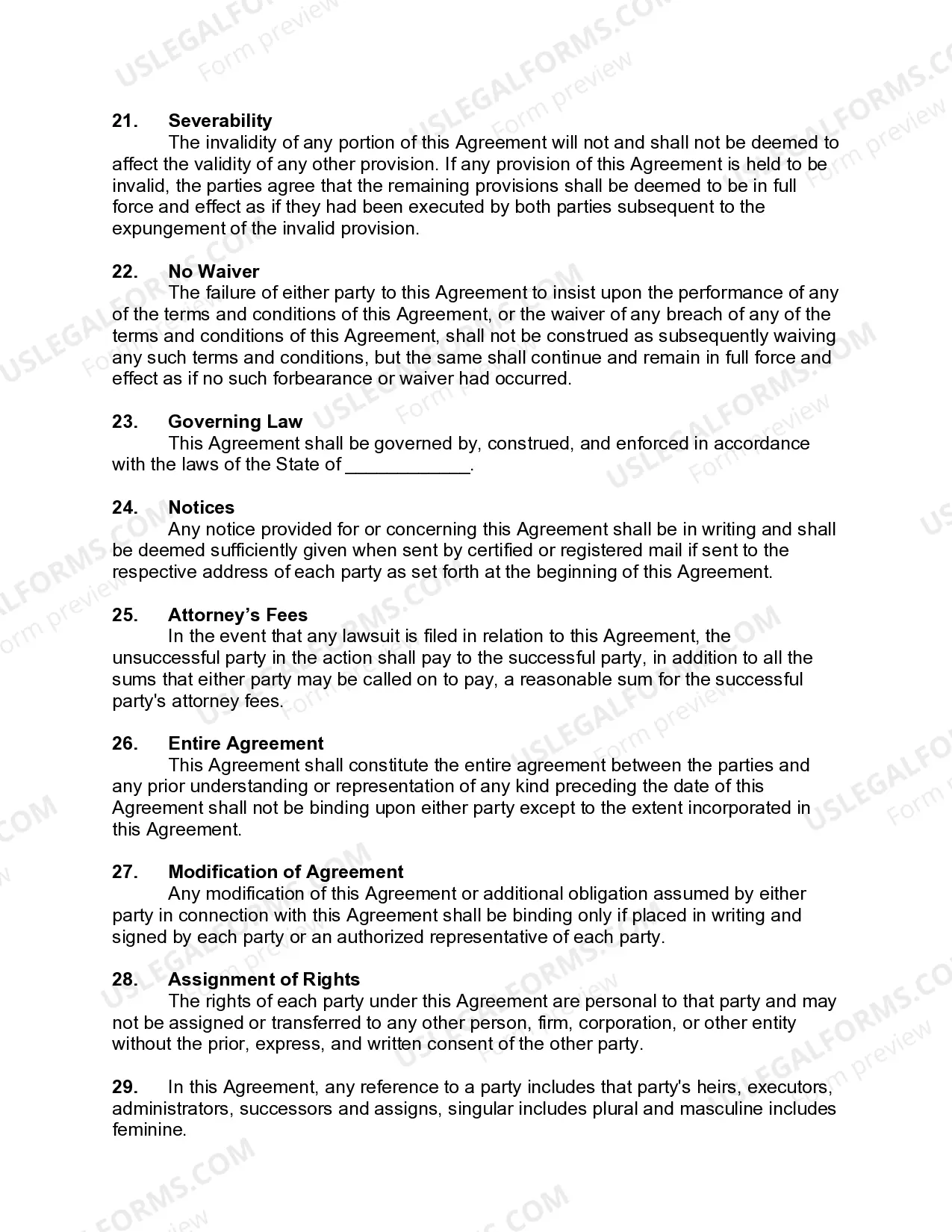
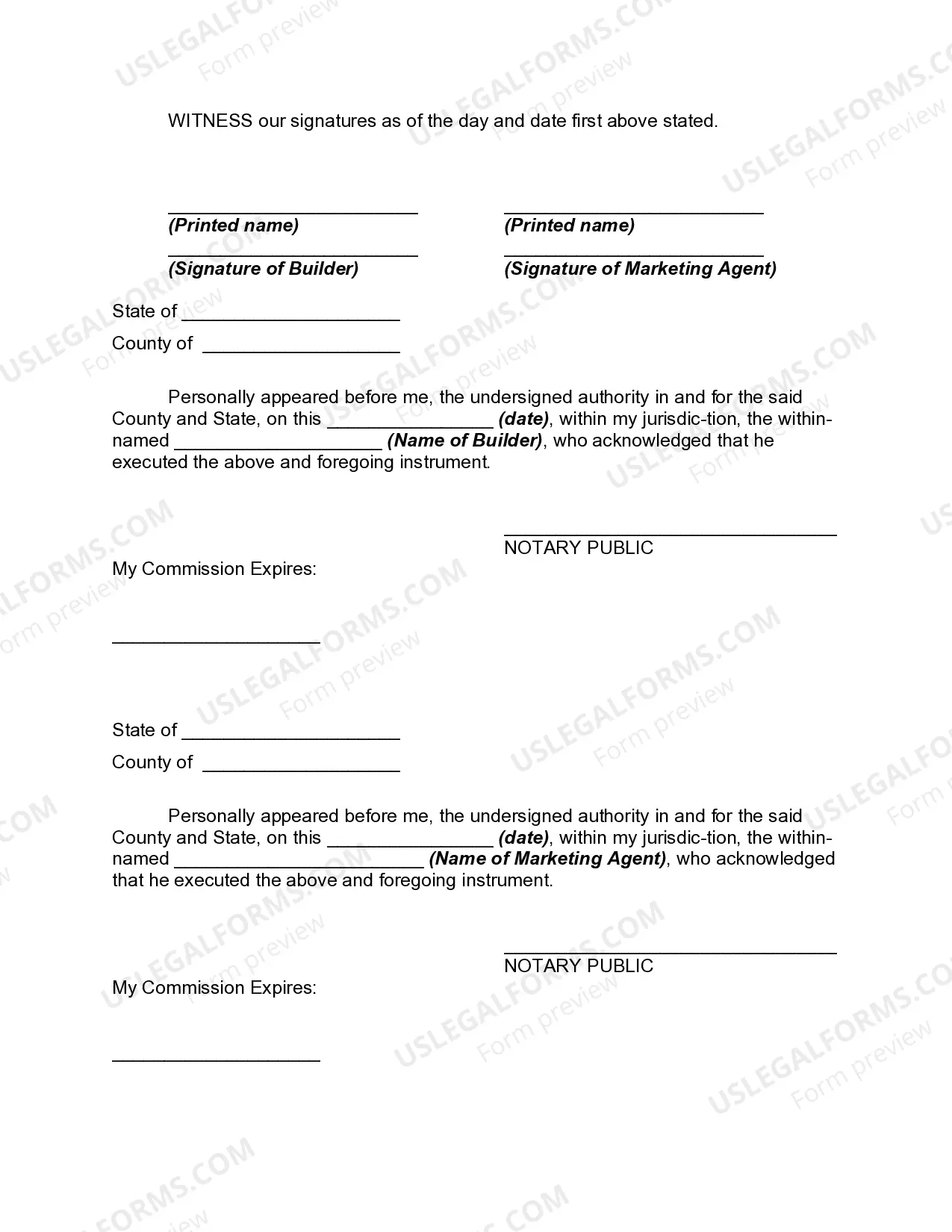
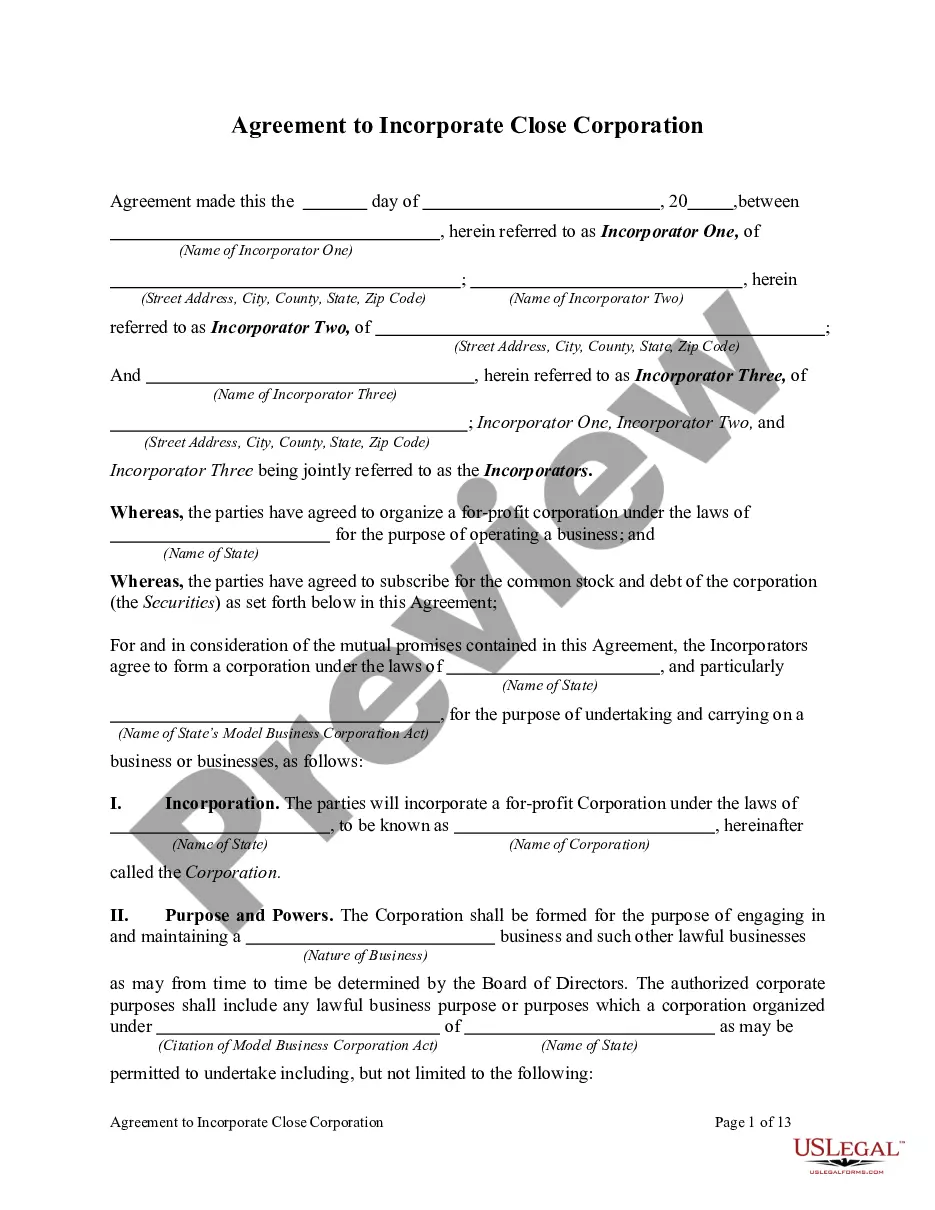
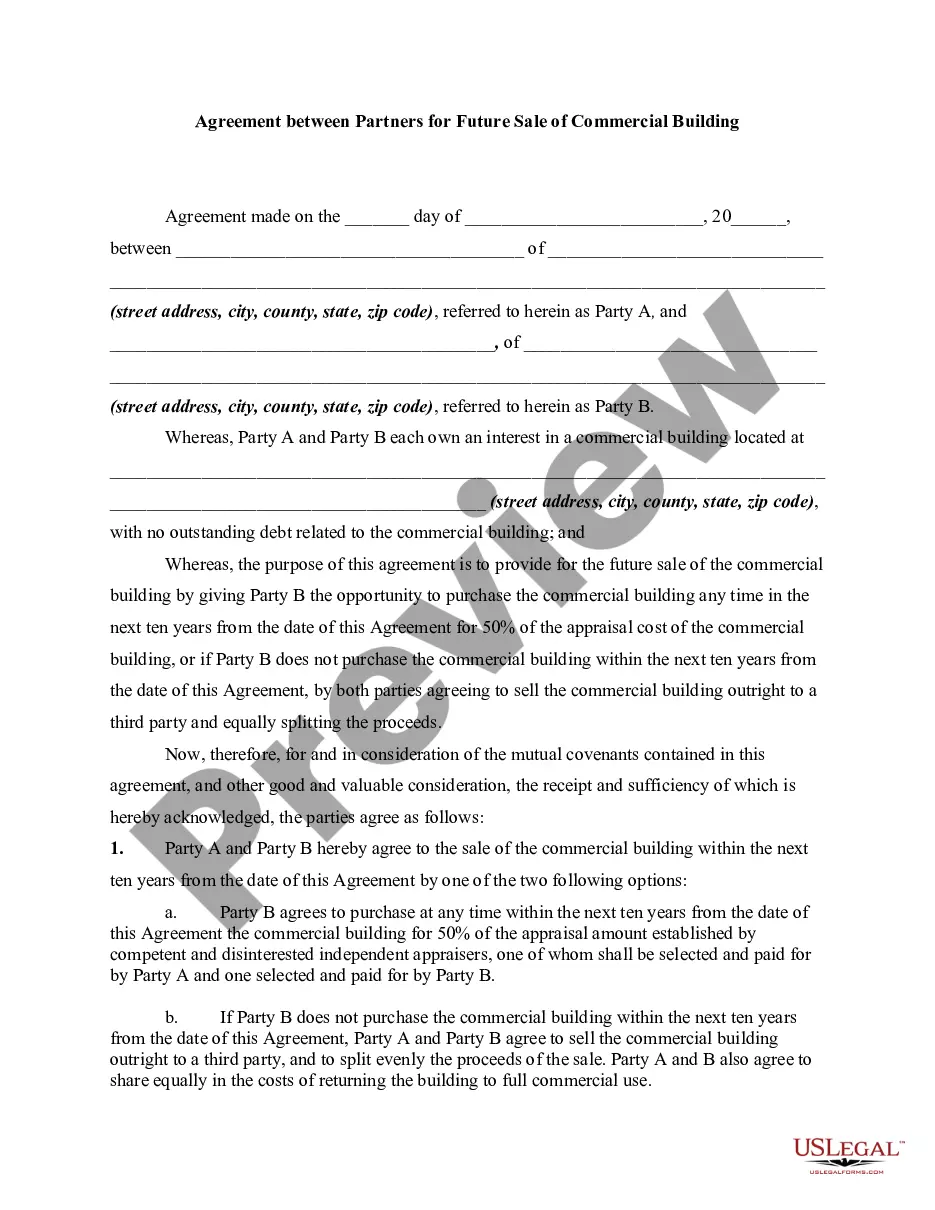
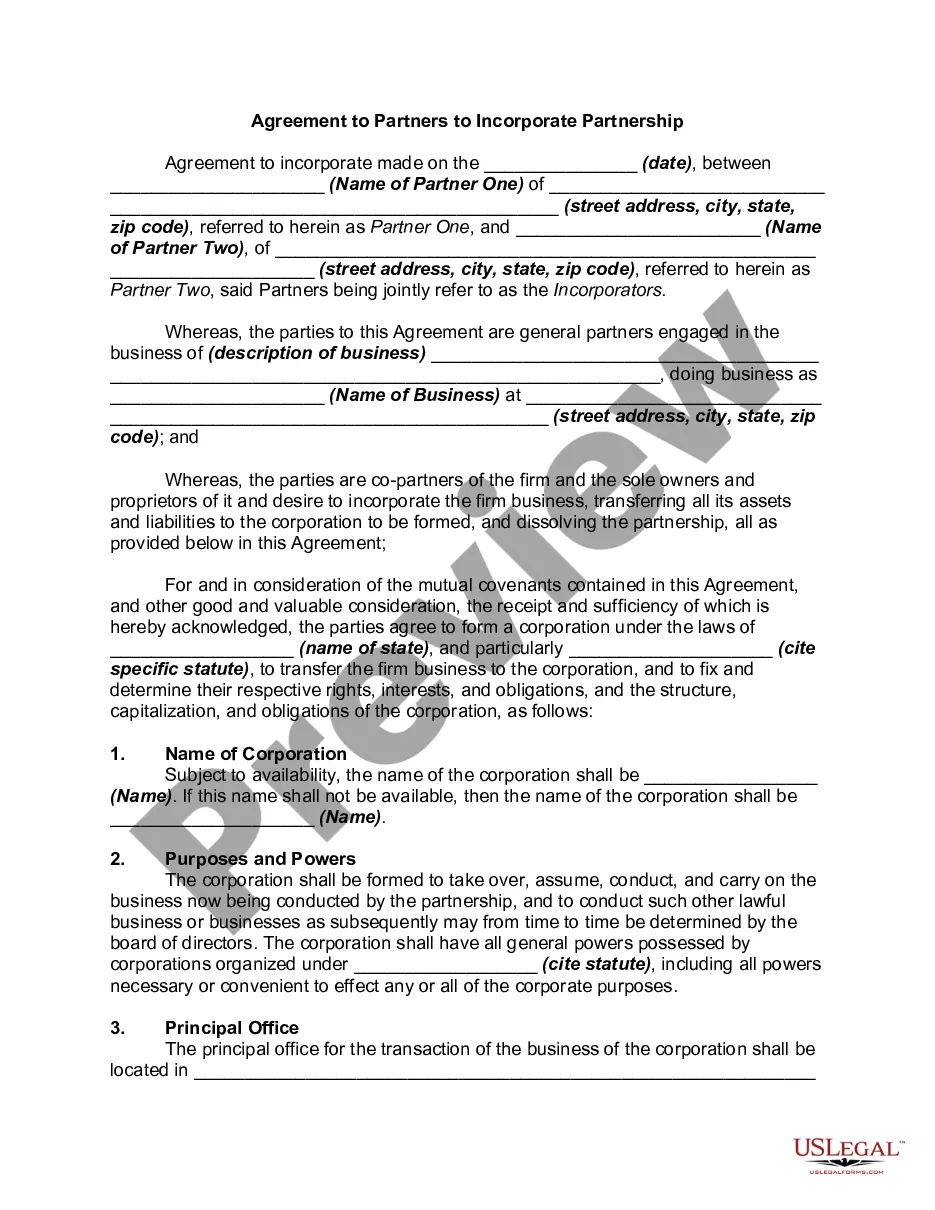
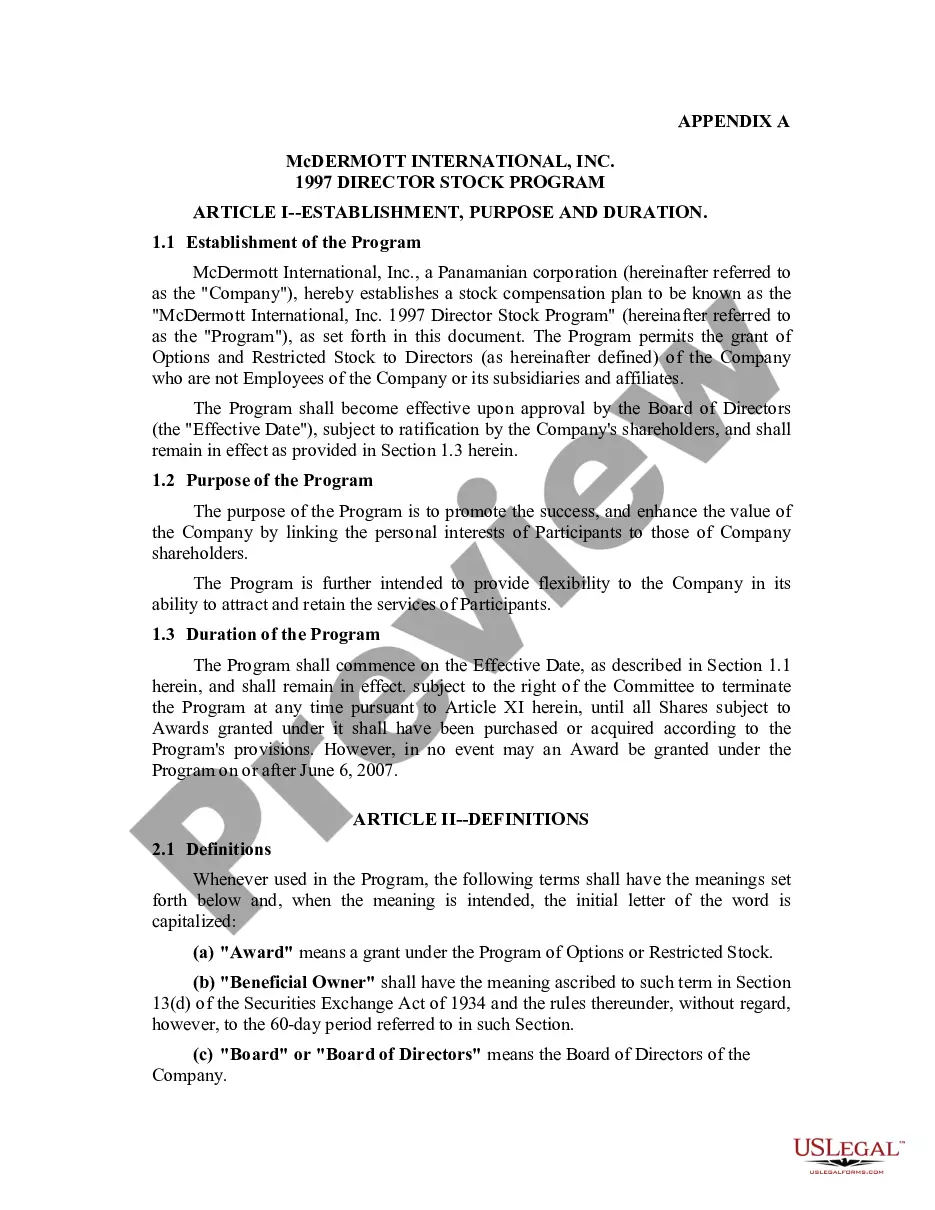


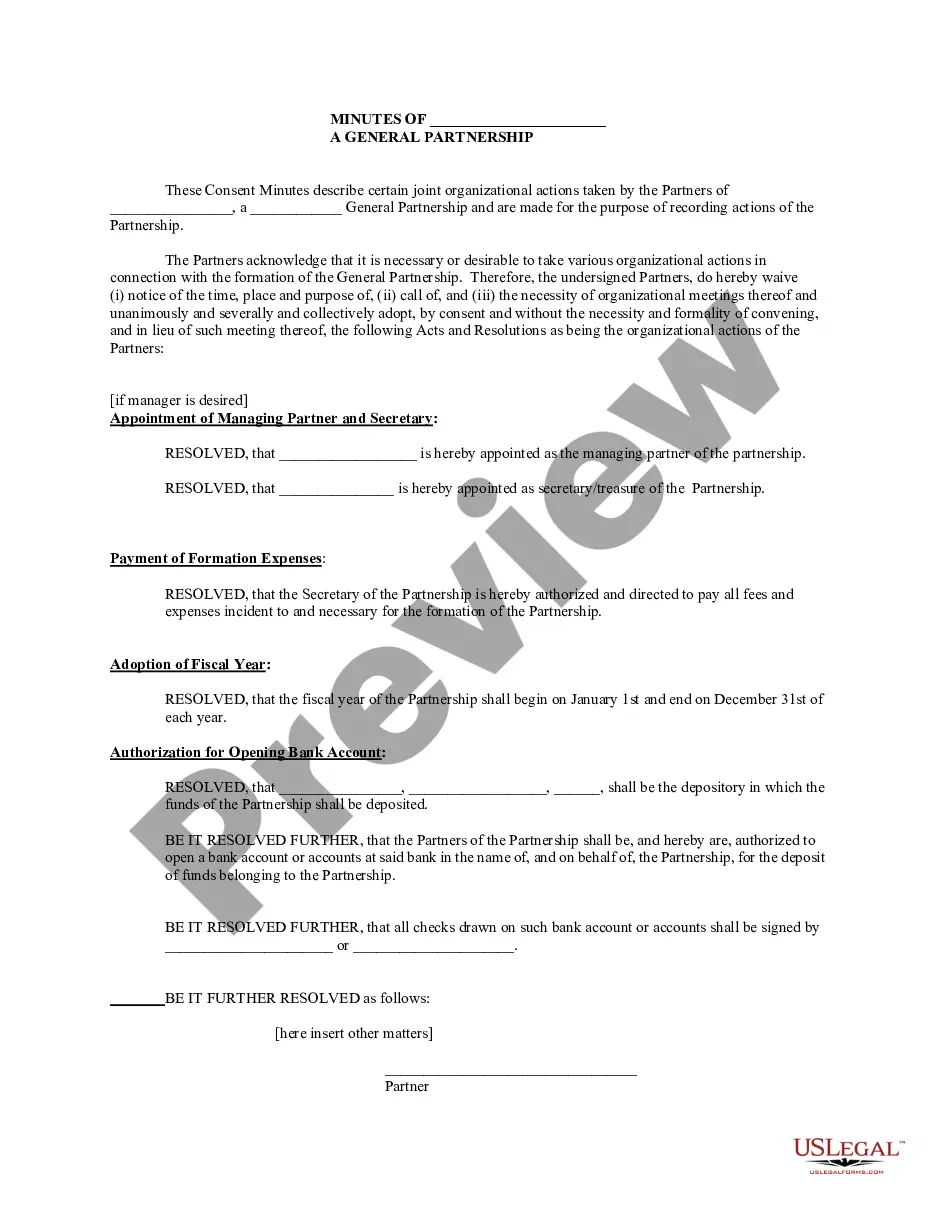

How to fill out Agreement To Incorporate To Erect Commercial Builder With Builder And Marketing Agent To Become Shareholders In The Corporation And The Building To Be Transferred To New Corporation?
Identifying a reliable source for obtaining the latest and suitable legal templates is a significant part of navigating bureaucracy. Recognizing the precise legal documentation requirements demands accuracy and meticulousness, which is why it is crucial to obtain Become Shareholders For Company Debt samples solely from reputable sources, such as US Legal Forms. A flawed template can squander your time and postpone your current situation. With US Legal Forms, you have minimal concerns. You can access and review all the details regarding the document’s applicability and importance for your situation and in your state or county.
Follow these steps to finalize your Become Shareholders For Company Debt.
Once you have the form on your device, you may edit it using the editor or print it to fill it out manually. Eliminate the complications that come with your legal paperwork. Discover the vast US Legal Forms collection where you can locate legal templates, verify their suitability for your circumstances, and download them instantly.
- Utilize the catalog navigation or search bar to find your template.
- Examine the form’s description to ensure it aligns with the criteria of your state and county.
- Check the form preview, if available, to confirm that it is indeed the document you are looking for.
- If the Become Shareholders For Company Debt does not meet your needs, continue searching for the correct document.
- If you are confident about the form’s applicability, download it.
- If you are an authorized user, click Log in to verify your identity and access your chosen forms in My documents.
- If you do not yet possess an account, click Buy now to acquire the template.
- Choose the pricing option that suits your requirements.
- Proceed to the registration to complete your purchase.
- Finalize your purchase by selecting a payment method (credit card or PayPal).
- Choose the document format for downloading Become Shareholders For Company Debt.
Form popularity
FAQ
Debt can significantly impact a shareholder's basis in an S Corp. When the corporation incurs debt, shareholders may increase their basis, allowing them to offset taxable income. This means that if the company experiences losses, shareholders can potentially claim those losses on their personal tax returns. Understanding how debt affects your basis is crucial when you become shareholders for company debt.
Yes, recourse debt can increase your basis in an S Corp. When you take on recourse debt, you are personally liable, which affects your basis calculation. Consequently, this increased basis allows for greater deductions on your personal tax return. It’s a strategic way to manage your tax situation when you become shareholders for company debt.
To attract shareholders for your company, start by developing a clear business plan and growth strategy. Networking, presenting your company at investor events, and leveraging platforms like US Legal Forms can help you formalize agreements and documentation. By demonstrating the potential for return on investment, you can create interest among potential shareholders who may be eager to become shareholders for company debt.
The value of a 1% share of a company depends on the company's total valuation. For example, if a company is valued at $10 million, then a 1% share would be worth $100,000. When you explore options to become shareholders for company debt, it's crucial to assess the company's financial health and market position. Understanding these factors can help you make informed investment decisions.
Yes, you can buy a company's debt. This process often involves purchasing bonds or other debt securities issued by the company. By doing so, you may become shareholders for company debt, allowing you to benefit from interest payments and potential equity conversion options. Always ensure you understand the risks and consult with a financial advisor before proceeding.
In most cases, shareholders are not responsible for company debts, thanks to the limited liability afforded by corporate structures. When you choose to become shareholders for company debt, you invest in the business without exposing your personal assets to risk. This safeguard encourages investment and entrepreneurship. However, be mindful of specific situations that may lead to personal liability, such as guarantees or misconduct.
No, shareholders are not typically responsible for corporate debt due to the principle of limited liability. When you become shareholders for company debt, you enjoy protection that ensures your personal assets remain safe from business creditors. This structure allows you to invest in the company without the risk of losing personal wealth. However, it's wise to be aware of any agreements that might alter this protection.
Generally, shareholders are not personally responsible for company debt when they become shareholders for company debt. This limited liability is a key benefit of corporate structures, protecting personal assets from business liabilities. However, if a shareholder engages in misconduct or signs a personal guarantee, they may face personal liability. Understanding these nuances is crucial for protecting your investment.
In most cases, if you are a member of an LLC, you are not personally responsible for its debts. The structure of LLCs protects members from personal liability, allowing you to become shareholders for company debt without risking personal financial loss. However, it is important to understand that certain circumstances, like fraud or personal guarantees, can lead to personal liability. Always consult with a legal professional to understand your specific situation.
Typically, the owner of a business is not personally responsible for the company's debt, especially in the case of limited liability entities like corporations and LLCs. When you become shareholders for company debt, the company's debts are separate from your personal assets. This means your financial liability is generally limited to your investment in the company. However, exceptions exist, especially if personal guarantees are involved.