Covenant Not To Execute
Description
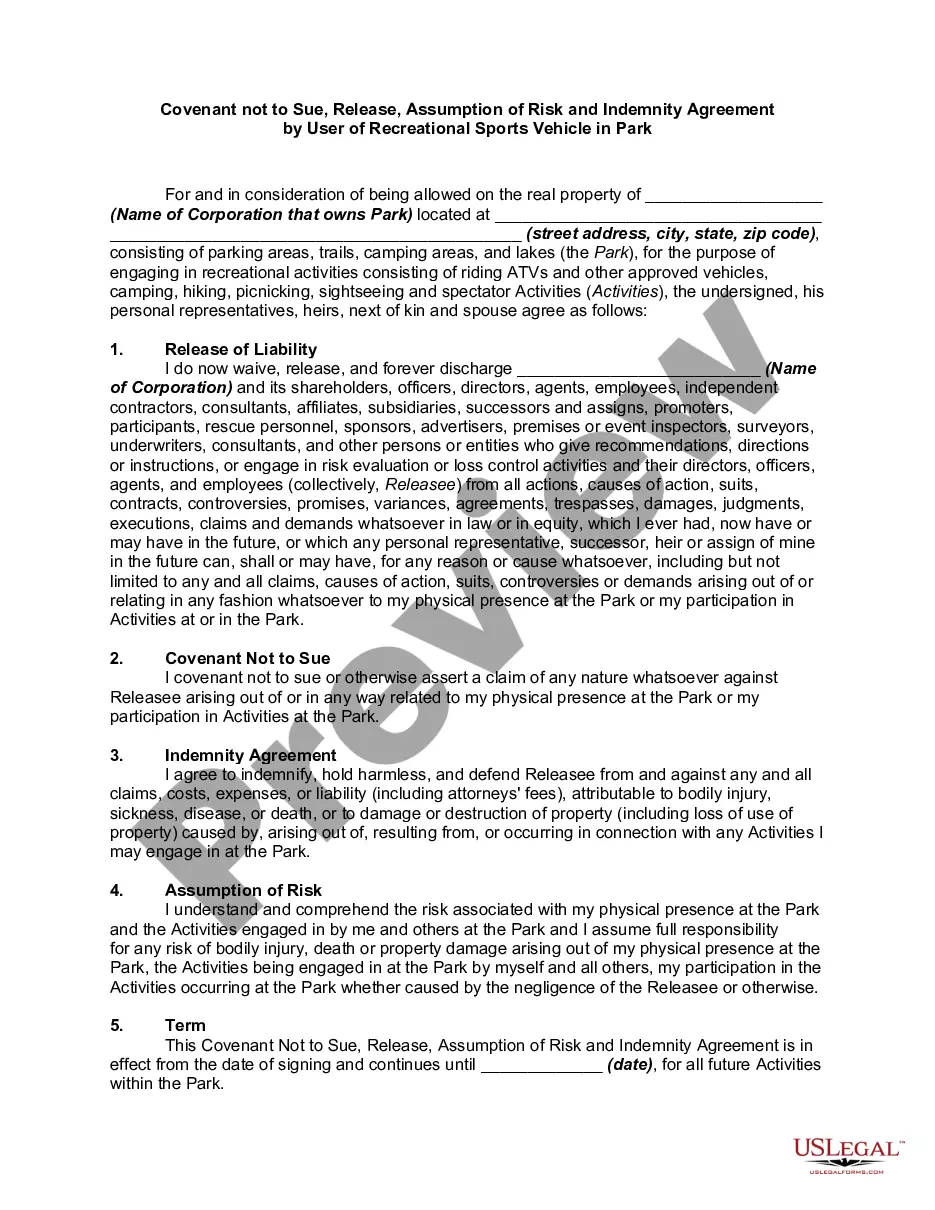
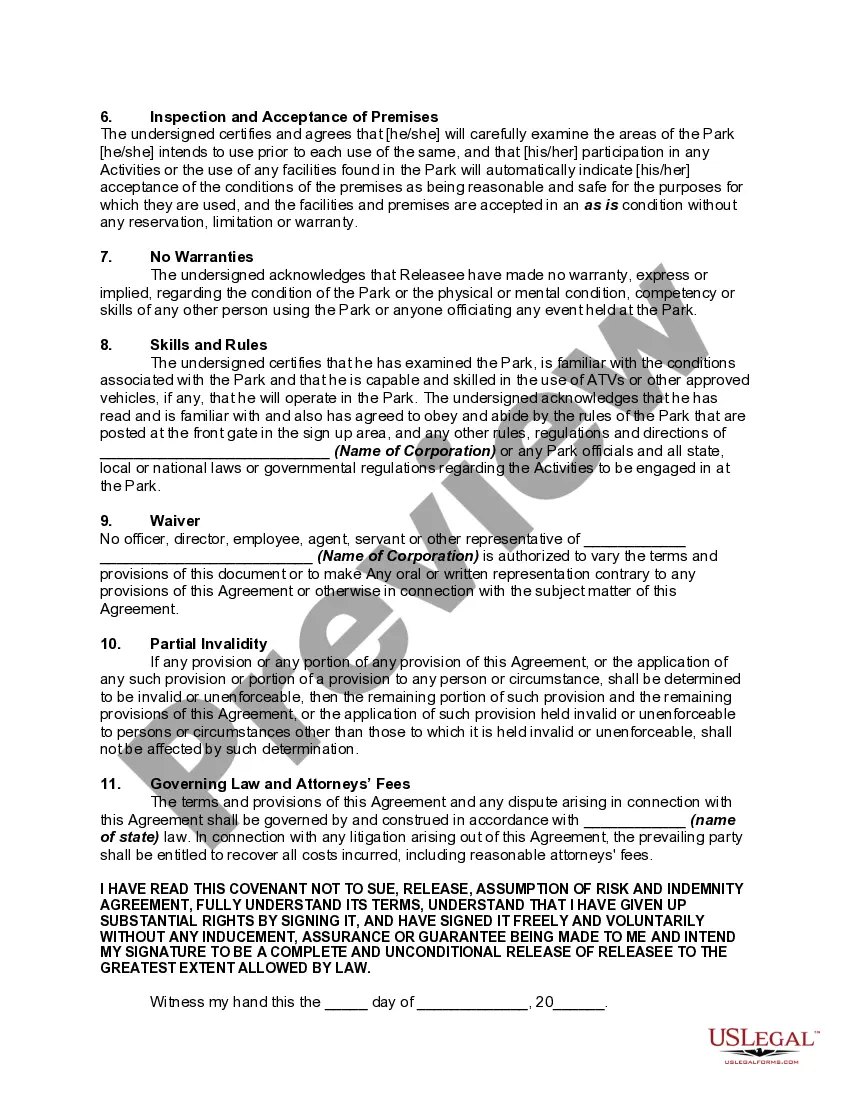

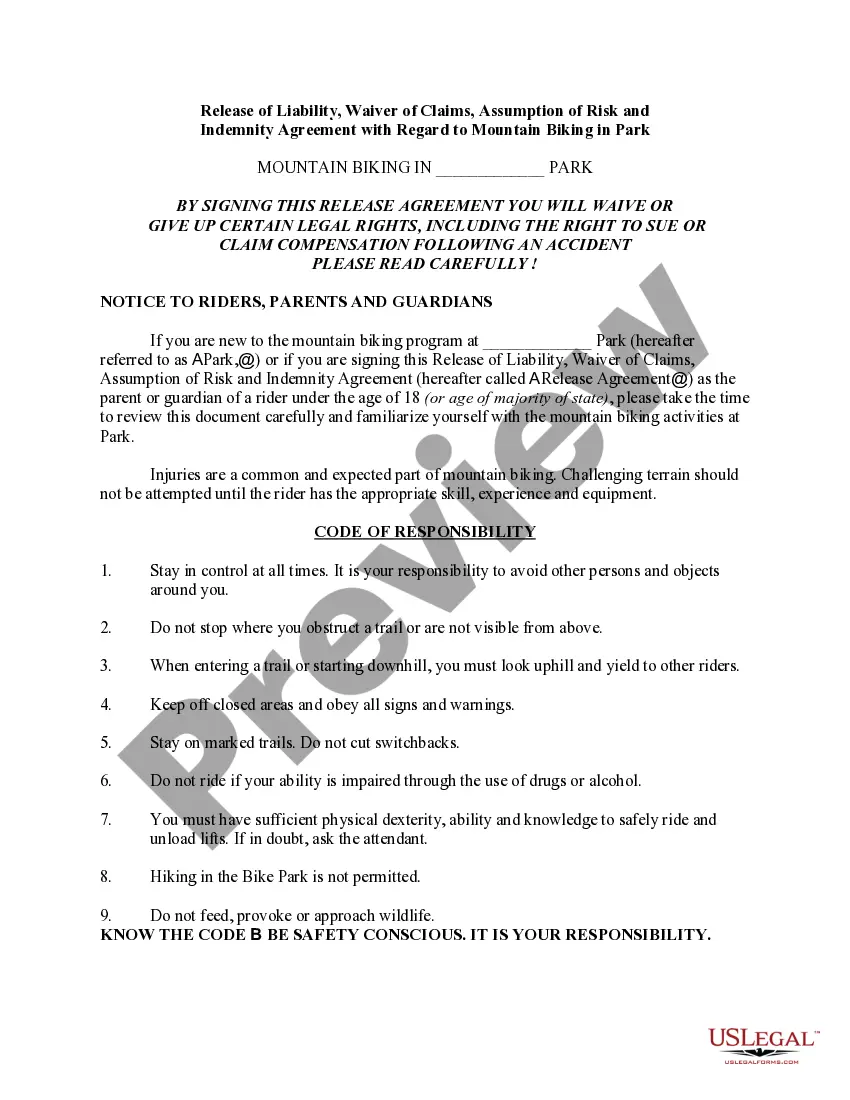
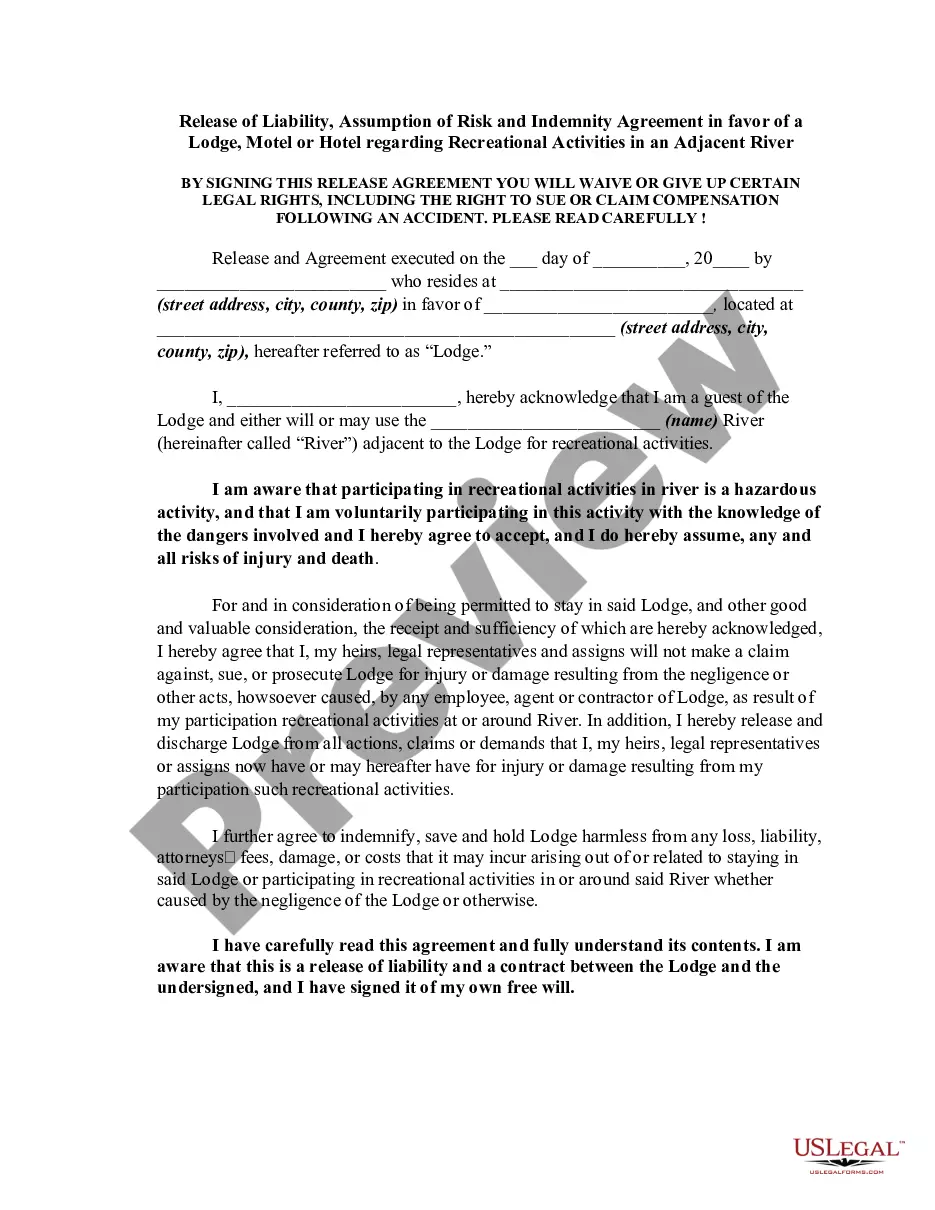
Get your form ready online
Our built-in tools help you complete, sign, share, and store your documents in one place.
Make edits, fill in missing information, and update formatting in US Legal Forms—just like you would in MS Word.
Download a copy, print it, send it by email, or mail it via USPS—whatever works best for your next step.
Sign and collect signatures with our SignNow integration. Send to multiple recipients, set reminders, and more. Go Premium to unlock E-Sign.
If this form requires notarization, complete it online through a secure video call—no need to meet a notary in person or wait for an appointment.
We protect your documents and personal data by following strict security and privacy standards.

Make edits, fill in missing information, and update formatting in US Legal Forms—just like you would in MS Word.

Download a copy, print it, send it by email, or mail it via USPS—whatever works best for your next step.

Sign and collect signatures with our SignNow integration. Send to multiple recipients, set reminders, and more. Go Premium to unlock E-Sign.

If this form requires notarization, complete it online through a secure video call—no need to meet a notary in person or wait for an appointment.

We protect your documents and personal data by following strict security and privacy standards.
Looking for another form?
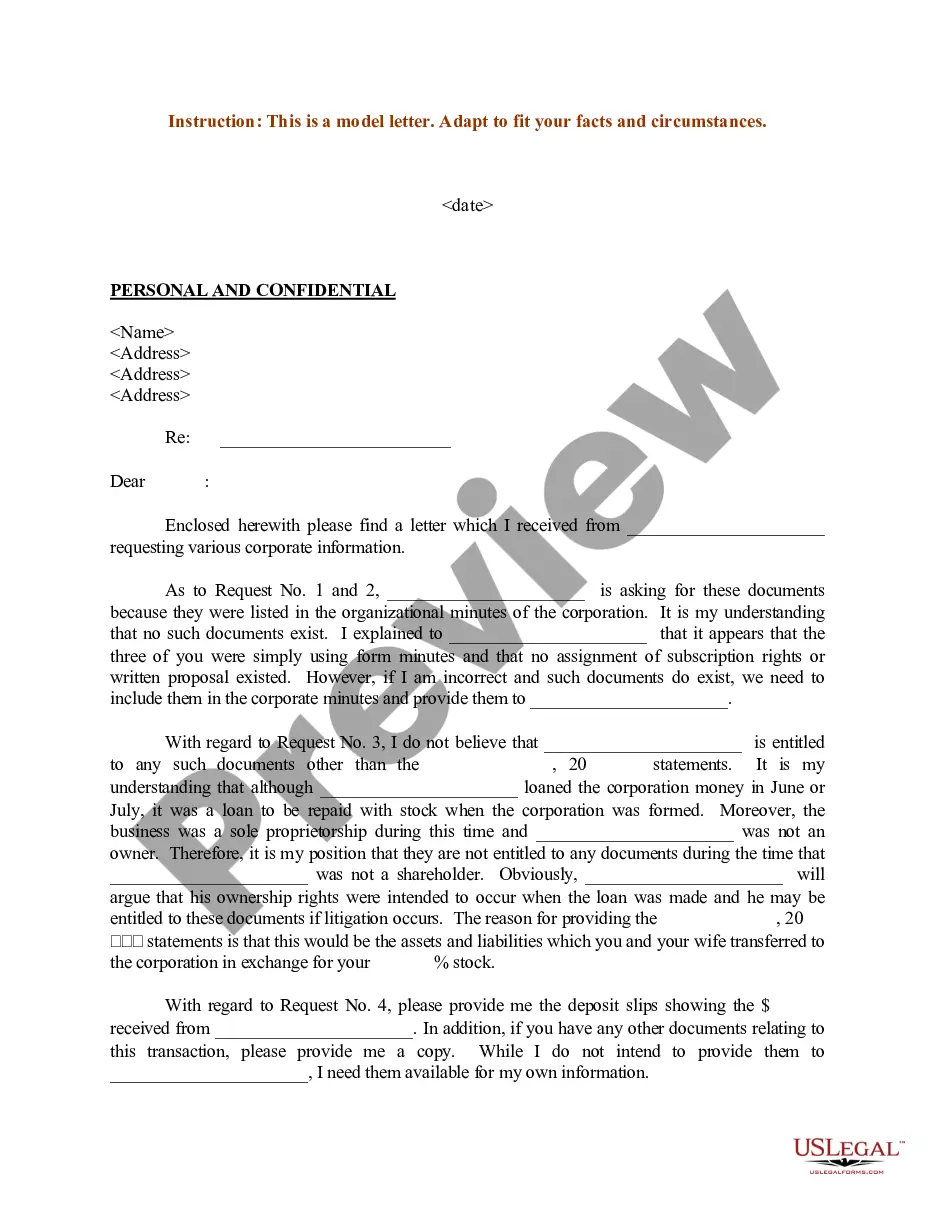
How to fill out Covenant Not To Sue, Release, Assumption Of Risk And Indemnity Agreement By User Of Recreational Sports Vehicle In Park?
Regardless of whether it is for commercial objectives or personal issues, everyone encounters legal circumstances at various stages of their life.
Filling out legal documents demands meticulous focus, starting with choosing the correct template sample.
With a vast US Legal Forms catalog available, you never have to waste time searching for the correct sample online. Utilize the library’s intuitive navigation to find the right form for any instance.
- Locate the template you need using the search bar or catalog browsing.
- Review the form’s details to ensure it fits your situation, state, and locality.
- Click on the form’s preview to inspect it.
- If it's the incorrect document, return to the search function to find the Covenant Not To Execute sample you need.
- Download the template when it aligns with your needs.
- If you have a US Legal Forms account, simply click Log in to access previously saved files in My documents.
- If you don’t have an account yet, you may obtain the form by clicking Buy now.
- Choose the right pricing option.
- Complete the account registration form.
- Select your payment method: you can use a credit card or PayPal account.
- Choose the document format you desire and download the Covenant Not To Execute.
- Once it is saved, you can fill out the form using editing applications or print it and complete it by hand.
Form popularity
FAQ
I covenant and agree never, individually or with any person or in any way, to commence, aid in any way, prosecute or cause or permit to be commenced or prosecuted against any Employer Affiliate any action or other proceeding, including, without limitation, an arbitration or other alternative dispute resolution ...
A covenant not to execute is a contract where a defendant admits to liability and a set amount of damages, and the plaintiff agrees not to seek a judgment against the defendant based on that admission.
Steps to Creating a Covenant Not to Sue Search for an example of an existing covenant to base yours off of. ... Gather information for your covenant, including documents related to your interests and documents about the other party. ... Format your covenant, so it resembles a traditional contract format.
A covenant not to execute is a promise by the plaintiff, generally the insured or claimant, to limit the amount of damages sought in an insurance lawsuit. It is used as a strategic maneuver by the claimant and insured to target the insurer for monetary damages.
Covenants not to execute are sometimes given to an insured in exchange for the insured's agreement to allow a consent judgment and an assignment of the insured's potential bad faith claim against a liability insurer.