Indemnity Claims In Construction In Contra Costa
Description
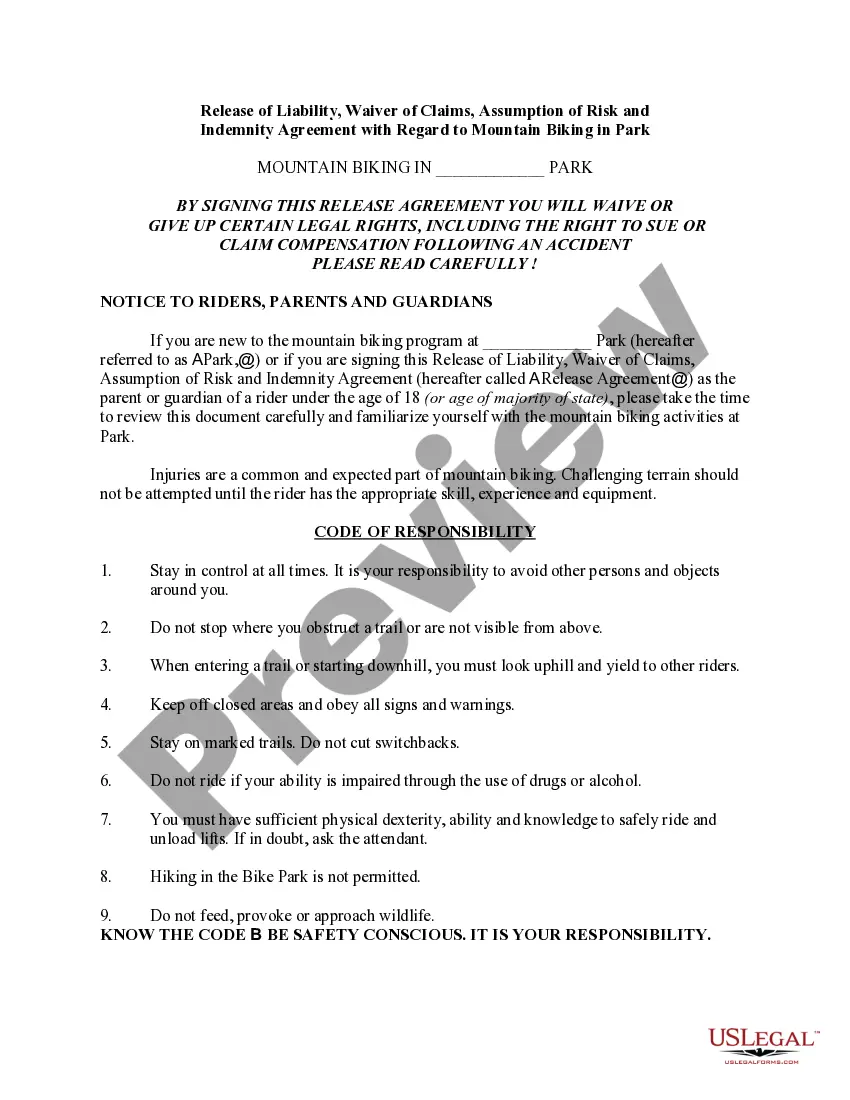
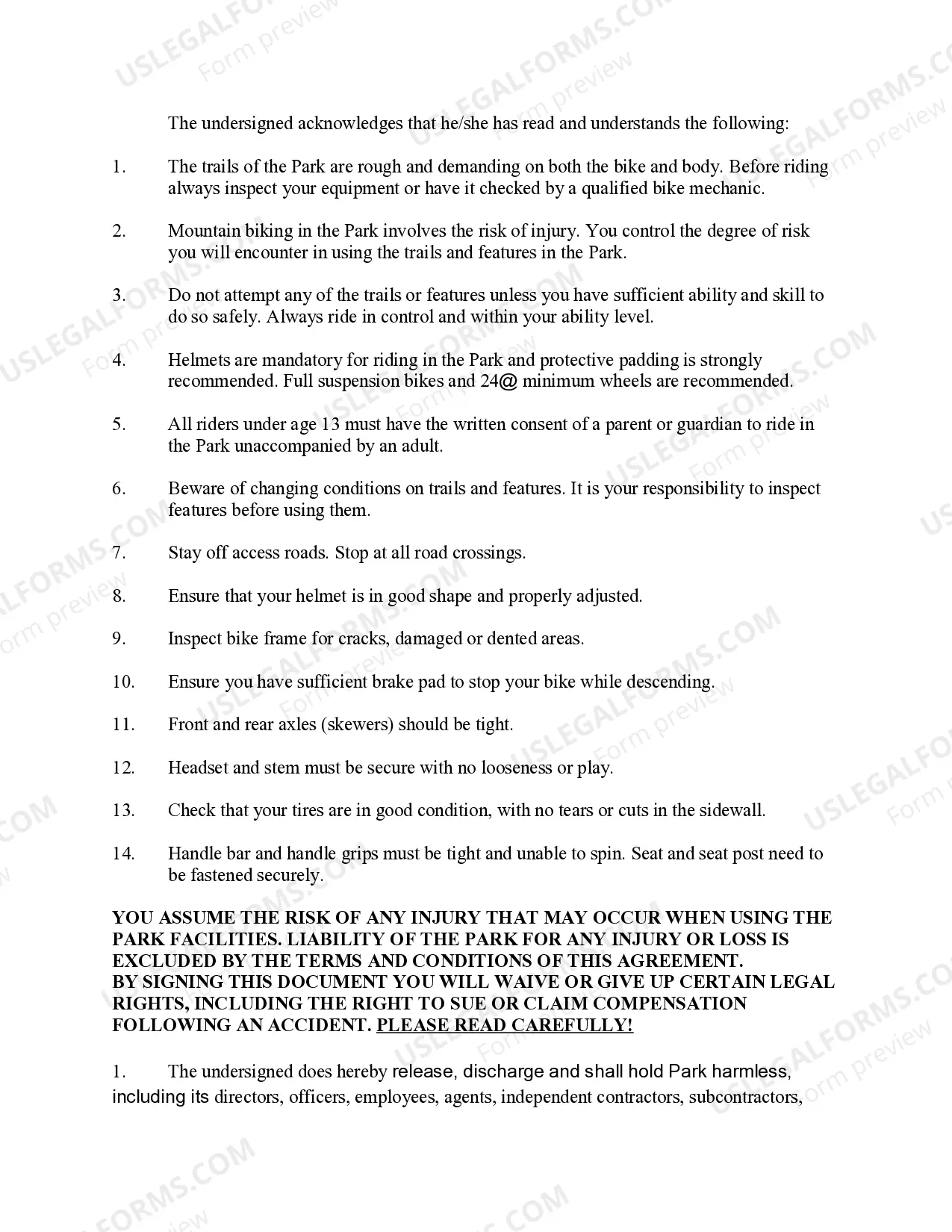
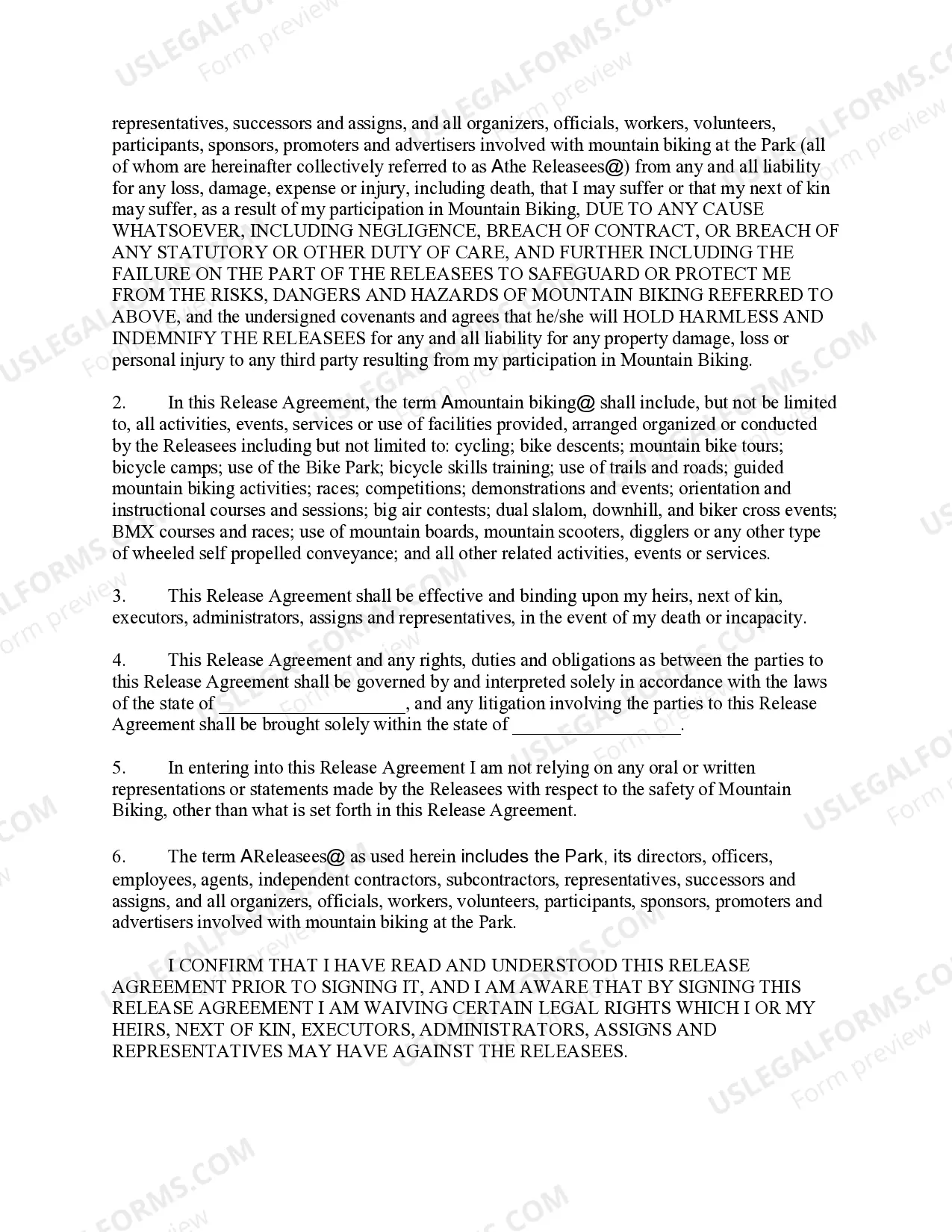
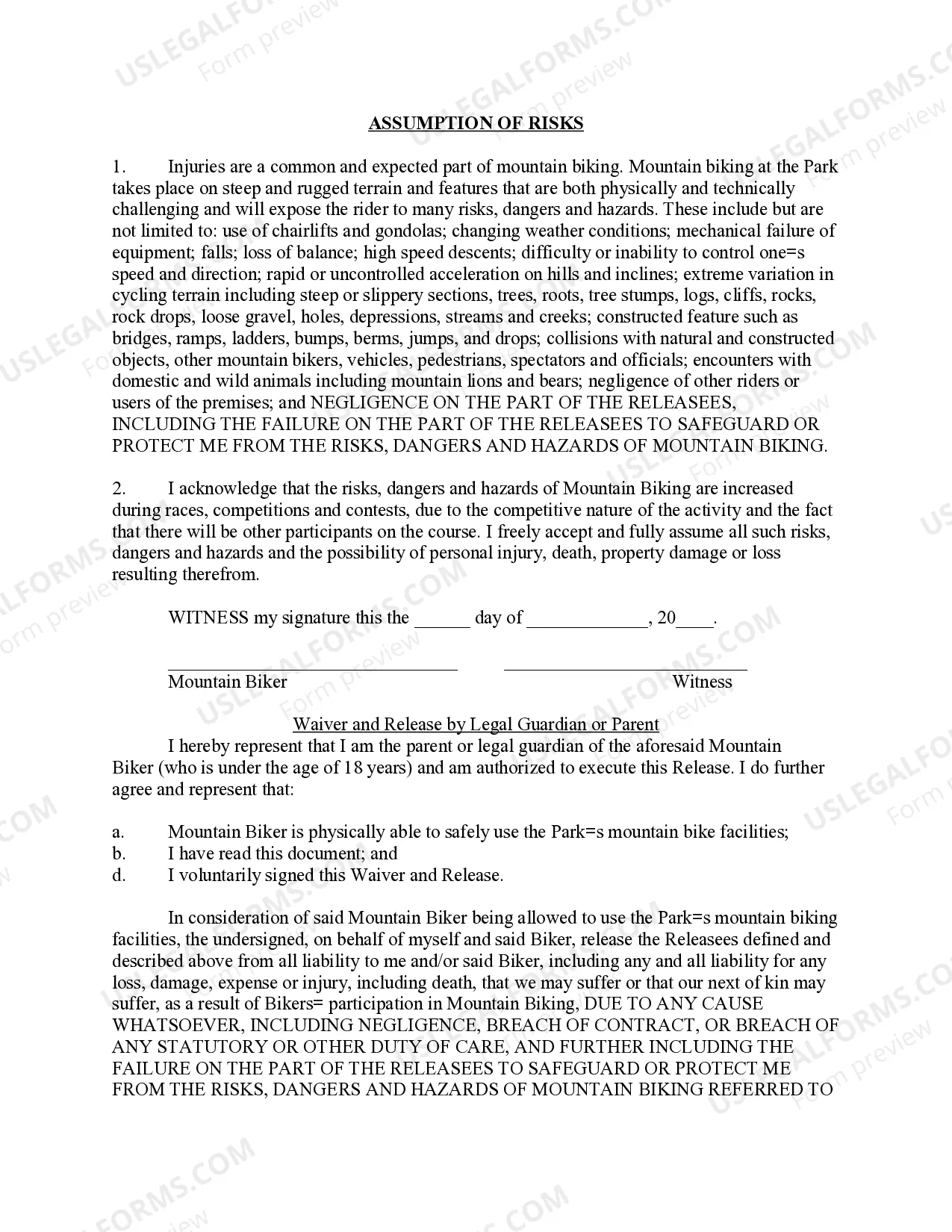
Get your form ready online
Our built-in tools help you complete, sign, share, and store your documents in one place.
Make edits, fill in missing information, and update formatting in US Legal Forms—just like you would in MS Word.
Download a copy, print it, send it by email, or mail it via USPS—whatever works best for your next step.
Sign and collect signatures with our SignNow integration. Send to multiple recipients, set reminders, and more. Go Premium to unlock E-Sign.
If this form requires notarization, complete it online through a secure video call—no need to meet a notary in person or wait for an appointment.
We protect your documents and personal data by following strict security and privacy standards.

Make edits, fill in missing information, and update formatting in US Legal Forms—just like you would in MS Word.

Download a copy, print it, send it by email, or mail it via USPS—whatever works best for your next step.

Sign and collect signatures with our SignNow integration. Send to multiple recipients, set reminders, and more. Go Premium to unlock E-Sign.

If this form requires notarization, complete it online through a secure video call—no need to meet a notary in person or wait for an appointment.

We protect your documents and personal data by following strict security and privacy standards.
Looking for another form?



Form popularity
FAQ
The claim submission timeframe for Contra Costa Health Plan is 180 days from the date of service, or primary explanation of benefits (EOB), for both contracted and non-contracted providers. Claims received after 180 days will be denied for untimely filing.
Submitting Claims The claim submission timeframe for Contra Costa Health Plan is 180 days from the date of service, or primary explanation of benefits (EOB), for both contracted and non-contracted providers. Claims received after 180 days will be denied for untimely filing.
Timely filing is when an insurance company put a time limit on claim submission. For example, if a insurance company has a 90-day timely filing limit that means you need to submit a claim within 90 days of the date of service.
The statute of limitations for an equitable indemnity cause of action is two years from the date the claimant “pays more than one's proper share of a settlement to a plaintiff.” (California Code of Civil Procedure section 335.1; Preferred Mut.
CCHP is the primary managed-care provider for Medi-Cal beneficiaries in Contra Costa and we also manage smaller plans for county employees and IHSS homecare workers. Our members have access to hundreds of family medicine doctors and specialists in our provider networks.
Typical examples of indemnity insurance include professional insurance policies like malpractice insurance and errors and omissions insurance (E&O). These special insurance policies indemnify or reimburse professionals against claims made as they conduct their business.
Example: Indemnify and Hold Harmless Clause The supplier agrees to indemnify and hold harmless the customer against all claims arising in respect of any injury, death, sickness or ill-health caused to or suffered by the customer and its personnel as a result of performance or non-performance of this Agreement.
How to Write an Indemnity Agreement Consider the Indemnity Laws in Your Area. Draft the Indemnification Clause. Outline the Indemnification Period and Scope of Coverage. State the Indemnification Exceptions. Specify How the Indemnitee Notifies the Indemnitor About Claims. Write the Settlement and Consent Clause.
How to Write an Indemnity Agreement Consider the Indemnity Laws in Your Area. Draft the Indemnification Clause. Outline the Indemnification Period and Scope of Coverage. State the Indemnification Exceptions. Specify How the Indemnitee Notifies the Indemnitor About Claims. Write the Settlement and Consent Clause.
Although the three forms of indemnity were once regarded as distinct, California courts have held that there are only two basic types of indemnity: express indemnity and equitable indemnity. Though not extinguished, implied contractual indemnity is now viewed simply as “a form of equitable indemnity.” Prince v.
