Unlawful Arrest In Tort
Description
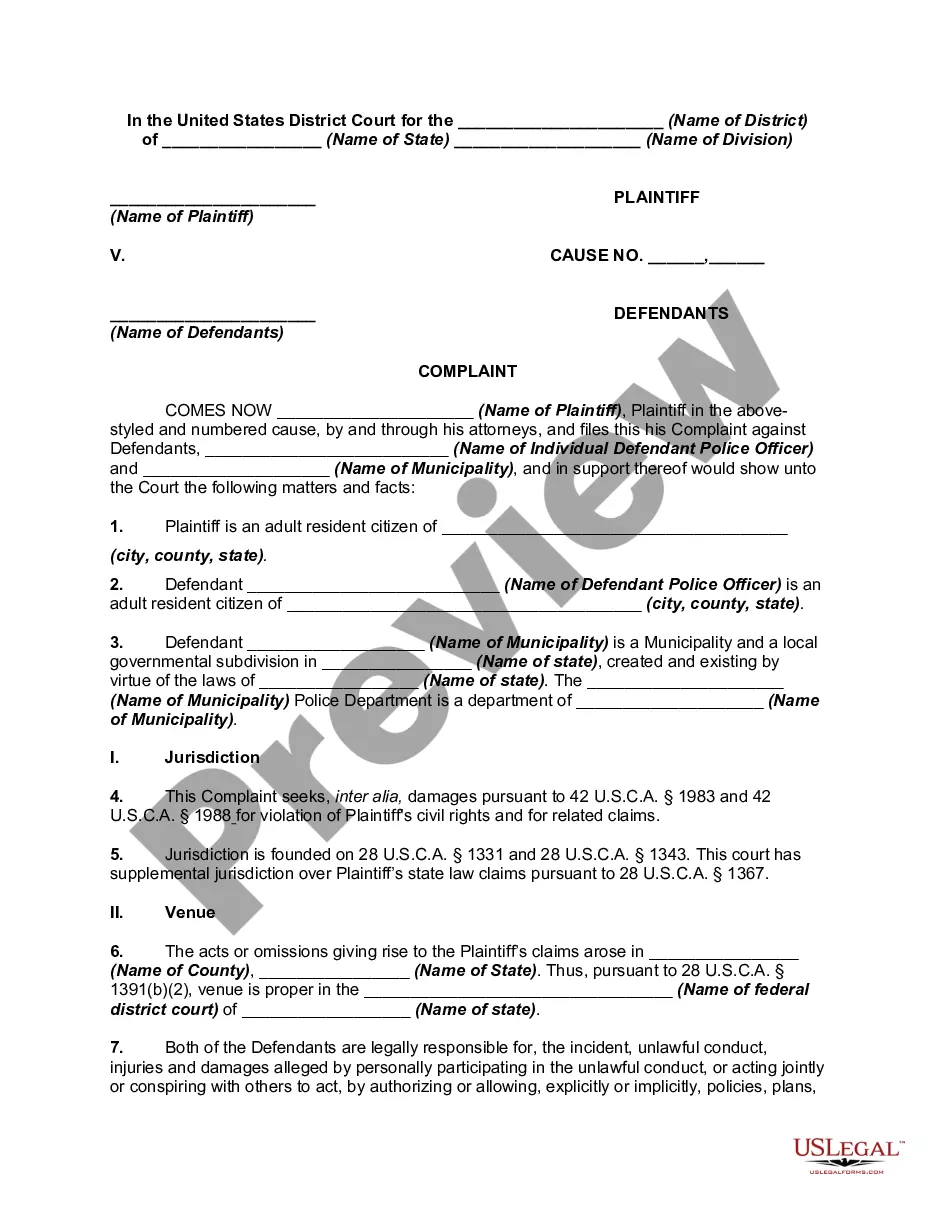
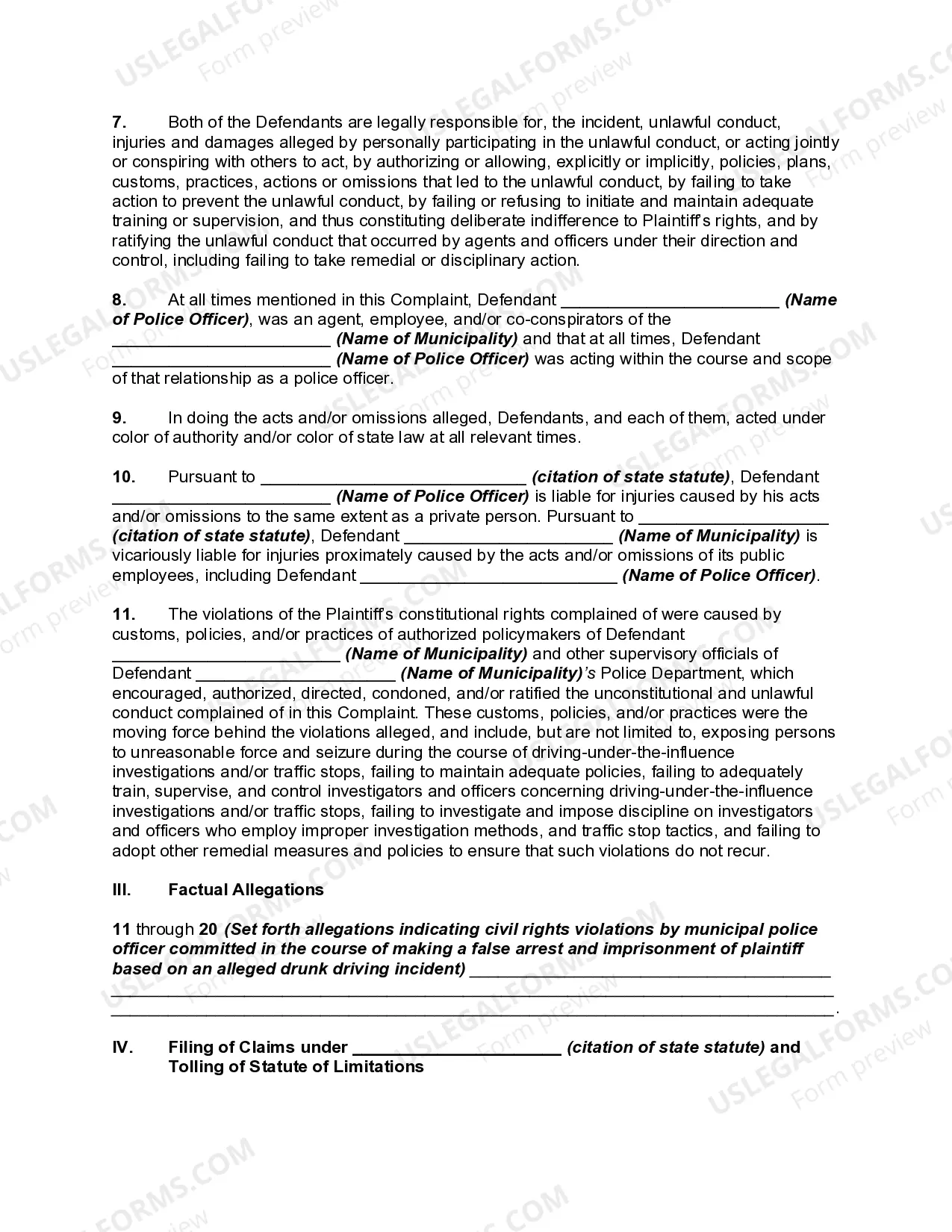
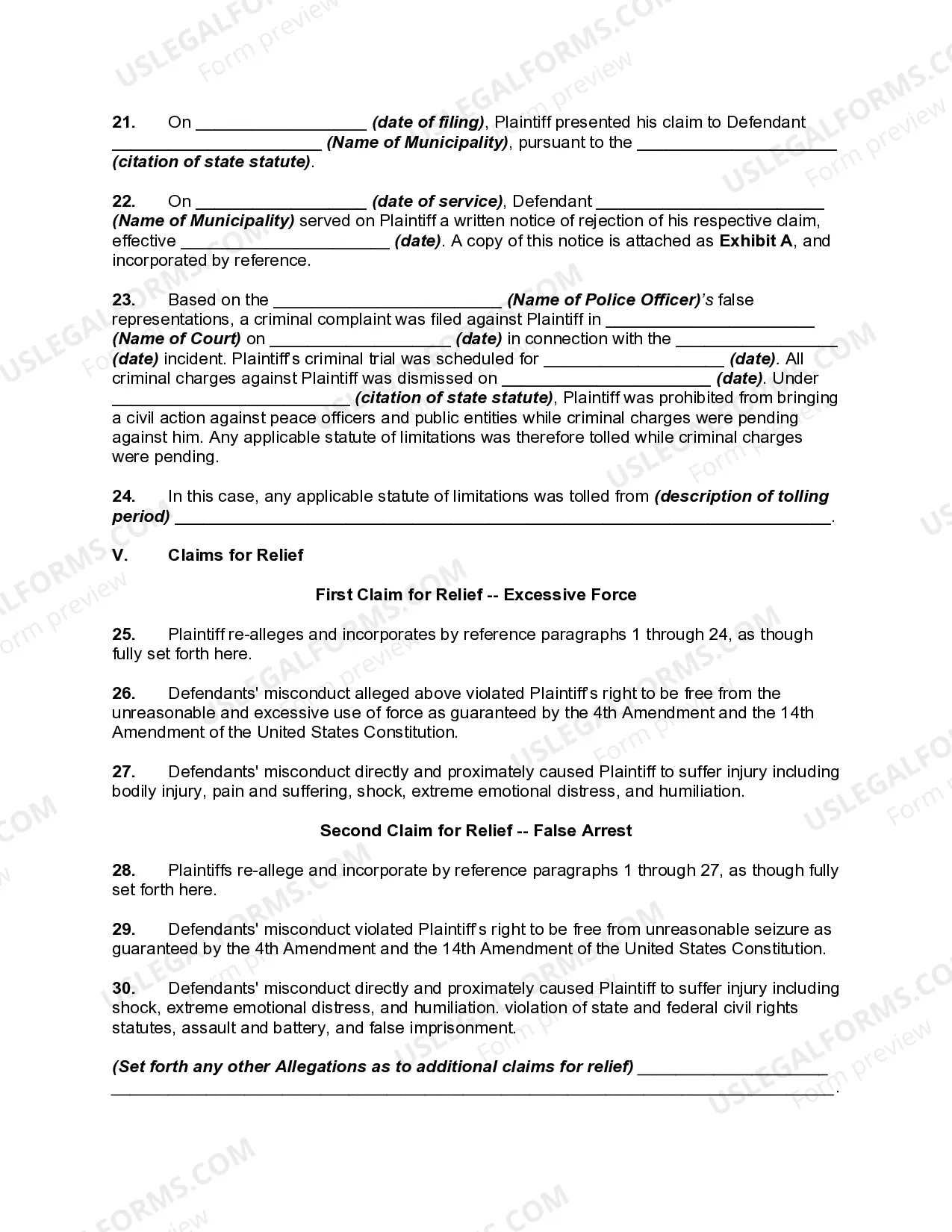
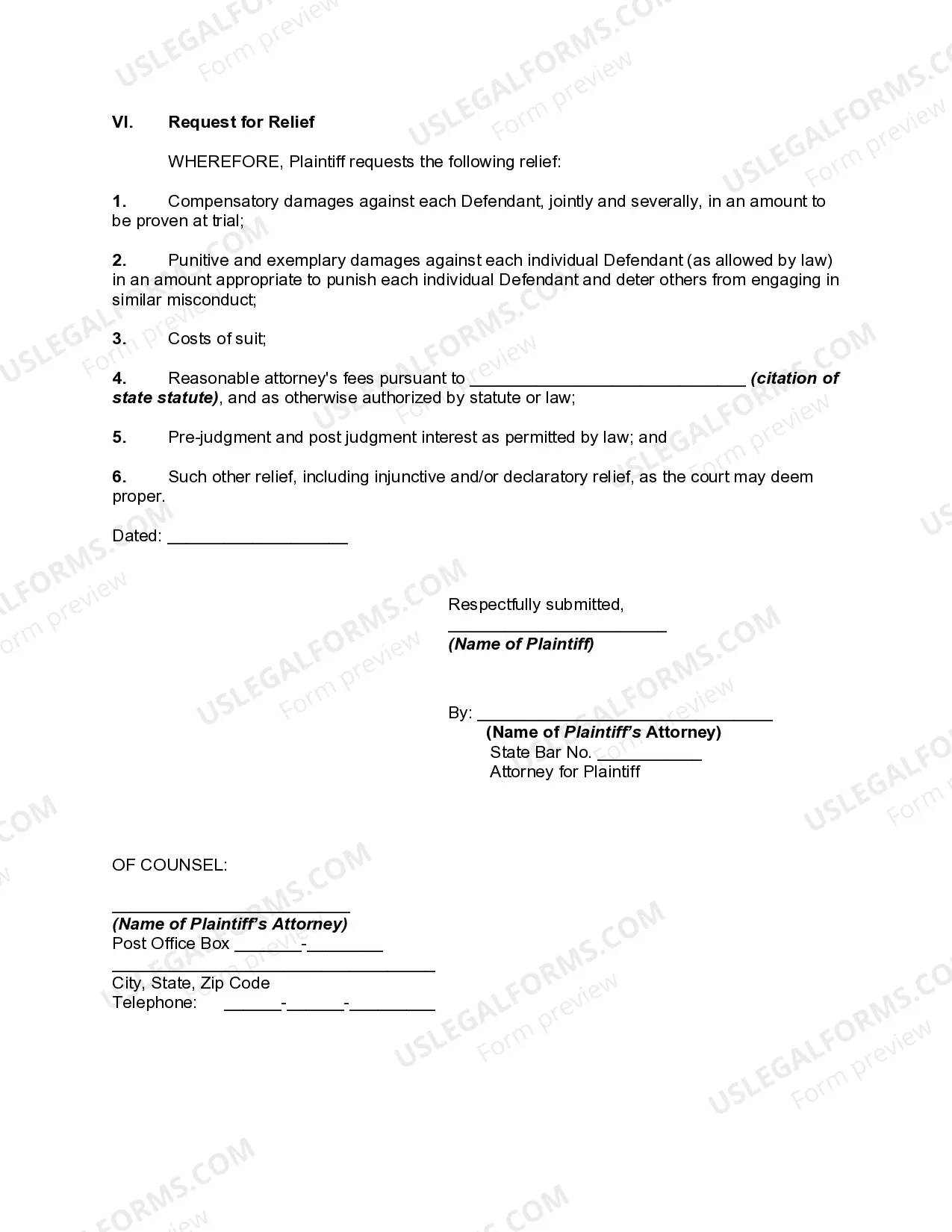


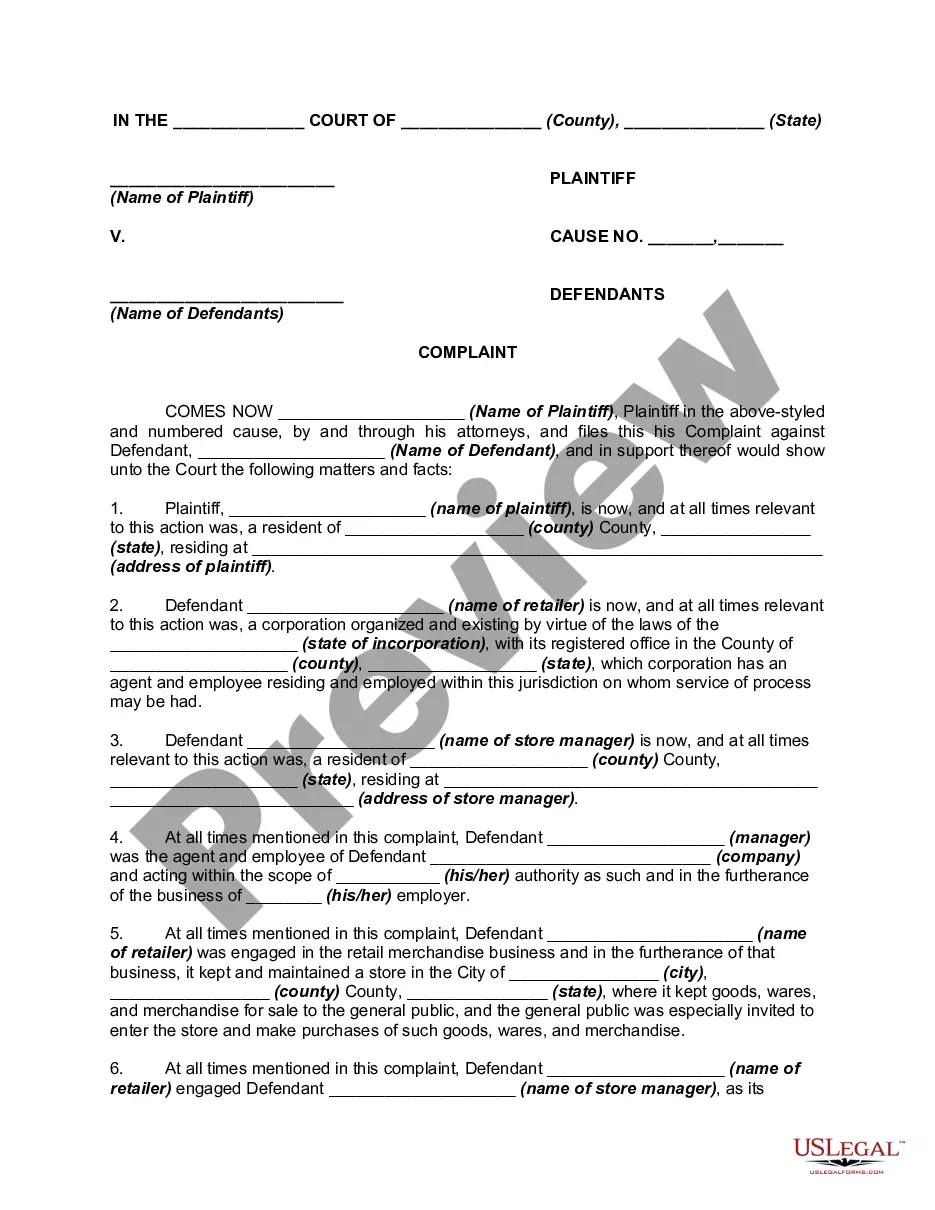
Get your form ready online
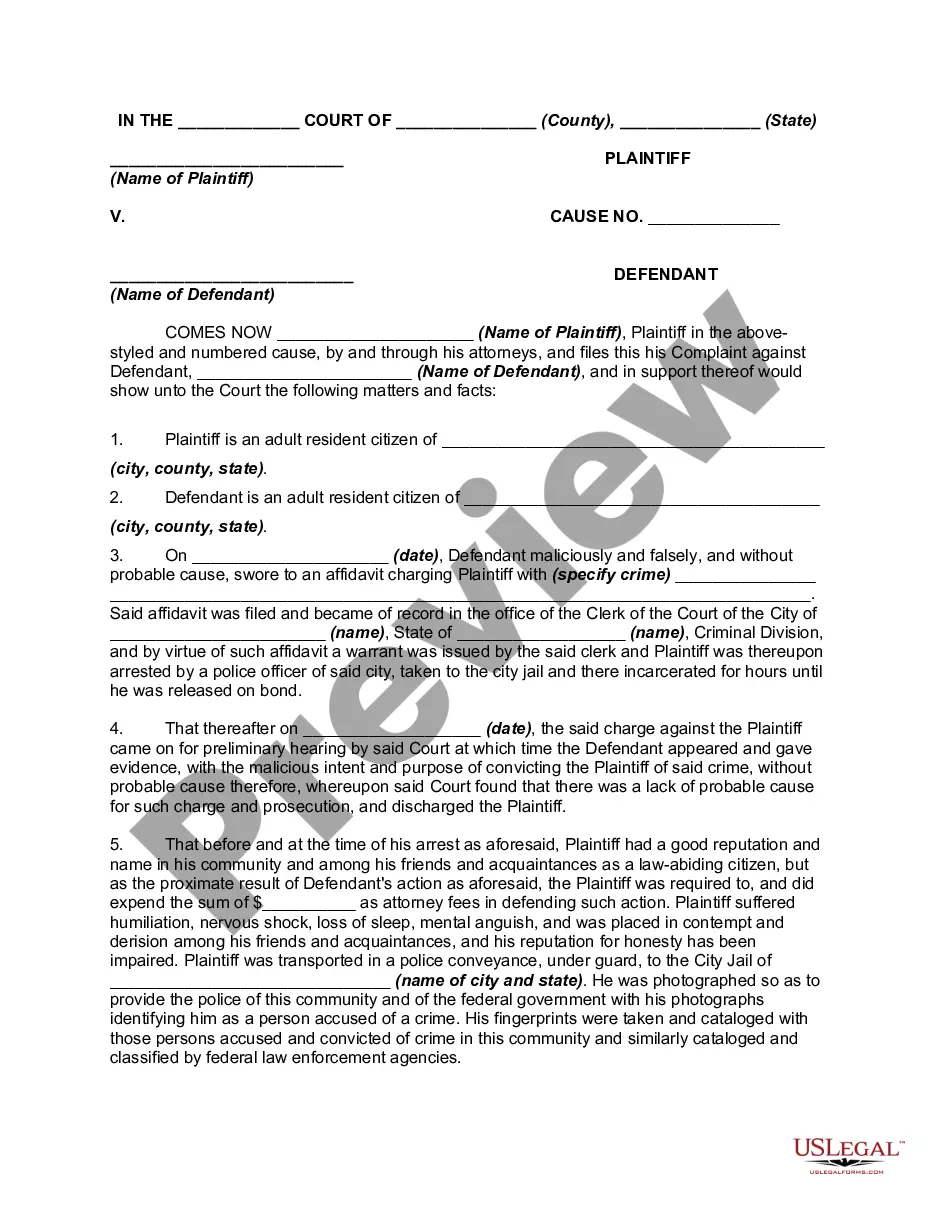
Our built-in tools help you complete, sign, share, and store your documents in one place.
Make edits, fill in missing information, and update formatting in US Legal Forms—just like you would in MS Word.
Download a copy, print it, send it by email, or mail it via USPS—whatever works best for your next step.
Sign and collect signatures with our SignNow integration. Send to multiple recipients, set reminders, and more. Go Premium to unlock E-Sign.
If this form requires notarization, complete it online through a secure video call—no need to meet a notary in person or wait for an appointment.
We protect your documents and personal data by following strict security and privacy standards.

Make edits, fill in missing information, and update formatting in US Legal Forms—just like you would in MS Word.

Download a copy, print it, send it by email, or mail it via USPS—whatever works best for your next step.

Sign and collect signatures with our SignNow integration. Send to multiple recipients, set reminders, and more. Go Premium to unlock E-Sign.

If this form requires notarization, complete it online through a secure video call—no need to meet a notary in person or wait for an appointment.

We protect your documents and personal data by following strict security and privacy standards.
Looking for another form?
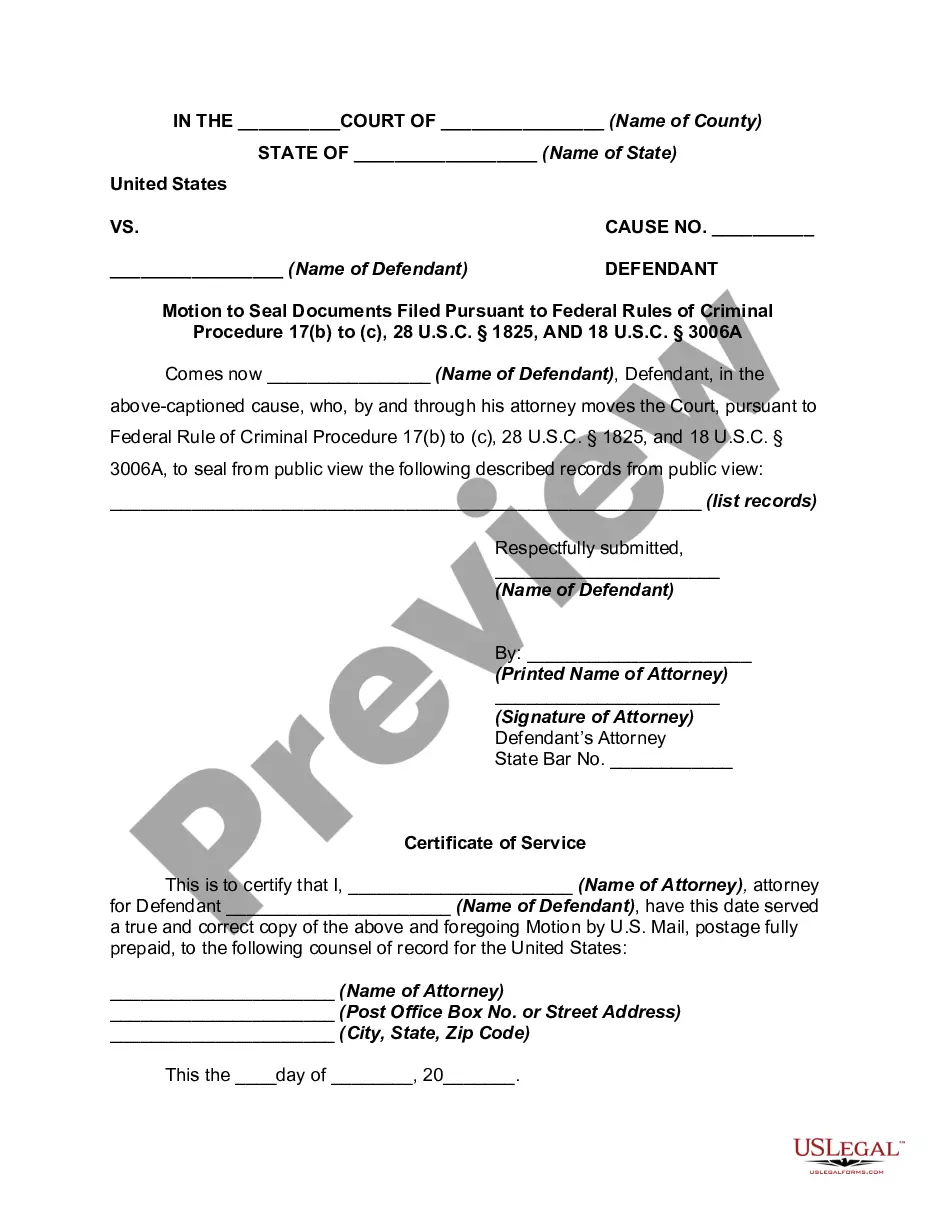
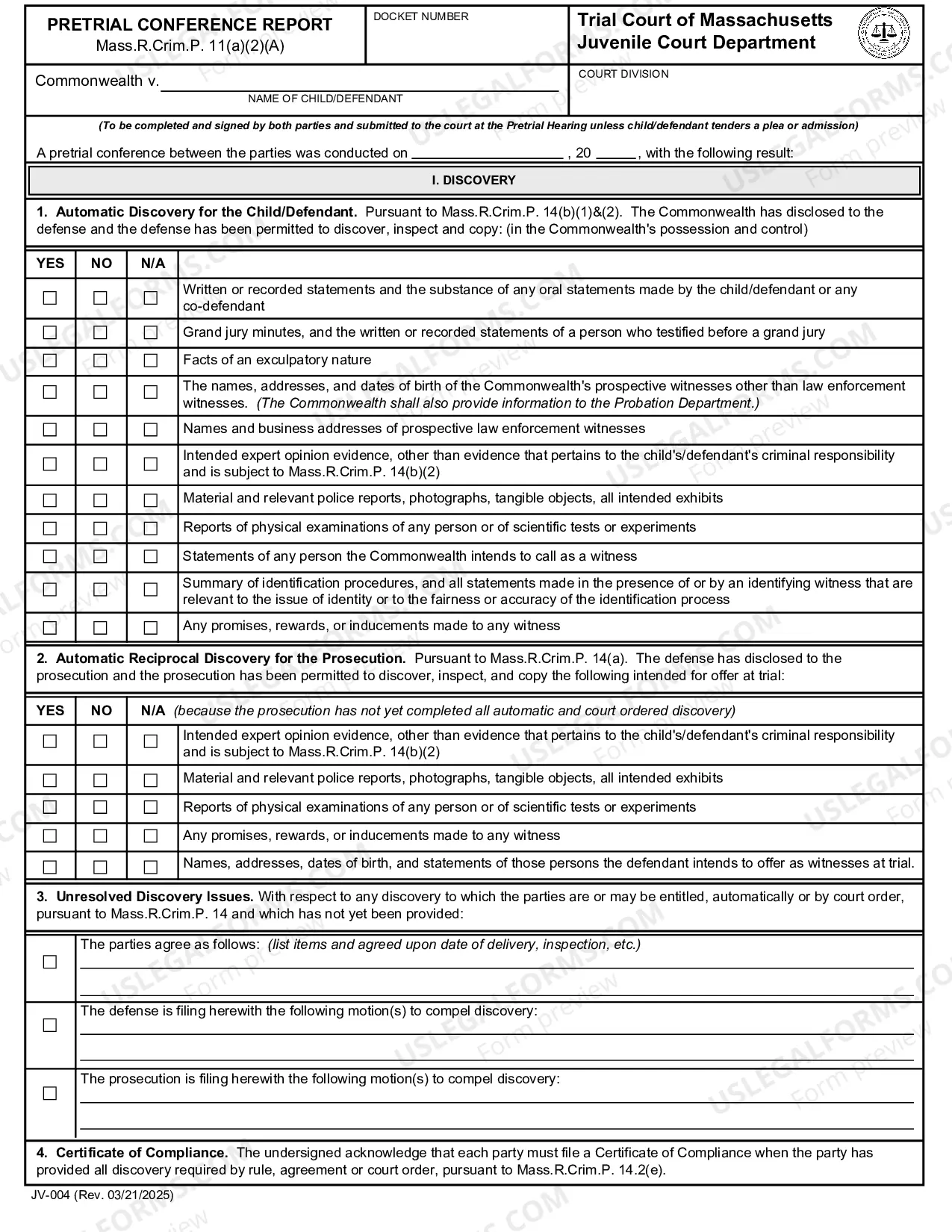
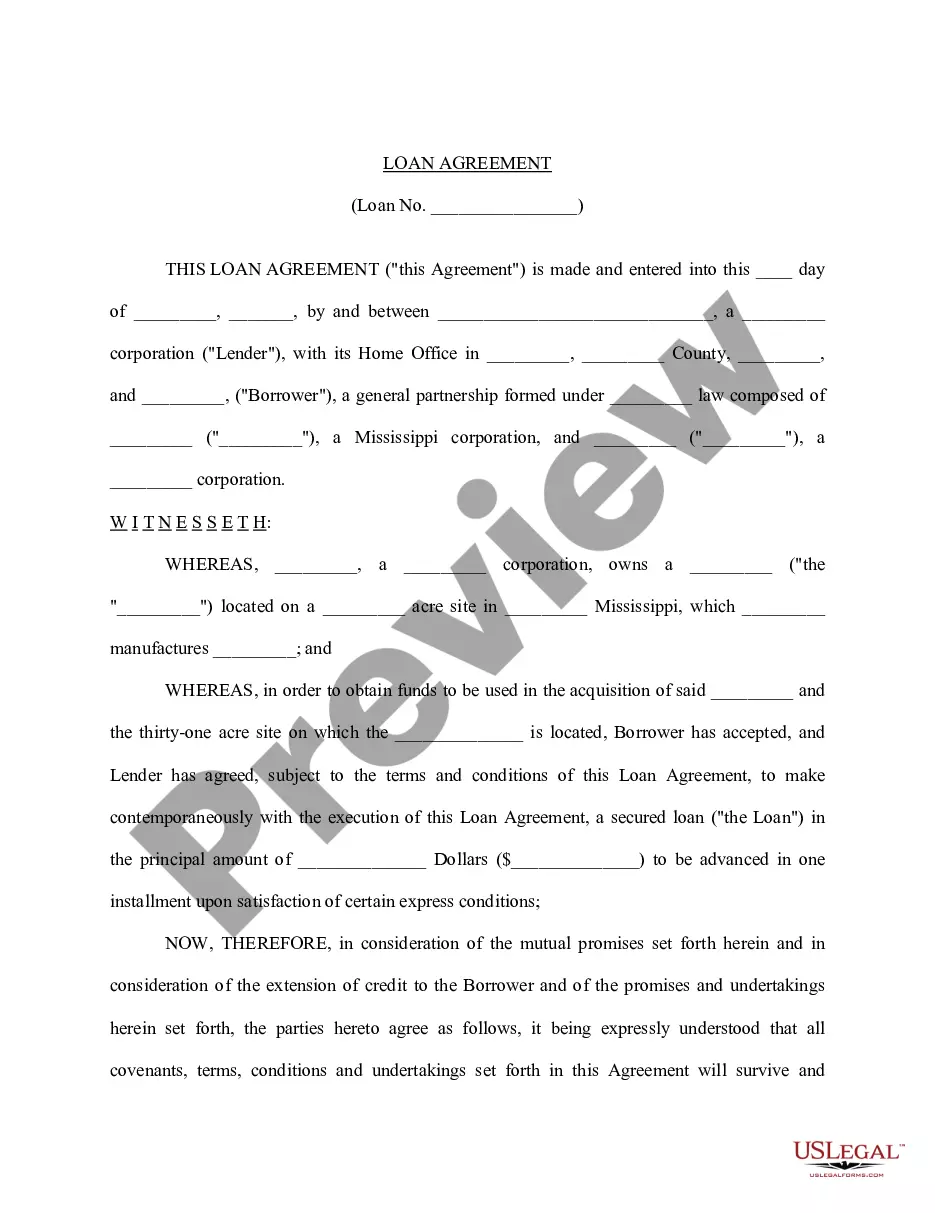
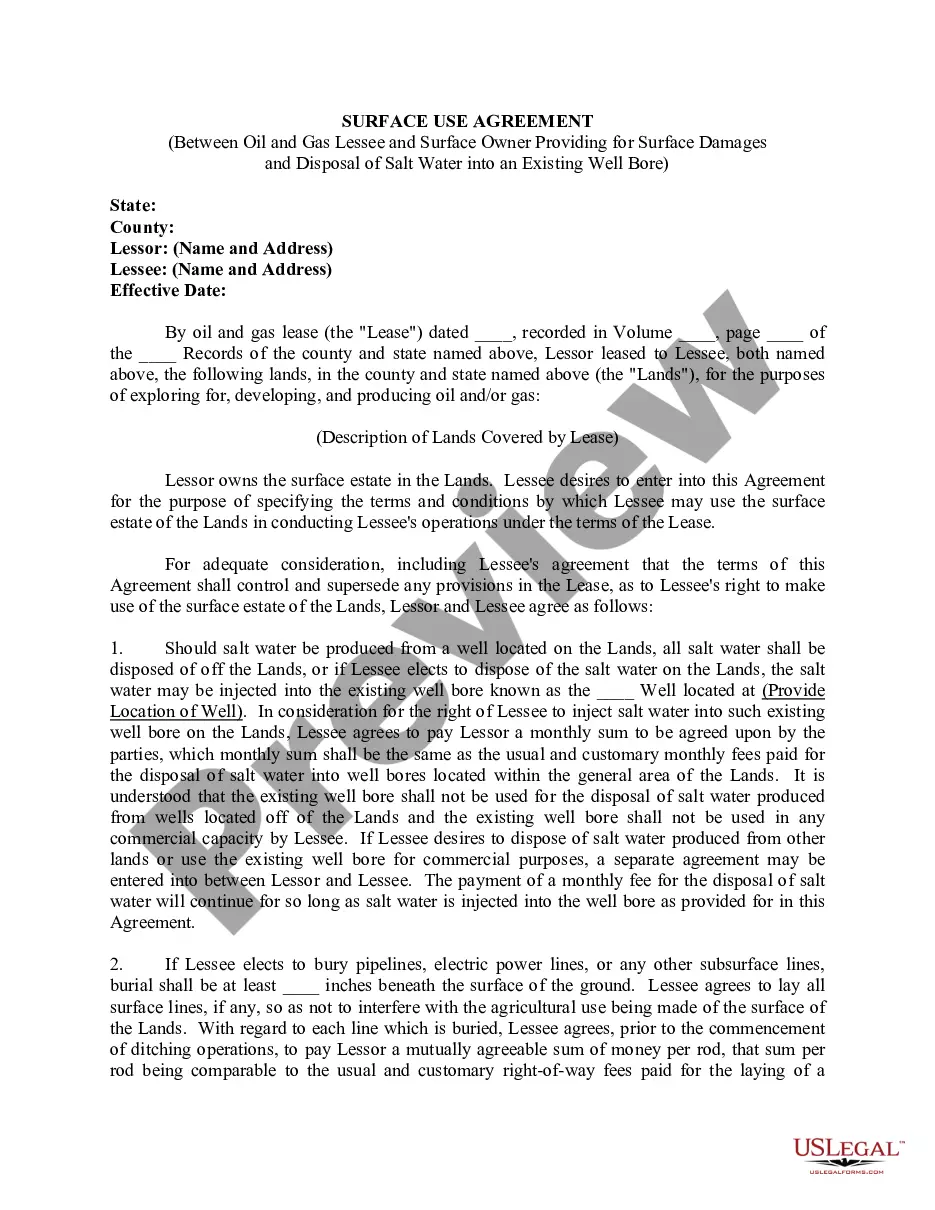


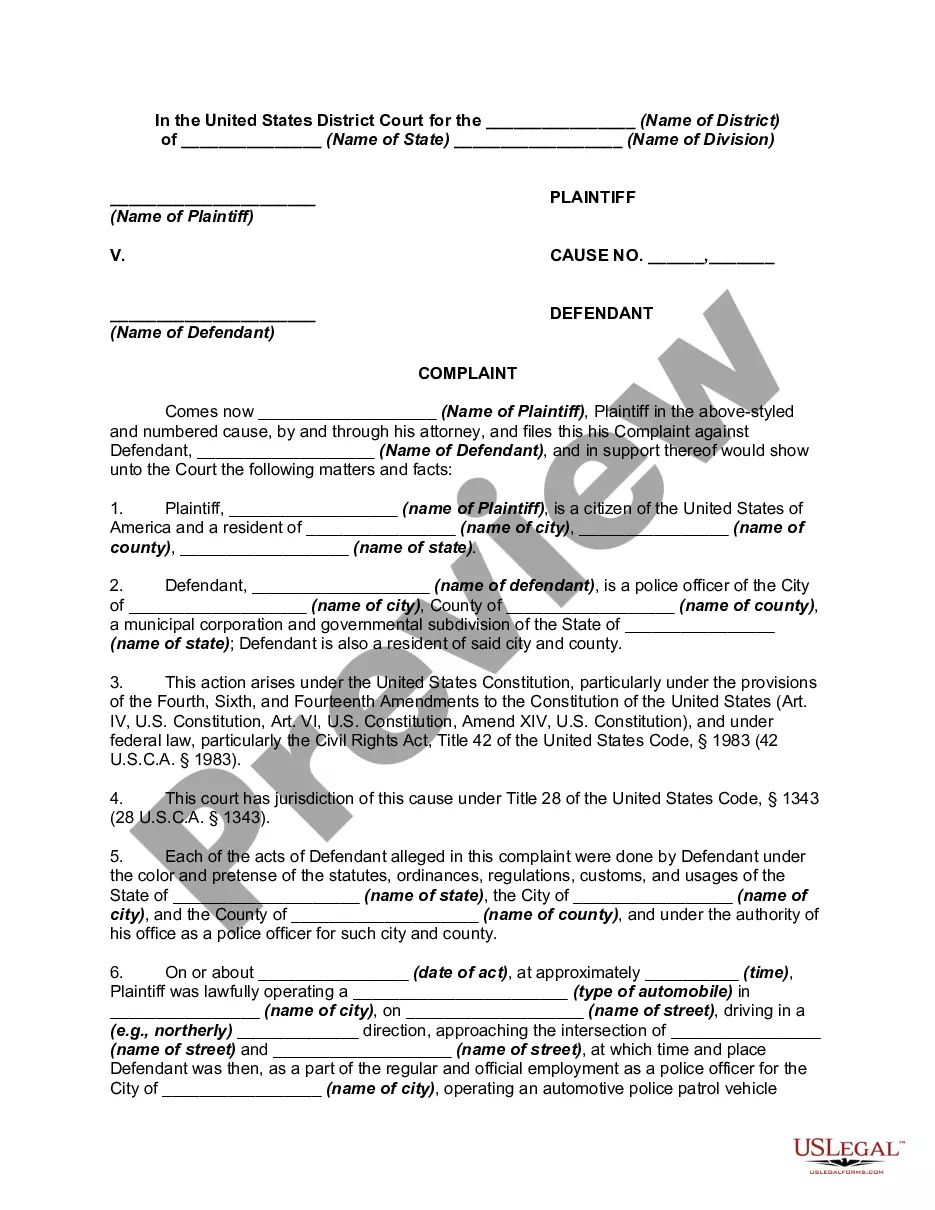
How to fill out Complaint Against Police Officers And Municipality For False Arrest - Unlawful Detention?
Handling legal documentation can be perplexing, even for seasoned experts.
When you are looking for a Wrongful Arrest In Tort and cannot afford the time to search for the correct and current version, the process can be overwhelming.
US Legal Forms accommodates any requirements you may have, from personal to business documents, all in one location.
Leverage advanced tools to fill out and organize your Wrongful Arrest In Tort.
Below are the steps to follow after accessing the needed form: Confirm it is the correct document by previewing it and reviewing its details.
- Access a valuable database of articles, guides, and materials relevant to your case and requirements.
- Save time and energy searching for the documents you require, and take advantage of US Legal Forms’ sophisticated search and Preview tool to locate Wrongful Arrest In Tort.
- If you hold a monthly membership, Log In to your US Legal Forms account, search for the required form, and obtain it.
- Visit the My documents tab to view previously saved documents and manage your folders as needed.
- If you are new to US Legal Forms, establish an account to gain unlimited access to all the platform's benefits.
- A comprehensive online form library could be transformative for anyone aiming to effectively manage these matters.
- US Legal Forms is a leader in online legal forms, providing over 85,000 state-specific legal documents available to you at any time.
- With US Legal Forms, you can access tailored state or county-specific legal and business paperwork.
Form popularity
FAQ
To establish a case of unlawful arrest in tort, you need to gather specific evidence that confirms the incident occurred without legal justification. This includes any documentation proving that law enforcement or another party restricted your freedom of movement without consent. Witness statements can also support your claim by providing firsthand accounts of the circumstances surrounding your detention. Additionally, any records of communication or interactions with the authorities may help strengthen your case.
Yes, unlawful imprisonment is a recognized tort. It occurs when an individual is confined without legal authority or consent, similar to unlawful arrest. Victims of unlawful imprisonment can pursue legal action to seek justice for their confinement. If you find yourself needing assistance with an unlawful imprisonment claim, US Legal Forms can guide you through the necessary steps to protect your rights.
The term often used for unlawful arrest is 'false arrest.' This refers to the wrongful restraint of a person without just cause. Recognizing this term can be crucial if you believe you have been a victim of this action. Exploring the resources available on platforms like US Legal Forms can provide additional clarity on your legal standing regarding false arrest.
Yes, false arrest is indeed classified as a tort. It occurs when someone is held against their will without legal authority. This can lead to legal action, where victims may claim damages for emotional and financial suffering caused by the wrongful arrest. By understanding how false arrest and unlawful arrest in tort connect, you can better assess your options.
Yes, you can sue for an unlawful arrest in tort. If law enforcement detains you without reasonable grounds, you may seek compensation for damages. This typically involves proving that the arrest was made without legal justification and that it resulted in harm. Using resources from platforms like US Legal Forms can help you navigate this process and understand your rights.
To sue for unlawful arrest, start by documenting all details related to the incident, including dates, times, and circumstances. Consult with a legal professional who specializes in unlawful arrest in tort to help you understand the process and prepare your claim. They can guide you in filing the necessary paperwork and gathering relevant evidence. Utilizing platforms like uslegalforms can streamline this process and provide the resources you need for a successful claim.
False arrest and detention are classified as tort claims related to personal injury. These claims arise when someone is restrained against their will without legal justification, constituting an unlawful arrest in tort. Victims can seek damages for emotional distress, loss of freedom, and other related costs. Understanding this classification can help you determine if you have a viable claim.
The consequences of an unlawful arrest can be significant. Individuals may experience emotional distress, reputational harm, and even financial losses resulting from missed work or legal fees. Additionally, you may have grounds for an unlawful arrest in tort claim, potentially leading to compensation for your suffering. Being informed about your rights can empower you to take action if you feel wronged.
A lawful arrest must include four key elements: a valid warrant, probable cause, proper jurisdiction, and the adherence to legal procedures. If any of these elements are absent, the arrest may be deemed unlawful, leading to potential claims of unlawful arrest in tort. Understanding these components can help you identify if your arrest met the legal standards. Always consider seeking legal advice if you feel your arrest was not justified.
Yes, you can sue someone for wrongful arrest if you believe your rights were violated. An unlawful arrest in tort occurs when law enforcement detains you without probable cause or a warrant. It is important to gather evidence and document the details surrounding your arrest. Consulting with a legal expert can help you understand your options and navigate the process effectively.