Termination Lease Rental For Tenant
Description
Get your form ready online
Our built-in tools help you complete, sign, share, and store your documents in one place.
Make edits, fill in missing information, and update formatting in US Legal Forms—just like you would in MS Word.
Download a copy, print it, send it by email, or mail it via USPS—whatever works best for your next step.
Sign and collect signatures with our SignNow integration. Send to multiple recipients, set reminders, and more. Go Premium to unlock E-Sign.
If this form requires notarization, complete it online through a secure video call—no need to meet a notary in person or wait for an appointment.
We protect your documents and personal data by following strict security and privacy standards.

Make edits, fill in missing information, and update formatting in US Legal Forms—just like you would in MS Word.

Download a copy, print it, send it by email, or mail it via USPS—whatever works best for your next step.

Sign and collect signatures with our SignNow integration. Send to multiple recipients, set reminders, and more. Go Premium to unlock E-Sign.

If this form requires notarization, complete it online through a secure video call—no need to meet a notary in person or wait for an appointment.

We protect your documents and personal data by following strict security and privacy standards.
Looking for another form?




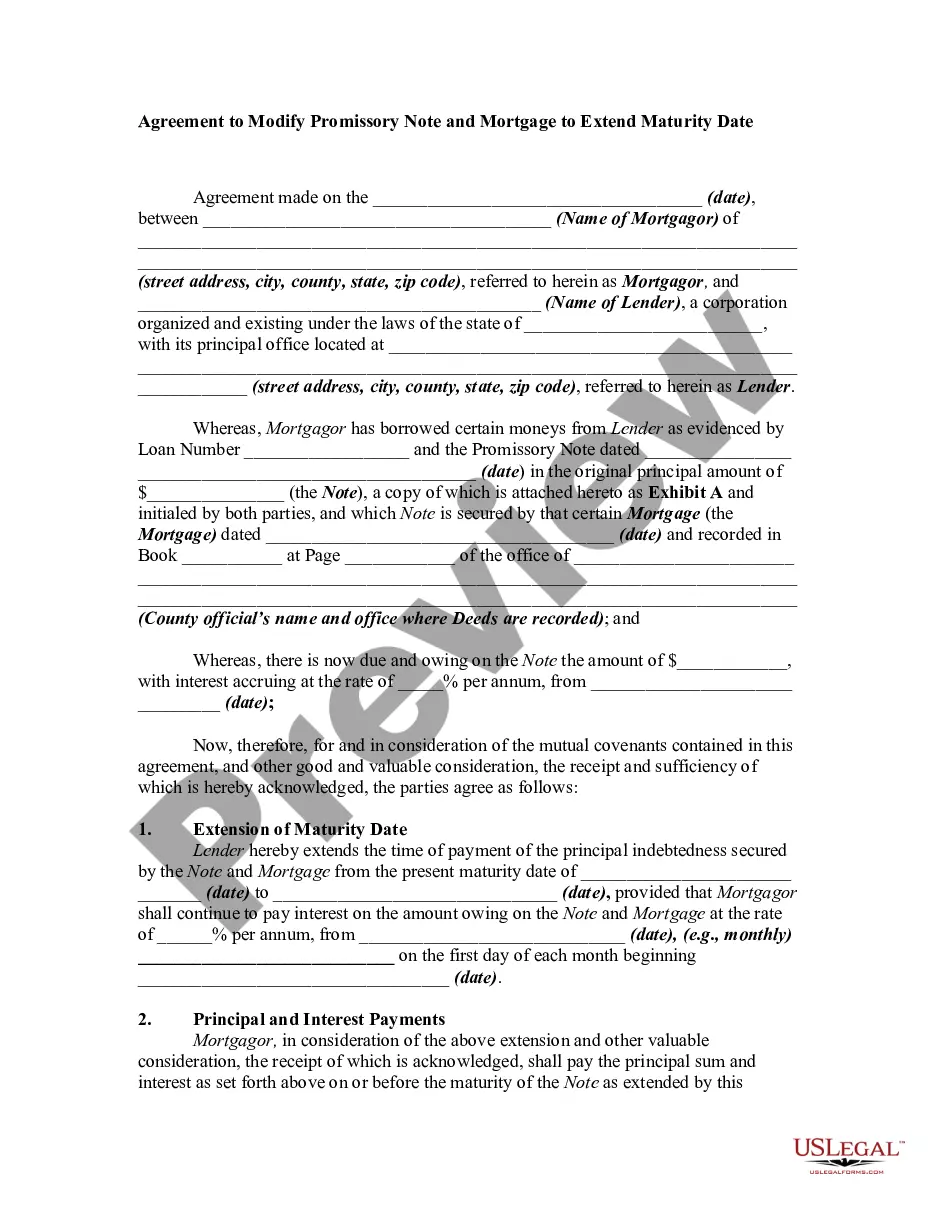
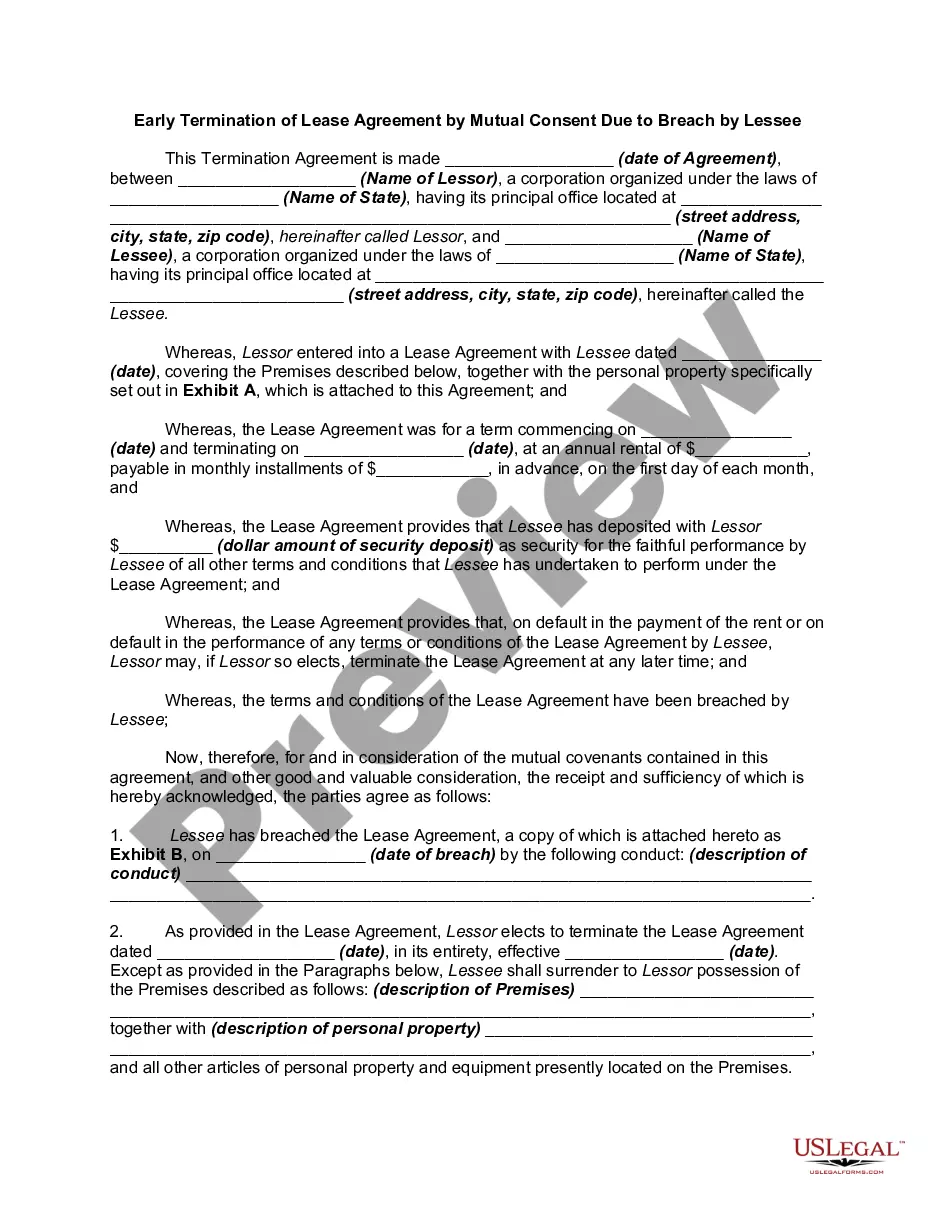
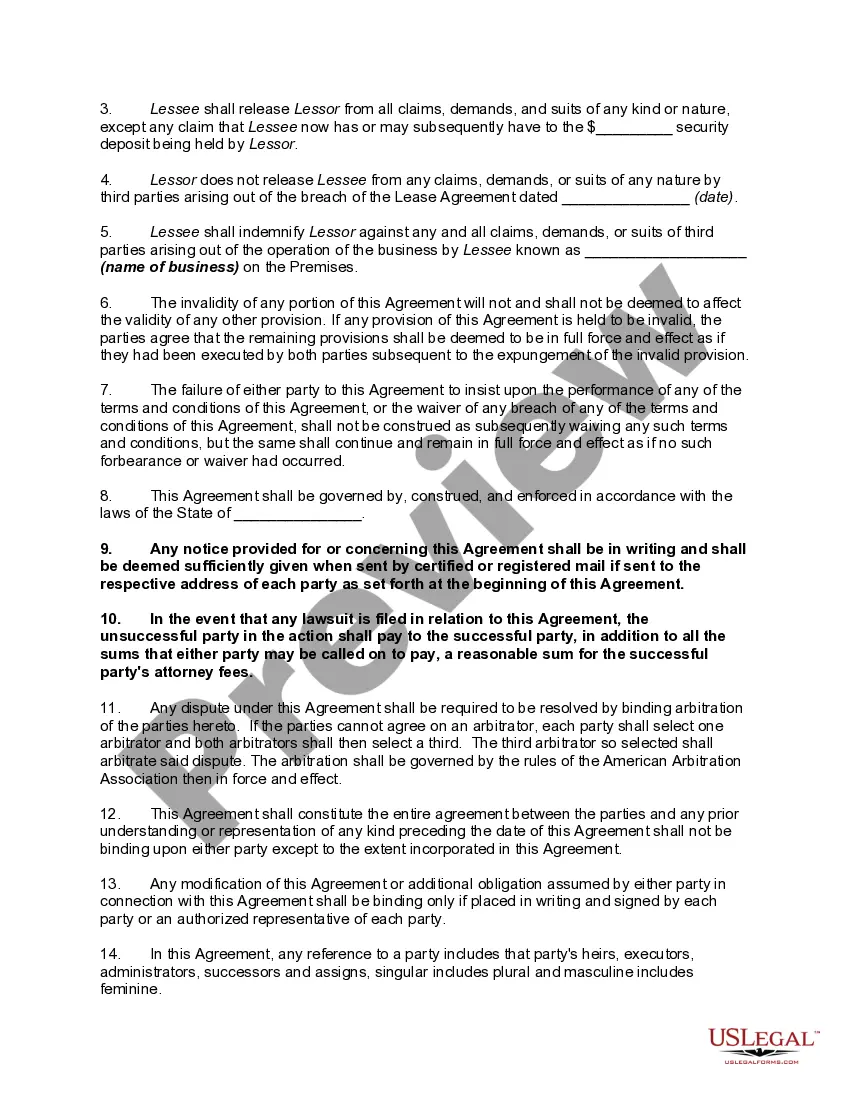
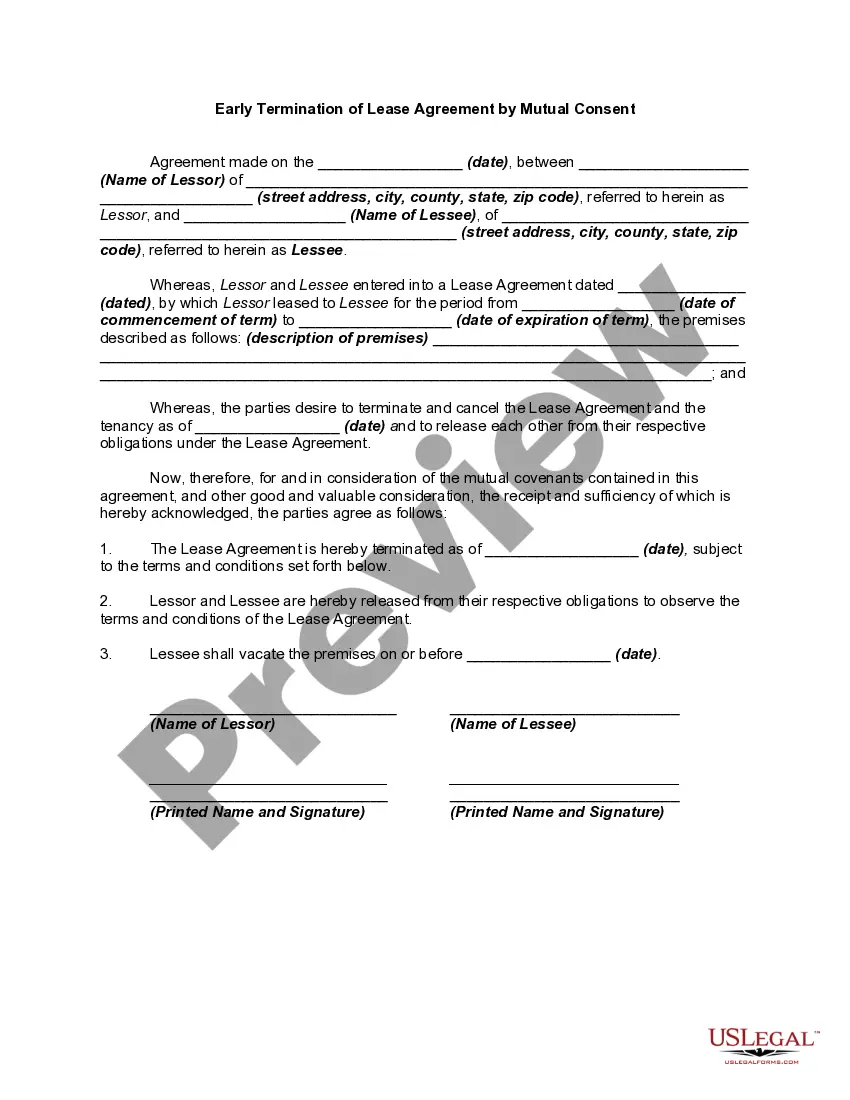
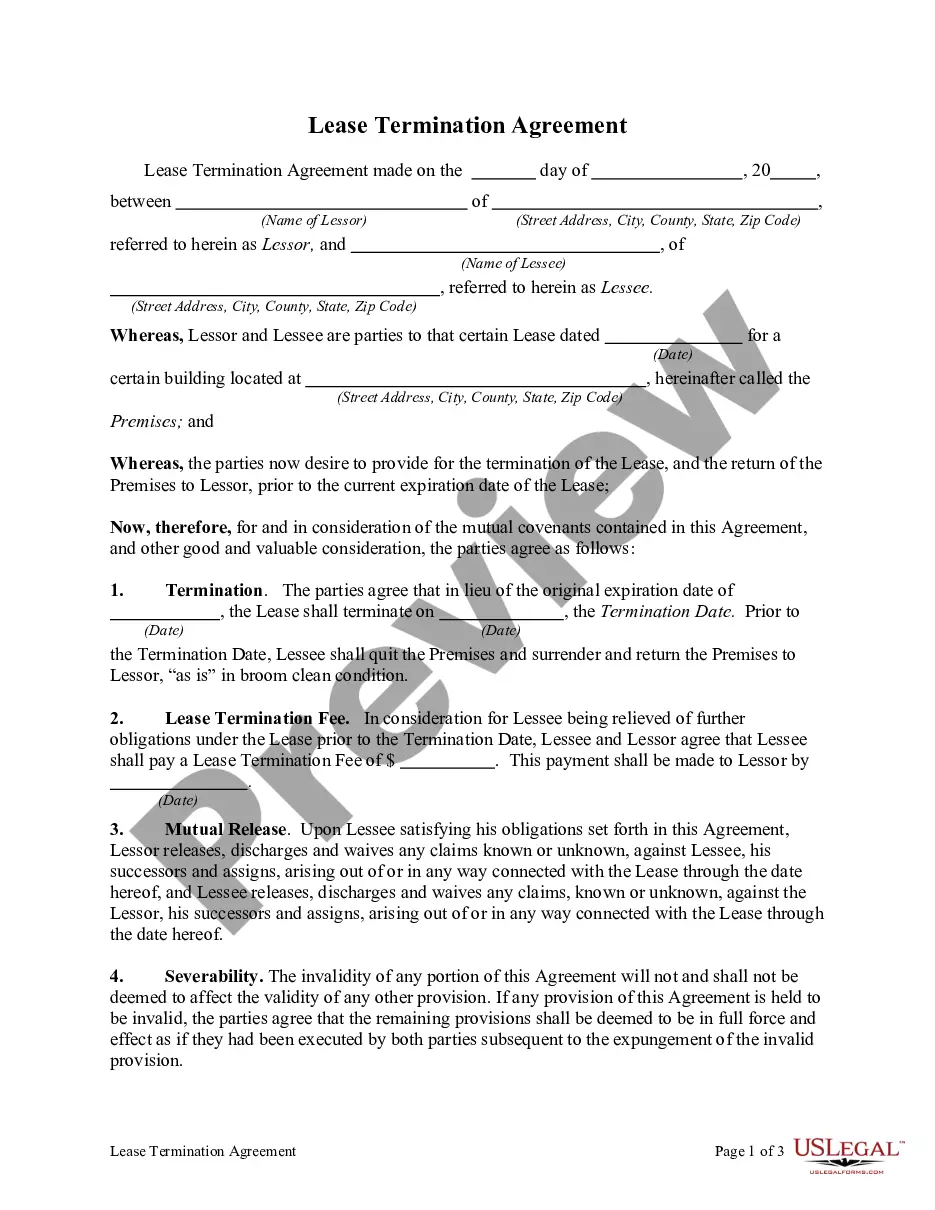
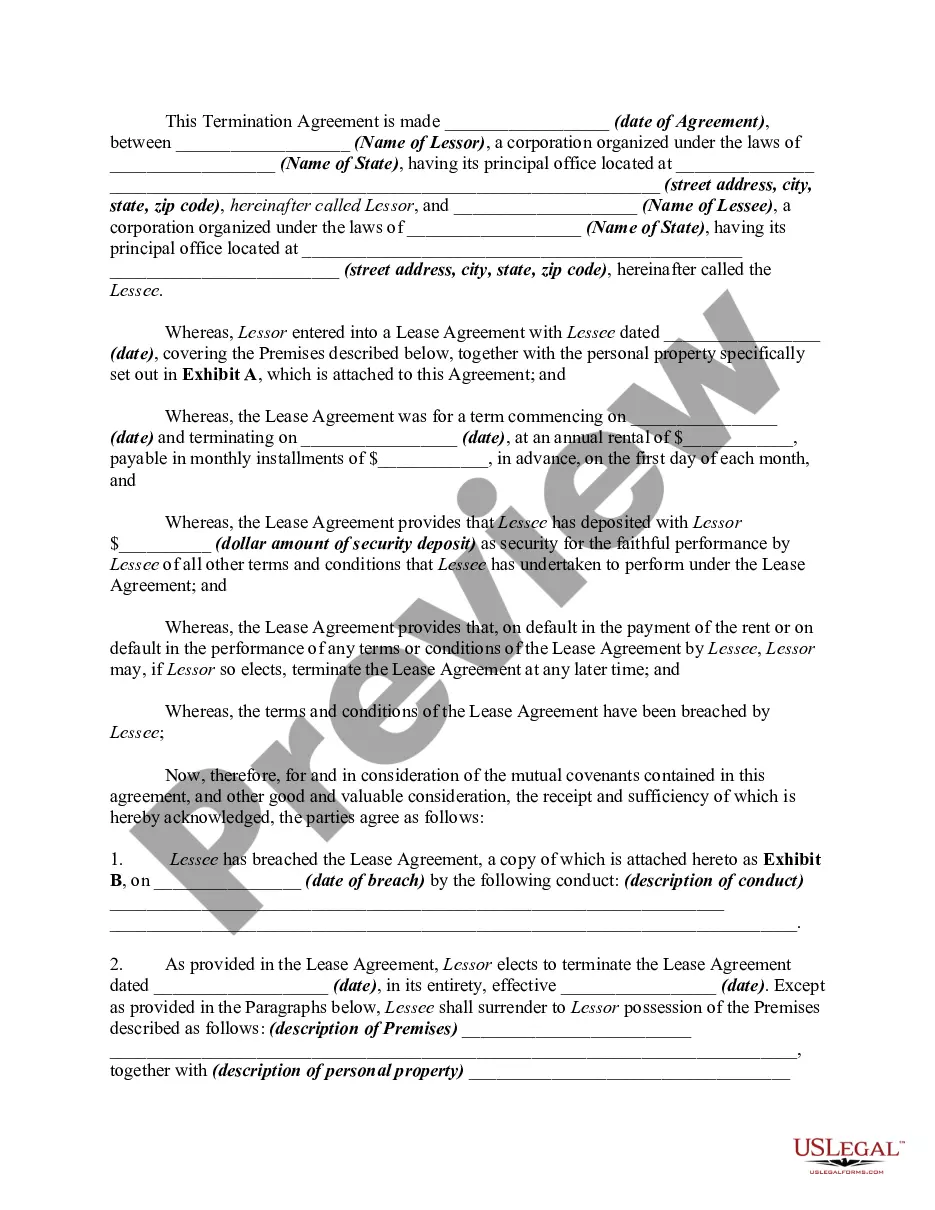
How to fill out Early Termination Of Lease Or Rental Agreement By Mutual Consent Due To Breach By Lessee?
- Log in to your US Legal Forms account. If you're a new user, start by creating an account to access the forms.
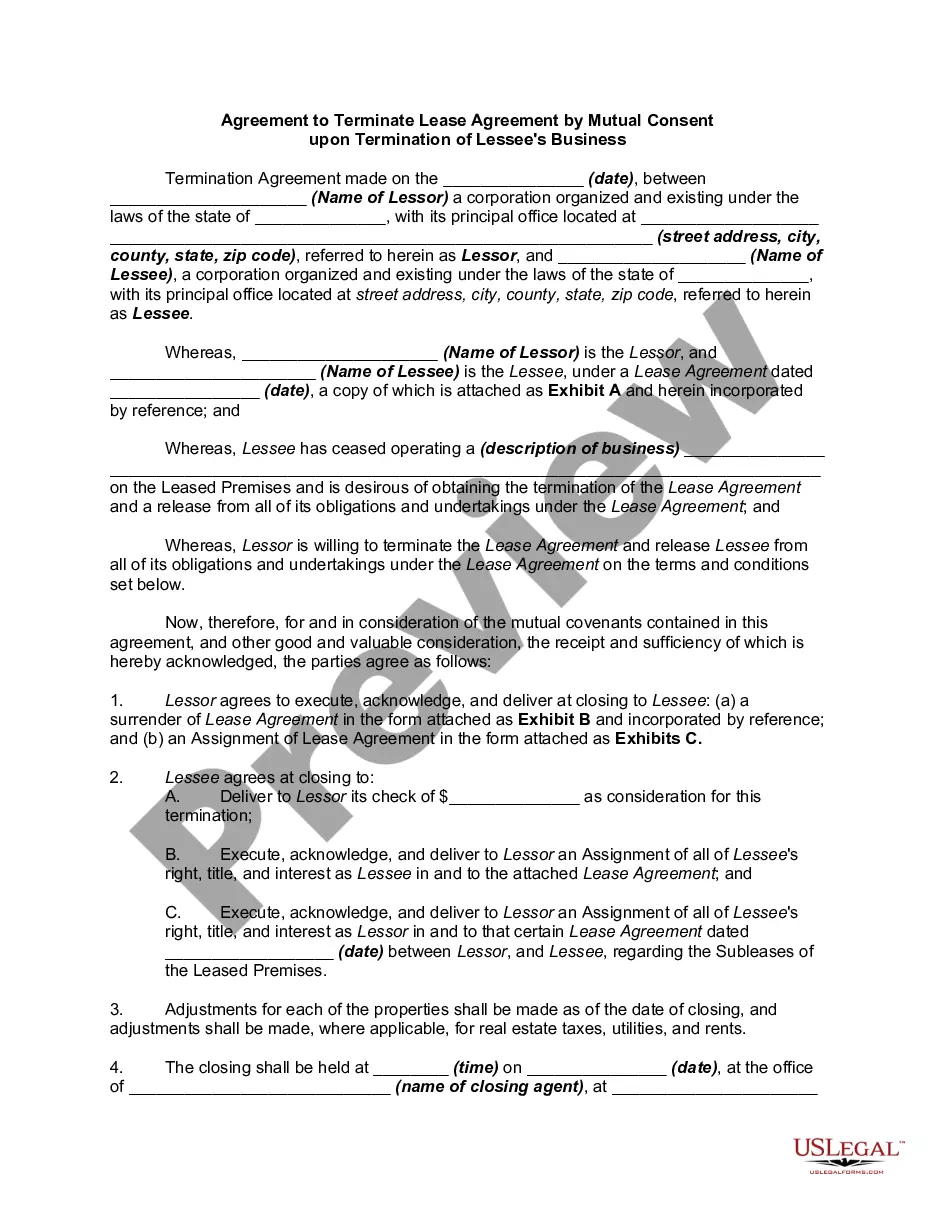
- Search for the specific termination lease rental form in the online library by using the search functionality or by browsing through the relevant categories.
- Preview the form to ensure it meets your needs and aligns with your local jurisdiction's requirements.
- Select the form version if there are multiple options, then click on the Buy Now button to choose your desired subscription plan.
- Complete your transaction by entering your payment information using your credit card or PayPal.
- Download your form immediately after purchase and save it on your device for easy access anytime in the My Forms section of your account.
Completing your termination lease rental process is streamlined with US Legal Forms, which offers a comprehensive library of over 85,000 forms. The service empowers users to create precise and legally sound documents, often with the option to consult legal experts.
Take control of your lease termination today! Visit US Legal Forms to start your journey and ensure a hassle-free experience.
Form popularity
FAQ
If a landlord terminates your lease, the termination lease rental for tenant means you need to vacate the premises as per the notice provided. The notification will typically outline the reasons and time frame for moving out. Failing to comply could lead to eviction proceedings. It’s wise to seek guidance on your legal rights and any potential remedies if you believe the termination was unjust.
When the lease period concludes, the termination lease rental for tenant allows for several outcomes. You may choose to renew the lease, sign a new agreement, or vacate the property. It is crucial to communicate your intentions to your landlord before the lease ends to make the transition smoother. If you decide to leave, ensure that you follow the proper moving out procedures to avoid potential disputes.
To effectively navigate the termination lease rental for tenant in West Virginia, you should first communicate with your landlord about your situation. You may have grounds for early termination based on specific circumstances, such as job relocation or domestic violence. Review your lease for any early termination clauses that may apply. Additionally, consulting with a legal professional can offer clarity and help facilitate the process.
When a landlord initiates the termination lease rental for tenant, they typically provide a notice detailing the reasons for ending the lease. You must vacate the property by the specified date to avoid legal issues. It's essential to review your lease agreement for specific termination clauses, as they can vary by region. If you disagree with the landlord’s decision, consider seeking legal advice to understand your rights.
A landlord in Washington State typically has a range of notice periods to provide to a tenant, usually between 10 to 30 days. The exact period depends on the circumstances surrounding the lease termination. It’s essential to adhere to these timelines to ensure a compliant termination lease rental for tenant process, which ultimately benefits both parties involved.
In Washington, the amount of notice required to terminate a tenant varies based on the reason for termination. Typically, landlords must provide either a 10, 20, or 30-day notice, depending on whether the lease was month-to-month or fell under other categories. Understanding these requirements will help ensure that the termination lease rental for tenant is handled legally and effectively.
Termination of lease rules in Washington State depend on the reason for termination, such as lease expiration, breach of contract, or rent non-payment. Generally, landlords must provide a specific notice period depending on the type of termination, ensuring compliance with state laws. By familiarizing yourself with these rules, you can effectively manage the termination lease rental for tenant process.
The new renters law in Washington State introduces several protections for tenants, including limits on security deposits and eviction procedures. It aims to provide a fair and stable rental environment while ensuring that tenants are treated with respect and dignity. This law is particularly relevant when considering termination lease rental for tenant, as it outlines the rights and responsibilities of both landlords and tenants.
A 20 day notice to terminate tenancy in Washington is a formal document that a landlord provides to a tenant, indicating the end of their rental agreement. This notice requires the tenant to vacate the premises within 20 days, and it is typically applicable under specific circumstances, such as non-payment of rent or lease breaches. Utilizing an effective notice template can streamline this process, ensuring that both parties understand their rights during the termination lease rental for tenant.
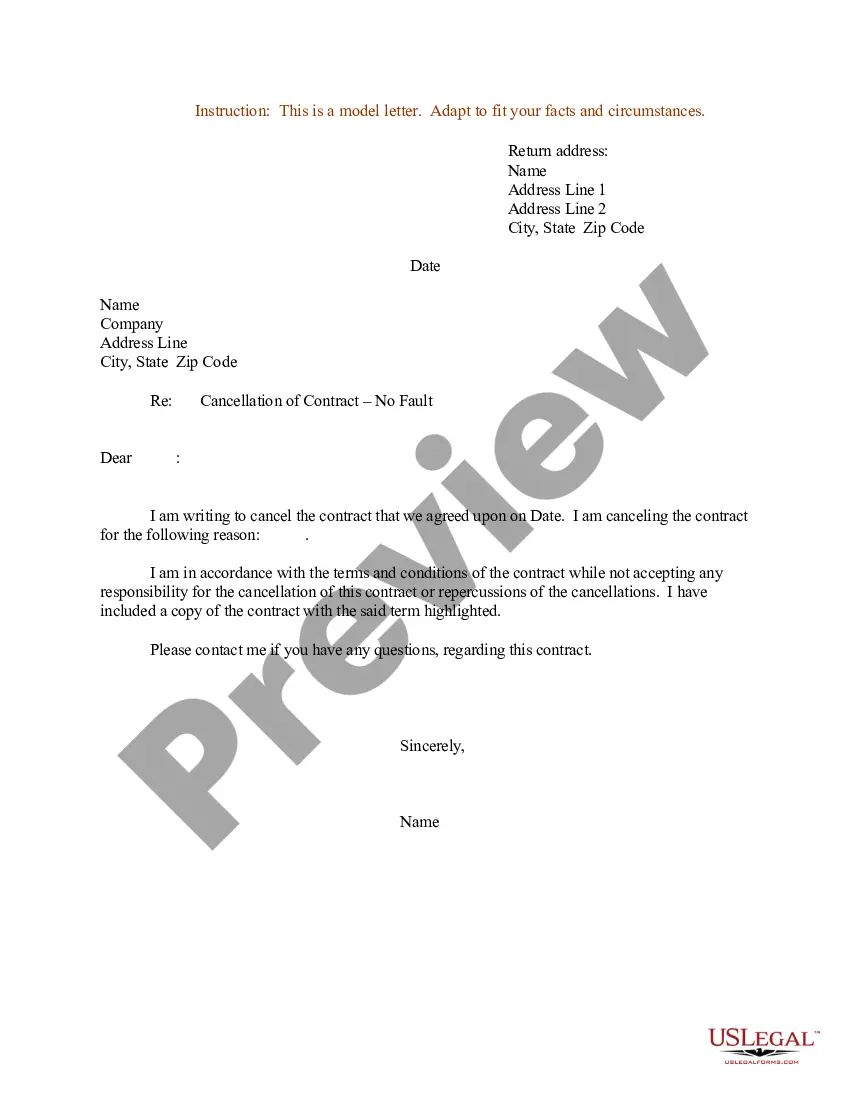
The most common way for a lease to terminate, as found in various resources, is through expiration at the end of its term. Many renters also choose to end their lease early for valid reasons such as financial issues or moving. Understanding your rights regarding termination lease rental for tenant is essential, so consider using USLegalForms for templates and guidance tailored to your situation. This way, you ensure compliance while making the process as simple as possible.