Residence Trust With Employees
Description
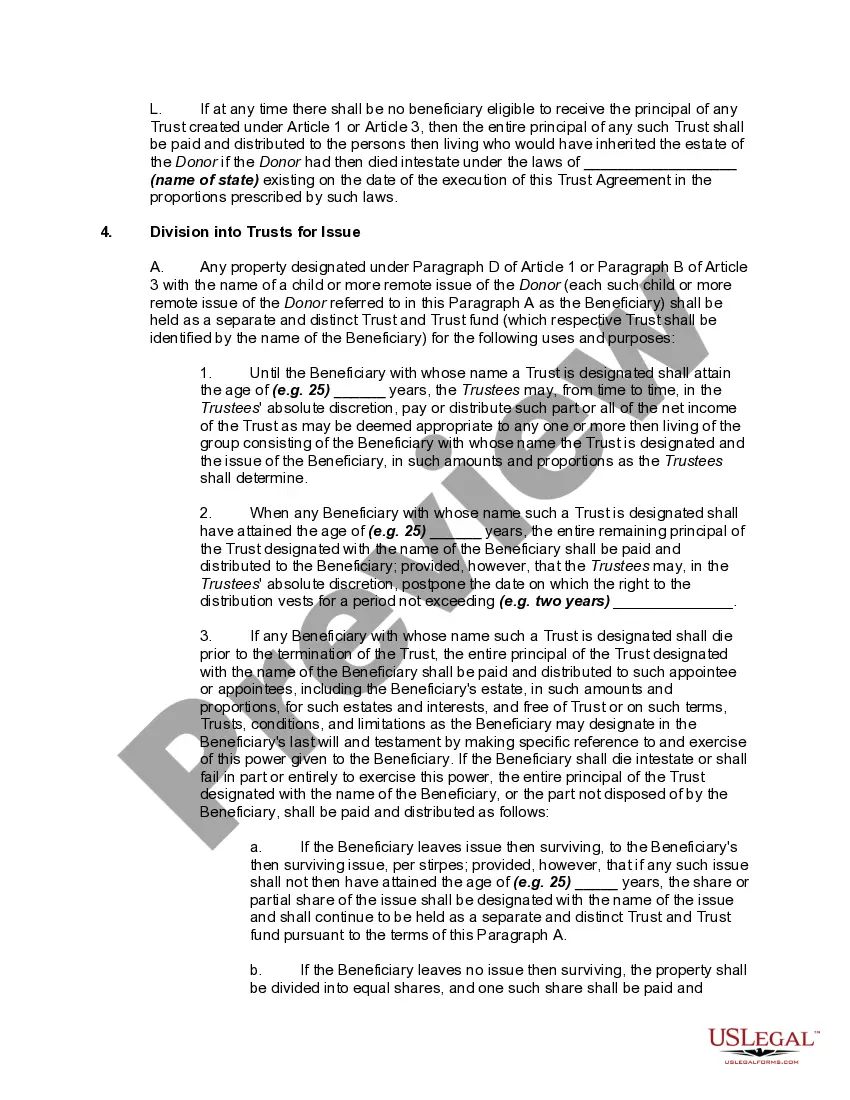
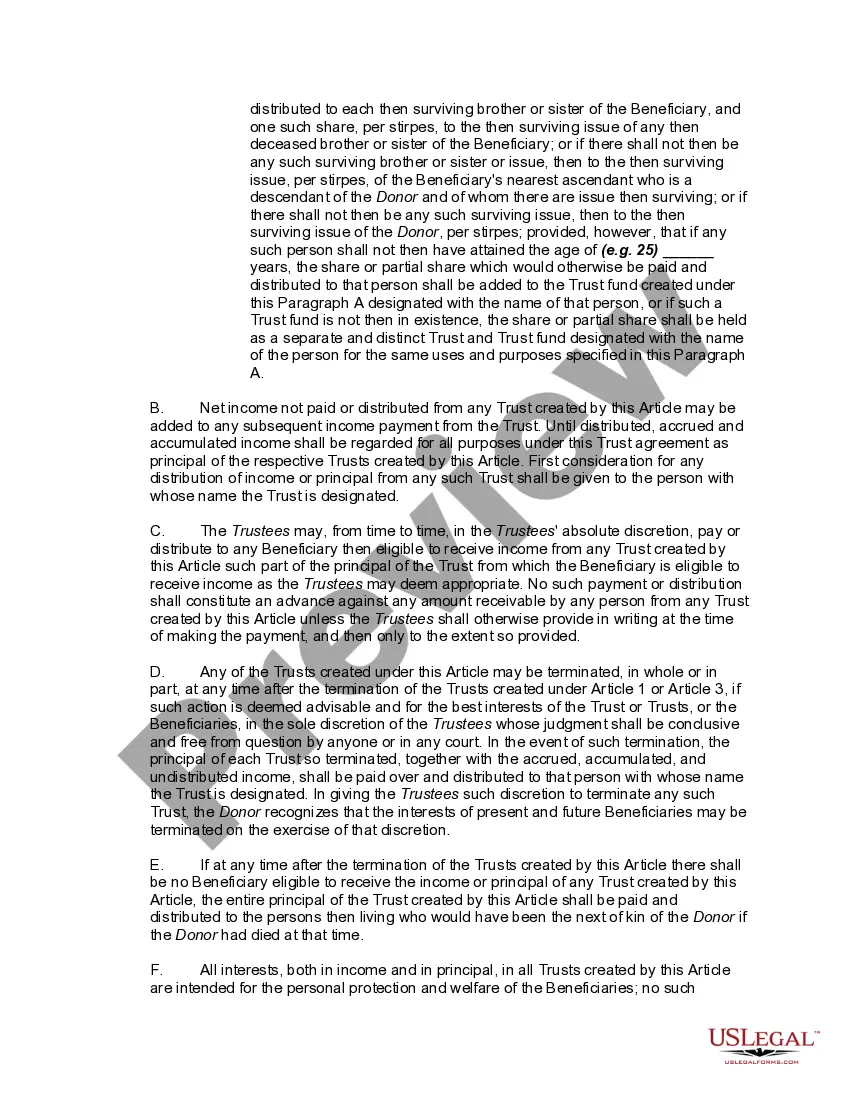
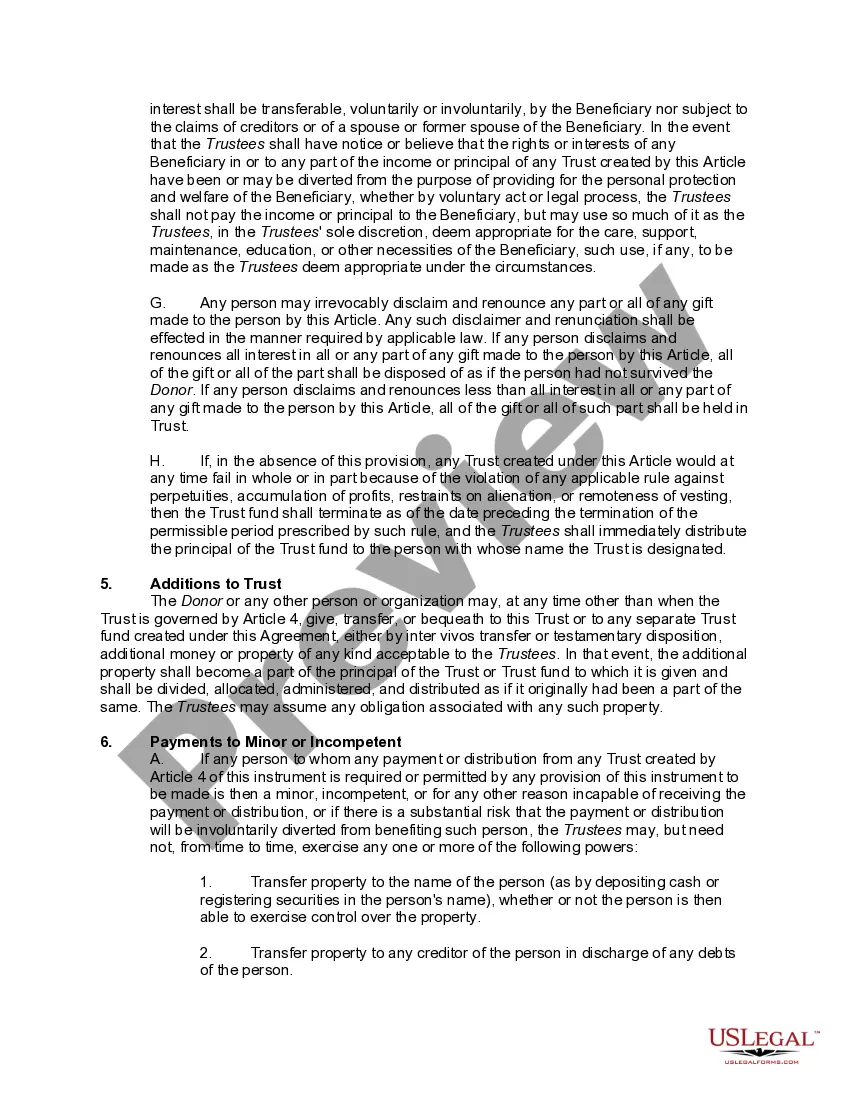
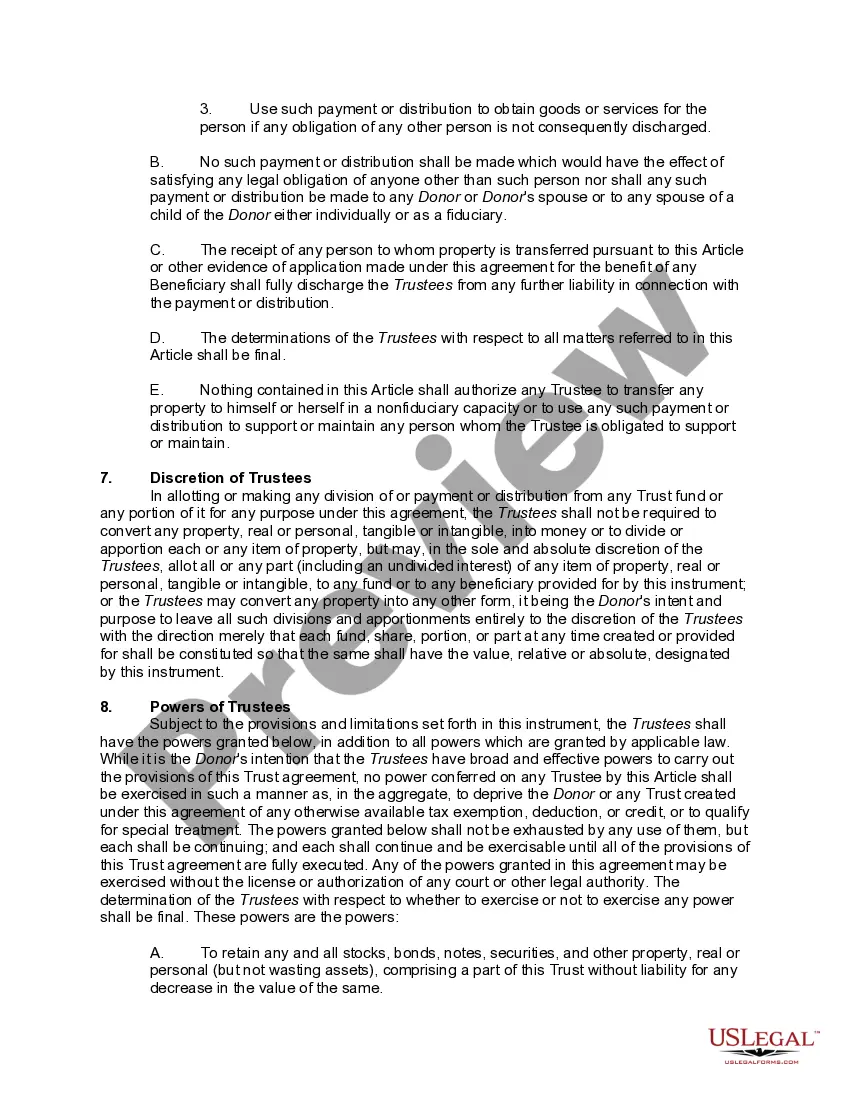
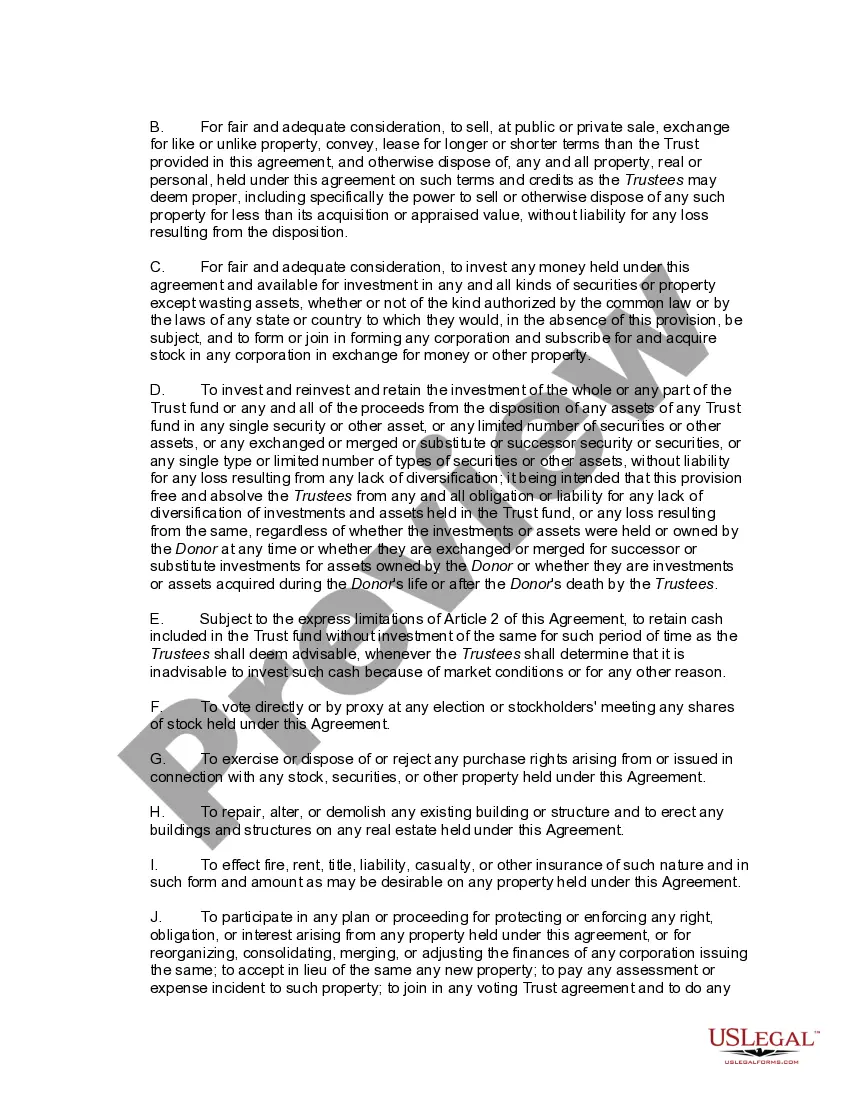
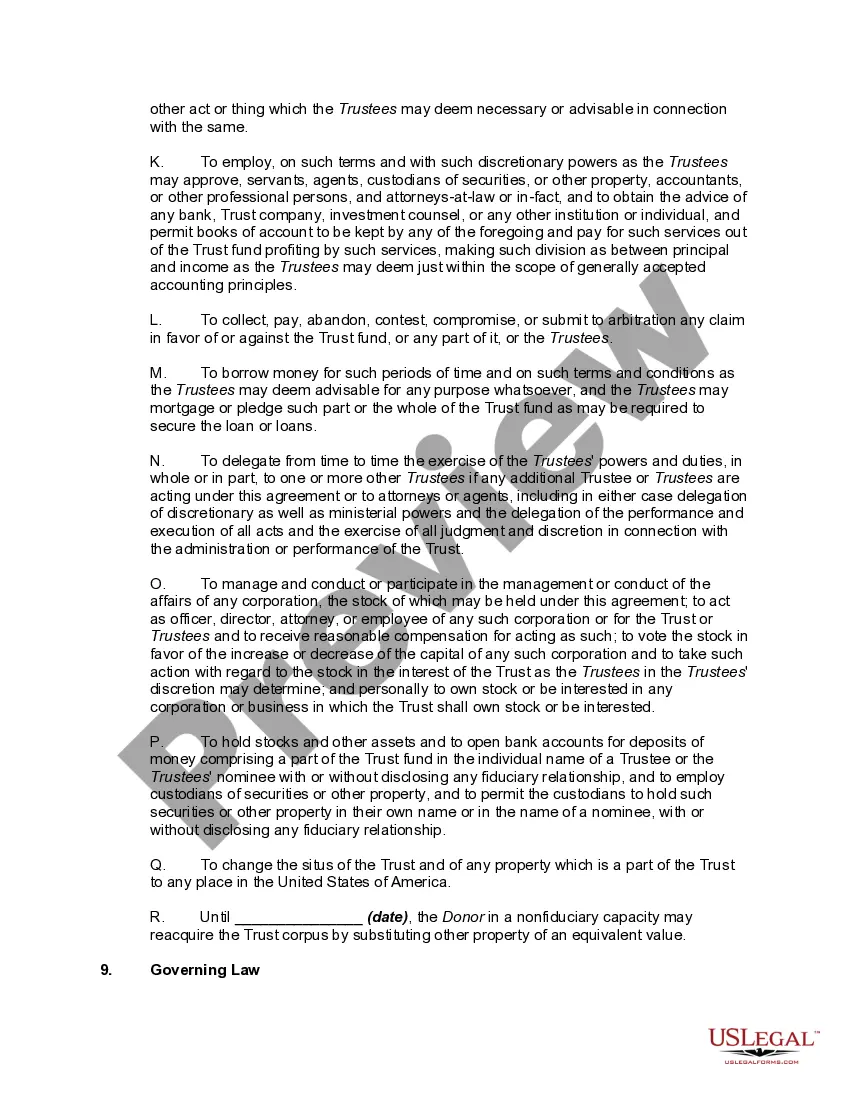

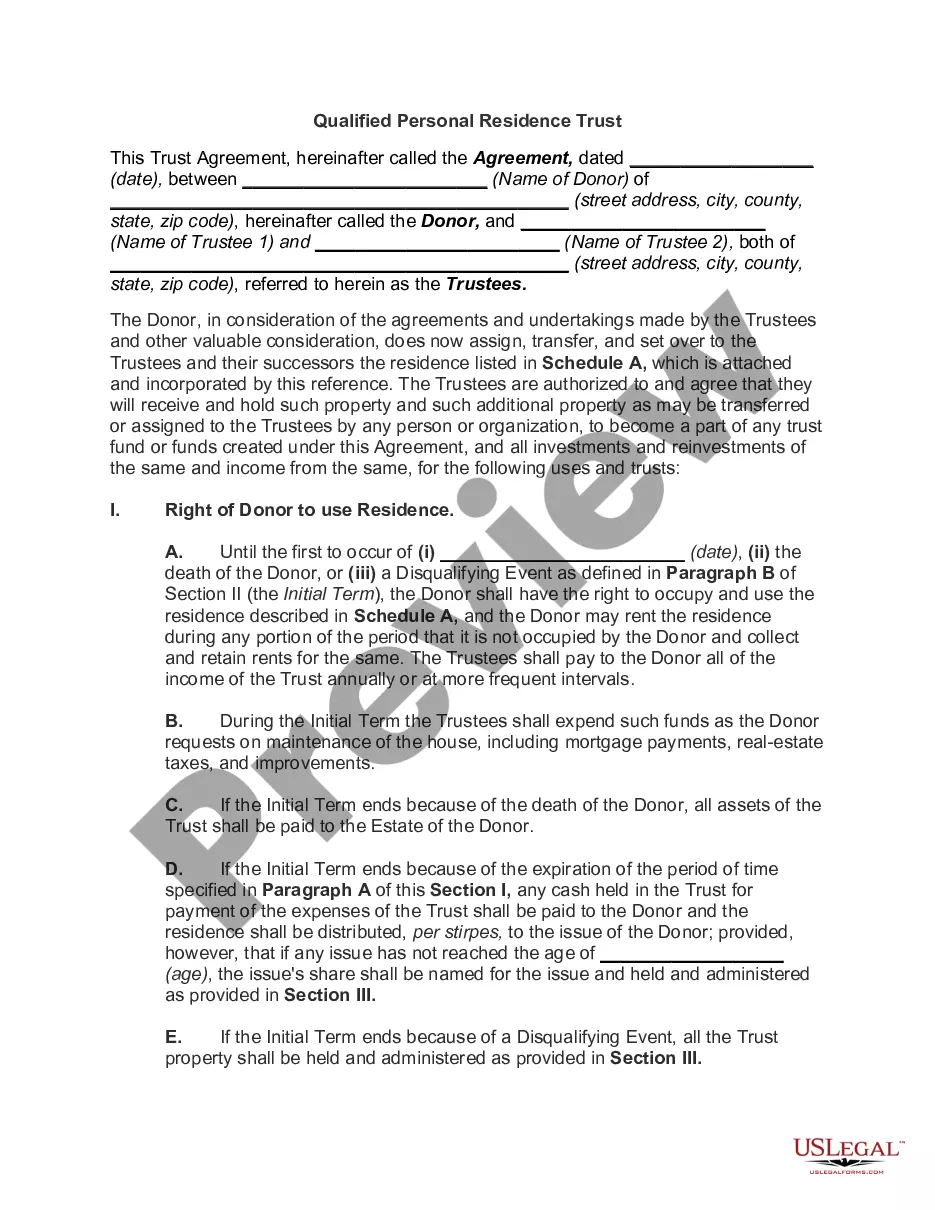
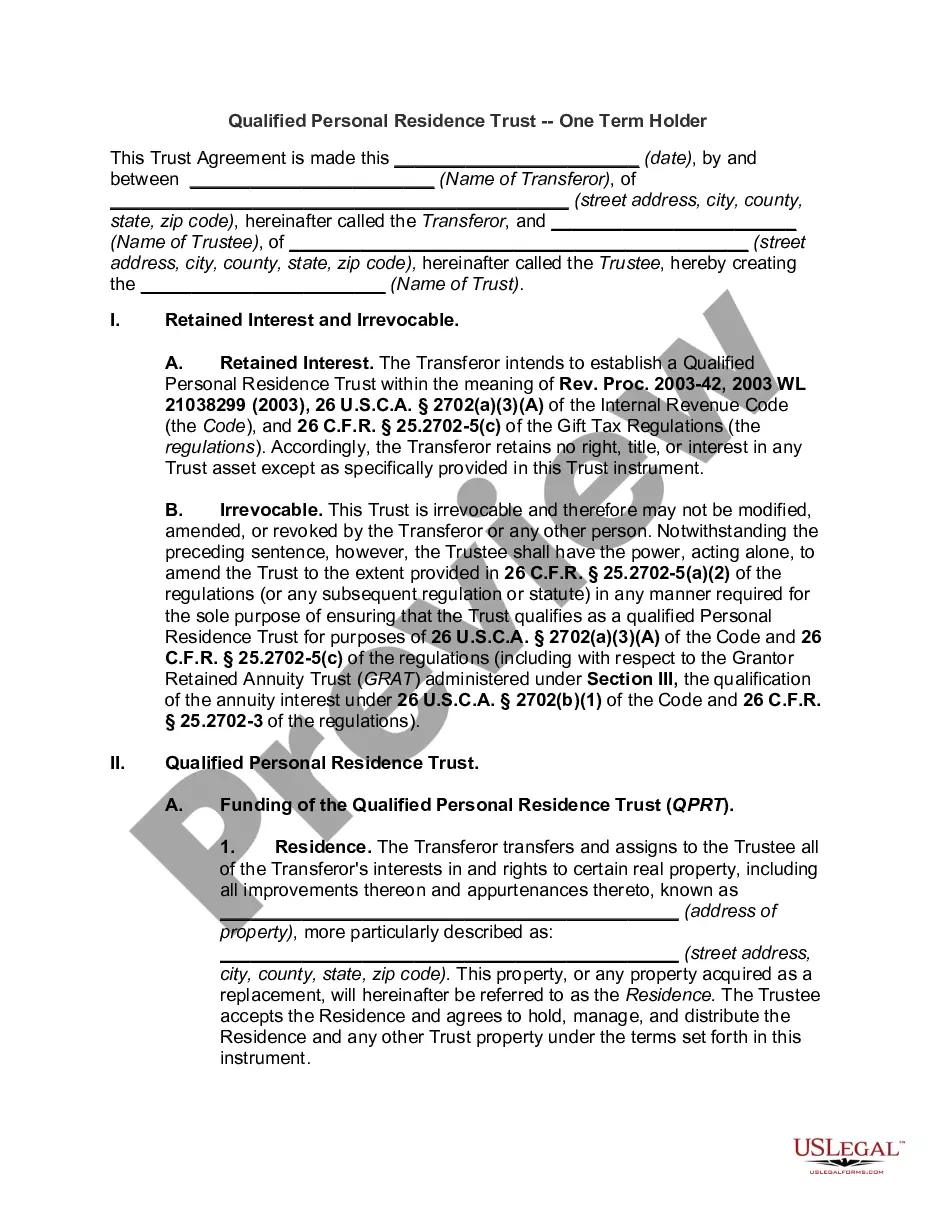
Get your form ready online
Our built-in tools help you complete, sign, share, and store your documents in one place.
Make edits, fill in missing information, and update formatting in US Legal Forms—just like you would in MS Word.
Download a copy, print it, send it by email, or mail it via USPS—whatever works best for your next step.
Sign and collect signatures with our SignNow integration. Send to multiple recipients, set reminders, and more. Go Premium to unlock E-Sign.
If this form requires notarization, complete it online through a secure video call—no need to meet a notary in person or wait for an appointment.
We protect your documents and personal data by following strict security and privacy standards.

Make edits, fill in missing information, and update formatting in US Legal Forms—just like you would in MS Word.

Download a copy, print it, send it by email, or mail it via USPS—whatever works best for your next step.

Sign and collect signatures with our SignNow integration. Send to multiple recipients, set reminders, and more. Go Premium to unlock E-Sign.

If this form requires notarization, complete it online through a secure video call—no need to meet a notary in person or wait for an appointment.

We protect your documents and personal data by following strict security and privacy standards.
Looking for another form?








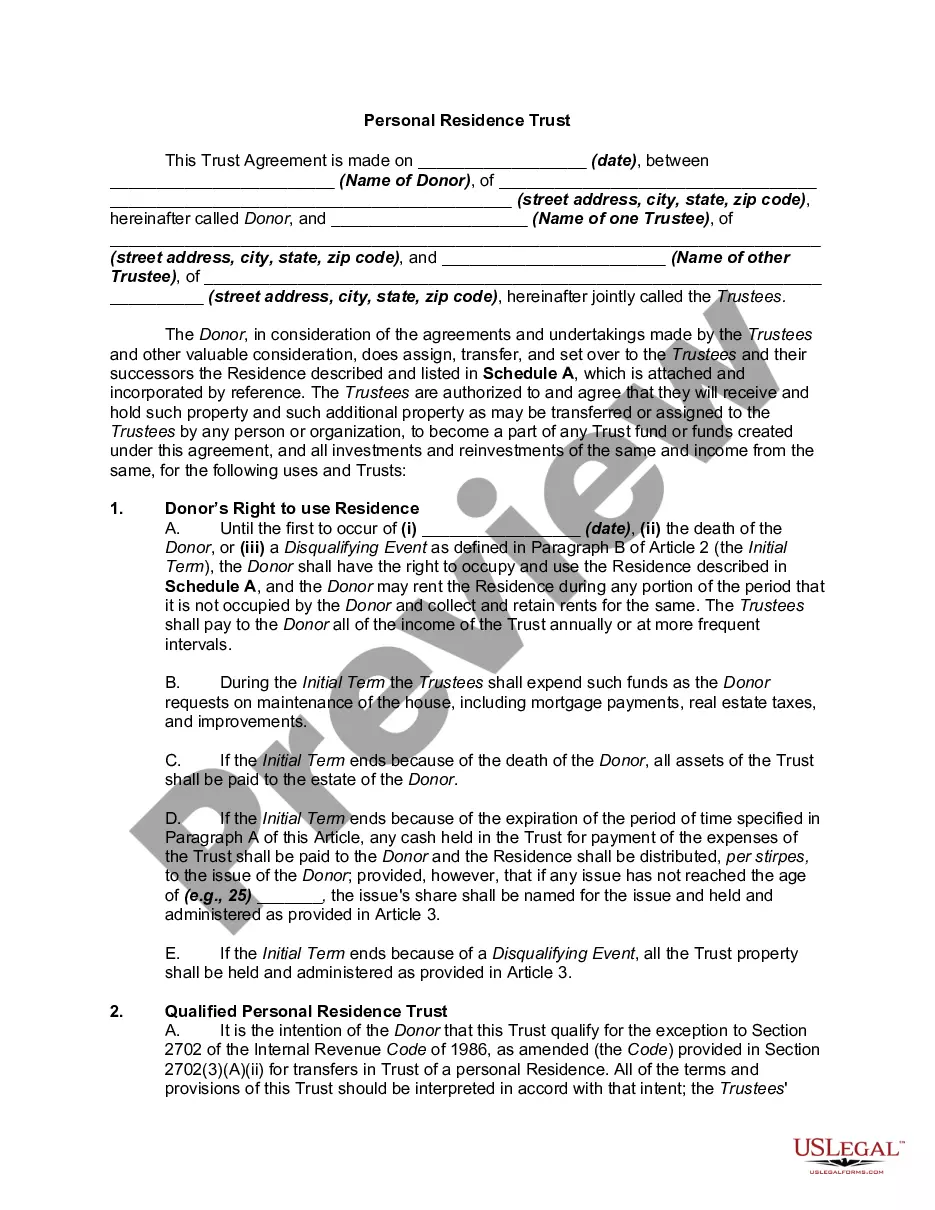
How to fill out Personal Residence Trust?
It's clear that you cannot transform into a legal expert instantly, nor can you understand how to swiftly formulate a Residence Trust With Employees without the requirement of specialized knowledge.
Drafting legal documents is a lengthy process that necessitates particular education and expertise.
So why not entrust the creation of the Residence Trust With Employees to the professionals.
You can regain access to your documents from the My documents section at any time. If you are a current customer, you can just Log In, and locate and download the template from the same section.
Regardless of the intent of your documents—be it fiscal, legal, or personal—our website has your needs accommodated. Give US Legal Forms a try now!
- Locate the form you need using the search feature at the top of the page.
- View it (if this feature is available) and examine the accompanying description to determine if the Residence Trust With Employees is what you seek.
- Initiate your search again if you require a different form.
- Create a free account and choose a subscription plan to acquire the form.
- Select Buy now. Once the payment is finalized, you can download the Residence Trust With Employees, fill it out, print it, and send or mail it to the necessary parties or organizations.
Form popularity
FAQ
The location of a trust is determined by various factors such as the residence of the grantor, where the trust documents were executed, and the jurisdiction overseeing the trust's administration. These elements influence the applicable laws and tax obligations. It’s advisable to consult a specialist in trust law to navigate these determinations effectively.
To determine the situs of a residence trust with employees, consider where the trust is administered, where the assets are located, and where the grantor resides. These factors collectively influence the trust's legal jurisdiction and tax implications. Documentation and legal advice can aid in establishing the situs accurately.
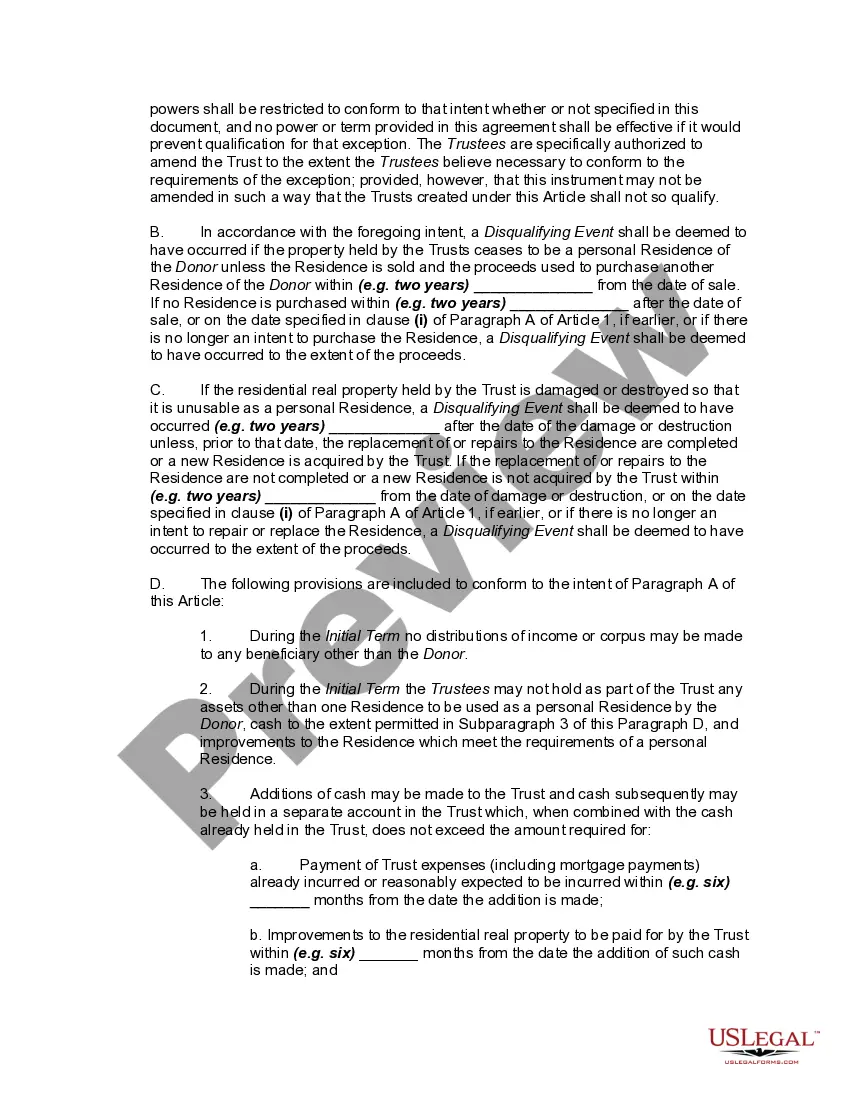
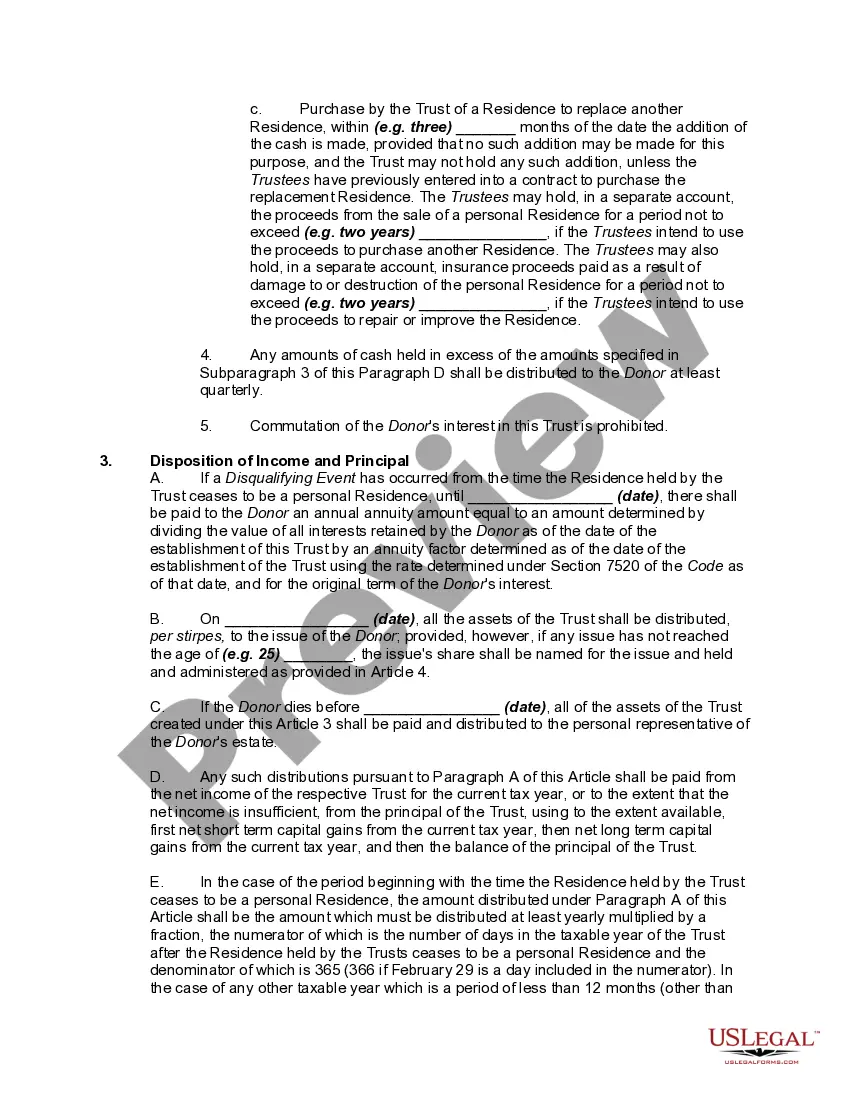
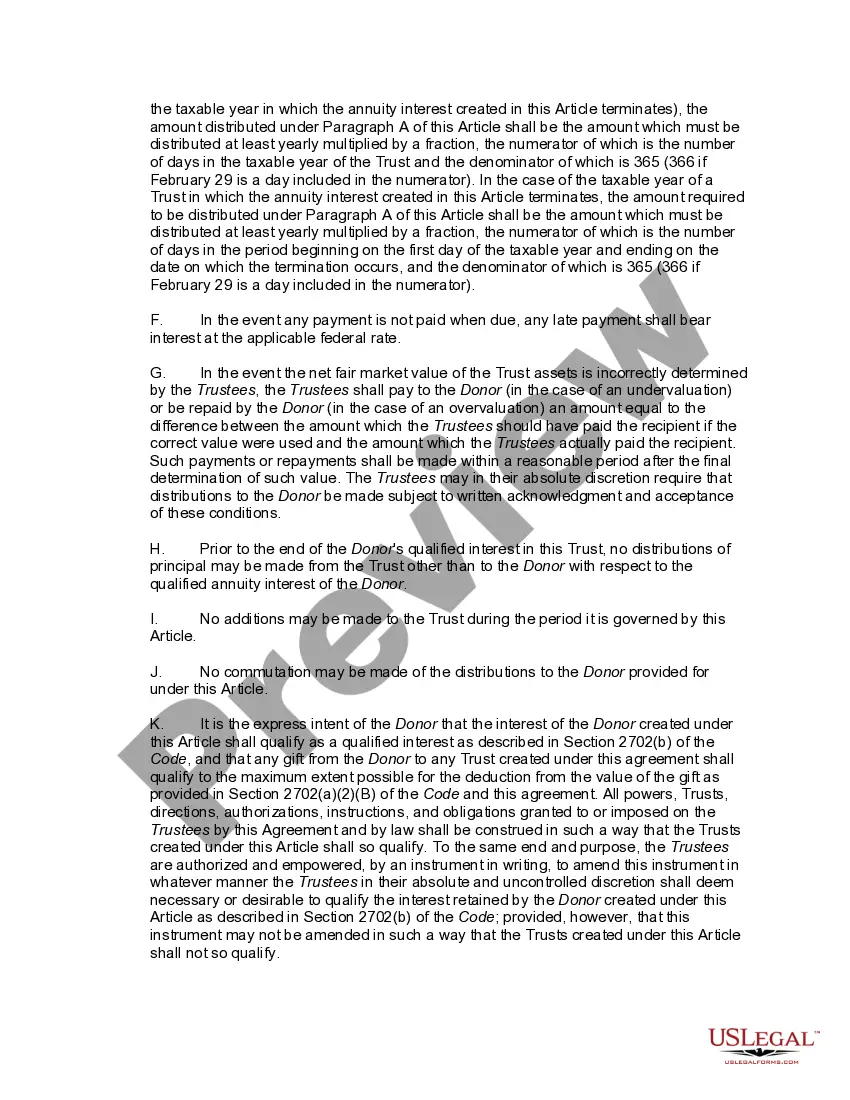
A personal residence trust allows you to transfer your home into a trust while retaining the right to live there for a specified term. After this term, the property transfers to designated beneficiaries, often at a reduced taxable value. This structure can provide benefits like estate tax savings and providing for family members, making it an effective option for those with a residence trust with employees.
Reporting income from a residence trust with employees requires you to understand the specific tax obligations tied to the trust. Typically, you must report any income earned from trust assets on your individual tax return. It's important to utilize appropriate tax forms and, if necessary, seek assistance from a tax professional familiar with trusts.
Determining the location of a residence trust with employees involves identifying the state where the trust was established and where its administration takes place. Generally, this is the state where the grantor resides or has chosen to create the trust. Consulting legal documents and financial records can provide clarity on its location.
The three principles of trust are honesty, reliability, and competency. Honesty entails being truthful in all communications and actions, which lays a strong foundation. Reliability highlights the importance of being consistent in your commitments to your employees. Demonstrating competency involves showing that you possess the necessary skills to lead your team effectively, thereby enhancing residence trust with employees.
Building trust with your staff involves consistently demonstrating respect, actively listening, and creating an inclusive environment. When you engage with your team openly, you make them feel valued and understood. This approach directly contributes to a stronger residence trust with employees, as they see their contributions genuinely matter.
The trust model consists of three parts: ability, integrity, and benevolence. Ability refers to the skills and competencies you display in your role as a leader. Integrity means adhering to your principles and values, fostering respect. Benevolence indicates genuine care for your employees' well-being, which is critical for building residence trust with employees.
The three key factors to build trust are open communication, transparency, and reliability. Open communication allows for honest exchanges, which are essential for establishing connection. Transparency involves sharing important information that affects employees, while reliability is about being dependable and consistent in your actions, reinforcing residence trust with employees.
You can show you trust your employees by empowering them with responsibilities and encouraging their decision-making. Offering opportunities for autonomy demonstrates your confidence in their abilities, which enhances the residence trust with employees. Moreover, providing constructive feedback further nurtures this trust by showing you support their growth and development.