Residence Trust Real Estate Without Brokerage
Description
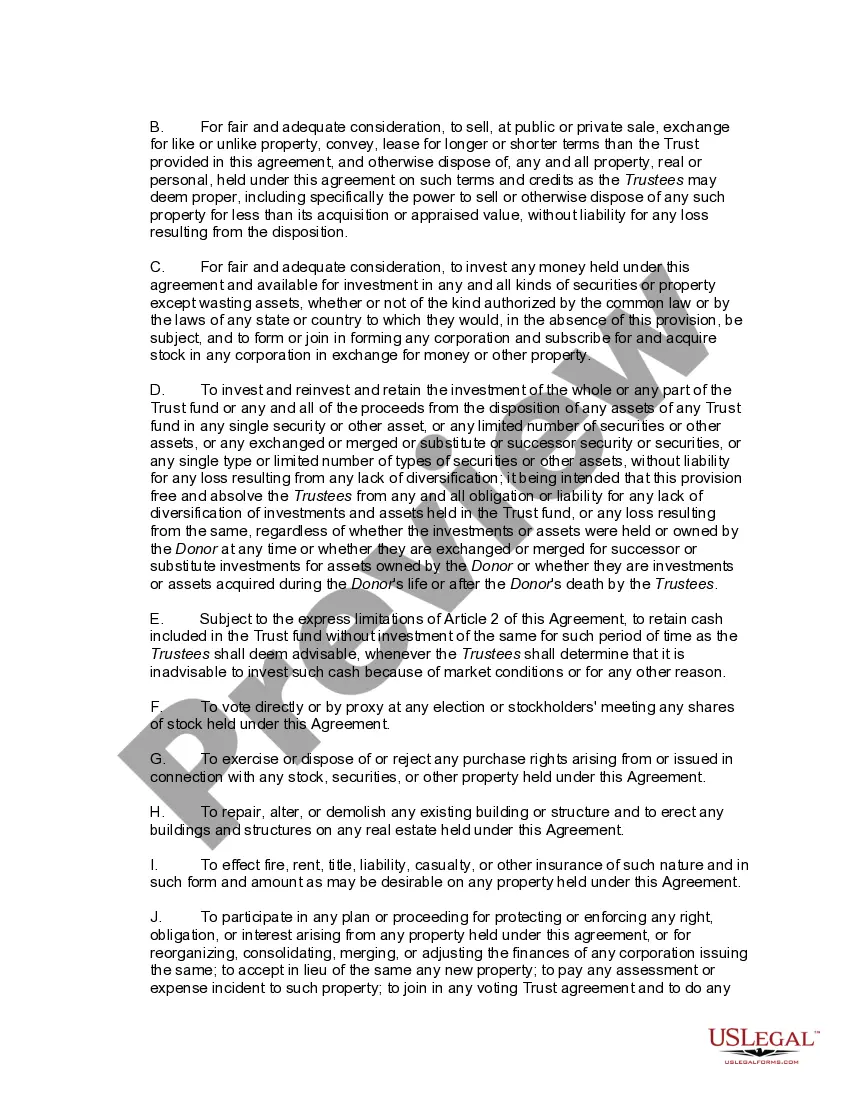
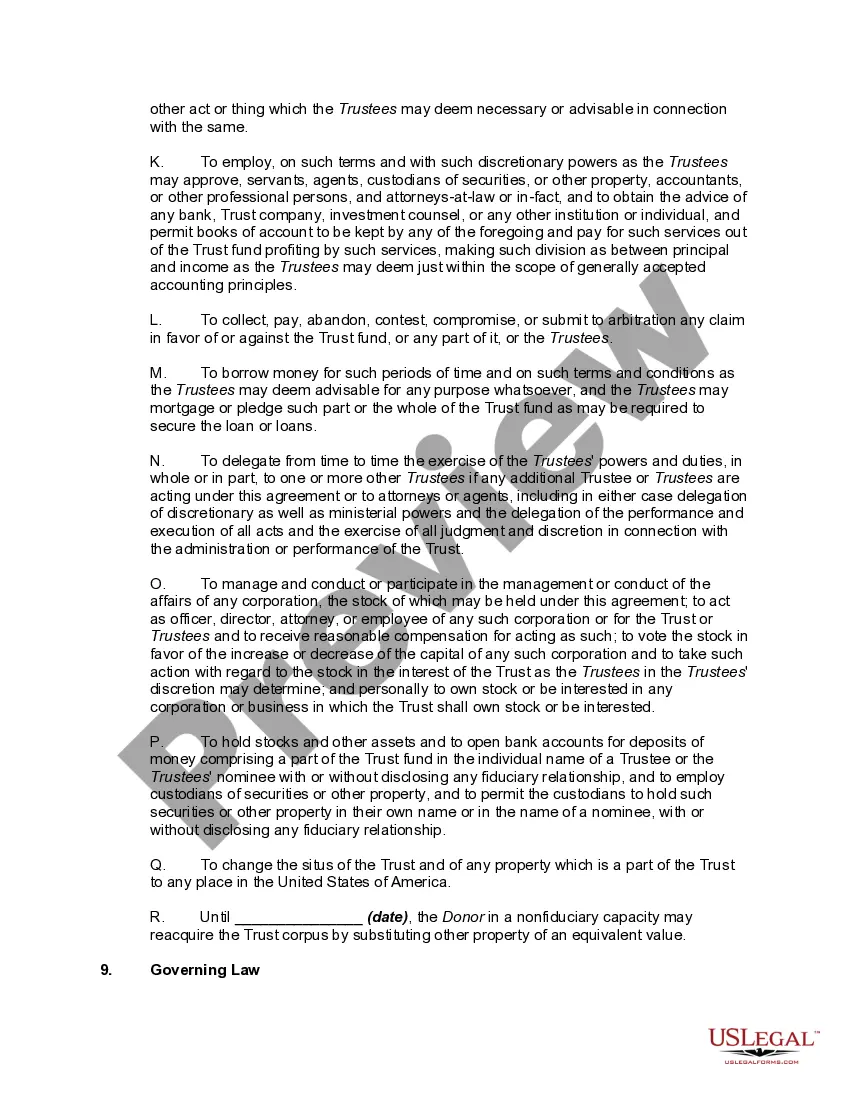

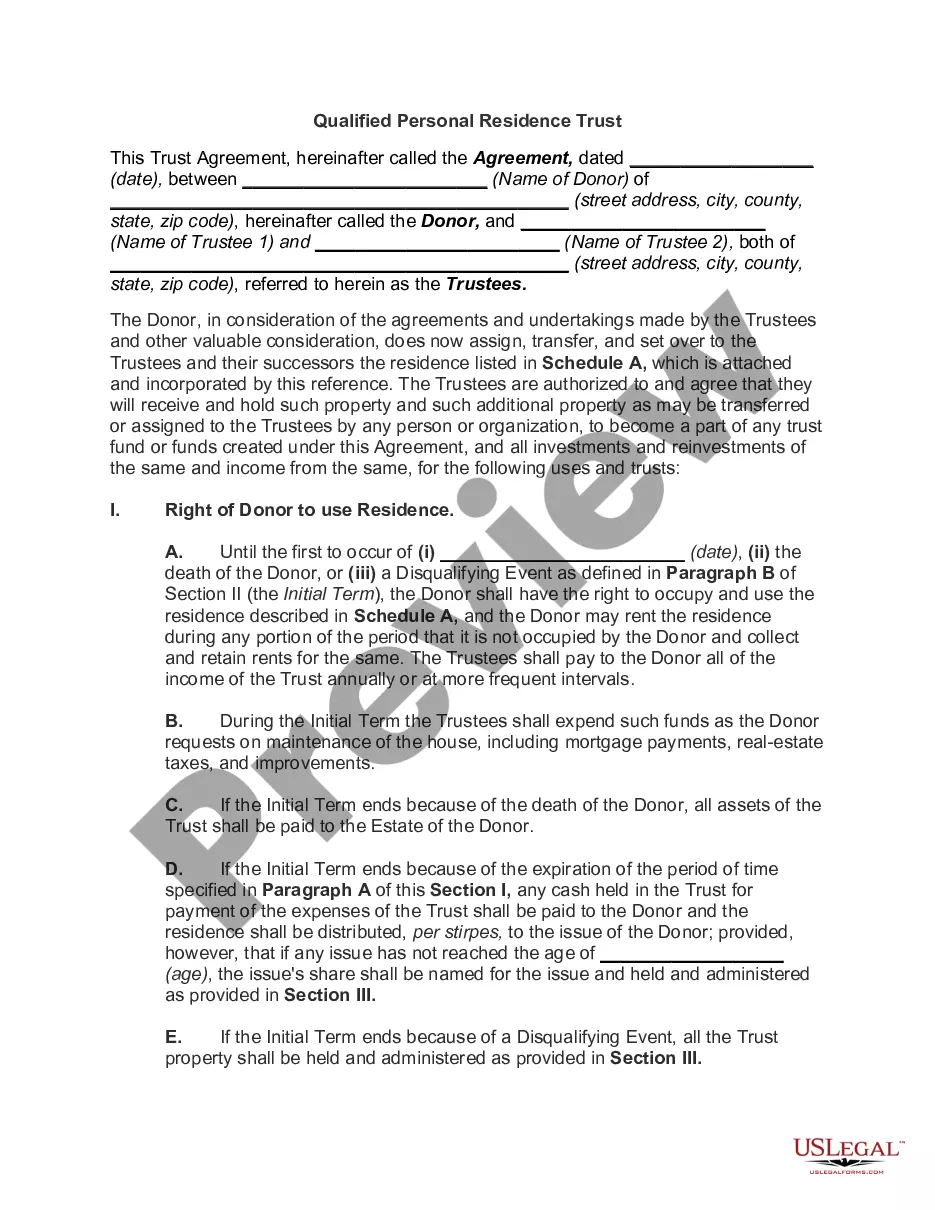
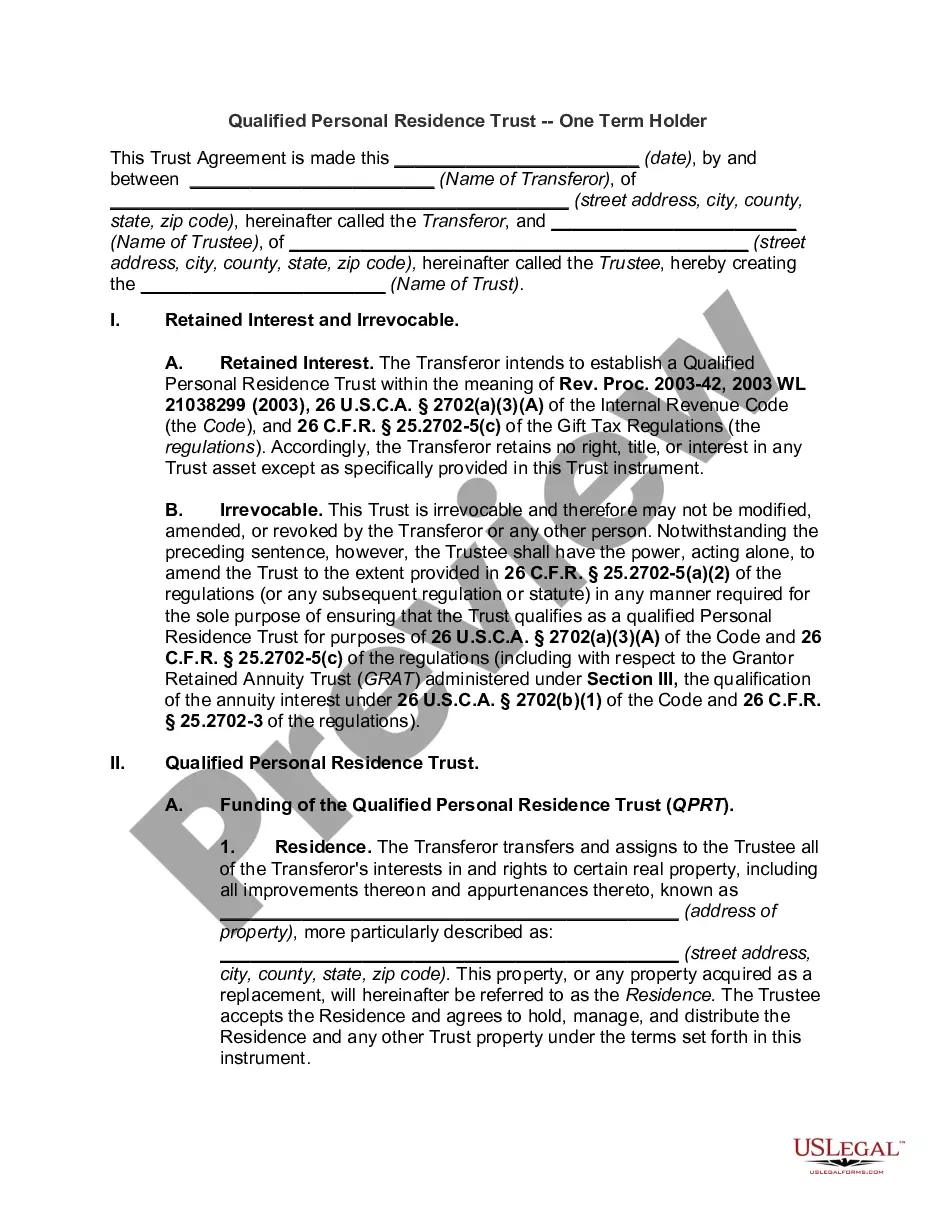
Get your form ready online
Our built-in tools help you complete, sign, share, and store your documents in one place.
Make edits, fill in missing information, and update formatting in US Legal Forms—just like you would in MS Word.
Download a copy, print it, send it by email, or mail it via USPS—whatever works best for your next step.
Sign and collect signatures with our SignNow integration. Send to multiple recipients, set reminders, and more. Go Premium to unlock E-Sign.
If this form requires notarization, complete it online through a secure video call—no need to meet a notary in person or wait for an appointment.
We protect your documents and personal data by following strict security and privacy standards.

Make edits, fill in missing information, and update formatting in US Legal Forms—just like you would in MS Word.

Download a copy, print it, send it by email, or mail it via USPS—whatever works best for your next step.

Sign and collect signatures with our SignNow integration. Send to multiple recipients, set reminders, and more. Go Premium to unlock E-Sign.

If this form requires notarization, complete it online through a secure video call—no need to meet a notary in person or wait for an appointment.

We protect your documents and personal data by following strict security and privacy standards.
Looking for another form?
How to fill out Personal Residence Trust?
It’s well known that you can’t become a legal authority instantly, nor can you learn how to swiftly draft Residence Trust Real Estate Without Brokerage without possessing a specialized background.
Compiling legal documents is a lengthy process that necessitates specific training and expertise.
So why not entrust the creation of the Residence Trust Real Estate Without Brokerage to the professionals.
You can access your documents again from the My documents tab at any time. If you’re a returning client, you can simply Log In and locate and download the template from the same section.
Regardless of the intention behind your forms—whether financial, legal, or personal—our website has you covered. Experience US Legal Forms today!
- Find the form you require using the search bar located at the top of the page.
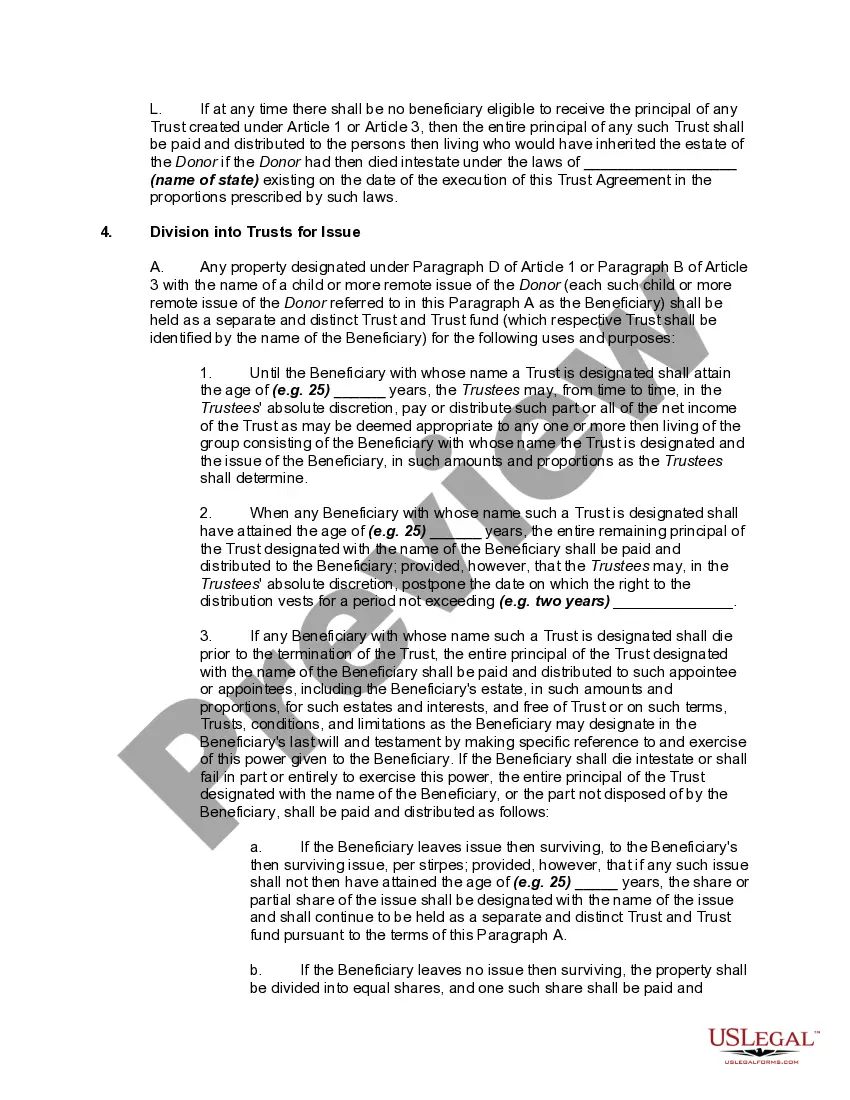
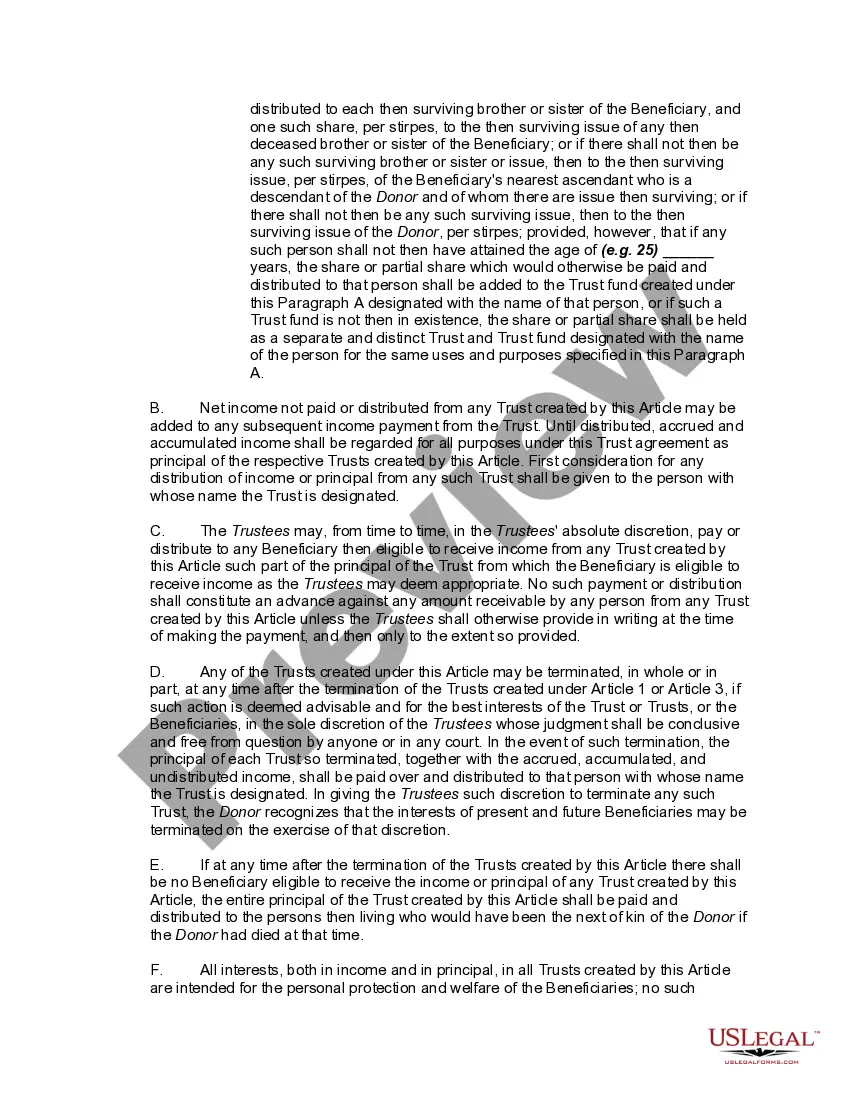
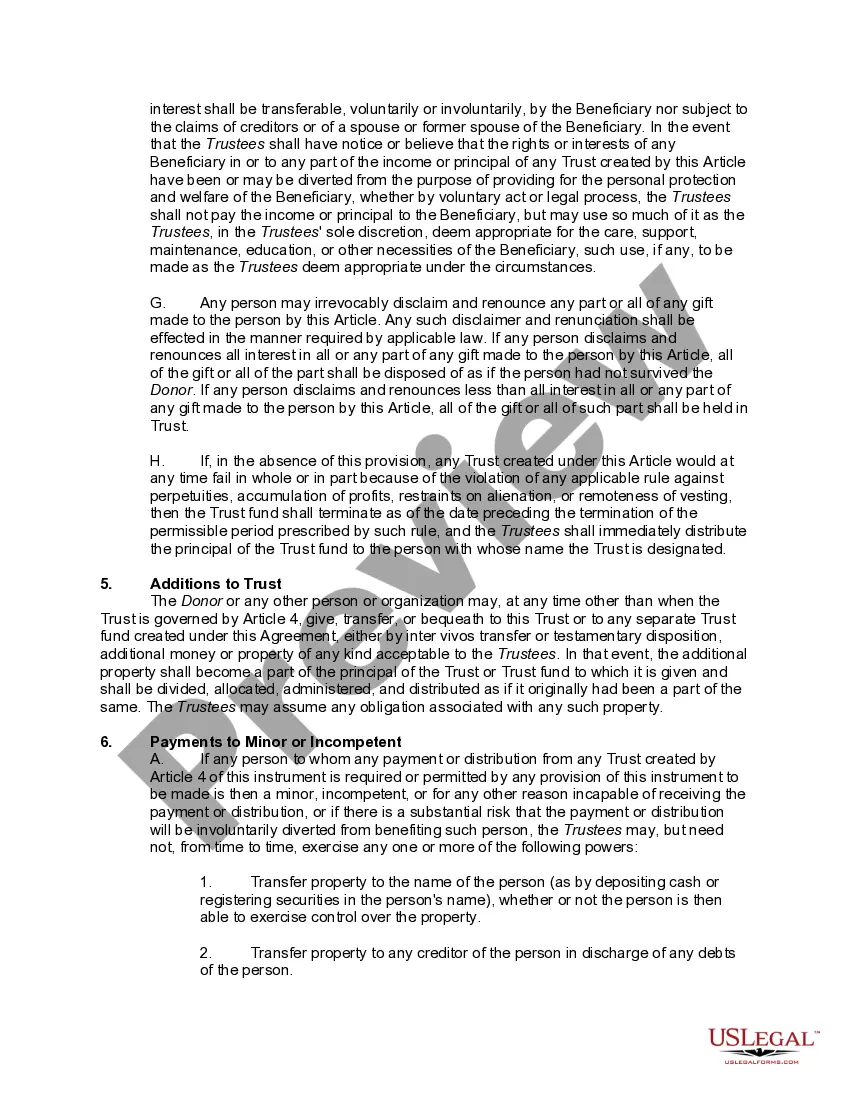
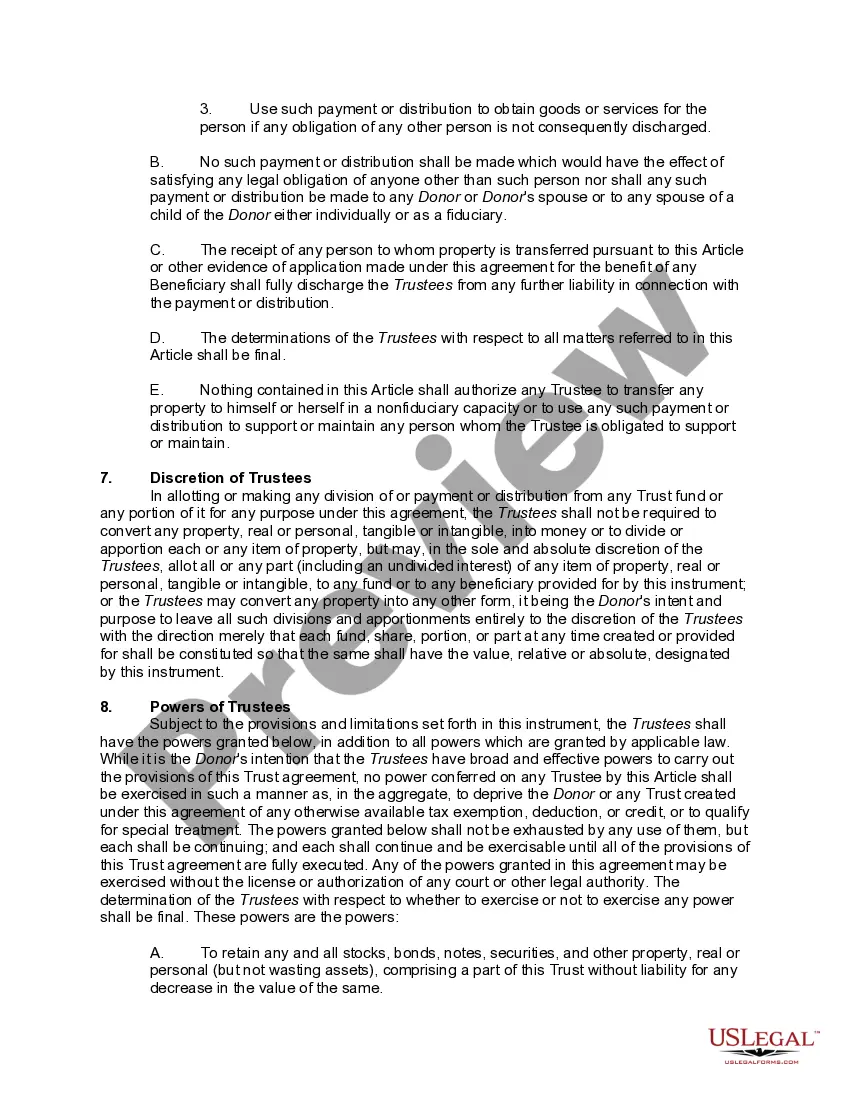
- Preview it (if this option is available) and read the accompanying description to determine if Residence Trust Real Estate Without Brokerage is what you need.
- Initiate your search again if you require a different template.
- Create a free account and select a subscription plan to acquire the template.
- Click Buy now. Once the purchase is finalized, you can download the Residence Trust Real Estate Without Brokerage, fill it out, print it, and send or mail it to the appropriate individuals or organizations.
Form popularity
FAQ
To avoid probate on brokerage accounts, you must create a trust or fill out a TOD (transfer on death) form to transfer the money directly to your beneficiaries. It is generally better to retitle your investment accounts to your trust during your lifetime rather than rely on a TOD to transfer your accounts at death.
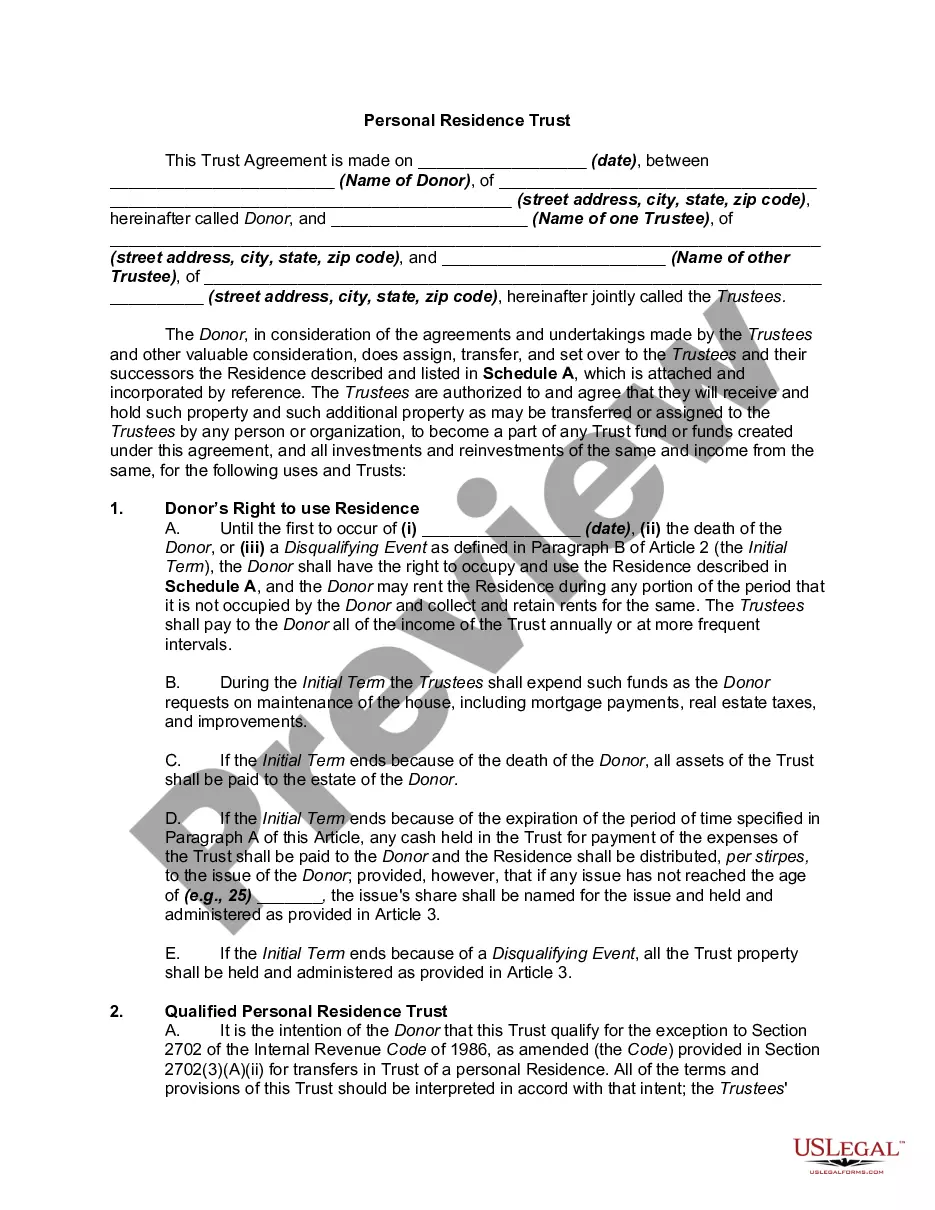
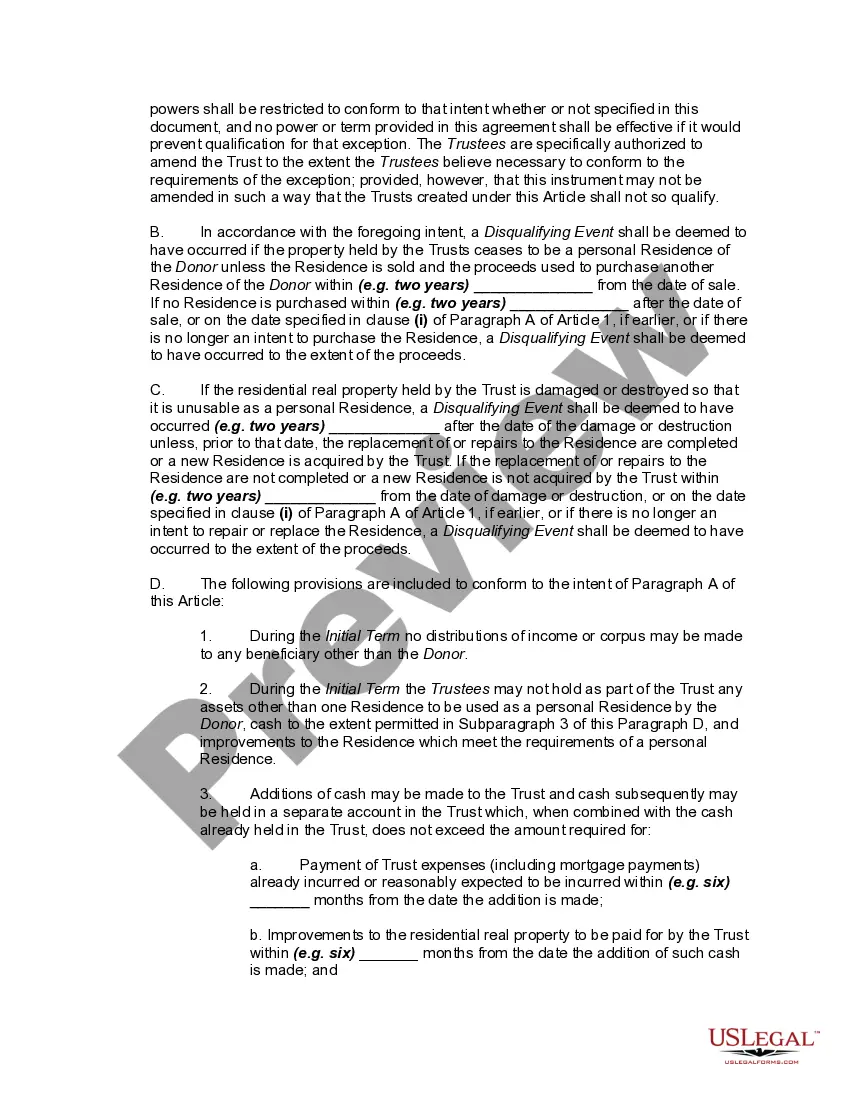
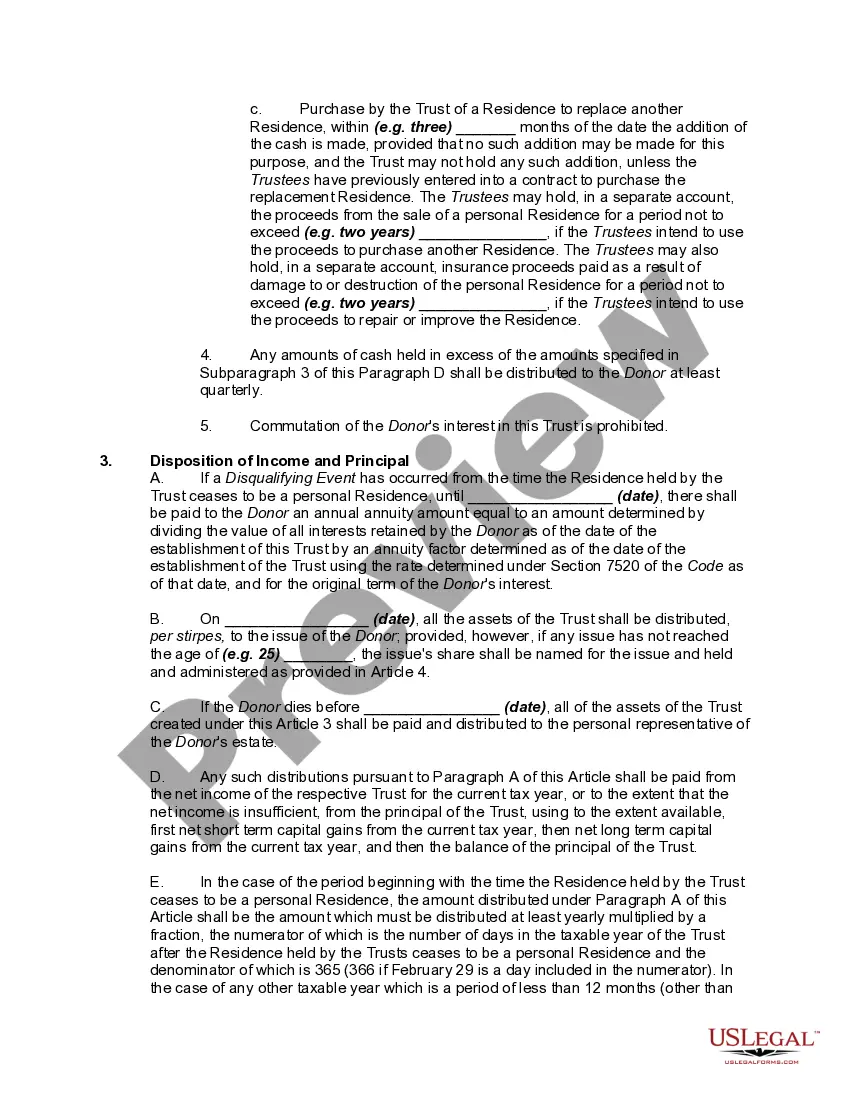
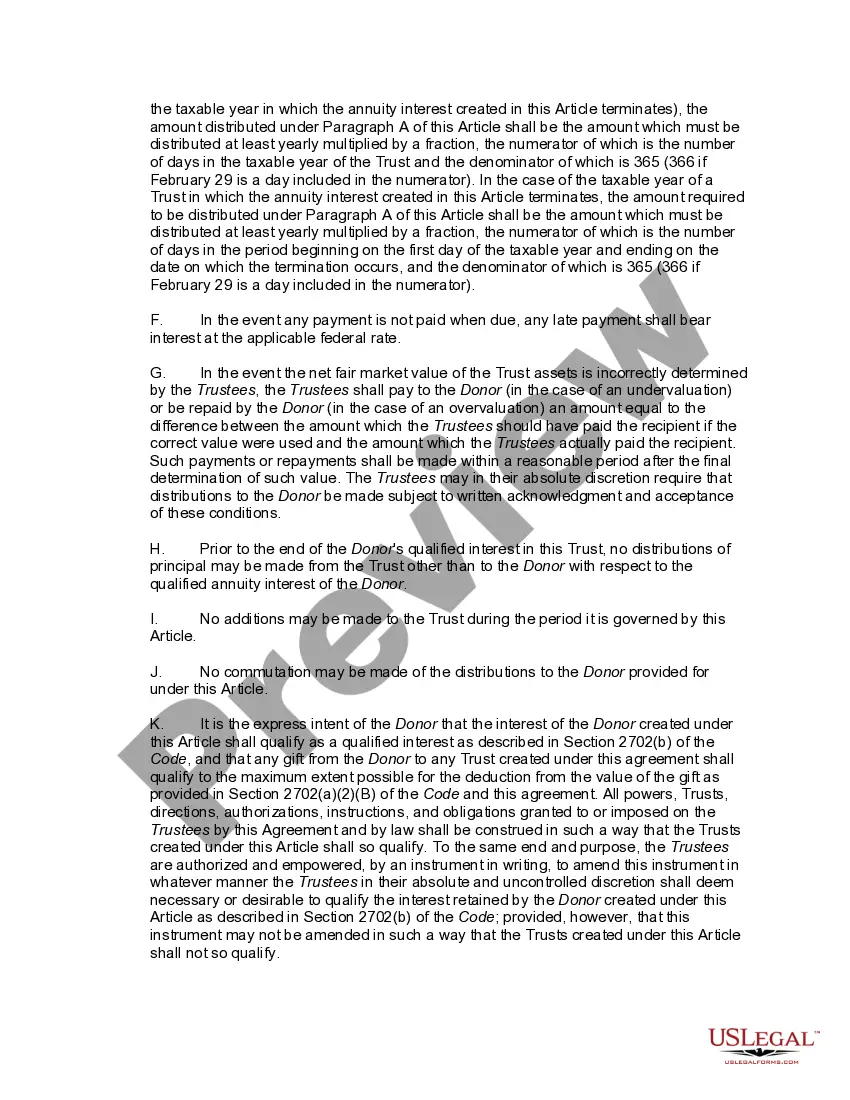
Those with an already high net worth who may be facing estate taxes upon their death, and who anticipate high appreciation in their personal residence and also expect to outlive a certain term of years, may want to consider using a QPRT in their estate planning.
Most QPRTs do not generate any income and an income tax return is not typically required. If the property generates income, a Grantor Trust Tax Return, Form 1041, may be required.
In general, QPRTs do not generate any income. Therefore, an income tax return is usually not required. In case the QPRT property does generate income in any given tax filing year, then the Grantor may need to file a Grantor Trust Tax Return.
The key disadvantages of placing a house in a trust include the following: Extra paperwork: Moving property in a trust requires the house owner to transfer the asset's legal title. This involves preparing and signing an additional deed, and some people may consider this cumbersome.