Personal Residence Real Formula
Description
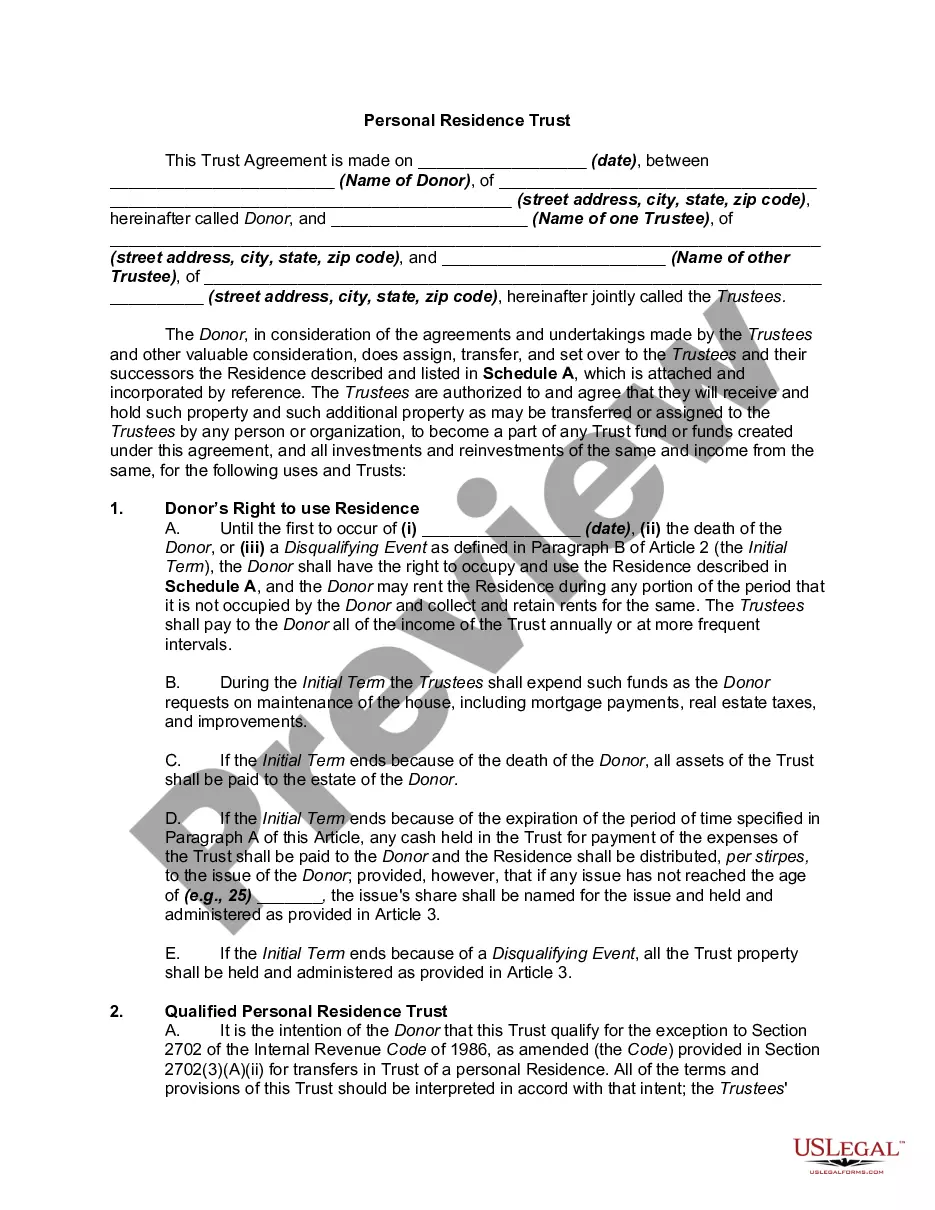
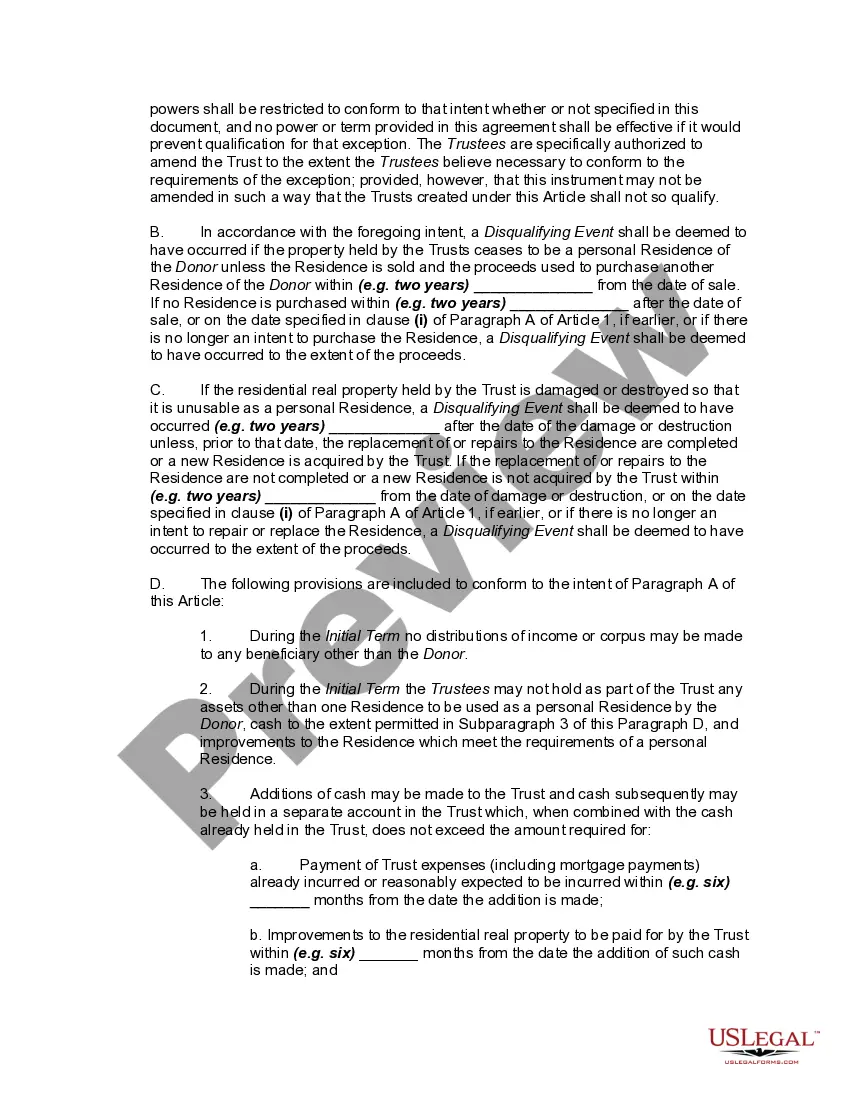
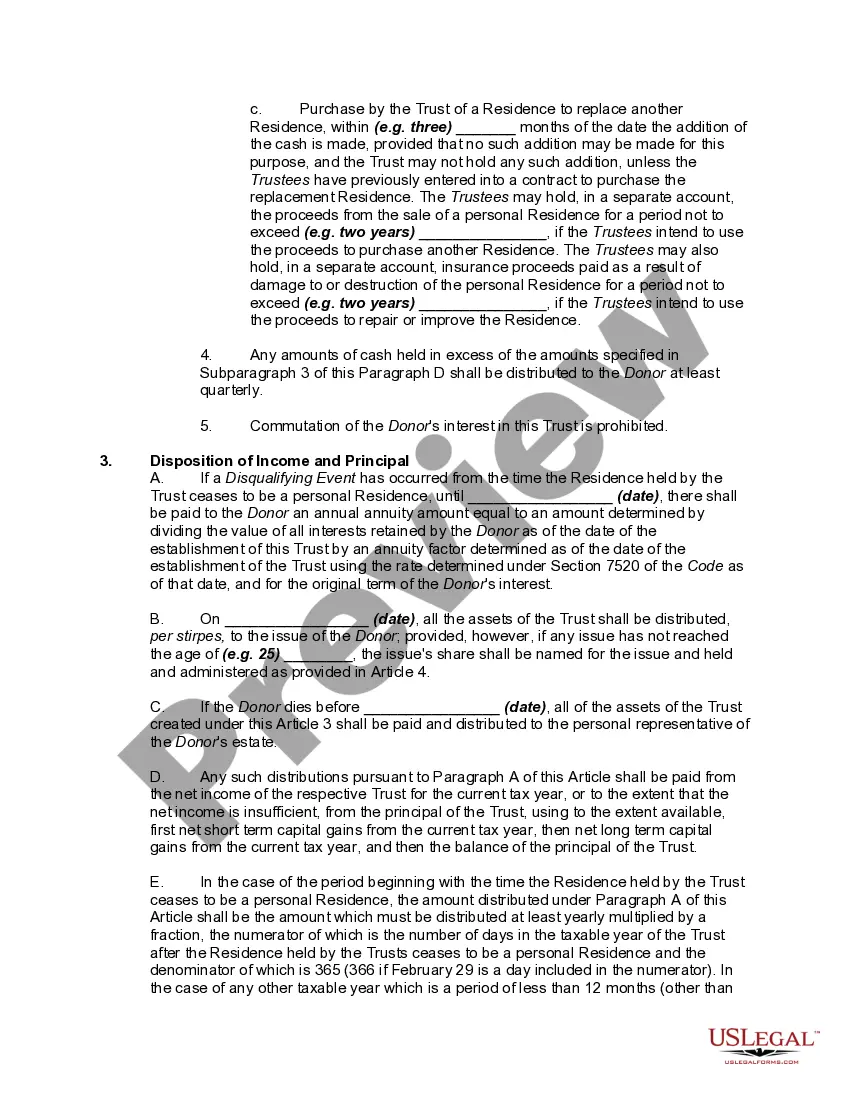
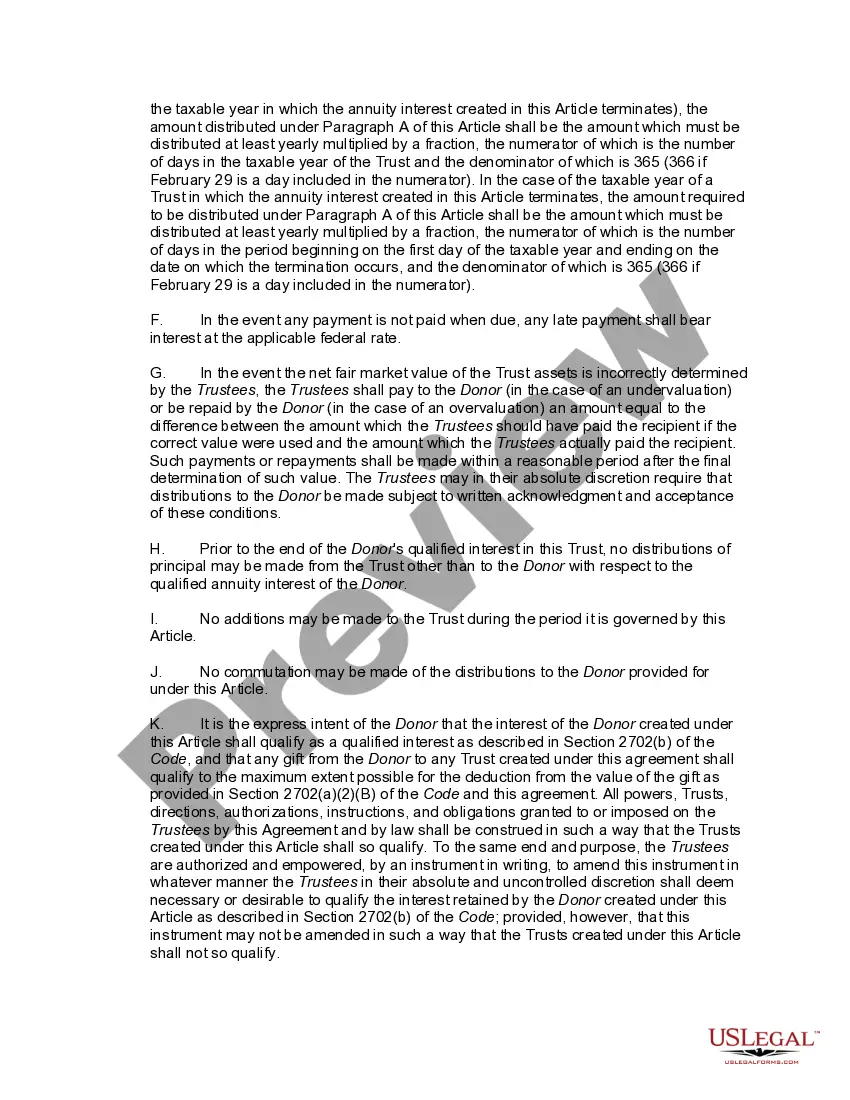
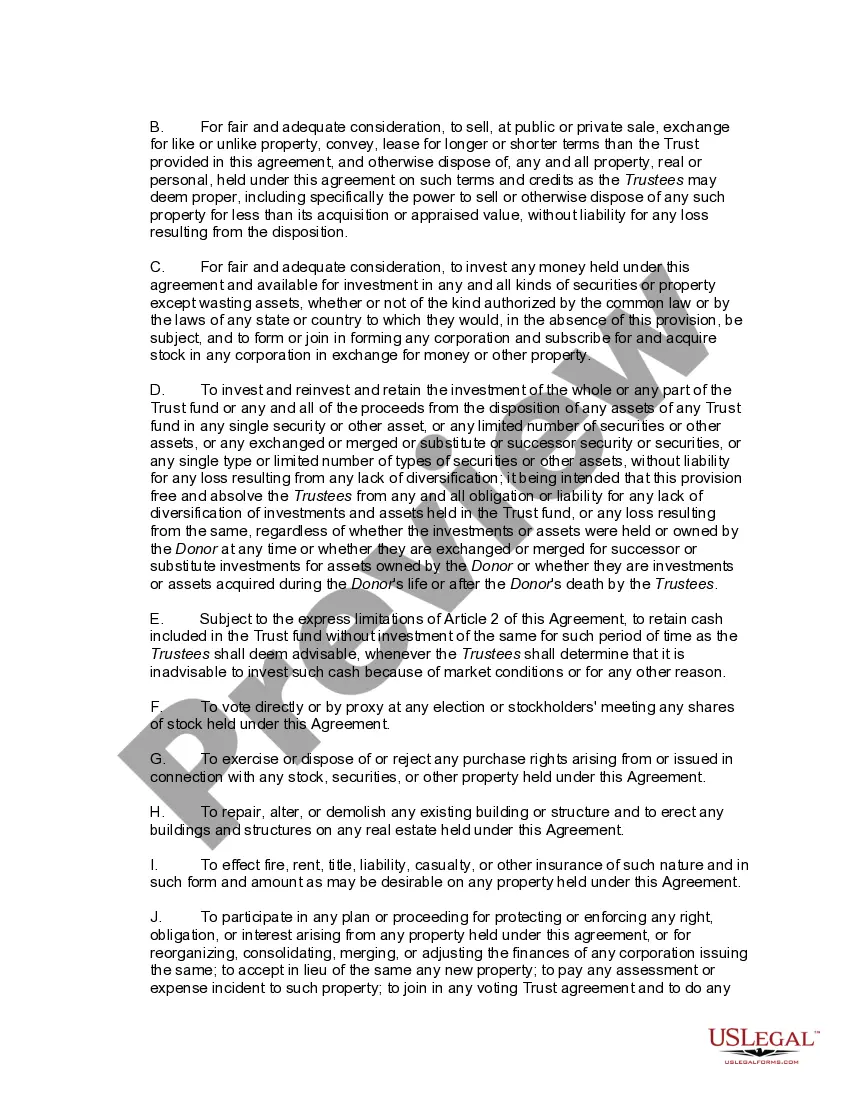
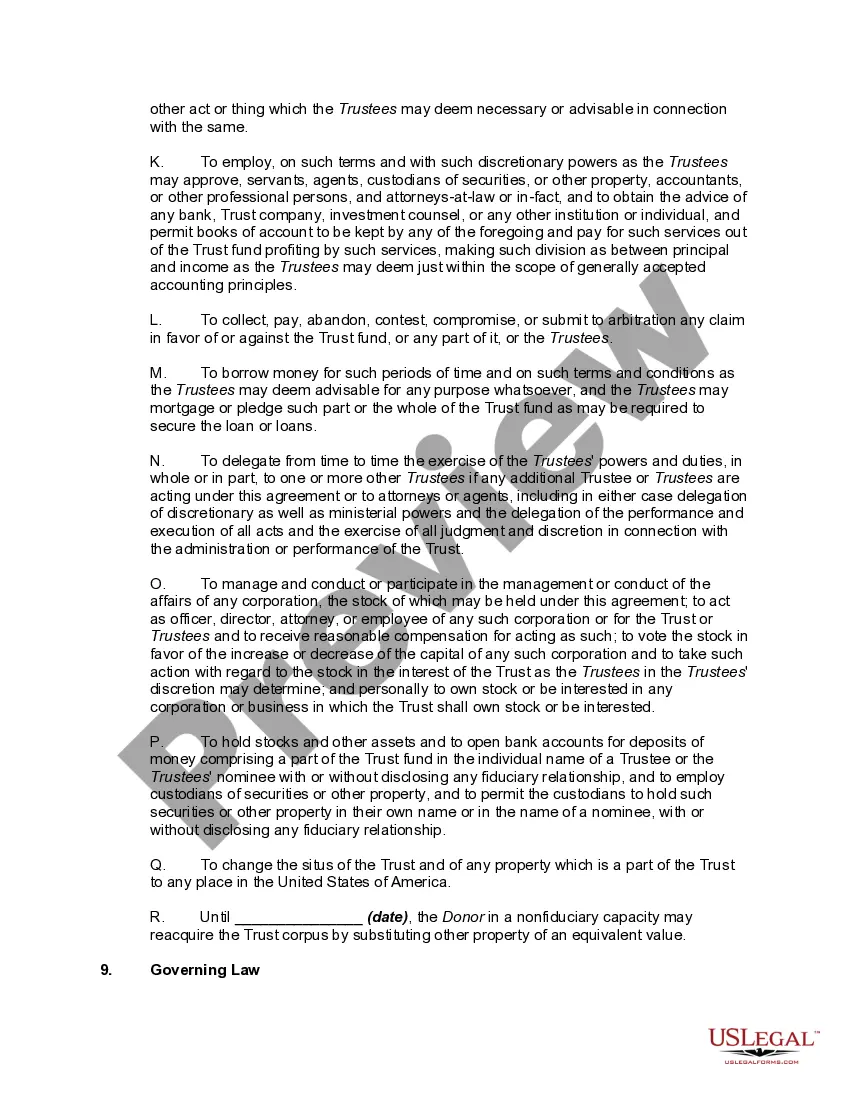

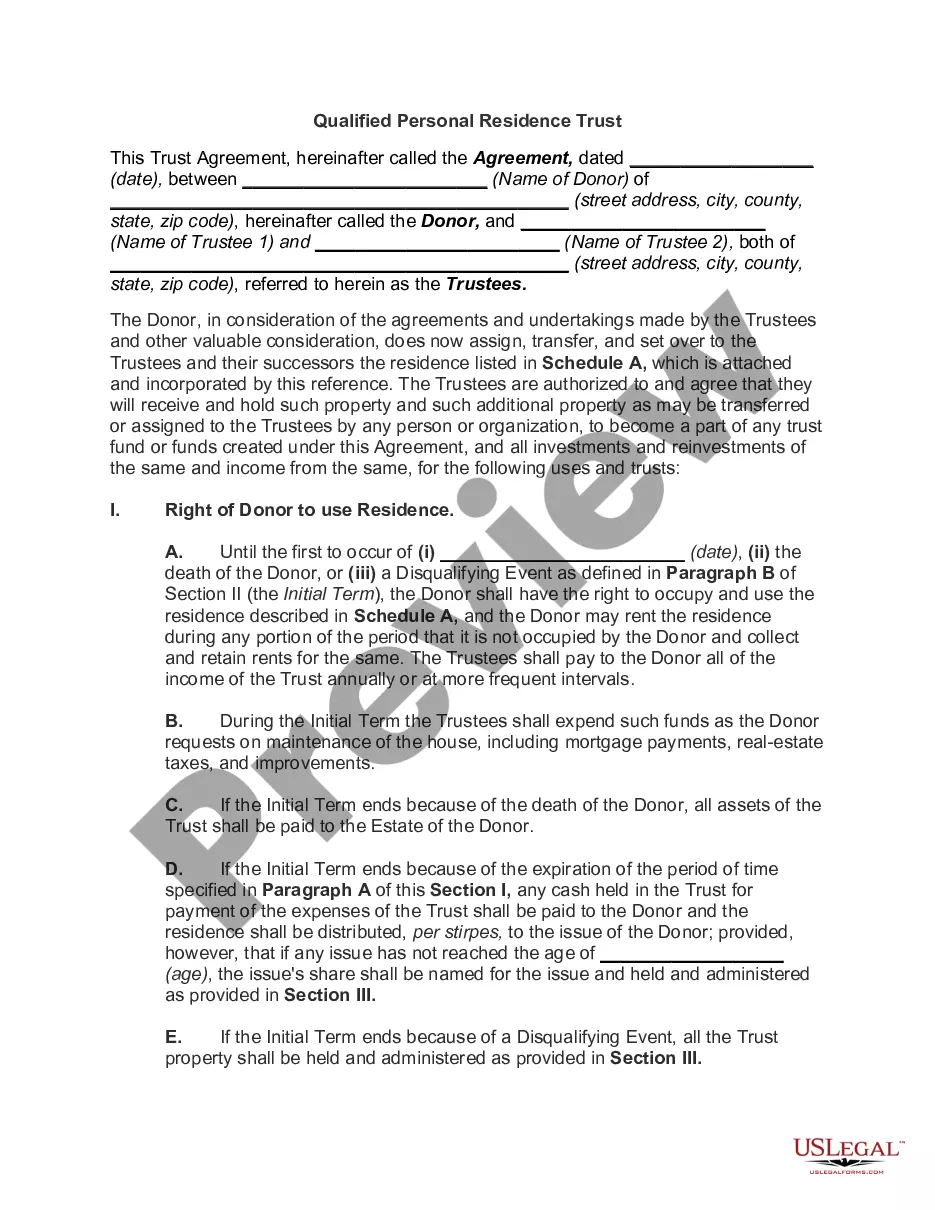
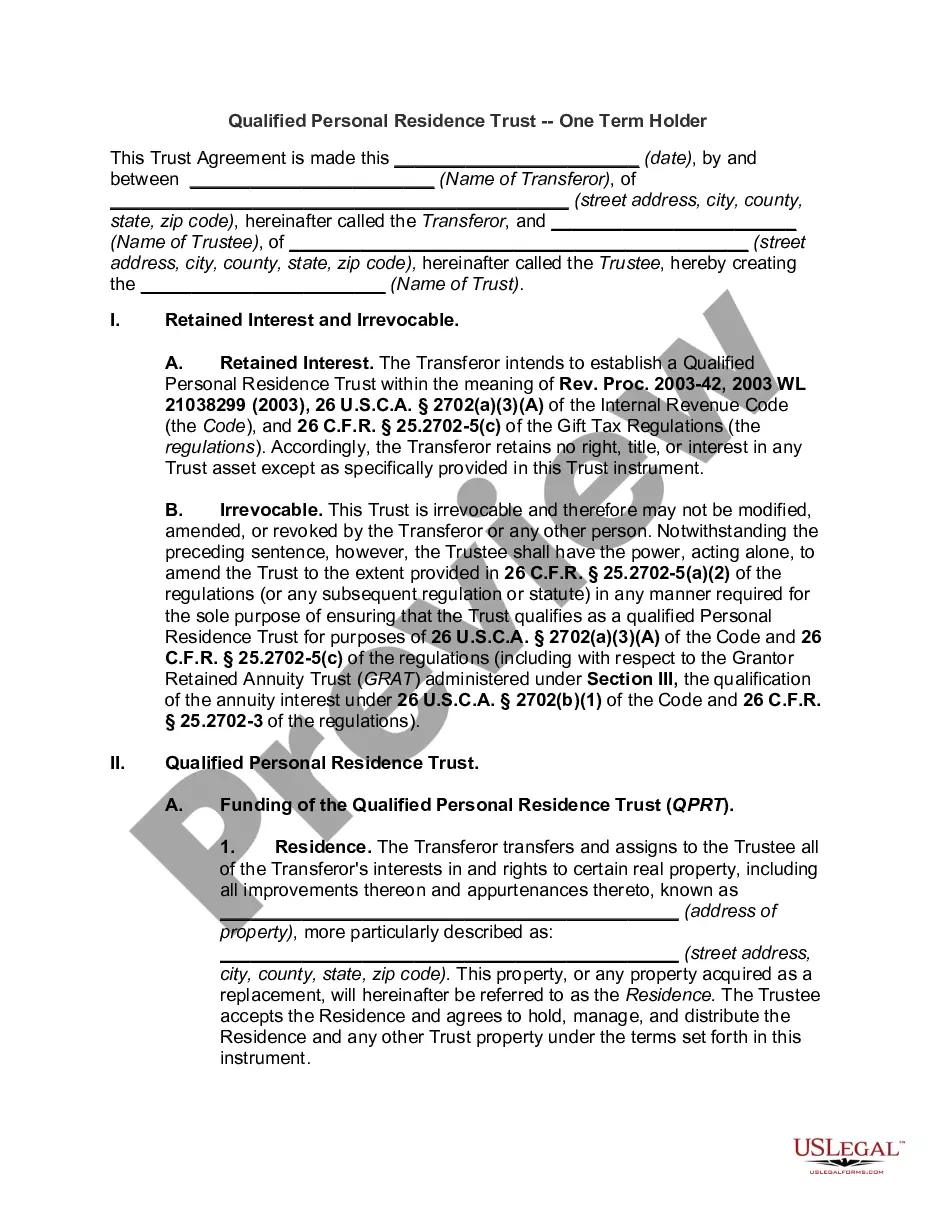
Get your form ready online
Our built-in tools help you complete, sign, share, and store your documents in one place.
Make edits, fill in missing information, and update formatting in US Legal Forms—just like you would in MS Word.
Download a copy, print it, send it by email, or mail it via USPS—whatever works best for your next step.
Sign and collect signatures with our SignNow integration. Send to multiple recipients, set reminders, and more. Go Premium to unlock E-Sign.
If this form requires notarization, complete it online through a secure video call—no need to meet a notary in person or wait for an appointment.
We protect your documents and personal data by following strict security and privacy standards.

Make edits, fill in missing information, and update formatting in US Legal Forms—just like you would in MS Word.

Download a copy, print it, send it by email, or mail it via USPS—whatever works best for your next step.

Sign and collect signatures with our SignNow integration. Send to multiple recipients, set reminders, and more. Go Premium to unlock E-Sign.

If this form requires notarization, complete it online through a secure video call—no need to meet a notary in person or wait for an appointment.

We protect your documents and personal data by following strict security and privacy standards.
Looking for another form?






How to fill out Personal Residence Trust?
Legal paperwork handling can be daunting, even for proficient professionals.
When you are looking for a Personal Residence Real Formula and do not have the opportunity to invest time seeking the correct and current version, the process can be stressful.
Gain access to a repository of articles, tutorials, and guides pertinent to your circumstances and needs.
Save time and energy searching for the documents you require, and utilize US Legal Forms’ advanced search and Preview function to obtain and download the Personal Residence Real Formula.
Take advantage of the US Legal Forms online catalog, supported by 25 years of experience and reliability. Transform your everyday document management into a seamless and user-friendly process today.
- If you possess a subscription, Log In to your US Legal Forms account, locate the form, and download it.
- Review your My documents section to see the documents you've downloaded previously and to organize your files as desired.
- If this is your first experience with US Legal Forms, create an account to gain limitless access to all the benefits of the library.
- Following obtaining the form you need, validate that it is the correct one by previewing it and checking its description.
- Confirm that the template is accepted in your state or county.
- Click Buy Now when you are prepared.
- Choose a monthly subscription plan.
- Select the format you desire, then Download, fill out, sign, print, and send your document.
- Access localized or jurisdiction-specific legal and business templates.
- US Legal Forms addresses any requirements you might have, from personal to business documents, all in one place.
- Leverage cutting-edge tools to finalize and handle your Personal Residence Real Formula.
Form popularity
FAQ
The IRS determines your primary residence based on several factors, including the amount of time you spend at the property and your intention to make it your home. You should consider using the personal residence real formula to illustrate your residence status, as it incorporates elements such as ownership, usage, and any necessary elections. Documentation, such as utility bills and tax returns, can aid in establishing your primary residence status effectively. Platforms like U.S. Legal Forms can guide you through specific requirements.
The 9 month rule for Primary Private Residence (PPR) states that you can claim relief for any last period of 9 months before selling your home, even if you do not live there anymore. This means that the personal residence real formula helps you benefit from additional tax relief when selling a property that was once your main home. Understanding this rule ensures that you optimize your capital gains tax obligations. Professional resources, such as U.S. Legal Forms, can provide clarity on your entitlements.
To calculate private residence relief, you can use the personal residence real formula which takes into account the total period you owned the property and the time you occupied it as your main home. Essentially, your relief is proportional to the time you lived there compared to the total ownership period. This calculation considers additional factors, such as periods of election or temporary absence. It is a straightforward approach to maximize your tax benefits.
The 4 3 2 1 rule in real estate refers to a guideline for determining the amount of private residence relief you can claim when selling your home. Specifically, it allows you to claim relief for the last 18 months of ownership, regardless of how long you lived there. Additionally, it permits you to claim relief for any periods when you lived in the home as your main residence. Understanding this rule is essential for effectively applying the personal residence real formula.
To calculate private residence relief, first identify the gain from your property sale. Then determine the periods you lived in the home during ownership, applying the personal residence real formula to calculate your eligible relief. This understanding can help you potentially avoid a significant tax burden when selling your residence.
The IRS determines your primary residence based on several factors, including the amount of time you spend there, the address on your tax returns, and utility services you use. Your principal place of residence directly relates to the personal residence real formula. Understanding these factors helps ensure you meet the necessary guidelines.
For private residence relief, keep documents like closing statements, proof of residence, and records of improvements made to your home. These documents demonstrate your eligibility for the relief under the personal residence real formula. Organizing these records can assist you in case of an audit.
You can prove your principal place of residence through several documents, such as utility bills, tax returns, or a driver’s license with your home address. These records affirm that you occupy the residence as your main home. Ensuring this documentation is correct supports your claims related to the personal residence real formula.
An example of private residence relief is when you sell your home and qualify for the capital gains tax exclusion. If you live in your home as your primary residence for at least two of the previous five years, you may exclude gains up to a certain limit. This benefit directly applies to the personal residence real formula, allowing homeowners to save significantly on taxes.
The IRS determines your primary residence through various records, including tax returns, mortgage interest statements, and property tax records. They also look at reported addresses on official documents and forms. To reinforce your personal residence real formula, consistently use your primary address and maintain comprehensive records of your residency.