Trust Accounting Form For Do
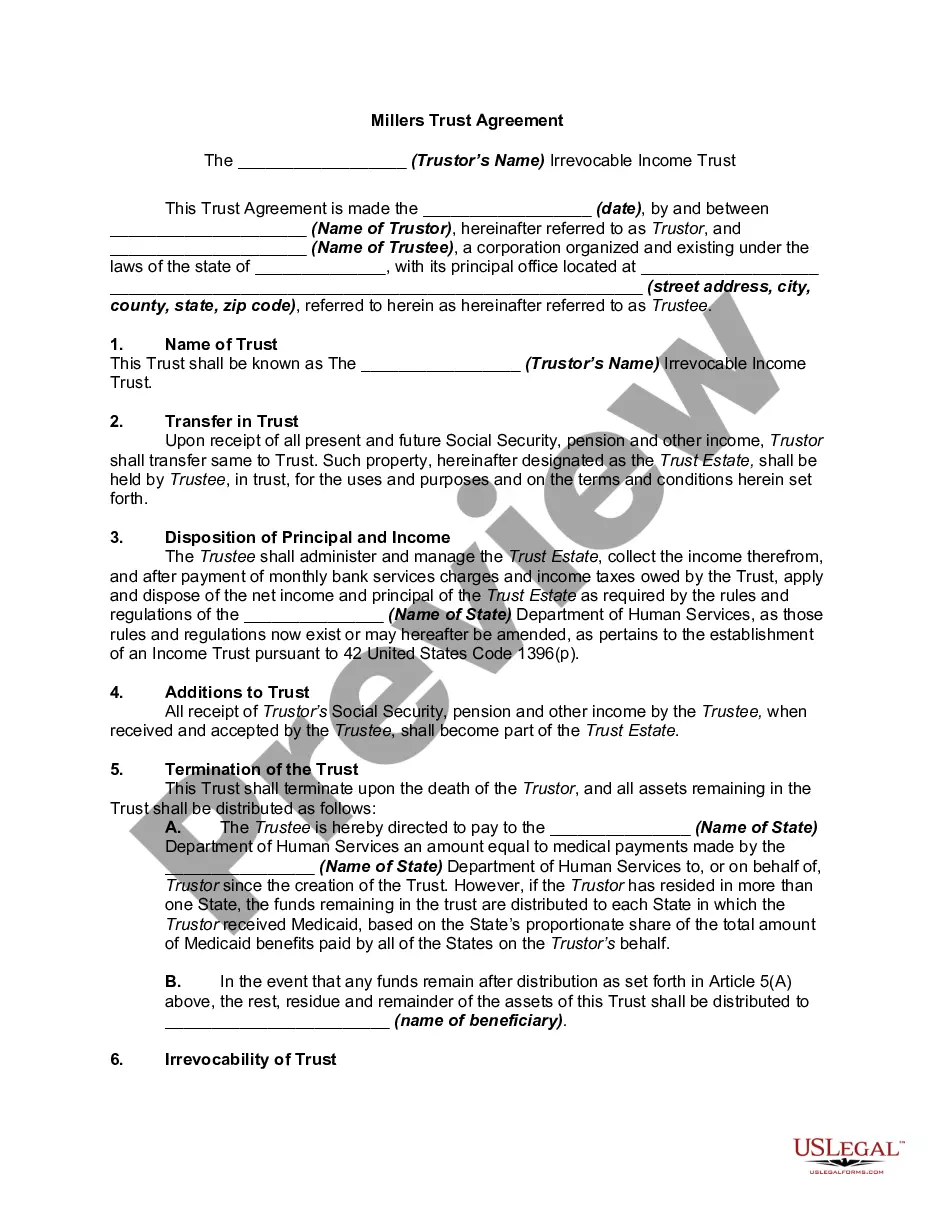
Description

Get your form ready online
Our built-in tools help you complete, sign, share, and store your documents in one place.
Make edits, fill in missing information, and update formatting in US Legal Forms—just like you would in MS Word.
Download a copy, print it, send it by email, or mail it via USPS—whatever works best for your next step.
Sign and collect signatures with our SignNow integration. Send to multiple recipients, set reminders, and more. Go Premium to unlock E-Sign.
If this form requires notarization, complete it online through a secure video call—no need to meet a notary in person or wait for an appointment.
We protect your documents and personal data by following strict security and privacy standards.

Make edits, fill in missing information, and update formatting in US Legal Forms—just like you would in MS Word.

Download a copy, print it, send it by email, or mail it via USPS—whatever works best for your next step.

Sign and collect signatures with our SignNow integration. Send to multiple recipients, set reminders, and more. Go Premium to unlock E-Sign.

If this form requires notarization, complete it online through a secure video call—no need to meet a notary in person or wait for an appointment.

We protect your documents and personal data by following strict security and privacy standards.
Looking for another form?








How to fill out Qualified Income Miller Trust?
- If you're a returning user, log in to your account to access your downloaded documents. Ensure your subscription is active; if it's expired, renew your plan.
- For new users, start by reviewing the Preview mode and form description. Confirm that the chosen template meets your specific requirements and adheres to your jurisdiction's guidelines.
- If the current form doesn't match your needs, use the Search tab to find an appropriate alternative before proceeding.
- Once you've identified the correct document, click the Buy Now button to select your preferred subscription plan. You will need to create an account to unlock our extensive library.
- Complete your purchase by entering your credit card information or using your PayPal account to finalize the subscription.
- Download the Trust accounting form for do and save it to your device. You can also find it anytime in the My Forms section of your profile.
With US Legal Forms, expect a robust collection of legal templates that outshine competitors, thanks to over 85,000 fillable forms at your disposal.
Empower your legal journey with ease. Start today and make the most of every resource available at your fingertips!
Form popularity
FAQ
Requesting a trust accounting typically involves a formal process where you ask the trustee to provide a comprehensive report of all trust activities. Be clear about the information you want, including transaction history and current balances. For assistance in crafting your request, consider leveraging templates and guidance from uslegalforms, ensuring your request is professional and complete.
To maintain accounting for a trust, establish a systematic approach to record all transactions. Start by labeling each entry clearly, and maintain regular backups of your records. Utilizing the resources from uslegalforms can simplify this process, making it easier to keep your trust accounting form for do up to date and organized.
Yes, you can file form 1041 electronically, and doing so is often more efficient than traditional methods. E-filing allows for quicker processing and helps reduce errors that can occur with paper submissions. Many trusts benefit from using digital tools, like those offered by uslegalforms, to ensure the trust accounting form for do and other necessary forms are filed correctly.
Basic bookkeeping for a trust account involves tracking all financial activities associated with the trust. This includes recording incoming funds, outgoing payments, and any interest earned. Keeping timely and accurate records will provide a clear overview of the account, making it easier to fill out the trust accounting form for do.
Trust accounting requires adherence to specific accounting standards to ensure transparency and accuracy. These standards typically include the maintenance of separate accounts for each trust and the regular reconciliation of these accounts. By properly following these standards, you can feel confident managing the trust, especially when completing the trust accounting form for do.
When managing trust funds, it is vital to maintain comprehensive records. You should keep details of all transactions, including deposits and withdrawals, as well as bank statements, invoices, and any receipts linked to trust expenditures. This ensures compliance and helps you easily access necessary information when filing the trust accounting form for do.
The 1041 form is utilized to report income, deductions, gains, and losses of estates and trusts. It ensures that any income generated during the administration of an estate or trust is appropriately taxed. By integrating a trust accounting form for do, you can maintain accurate records and fulfill all reporting requirements seamlessly.
IRS Rule 1041 governs the tax responsibilities for estates and trusts, outlining how income is taxed and reported. This rule helps determine when a trust or estate must file a return based on its income. A trust accounting form for do can guide you through compliance with these rules in an efficient manner.
Individuals or entities that manage estates or trusts must file the IL 1041 form. This includes fiduciaries who handle trust income or beneficiaries receiving distributions. Leveraging a trust accounting form for do can streamline the preparation and ensure all necessary filings are made timely.
In the case of a deceased individual, you file Form 1041 if the estate or trust generates income after death. Alternatively, you would file Form 1040 for the deceased's final individual tax return if they earned income before passing. Understanding these distinctions is essential, and using a trust accounting form for do can clarify your filing obligations.