Sperm Donor Laws By State
Description
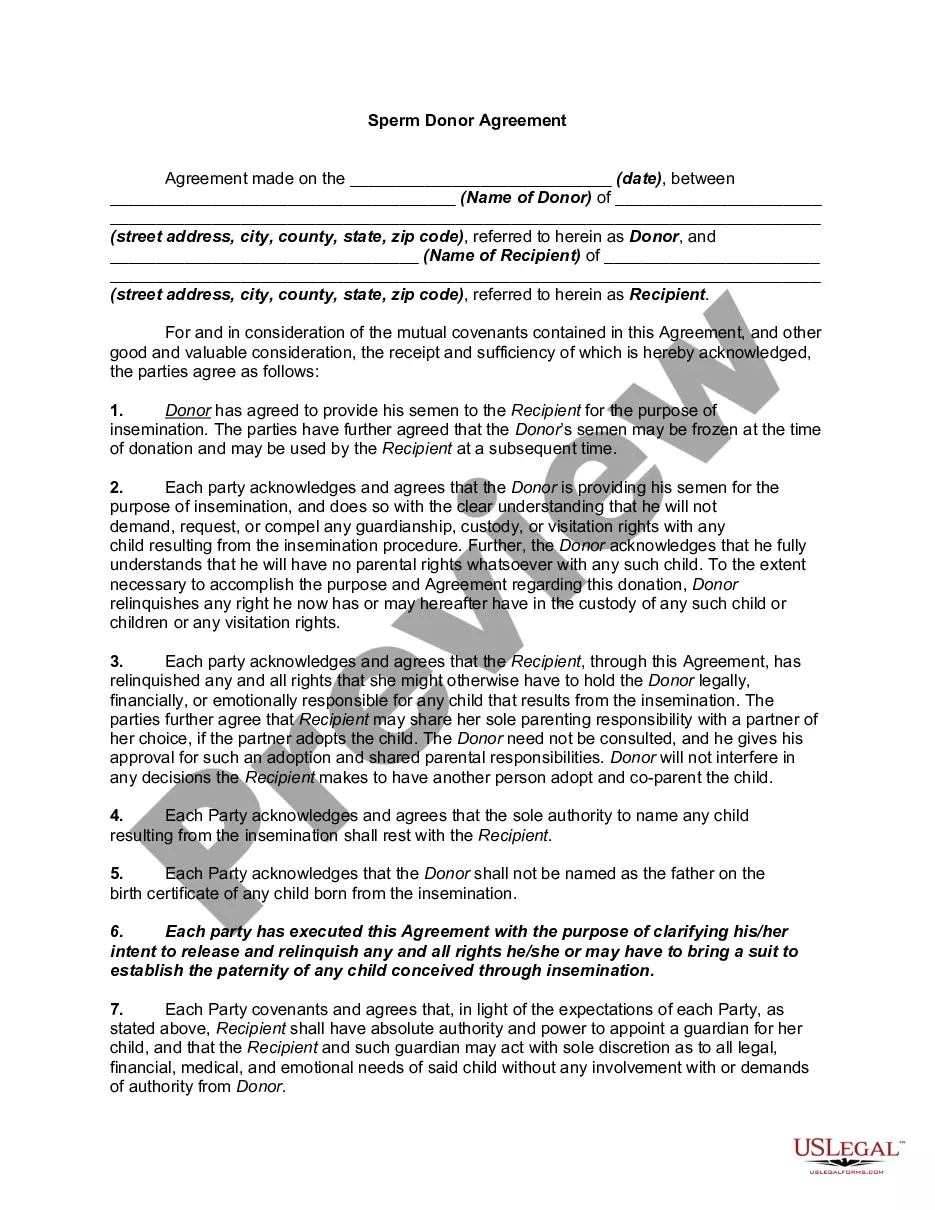
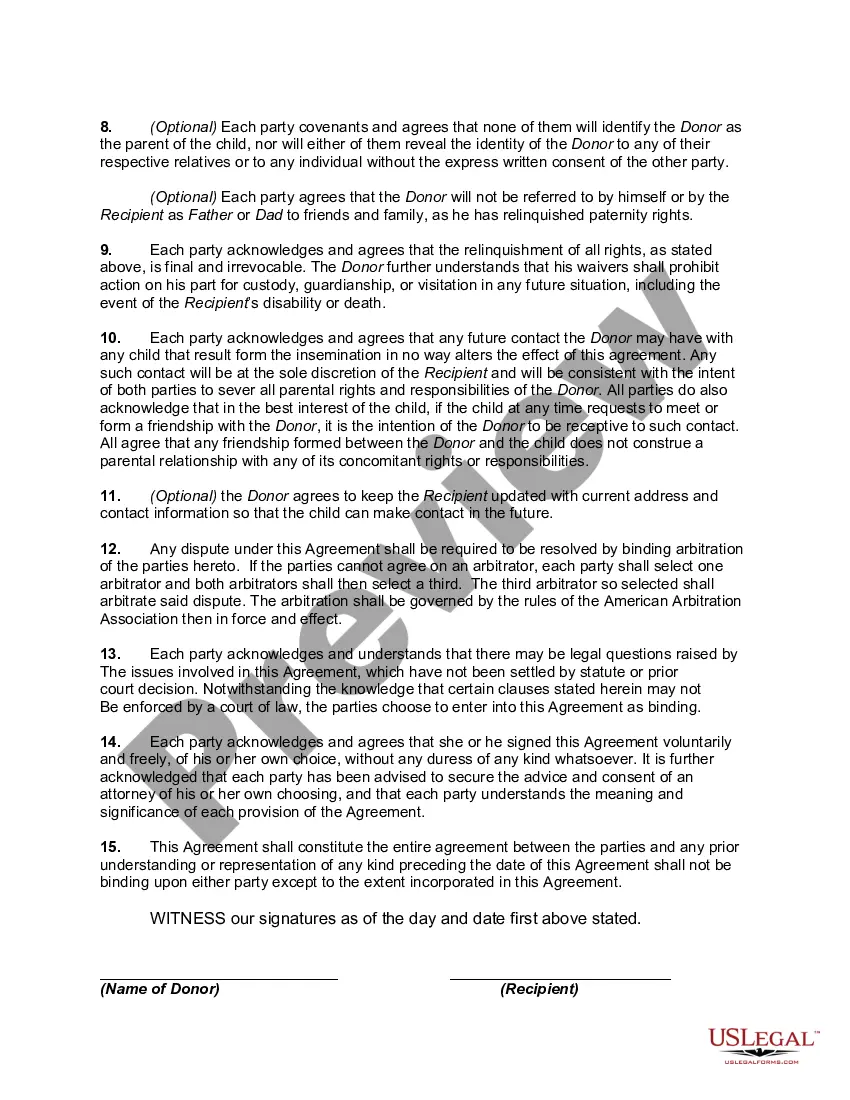
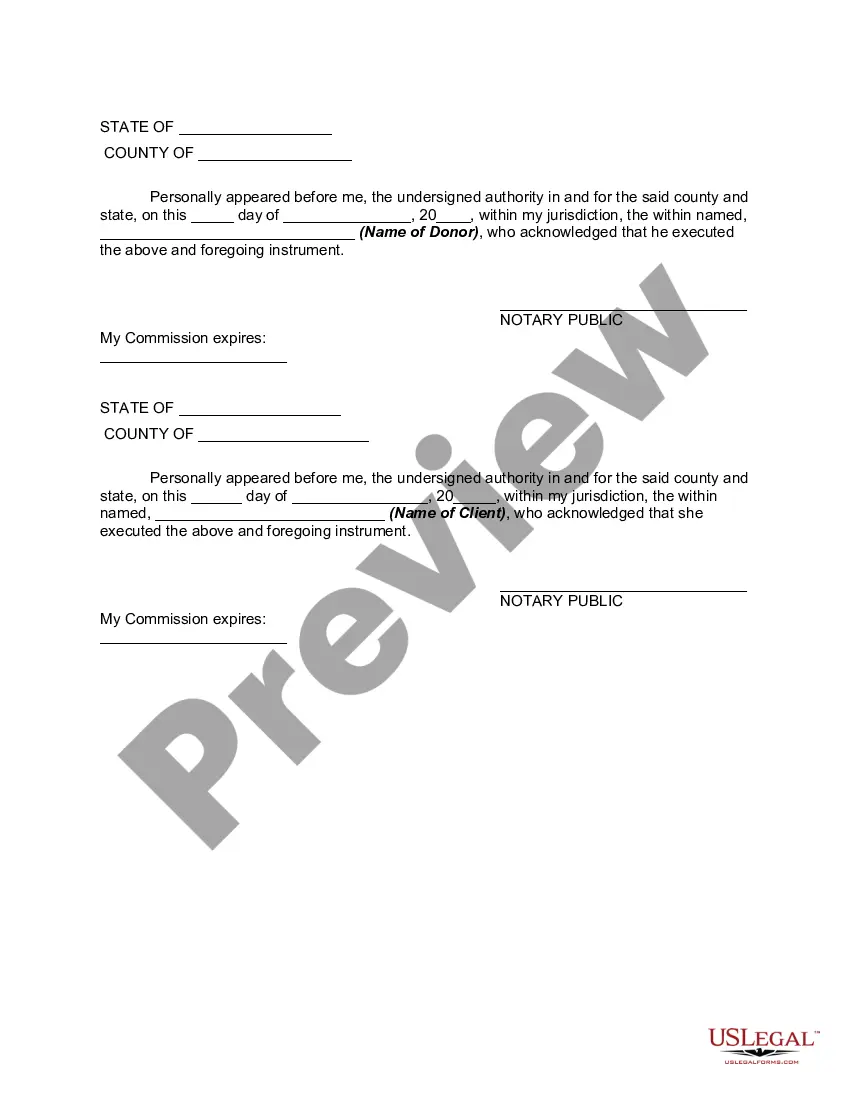
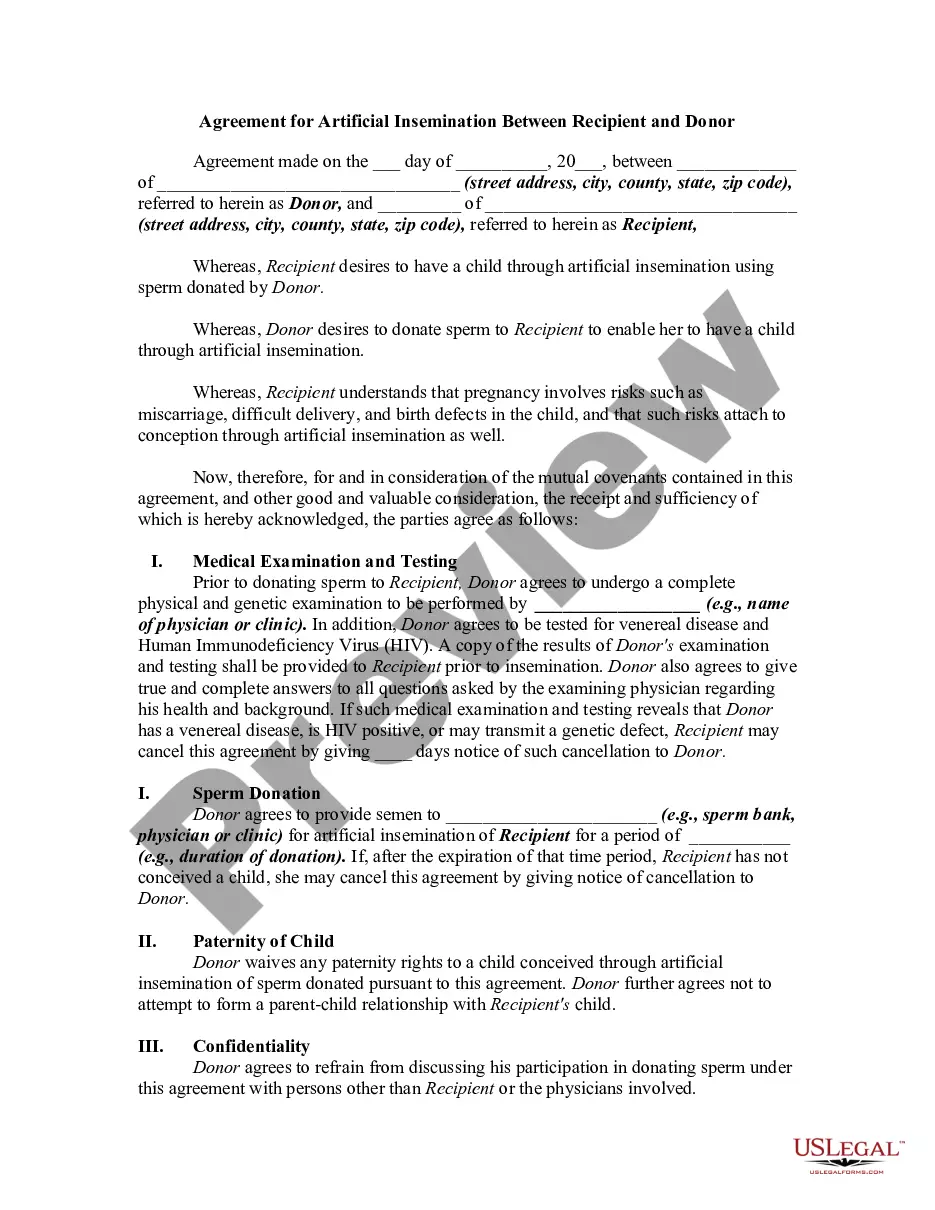
Get your form ready online
Our built-in tools help you complete, sign, share, and store your documents in one place.
Make edits, fill in missing information, and update formatting in US Legal Forms—just like you would in MS Word.
Download a copy, print it, send it by email, or mail it via USPS—whatever works best for your next step.
Sign and collect signatures with our SignNow integration. Send to multiple recipients, set reminders, and more. Go Premium to unlock E-Sign.
If this form requires notarization, complete it online through a secure video call—no need to meet a notary in person or wait for an appointment.
We protect your documents and personal data by following strict security and privacy standards.

Make edits, fill in missing information, and update formatting in US Legal Forms—just like you would in MS Word.

Download a copy, print it, send it by email, or mail it via USPS—whatever works best for your next step.

Sign and collect signatures with our SignNow integration. Send to multiple recipients, set reminders, and more. Go Premium to unlock E-Sign.

If this form requires notarization, complete it online through a secure video call—no need to meet a notary in person or wait for an appointment.

We protect your documents and personal data by following strict security and privacy standards.
Looking for another form?


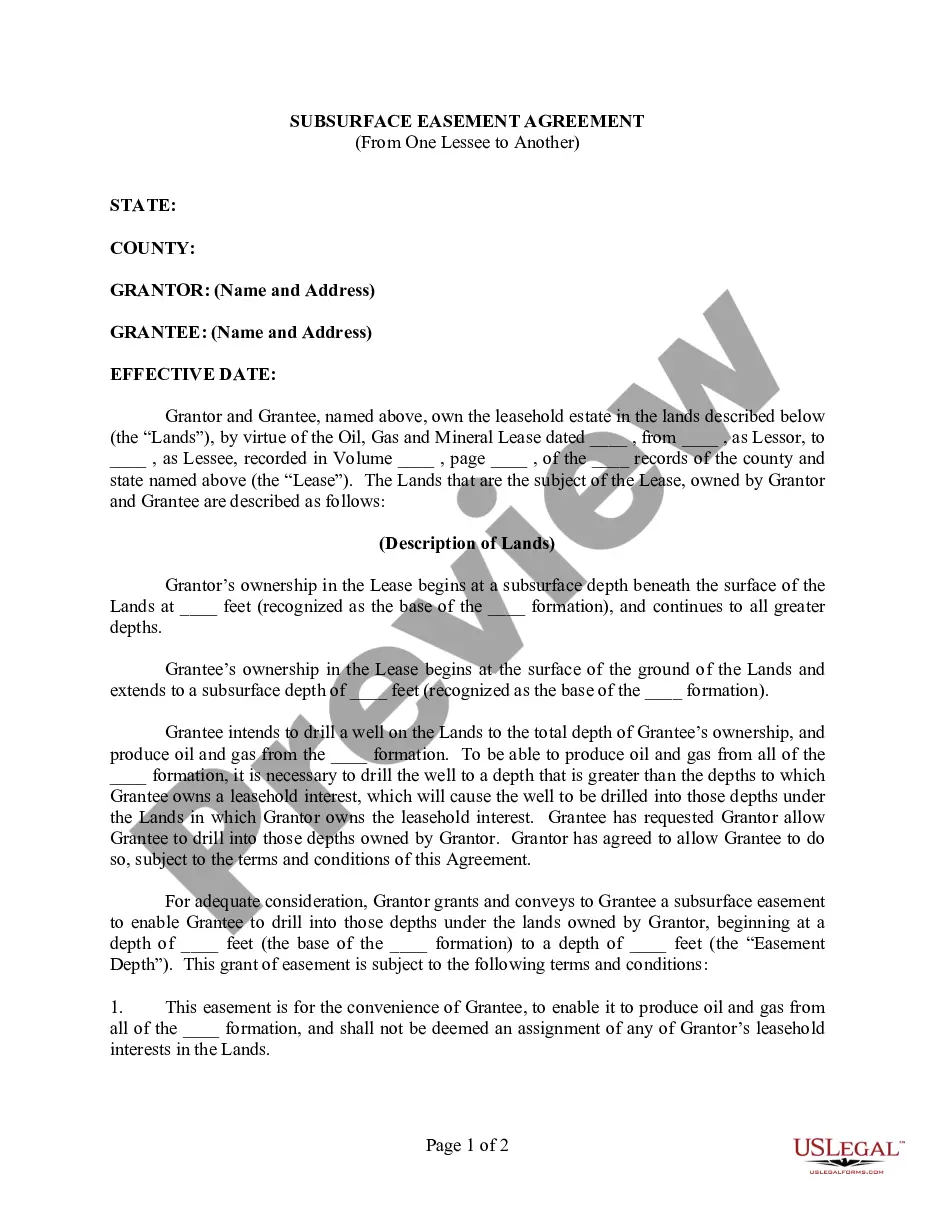
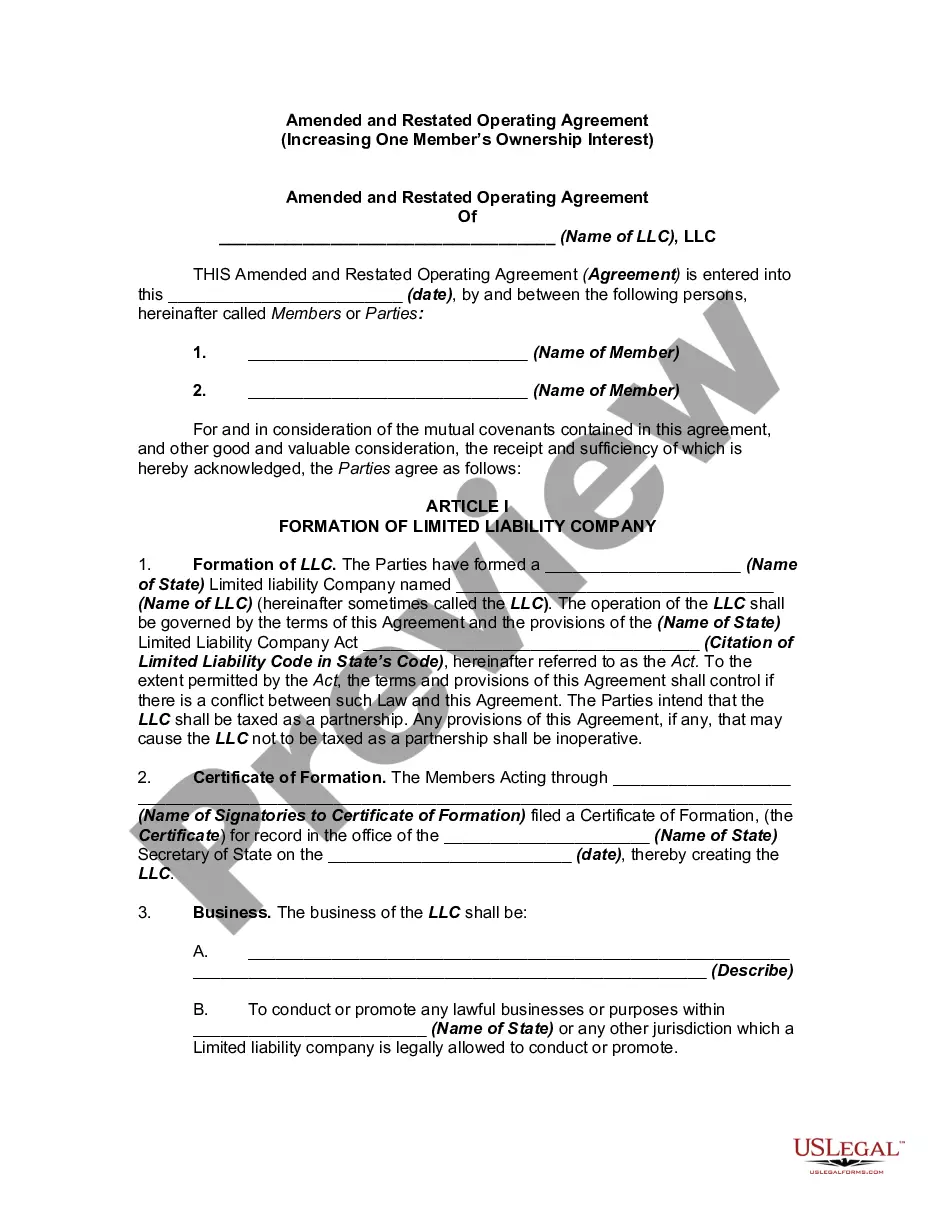
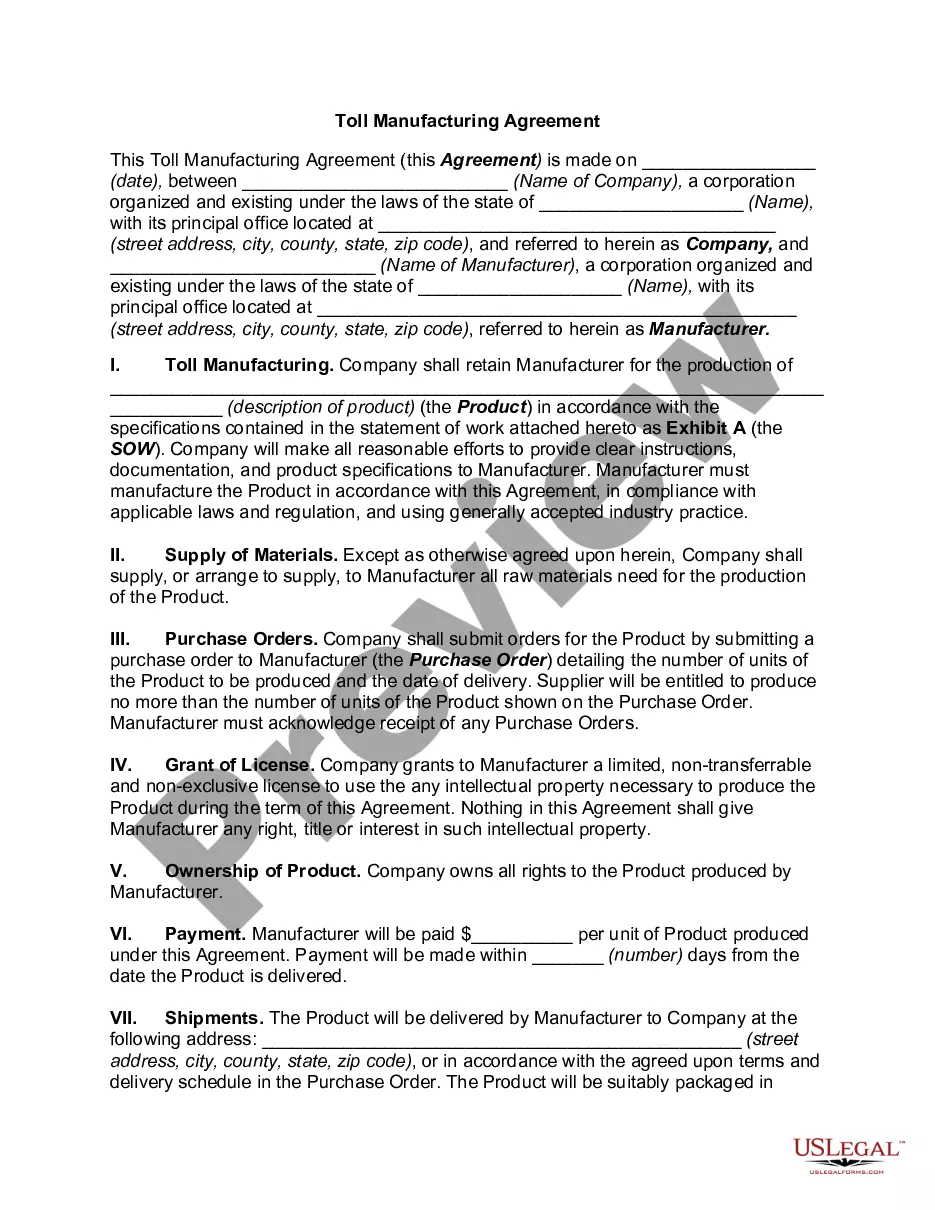

How to fill out Sperm Donor Agreement?
It's clear that you can't transform into a legal authority instantly, nor can you quickly learn how to draft Sperm Donor Regulations By State without possessing a unique set of abilities.
Assembling legal documents is a lengthy process that necessitates specific training and expertise. So why not delegate the preparation of the Sperm Donor Regulations By State to the professionals.
With US Legal Forms, one of the most comprehensive legal document libraries, you can obtain anything from court filings to templates for internal business communication. We understand the importance of compliance and adherence to federal and state regulations. That's why, on our platform, all forms are location-specific and current.
You can access your documents again from the My documents tab at any moment. If you are a returning customer, you can just Log In, and locate and download the template from the same section.
Regardless of the intention behind your forms—whether financial and legal, or personal—our platform is here to assist you. Try US Legal Forms today!
- Locate the form you require by utilizing the search feature at the top of the page.
- Preview it (if this option is available) and examine the accompanying description to determine if Sperm Donor Regulations By State is what you are looking for.
- Initiate your search again if you need a different template.
- Sign up for a free account and select a subscription plan to purchase the form.
- Click Buy now. Once the purchase is complete, you can download the Sperm Donor Regulations By State, complete it, print it, and send or mail it to the appropriate parties or entities.
Form popularity
FAQ
One downside of being a sperm donor relates to the potential for emotional repercussions, as outlined in sperm donor laws by state. Though donors are generally not held responsible for parenting, some may experience feelings of attachment or curiosity regarding their biological children. Also, donors should consider the legal implications involved, as state laws can vary widely. Understanding these aspects can help you make an informed decision.
Donor children can sometimes find their biological parents, but the feasibility largely depends on sperm donor laws by state. Some laws encourage transparency, allowing donor offspring to obtain information about their donors. Utilize platforms that specialize in connecting donor-conceived individuals with their biological origins for a supportive approach. Be aware, though, that the journey can be influenced by varied regulations across states.
Finding a biological father who is a sperm donor can vary greatly depending on sperm donor laws by state. Some states allow donor-conceived individuals to access information about their donors, while others may have strict confidentiality laws. Many donors agree to share their information on platforms that facilitate connections. Nevertheless, success in locating a donor can depend on various factors, including the donor's willingness and local laws.
Legally speaking, sperm donors are often not considered fathers under the sperm donor laws by state. These laws usually distinguish donors from legal parents to avoid any claims related to custody or support. However, biologically, donors contribute to the creation of a child, which may lead to emotional complexities. It's important to understand your state's regulations to navigate these situations effectively.
In the United States, sperm donor laws by state generally protect donors from having parental rights. Most states have statutes that limit a donor's rights and obligations, which helps establish clarity for intended parents. This means that donors are typically not recognized as legal parents unless specified otherwise through an agreement. Always check your state’s specific laws for the precise details.
Disqualification from donating sperm can occur due to medical, legal, or personal reasons in accordance with sperm donor laws by state. Factors like serious health conditions, psychological evaluations, and lifestyle choices often play significant roles. It's advisable to consult with a donor program or legal expert to gain clarity on your specific situation and the regulations in your state.
Finding your biological father, if he was a donor, depends heavily on the specific sperm donor laws by state. Some states have laws that may allow donors to maintain anonymity, while others have provisions for children to access information about their biological parentage once they reach a certain age. You can explore various legal avenues to seek information while considering the emotional aspects involved.
Disqualifying factors for becoming a donor generally relate to health and legal requirements outlined by sperm donor laws by state. Conditions like genetic disorders, transmissible diseases, or a criminal record can disqualify a potential donor. It’s essential to consult with local donor programs to confirm the particular criteria that apply in your area.
Several factors could stop you from donating sperm, as each state has its own sperm donor laws. Personal health issues, legal issues, or failing to meet psychological assessments can lead to disqualification. If you’re uncertain about your status, researching the specific laws in your state can help you understand what might prevent you from donating.
There are various circumstances under which you may not be able to donate according to sperm donor laws by state. For instance, individuals with certain medical conditions, infectious diseases, or those who have undergone specific medical treatments may be considered ineligible. Additionally, age restrictions may apply in some states. Knowing your state’s rules can clarify your options.