Preliminary Injunction In Patent Cases
Description
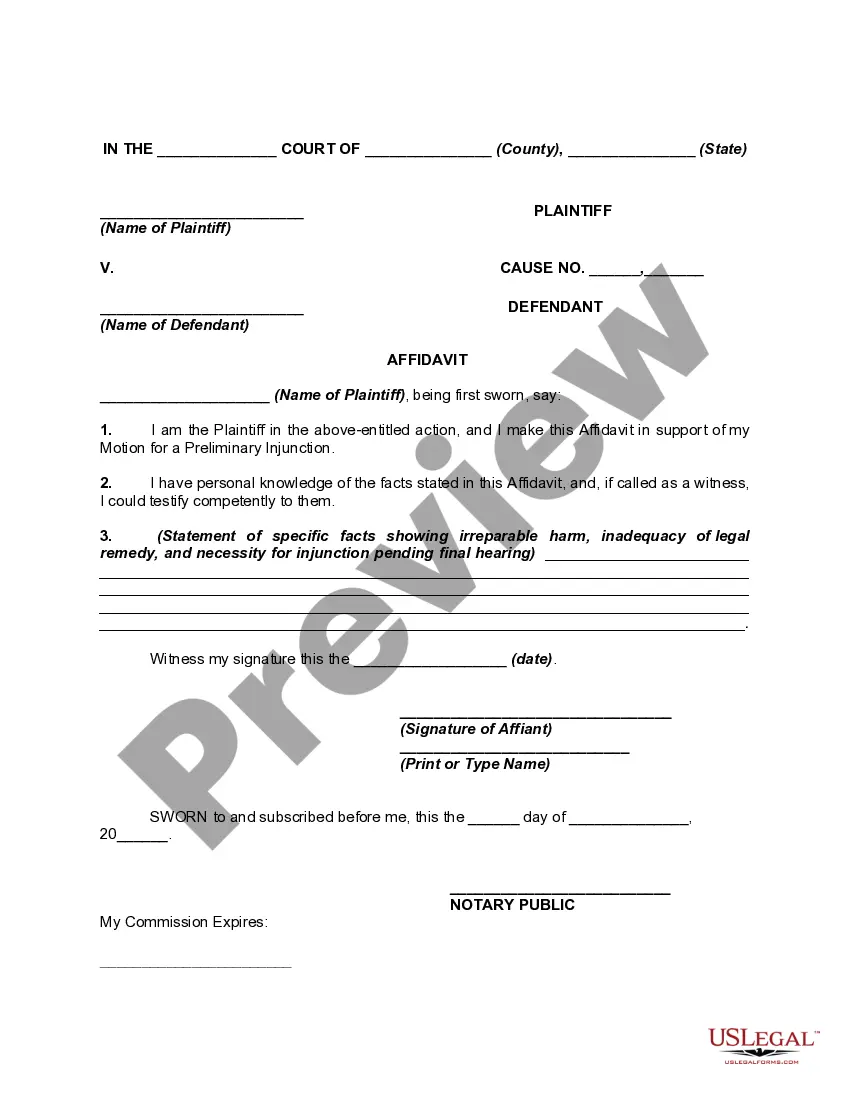

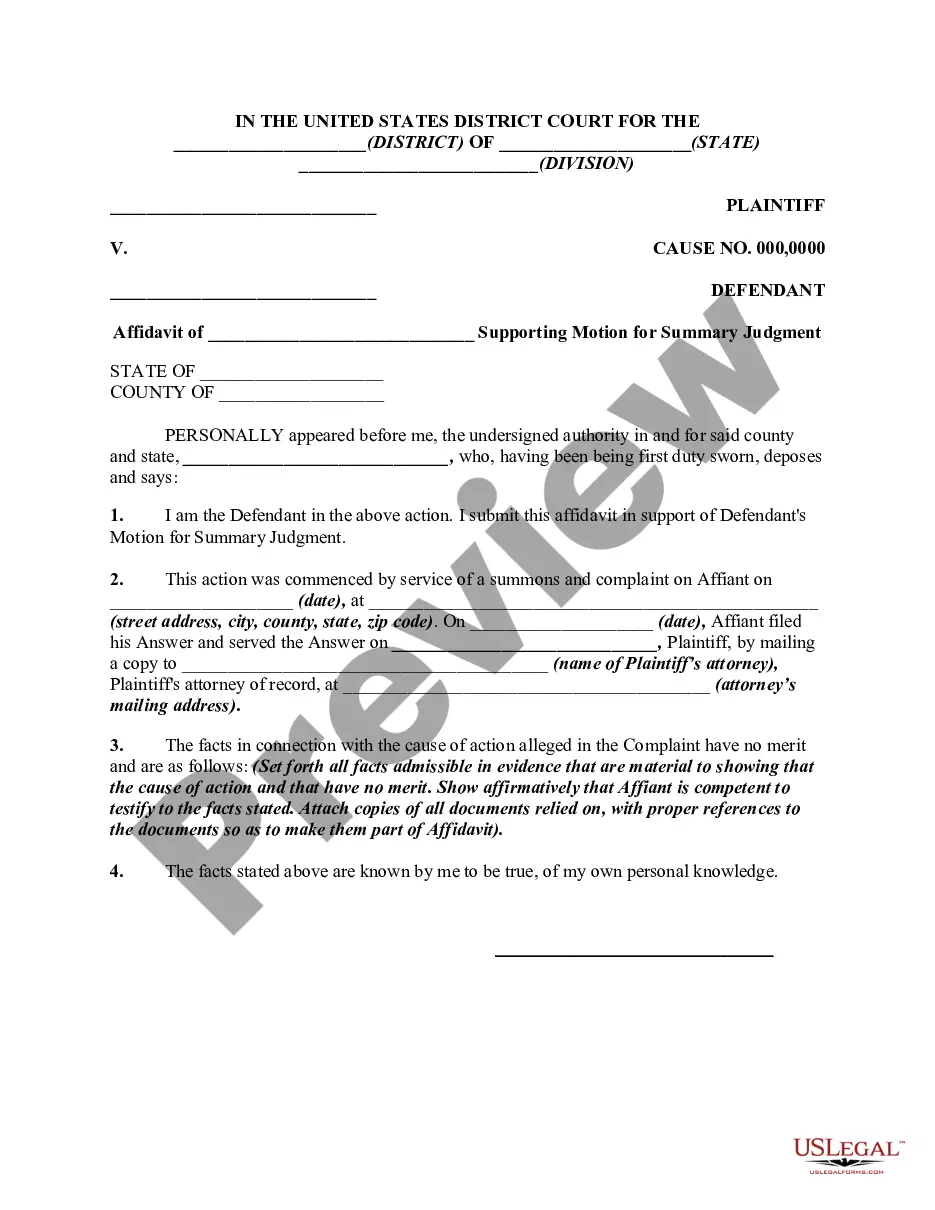
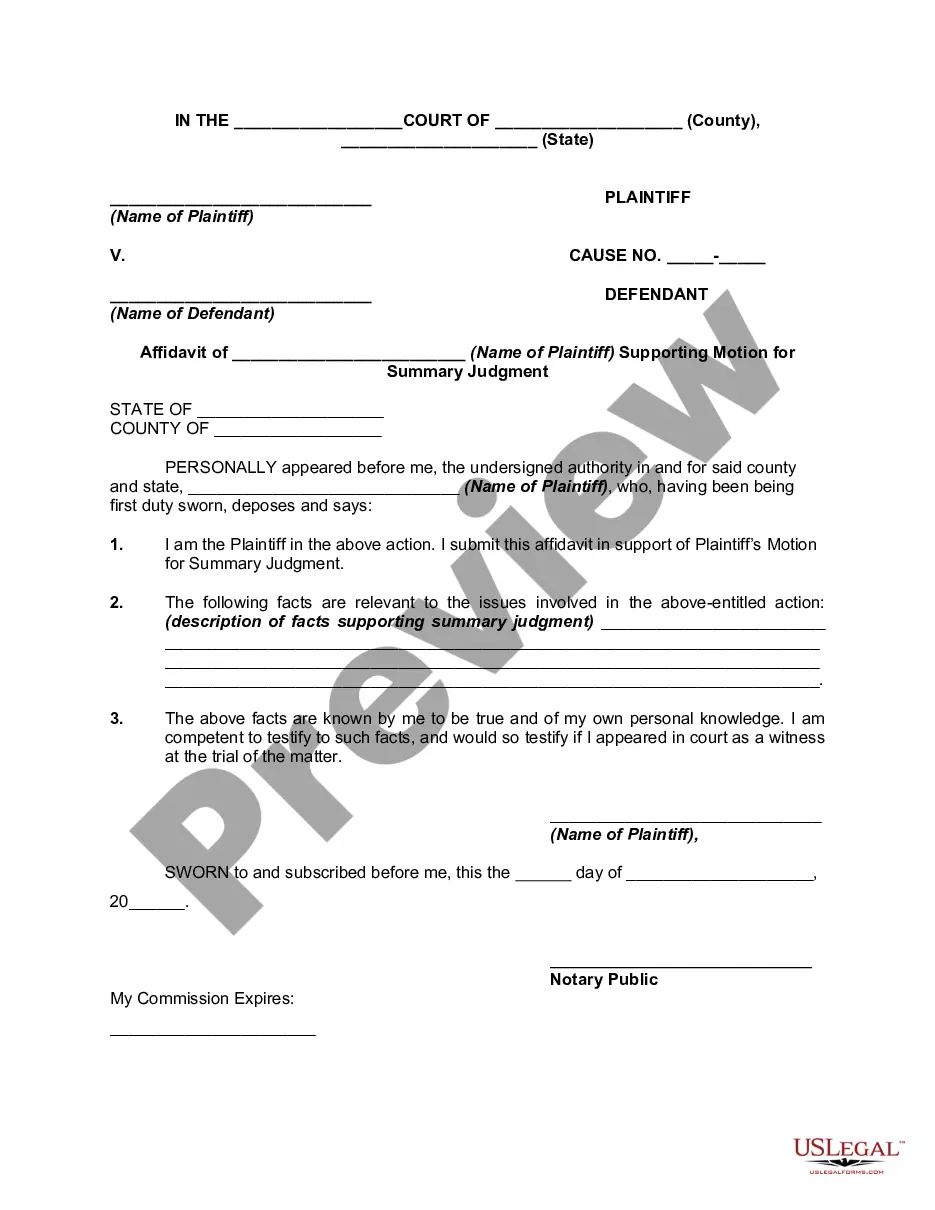
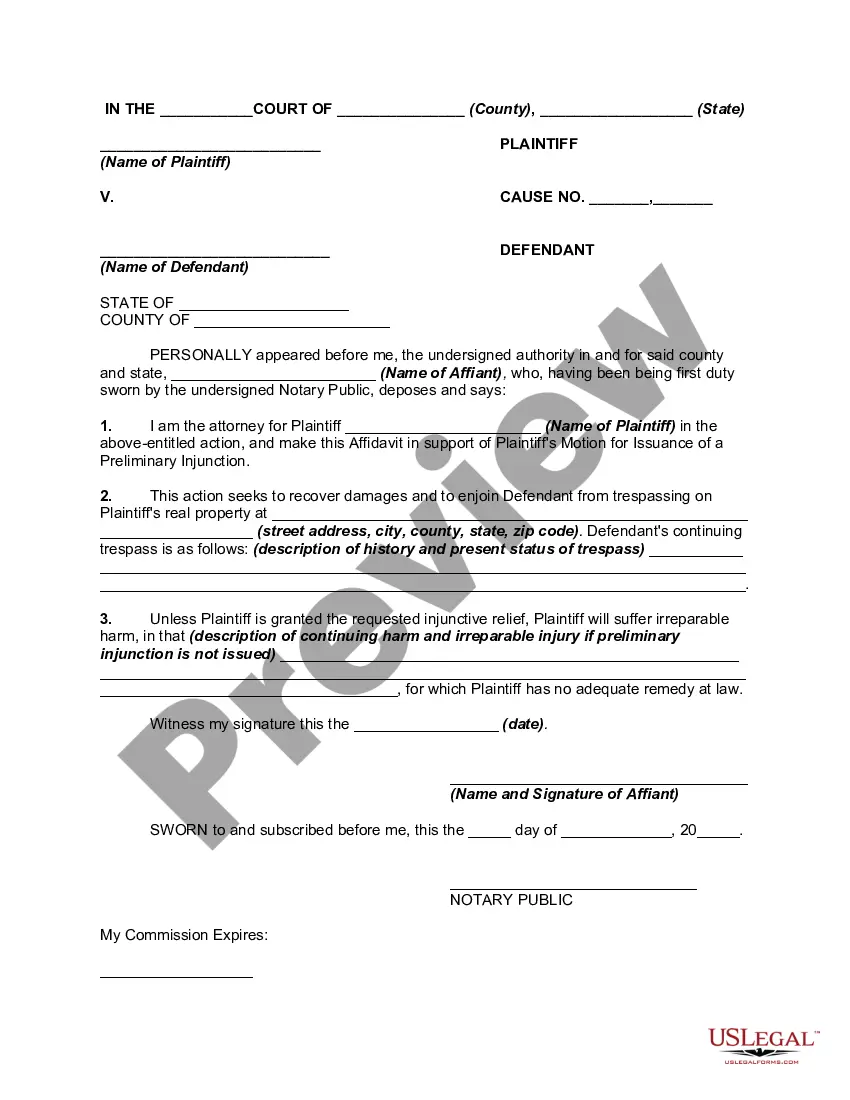
Get your form ready online
Our built-in tools help you complete, sign, share, and store your documents in one place.
Make edits, fill in missing information, and update formatting in US Legal Forms—just like you would in MS Word.
Download a copy, print it, send it by email, or mail it via USPS—whatever works best for your next step.
Sign and collect signatures with our SignNow integration. Send to multiple recipients, set reminders, and more. Go Premium to unlock E-Sign.
If this form requires notarization, complete it online through a secure video call—no need to meet a notary in person or wait for an appointment.
We protect your documents and personal data by following strict security and privacy standards.

Make edits, fill in missing information, and update formatting in US Legal Forms—just like you would in MS Word.

Download a copy, print it, send it by email, or mail it via USPS—whatever works best for your next step.

Sign and collect signatures with our SignNow integration. Send to multiple recipients, set reminders, and more. Go Premium to unlock E-Sign.

If this form requires notarization, complete it online through a secure video call—no need to meet a notary in person or wait for an appointment.

We protect your documents and personal data by following strict security and privacy standards.
Looking for another form?




How to fill out Affidavit In Support Of Motion For Preliminary Injunction?
The Initial Court Order In Intellectual Property Matters displayed on this page is a reusable official template crafted by expert attorneys in accordance with federal and regional laws.
For over 25 years, US Legal Forms has offered individuals, enterprises, and legal practitioners over 85,000 validated, state-specific documents for any professional and personal circumstance. It is the quickest, most uncomplicated, and most dependable method to acquire the forms you require, as the service ensures the utmost level of data protection and anti-malware safeguards.
Reuse the same document whenever necessary. Access the My documents section in your profile to redownload any previously purchased templates. Subscribe to US Legal Forms to have verified legal templates for every aspect of life readily available.
- Search for the document you require and review it.
- Examine the sample you searched and preview it or verify the form description to confirm it meets your requirements. If it does not, use the search function to find the correct one. Hit Buy Now when you have found the template you need.
- Choose a pricing plan that fits your needs and create an account. Use PayPal or a credit card for a fast transaction. If you already possess an account, Log In and check your subscription to proceed.
- Select the format you desire for your Initial Court Order In Intellectual Property Matters (PDF, Word, RTF) and save the document on your device.
- Print the template to fill it out manually. Alternatively, use an online versatile PDF editor to quickly and accurately complete and sign your form with a legally-binding electronic signature.
Form popularity
FAQ
To establish grounds for a preliminary injunction in patent cases, four key components must be demonstrated: a likelihood of success on the merits, the potential for irreparable harm, a balance of equities favoring the moving party, and serving the public interest. Each element plays a vital role in convincing the court of the necessity of the injunction. Understanding these components can significantly enhance a party's chances of successfully obtaining an injunction.
An injunction in patents refers to a court's directive to halt actions that violate patent rights. When a preliminary injunction is sought in patent cases, it addresses immediate concerns about potential infringement. This legal tool empowers patent holders to safeguard their interests while the case progresses.
A patent injunction is a court order that prevents an individual or entity from infringing on a patent holder's rights. In the context of preliminary injunctions in patent cases, such orders can be crucial in stopping unlawful activities quickly. This legal remedy supports patent holders in preserving their inventions and market position.
The three primary types of injunctions are temporary restraining orders, preliminary injunctions, and permanent injunctions. Each type serves a distinct function in the legal process, with preliminary injunctions often being central in patent cases. The impact of these injunctions varies based on how long they remain in effect and their specific conditions.
The purpose of a preliminary injunction in patent cases is to maintain the status quo and prevent potential harm before the court reaches a final decision. It aims to protect the patent holder's rights while avoiding damages that could be irreversible. This legal measure ensures that parties involved can sustain their interests until a comprehensive resolution is achieved.
When a party files for a preliminary injunction in patent cases, they request the court to prohibit the opposing party from taking specific actions that would infringe upon their patent rights. This filing initiates a legal process where the court evaluates the urgency of the situation. The goal is to prevent irreparable harm while the main patent dispute is resolved.
A preliminary injunction in patent cases typically involves a situation where a patent holder seeks a court order to stop another party from using their patented technology before the trial concludes. For instance, if a company believes another entity is unlawfully manufacturing its patented product, it may file for a preliminary injunction to halt production until the court makes a determination. This legal action shows the court that the patent owner faces irreparable harm, highlighting the urgency of ruling on the infringement. Understanding your options with preliminary injunctions can be complex, but platforms like uslegalforms can guide you through the legal necessities.
To request a preliminary injunction in patent cases, you must file a motion in the appropriate court alongside supporting documents. This includes evidence of your patent rights, an explanation of why the injunction is necessary, and arguments addressing the required legal standards. It is advisable to use platforms like uslegalforms to ensure your documentation is complete and adheres to legal standards.
For injunctive relief in patent cases, the burden of proof rests with the party requesting the injunction. They must prove that they have a valid patent and that the defendant’s actions are likely to infringe that patent. The requestor must also show that monetary damages are insufficient to remedy their situation, thus justifying the need for a preliminary injunction.
The standard of proof for a preliminary injunction in patent cases involves a likelihood of success on the merits. This means the party requesting the injunction must show that they are likely to prevail in the overall lawsuit. In addition to this, they must establish irreparable harm, a balance of hardships favoring the injunction, and that it serves the public interest.