Failure Cost Formula
Description
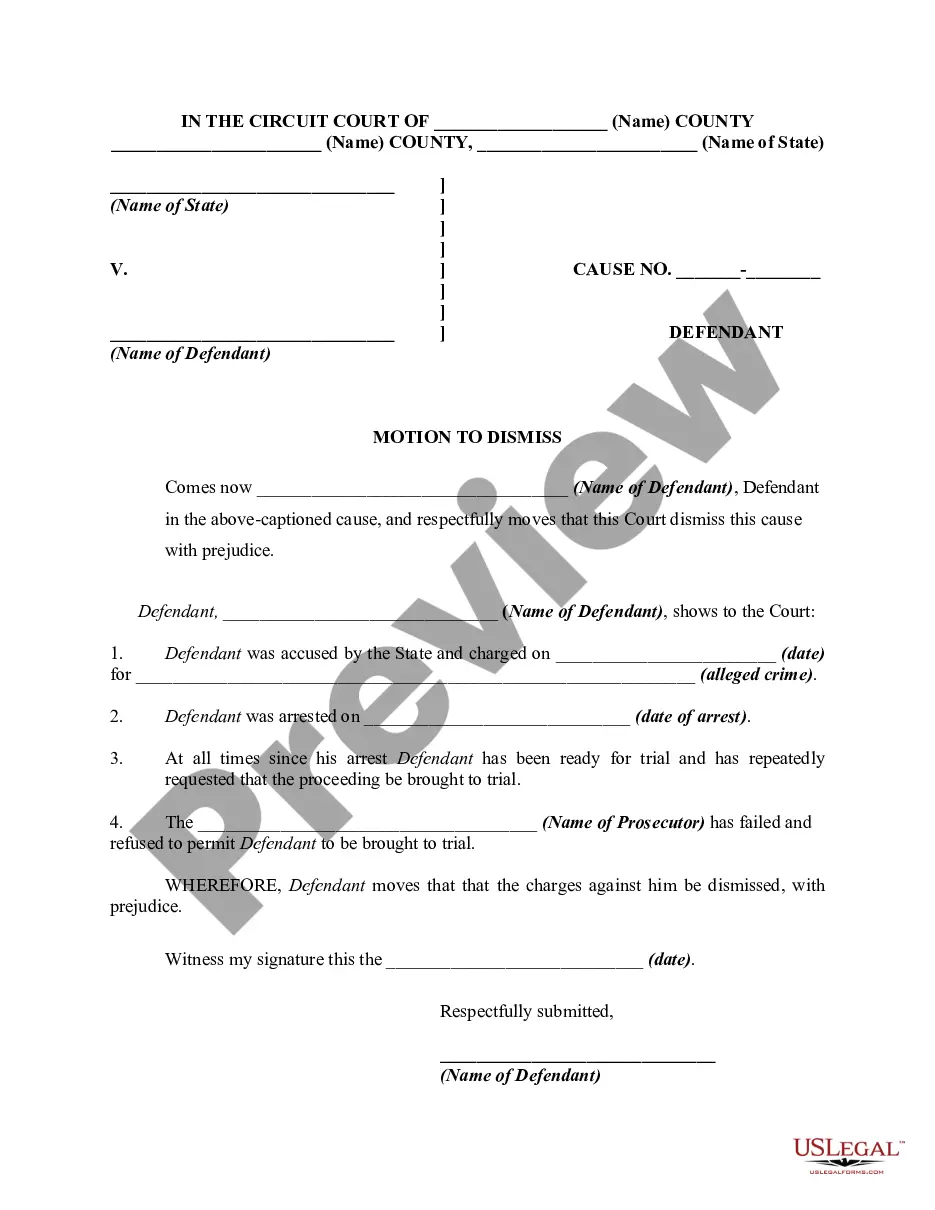


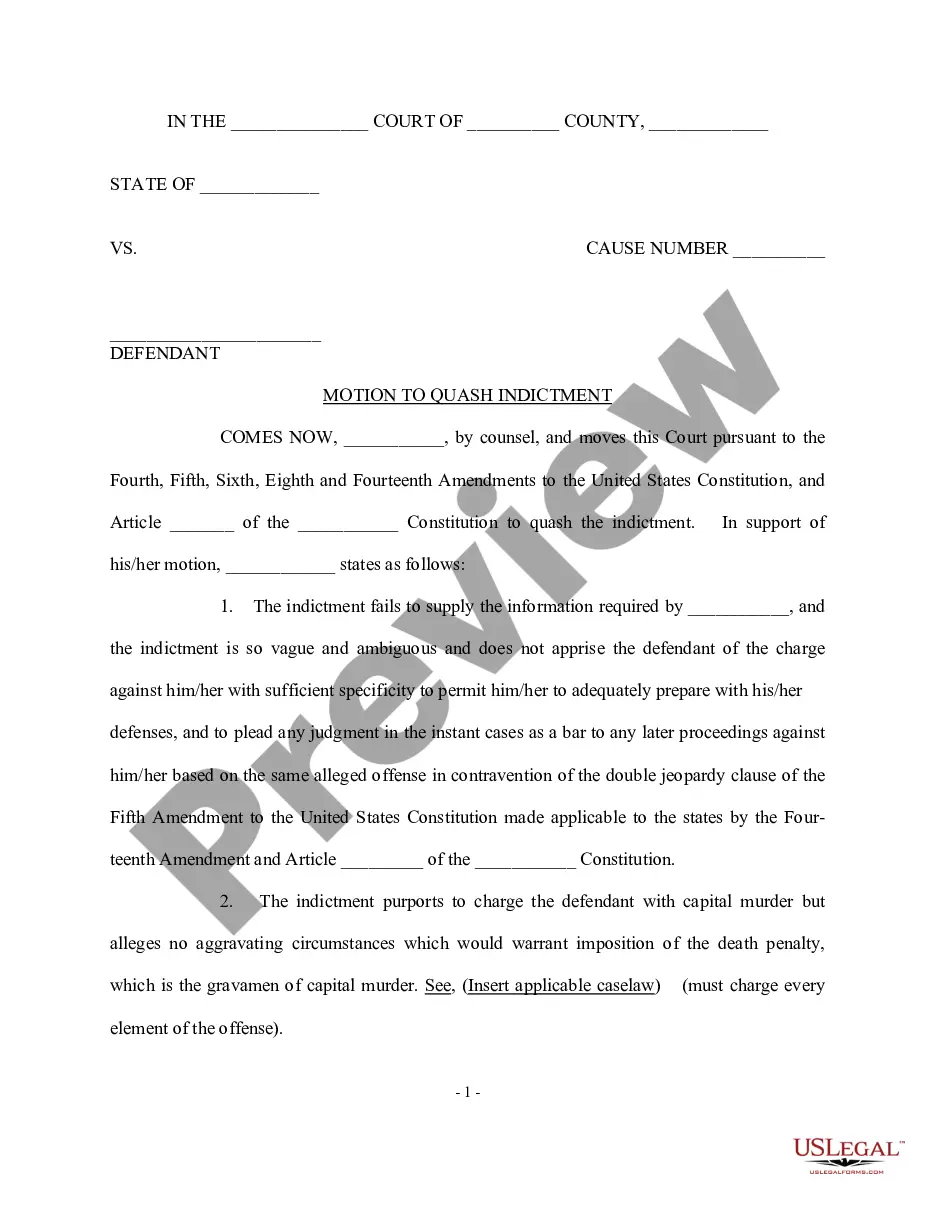
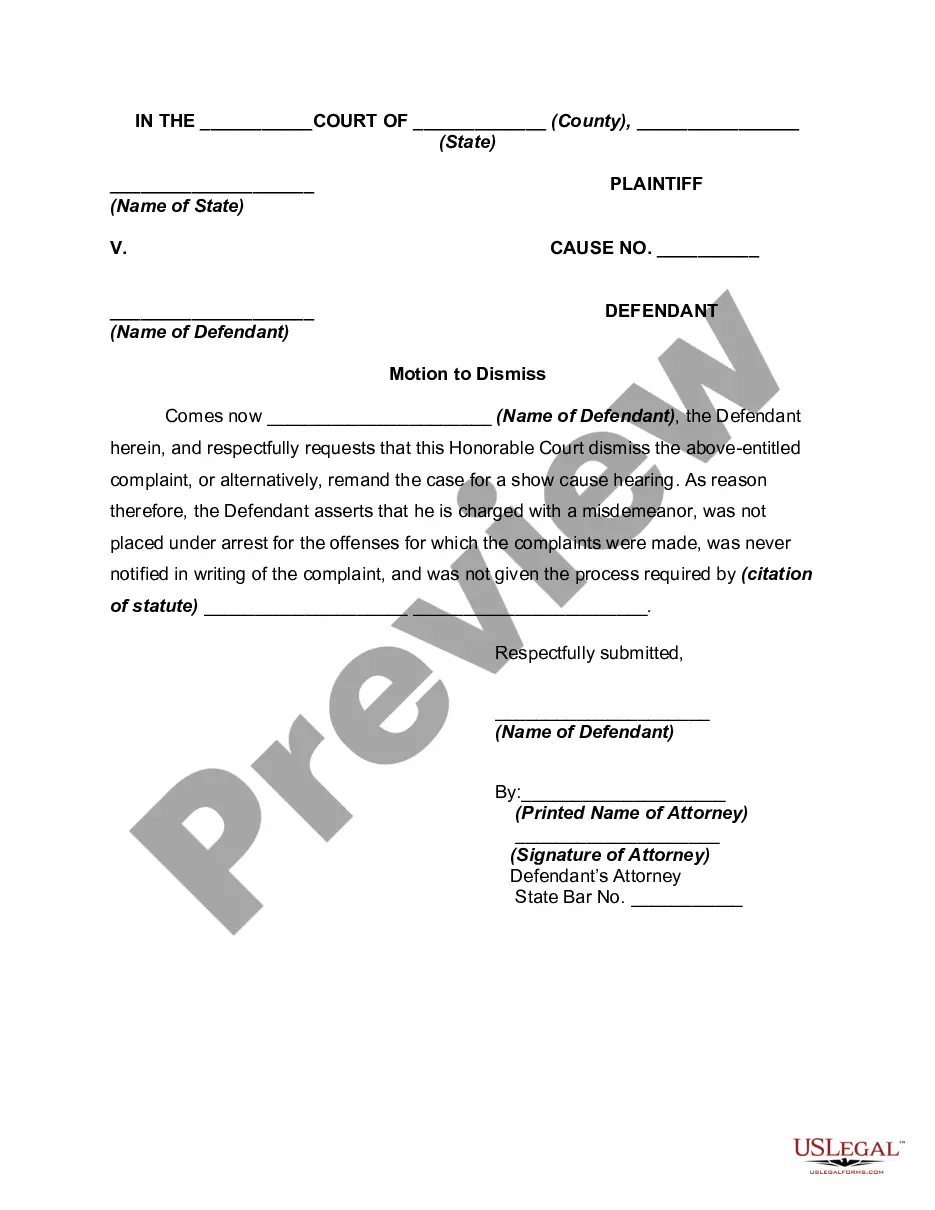
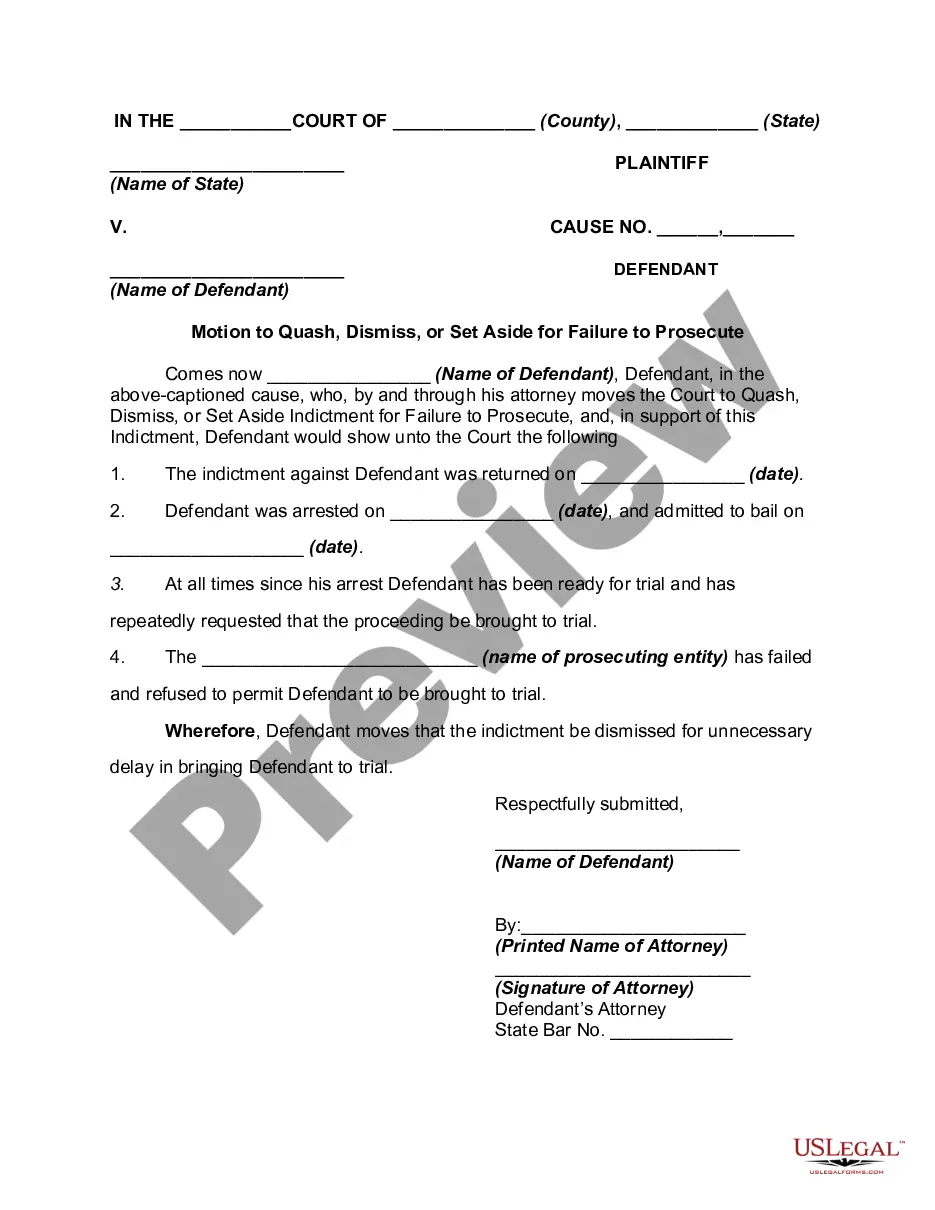
Get your form ready online
Our built-in tools help you complete, sign, share, and store your documents in one place.
Make edits, fill in missing information, and update formatting in US Legal Forms—just like you would in MS Word.
Download a copy, print it, send it by email, or mail it via USPS—whatever works best for your next step.
Sign and collect signatures with our SignNow integration. Send to multiple recipients, set reminders, and more. Go Premium to unlock E-Sign.
If this form requires notarization, complete it online through a secure video call—no need to meet a notary in person or wait for an appointment.
We protect your documents and personal data by following strict security and privacy standards.

Make edits, fill in missing information, and update formatting in US Legal Forms—just like you would in MS Word.

Download a copy, print it, send it by email, or mail it via USPS—whatever works best for your next step.

Sign and collect signatures with our SignNow integration. Send to multiple recipients, set reminders, and more. Go Premium to unlock E-Sign.

If this form requires notarization, complete it online through a secure video call—no need to meet a notary in person or wait for an appointment.

We protect your documents and personal data by following strict security and privacy standards.
Looking for another form?







How to fill out Motion To Quash, Dismiss, Or Set Aside Criminal Charges For Failure To Prosecute?
Getting a go-to place to take the most current and appropriate legal templates is half the struggle of dealing with bureaucracy. Choosing the right legal documents requirements precision and attention to detail, which is the reason it is very important to take samples of Failure Cost Formula only from trustworthy sources, like US Legal Forms. An improper template will waste your time and delay the situation you are in. With US Legal Forms, you have little to be concerned about. You can access and view all the details concerning the document’s use and relevance for your situation and in your state or region.
Take the listed steps to finish your Failure Cost Formula:
- Utilize the library navigation or search field to find your template.
- Open the form’s description to check if it matches the requirements of your state and region.
- Open the form preview, if available, to ensure the form is definitely the one you are searching for.
- Resume the search and locate the right document if the Failure Cost Formula does not match your needs.
- If you are positive regarding the form’s relevance, download it.
- If you are a registered user, click Log in to authenticate and gain access to your selected forms in My Forms.
- If you do not have a profile yet, click Buy now to obtain the template.
- Pick the pricing plan that suits your requirements.
- Go on to the registration to finalize your purchase.
- Complete your purchase by choosing a payment method (credit card or PayPal).
- Pick the file format for downloading Failure Cost Formula.
- When you have the form on your device, you can alter it with the editor or print it and finish it manually.
Remove the headache that comes with your legal paperwork. Explore the comprehensive US Legal Forms catalog to find legal templates, check their relevance to your situation, and download them on the spot.
Form popularity
FAQ
Failure Costs. Failure costs are those associated with correcting nonconforming material, including scrap, rework, repair, warranty actions, and others related to the correction of nonconformances. Many organizations further subdivide this category into internal and external failure costs.
Internal failure costs are costs associated with defects found before the customer receives the product or service. External failure costs are costs associated with defects found after the customer receives the product or service.
Internal failure costs are a third category of quality costs. This cost occurs when quality defects are discovered before they reach the customer. Examples of internal failure costs include scrapping a product, reworking the product, and lost productivity due to machine breakdowns or labor errors.
How do you calculate the cost of poor quality in manufacturing? Poor Quality = Internal Failure Costs + External Failure Costs. COPQ = (Waste + Defects ) * Time Spent Fixing. COPQ = $2 million + $200k = $2.2 million.
The Total Cost Formula, represented as (Fixed Cost + Variable Cost) / Number of Units Produced, provides insights into the cost structure of a business, helping determine profitability.