Sub Tenant Form For Landlord
Description
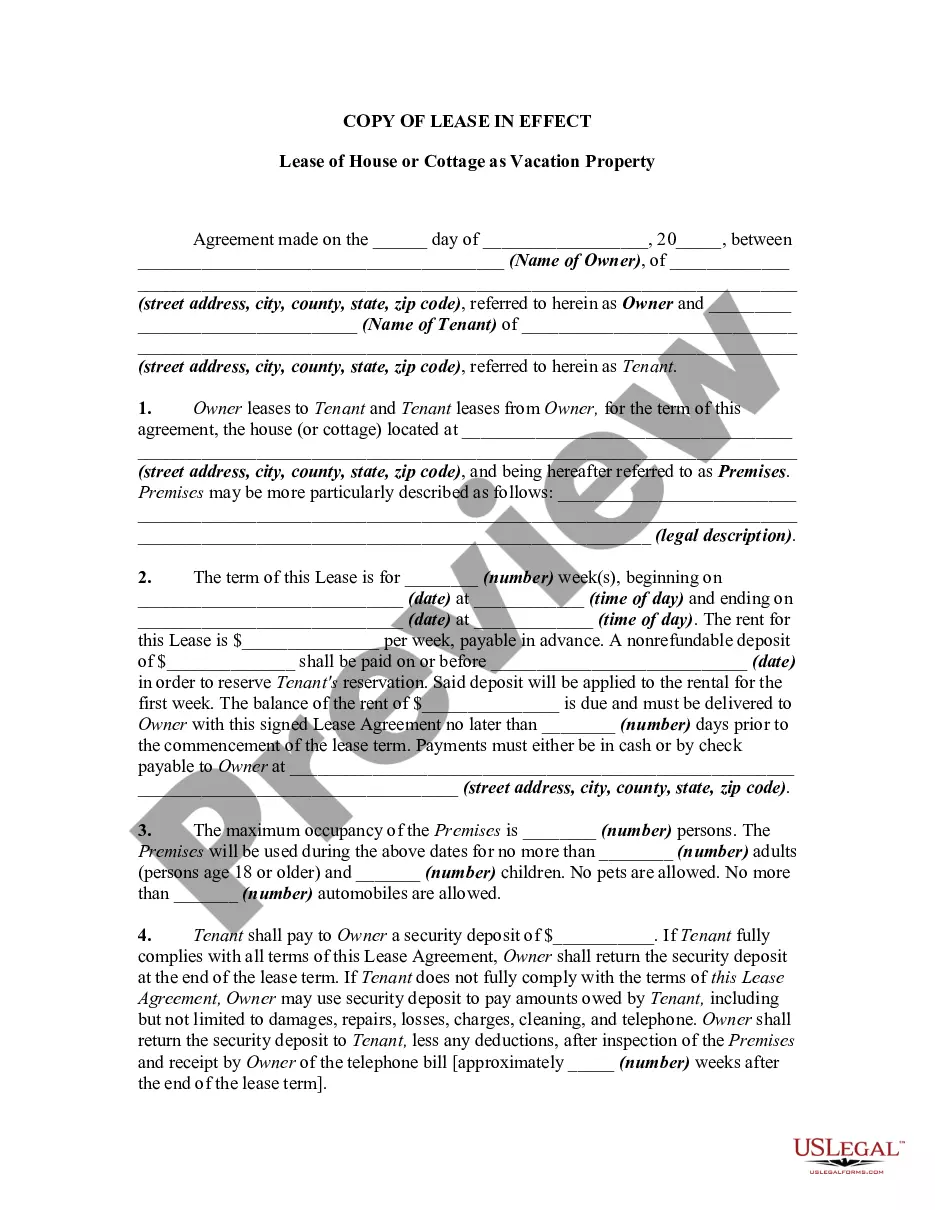
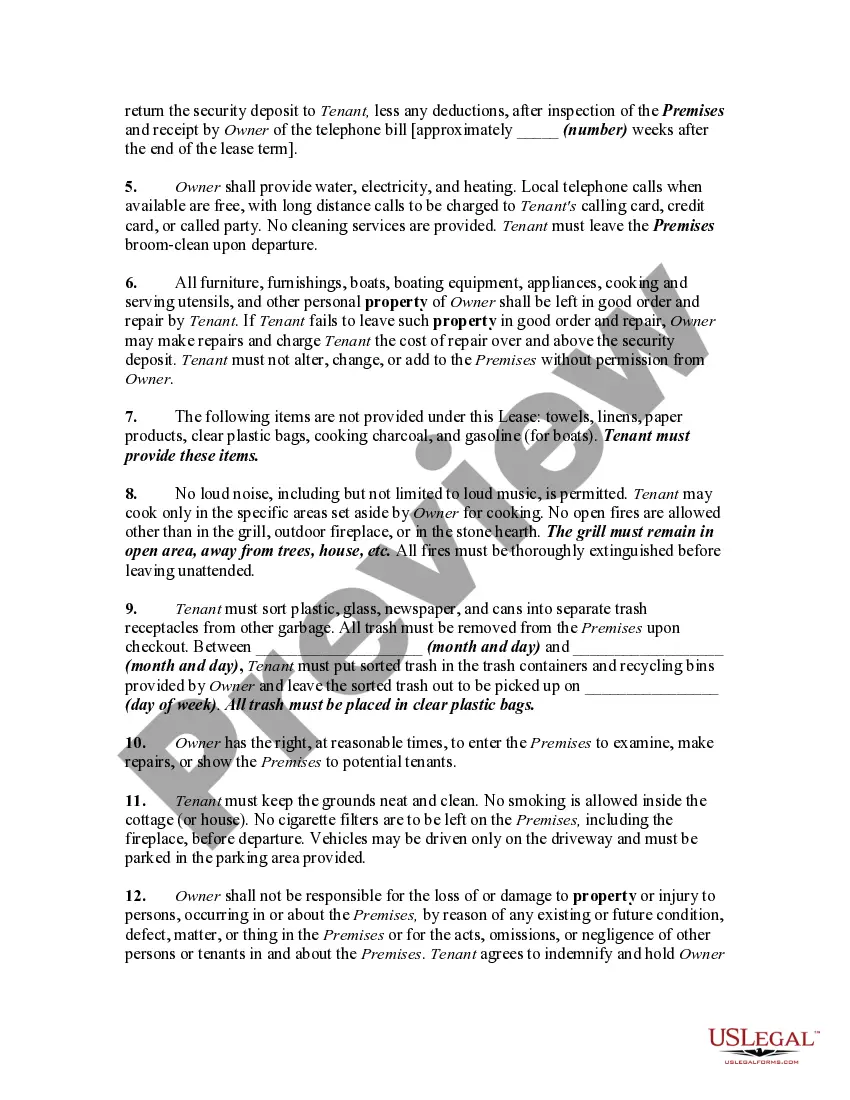
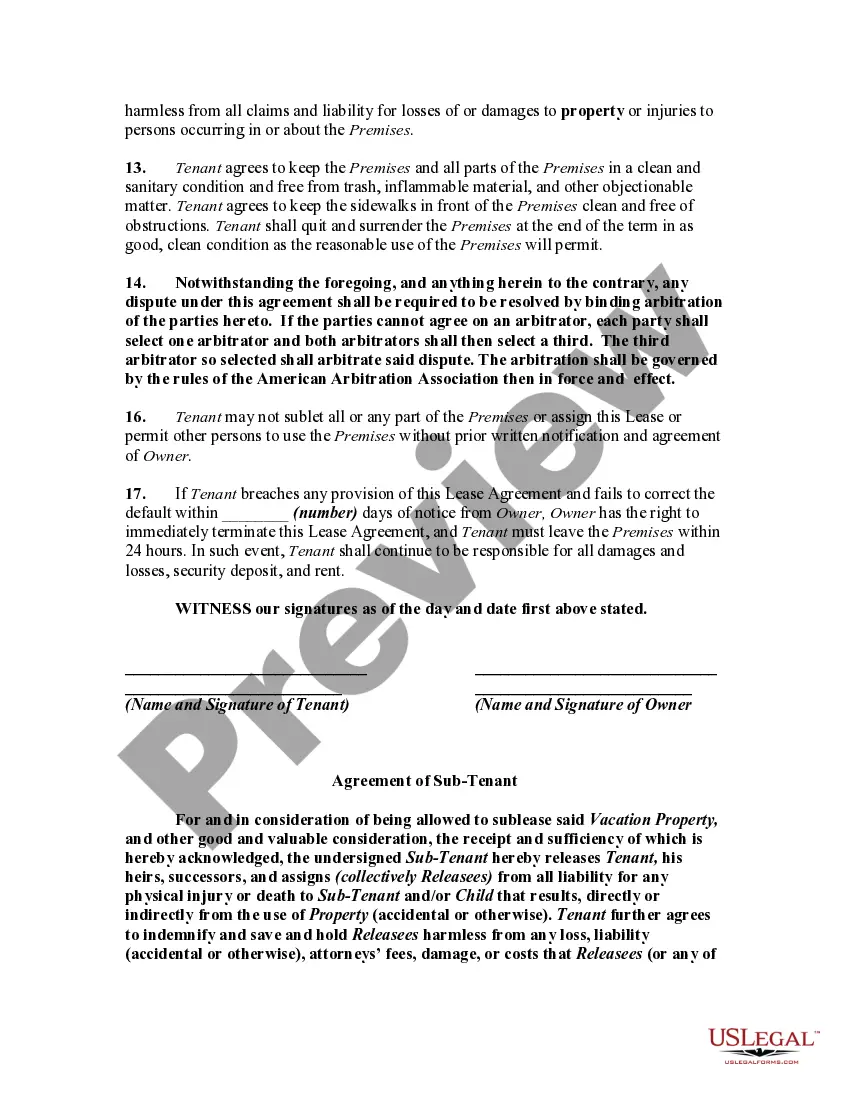
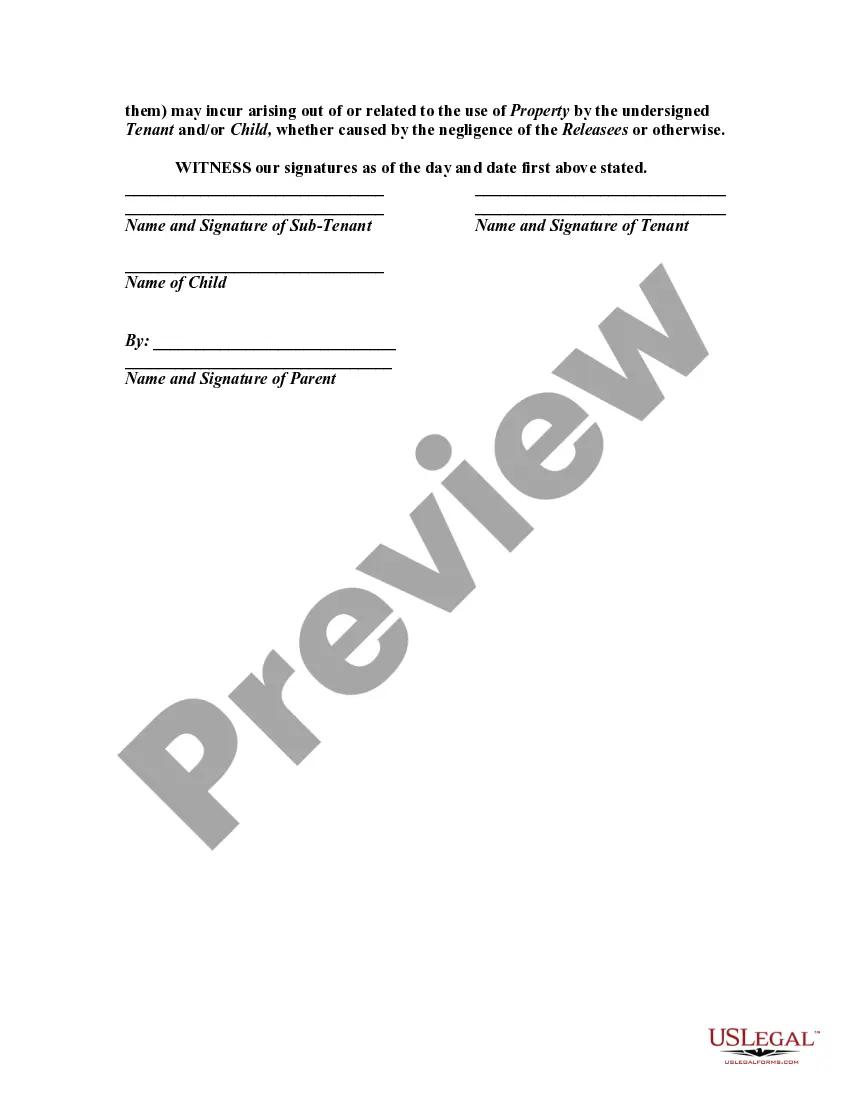
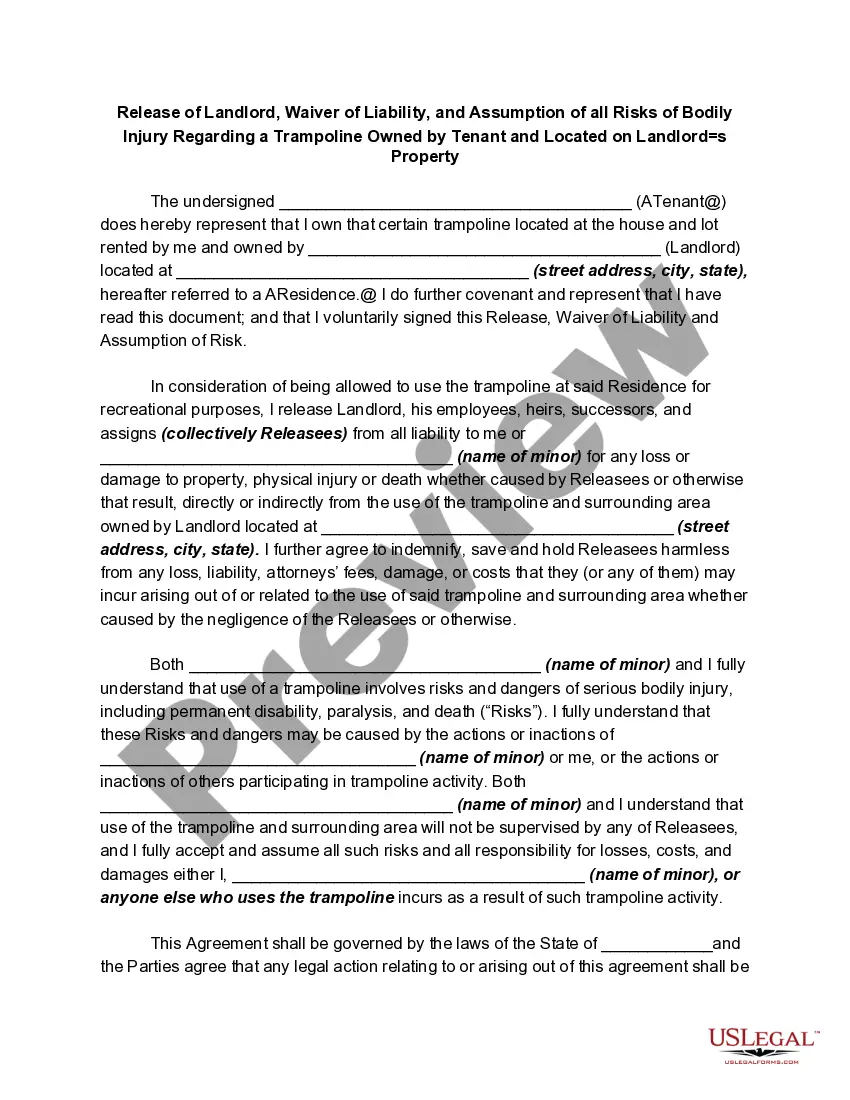
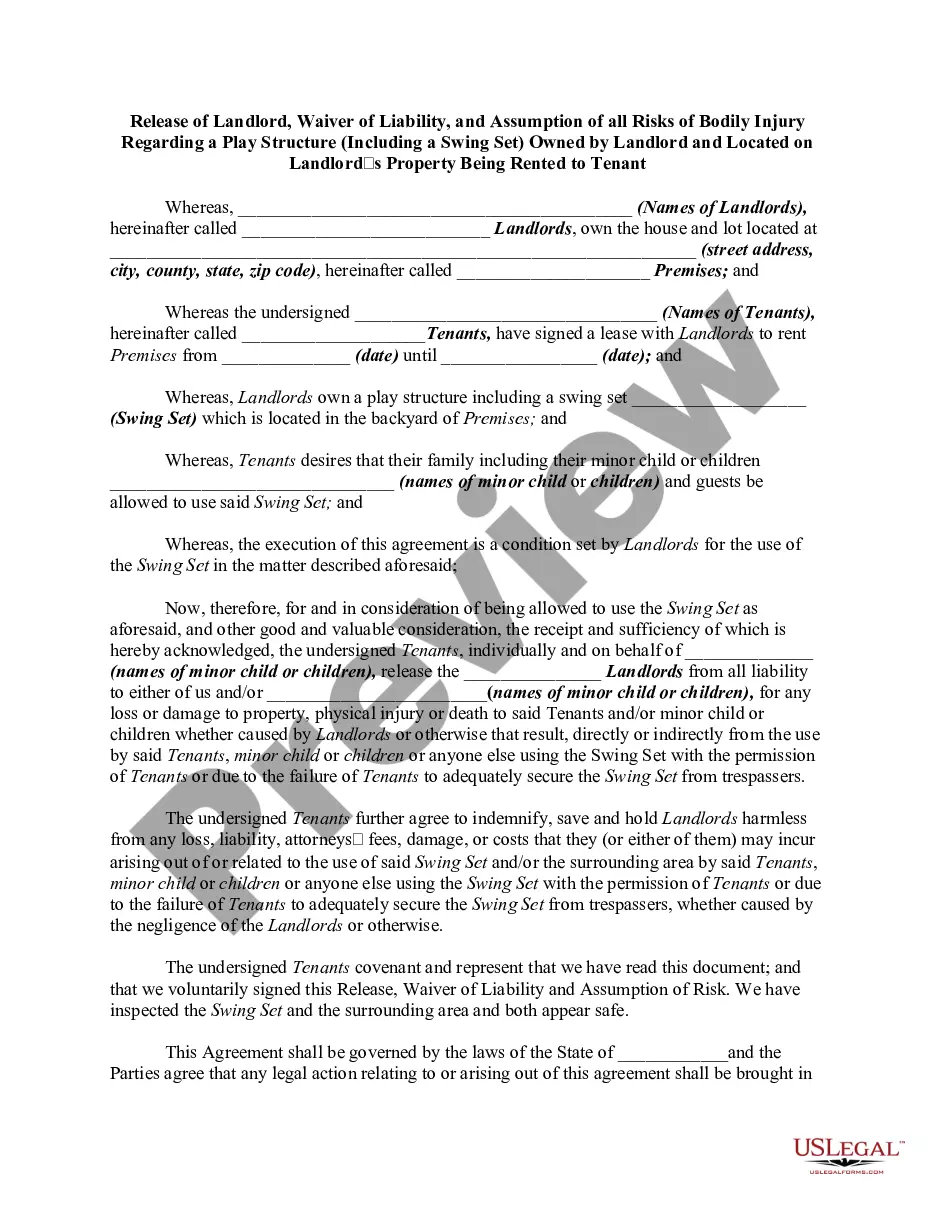
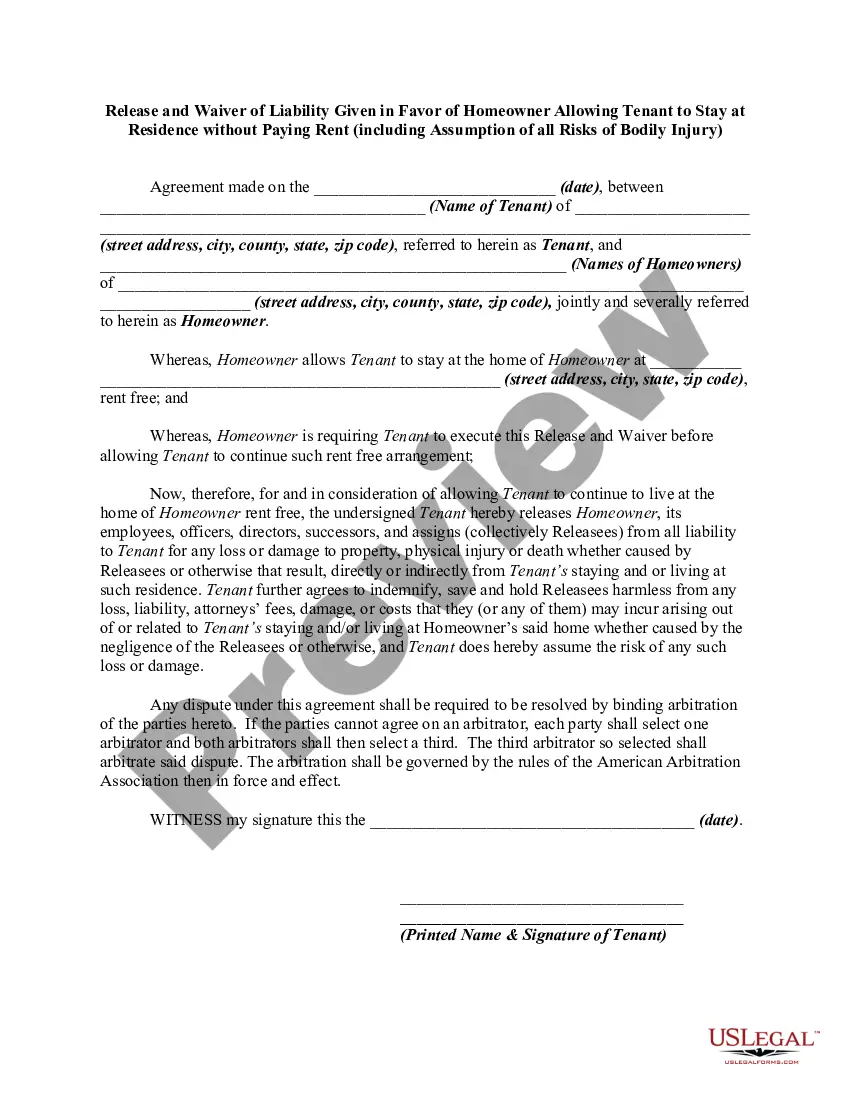
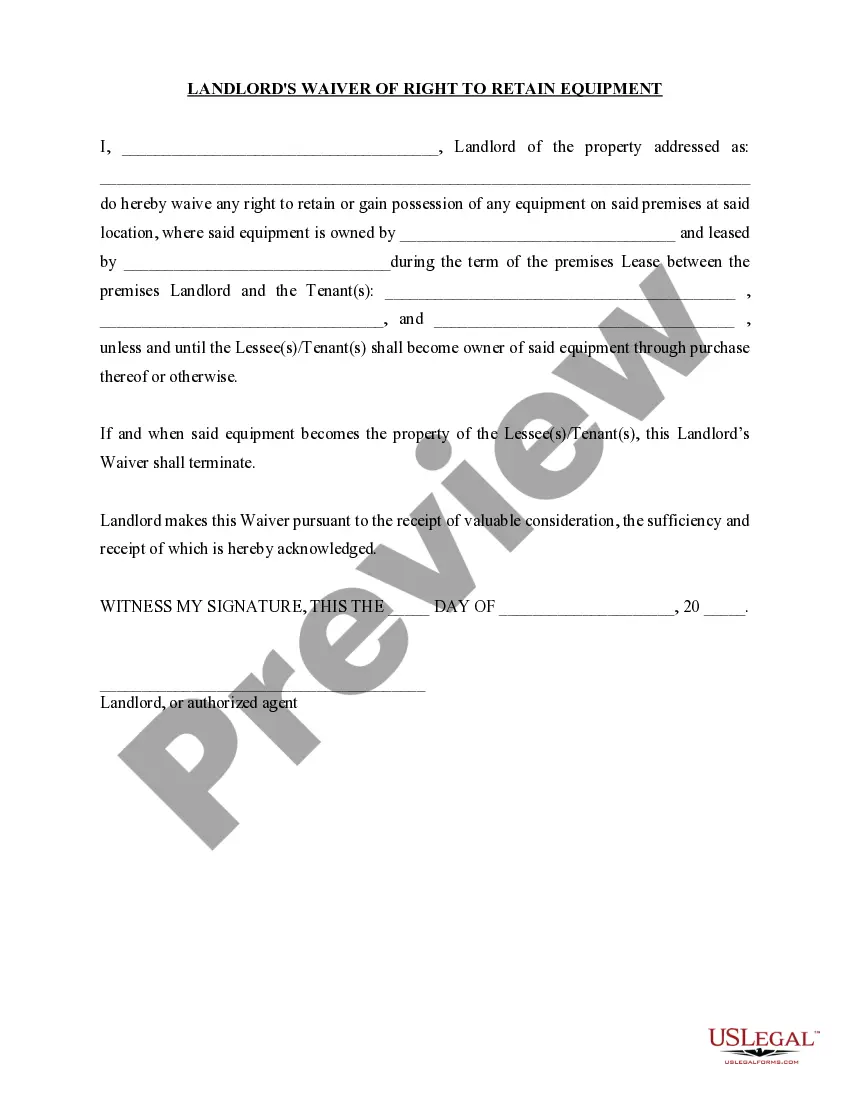
Get your form ready online
Our built-in tools help you complete, sign, share, and store your documents in one place.
Make edits, fill in missing information, and update formatting in US Legal Forms—just like you would in MS Word.
Download a copy, print it, send it by email, or mail it via USPS—whatever works best for your next step.
Sign and collect signatures with our SignNow integration. Send to multiple recipients, set reminders, and more. Go Premium to unlock E-Sign.
If this form requires notarization, complete it online through a secure video call—no need to meet a notary in person or wait for an appointment.
We protect your documents and personal data by following strict security and privacy standards.

Make edits, fill in missing information, and update formatting in US Legal Forms—just like you would in MS Word.

Download a copy, print it, send it by email, or mail it via USPS—whatever works best for your next step.

Sign and collect signatures with our SignNow integration. Send to multiple recipients, set reminders, and more. Go Premium to unlock E-Sign.

If this form requires notarization, complete it online through a secure video call—no need to meet a notary in person or wait for an appointment.

We protect your documents and personal data by following strict security and privacy standards.
Looking for another form?







How to fill out Agreement Of Sub-Tenant And Waiver Of Liability In Favor Of Tenant?
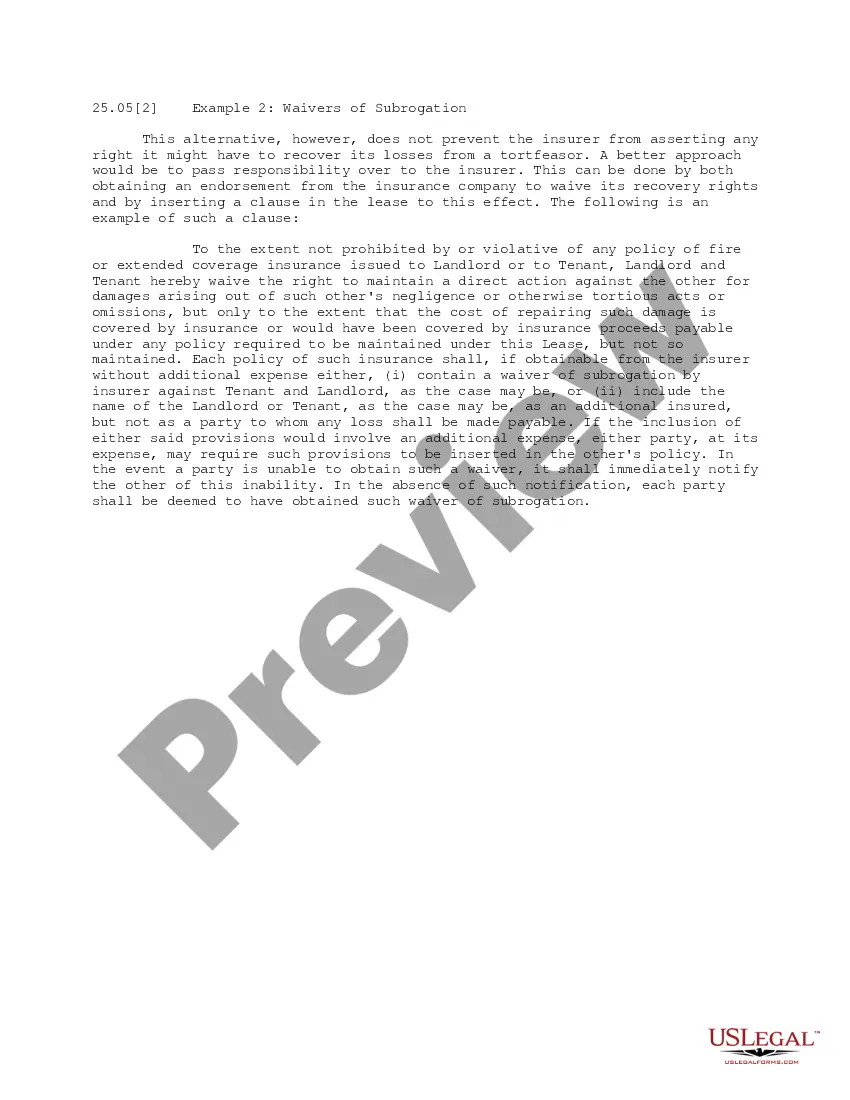
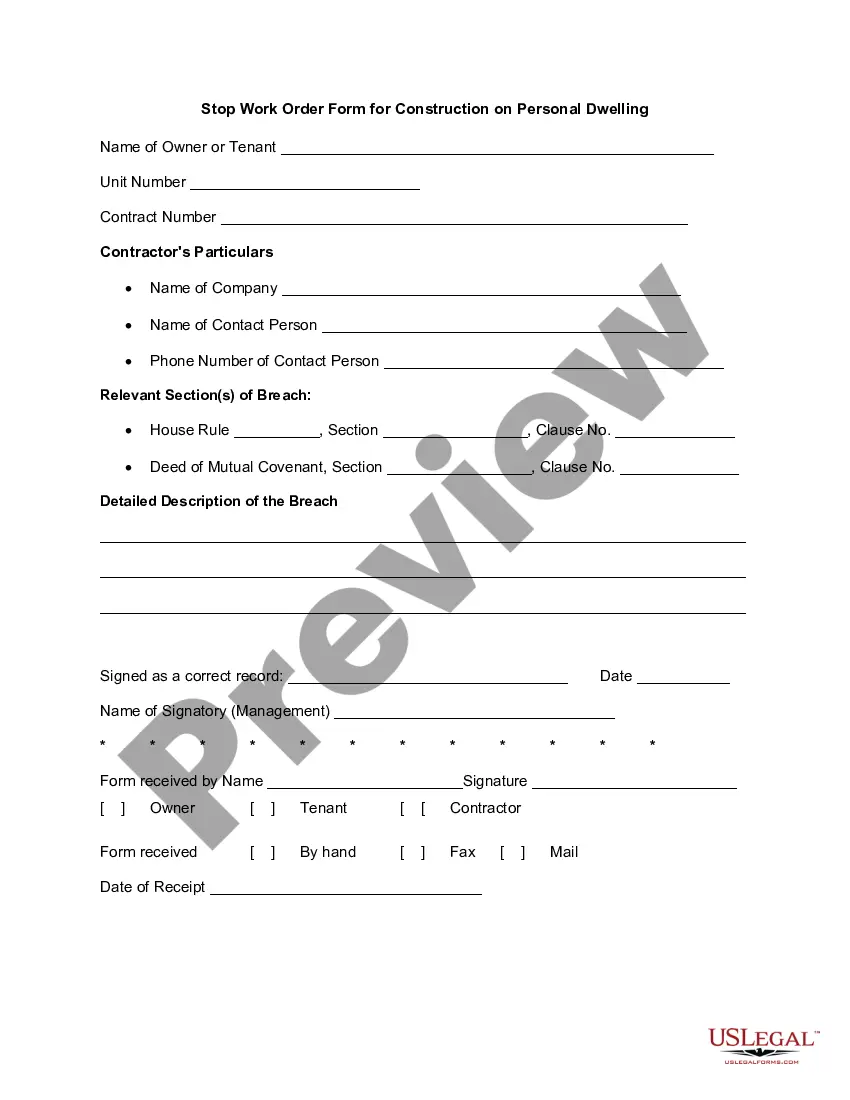
The Sub Tenant Form For Landlord you observe on this page is a reusable legal template created by professional attorneys in accordance with federal and state regulations.
For over 25 years, US Legal Forms has supplied individuals, businesses, and legal practitioners with more than 85,000 authenticated, state-specific forms for any corporate and personal needs. It’s the quickest, easiest, and most dependable method to acquire the paperwork you require, as the service ensures bank-level data protection and anti-malware safeguards.
Register for US Legal Forms to have authenticated legal templates for all of life's situations at your fingertips.
- Browse for the document you require and review it.
- Sign up and Log In.
- Obtain the fillable template.
- Complete and sign the document.
- Redownload your files once more.
Form popularity
FAQ
To set up a sublease, start by reviewing your original lease to ensure that subleasing is allowed. Next, use a sub tenant form for landlord to outline the terms of the agreement, including rent, duration, and responsibilities. Finally, both the tenant and subtenant should sign the agreement, and it’s wise to notify the landlord about the arrangement to maintain transparency.
To prove a tenant is subletting, you can gather evidence such as communication between the tenant and the subtenant, photographs, or witness statements. Additionally, reviewing the sub tenant form for landlord can clarify the arrangement. It’s important to document everything, as this can help in resolving any disputes with the primary tenant or landlords.
In Arizona, subleasing is generally legal, but you must check your lease agreement first. Many landlords include specific clauses regarding subleasing. The sub tenant form for landlord is essential to formalize the sublease, ensuring both parties understand their rights and responsibilities. Always consult the lease and local laws to avoid potential issues.
In Oregon, landlords have specific rules regarding subletting. Generally, landlords cannot unreasonably withhold consent for a sublease, but they can require a written request. Additionally, it is crucial for tenants to follow the original lease terms when subletting. For ease of compliance, landlords can use a sub tenant form for landlord to ensure all legal requirements are met.
Yes, a landlord can deny a sublease request. However, the reasons for denial must align with the lease agreement and local laws. It is essential for landlords to clearly communicate their policies regarding subleasing. To simplify the process, landlords can utilize a sub tenant form for landlord, which outlines necessary conditions and protects both parties.
Let him know you're serious about the proposition by including: the reason you want to sublet, the dates of the sublease, the subtenant's name and address, your contact information so the landlord can contact you during the sublease period and the sublease agreement and any roommate approval documents.
Your request letter should contain all the basics ? your reason for wanting to sublet, the start and end dates of the sublease, the name of your proposed tenant and their current address, contact information for your time away and your roommate approval form.
Your request letter should contain all the basics ? your reason for wanting to sublet, the start and end dates of the sublease, the name of your proposed tenant and their current address, contact information for your time away and your roommate approval form.
Landlord, by consenting to the Sublease, agrees that Tenant may receive, collect and enjoy the rents accruing under the Sublease; provided, however, in the event Tenant shall be in Default (beyond any applicable notice and cure periods) in the performance of its obligations to Landlord under the Lease, Landlord may, at ...
A sublease is a process of renting out a property to a third party by a tenant for a time period of the lease contract of the existing tenant. Lease contracts are contracts between a tenant and the owner of the property.