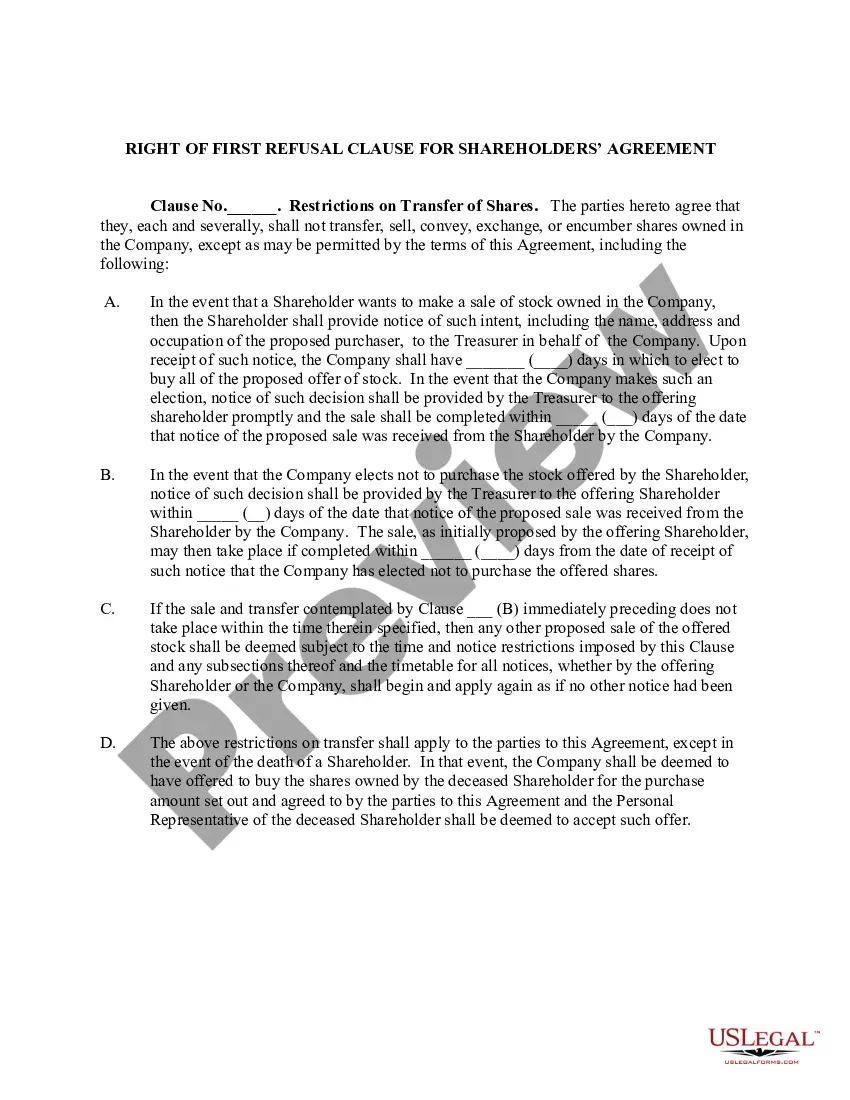
Refusal To Deal Example
Description
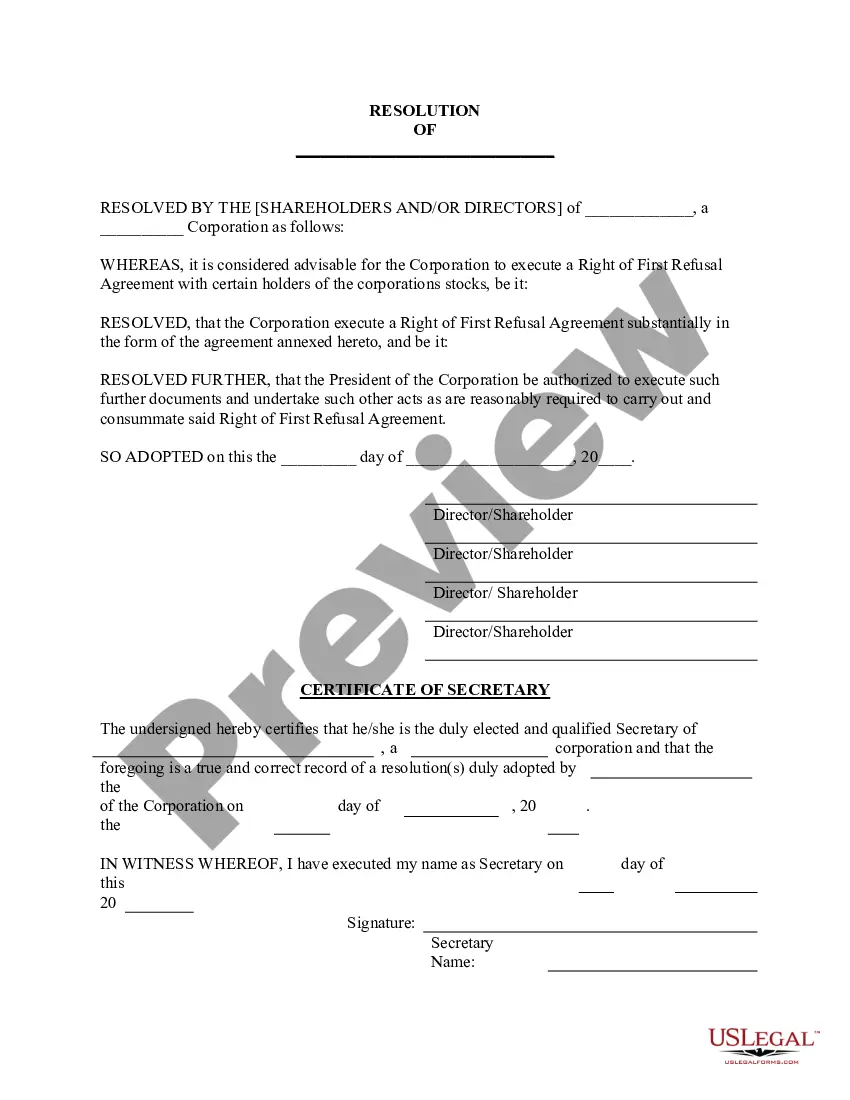
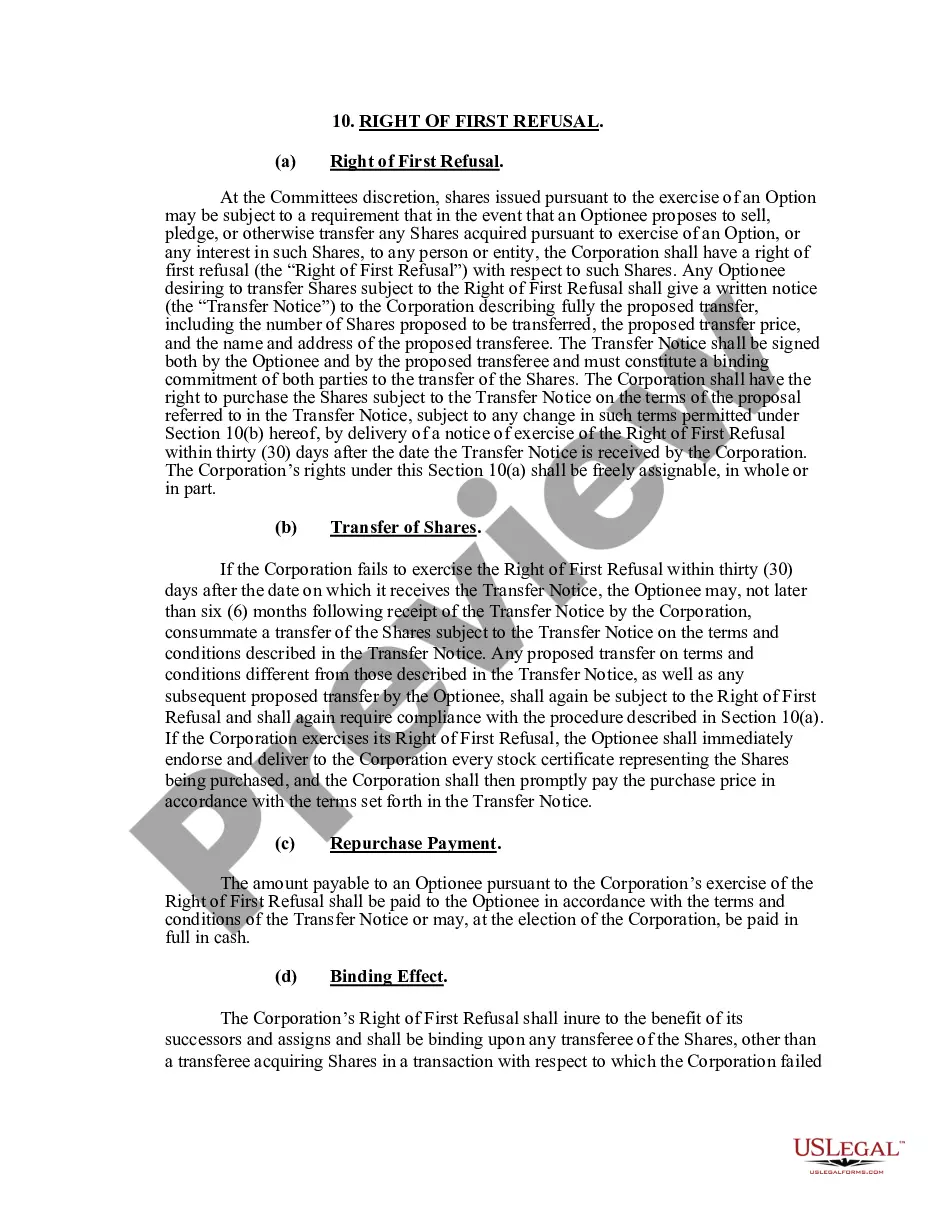
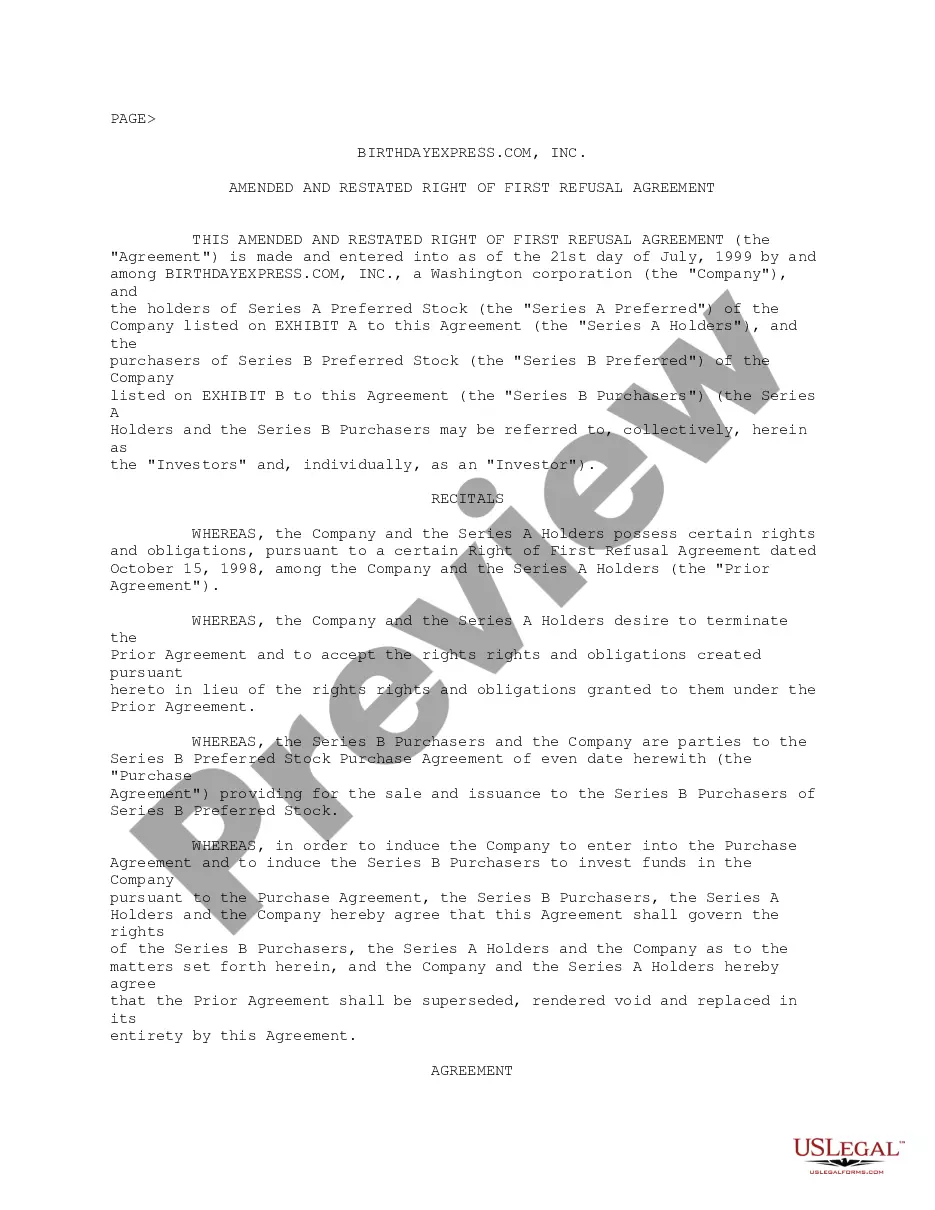
Get your form ready online
Our built-in tools help you complete, sign, share, and store your documents in one place.
Make edits, fill in missing information, and update formatting in US Legal Forms—just like you would in MS Word.
Download a copy, print it, send it by email, or mail it via USPS—whatever works best for your next step.
Sign and collect signatures with our SignNow integration. Send to multiple recipients, set reminders, and more. Go Premium to unlock E-Sign.
If this form requires notarization, complete it online through a secure video call—no need to meet a notary in person or wait for an appointment.
We protect your documents and personal data by following strict security and privacy standards.

Make edits, fill in missing information, and update formatting in US Legal Forms—just like you would in MS Word.

Download a copy, print it, send it by email, or mail it via USPS—whatever works best for your next step.

Sign and collect signatures with our SignNow integration. Send to multiple recipients, set reminders, and more. Go Premium to unlock E-Sign.

If this form requires notarization, complete it online through a secure video call—no need to meet a notary in person or wait for an appointment.

We protect your documents and personal data by following strict security and privacy standards.
Looking for another form?

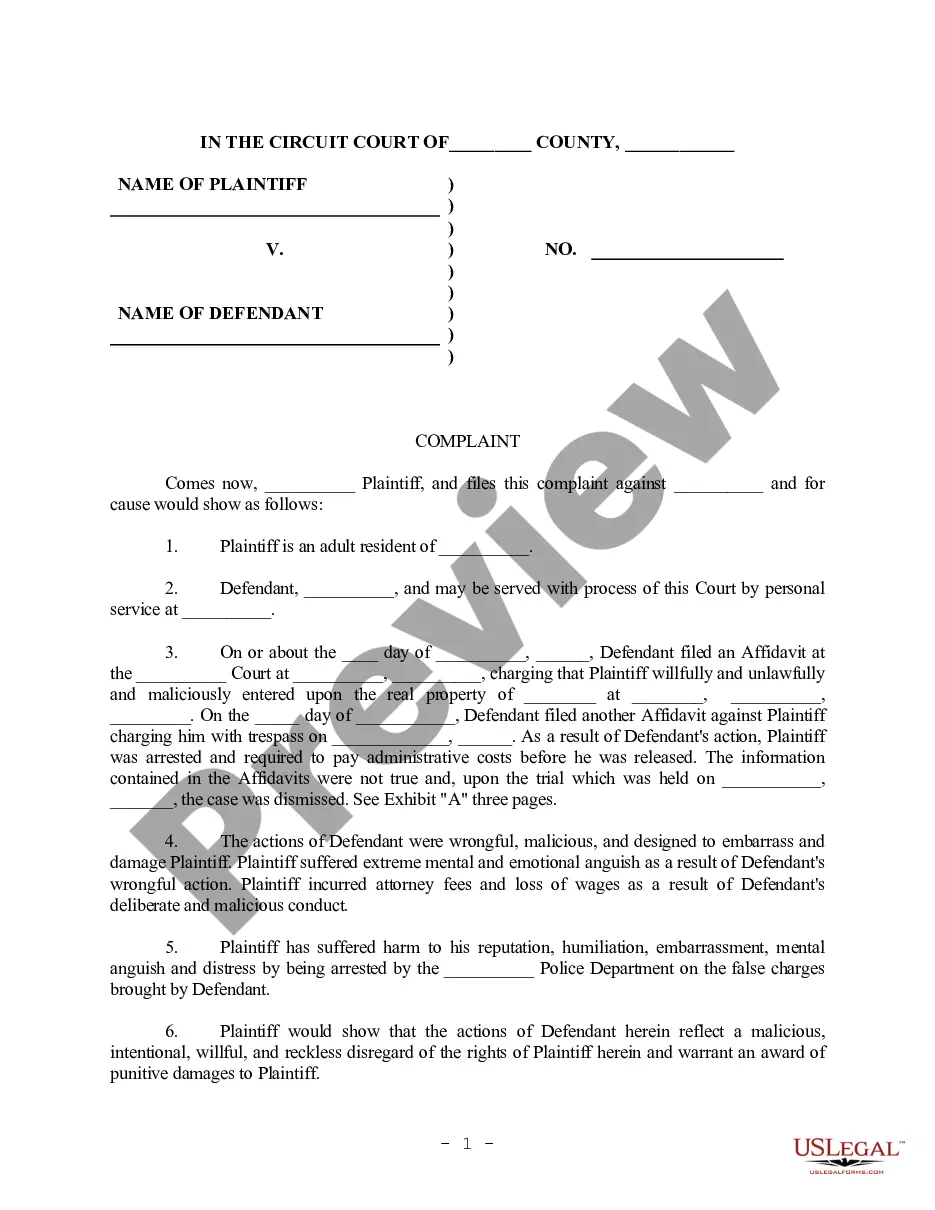
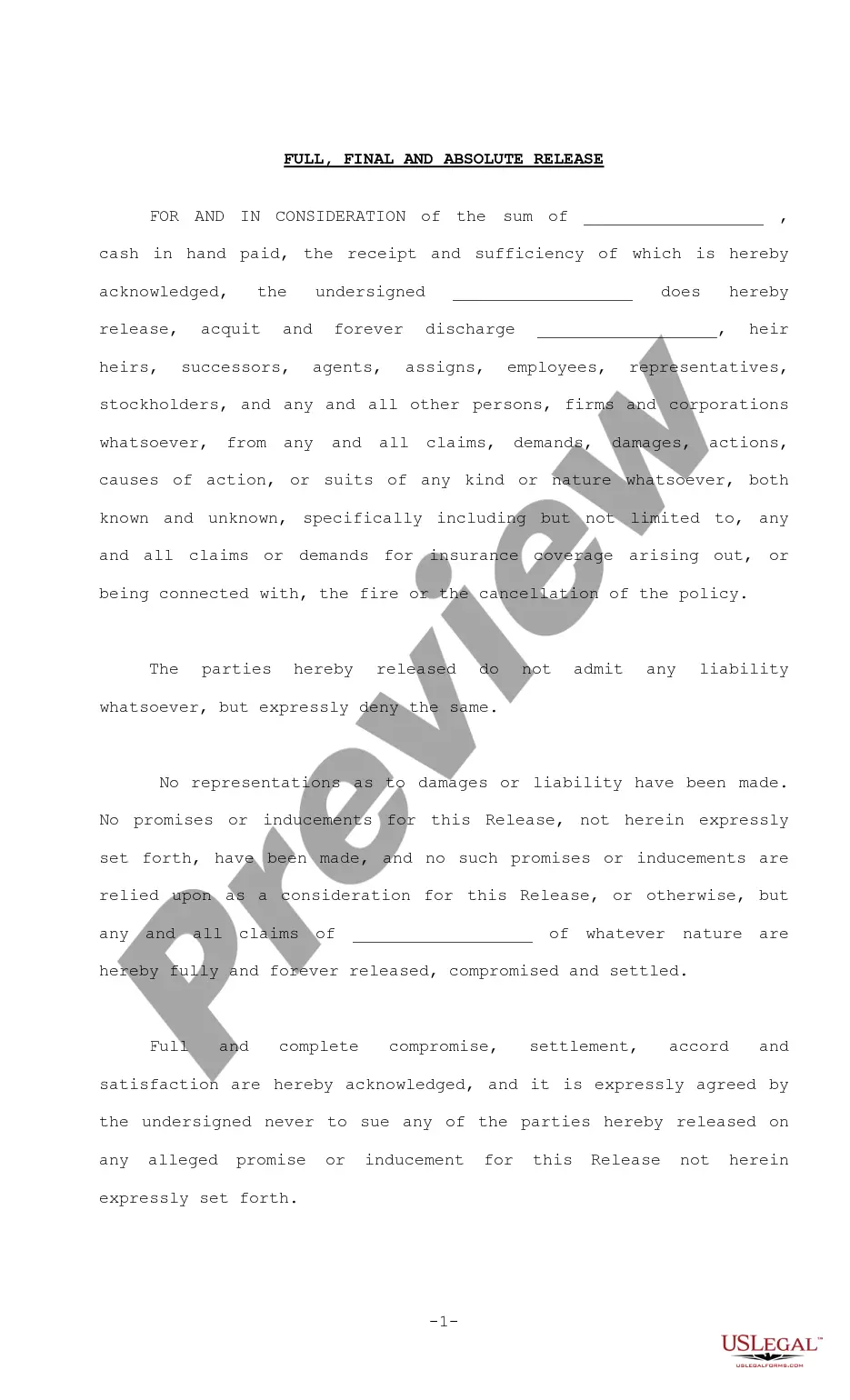
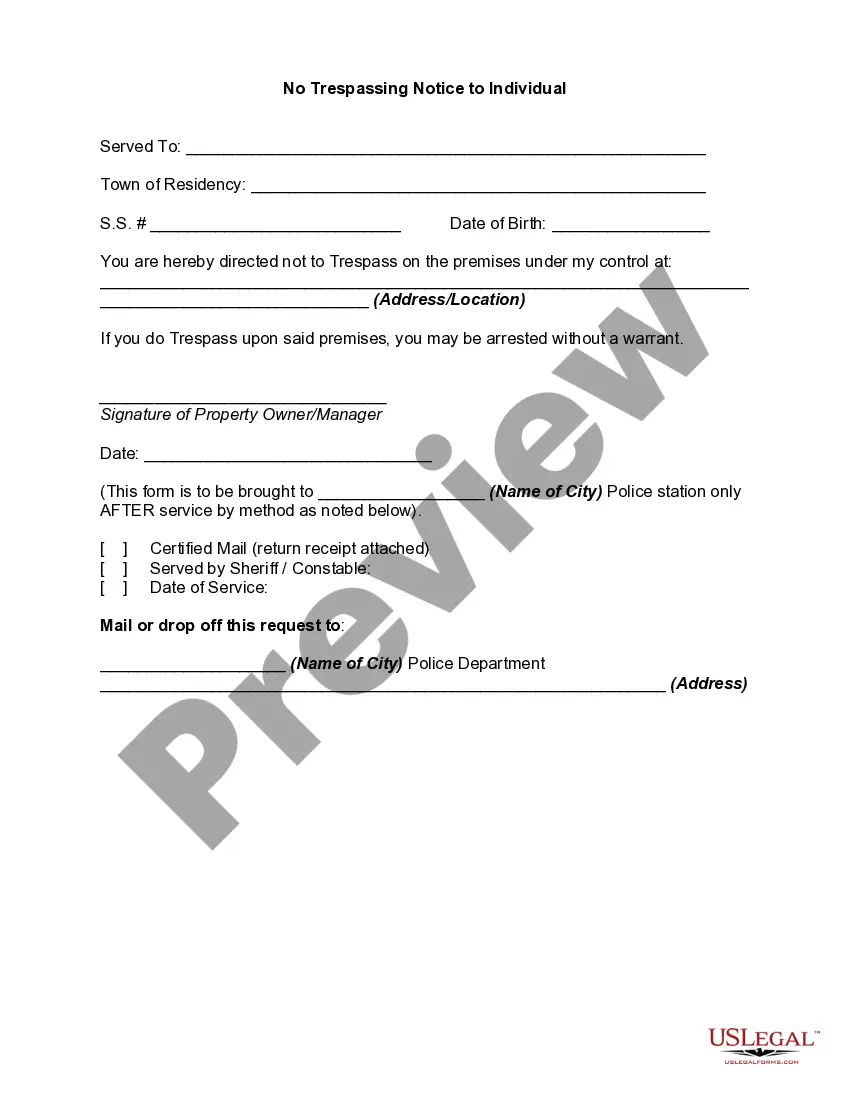

How to fill out Right Of First Refusal Clause For Shareholders' Agreement?
Regardless of whether it is for commercial reasons or personal affairs, everyone eventually encounters legal matters in their lifetime.
Completing legal documents necessitates meticulous attention, starting with selecting the appropriate form template. For example, if you choose an incorrect version of the Refusal To Deal Example, it will be dismissed upon submission.
With a vast US Legal Forms library available, you will never have to waste time searching for the correct template online. Make use of the library’s straightforward navigation to find the appropriate form for any situation.
- Obtain the template you require using the search bar or catalog browsing.
- Review the form’s details to ensure it aligns with your case, jurisdiction, and area.
- Select the form’s preview to examine it.
- If it is not the correct document, return to the search feature to locate the Refusal To Deal Example template you seek.
- Download the document if it corresponds with your requirements.
- If you already possess a US Legal Forms account, click Log in to access previously stored documents in My documents.
- If you do not have an account yet, you can download the form by clicking Buy now.
- Select the suitable pricing choice.
- Fill out the profile registration form.
- Choose your payment method: either credit card or PayPal account.
- Select the desired file format and download the Refusal To Deal Example.
- Once saved, you can fill out the form with editing software or print it and complete it manually.
Form popularity
FAQ
Not every refusal to deal is legal; certain situations may violate antitrust laws. For example, if a company refuses to deal with a competitor to maintain unfair market power, that could lead to legal repercussions. It's crucial to evaluate each case individually to determine its legality. Utilizing resources like USLegalForms can provide valuable information and guidance on navigating these complex issues.
A refusal to deal example occurs when a business chooses not to engage with a specific customer or client. For instance, if a retail store declines to sell a product to someone based on arbitrary criteria, this can illustrate a refusal to deal. In such cases, the business must ensure its actions comply with legal standards. Understanding the nuances of refusal to deal can help you navigate potential legal issues.
To decline a deal politely, you should express gratitude for the opportunity. You can say, 'I appreciate your proposal, but we have decided to pursue other options.' This approach shows respect for the other party's efforts and keeps the relationship intact. Utilizing a refusal to deal example in your communication helps ensure that you handle the situation gracefully and respectfully.
When refusing a sale, it’s important to be clear and respectful. A good statement might be, 'Thank you for your interest, but we cannot proceed with this sale at this time.' This response provides a polite refusal while maintaining professionalism. By using a refusal to deal example like this, you keep the door open for future interactions without burning bridges.
An example of refusal behavior might involve a service provider who declines to offer services to a customer based on their location or the perceived risk of non-payment. This behavior highlights a strategic decision to avoid potential losses. By analyzing refusal behaviors, businesses can better understand their market and improve customer relationships.
An example of a refusal to deal could be a supplier who chooses not to sell products to a particular retailer due to perceived poor payment history. This scenario illustrates how businesses might refuse to engage based on previous interactions. Recognizing such refusal to deal examples can help businesses learn from past experiences and refine their practices.
The refusal to deal rule refers to a legal principle that governs when a business can refuse to engage with another party. This rule often protects against anti-competitive practices and discrimination. Businesses should be aware of this rule to avoid potential legal complications and ensure fair dealings in their operations.
Not necessarily. A refusal to deal can be legal or illegal depending on the circumstances and the applicable laws. For instance, if the refusal is based on discriminatory reasons or violates antitrust laws, it may be deemed illegal. It's essential to consult legal experts to assess the legality of specific refusal to deal examples.
A refusal to deal occurs when one party declines to engage in a business transaction with another party. This situation often arises in commercial contexts where a seller or service provider chooses not to sell or provide services to a specific buyer. Understanding a refusal to deal is crucial for businesses to navigate legal boundaries effectively.