Lease Office For Rent
Description
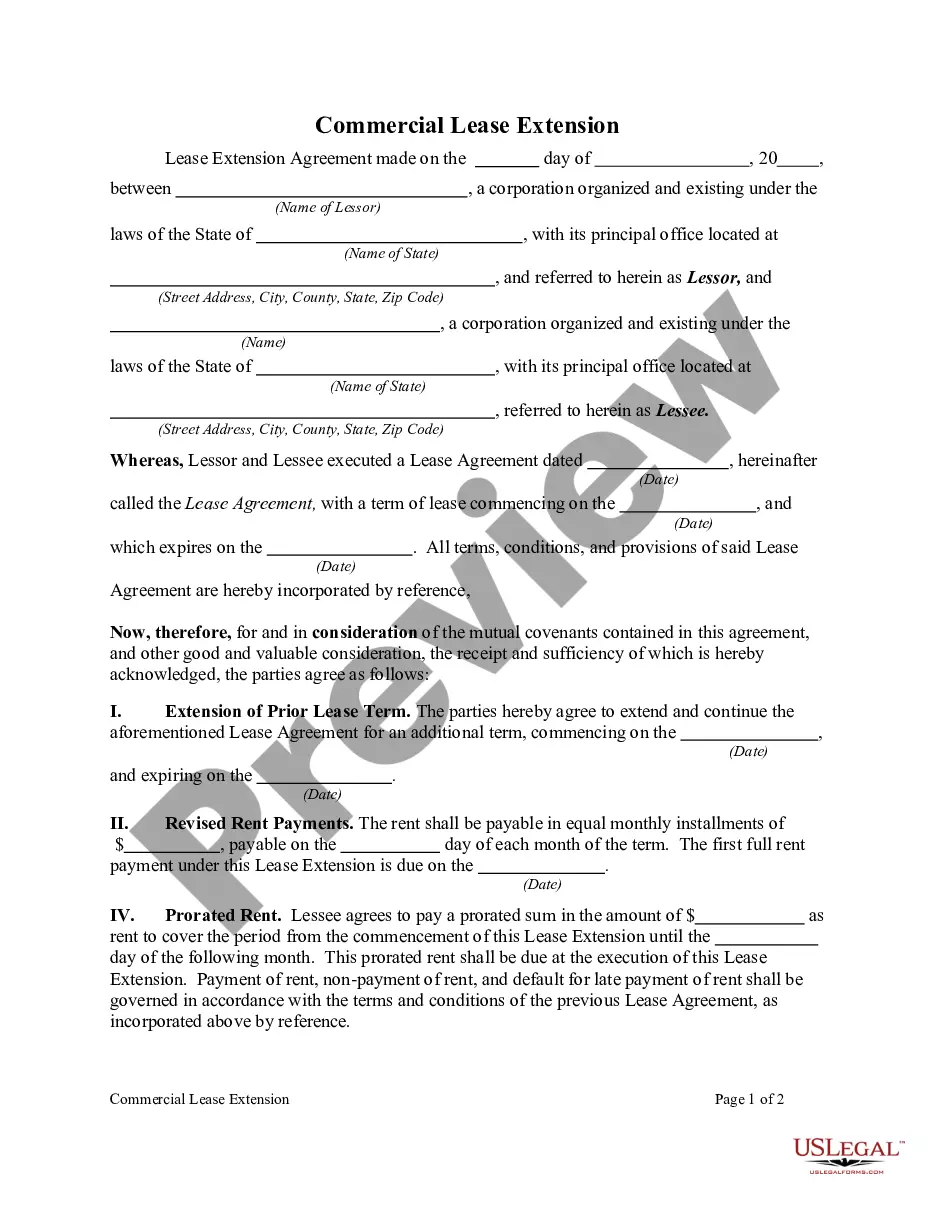
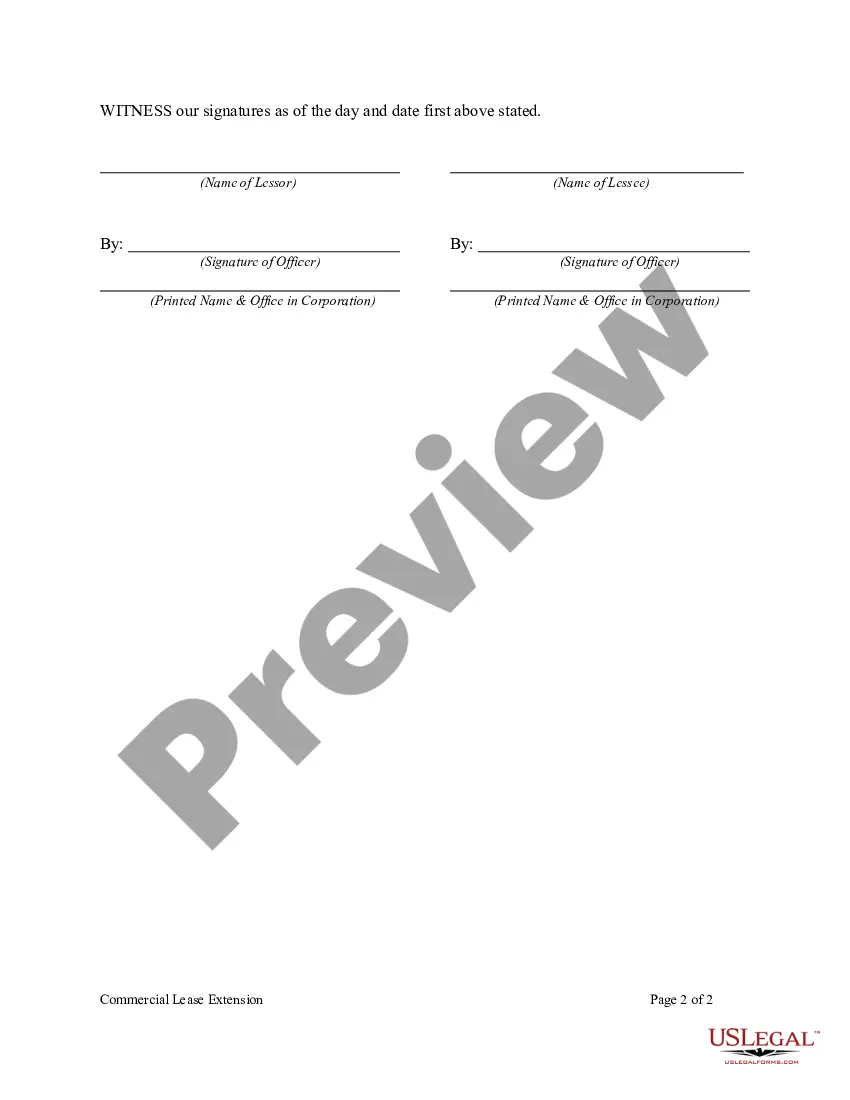
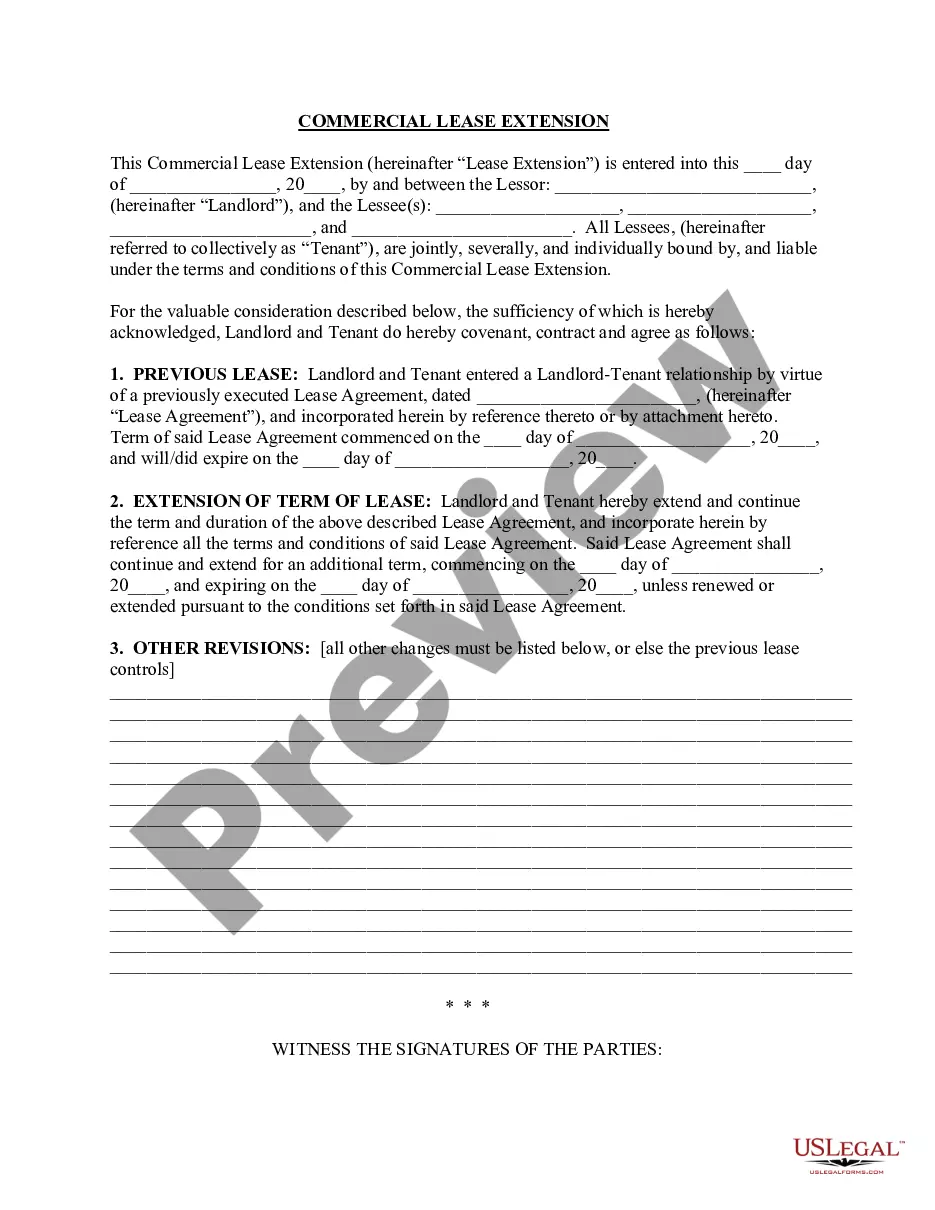
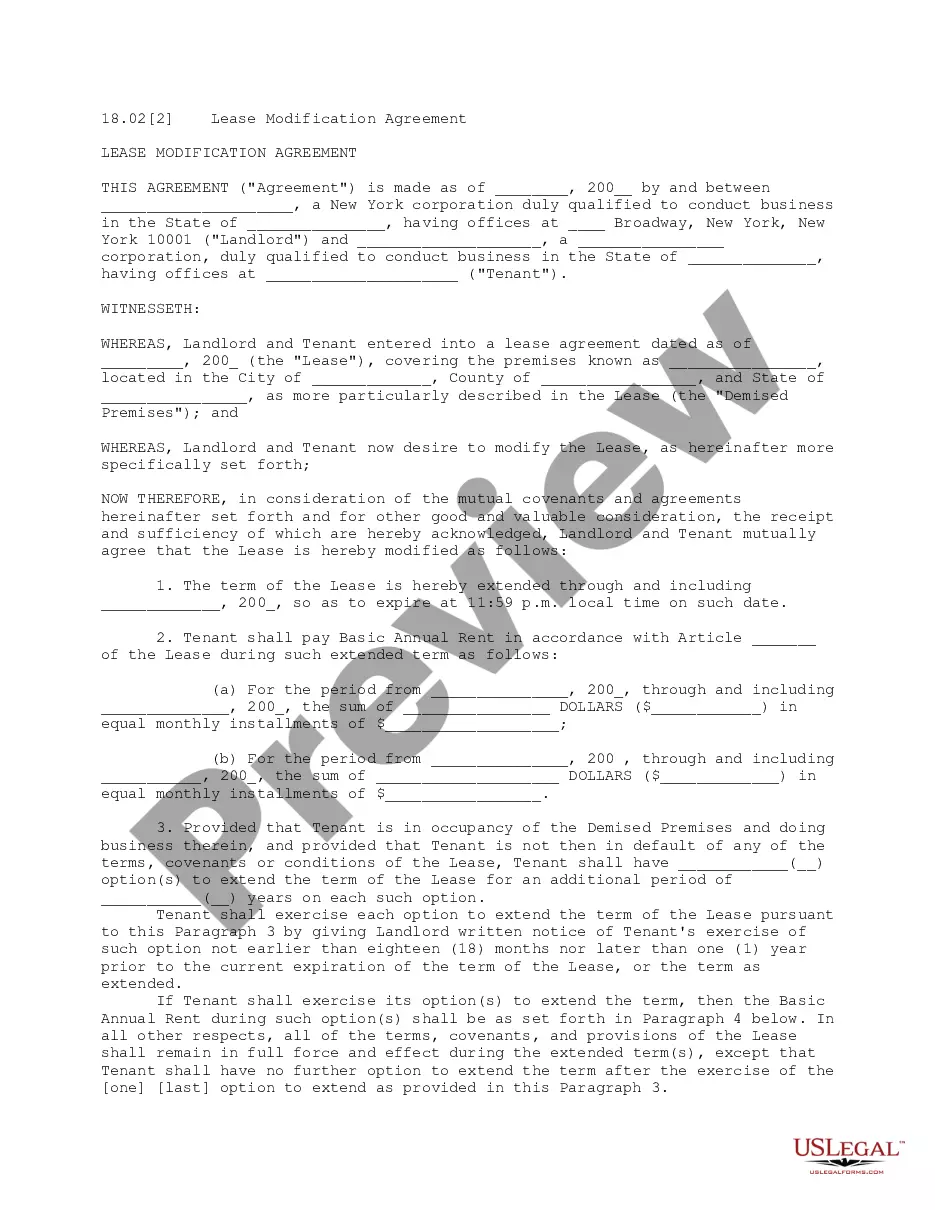
Get your form ready online
Our built-in tools help you complete, sign, share, and store your documents in one place.
Make edits, fill in missing information, and update formatting in US Legal Forms—just like you would in MS Word.
Download a copy, print it, send it by email, or mail it via USPS—whatever works best for your next step.
Sign and collect signatures with our SignNow integration. Send to multiple recipients, set reminders, and more. Go Premium to unlock E-Sign.
If this form requires notarization, complete it online through a secure video call—no need to meet a notary in person or wait for an appointment.
We protect your documents and personal data by following strict security and privacy standards.

Make edits, fill in missing information, and update formatting in US Legal Forms—just like you would in MS Word.

Download a copy, print it, send it by email, or mail it via USPS—whatever works best for your next step.

Sign and collect signatures with our SignNow integration. Send to multiple recipients, set reminders, and more. Go Premium to unlock E-Sign.

If this form requires notarization, complete it online through a secure video call—no need to meet a notary in person or wait for an appointment.

We protect your documents and personal data by following strict security and privacy standards.
Looking for another form?






How to fill out Commercial Lease Extension?
- If you are already a user, log in to your account and download the required form template by clicking the Download button. Ensure your subscription is active; if not, renew it per your payment plan.
- For new users, start by checking the Preview mode and form description to confirm that you have selected the right document that meets your specific needs and complies with local laws.
- If the initial choice doesn’t fit, utilize the Search tab above to find an alternative template that works for you.
- Once you find the appropriate document, click the Buy Now button and select your desired subscription plan while creating an account for library access.
- Complete your purchase by entering your credit card details or using your PayPal account.
- Finally, download your form and save it on your device. You can always access it later through the My Forms section of your profile.
With US Legal Forms, you'll benefit from a robust collection of over 85,000 forms that are easy to fill and edit. Our platform not only offers a wide range of legal documents at a competitive price but also connects you with premium experts for assistance.
Start your journey to leasing an office for rent efficiently today. Visit US Legal Forms to get started!
Form popularity
FAQ
When budgeting for office space, factor in rent, utilities, maintenance, and any additional costs like furniture or technology. A common guideline is to budget 1.5 to 2 times the desired rent for total monthly expenses. This approach allows for a smoother transition and ensures you have the resources to create an effective working environment.
Generally, you cannot live in an office space for rent, as commercial leases typically prohibit residential use. However, some flexible office spaces may permit short overnight stays. Before considering this option, it is vital to review your lease agreement and speak with your landlord to avoid any potential lease violations.
To sublease your office space, start by checking your original lease agreement for any clauses regarding subletting. You may need to seek permission from your landlord before proceeding. Once you have that approval, advertise your space, screen potential subtenants, and draft a formal sublease agreement. Platforms like US Legal Forms can help you create the necessary documents to ensure a smooth subleasing process when you lease office for rent.
The most common lease for office space is the gross lease, where the landlord covers operating expenses while the tenant pays a fixed rent. This arrangement simplifies budgeting and reduces financial uncertainties for businesses. Alternatively, modified gross leases or net leases may apply depending on specific needs. Always evaluate different lease office for rent options to choose the best fit for your situation.
While credit score requirements vary, a score of 680 or higher is generally preferred when leasing office space. Good credit demonstrates reliability, which can make landlords more likely to approve your lease office for rent. If your score is lower, consider providing additional documentation, such as proof of income, to strengthen your application. It's always advisable to check your credit report before seeking a lease.
To secure an office lease, start by researching the market and defining your requirements. Once you identify potential lease office for rent, prepare necessary documentation like financial statements and business plans to present to landlords. Engage with property managers or brokers to streamline the process and negotiate favorable terms. Lastly, be prepared to sign the lease after thorough review.
Leasing office space can be profitable, especially in growing areas where demand exceeds supply. By leasing an office, businesses can maintain lower overhead costs compared to purchasing property. Moreover, a well-located lease office for rent can attract long-term tenants, ensuring consistent income. It's essential to conduct market research to gauge profitability in your area.
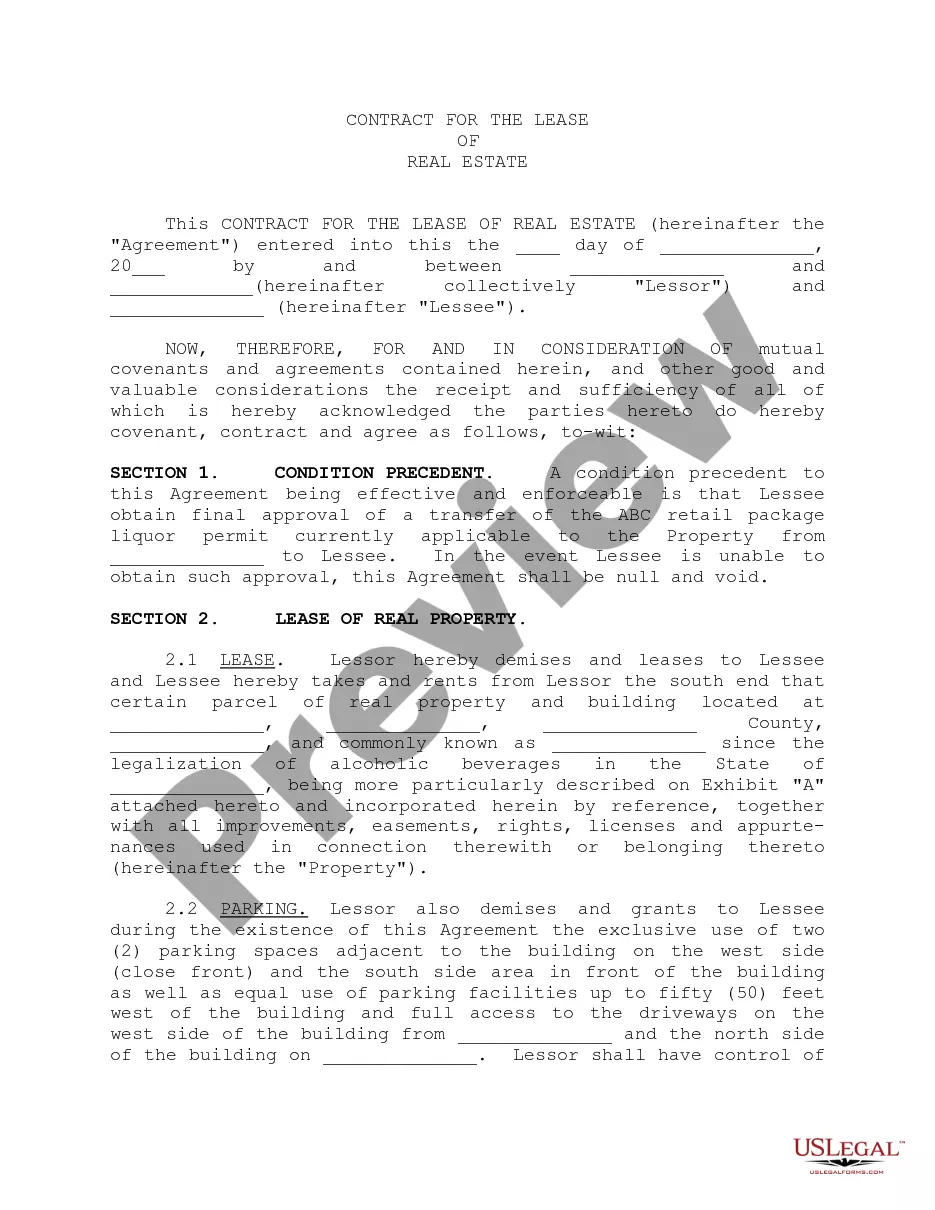
To rent out an office, begin by determining your budget and the type of space you need. Next, search for available options in your desired location and assess the terms of each lease office for rent. Once you identify a suitable office, review the lease agreement carefully and consult a legal expert if needed. Finally, negotiate terms that align with your needs before signing the lease.
You can negotiate rent charges on a lease, especially if you feel the terms are not favorable. Start by reviewing the lease carefully and identifying areas of concern. Approach your landlord or leasing office with evidence and reasoning, supporting your request for a more manageable rent. Effective communication can lead to adjustments that work for both parties.
Accounting for an office lease involves recognizing the lease as a legal obligation and a business expense. Ensure you track monthly payments and any related costs, such as maintenance and utilities. Using accounting software can simplify this process and help ensure you meet tax and financial obligations. If you need guidance, consider platforms like US Legal Forms that provide resources for lease agreements.