Credit Card Form Sample Withdraw
Description
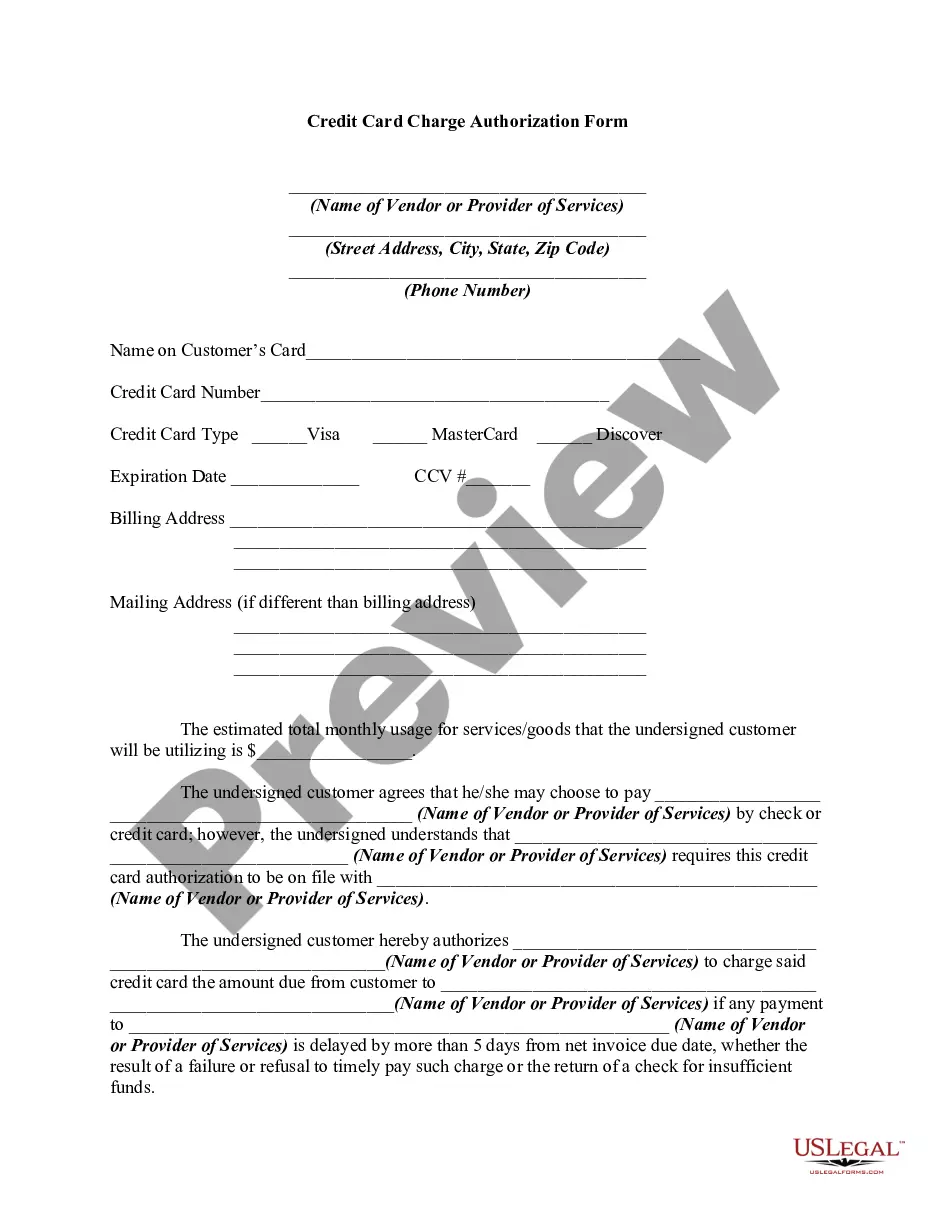
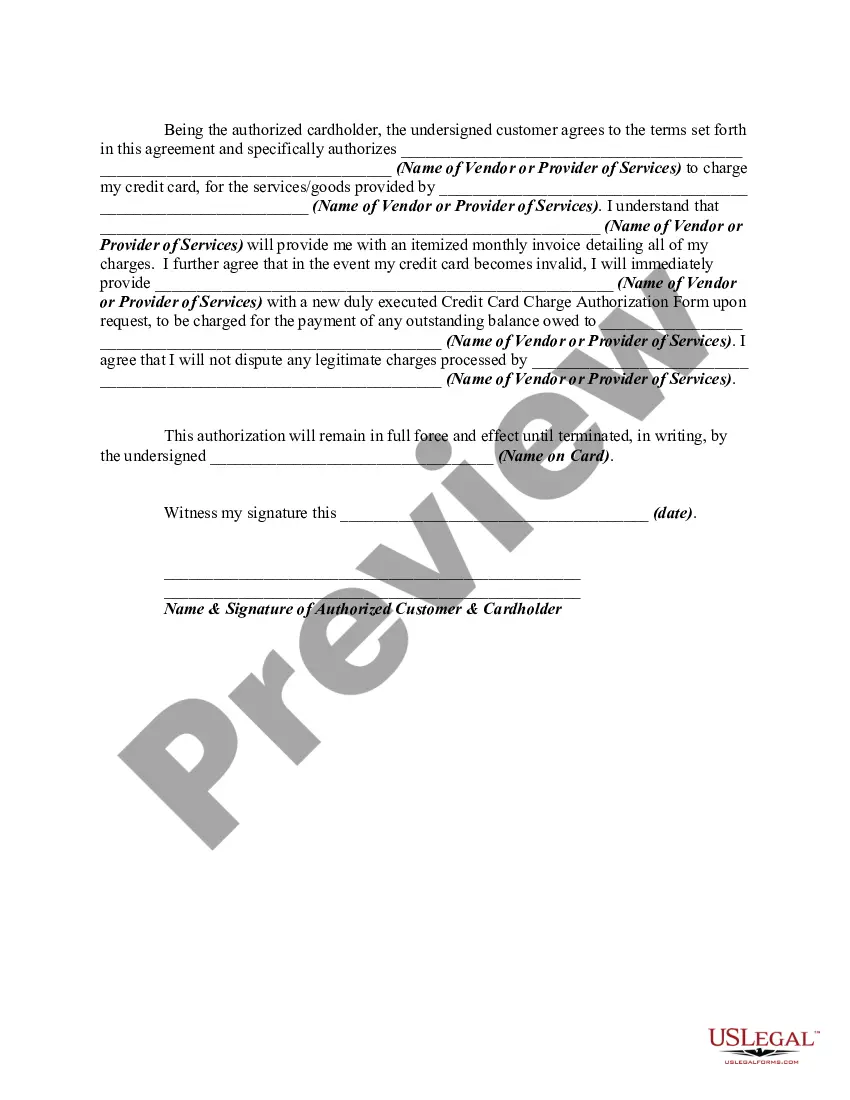
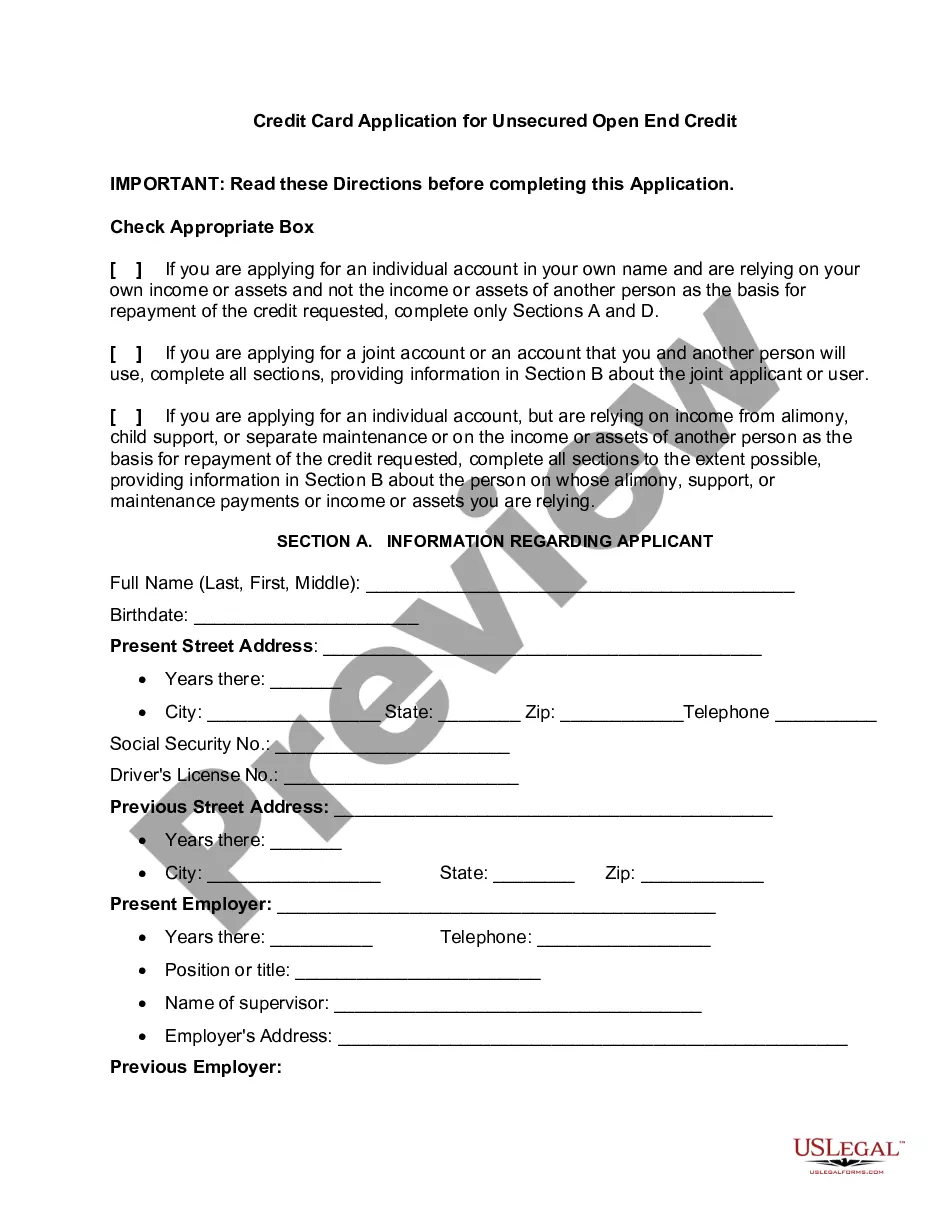
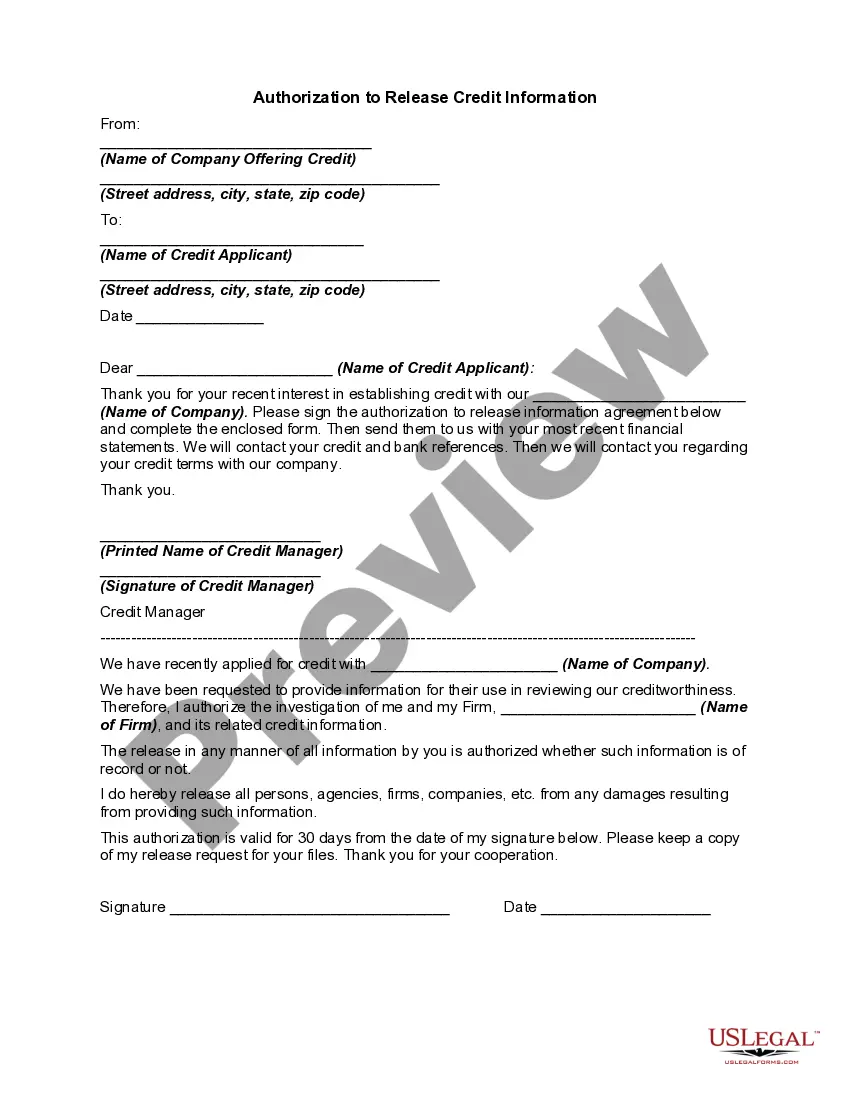



How to fill out Credit Card Charge Authorization Form?
Getting a go-to place to access the most current and appropriate legal templates is half the struggle of dealing with bureaucracy. Discovering the right legal documents requirements precision and attention to detail, which explains why it is very important to take samples of Credit Card Form Sample Withdraw only from reputable sources, like US Legal Forms. An improper template will waste your time and hold off the situation you are in. With US Legal Forms, you have very little to worry about. You can access and view all the information about the document’s use and relevance for your circumstances and in your state or region.
Consider the listed steps to finish your Credit Card Form Sample Withdraw:
- Utilize the catalog navigation or search field to locate your sample.
- View the form’s information to see if it matches the requirements of your state and county.
- View the form preview, if available, to make sure the form is definitely the one you are looking for.
- Resume the search and look for the appropriate template if the Credit Card Form Sample Withdraw does not match your requirements.
- If you are positive regarding the form’s relevance, download it.
- When you are an authorized user, click Log in to authenticate and gain access to your selected templates in My Forms.
- If you do not have an account yet, click Buy now to get the template.
- Choose the pricing plan that suits your preferences.
- Go on to the registration to finalize your purchase.
- Complete your purchase by choosing a payment method (bank card or PayPal).
- Choose the file format for downloading Credit Card Form Sample Withdraw.
- When you have the form on your gadget, you may change it using the editor or print it and complete it manually.
Get rid of the inconvenience that accompanies your legal documentation. Explore the comprehensive US Legal Forms library where you can find legal templates, check their relevance to your circumstances, and download them on the spot.
Form popularity
FAQ
Each time a person draws cash on a Credit Card, the fee will be charged ? even if you draw cash multiple times on the same day.
Go to an ATM and insert the credit card. Enter the credit card PIN (call the number on the back of the card to find out the credit card PIN or to set one up). Select the appropriate options if offered: ?cash withdrawal? or ?cash advance.? If asked to select between ?credit? or ?debit,? select ?credit.?
2. Utilize a balance transfer: If you have another credit card with a lower interest rate or no cash advance fees, you can transfer the balance from your current credit card to the other one. Then, you can withdraw the cash from the new card without incurring any additional charges.
Once you complete your shopping and hit pay, you will be taken to a payment gateway. Enter your card number, name, the expiry date of the card, and the CVV number (the three-digit number on the back of your card). Sometimes, you may be asked for the billing address too.
Typically it contains: The cardholder's credit card information: Card type, Name on card, Card number, Expiration date. The merchant's business information. Cardholder's billing address. Language authorizing the merchant to charge the customer's card on file. Name and signature of the cardholder. Date.