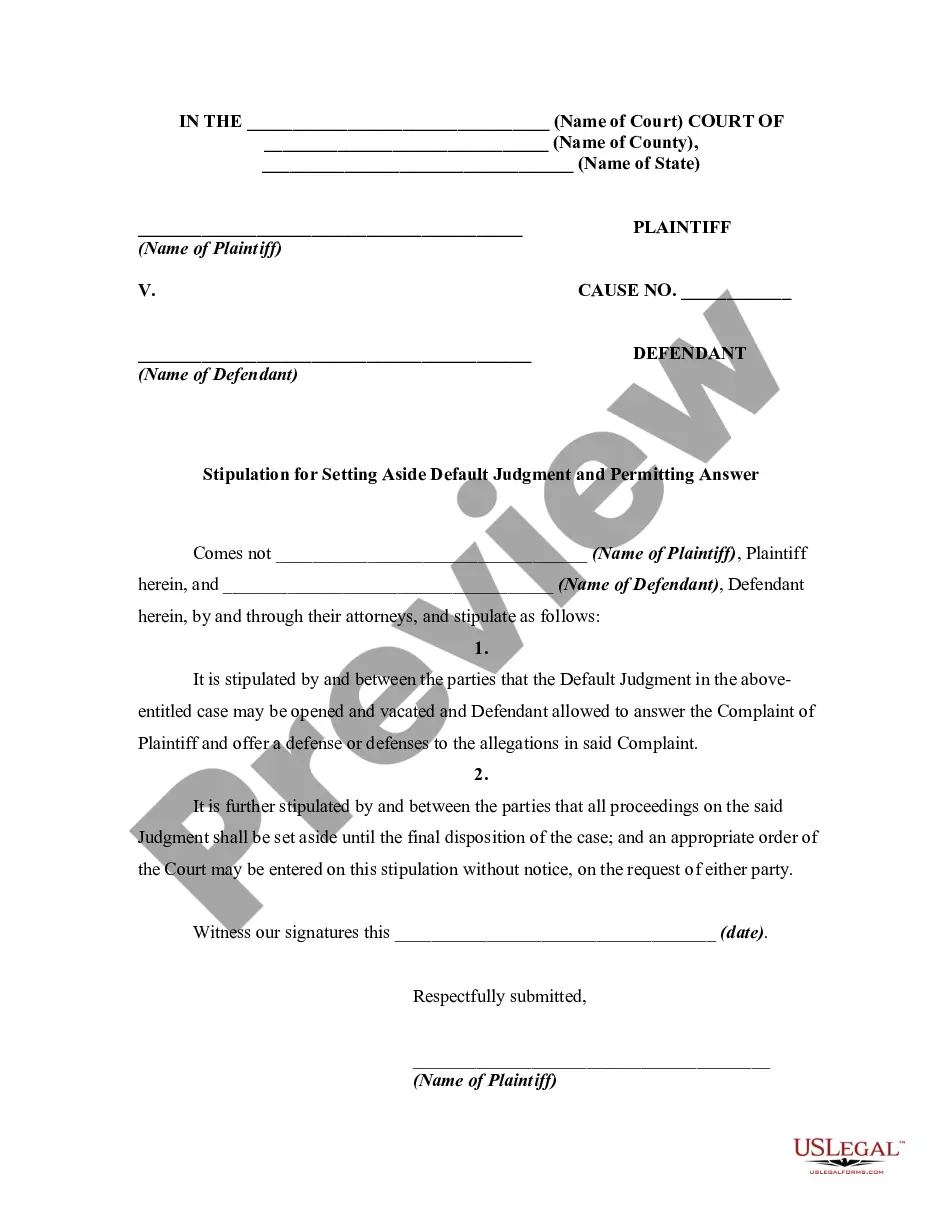
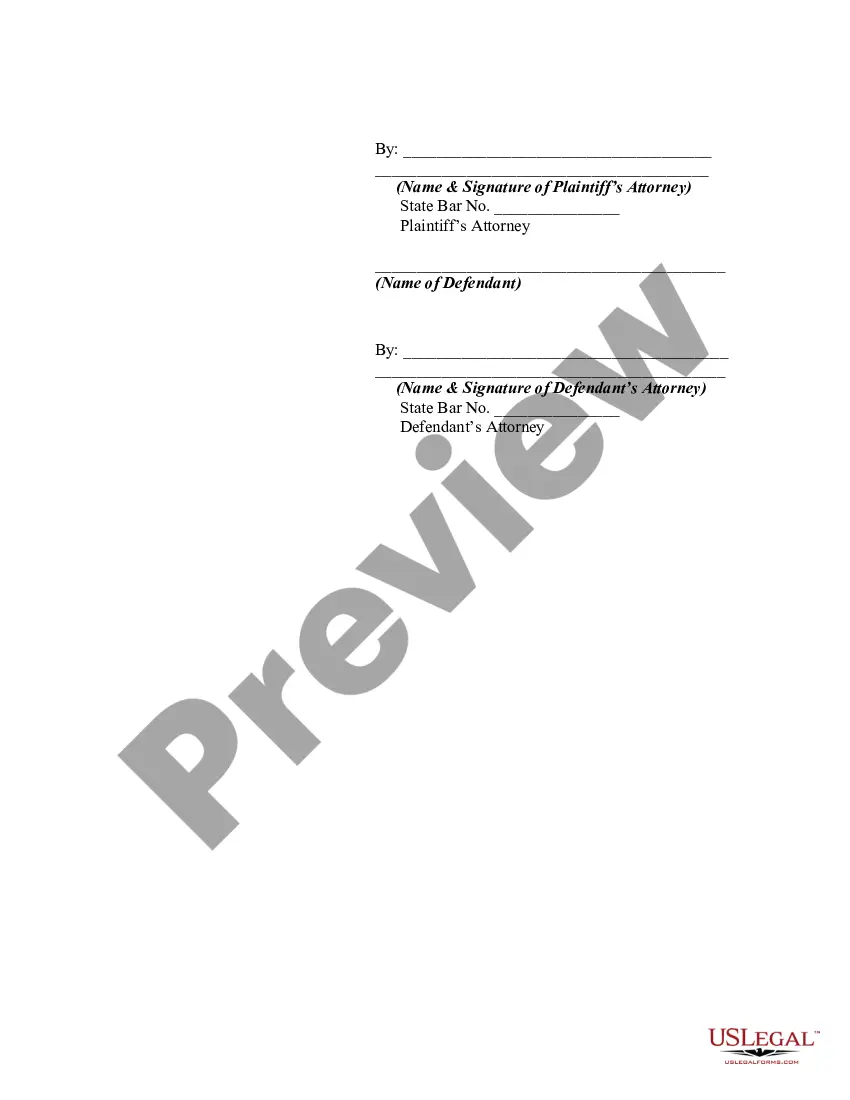
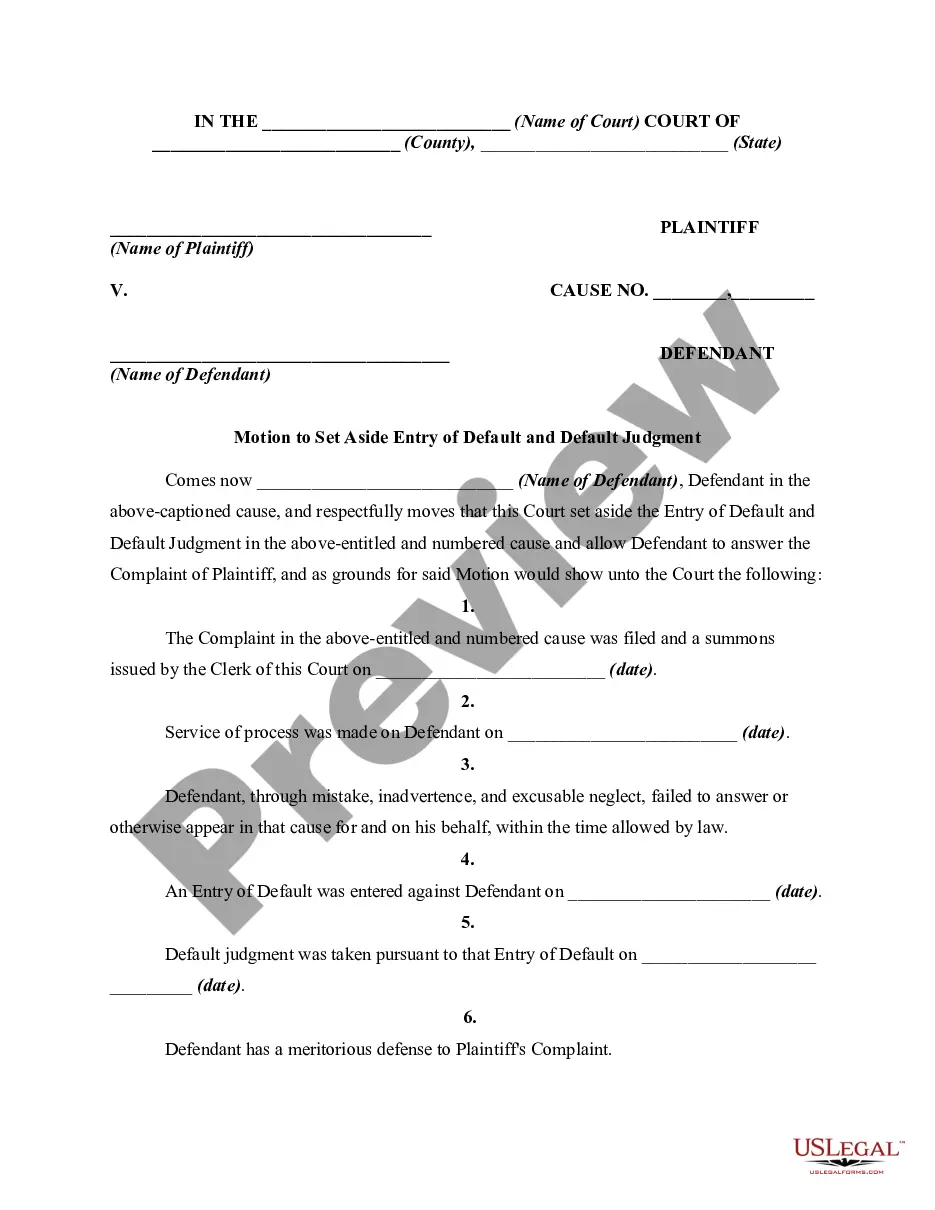
Stipulation To Set Aside Default California Withholding
Description
Get your form ready online
Our built-in tools help you complete, sign, share, and store your documents in one place.
Make edits, fill in missing information, and update formatting in US Legal Forms—just like you would in MS Word.
Download a copy, print it, send it by email, or mail it via USPS—whatever works best for your next step.
Sign and collect signatures with our SignNow integration. Send to multiple recipients, set reminders, and more. Go Premium to unlock E-Sign.
If this form requires notarization, complete it online through a secure video call—no need to meet a notary in person or wait for an appointment.
We protect your documents and personal data by following strict security and privacy standards.

Make edits, fill in missing information, and update formatting in US Legal Forms—just like you would in MS Word.

Download a copy, print it, send it by email, or mail it via USPS—whatever works best for your next step.

Sign and collect signatures with our SignNow integration. Send to multiple recipients, set reminders, and more. Go Premium to unlock E-Sign.

If this form requires notarization, complete it online through a secure video call—no need to meet a notary in person or wait for an appointment.

We protect your documents and personal data by following strict security and privacy standards.
Looking for another form?



How to fill out Stipulation For Setting Aside Default Judgment And Permitting Answer?
Creating legal documentation from the ground up can frequently be overwhelming.
Certain situations may require extensive research hours and significant financial investment.
If you’re looking for an easier and more budget-friendly method of preparing Stipulation To Set Aside Default California Withholding or any other forms without the hassle of navigating obstacles, US Legal Forms is always available to assist you.
Our online library of over 85,000 current legal documents covers nearly every aspect of your financial, legal, and personal affairs.
Review the document preview and descriptions to ensure you are selecting the correct document. Ensure the form you choose adheres to the laws and regulations of your state and county. Select the appropriate subscription plan to purchase the Stipulation To Set Aside Default California Withholding. Download the form, then complete, certify, and print it. US Legal Forms boasts a stellar reputation and more than 25 years of experience. Join us today and make form completion effortless and efficient!
- With just a few clicks, you can quickly access state- and county-approved templates meticulously prepared by our legal experts.
- Utilize our platform whenever you need a dependable service through which you can swiftly locate and download the Stipulation To Set Aside Default California Withholding.
- If you’re a returning user and have previously created an account with us, simply Log In to your account, choose the form, and download it or re-download it anytime from the My documents section.
- Not registered yet? No worries. Registration takes very little time, allowing you to browse our library.
- However, before proceeding directly to download the Stipulation To Set Aside Default California Withholding, keep these tips in mind.
Form popularity
FAQ
To set aside a default judgment in California, you must file a motion with the court explaining why the judgment should be overturned. This can involve demonstrating a valid reason for missing the original deadline and providing supporting evidence. It's advisable to have proficient legal guidance to navigate this process. Platforms like UsLegalForms can streamline your filing process and provide essential support.
Yes, there is a time limit for setting aside a default judgment in California. Generally, you must act within six months from the date the judgment was entered, unless you have grounds for relief under specific circumstances. If you need assistance navigating these timelines, US Legal Forms offers helpful resources and templates to guide you in filing a stipulation to set aside default California withholding efficiently. Always ensure you meet the deadlines to protect your rights.
If the court sent a Notice of Entry of Default If the court has your address, the clerk mails you a Notice of Entry of Default. If they sent this, you must file and serve the request to set aside within 180 days from the date you were served that notice.
Within 180 days after entry of a default judgment if the Defendant received written notice of the default judgment (See California Code of Civil Procedure §473.5)
If you know where the Judgment Debtor banks, you can ask the Sheriff to collect money from their account (bank account levy). If you know where the Judgment Debtor works, the Sheriff can collect 25% of the debtor's wages each pay period until your judgment is paid in full (wage garnishment).
You must file the request for order to set aside within 2 years after the date when the default judgment was entered against you. The deadline is sooner if the court files show that you were served with a written notice of entry of that default judgment.
After a default judgment, the Plaintiff will try to collect the money you owe. The Plaintiff may be able to take money from your paycheck or bank account and put a lien on your property. If you don't have any assets to pay the debt, you can let the Plaintiff. They may give up or try to collect in the future.