State Liability Premises For Head Injury
Description
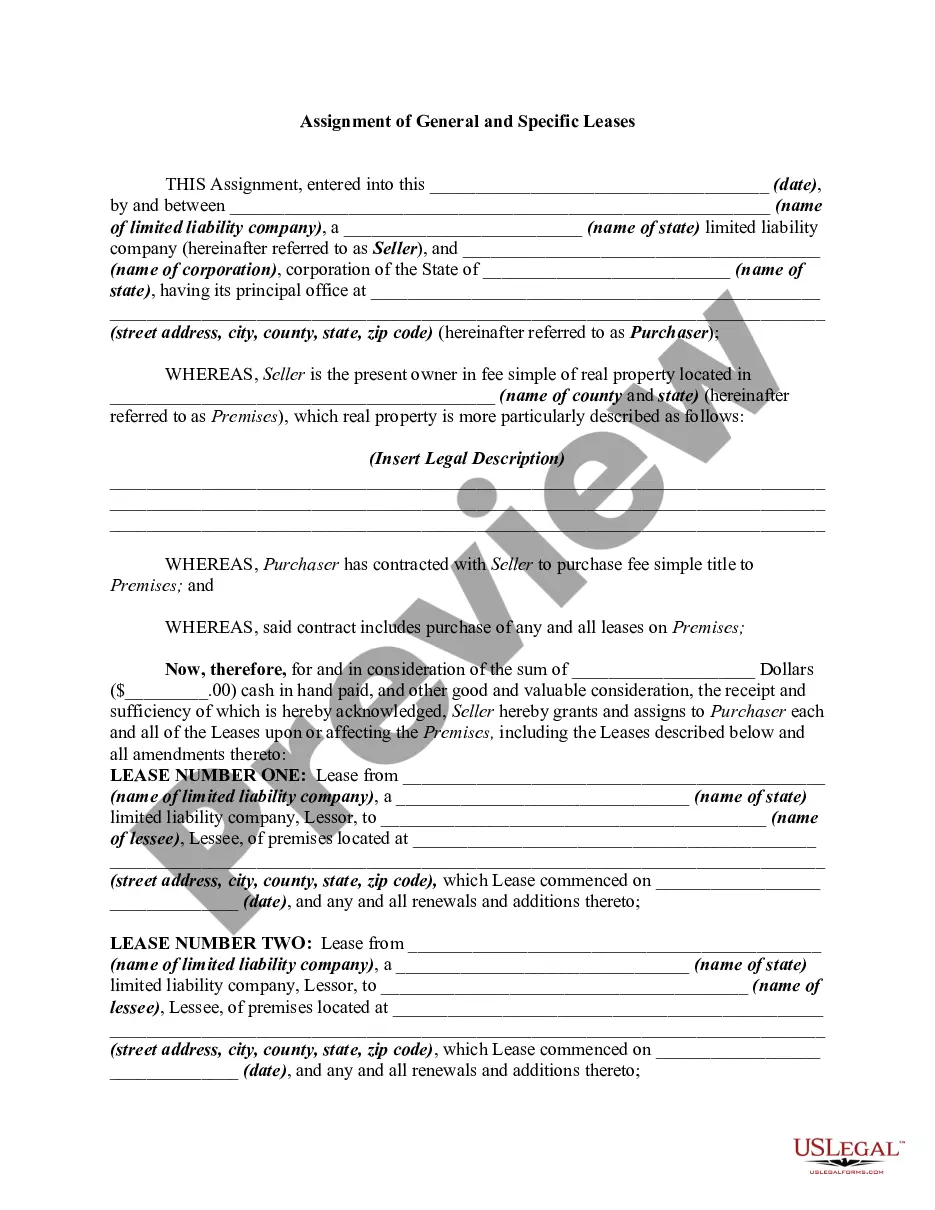
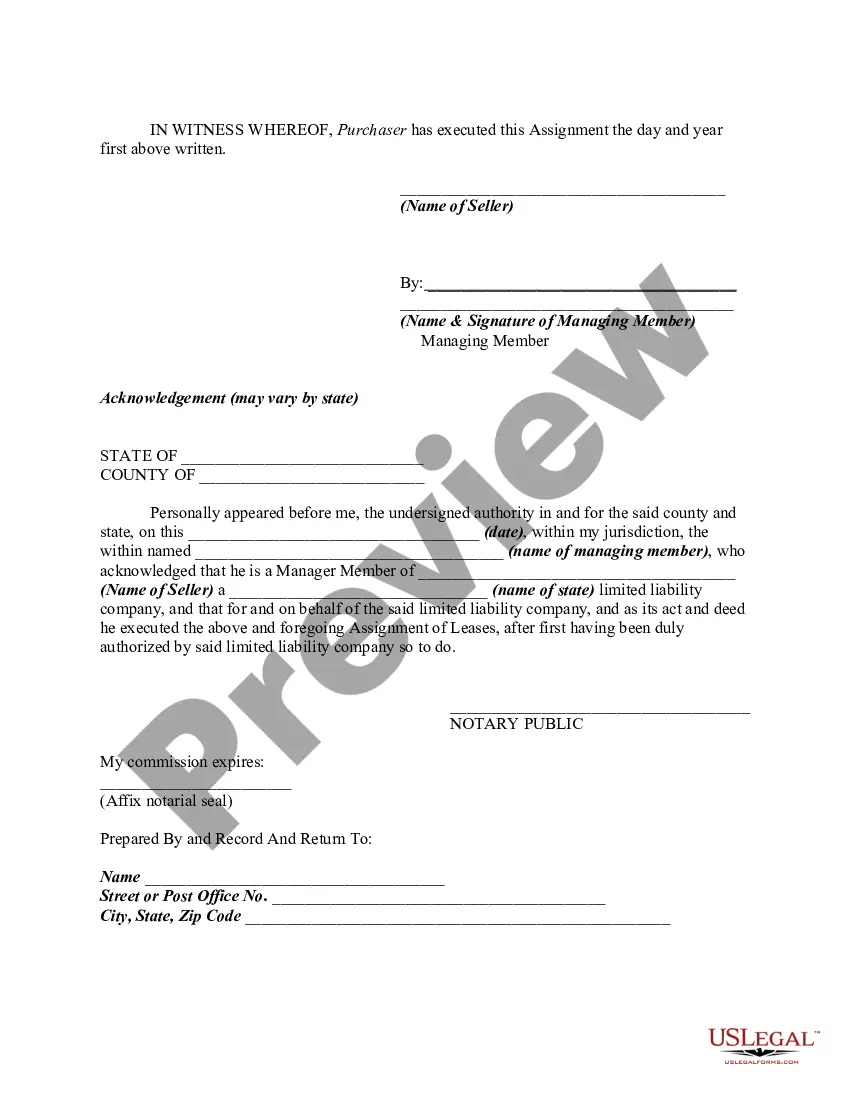
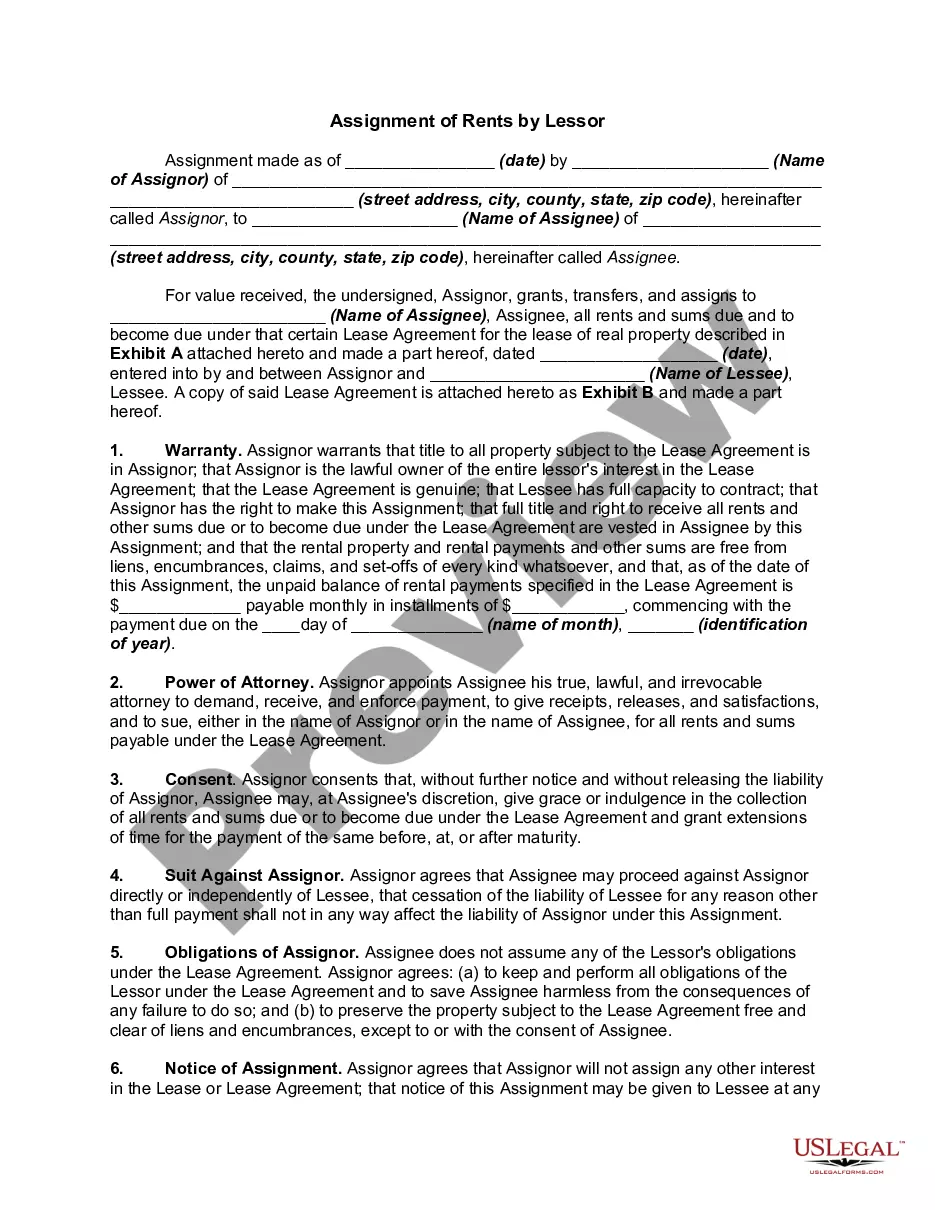
Get your form ready online
Our built-in tools help you complete, sign, share, and store your documents in one place.
Make edits, fill in missing information, and update formatting in US Legal Forms—just like you would in MS Word.
Download a copy, print it, send it by email, or mail it via USPS—whatever works best for your next step.
Sign and collect signatures with our SignNow integration. Send to multiple recipients, set reminders, and more. Go Premium to unlock E-Sign.
If this form requires notarization, complete it online through a secure video call—no need to meet a notary in person or wait for an appointment.
We protect your documents and personal data by following strict security and privacy standards.

Make edits, fill in missing information, and update formatting in US Legal Forms—just like you would in MS Word.

Download a copy, print it, send it by email, or mail it via USPS—whatever works best for your next step.

Sign and collect signatures with our SignNow integration. Send to multiple recipients, set reminders, and more. Go Premium to unlock E-Sign.

If this form requires notarization, complete it online through a secure video call—no need to meet a notary in person or wait for an appointment.

We protect your documents and personal data by following strict security and privacy standards.
Looking for another form?
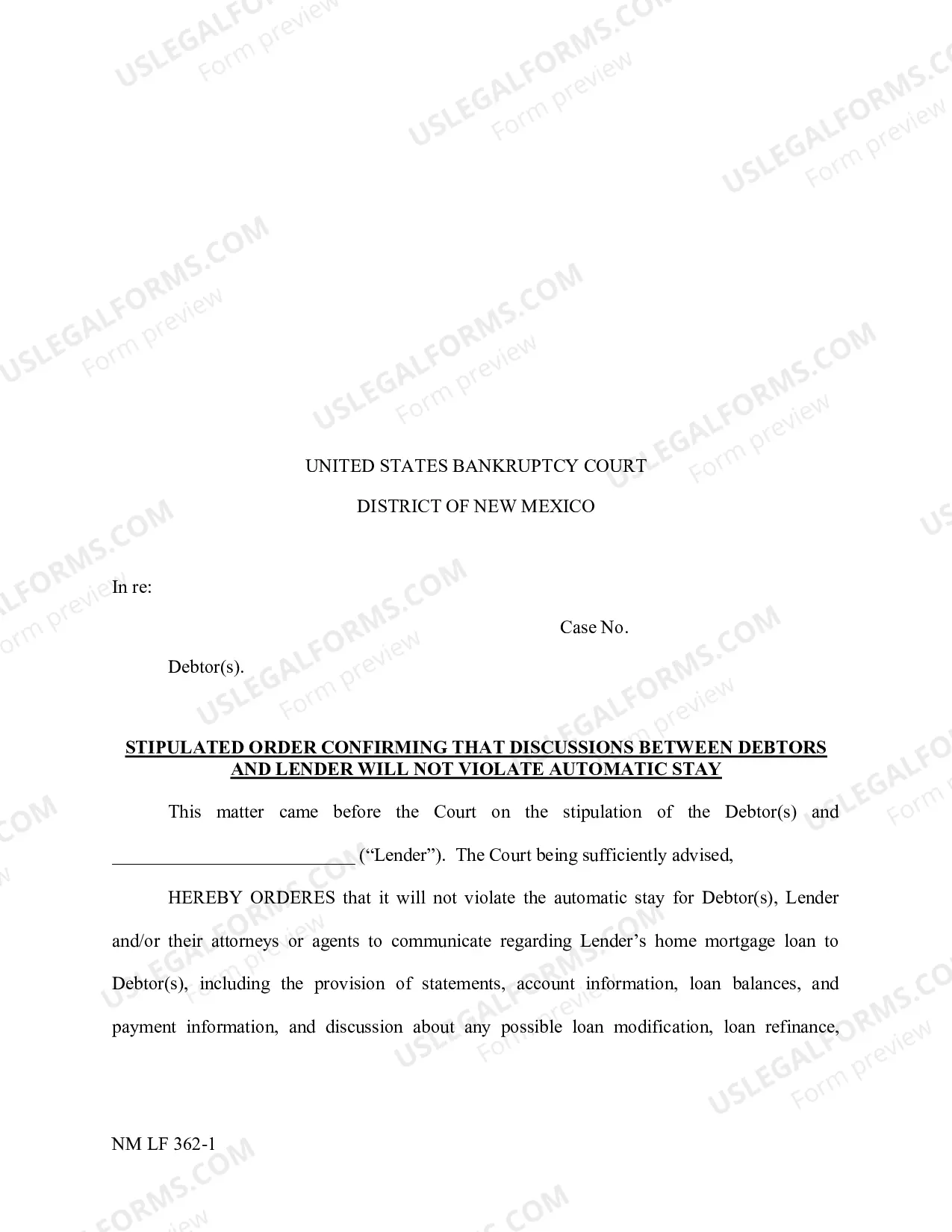







How to fill out Assignment Of General And Specific Leases?
It’s well-known that you cannot instantly transform into a legal expert, nor can you swiftly acquire the skills needed to prepare State Liability Premises For Head Injury without a specific skill set.
Drafting legal documents is a lengthy process that demands a certain level of education and proficiency. So, why not entrust the creation of the State Liability Premises For Head Injury to those who are skilled in the field.
With US Legal Forms, a comprehensive repository of legal documents, you can discover anything from court filings to templates for internal corporate correspondence.
You can access your documents again from the My documents section at any time. If you’re a current client, you can simply Log In and find and download the document from the same section.
No matter the reason for your documents—be it for financial, legal, or personal purposes—our website is prepared to assist you. Experience US Legal Forms today!
- Locate the document you require using the search function at the top of the webpage.
- View it (if this option is available) and review the accompanying description to determine if State Liability Premises For Head Injury matches your needs.
- Restart your search if you require any additional template.
- Create a free account and choose a subscription plan to acquire the document.
- Select Buy now. Once your payment is processed, you can download the State Liability Premises For Head Injury, complete it, print it, and send it via mail to the relevant parties or organizations.
Form popularity
FAQ
To win a premises liability case, the injured party must demonstrate that the property owner was negligent and that this negligence directly caused the injury. Specifically, you need to prove that the owner knew about a dangerous condition or should have known about it, and failed to take reasonable steps to address it. Understanding the concept of state liability premises for head injury is essential in building your case. If you have questions or need assistance, uslegalforms can provide valuable resources tailored to your situation.
A photo copyright release is an authorization to copy, distribute, or otherwise use specified copyrighted photos at will. This authorization is given by the owner of these images (the ?releasor?) to another person (the ?releasee?). Unless otherwise noted, the release does not expire.
What is a photo licensing agreement? A photo licensing agreement is a contract between two parties, the licensor (the photographer who owns the copyright and is licensing the rights to use the image) and the licensee (the person or company wanting to and gaining the right to use the image).
Form and Placement of the Copyright Notice: The symbol © (the letter C in a circle), or the word "Copyright" or the abbreviation "Copr."; The year of first publication of the work; and. The name of the owner of copyright in the work.
A statement by you declaring under penalty of perjury that (1) the above information in your Notice is accurate, and (2) that you are the owner of the copyright interest involved or that you are authorized to act on behalf of that owner; Your name, address, telephone number, and email address; and.
A photo release form allows an individual or photographer to obtain consent from the other party in order to use photographs for personal or commercial use. The releasing party, the ?releasor,? can choose to give away the rights to the images for free or charge a fee or royalty.
Table of Contents Full Names and Contact Info of Your Business and Client. Start Date of Photography Contract and Shoot Date. Summary of What Each Side Will Deliver. Cancellation Policy. Payment Schedule and Late Schedule Fees. Copyright Ownership and Transfer of Use Rights. Property or Model Releases. Liability Limitations.
There are only four simple components you need to include: The copyright symbol © or the word ?copyright? The name of the copyright owner or author of the work. The year the content was published, which can be different from the year of creation. Your statement of the rights you're reserving over the materials.
However, photo releases should contain the following components: Names. Names of both parties should be included in a photo release to properly identify who is either granting or receiving permission to use the photos. Terms. ... Description of the shoot. ... Agreement statement. ... Dated signature.