Assignment Receivable With For And Against
Description
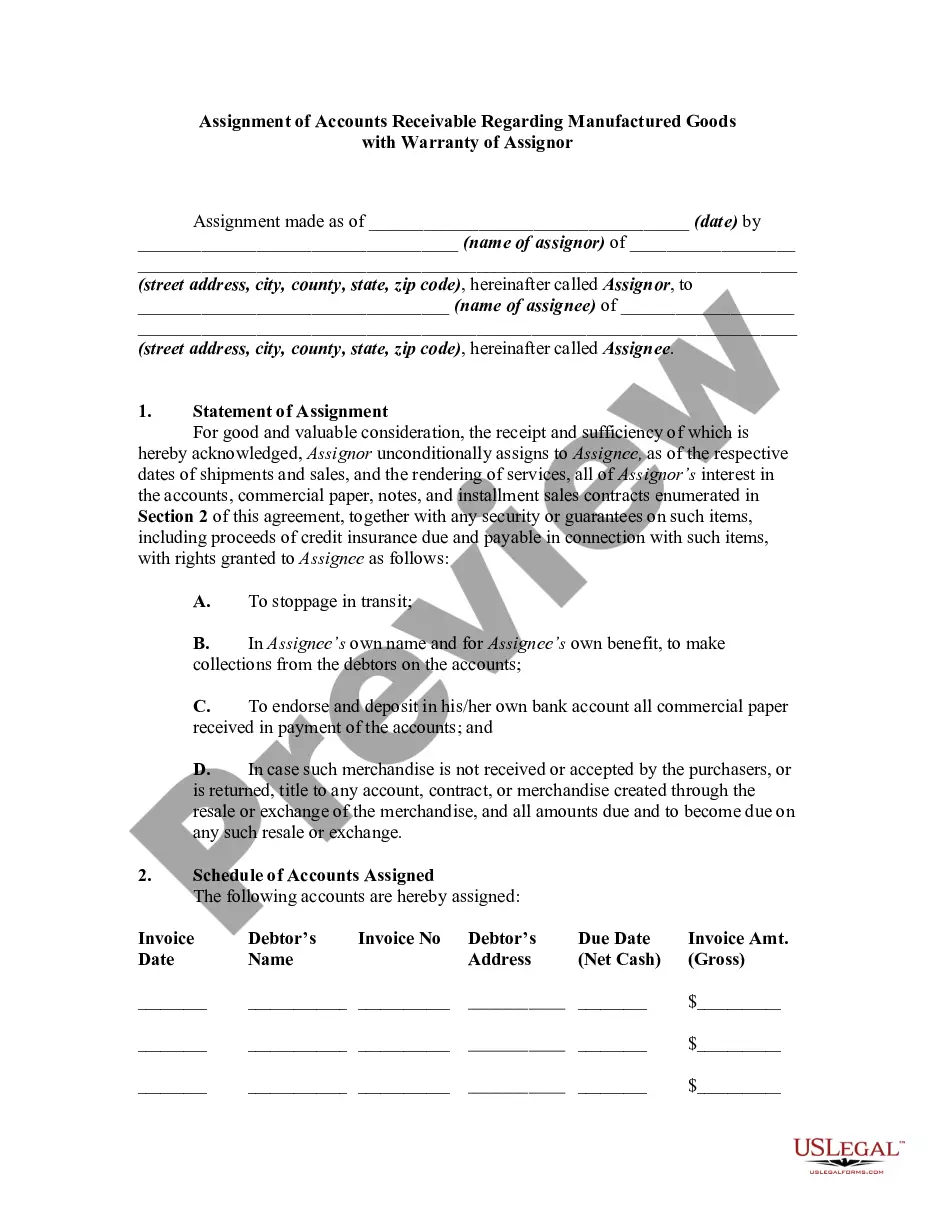
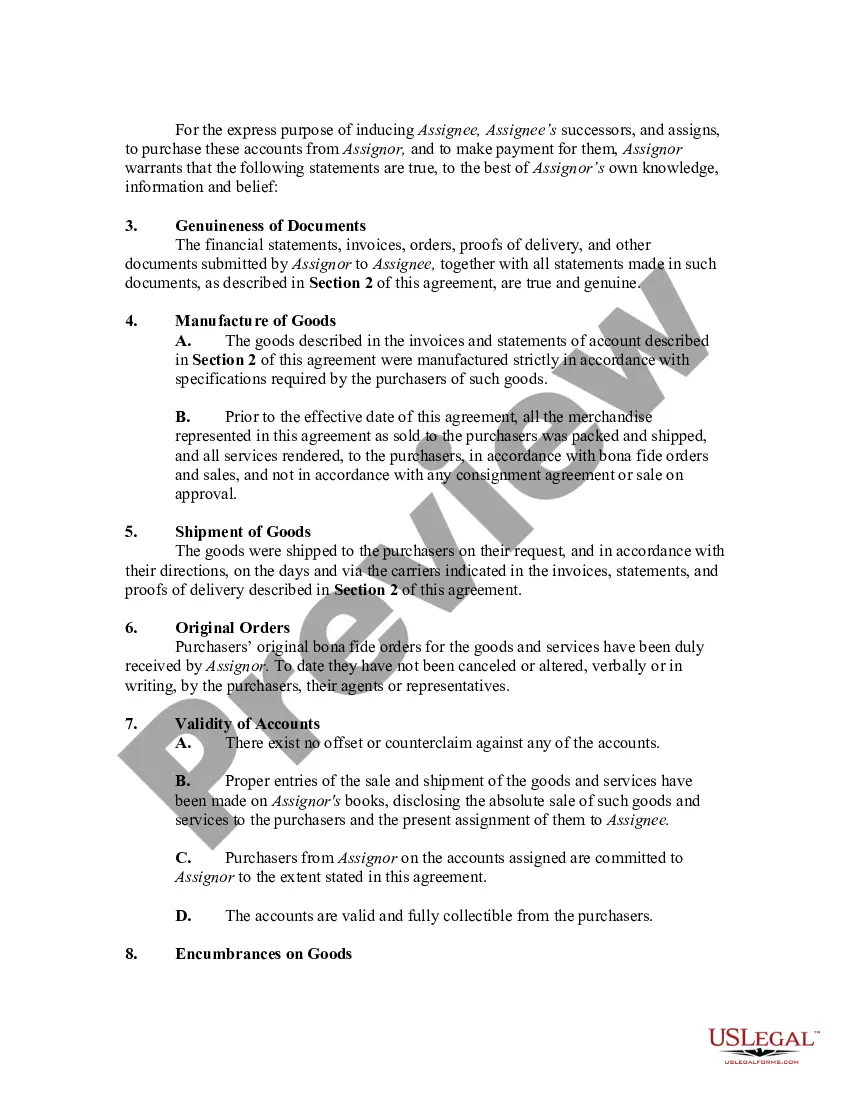
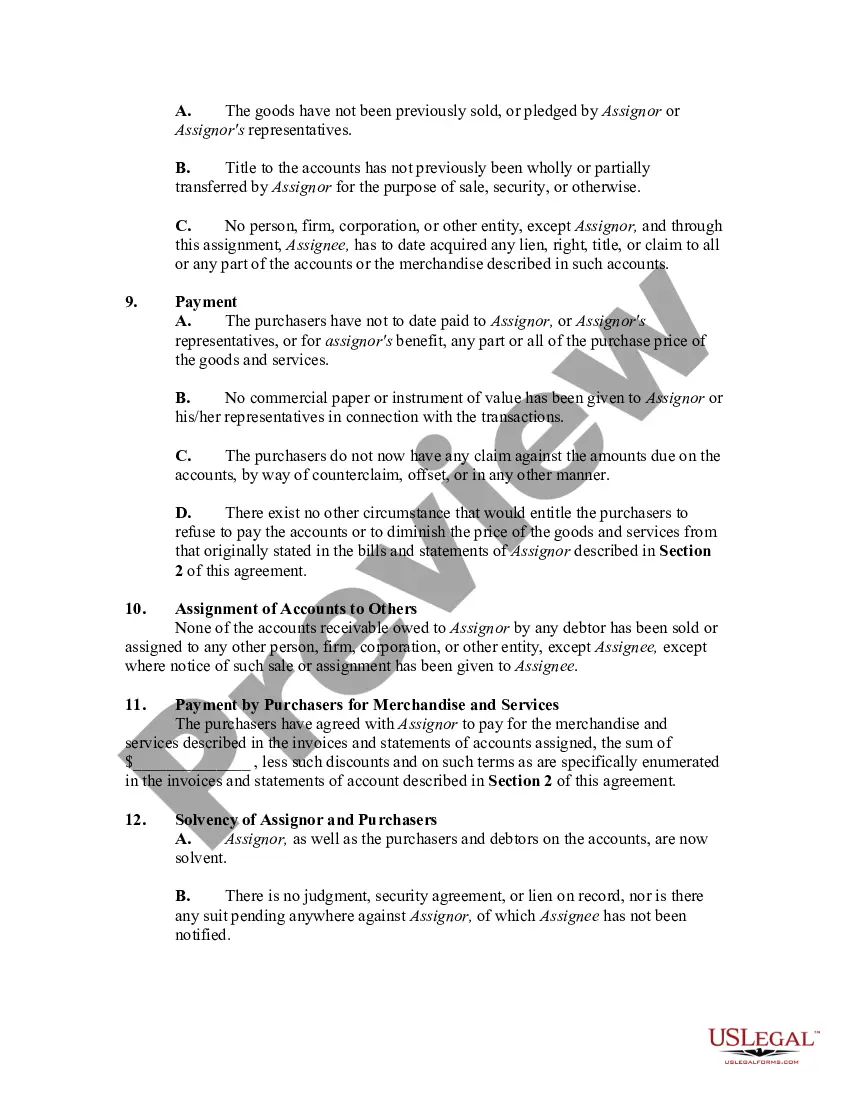


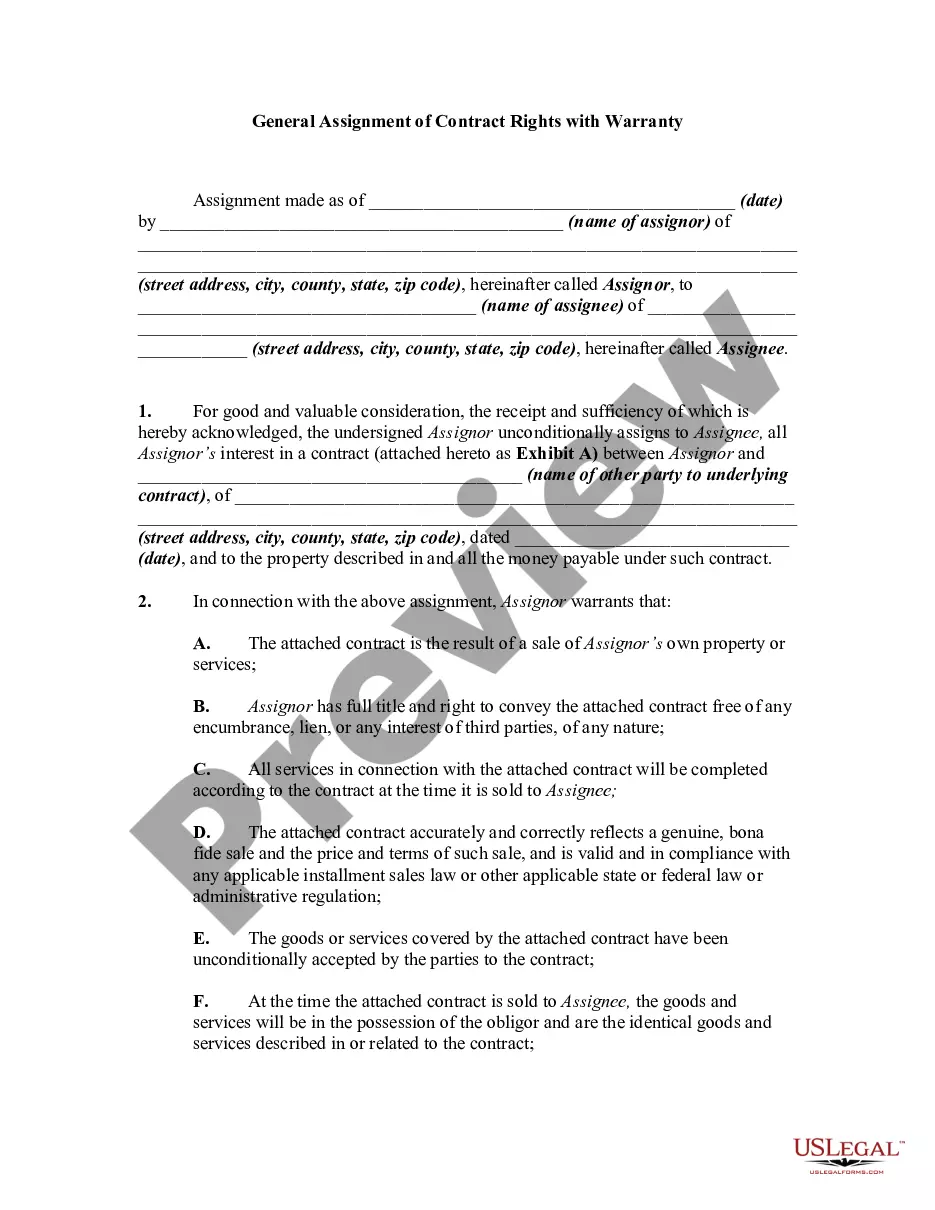
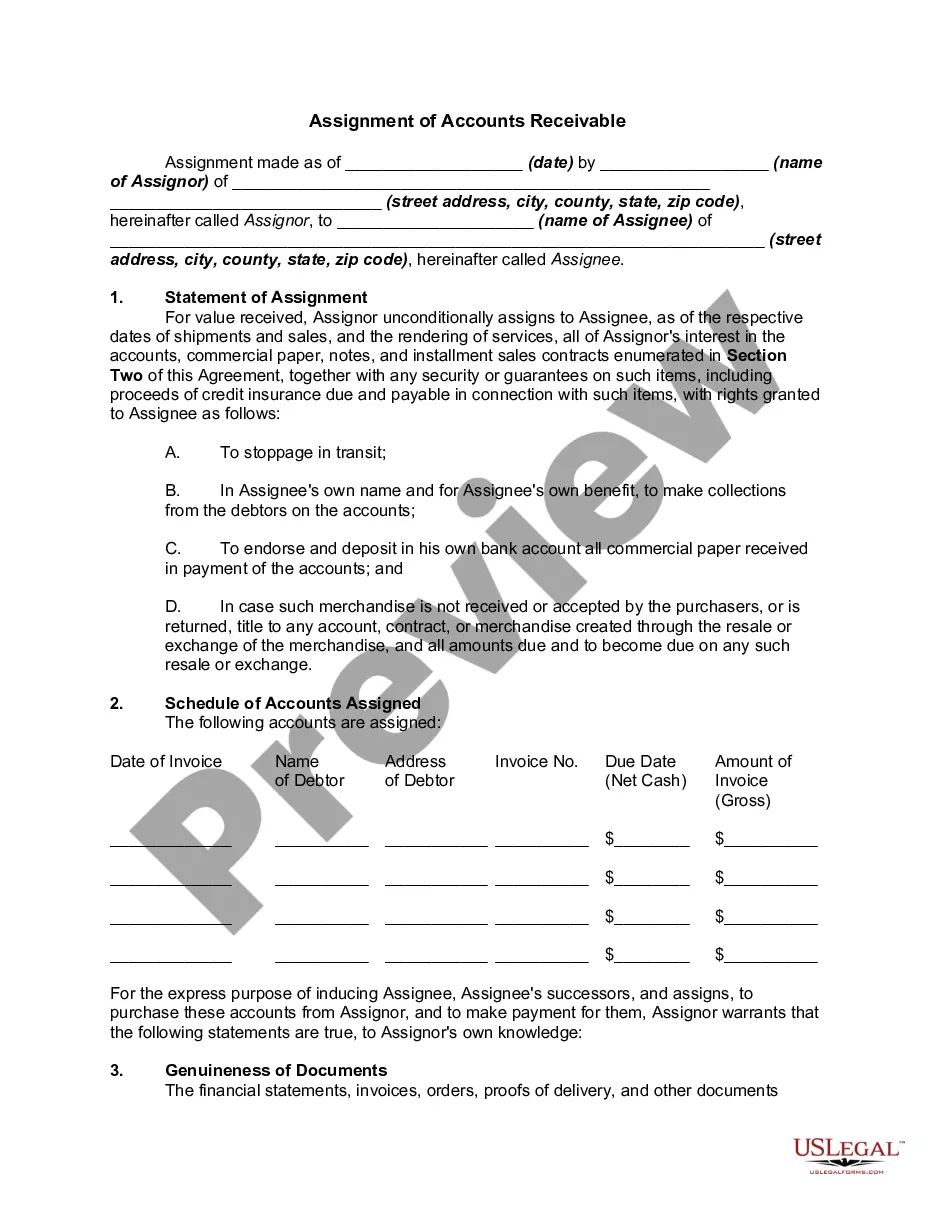

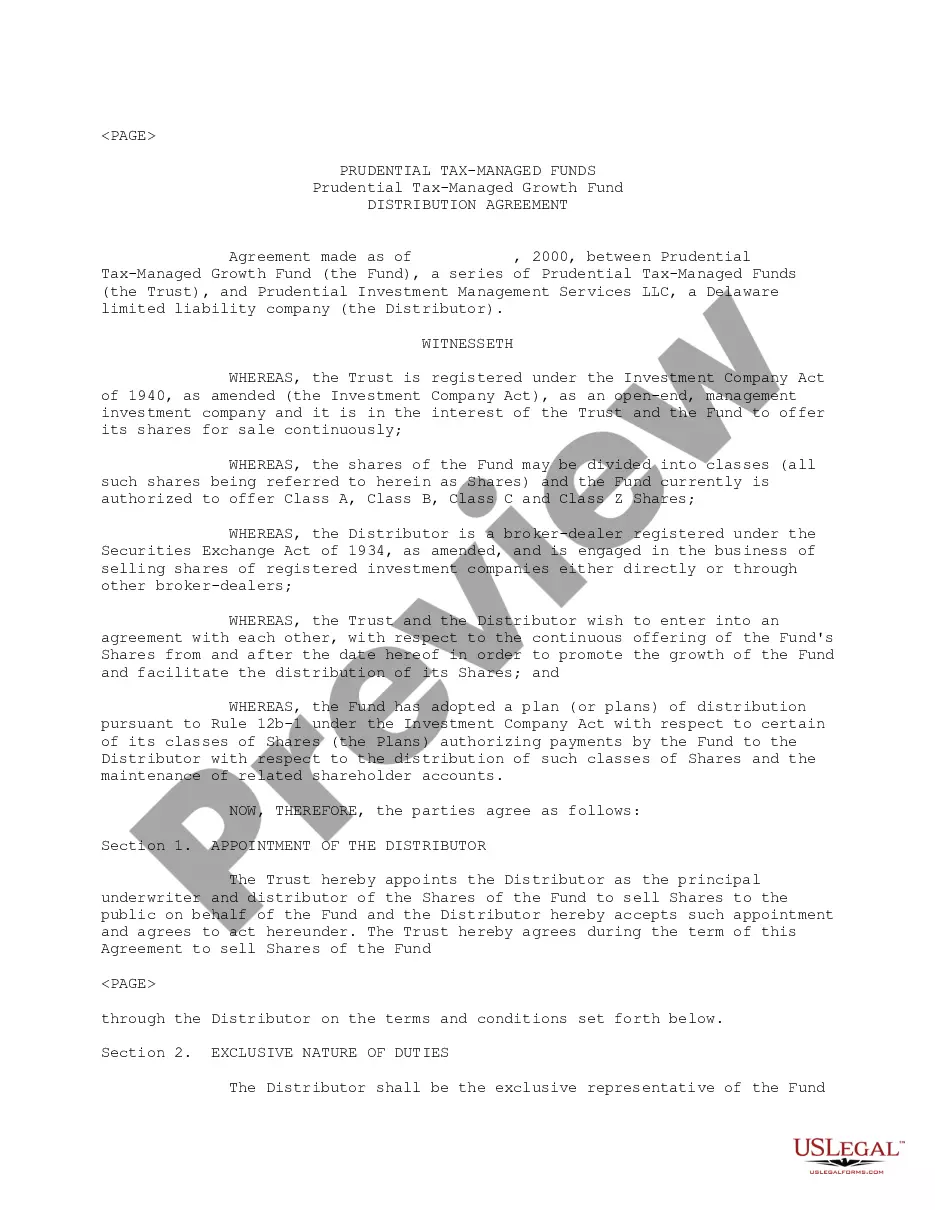
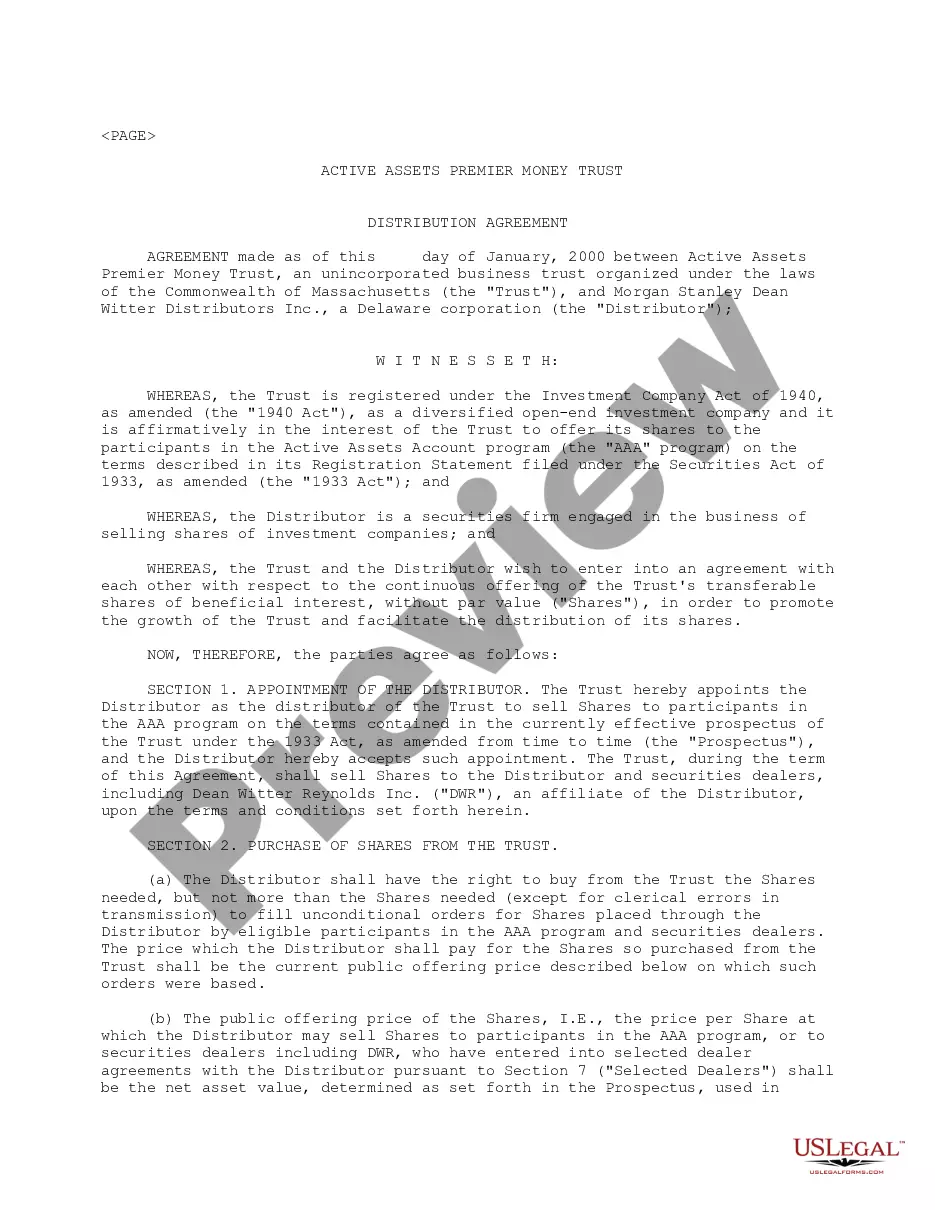
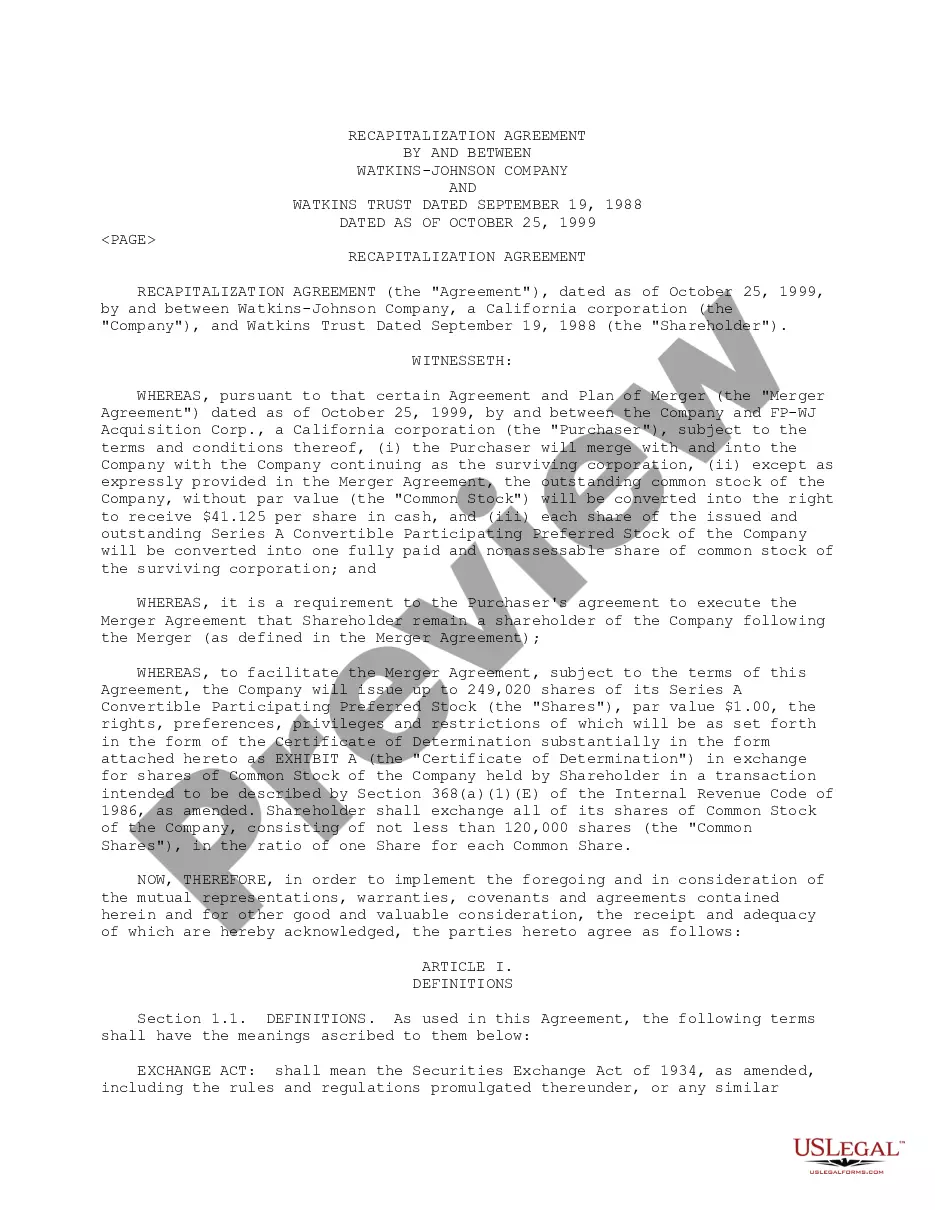
How to fill out Assignment Of Accounts Receivable Regarding Manufactured Goods With Warranty Of Assignor?
- Begin by visiting the US Legal Forms site. If you're an existing user, log in to your account. Ensure your subscription is active.
- If you're new, explore the Preview mode to examine form details and verify that it aligns with your jurisdiction’s requirements.
- Use the Search tab if additional templates are needed to find the most suitable form for your purpose.
- Once satisfied, click the 'Buy Now' button and select a subscription plan that fits your needs.
- Complete your purchase by entering credit card information or using PayPal for swift payment.
- Download the template directly onto your device for easy access. You can always find it later under 'My Forms' in your profile.
With US Legal Forms, you benefit from the largest collection of legal forms, ensuring you have access to over 85,000 templates that are easily editable.
Ready to streamline your legal documentation? Start today with US Legal Forms and experience the ease of accessing expertly crafted forms.
Form popularity
FAQ
The legal assignment of receivables involves a formal process where a creditor gives their rights to collect payment from a debtor to another party. This process is critical in securing funding or managing debts. In the discussion of assignment receivable with for and against, businesses must recognize the legal implications and the potential benefits of transferring these rights. US Legal Forms offers a range of resources to help users understand and execute these assignments effectively.
Dealing with an uncollectible receivable requires a systematic approach to minimize losses. First, assess the situation to determine if further collection efforts are viable. If not, writing off the receivable may be necessary for accurate accounting. The assignment receivable with for and against highlights the risks of such debts, prompting businesses to implement practices that reduce the occurrence of uncollectibles. Utilizing US Legal Forms can help in documenting these transactions for better financial management.
When we talk about assignment of receivables, we are discussing the legal right a company has to assign its receivables to another party. This means the receiving party, known as the assignee, takes over the rights to collect payments from the original customers. It's essential to understand the implications of this process, as an assignment receivable with for and against can impact how businesses manage their finances. Companies often seek reliable resources, such as USLegalForms, to ensure compliance during this assignment.
To assign accounts receivable, first, write a formal assignment agreement detailing the terms and conditions. Next, inform your customers of the assignment so they know where to send payments. Using platforms like uslegalforms can simplify this process, especially when exploring options related to an assignment receivable with for and against.
The four types of receivables include accounts receivable, notes receivable, other receivables, and employee receivables. Each type has distinct features and purposes in a business context. By understanding these, especially in relation to an assignment receivable with for and against, you can make informed financial decisions.
To assign receivables, you will need to draft an assignment agreement that specifies the terms of the transfer. This agreement should outline the rights being transferred and the parties involved. When considering an assignment receivable with for and against, a clear written contract is essential to avoid disputes.
To adjust accounts receivable, you typically debit the accounts receivable account and credit the sales revenue account. This action reflects any changes in what customers owe. It is essential to maintain accurate records, especially when dealing with an assignment receivable with for and against.
An assignment of receivables is a legal process where a business transfers its right to collect payments from a debtor to a third party. This is often done to raise immediate capital or limit exposure to credit risk. The assigned party then has the authority to pursue payments from the debtor. This approach provides flexibility, but it’s essential to ensure compliance with any relevant laws and existing agreements.