Write With Transformer
Description




Get your form ready online
Our built-in tools help you complete, sign, share, and store your documents in one place.
Make edits, fill in missing information, and update formatting in US Legal Forms—just like you would in MS Word.
Download a copy, print it, send it by email, or mail it via USPS—whatever works best for your next step.
Sign and collect signatures with our SignNow integration. Send to multiple recipients, set reminders, and more. Go Premium to unlock E-Sign.
If this form requires notarization, complete it online through a secure video call—no need to meet a notary in person or wait for an appointment.
We protect your documents and personal data by following strict security and privacy standards.

Make edits, fill in missing information, and update formatting in US Legal Forms—just like you would in MS Word.

Download a copy, print it, send it by email, or mail it via USPS—whatever works best for your next step.

Sign and collect signatures with our SignNow integration. Send to multiple recipients, set reminders, and more. Go Premium to unlock E-Sign.

If this form requires notarization, complete it online through a secure video call—no need to meet a notary in person or wait for an appointment.

We protect your documents and personal data by following strict security and privacy standards.
Looking for another form?
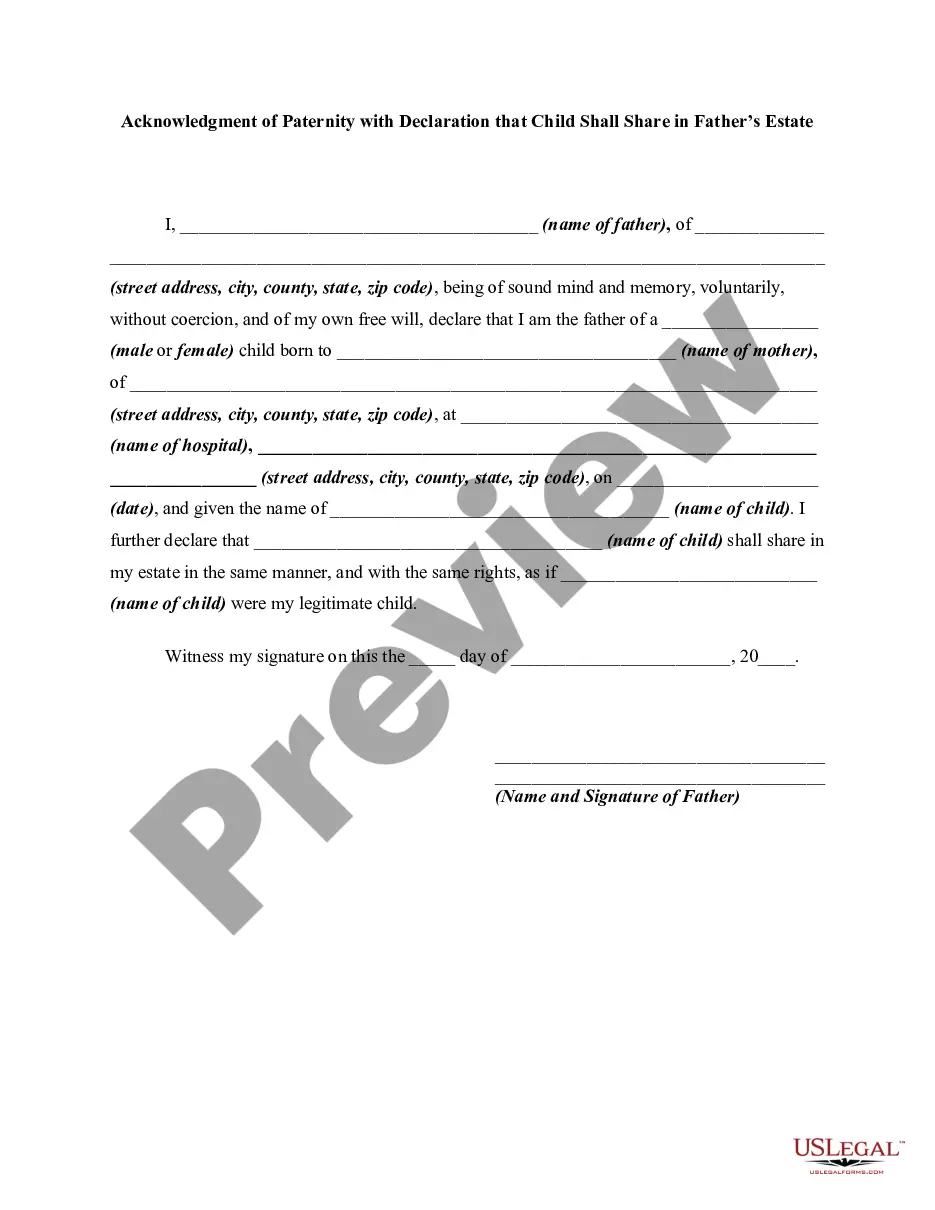
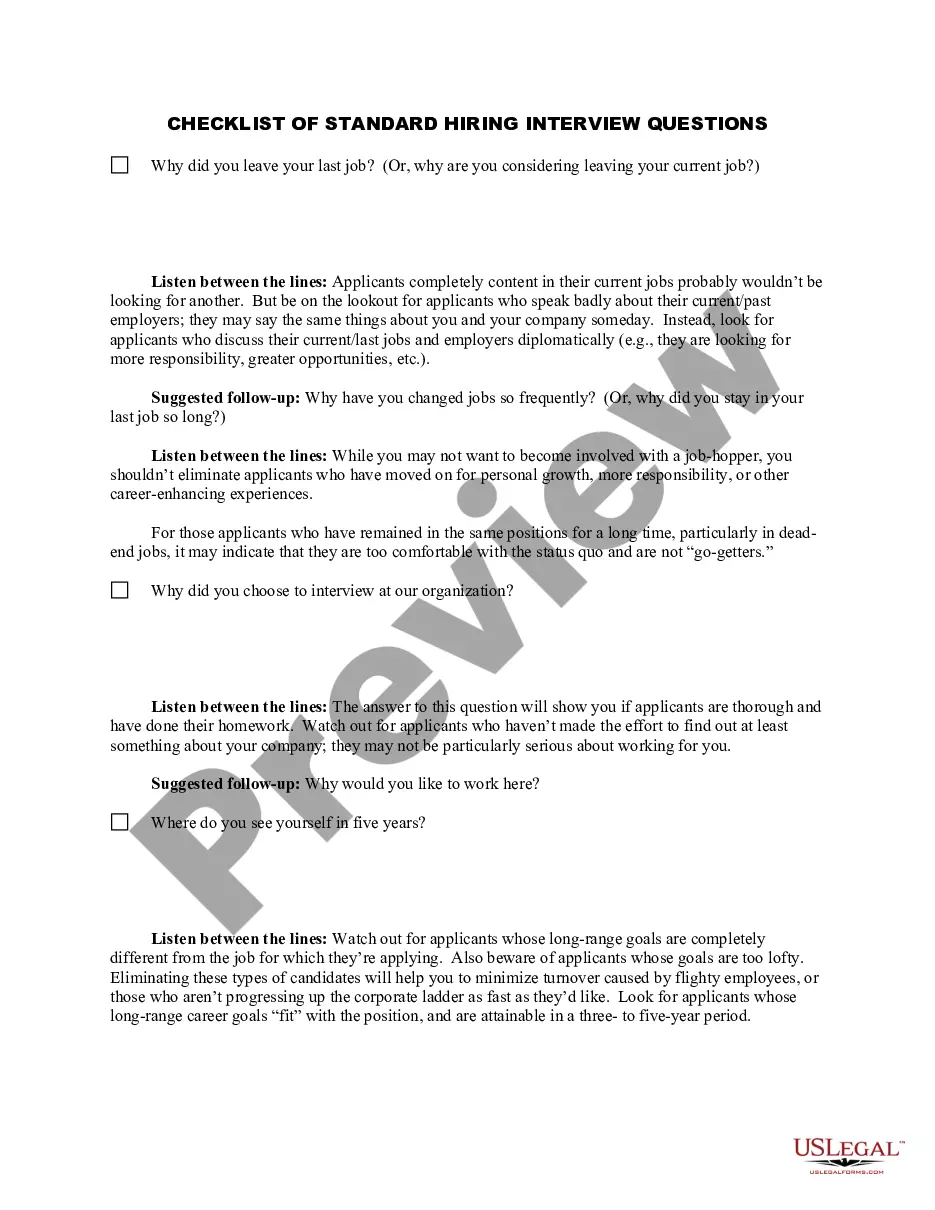
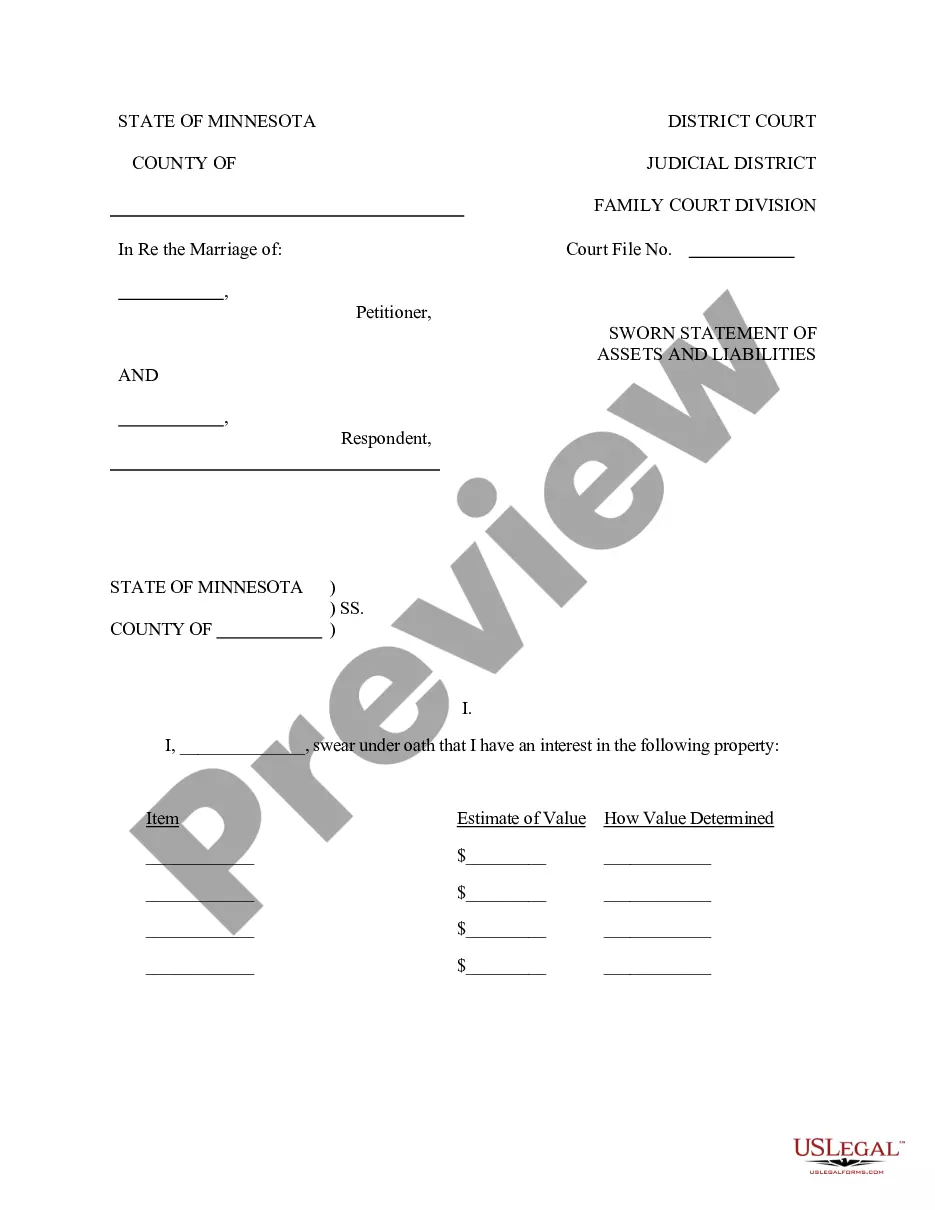




How to fill out Writ Of Replevin Or Repossession?
- If you’re a returning user, log in to your account and ensure your subscription is current before downloading your chosen form template.
- For first-time users, start by exploring the Preview mode and reviewing the form descriptions to confirm the template meets your local requirements.
- If needed, search for another template using the Search tab to find the appropriate form.
- Once you’ve selected the right document, click on the Buy Now button and choose a subscription plan that fits your needs.
- Proceed to make your payment by entering your credit card details or using your PayPal account.
- After purchase, download the form to your device and easily access it later in the My Forms section.
With over 85,000 editable legal forms, US Legal Forms empowers users to complete and file legal documents accurately and swiftly.
Start your legal journey today by accessing US Legal Forms' extensive resources and ensure your documents are filed with confidence!
Form popularity
FAQ
Yes, GPT is a type of transformer model designed for natural language processing tasks. When you write with transformer technology like GPT, you benefit from its ability to understand context and generate coherent text. This model leverages advanced algorithms to analyze large datasets, making it a powerful tool for content creation and various applications. To explore how you can effectively write with transformer models, consider using US Legal Forms for generating precise legal documents.
Reversing a transformer typically involves using it in a manner that changes its function from step-up to step-down, or vice versa. This change can work effectively if you adjust the input connections accordingly. However, always ensure safety and compatibility with your load requirements. For more detailed solutions, consider how to Write with Transformer for expert advice.
While it is technically possible to turn a step-down transformer into a step-up transformer, it often requires significant modifications. You may need to alter the winding ratios and ensure that the transformer's structure can handle the new configuration. For practical applications, you should consult detailed resources on how to Write with Transformer.
To create a step-up transformer, begin by designing a coil with more turns in the secondary winding. This design encourages a higher voltage output compared to the input voltage. Make sure to understand the materials and construction methods needed for effectiveness. You can always Write with Transformer to gain more insights on their design.
Converting a step-down transformer to a step-up transformer typically requires changing the connections and possibly replacing the windings. This involves increasing the number of turns in the secondary winding. This process can be complex and often requires professional assistance. To explore effective solutions, you might benefit from learning how to Write with Transformer.
You can step up AC voltage using a transformer by connecting it to the power supply with the primary winding. This connection allows the transformer to increase voltage based on its winding ratio. It is essential to match your input and output requirements. If you need to manage transformers effectively, check out how to Write with Transformer.
To make a transformer step-up, you need to select one with a higher number of turns in the secondary winding compared to the primary winding. This setup increases the output voltage while lowering the current. Additionally, ensure that the transformer rating suits your application. For detailed guidance, it is beneficial to Write with Transformer.
Choosing the right transformer involves assessing your power requirements and voltage levels. You must consider factors like load type, efficiency, and voltage regulation. By evaluating these aspects, you can select a transformer that meets your specific needs. Remember to Write with Transformer to get insights on their various features.
When you backfeed a transformer, it can cause power to flow in the opposite direction, which may lead to unexpected results. This can potentially damage the transformer or create safety hazards. Therefore, it is crucial to ensure that transformers are set up correctly. If you want a reliable solution for power distribution, consider how to Write with Transformer to understand better their functionalities.
Transformers generate text by processing large amounts of data through layers of attention mechanisms. They learn from context and relationships within the data, allowing them to predict and generate coherent text. This ability can enhance your writing, enabling you to write with transformer technology effectively.