Summons Served In Court
Description
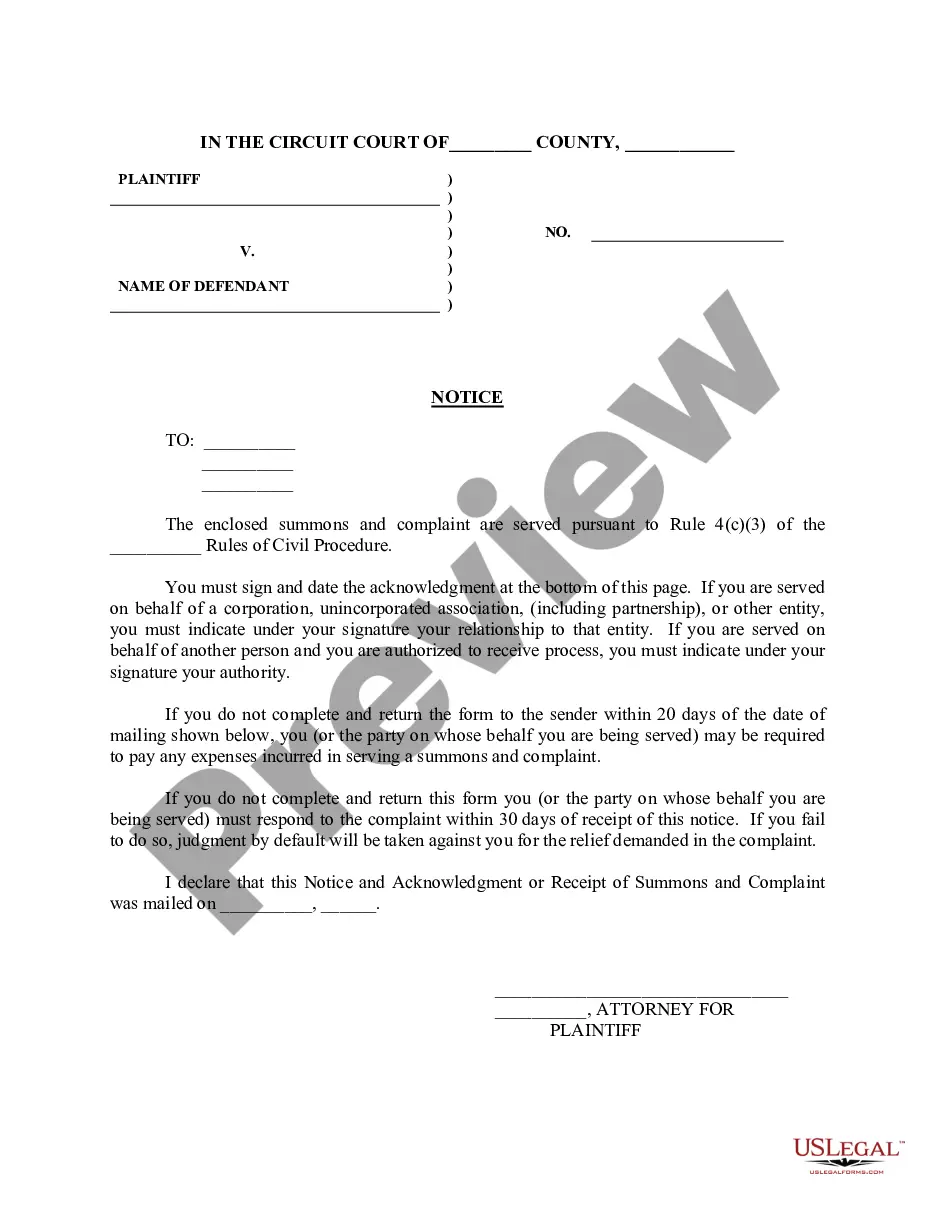
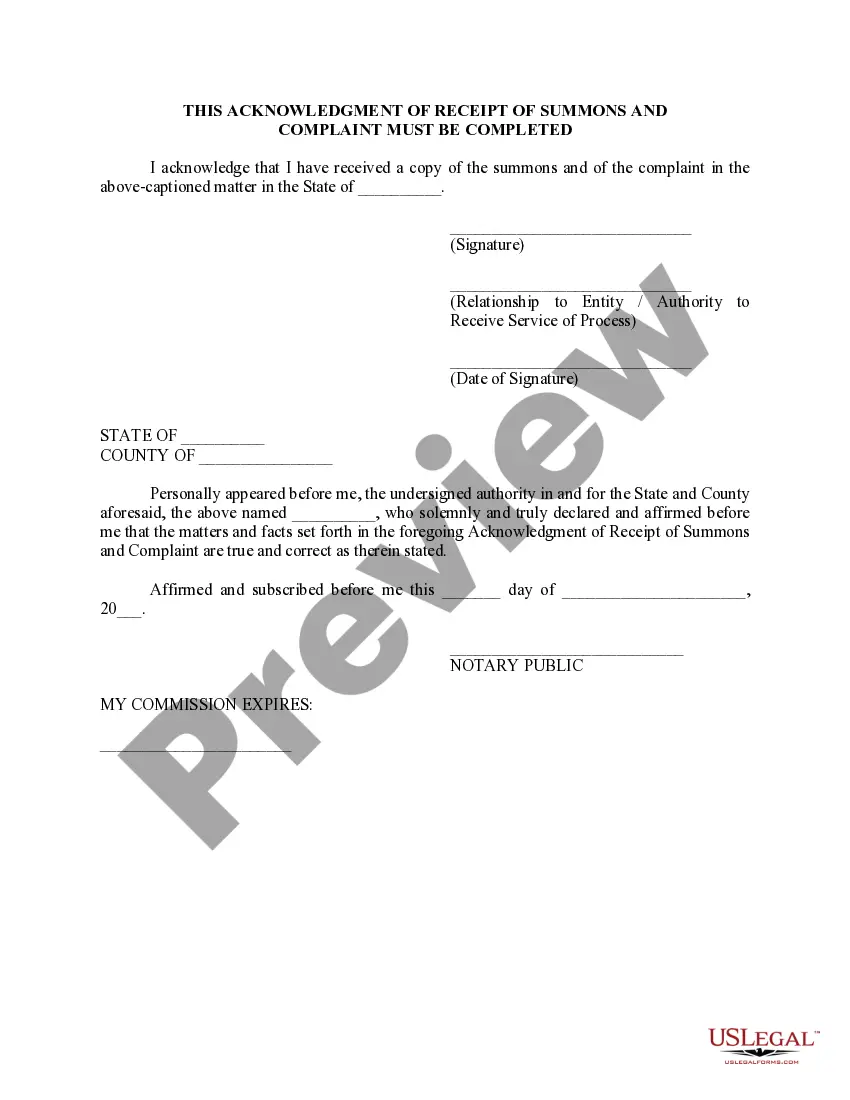
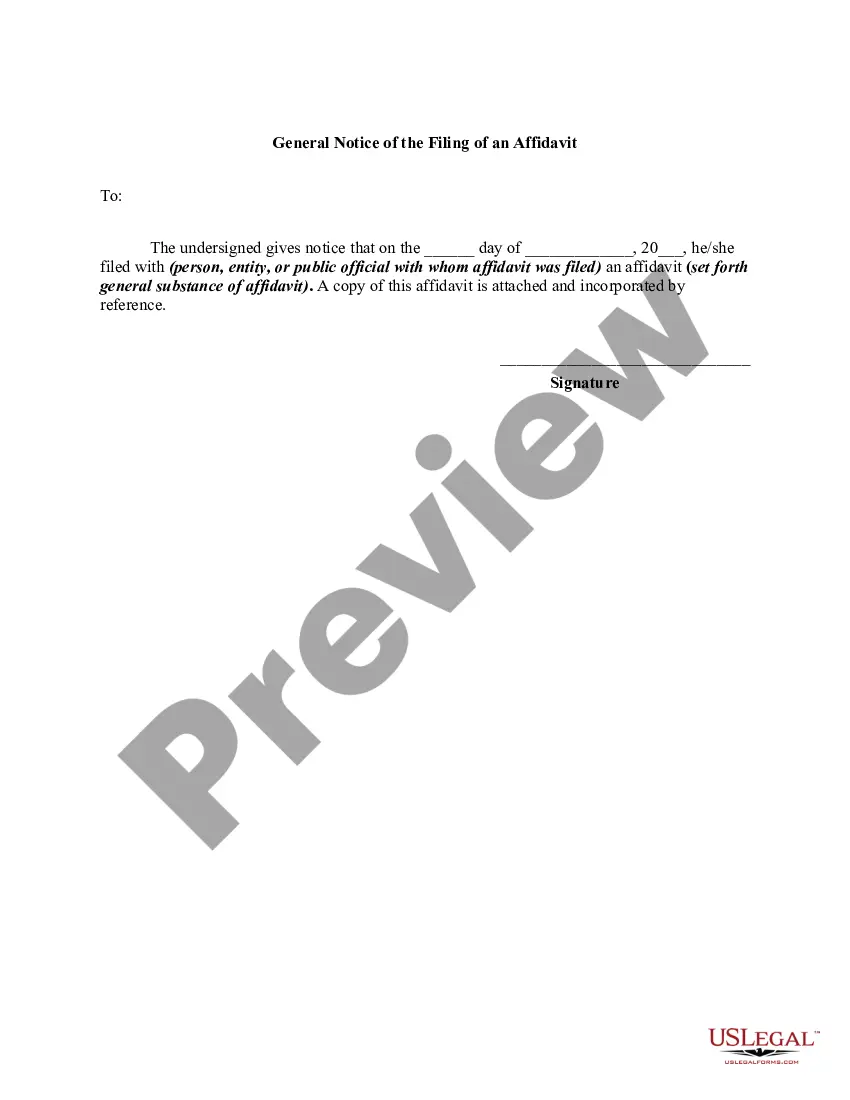
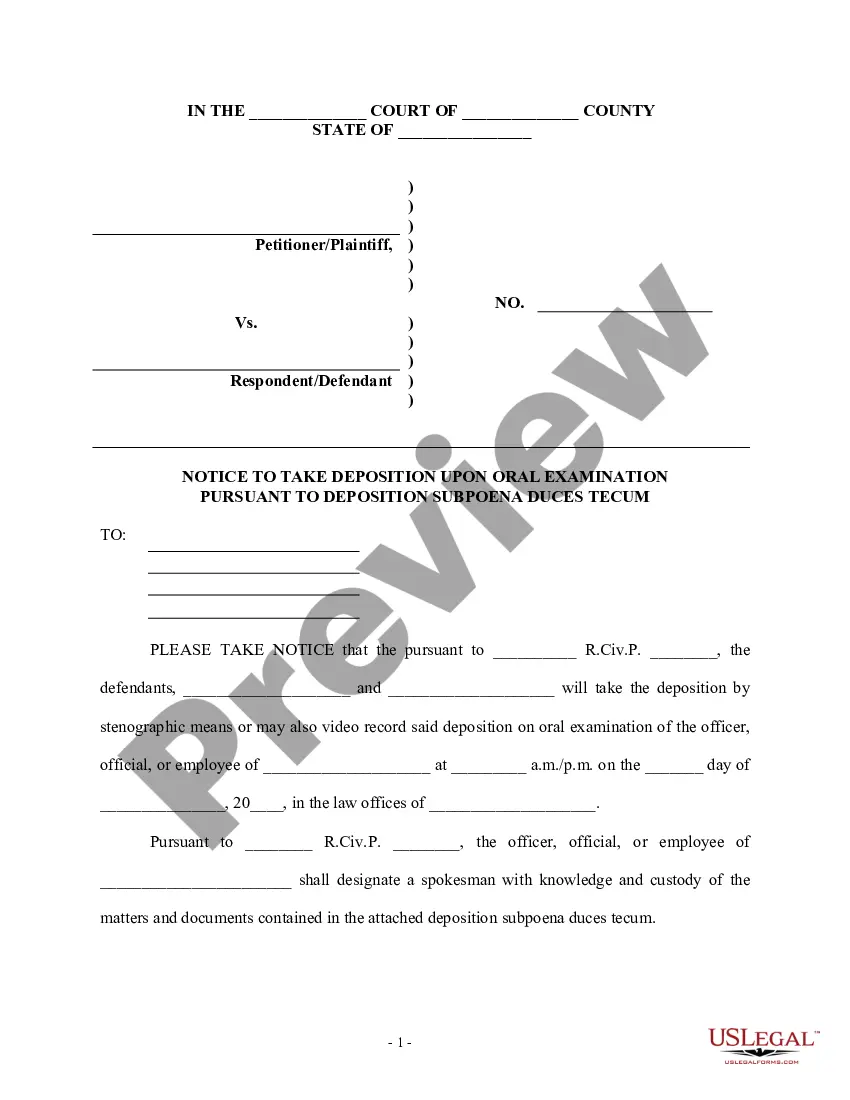
Get your form ready online
Our built-in tools help you complete, sign, share, and store your documents in one place.
Make edits, fill in missing information, and update formatting in US Legal Forms—just like you would in MS Word.
Download a copy, print it, send it by email, or mail it via USPS—whatever works best for your next step.
Sign and collect signatures with our SignNow integration. Send to multiple recipients, set reminders, and more. Go Premium to unlock E-Sign.
If this form requires notarization, complete it online through a secure video call—no need to meet a notary in person or wait for an appointment.
We protect your documents and personal data by following strict security and privacy standards.

Make edits, fill in missing information, and update formatting in US Legal Forms—just like you would in MS Word.

Download a copy, print it, send it by email, or mail it via USPS—whatever works best for your next step.

Sign and collect signatures with our SignNow integration. Send to multiple recipients, set reminders, and more. Go Premium to unlock E-Sign.

If this form requires notarization, complete it online through a secure video call—no need to meet a notary in person or wait for an appointment.

We protect your documents and personal data by following strict security and privacy standards.
Looking for another form?

How to fill out Notice - Served With Complaint And Summons?
Creating legal documents from the ground up can frequently be somewhat daunting.
Some situations may require extensive research and considerable financial investment.
If you’re searching for a simpler and more cost-effective method of preparing Summons Served In Court or any other documentation without unnecessary complications, US Legal Forms is always available to you.
Our online catalog of over 85,000 current legal forms covers nearly every aspect of your financial, legal, and personal matters.
Before you dive into downloading the Summons Served In Court, follow these guidelines: Review the form preview and descriptions to confirm that you have located the form you need. Ensure that the template you select aligns with the laws and regulations of your state and county. Choose the most appropriate subscription plan to acquire the Summons Served In Court. Download the form, then complete it, certify it, and print it out. US Legal Forms boasts an impeccable reputation and over 25 years of experience. Join us today and make form completion effortless and efficient!
- With just a few clicks, you can effortlessly access state- and county-compliant templates carefully created by our legal experts.
- Utilize our platform whenever you require a dependable and trustworthy service to easily find and download the Summons Served In Court.
- If you’re already familiar with our website and have previously created an account with us, simply Log In to your account, select the form, and download it or re-download it anytime in the My documents section.
- Not a member yet? No problem. Signing up takes minimal time and allows you to explore the repository.
Form popularity
FAQ
Common methods to avoid being served Not answering the door. Lying about their identity. Hiding in the closet until the process server leaves. Staying at a family member or friend's home.
Any person who is at least 18 years old and not involved in the case may serve papers. The person who serves the papers will have to fill out a Proof of Service form showing what they gave (served) to the other parties. Choose someone to serve the papers who is able to fill out the form.
To serve the papers by mail, have a friend or relative go to the post office and pay to have the papers mailed to the Defendant this way. Once the papers have been delivered, you should get a green card (the return receipt) in the mail.
Process may be served on a resident or nonresident individual by (1) delivering a summons and a copy of the complaint to the defendant personally; or (2) sending a summons and a copy of the complaint by registered or certified mail, return receipt requested, and delivery restricted to the addressee.
A person serving papers must be 18 years of age or older and must not be a party to the case (CPLR 2103[a]). Papers may be served by a process server, friend or relative of a party so long as he or she is not a party to the case.