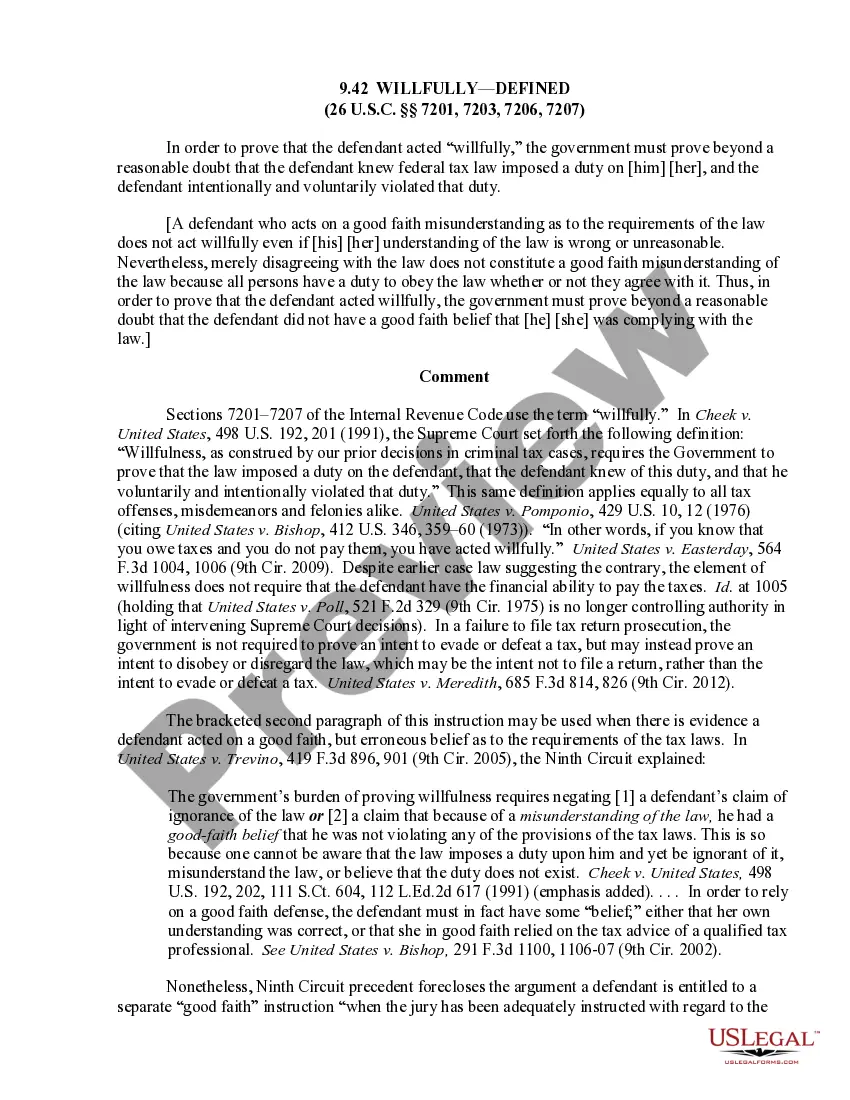
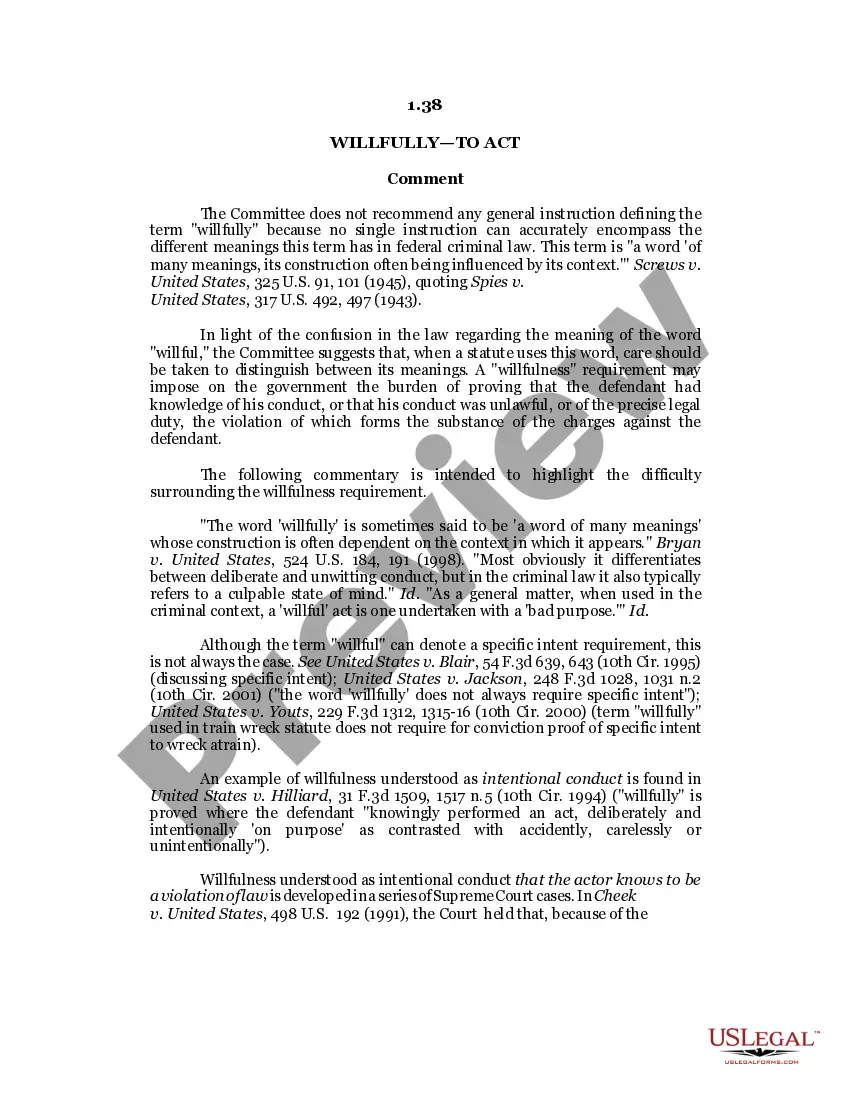
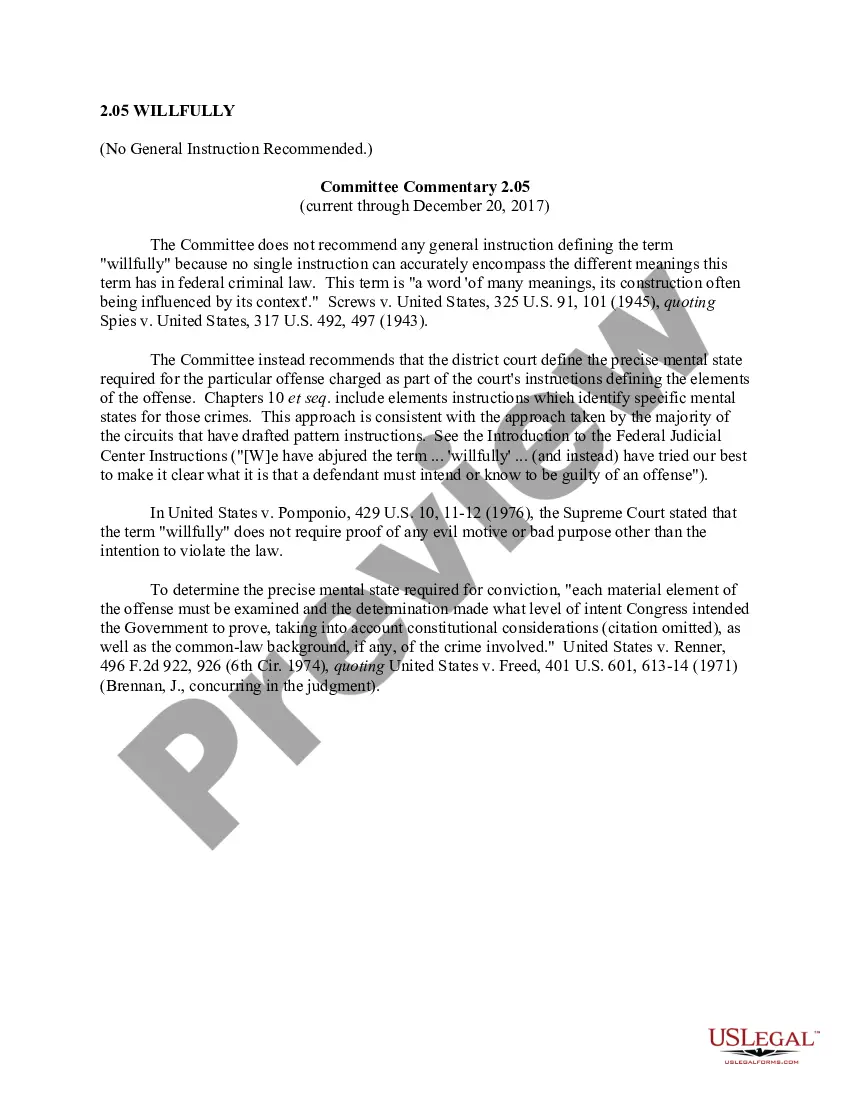
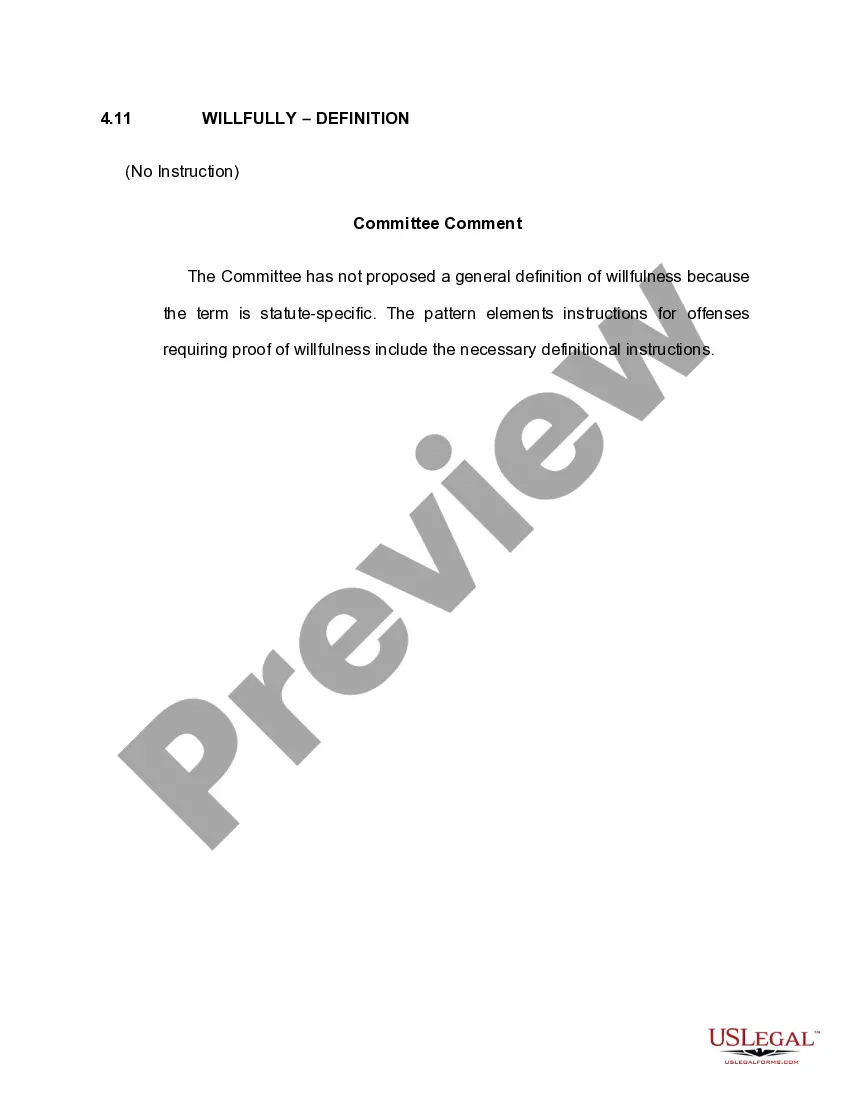
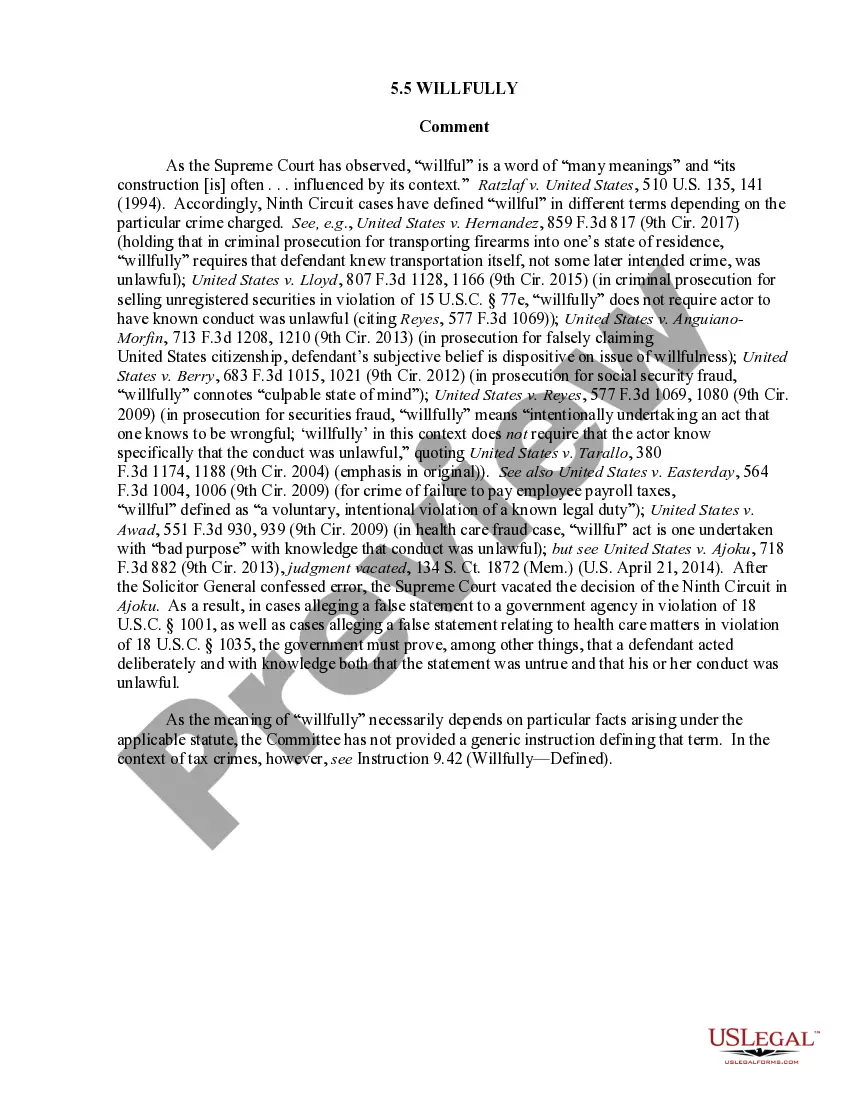
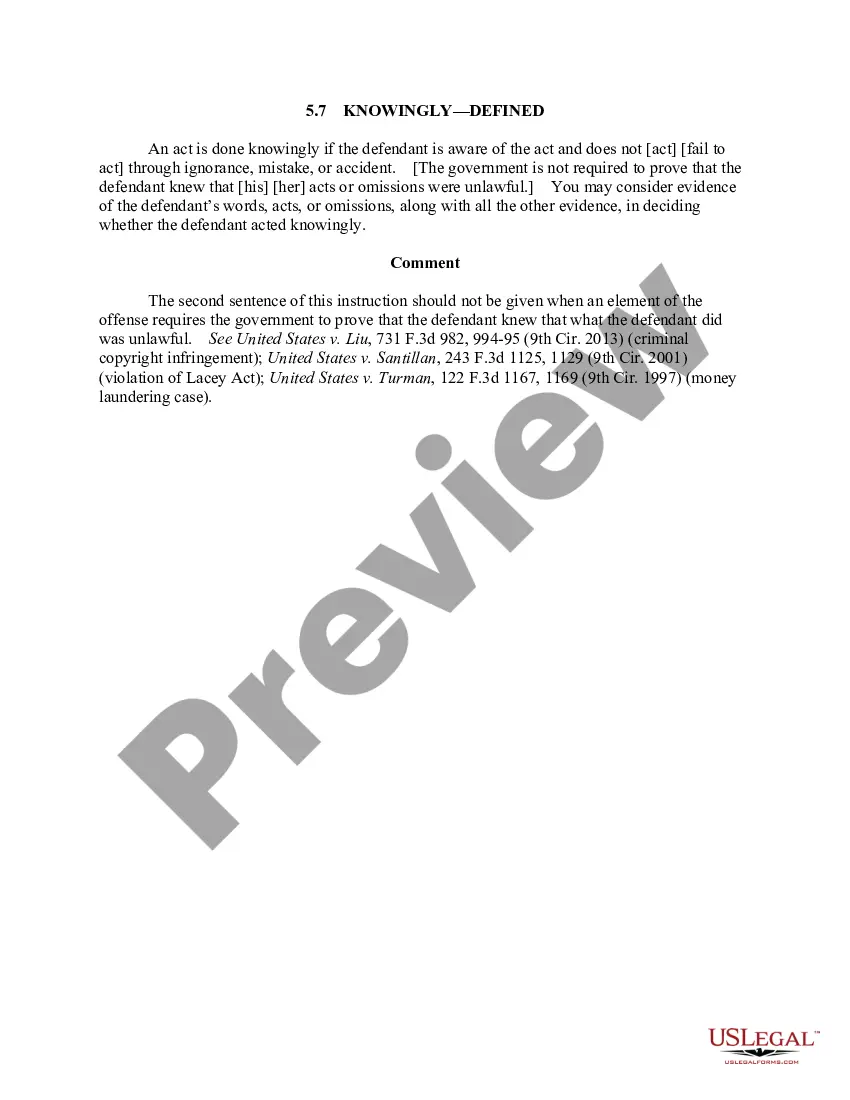
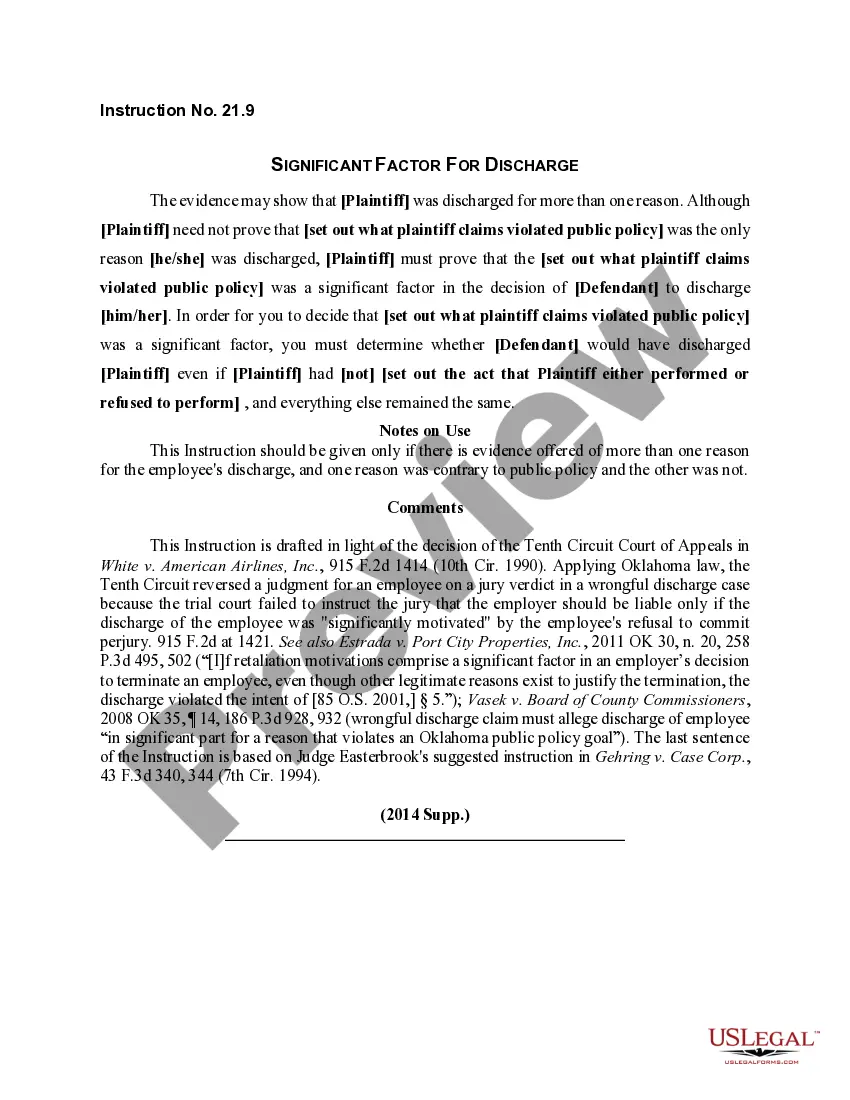
9.42 Willfully-Defined

Notarization guidance
This form does not typically require notarization to be legally valid. However, some jurisdictions or document types may still require it. US Legal Forms provides secure online notarization powered by Notarize, available 24/7 for added convenience.
Get your form ready online
Our built-in tools help you complete, sign, share, and store your documents in one place.
Make edits, fill in missing information, and update formatting in US Legal Forms—just like you would in MS Word.
Download a copy, print it, send it by email, or mail it via USPS—whatever works best for your next step.
Sign and collect signatures with our SignNow integration. Send to multiple recipients, set reminders, and more. Go Premium to unlock E-Sign.
If this form requires notarization, complete it online through a secure video call—no need to meet a notary in person or wait for an appointment.
We protect your documents and personal data by following strict security and privacy standards.

Make edits, fill in missing information, and update formatting in US Legal Forms—just like you would in MS Word.

Download a copy, print it, send it by email, or mail it via USPS—whatever works best for your next step.

Sign and collect signatures with our SignNow integration. Send to multiple recipients, set reminders, and more. Go Premium to unlock E-Sign.

If this form requires notarization, complete it online through a secure video call—no need to meet a notary in person or wait for an appointment.

We protect your documents and personal data by following strict security and privacy standards.
Looking for another form?


Form popularity
FAQ
The judge instructs the jury about the relevant laws that should guide its deliberations. (In some jurisdictions, the court may instruct the jury at any time after the close of evidence. This sometimes occurs before closing arguments.) The judge reads the instructions to the jury.
United States, 498 U.S. 192, 202 (1991) (emphasis added). . . . In order to rely on a good faith defense, the defendant must in fact have some "belief;" either that her own understanding was correct, or that she in good faith relied on the tax advice of a qualified tax professional.
There are three elements of the duress defense: (1) an immediate threat of death or serious bodily injury, (2) a well-grounded fear that the threat will be carried out, and (3) no reasonable opportunity to escape the threatened harm. United States v. Shapiro, 669 F. 2d 593, 596 (9th Cir.
Proof beyond a reasonable doubt is proof that leaves you firmly convinced the defendant is guilty. It is not required that the government prove guilt beyond all possible doubt. A reasonable doubt is a doubt based upon reason and common sense and is not based purely on speculation.
The Judicial Council of California has adopted award-winning plain language civil and criminal jury instructions that accurately convey the law using language that is understandable to jurors.
The general conspiracy statute, 18 U.S.C. § 371, creates an offense "if two or more persons conspire either to commit any offense against the United States, or to defraud the United States, or any agency thereof in any manner or for any purpose. (emphasis added).
To show constructive possession, the government must prove a connection between the defendant and the firearm or ammunition sufficient "to support the inference that the defendant exercised dominion and control over" it. United States v. Carrasco, 257 F. 3d 1045, 1049 (9th Cir.