Synonym For Trustor
Description
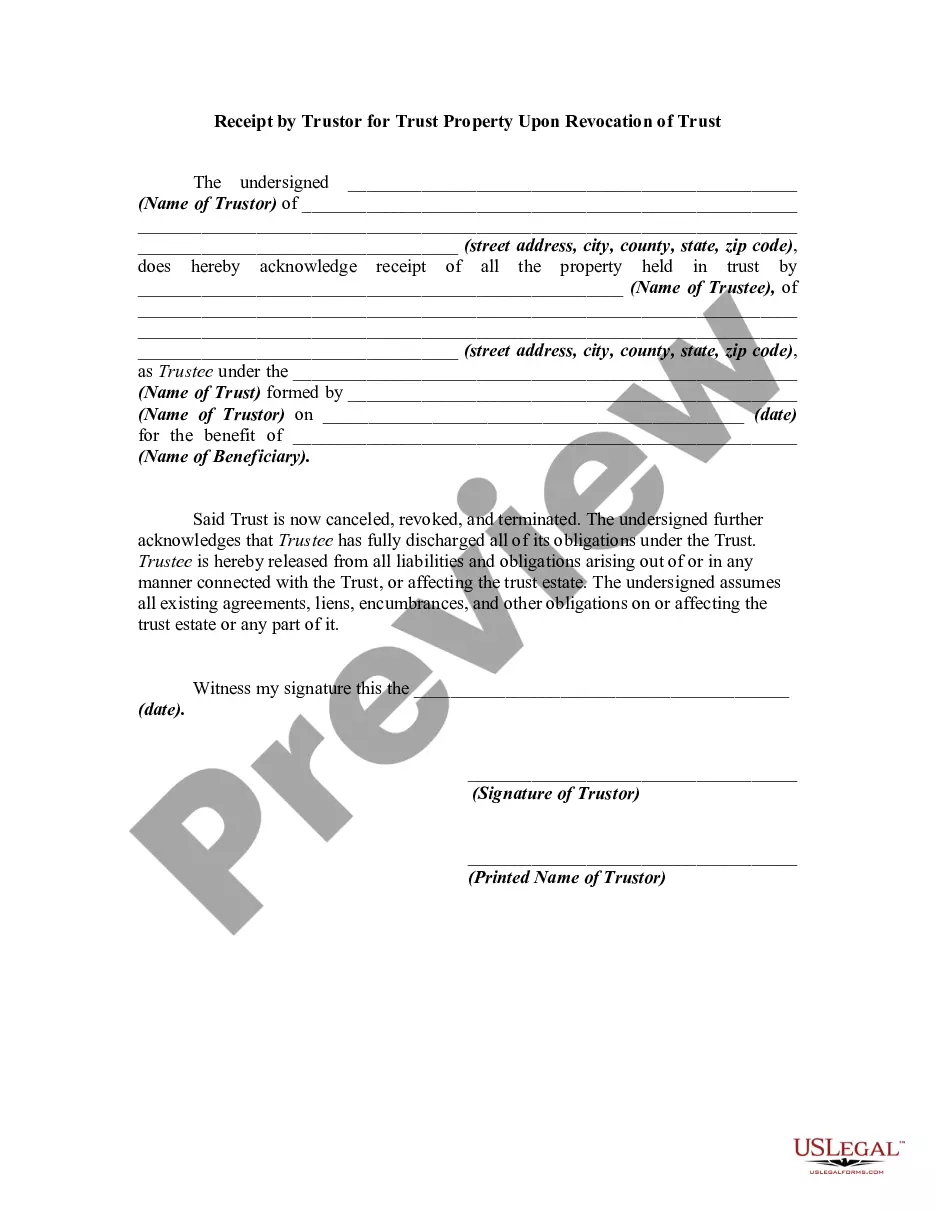
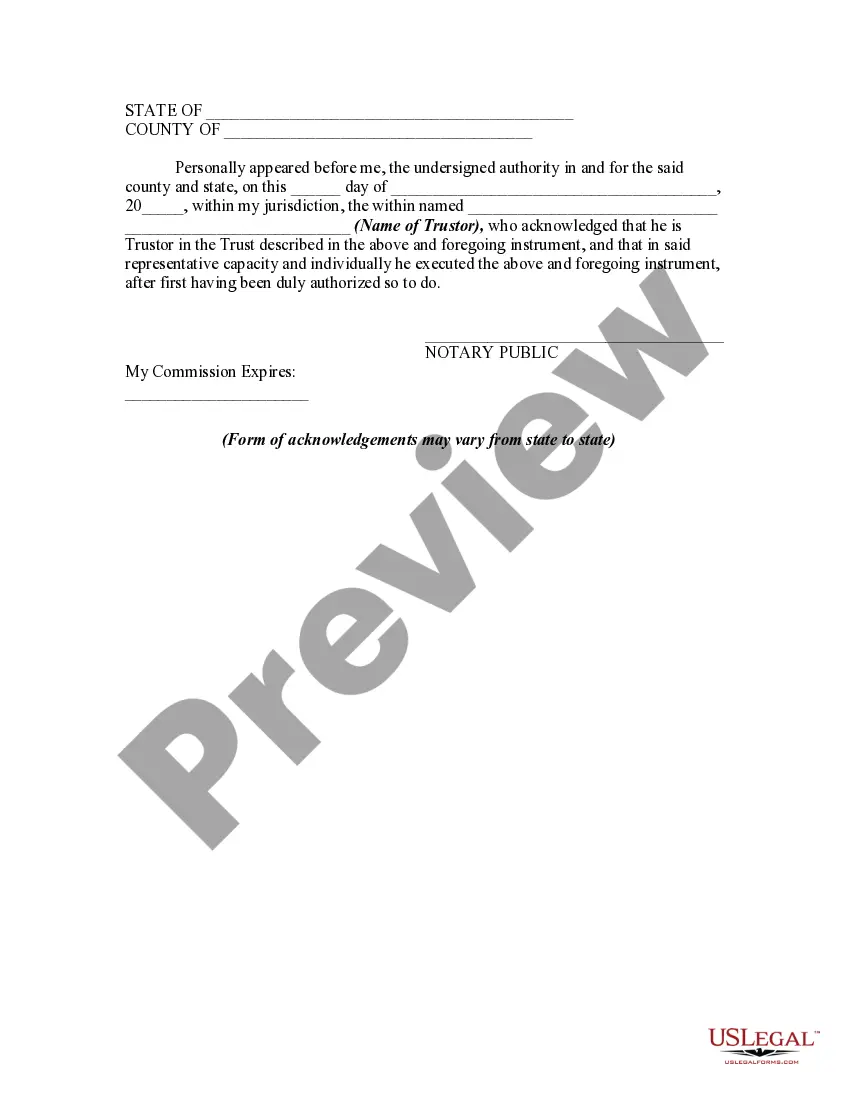
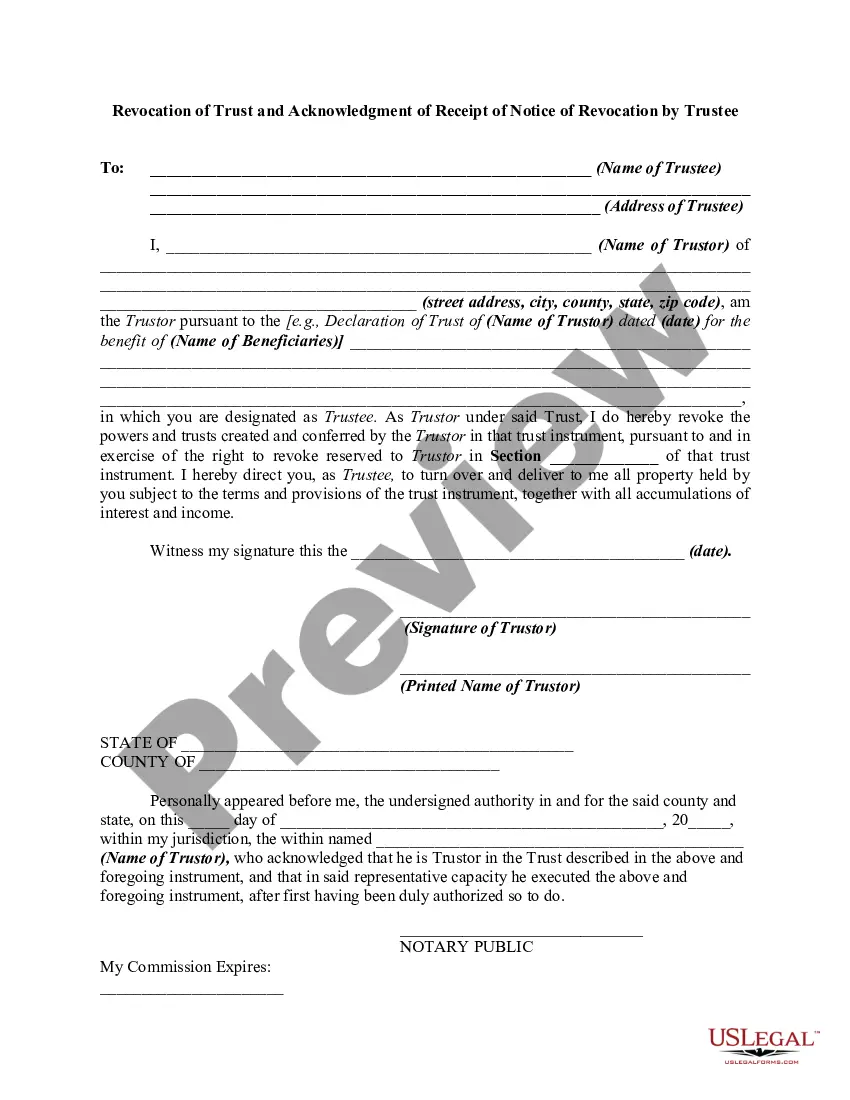
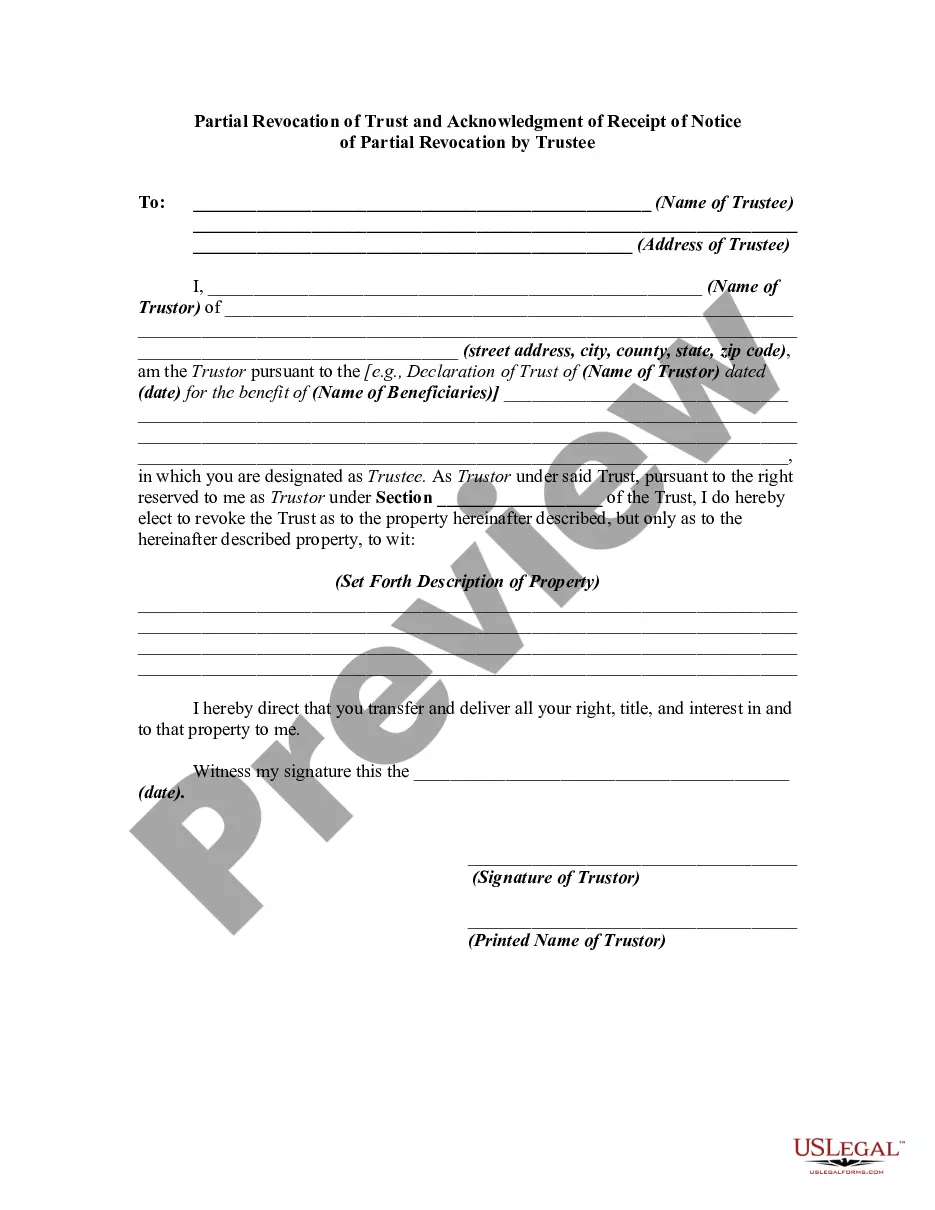
Get your form ready online
Our built-in tools help you complete, sign, share, and store your documents in one place.
Make edits, fill in missing information, and update formatting in US Legal Forms—just like you would in MS Word.
Download a copy, print it, send it by email, or mail it via USPS—whatever works best for your next step.
Sign and collect signatures with our SignNow integration. Send to multiple recipients, set reminders, and more. Go Premium to unlock E-Sign.
If this form requires notarization, complete it online through a secure video call—no need to meet a notary in person or wait for an appointment.
We protect your documents and personal data by following strict security and privacy standards.

Make edits, fill in missing information, and update formatting in US Legal Forms—just like you would in MS Word.

Download a copy, print it, send it by email, or mail it via USPS—whatever works best for your next step.

Sign and collect signatures with our SignNow integration. Send to multiple recipients, set reminders, and more. Go Premium to unlock E-Sign.

If this form requires notarization, complete it online through a secure video call—no need to meet a notary in person or wait for an appointment.

We protect your documents and personal data by following strict security and privacy standards.
Looking for another form?







Form popularity
FAQ
The settlor of your trust is the individual who established it, typically the same person who defined its terms. If you created the trust, you are the settlor. If you need assistance navigating your trust or understanding its terms, uslegalforms can provide resources and support to simplify this process.
No, a trustor and a trustee are not the same person. The trustor creates the trust, while the trustee is responsible for administering it. Knowing this difference ensures you choose the right individuals for these important roles in your estate planning.
Indeed, the terms settlor and trustor are synonymous. Both indicate the individual who establishes the trust. Understanding these terms allows for clearer communication when discussing legal matters concerning trusts.
Yes, a trustor is frequently referred to as a settlor. Both terms describe the person who creates a trust and governs its terms. Knowing these interchangeable terms can help clarify your discussions about estate planning and trust management.
The trustor, or grantor, establishes the trust, while the trustee manages the trust according to the trustor's instructions. This distinction is crucial because the trustor sets the rules and purposes of the trust. Understanding this difference can help you create a more effective estate plan.
A common synonym for trustor is grantor. This term refers to the individual who creates a trust and transfers assets into it. By understanding these terms, you can better navigate legal documents and estate planning. Therefore, knowing the synonym for trustor is essential in these contexts.
A synonym for trustee is fiduciary. Both terms refer to an individual or entity entrusted with the management of assets on behalf of others. Understanding this relationship clarifies how trusts operate and why selecting a reliable trustee is vital. Whether you are a trustor or a beneficiary, recognizing these roles enhances your comprehension of trust dynamics.
An example of a trustor could be a parent who decides to create a trust for their children's future education. In this case, the parent transfers assets into the trust, designating a trustee to manage those assets until the children reach a certain age. This real-world scenario illustrates how a trustor's role integrates into family estate planning. Using services like uslegalforms can simplify the creation and management of such trusts.
A trustor and a grantor often serve the same function but are terms used in different contexts. The trustor creates and funds the trust, while the grantor typically refers to someone who contributes assets to the trust. It's helpful to know that in many situations, these terms can be used interchangeably. Familiarizing yourself with these definitions will aid in understanding estate planning documents.
No, a trustor and a trustee occupy distinct roles within a trust. The trustor, as the creator, sets up the trust and defines its objectives. In contrast, the trustee is responsible for managing the trust assets according to the trustor's instructions. This differentiation is essential when planning your estate or understanding the dynamics of a trust.