Mortgage Leasehold Purchase Foreclosure
Description
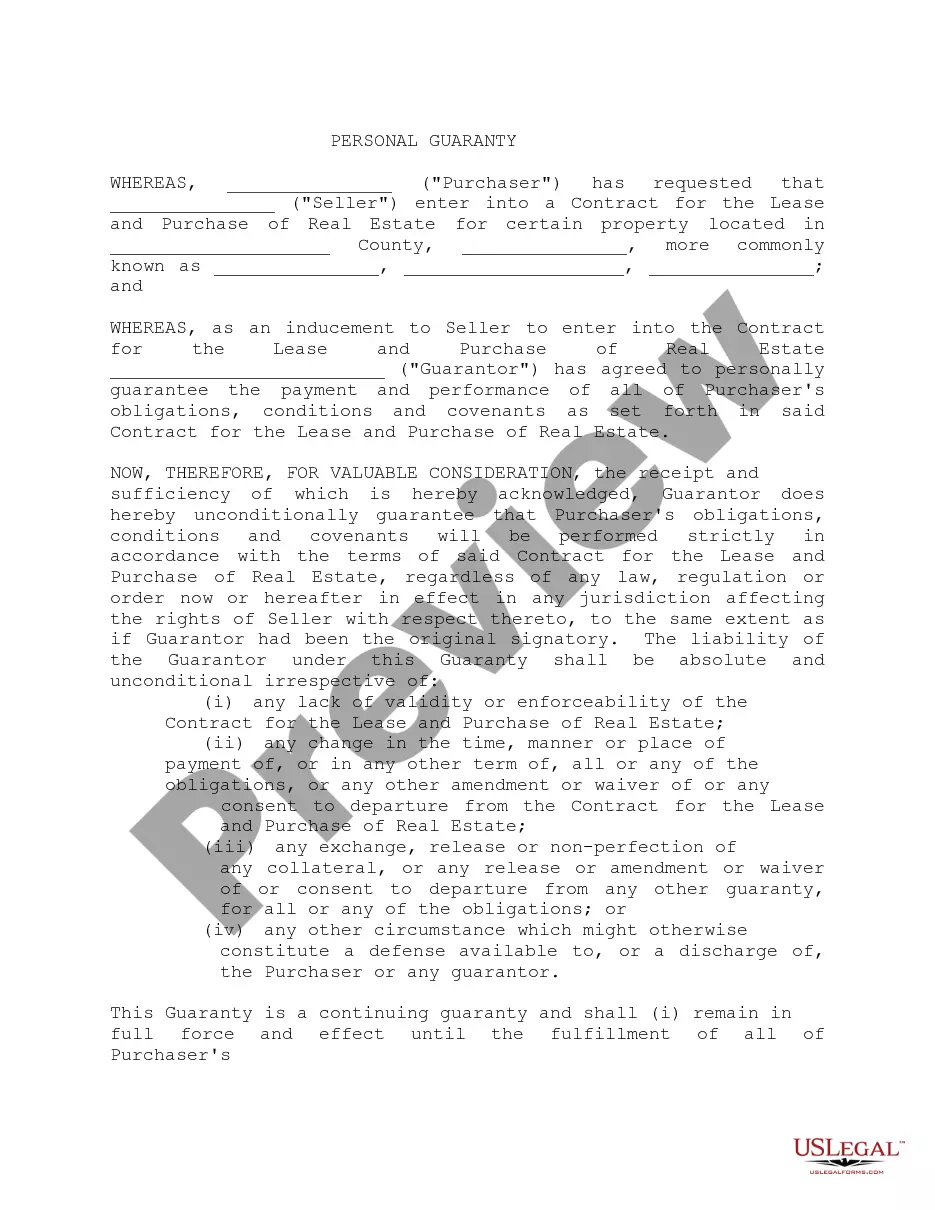
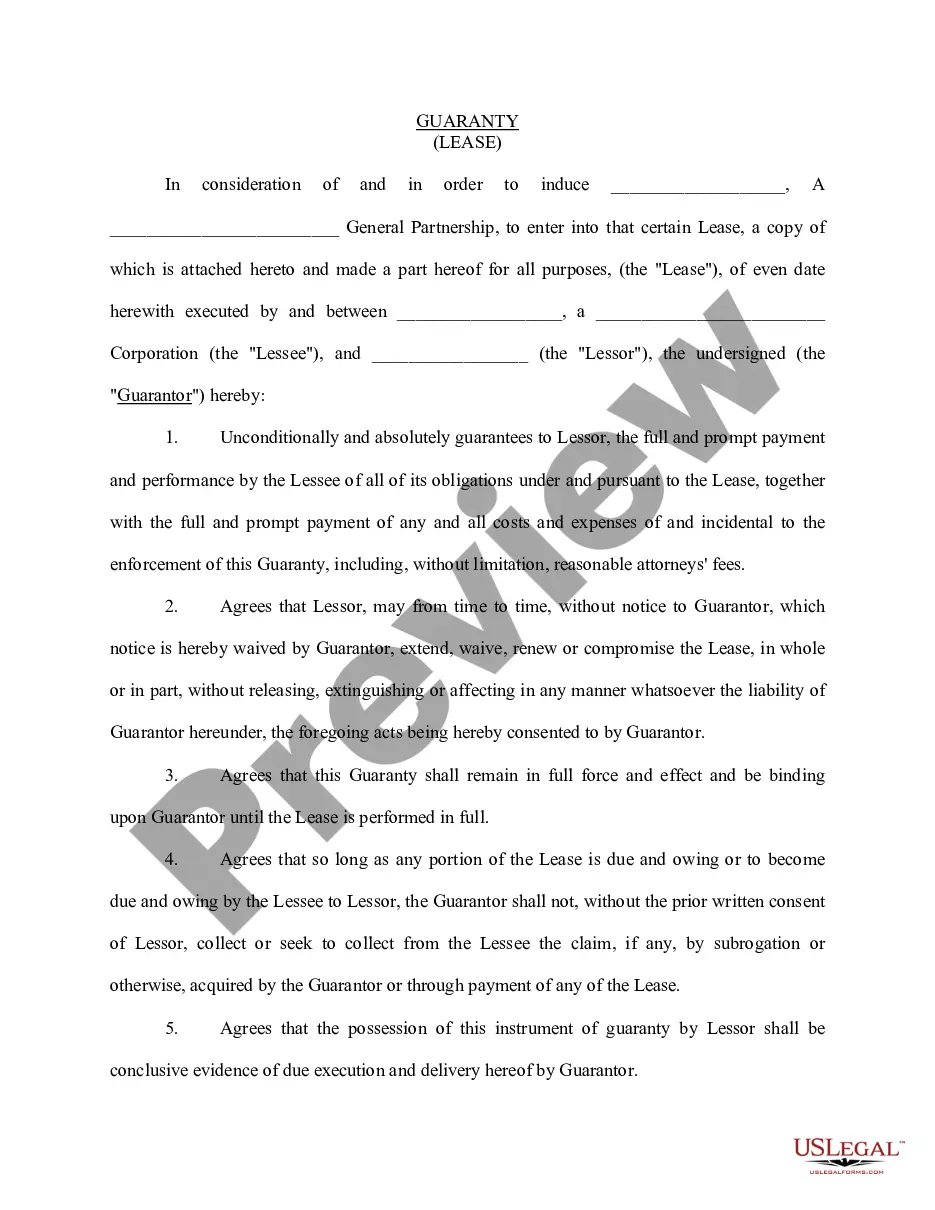
Get your form ready online
Our built-in tools help you complete, sign, share, and store your documents in one place.
Make edits, fill in missing information, and update formatting in US Legal Forms—just like you would in MS Word.
Download a copy, print it, send it by email, or mail it via USPS—whatever works best for your next step.
Sign and collect signatures with our SignNow integration. Send to multiple recipients, set reminders, and more. Go Premium to unlock E-Sign.
If this form requires notarization, complete it online through a secure video call—no need to meet a notary in person or wait for an appointment.
We protect your documents and personal data by following strict security and privacy standards.

Make edits, fill in missing information, and update formatting in US Legal Forms—just like you would in MS Word.

Download a copy, print it, send it by email, or mail it via USPS—whatever works best for your next step.

Sign and collect signatures with our SignNow integration. Send to multiple recipients, set reminders, and more. Go Premium to unlock E-Sign.

If this form requires notarization, complete it online through a secure video call—no need to meet a notary in person or wait for an appointment.

We protect your documents and personal data by following strict security and privacy standards.
Looking for another form?








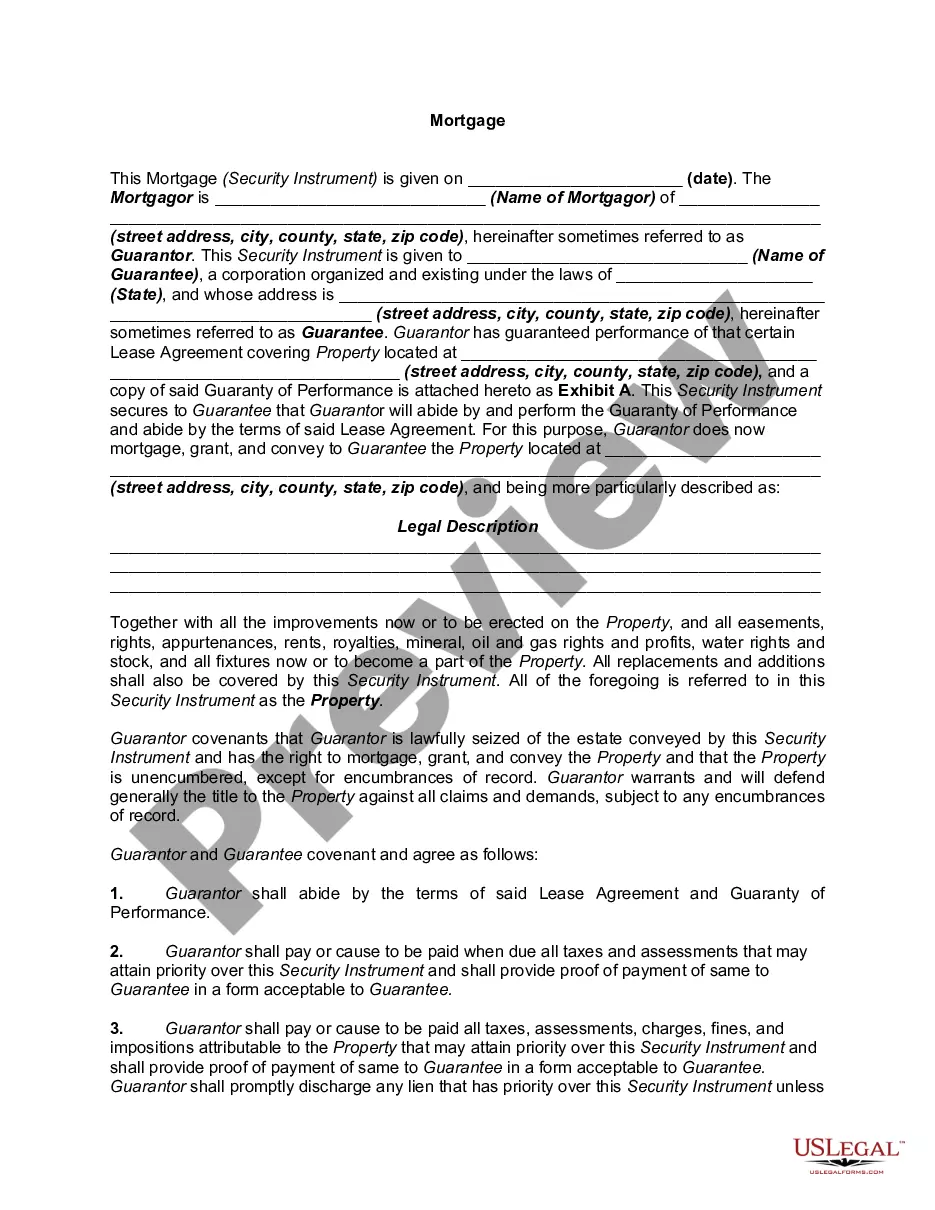
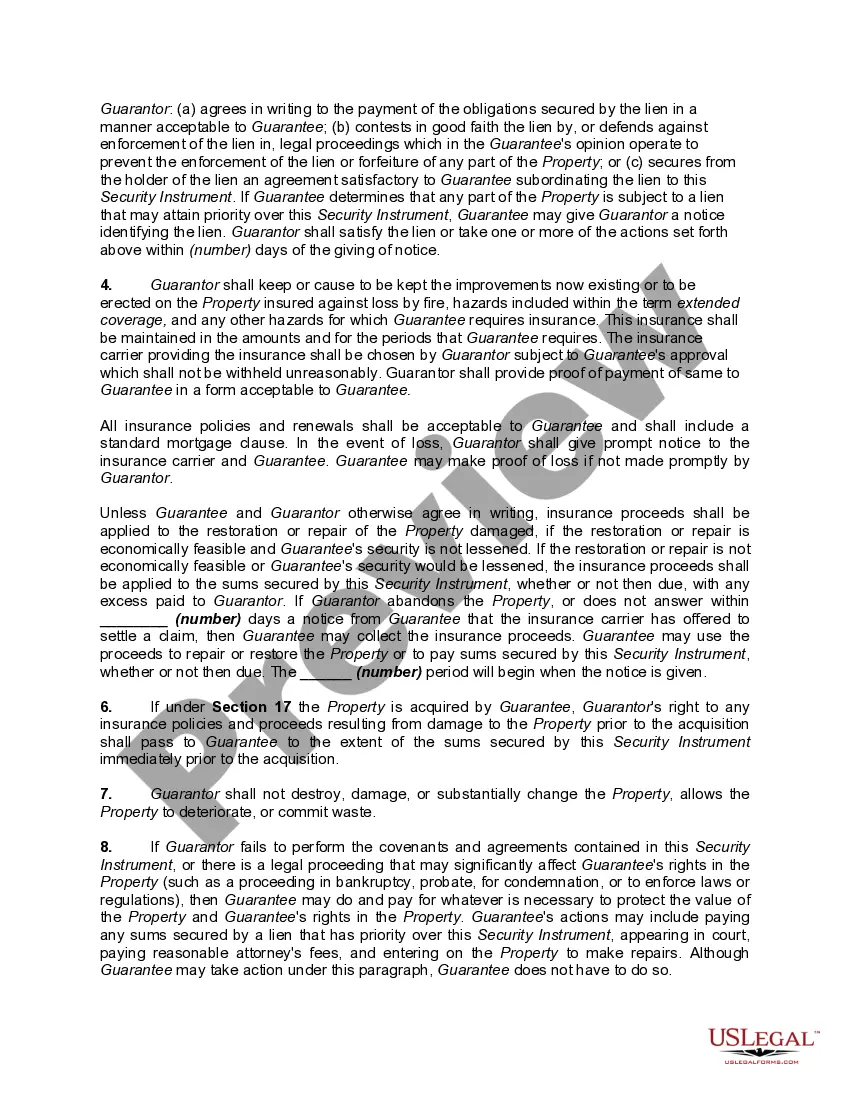
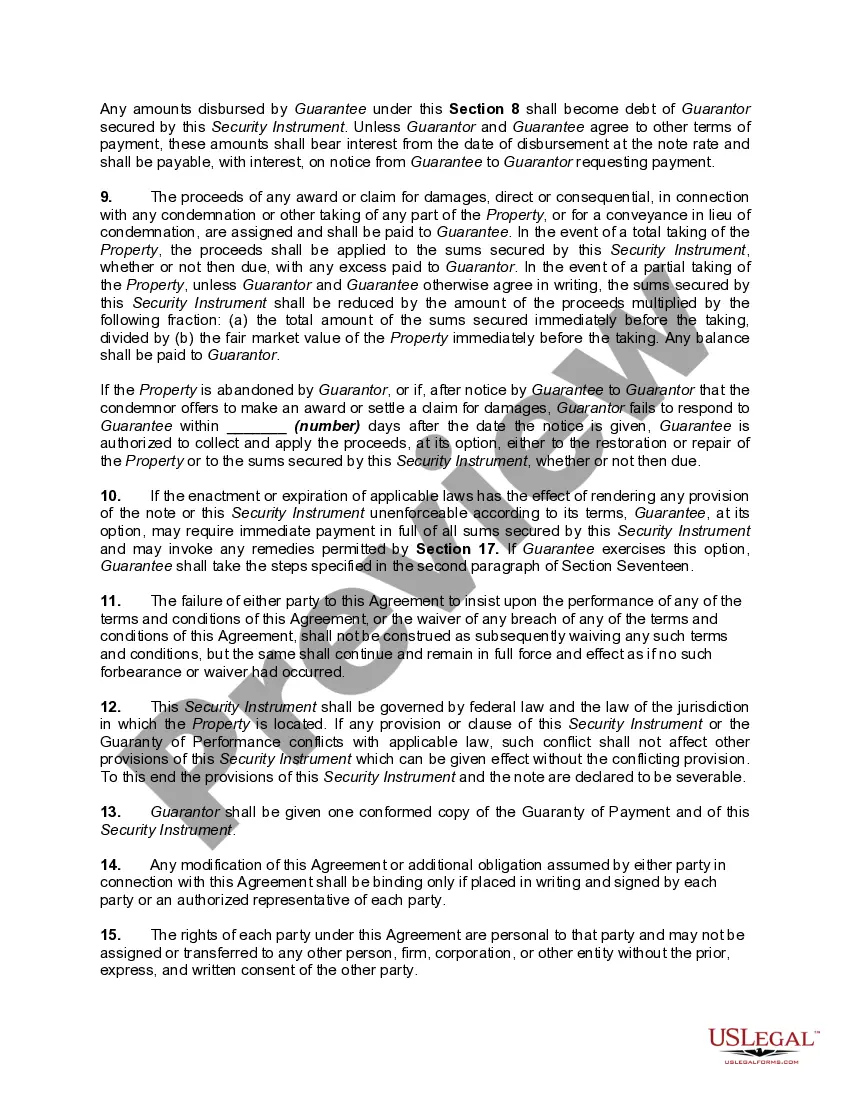
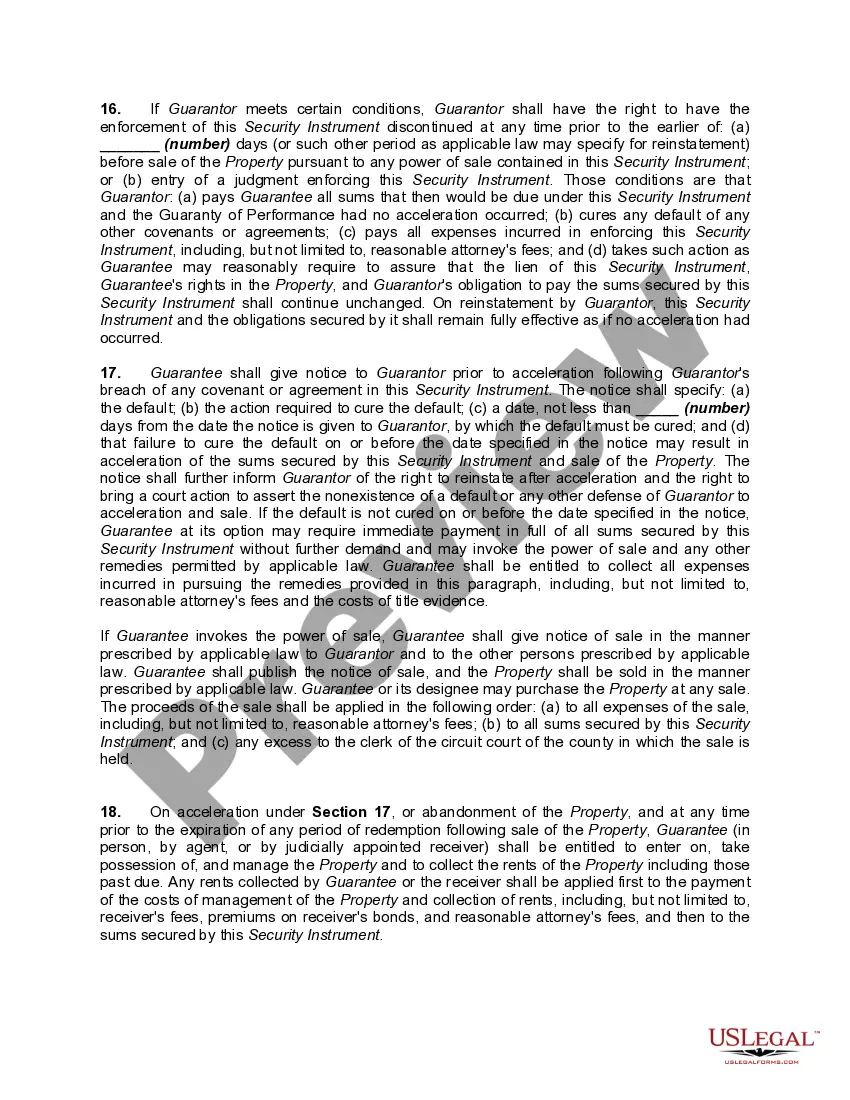
How to fill out Mortgage Securing Guaranty Of Performance Of Lease?
Engaging with legal documents and operations can be a labor-intensive addition to your day.
Mortgage Leasehold Purchase Foreclosure and similar forms typically necessitate that you search for them and maneuver through the steps to fill them out correctly.
Thus, whether you are handling financial, legal, or personal affairs, having a comprehensive and accessible online collection of forms at your disposal will be extremely beneficial.
US Legal Forms ranks as the premier online platform for legal templates, providing over 85,000 state-specific forms and a range of resources to help you fill out your documents effortlessly.
Simply Log In to your account, search for Mortgage Leasehold Purchase Foreclosure, and download it immediately from the My documents section. You can also access previously saved forms.
- Explore the repository of pertinent documents available with just one click.
- US Legal Forms provides you with state- and county-specific forms that are ready for download at any moment.
- Protect your document management tasks with a high-quality service that enables you to create any form in minutes without extra or hidden fees.
Form popularity
FAQ
Equity release on a leasehold flat is possible, but strict lender criteria usually apply. You may need to ensure your lease has a suitable length remaining to qualify for equity release options. Consulting with US Legal Forms can help clarify your rights and options regarding mortgage leasehold purchase foreclosure, empowering you to make the best financial decisions.
Leasehold houses can present several disadvantages, such as ongoing ground rent payments and potential difficulties in obtaining a mortgage. Leaseholders may face restrictions on making changes to the property and may also deal with uncertainty regarding lease renewal terms. Understanding these issues can help you make informed decisions during the mortgage leasehold purchase foreclosure process.
Factors that can prevent you from remortgaging include a short lease term, insufficient property value, or poor credit history. Additionally, significant alterations made without permission can complicate the process. It's crucial to be aware of these elements, as they can greatly affect mortgage leasehold purchase foreclosure outcomes.
Removing a wall in a leasehold flat typically requires permission from the property owner or management company. This is essential to ensure structural integrity and compliance with building regulations. Make sure to consult your lease agreement and seek necessary approvals before considering renovations, as improper alterations can affect mortgage leasehold purchase foreclosure options in the future.
Generally, most lenders prefer leaseholds to have at least 70 years remaining before giving a mortgage. The longer the lease duration, the more favorable it is for both buyers and lenders regarding mortgage leasehold purchase foreclosure. A leasehold under this minimum may complicate your ability to secure financing and could affect the property's long-term value.
A leasehold interest represents your right to occupy and use a property or land for a specified period, typically through a formal agreement with the landowner. For instance, if you lease a flat in a building for 99 years, you hold a leasehold interest in that property. This arrangement can impact your mortgage leasehold purchase foreclosure options, as lenders may evaluate the lease’s length and terms before approving financing.
Whether or not you can get a mortgage when you are buying a leasehold property depends on how long ? or short ? the lease is. The shorter the lease, the more difficult it is to get a mortgage. Most mortgage lenders won't lend on properties with a lease under 70 years.
A leasehold mortgage would therefore include a lease from the freeholder, which will be limited to a set number of years. Leases can range up to 999 years and can be renewed with consent from the freeholder. You'll also pay ground rent to the freeholder each month, to pay for the land the property sits on.
If a leaseholder breaks a lease condition (or covenant), a freeholder can go to court to evict the leaseholder and end the lease. This is a process called forfeiture.
Leasehold Title Unless the leaseholder makes arrangements to extend the lease, once it expires, ownership of the property returns to the freeholder even if you have paid for your flat or house outright.