Difference Between Lessor And Lessee
Description
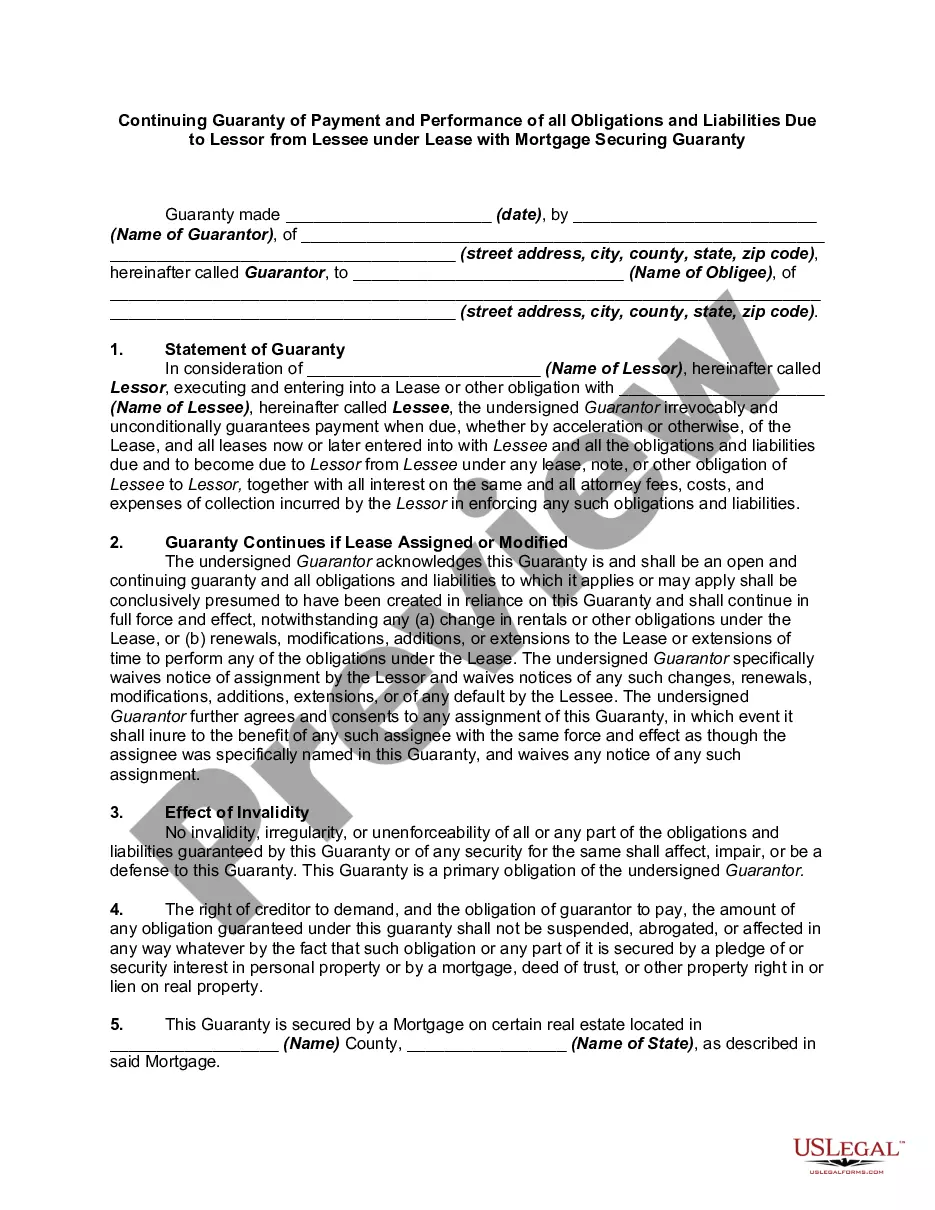
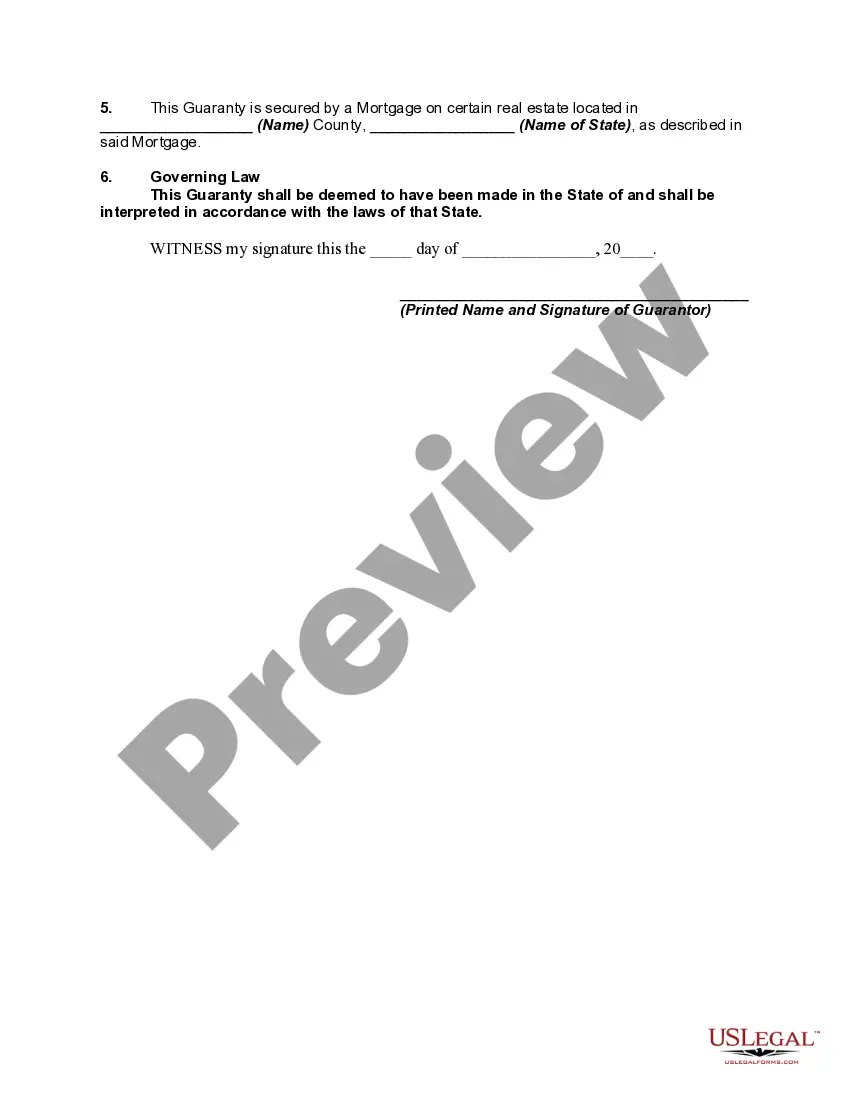
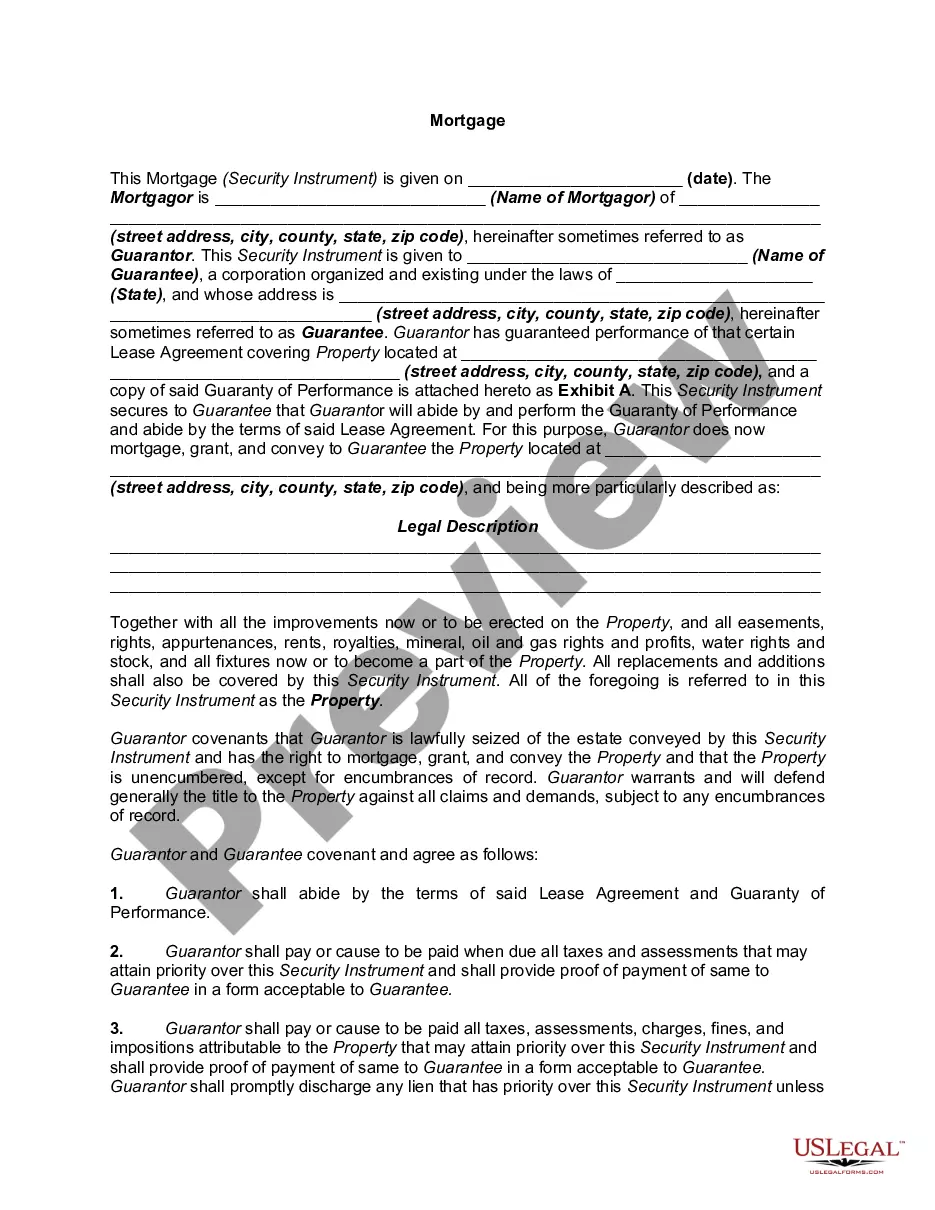
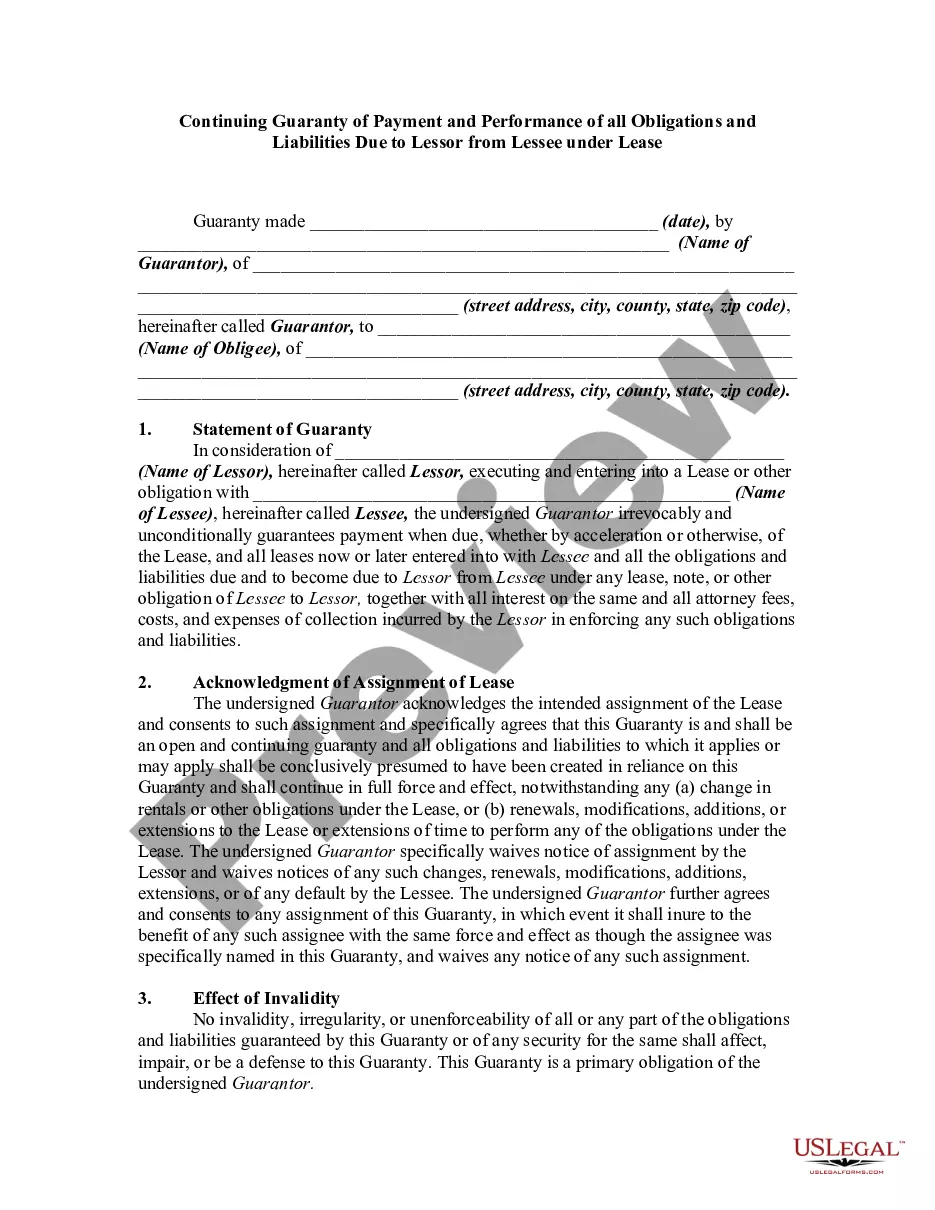
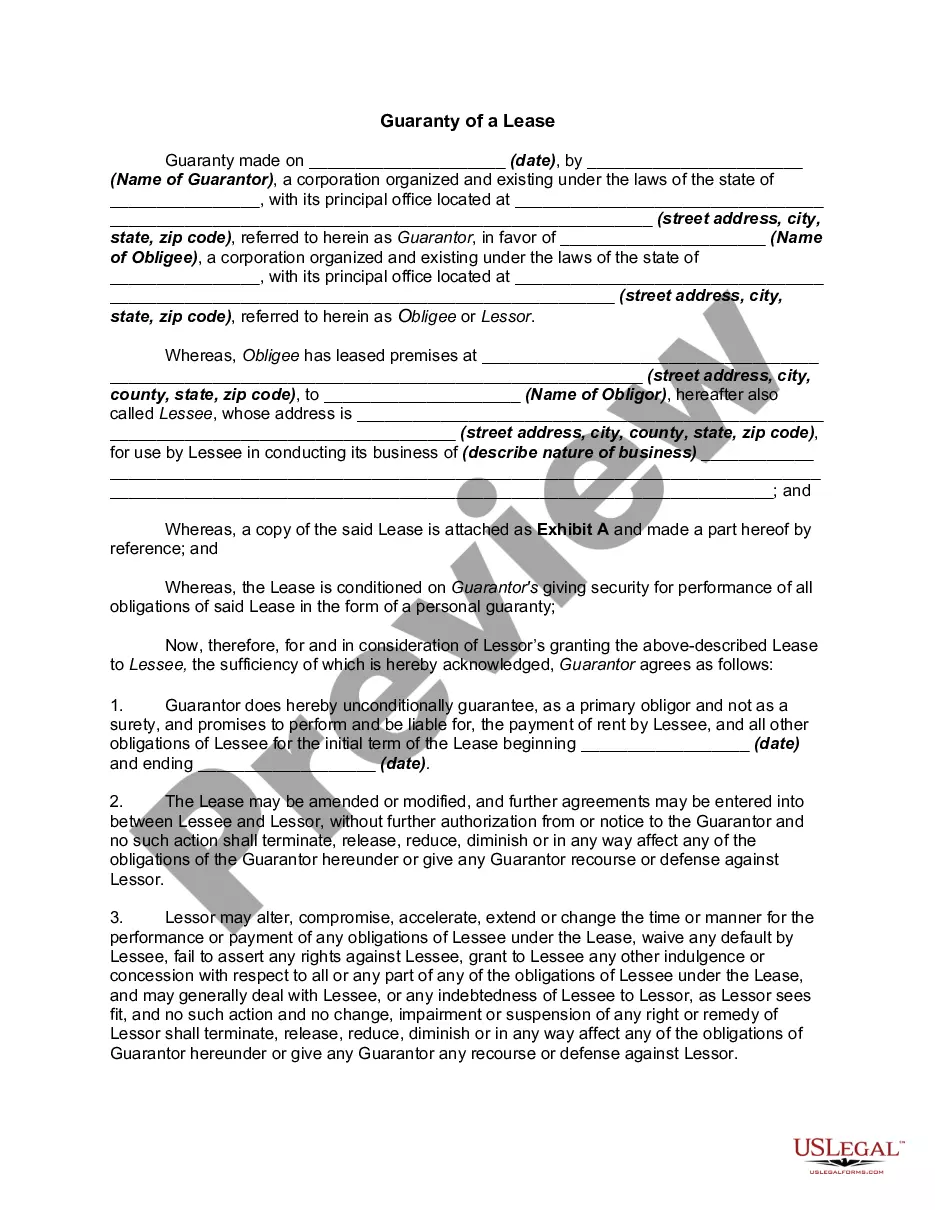
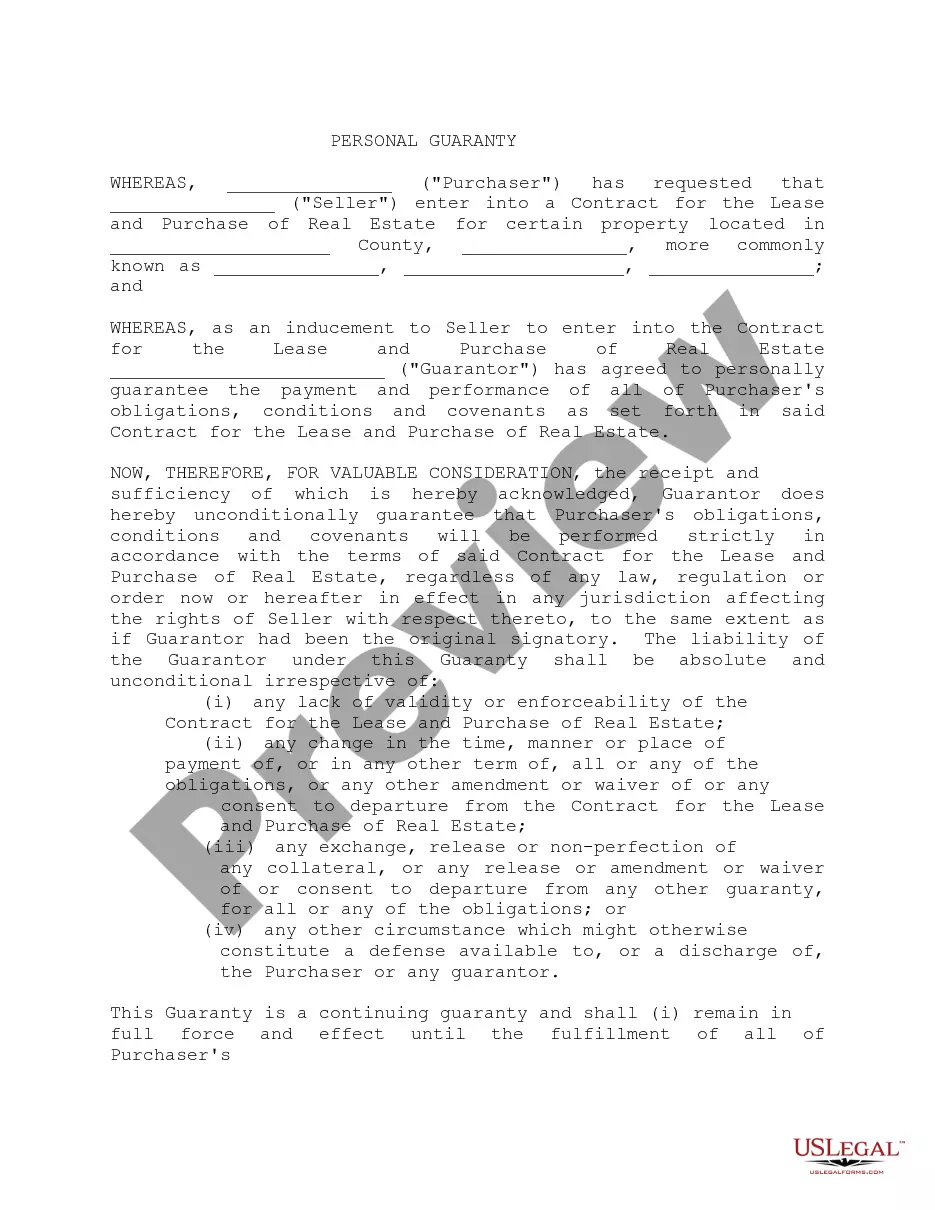
Get your form ready online
Our built-in tools help you complete, sign, share, and store your documents in one place.
Make edits, fill in missing information, and update formatting in US Legal Forms—just like you would in MS Word.
Download a copy, print it, send it by email, or mail it via USPS—whatever works best for your next step.
Sign and collect signatures with our SignNow integration. Send to multiple recipients, set reminders, and more. Go Premium to unlock E-Sign.
If this form requires notarization, complete it online through a secure video call—no need to meet a notary in person or wait for an appointment.
We protect your documents and personal data by following strict security and privacy standards.

Make edits, fill in missing information, and update formatting in US Legal Forms—just like you would in MS Word.

Download a copy, print it, send it by email, or mail it via USPS—whatever works best for your next step.

Sign and collect signatures with our SignNow integration. Send to multiple recipients, set reminders, and more. Go Premium to unlock E-Sign.

If this form requires notarization, complete it online through a secure video call—no need to meet a notary in person or wait for an appointment.

We protect your documents and personal data by following strict security and privacy standards.
Looking for another form?
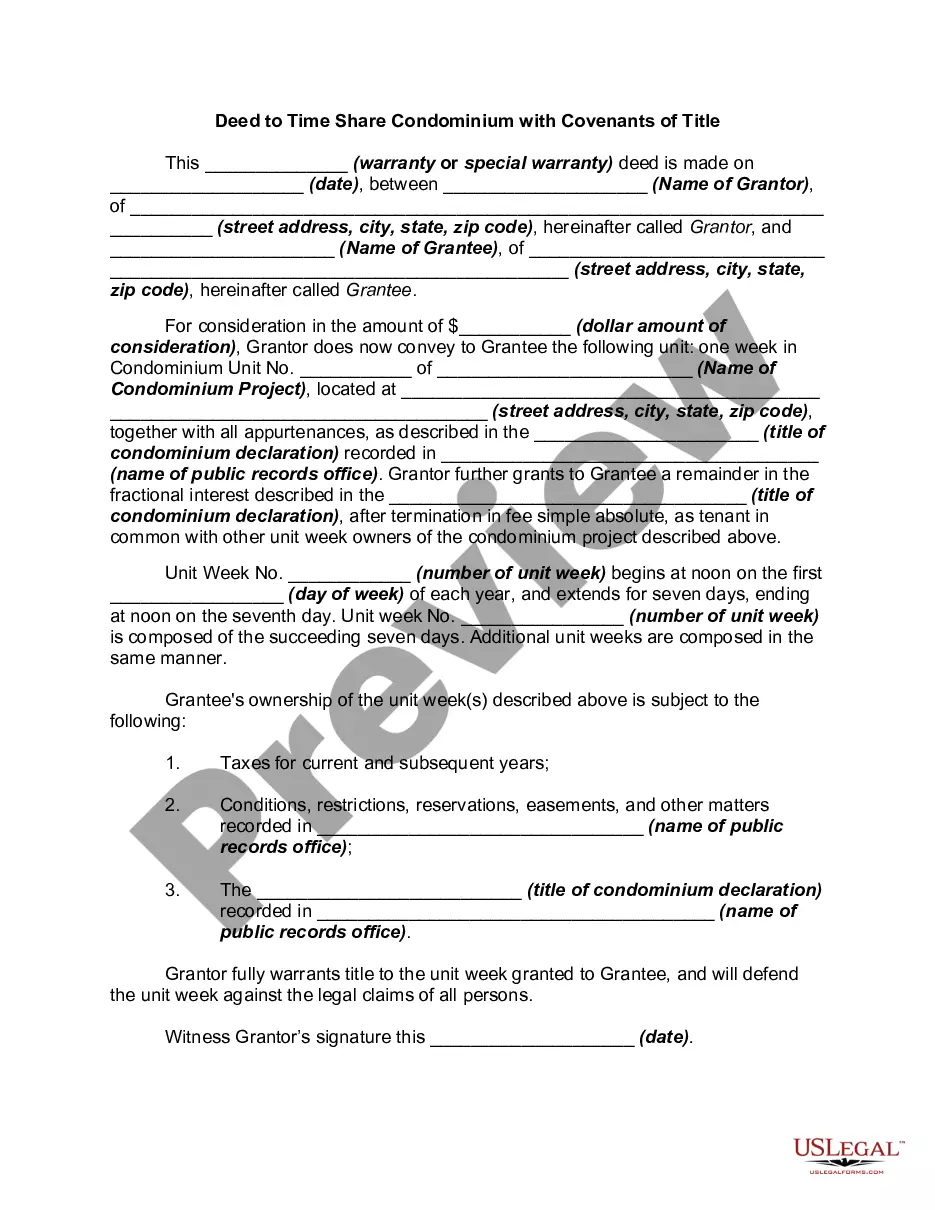
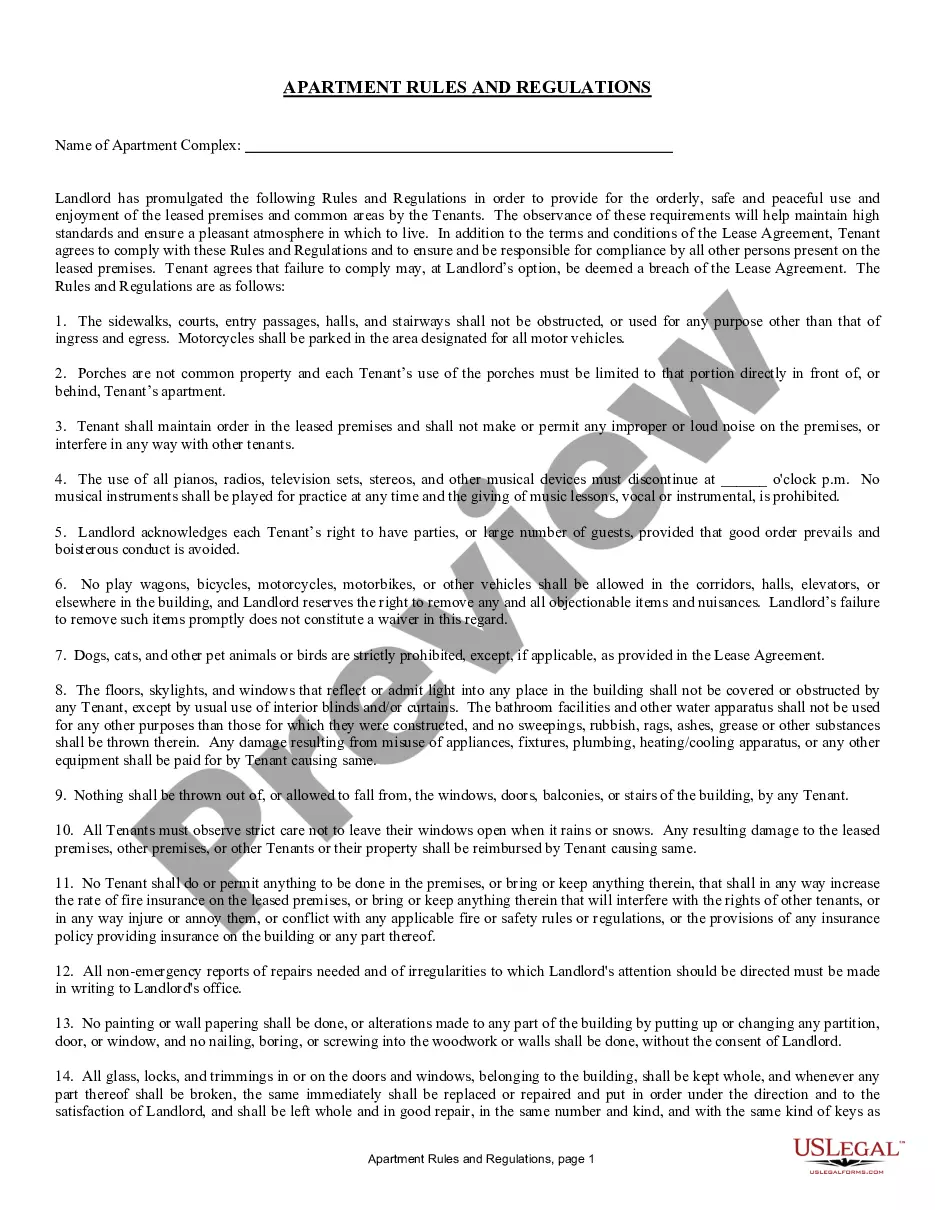






How to fill out Continuing Guaranty Of Payment And Performance Of All Obligations And Liabilities Due To Lessor From Lessee Under Lease With Mortgage Securing Guaranty?
Legal documents handling can be daunting, even for the most proficient professionals.
If you're curious about the Distinction Between Lessor And Lessee and lack the time to invest in searching for the accurate and current version, the process can be stressful.
With US Legal Forms, you have the ability to.
Harness innovative features to complete and manage your Distinction Between Lessor And Lessee.
Here are the steps to follow after accessing the form you seek: Validate that this is the correct document by previewing it and examining its details. Ensure that the template is accepted in your state or county. Click Buy Now when ready. Choose a subscription plan. Select the format you prefer, and Download, complete, sign, print, and submit your documents. Take advantage of the US Legal Forms online catalog, supported by 25 years of experience and reliability. Transform your daily document management into a smooth and user-friendly experience today.
- Tap into a library of articles, guides, and resources related to your situation and requirements.
- Conserve time and effort in sourcing the documents you need, using US Legal Forms’ cutting-edge search and Preview option to find Distinction Between Lessor And Lessee.
- If you have a subscription, Log In to your US Legal Forms account, locate the form, and download it.
- Check your My documents section to view the documents you've saved and manage your folders as desired.
- If you are new to US Legal Forms, create a free account to gain unlimited access to all the features of the library.
- Utilize a powerful online form database that can revolutionize how you manage these matters efficiently.
- US Legal Forms is a frontrunner in digital legal documents, offering over 85,000 state-specific legal forms accessible at your convenience.
- Leverage US Legal Forms for your legal paperwork needs, ranging from personal to corporate documents, all in one place.
Form popularity
FAQ
A lessee is the individual or business that enters into a leasing agreement to use an asset owned by the lessor. This role allows the lessee to utilize the asset without owning it, typically for a specified duration. Knowing who the lessee is can clarify responsibilities in a lease agreement.
The key differences between lessee and lessor accounting under ASC 842 include the following: Recognition of lease assets and liabilities: Lessees are required to recognize lease liabilities and right-of-use assets for all leases, while lessors do not recognize lease liabilities.
Is a Lessee a Tenant or Landlord? When the asset under lease is a piece of real estate, then the lessee is a tenant and the lessor is the landlord. The lessee is the temporary occupant of the property, and the lessor owns the property in which the lessee is occupying.
Study Trick: Who's giving and who's receiving? The -EE Rule - YouTube YouTube Start of suggested clip End of suggested clip The list goes on and at first glance. It's a complicated looking list. But here's a secret it's notMoreThe list goes on and at first glance. It's a complicated looking list. But here's a secret it's not that complicated. The gist of it is the or is the giver and the ee is the receiver.
For example, if a car dealership leases a vehicle to someone, the car is the asset. The person renting the car is the lessee and the dealership is the lessor. The lessee pays the dealership, or lessor, for the right to use the vehicle for an agreed-upon amount of time.
When the lease agreement is classified as a finance lease, the lessor will calculate the net investment in the lease using the present value of future expected lease receipts and record this amount as a receivable. Lessors are also required to derecognize the carrying value of the underlying asset.