Legal Brief Example
Description
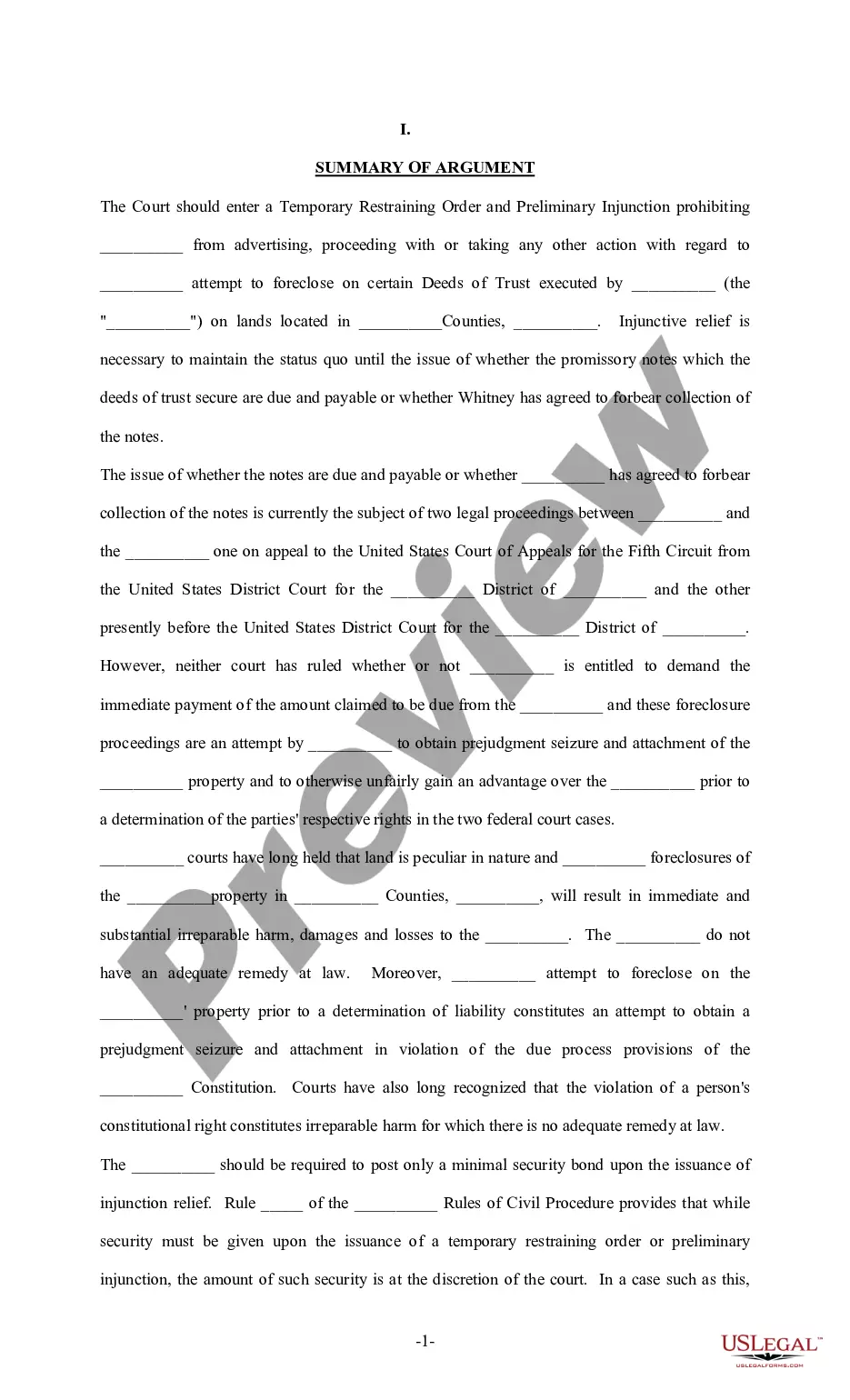
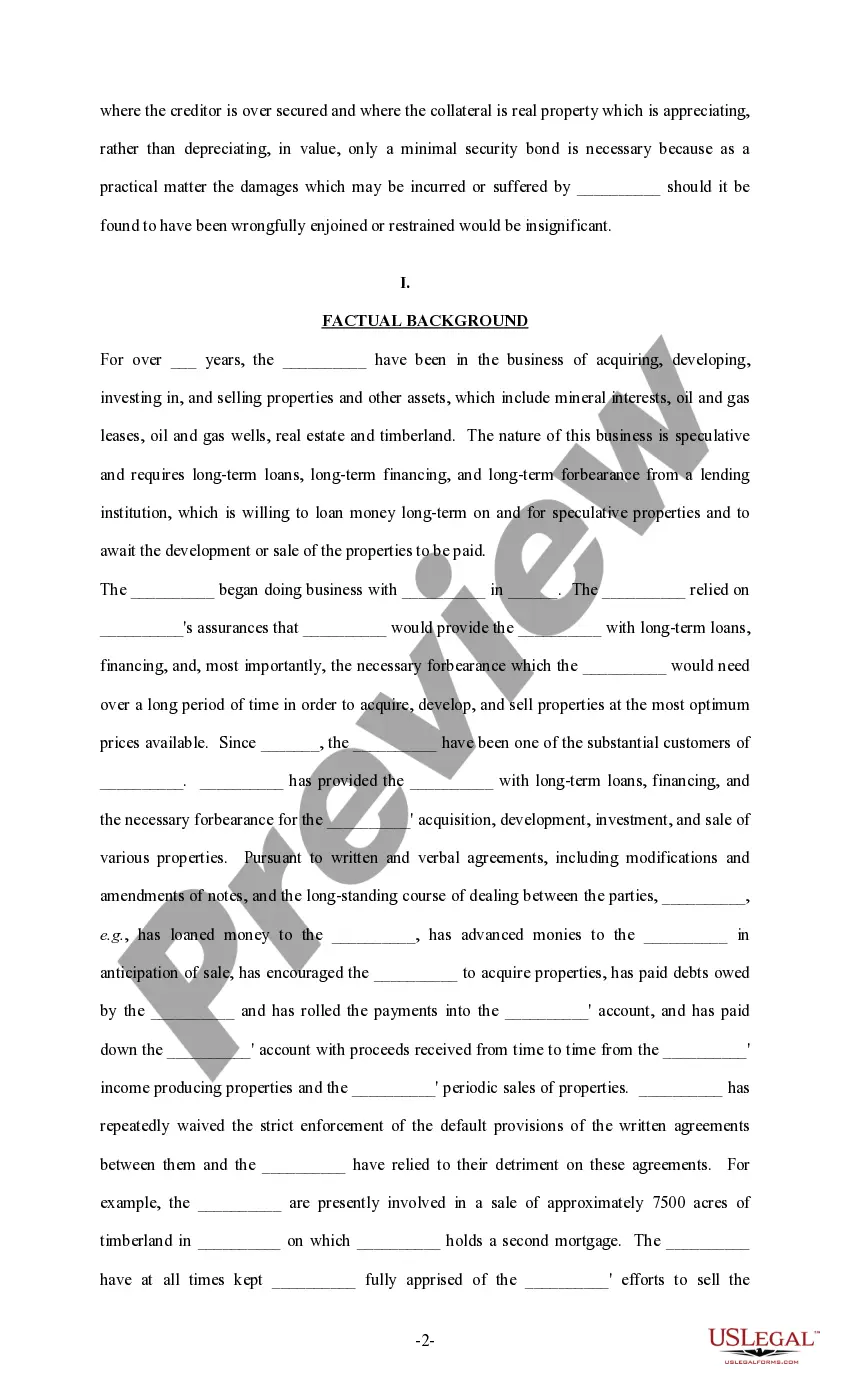
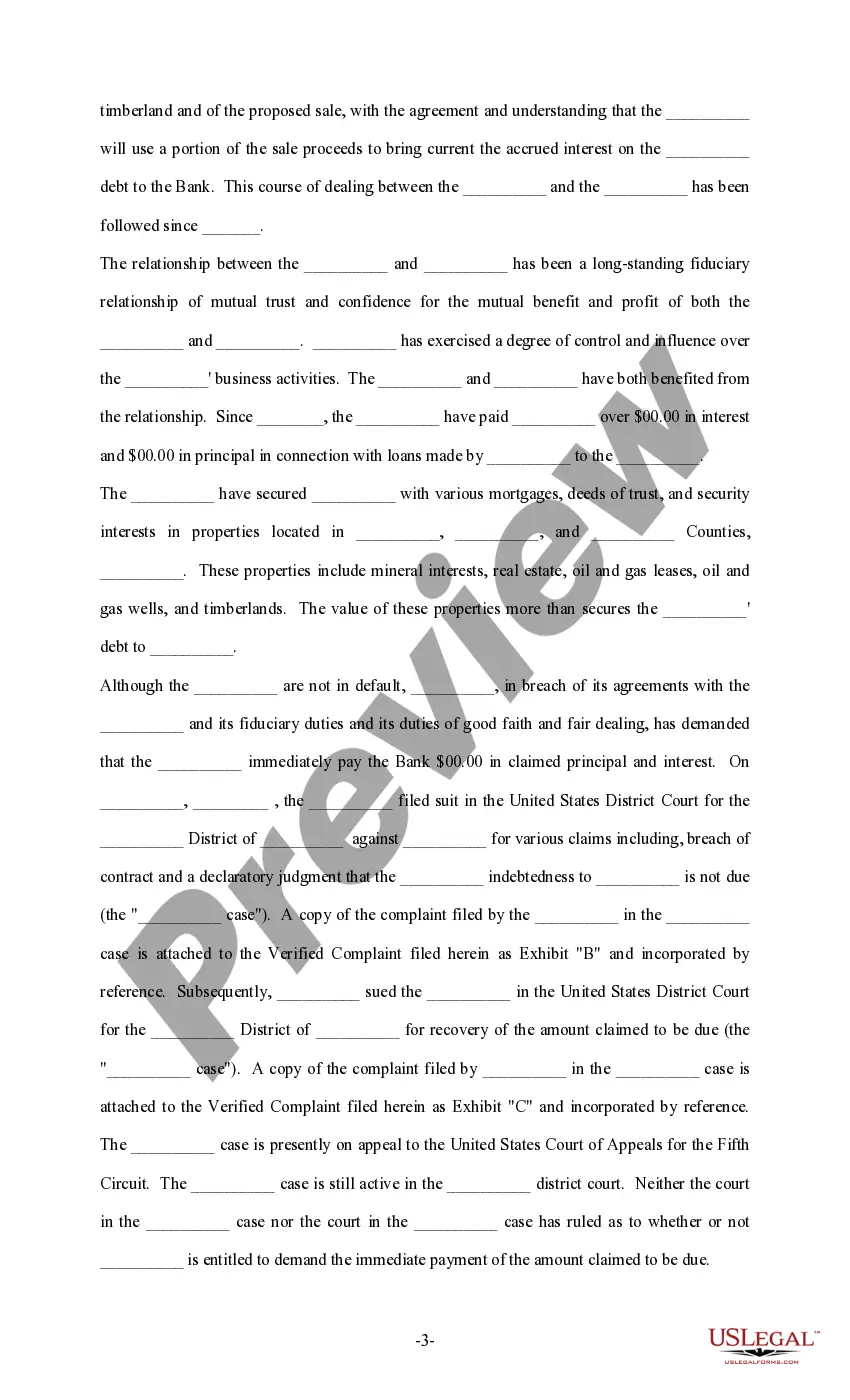
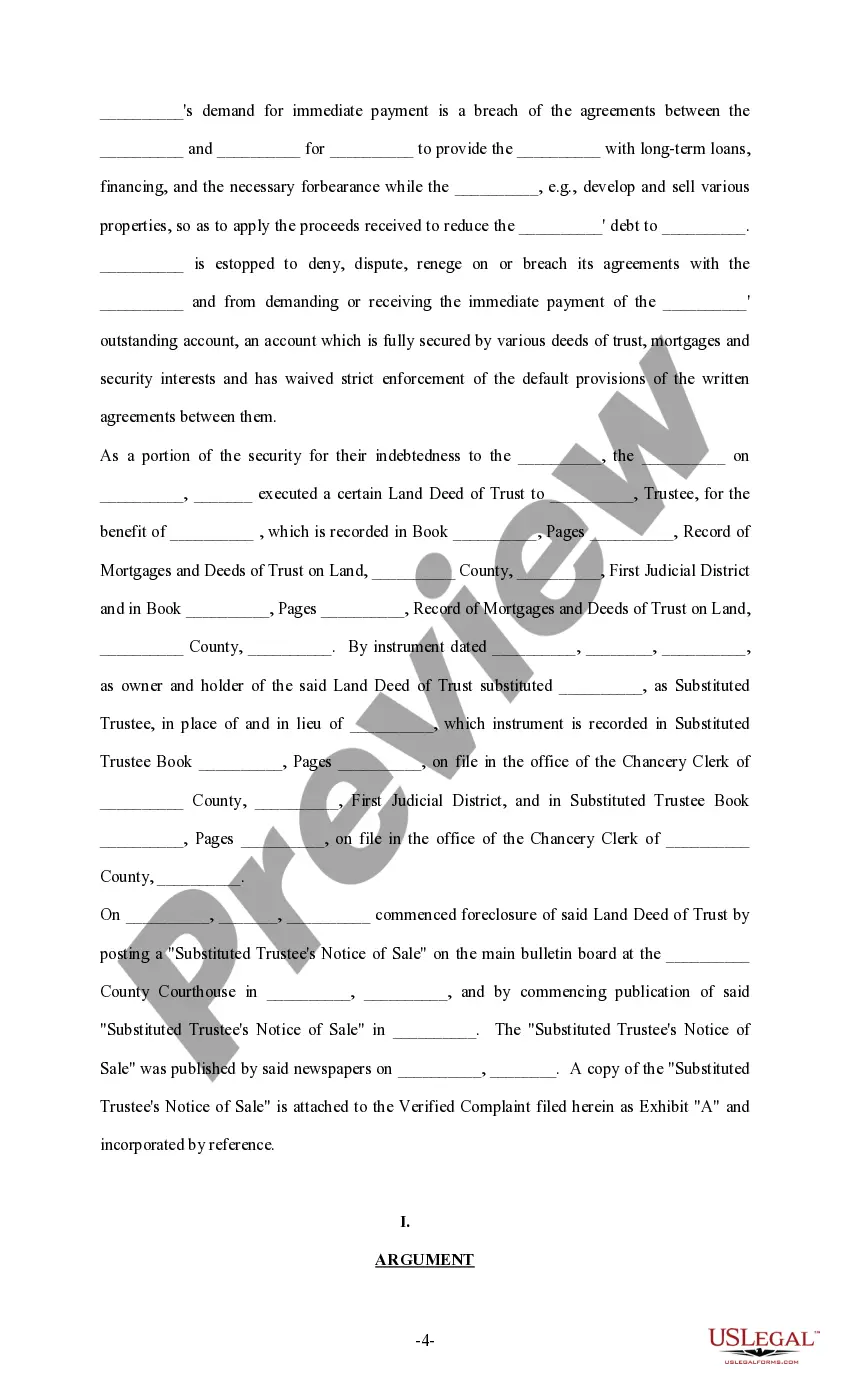
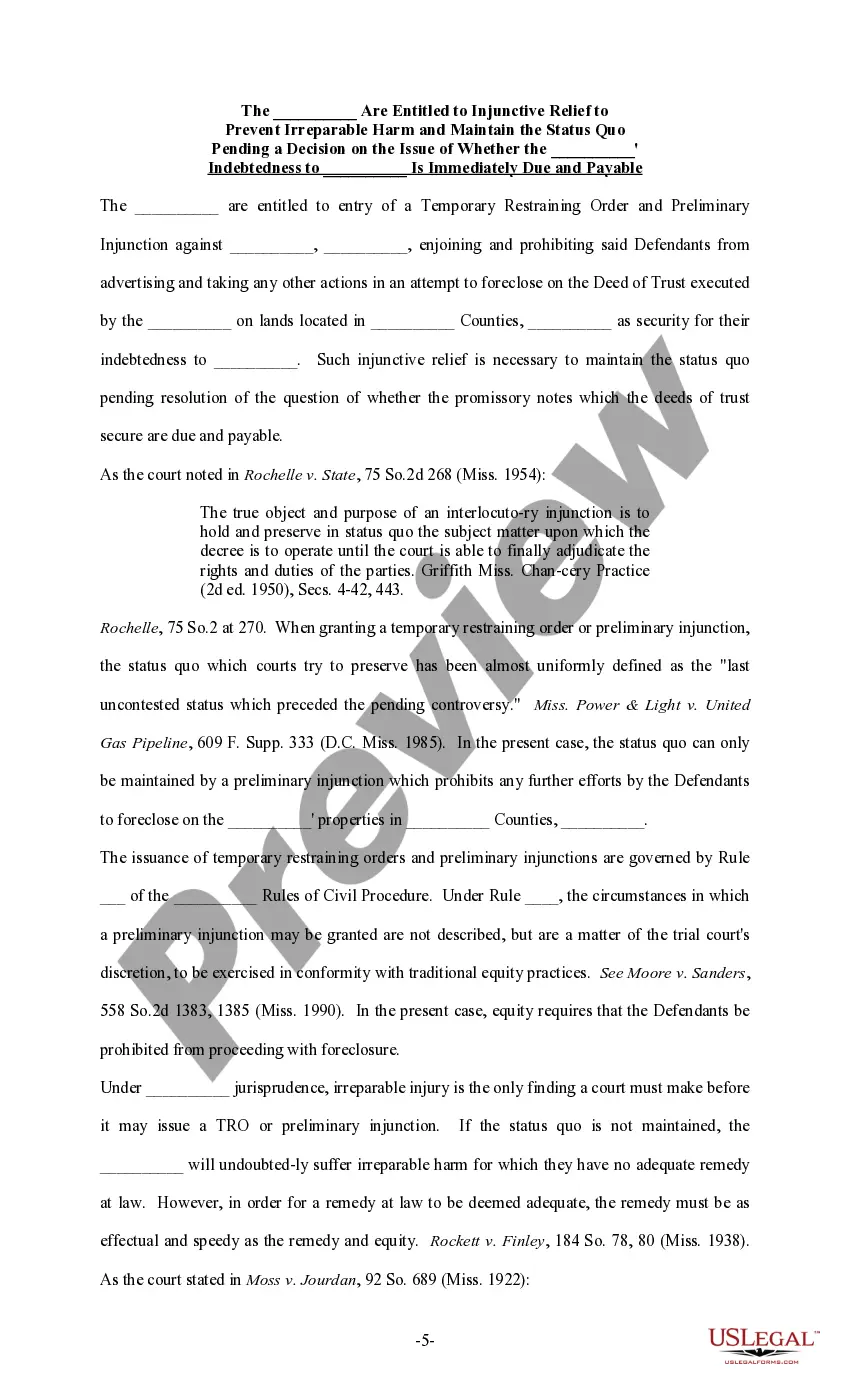
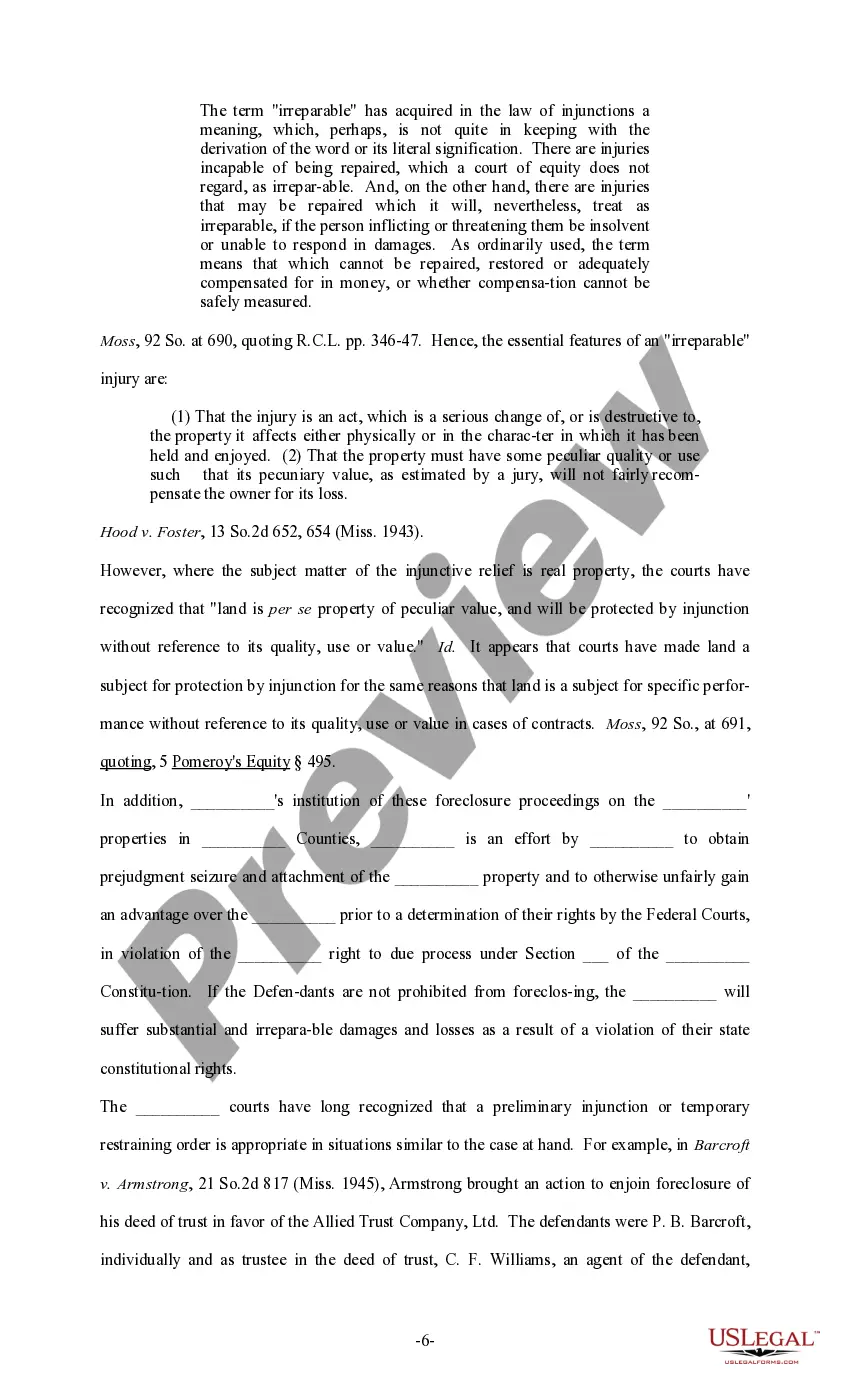
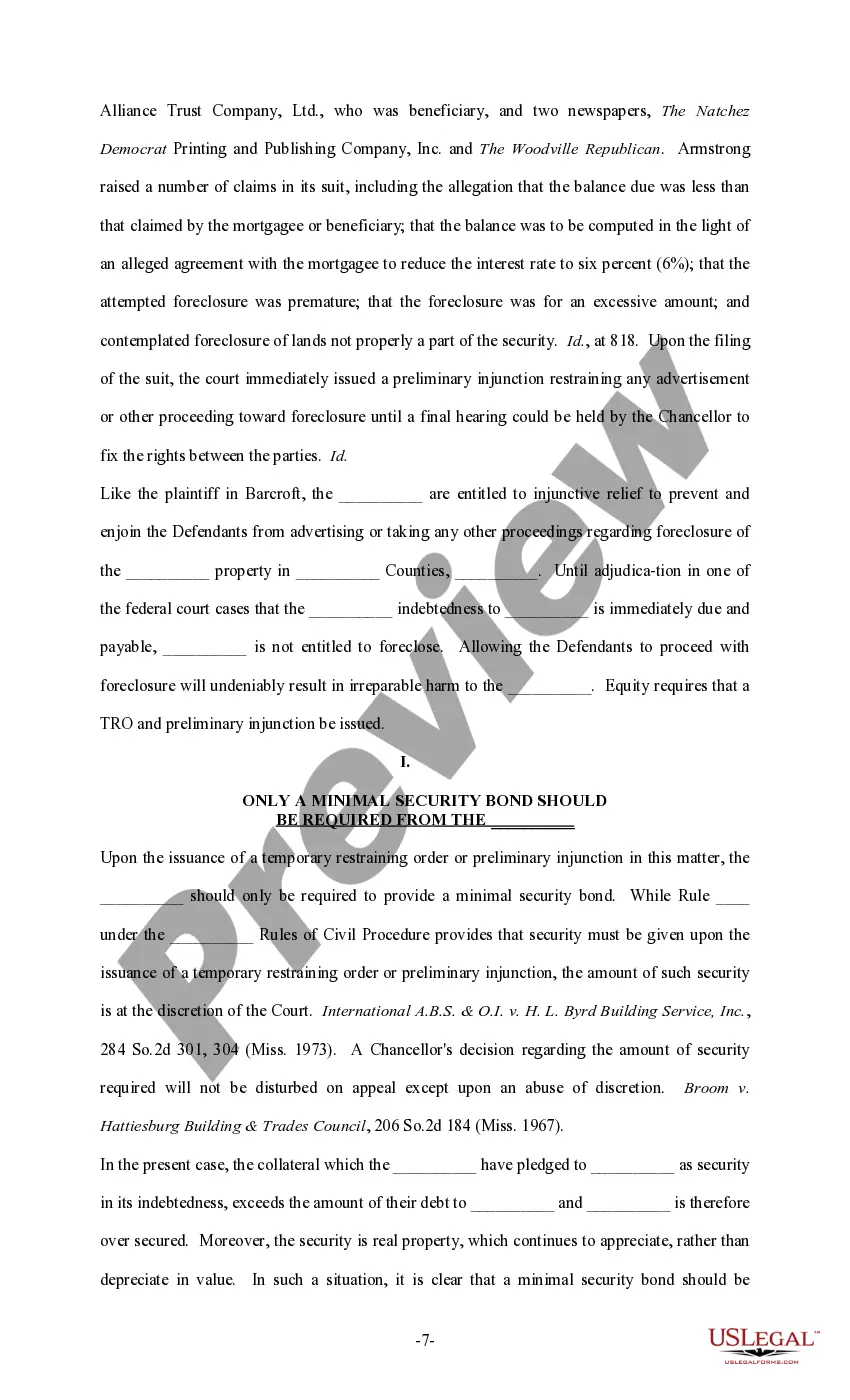
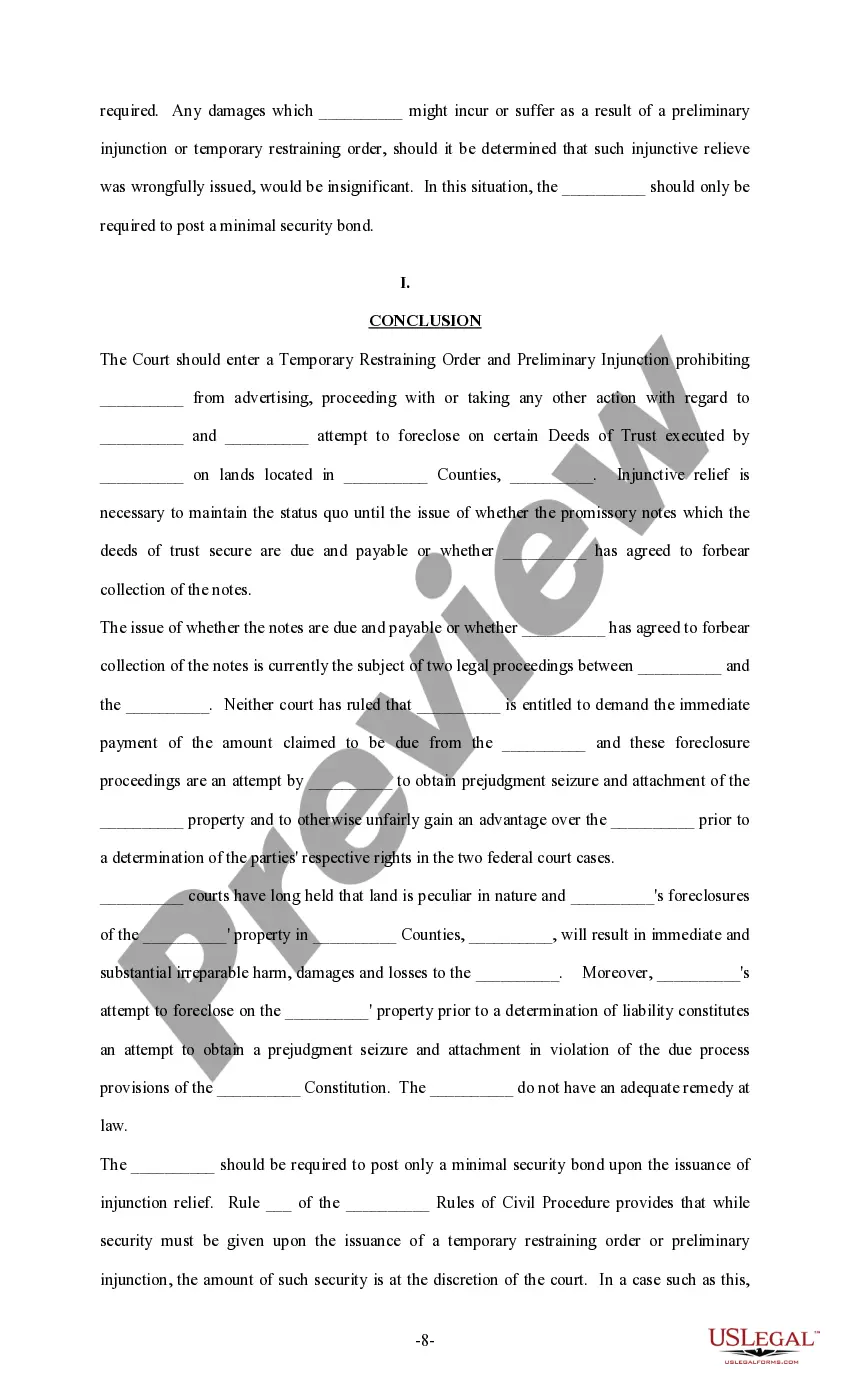

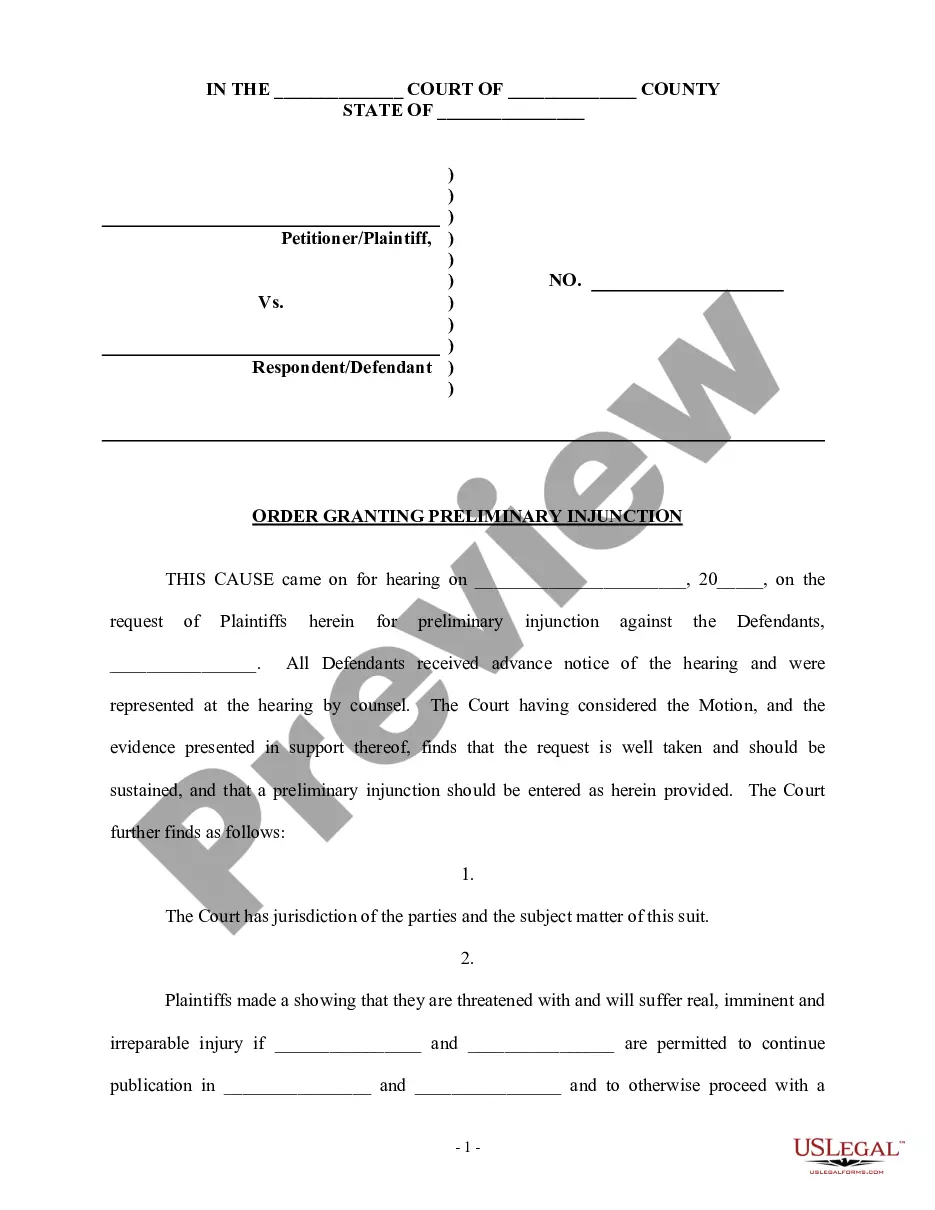
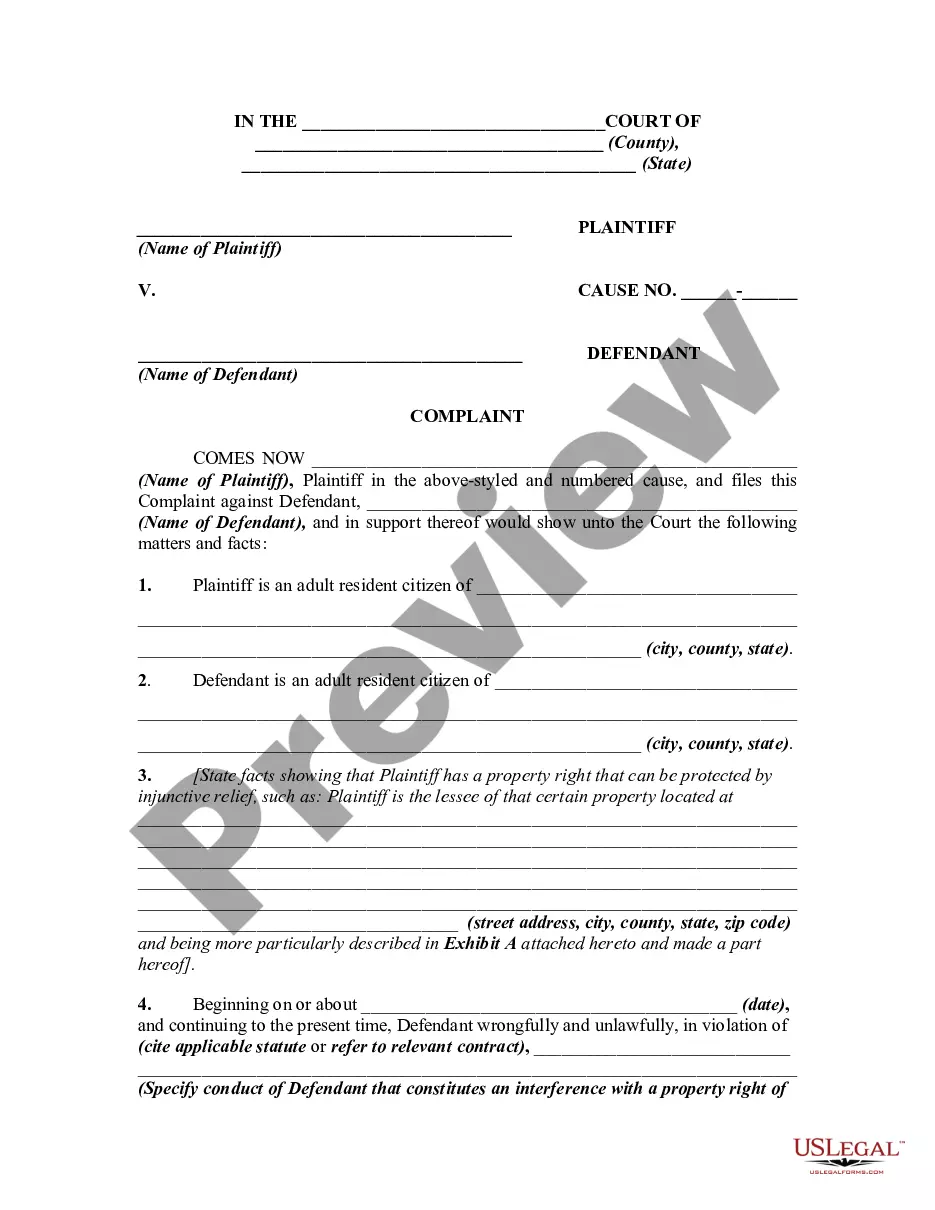
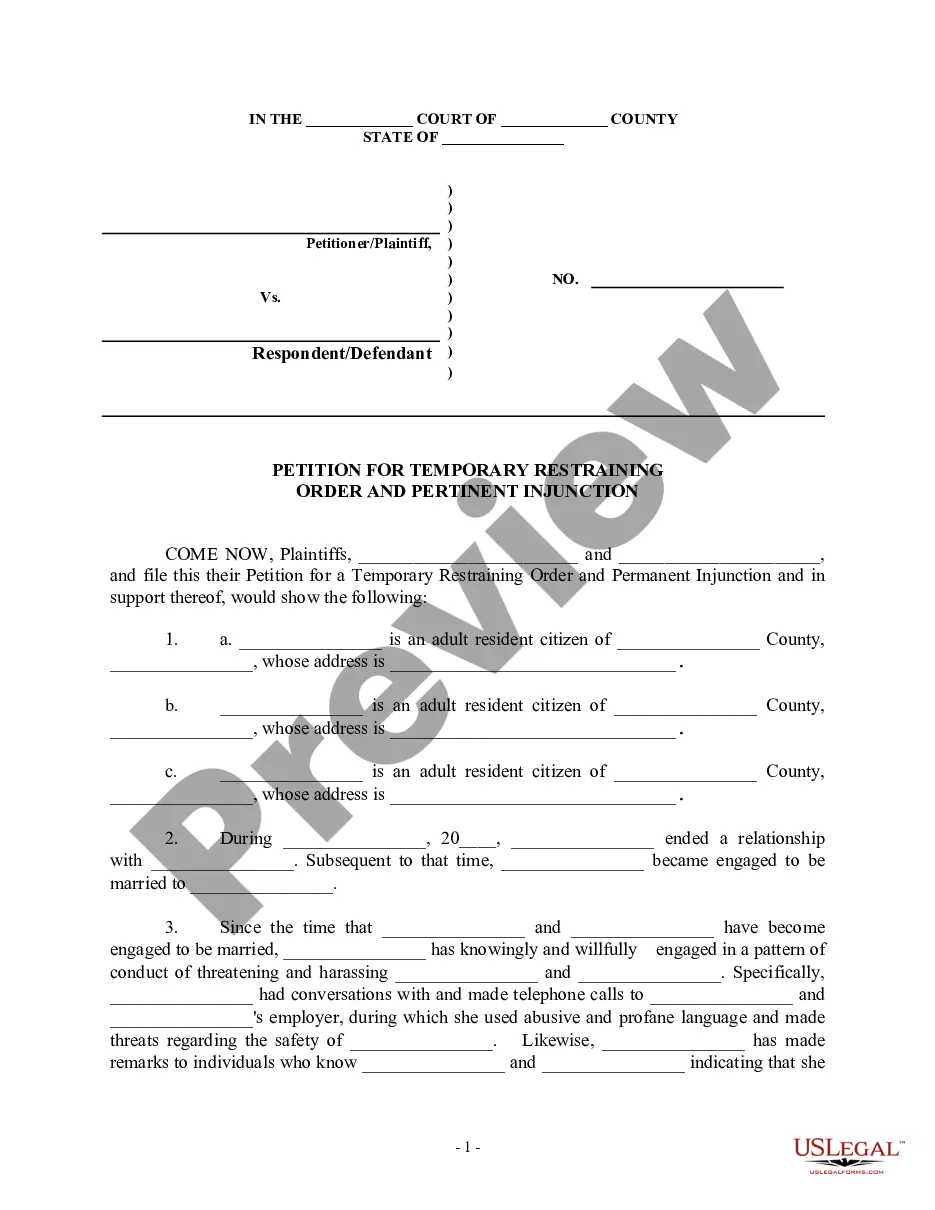





How to fill out Sample Brief - Injunction?
It’s clear that you cannot transform into a legal expert in a single night, nor can you swiftly learn how to draft a Legal Brief Example without possessing a specific skill set.
Drafting legal documents is a lengthy process that necessitates specialized education and abilities. So, why not entrust the development of the Legal Brief Example to the professionals.
With US Legal Forms, one of the largest repositories of legal templates, you can locate everything from court documents to frameworks for internal corporate communications. We understand how vital it is to comply with federal and state laws and regulations.
Establish a free account and choose a subscription plan to purchase the form.
Select Buy now. Once the transaction is finalized, you can download the Legal Brief Example, fill it out, print it, and send or mail it to the appropriate individuals or organizations. You can regain access to your forms from the My documents tab at any moment. If you are an existing customer, you can simply Log In, and locate and download the template from the same tab. No matter the purpose of your documents—be it financial and legal or personal—our platform has you covered. Try US Legal Forms today!
- That’s the reason why all templates on our platform are location-specific and current.
- Here’s how to get started with our platform and acquire the document you need in just minutes.
- Find the document you require by utilizing the search bar at the top of the page.
- Examine it (if this option is available) and read the accompanying description to determine if the Legal Brief Example meets your needs.
- Initiate your search again if you're looking for a different form.
Form popularity
FAQ
The format of a legal brief typically includes a title page, a table of contents, an introduction, body sections, and a conclusion. Use clear headings to guide readers through your argument. By following a legal brief example, you can ensure that your brief adheres to standard conventions, enhancing its professionalism and readability.
Writing a legal memo brief involves several key steps. First, identify the issue at hand and state it clearly in the introduction. Then, analyze relevant laws, regulations, and cases before reaching your conclusion. Utilize a legal brief example to guide your structure and ensure your analysis is comprehensive and persuasive.
To start writing a legal brief, clarify your purpose and audience. Begin with a strong introduction that outlines your main argument. Organize your content logically, using headings and subheadings for clarity. A well-structured legal brief example will enable you to present your case effectively.
To prepare a brief report, synthesize the key information you want to convey and structure it in a clear, easy-to-understand manner. Include an introduction, main findings, and a conclusion. While a brief report may differ from a legal brief, referencing legal brief examples can help you understand how to present your information effectively.
Preparing a legal brief requires meticulous organization and clarity of thought. Start by identifying your legal issue, conducting thorough research, and crafting your arguments with supporting evidence. You can find valuable legal brief examples on platforms like US Legal Forms, which provide templates to help you create a polished document efficiently.
To prepare a brief, begin by gathering all relevant information, including facts, legal precedents, and case law. Then, outline the main points you want to address, ensuring that you focus on the issues that matter most to your case. Using tools and examples available on the US Legal Forms platform can help streamline this preparation process and ensure that nothing is overlooked.
Yes, lawyers frequently write legal briefs as part of their job to advocate for their clients' positions in court. Crafting a strong legal brief is crucial to presenting a convincing argument. Many lawyers refer to legal brief examples to guide their writing and improve their chances of success in court.
A good brief is well-structured, clearly written, and focused on the relevant issues. It presents your arguments effectively while maintaining a professional tone. An excellent legal brief example demonstrates a logical progression of thought and clearly outlines the rationale for your position, making it easy for the reader to follow your arguments.
Writing a legal brief involves several critical steps: start with thorough research, draft your main arguments, and organize your information logically. Make sure to include citations and references to support your claims. Using a reliable platform, such as US Legal Forms, provides templates and examples that make this process more accessible and efficient.
To write a brief example, start with a clear outline that includes the introduction, statement of facts, legal issues, arguments, and conclusion. Each section should flow smoothly into the next, making it easier for the reader to follow your reasoning. Consider using previous legal brief examples as templates, which can help you structure your document effectively.