Agree To Vs Agree With
Description
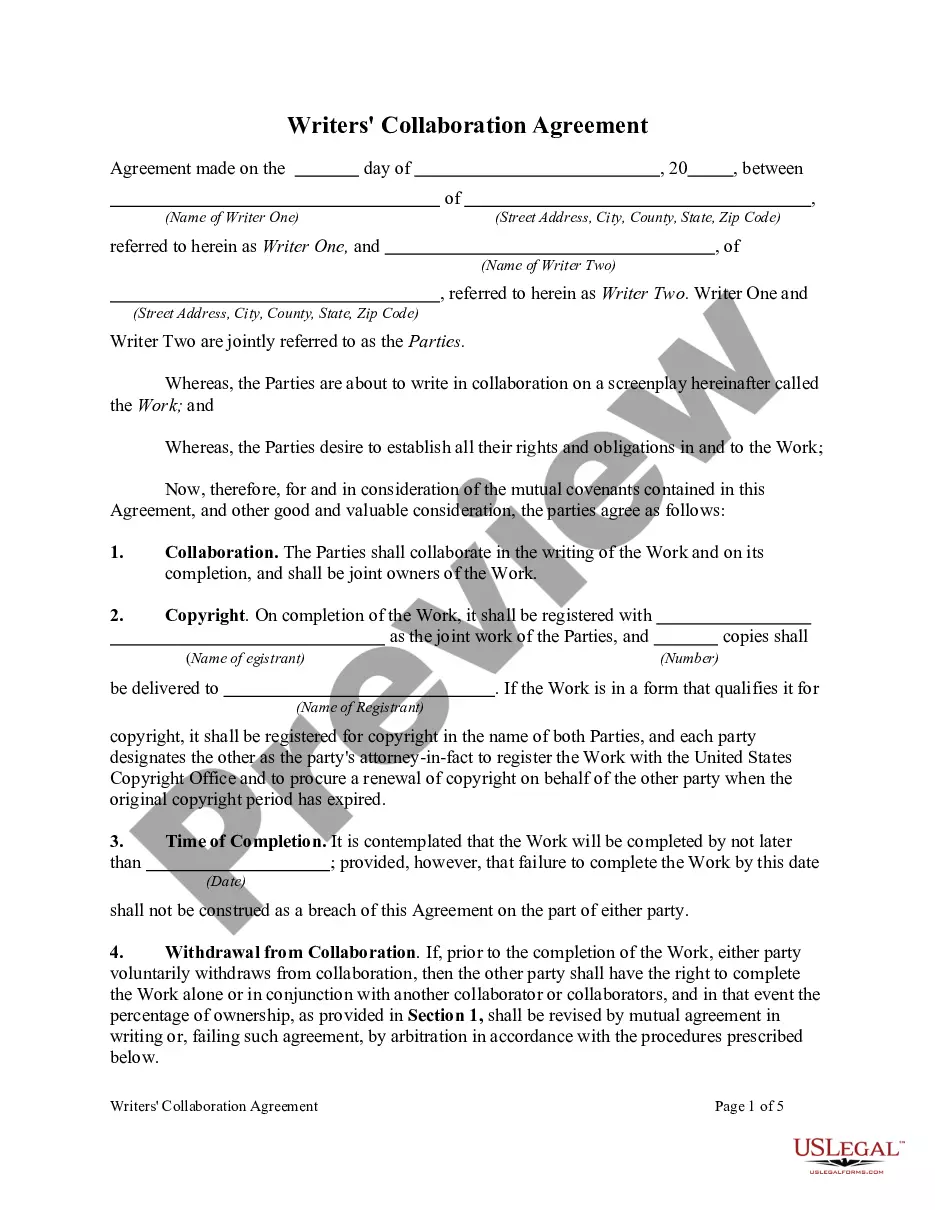
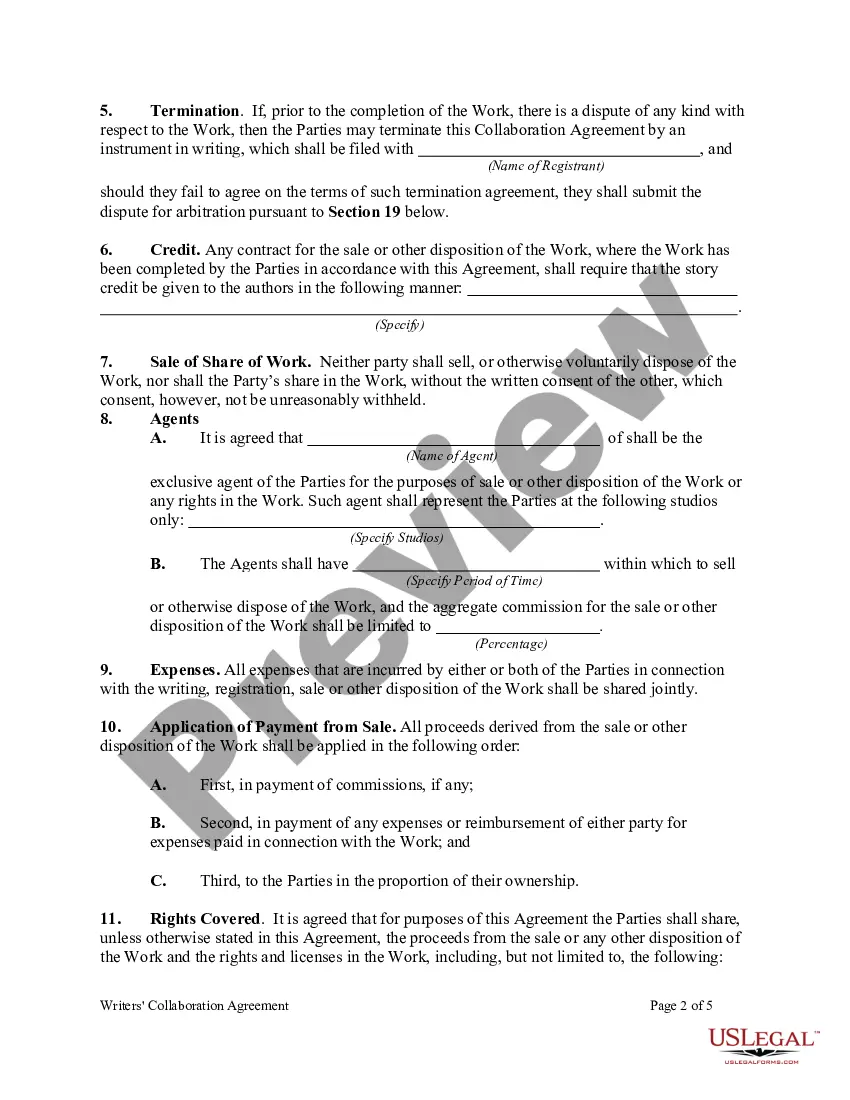
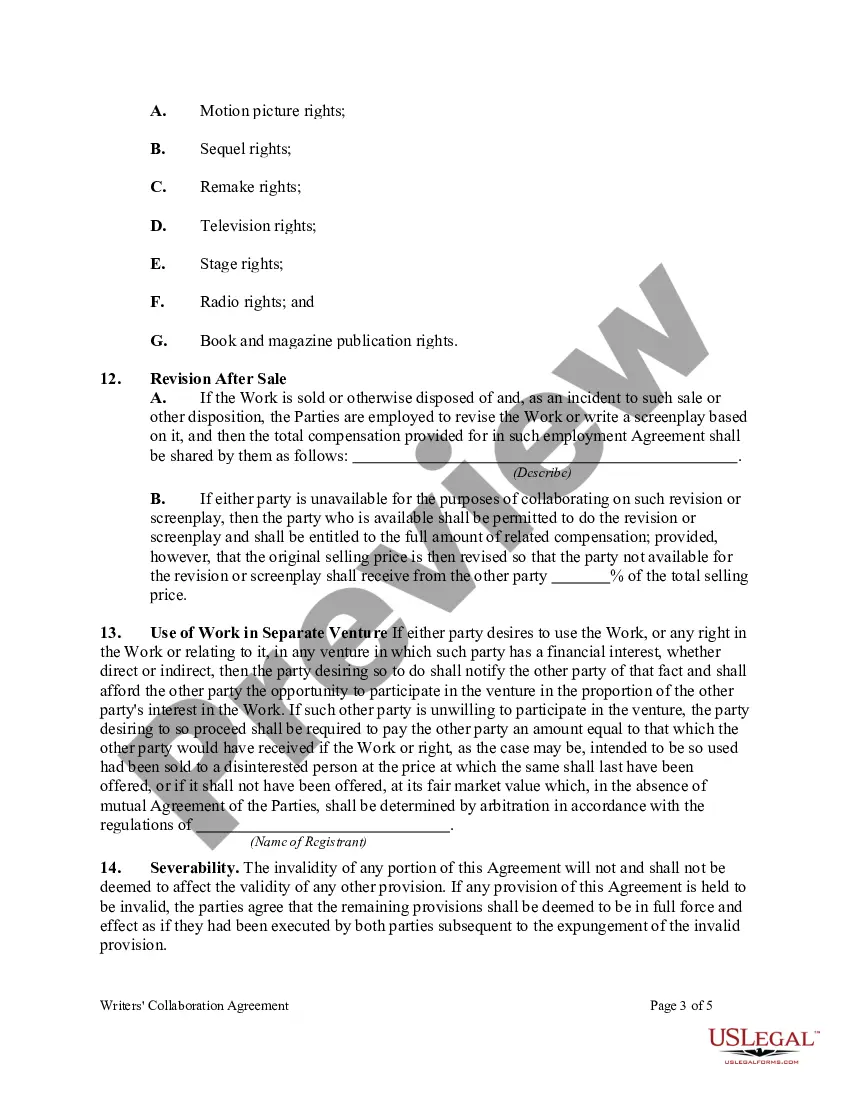
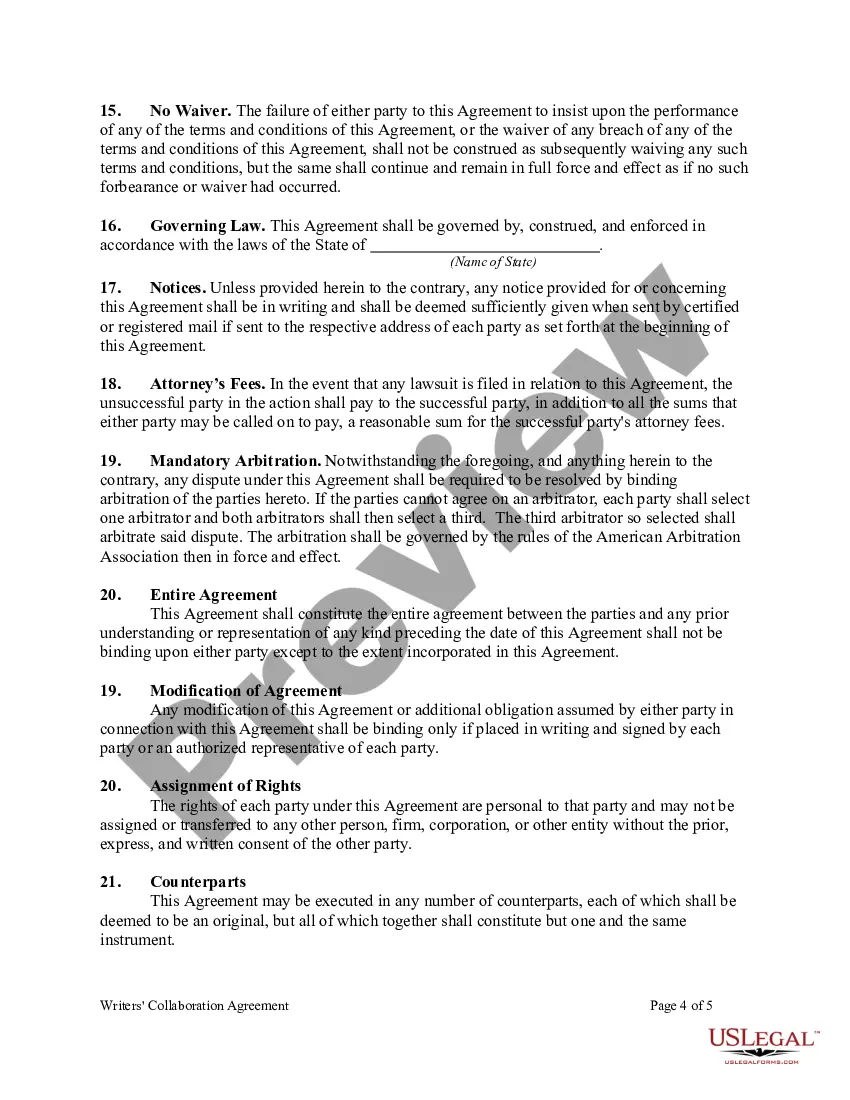
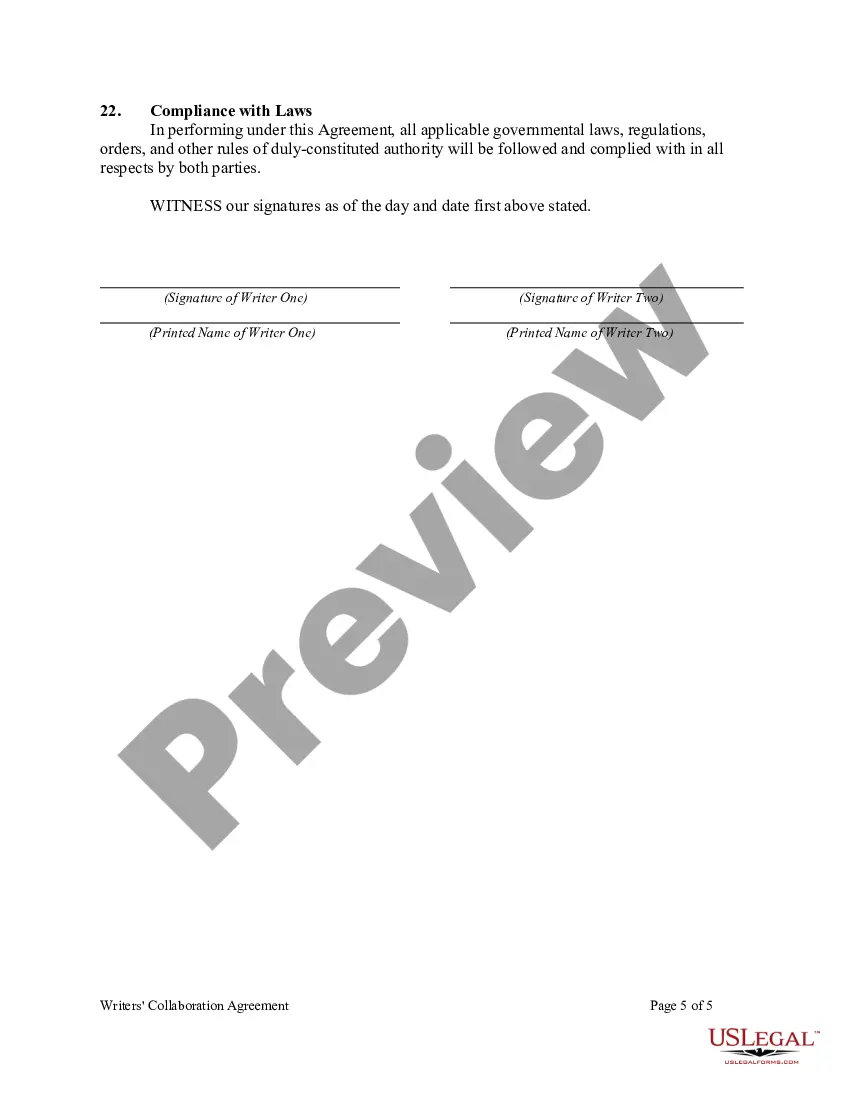
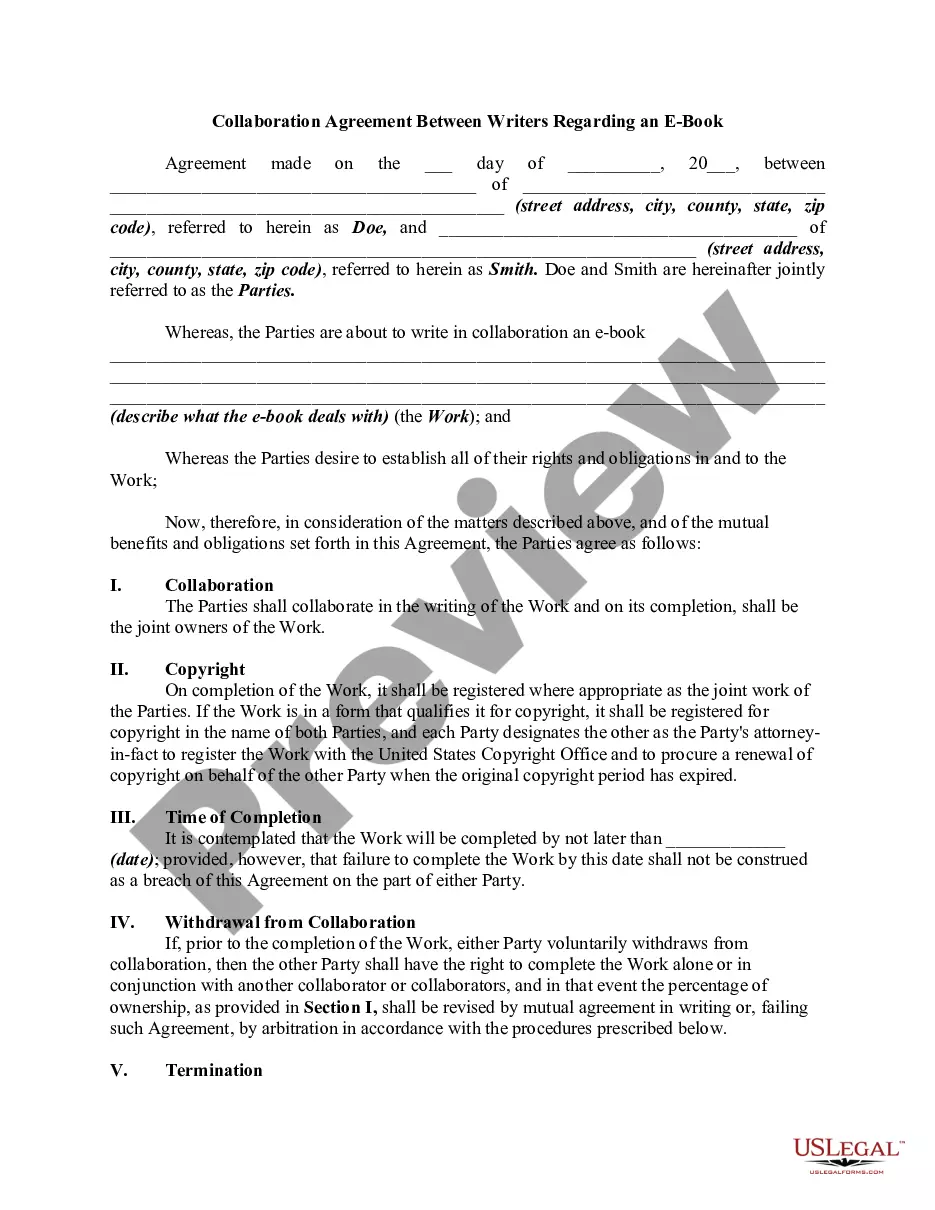
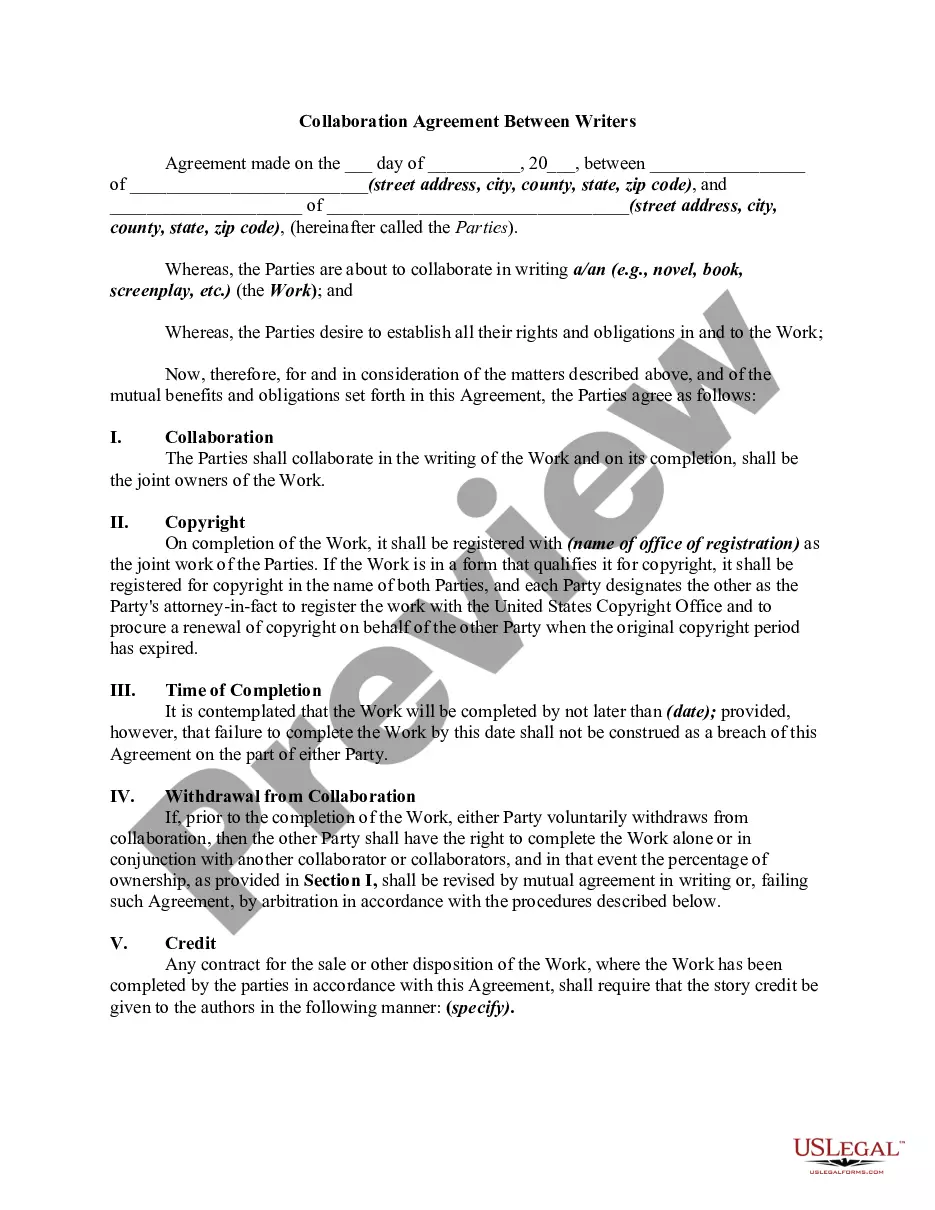
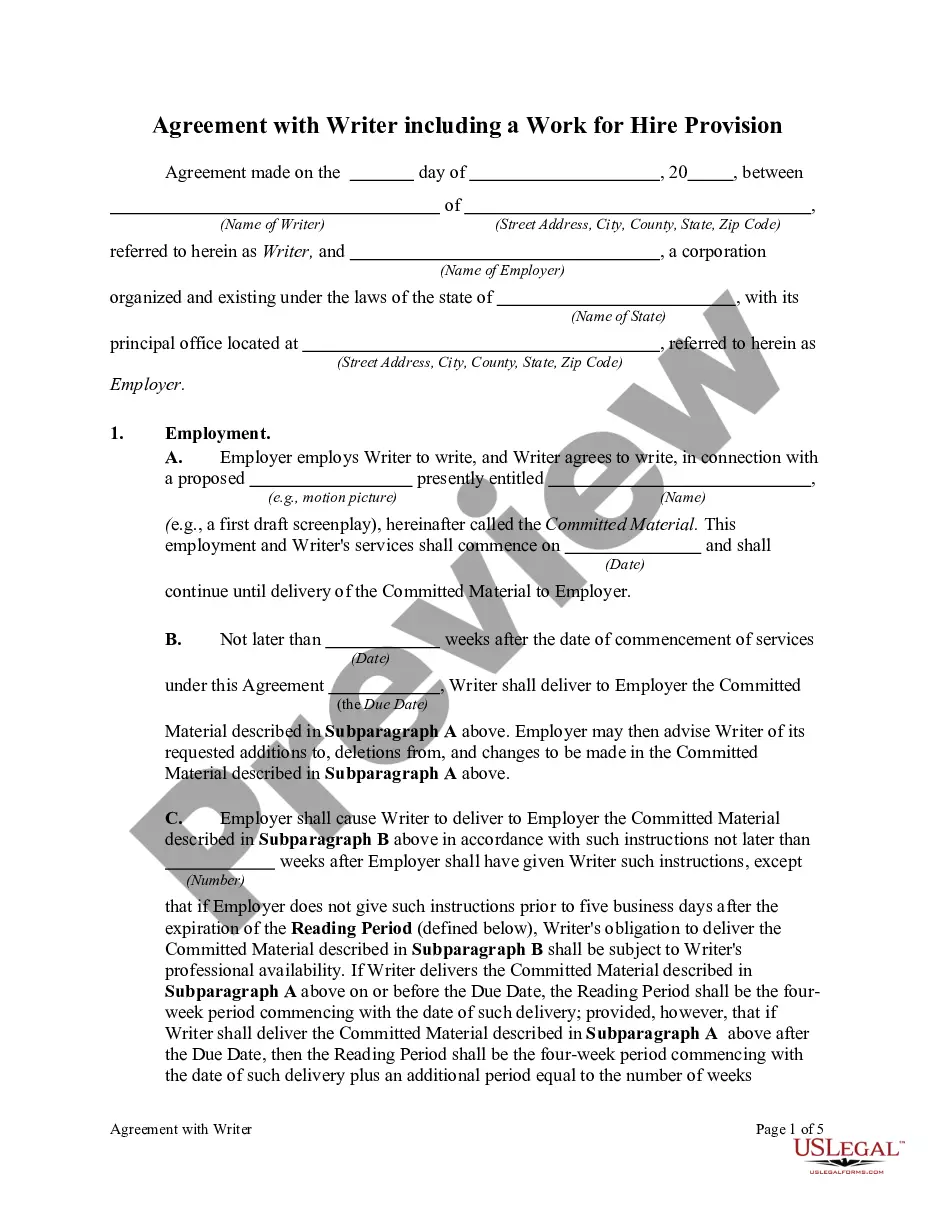


How to fill out Writers' Collaboration Agreement?
- Log in to your US Legal Forms account if you're a returning user. Ensure your subscription is active; if not, consider renewing it.
- Preview the available templates and descriptions to guarantee you select the correct form that aligns with your local jurisdiction.
- If you encounter any issues or inconsistencies, utilize the search feature to find an appropriate template.
- Once you've selected the right document, click on the 'Buy Now' button and choose your preferred subscription plan.
- Complete your purchase by entering your payment details, either using a credit card or your PayPal account.
- Download the form to your device, ensuring you can access it at any time via the 'My Forms' section in your account.
By following these simple steps, you can take full advantage of US Legal Forms' extensive library and resources, making legal documentation straightforward and efficient.
Start your hassle-free journey with legal forms today! Sign up or log in to explore our collection.
Form popularity
FAQ
The difference focuses on the nature of acceptance and opinion. 'Agree with' reflects alignment of thoughts or beliefs, while 'agree to' indicates acceptance of specific conditions or obligations. Knowing how to use these phrases correctly can enhance your clarity in conversations and contracts. This understanding is essential for anyone navigating legal or formal discussions.
The key difference lies in context and meaning. 'Agree to' implies acceptance of certain terms or proposals, while 'agree with' indicates sharing an opinion or belief. For example, you might agree to a contract but agree with a friend’s opinion. This distinction is particularly important in both personal and professional discussions.
You use 'agree to' when you accept or consent to a proposal, terms, or conditions. For instance, you might say, 'I agree to the terms outlined in the contract.' This phrase demonstrates your willingness to accept something formally. It helps clarify your commitments, especially in legal contexts.
When you agree with someone, you express your alignment with their opinion, idea, or belief. It indicates that you share their perspective or sentiments on a particular matter. For example, saying you agree with a friend's viewpoint shows you support their perspective. Understanding this can enhance your communication skills, especially in discussions.
Both phrases can be correct, depending on the context. 'Agree to' is often used when you accept a proposal or terms, while 'agree with' indicates you share a belief or opinion with someone. It's essential to select the appropriate phrase to convey your meaning clearly. By differentiating between 'agree to vs agree with,' you can communicate more effectively and avoid misunderstandings.
The term 'concur' suggests that you have the same opinion as someone else, similar to 'agree with.' However, 'agree with' can also encompass a broader acceptance without the direct opinion alignment present in 'concur.' Essentially, both terms can express agreement, but they can carry slightly different nuances. Knowing these distinctions helps in choosing the right phrase for your context, especially when navigating the 'agree to vs agree with' debate.
When discussing a proposal, you typically use 'agree to' to indicate that you accept the terms. Saying you 'agree with' someone implies shared thoughts or opinions on the topic. Therefore, in a formal context like a proposal, 'agree to' is usually the correct choice. Understanding this distinction can enhance your communication, especially in legal or professional settings.
The choice between 'agreed to' and 'agree with' depends on the context. Use 'agree with' when you want to express support for someone's opinion or idea. On the other hand, 'agree to' is more about accepting conditions. Being aware of these nuances will improve your communication in both personal and professional scenarios.
The correct phrase is 'agreed with the plan.' This implies that you support the plan and its intentions. If you use 'agreed to,' it might suggest accepting specific terms rather than showing support for the entire plan. Understanding this difference can enhance your clarity when discussing plans with others.
When you want to express that you support a plan, simply say, 'I agree with the plan.' This phrase clearly communicates your approval. Using 'agree with' here emphasizes your alignment with the proposed ideas. Being precise about your agreements can boost clarity in team discussions.