Lawsuit Form Answer Without Permission
Description
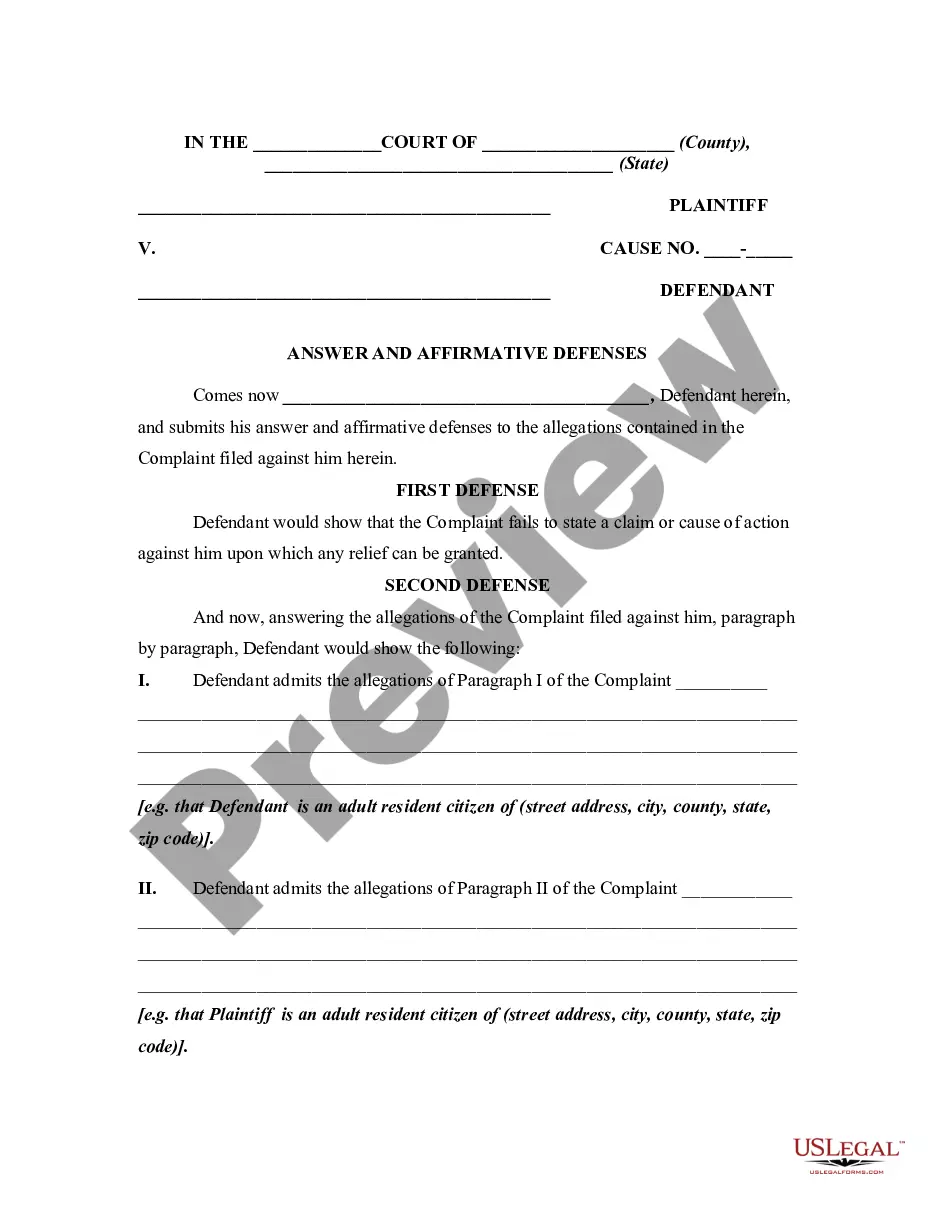
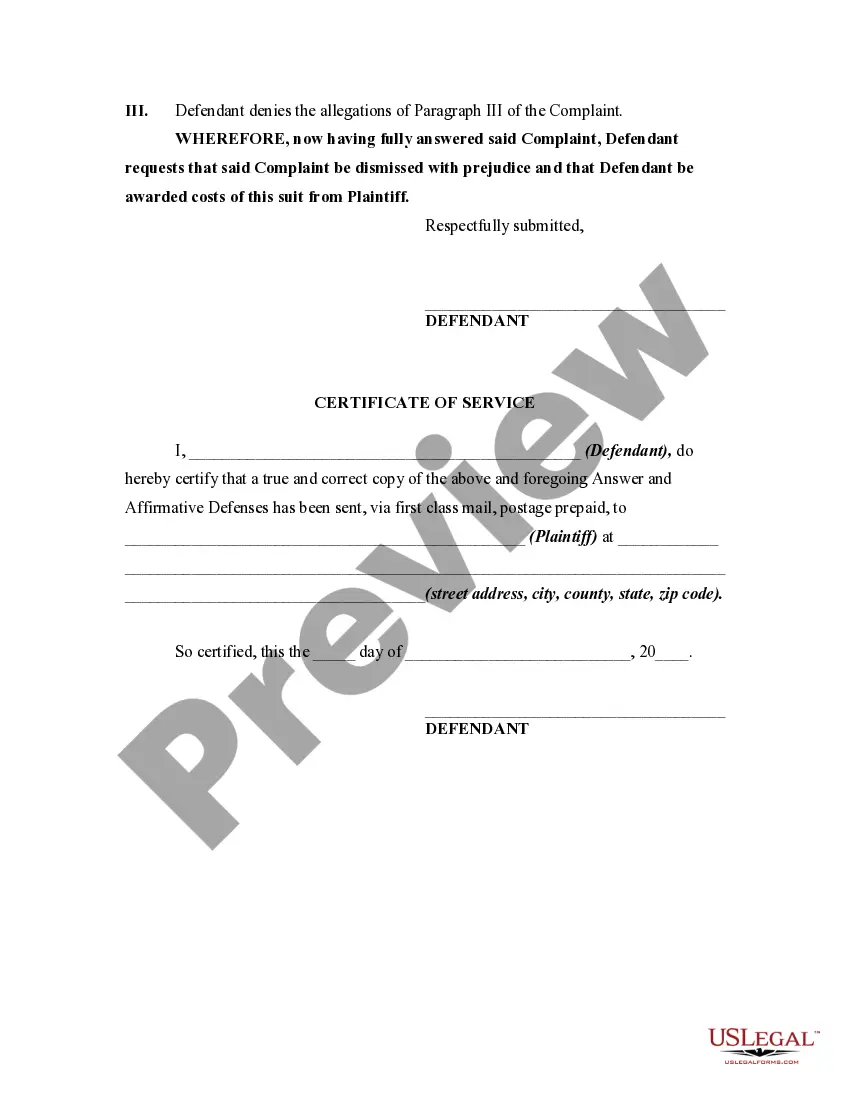
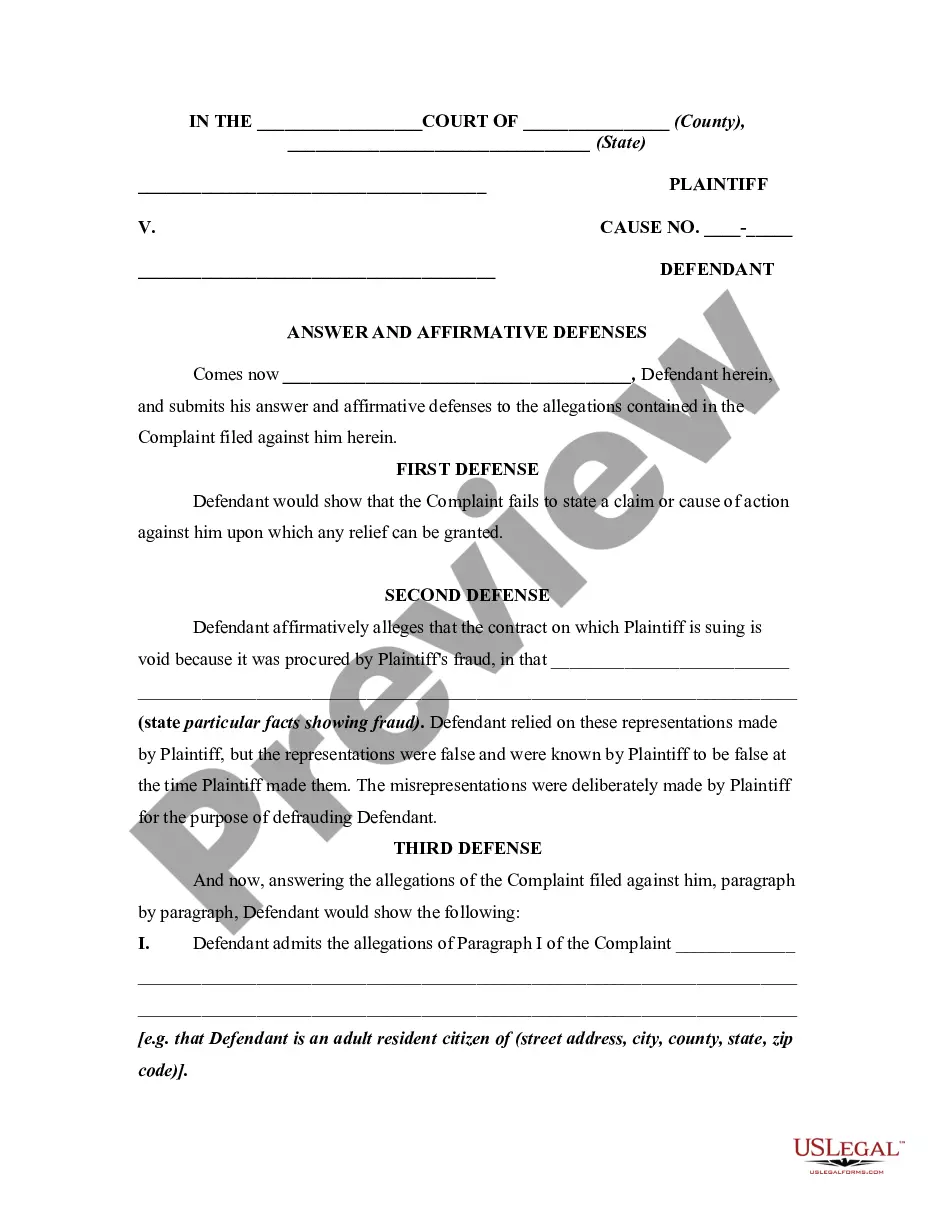
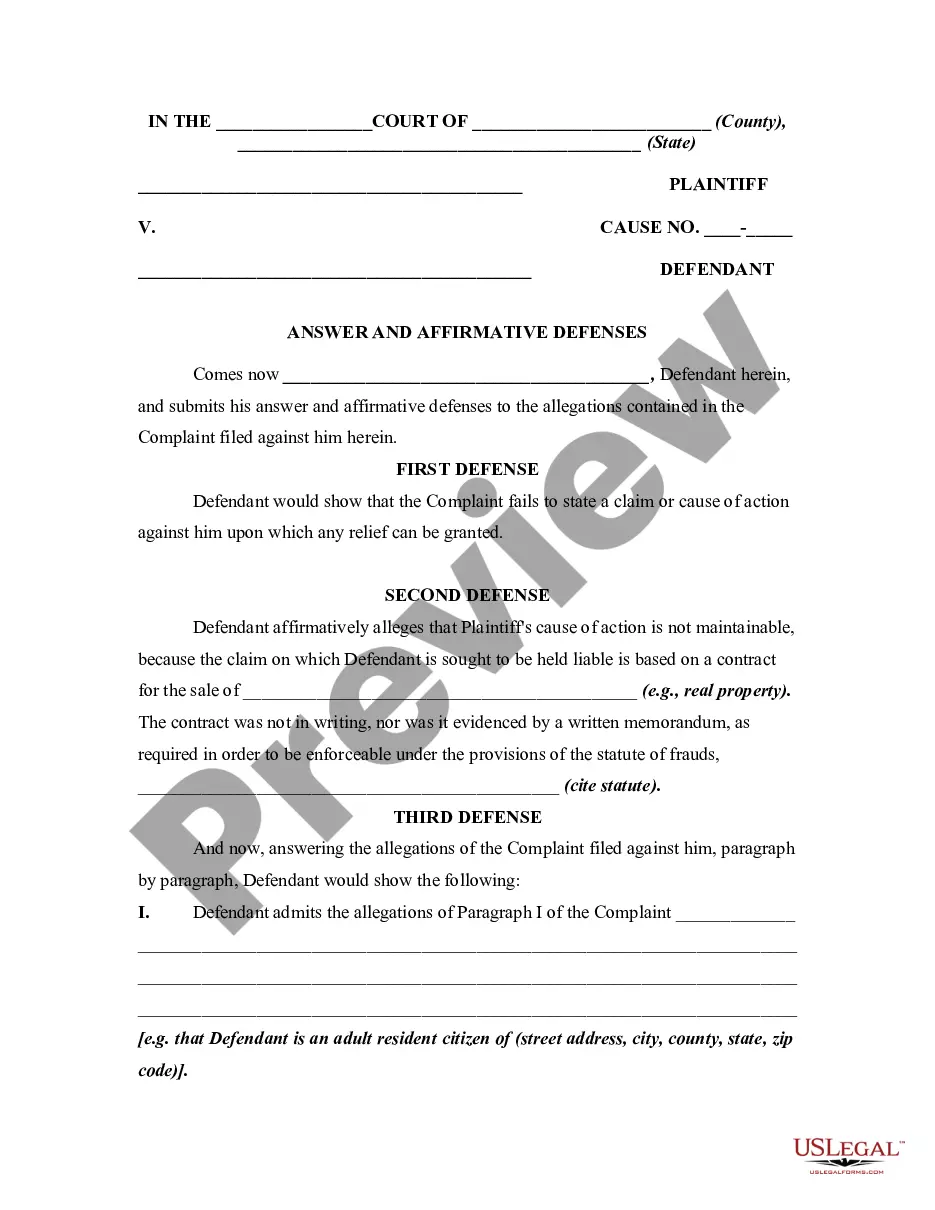
Get your form ready online
Our built-in tools help you complete, sign, share, and store your documents in one place.
Make edits, fill in missing information, and update formatting in US Legal Forms—just like you would in MS Word.
Download a copy, print it, send it by email, or mail it via USPS—whatever works best for your next step.
Sign and collect signatures with our SignNow integration. Send to multiple recipients, set reminders, and more. Go Premium to unlock E-Sign.
If this form requires notarization, complete it online through a secure video call—no need to meet a notary in person or wait for an appointment.
We protect your documents and personal data by following strict security and privacy standards.

Make edits, fill in missing information, and update formatting in US Legal Forms—just like you would in MS Word.

Download a copy, print it, send it by email, or mail it via USPS—whatever works best for your next step.

Sign and collect signatures with our SignNow integration. Send to multiple recipients, set reminders, and more. Go Premium to unlock E-Sign.

If this form requires notarization, complete it online through a secure video call—no need to meet a notary in person or wait for an appointment.

We protect your documents and personal data by following strict security and privacy standards.
Looking for another form?







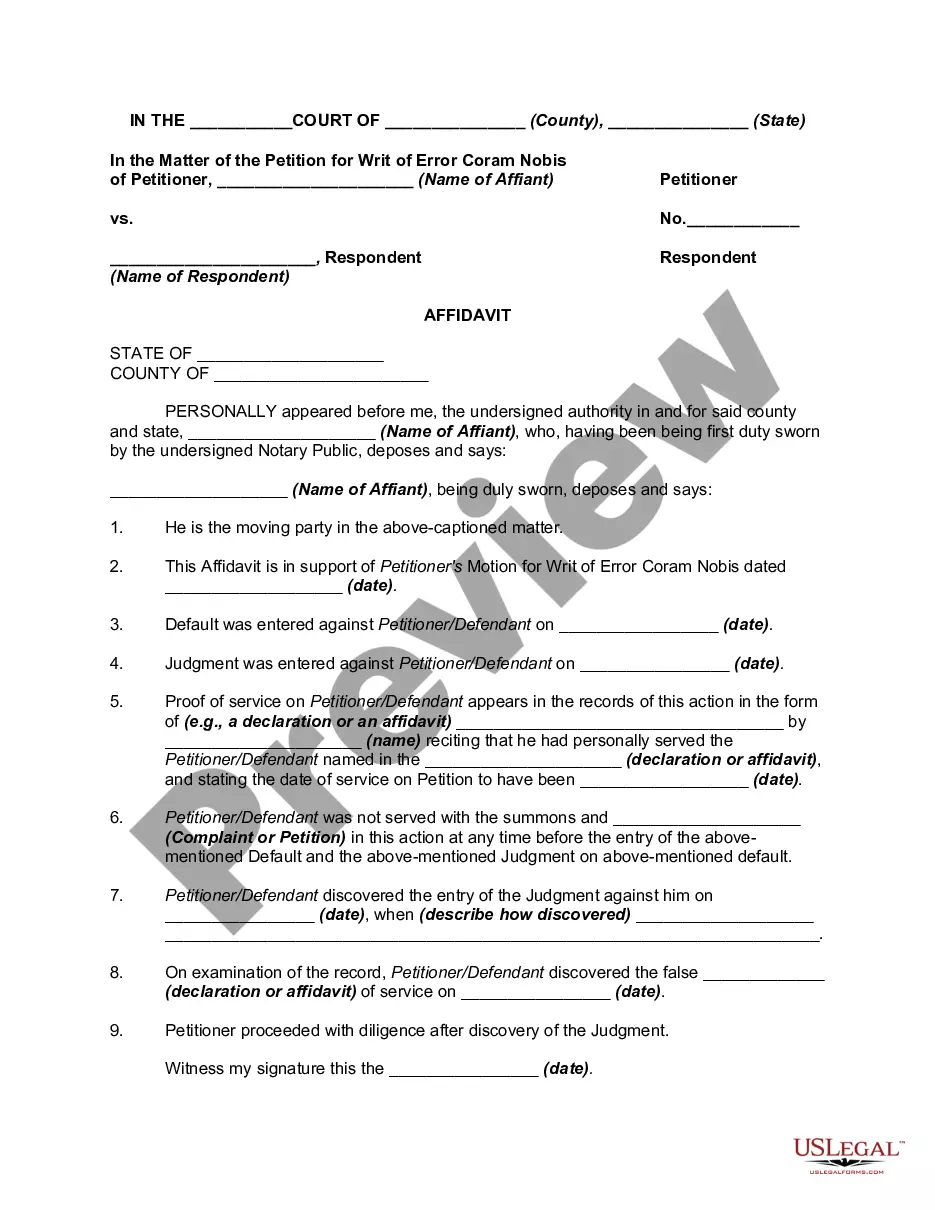
How to fill out General Form Of An Answer By Defendant In A Civil Lawsuit?
Securing a reliable source for obtaining the most current and suitable legal templates is a significant part of navigating bureaucracy.
Selecting the appropriate legal documents necessitates precision and meticulousness, which is why it is crucial to obtain samples of Lawsuit Form Answer Without Permission exclusively from trustworthy sources, such as US Legal Forms. An incorrect template will squander your time and delay your circumstances.
After obtaining the form on your device, you may alter it using the editor or print it out and fill it in by hand. Eliminate the hassle associated with your legal documents. Explore the comprehensive US Legal Forms library where you can discover legal templates, assess their applicability to your situation, and download them immediately.
- Make use of the library navigation or search function to locate your template.
- Examine the form’s details to ensure it meets the standards of your state and county.
- Check the form preview, if provided, to confirm the template is indeed what you are looking for.
- Return to the search and find the appropriate document if the Lawsuit Form Answer Without Permission does not suit your requirements.
- If you are confident about the form’s applicability, download it.
- As a registered customer, click Log in to verify and access your selected templates in My documents.
- If you do not yet have an account, click Buy now to acquire the form.
- Select the pricing option that aligns with your needs.
- Proceed with the registration to finalize your purchase.
- Complete your transaction by choosing a payment method (credit card or PayPal).
- Choose the file format for downloading Lawsuit Form Answer Without Permission.
Form popularity
FAQ
Timeline of How to File a Lawsuit Step 1: File a Complaint. Plaintiff files a complaint and summons with the local county court. ... Step 2: Answer Complaint. ... Step 3: Discovery. ... Step 4: Failing to Respond to Discovery. ... Step 5: Conclusion of Lawsuit.
Types of Pleadings Complaint. Every lawsuit begins when a plaintiff files a complaint against a defendant. ... Answer. This document follows the complaint, and it's the defendant's written response to it. ... Counterclaim. ... Cross-claim.
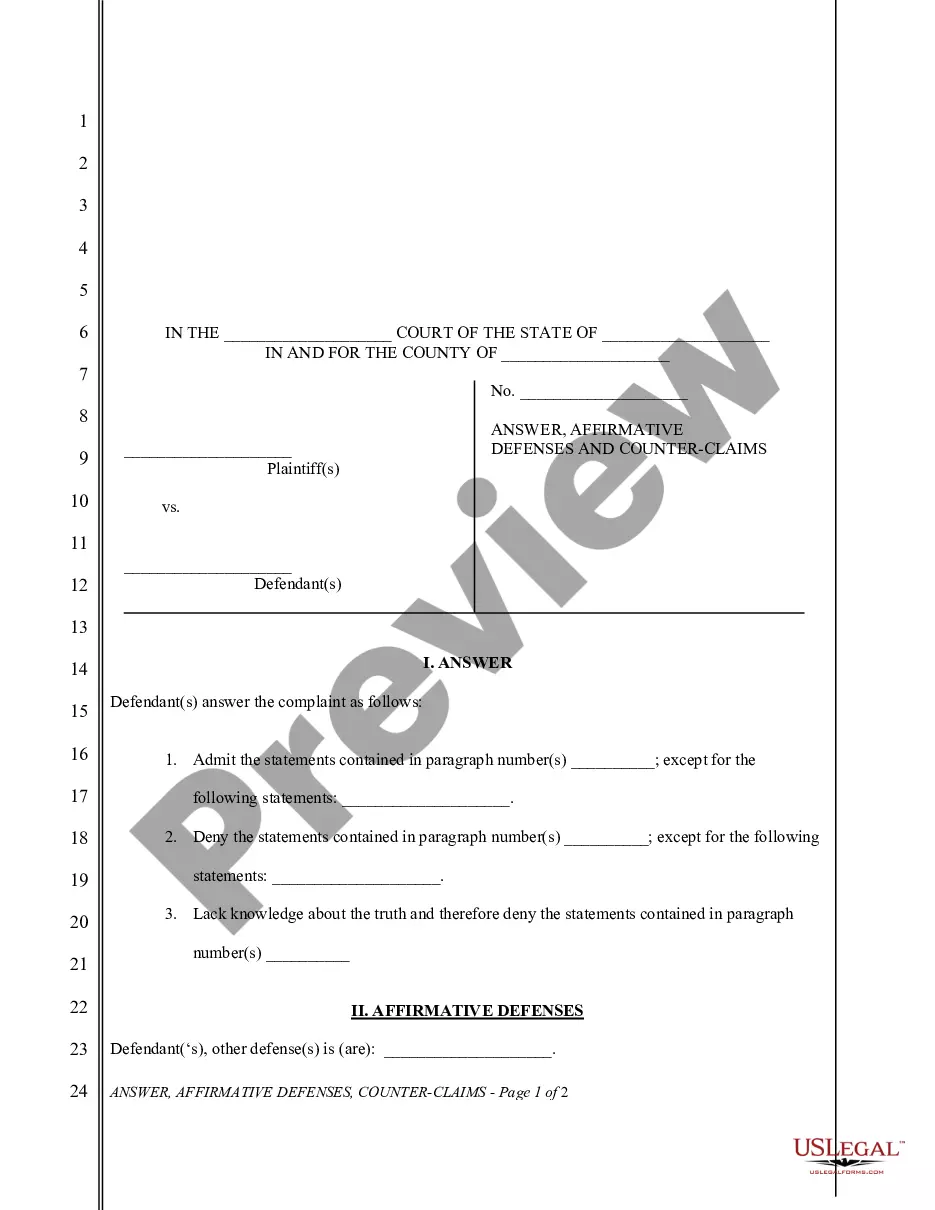
On a separate page or pages, write a short and plain statement of the answer to the allegations in the complaint. Number the paragraphs. The answer should correspond to each paragraph in the complaint, with paragraph 1 of the answer corresponding to paragraph 1 of the complaint, etc.
It is a formal written statement that addresses the allegations made by the plaintiff and either admits or denies them. Example: If a person is sued for breach of contract, they would file a responsive pleading that either admits to breaching the contract or denies the allegations made by the plaintiff.
Affirmative defense?Examples On [Date], after making the contract and the alleged breach, and before this action was commenced, defendant paid to the plaintiff the sum of [specify amount], which was accepted by the plaintiff in full satisfaction and discharge of the damages claimed in the petition.