Leaseback Agreement Meaning
Description
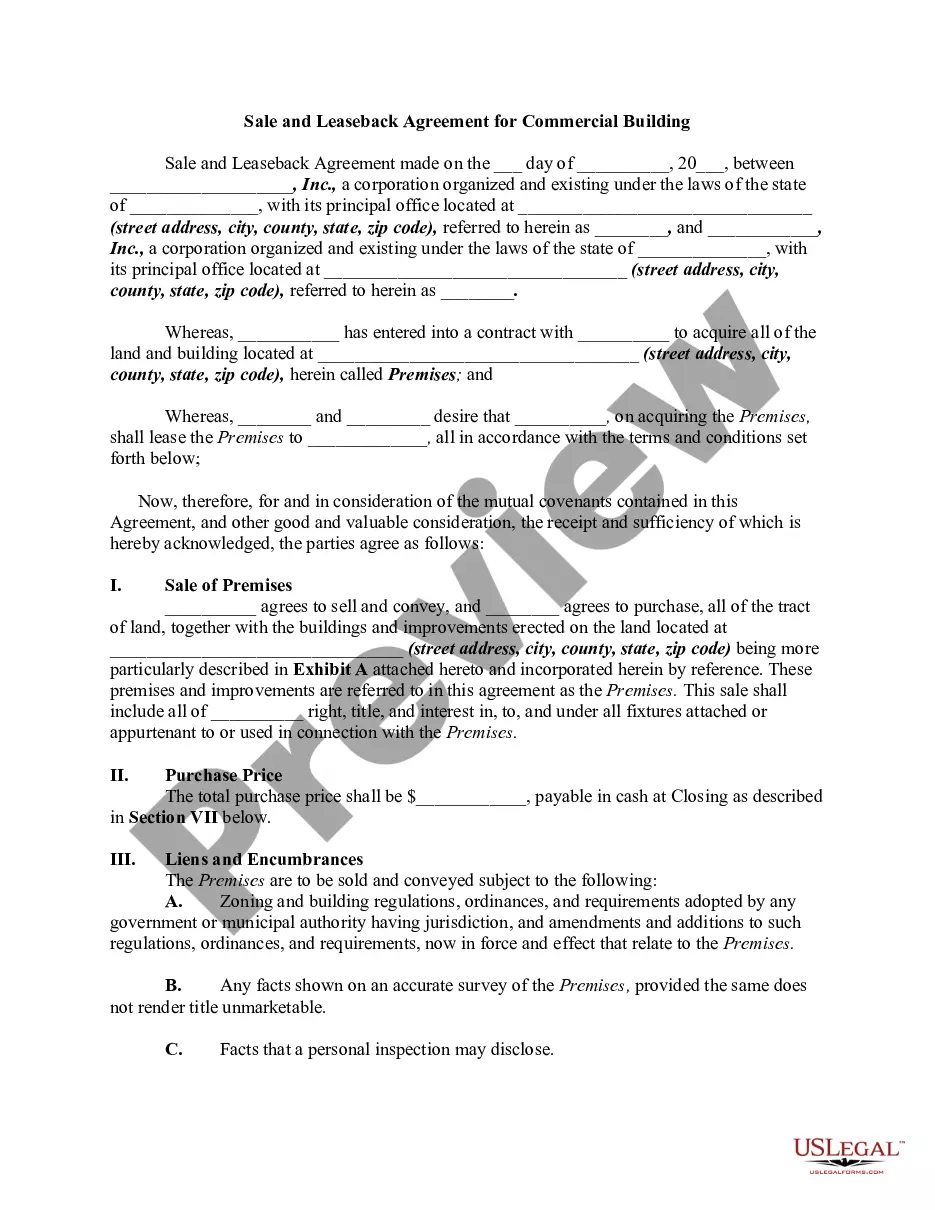
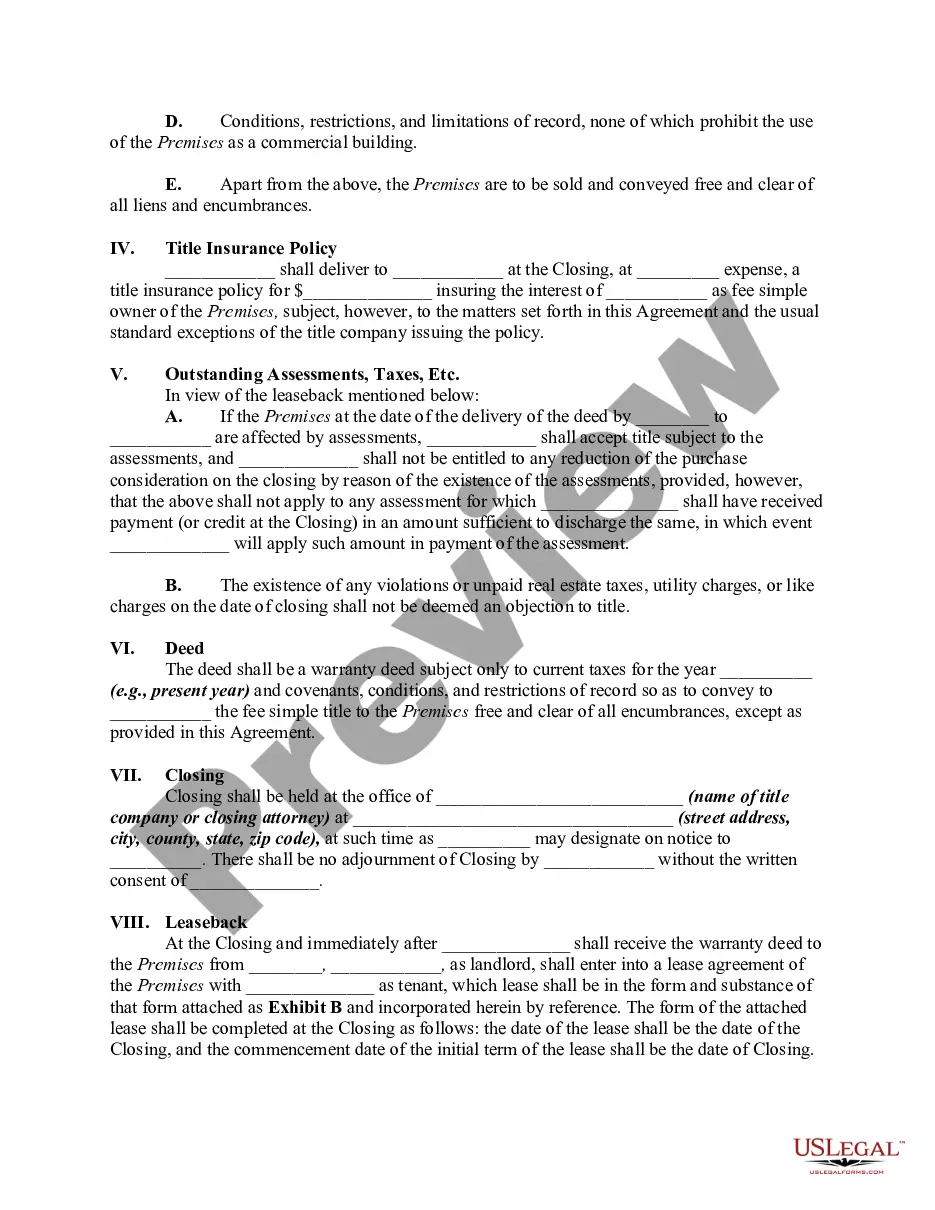
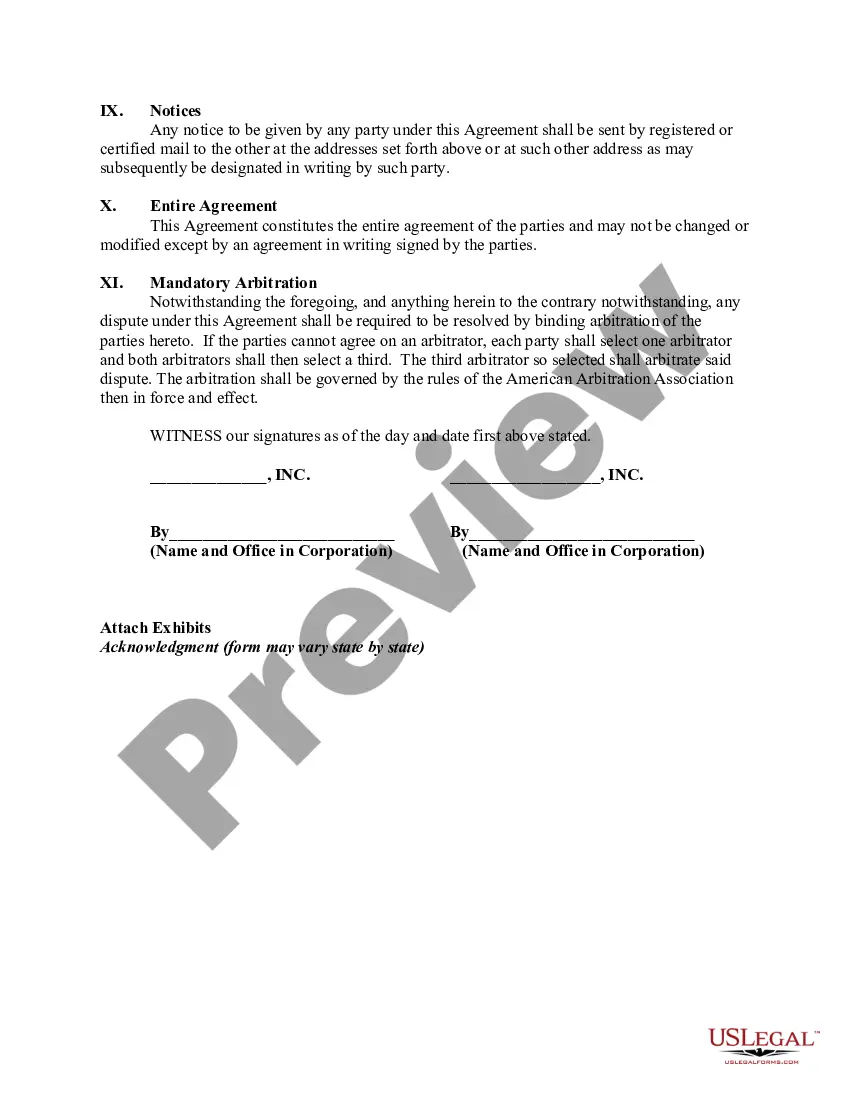
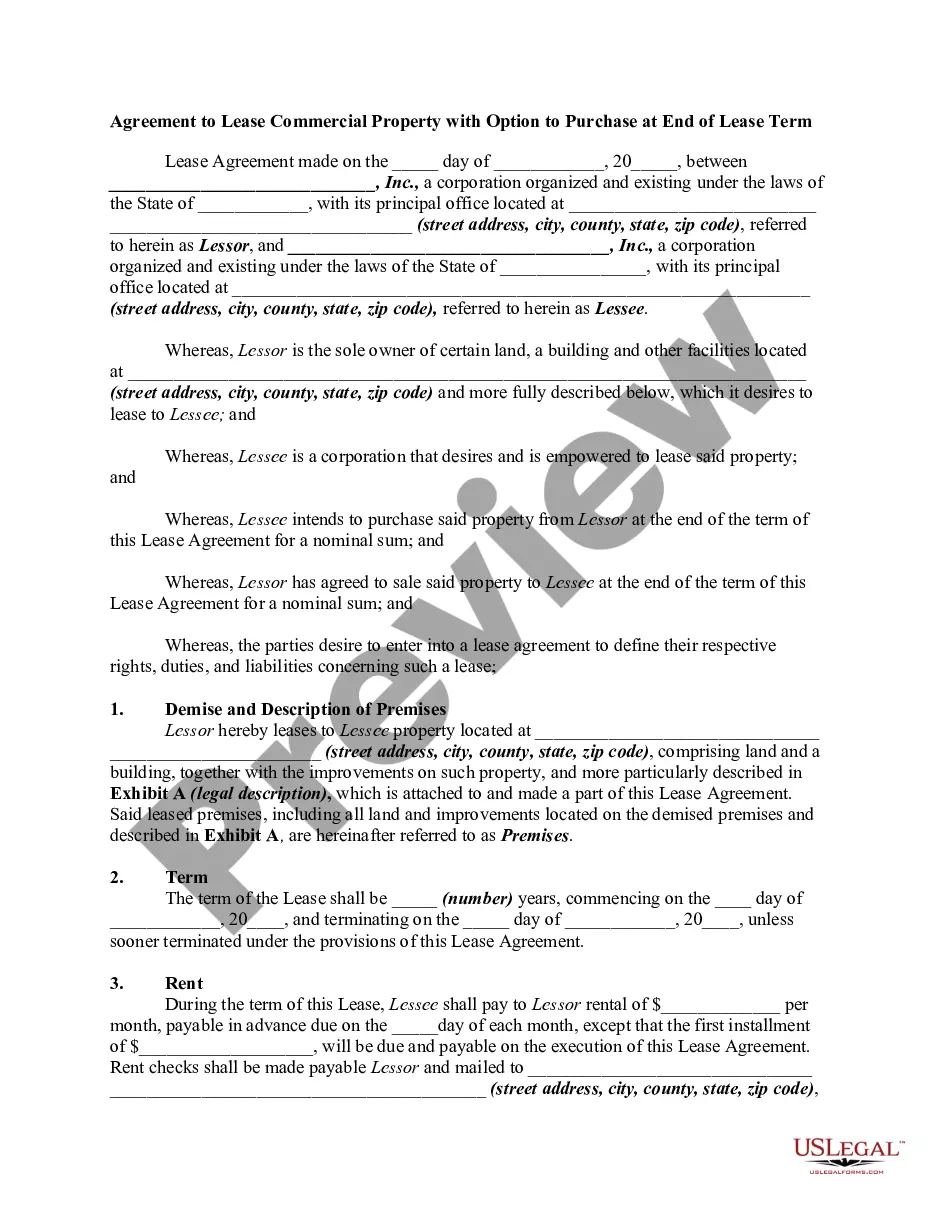
Get your form ready online
Our built-in tools help you complete, sign, share, and store your documents in one place.
Make edits, fill in missing information, and update formatting in US Legal Forms—just like you would in MS Word.
Download a copy, print it, send it by email, or mail it via USPS—whatever works best for your next step.
Sign and collect signatures with our SignNow integration. Send to multiple recipients, set reminders, and more. Go Premium to unlock E-Sign.
If this form requires notarization, complete it online through a secure video call—no need to meet a notary in person or wait for an appointment.
We protect your documents and personal data by following strict security and privacy standards.

Make edits, fill in missing information, and update formatting in US Legal Forms—just like you would in MS Word.

Download a copy, print it, send it by email, or mail it via USPS—whatever works best for your next step.

Sign and collect signatures with our SignNow integration. Send to multiple recipients, set reminders, and more. Go Premium to unlock E-Sign.

If this form requires notarization, complete it online through a secure video call—no need to meet a notary in person or wait for an appointment.

We protect your documents and personal data by following strict security and privacy standards.
Looking for another form?



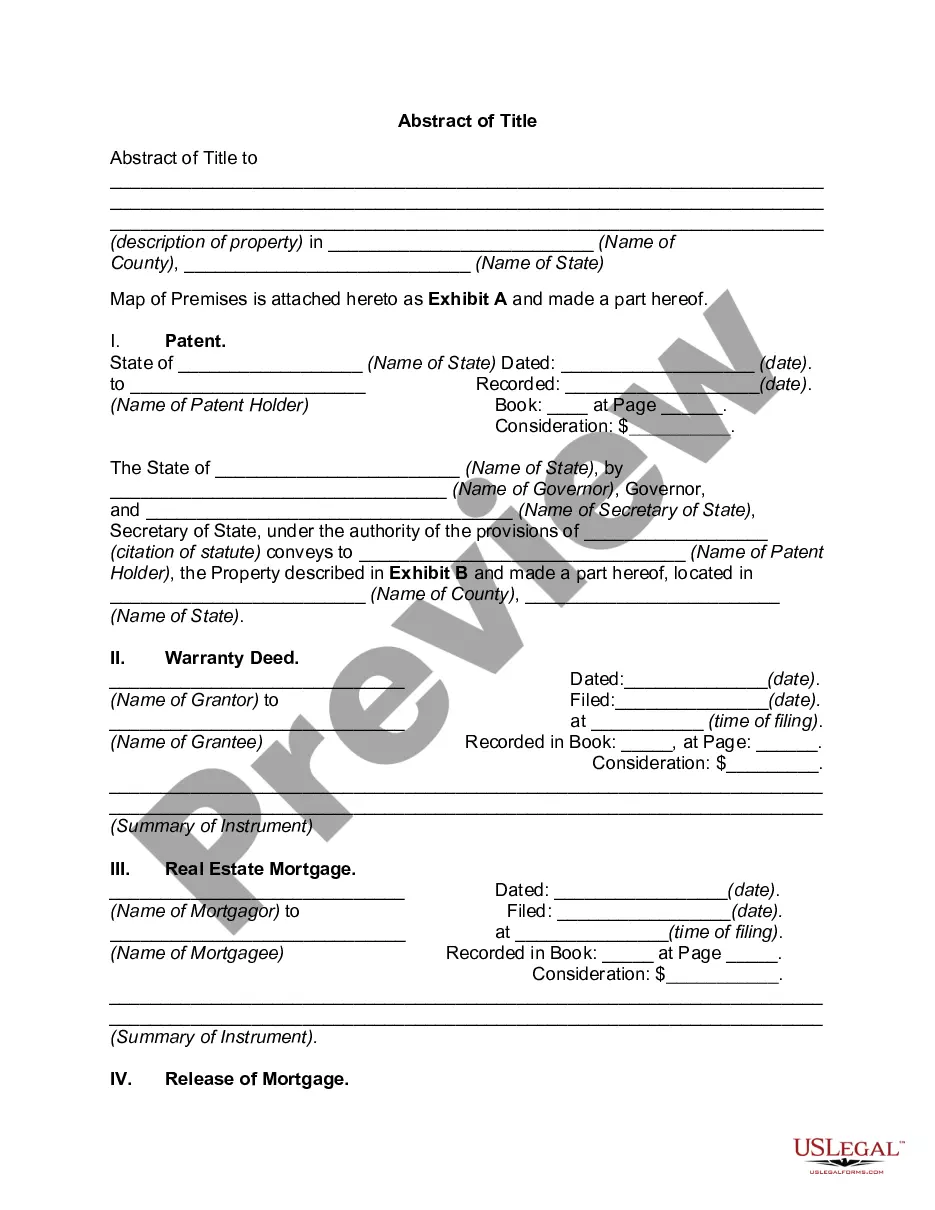



How to fill out Sale And Leaseback Agreement For Commercial Building?
Regardless of whether it is for professional reasons or personal issues, each individual must deal with legal circumstances at some point in their lives.
Completing legal paperwork requires meticulous focus, commencing with selecting the appropriate form template.
Once it is saved, you can complete the form using editing software or print it to finish it manually. With an expansive US Legal Forms catalog available, you won't have to waste time searching for the right sample across the web. Utilize the library’s simple navigation to find the appropriate template for any situation.
- For example, if you select an incorrect version of a Leaseback Agreement Definition, it will be declined upon submission.
- Thus, it is essential to obtain a trustworthy source of legal documents like US Legal Forms.
- If you seek to acquire a Leaseback Agreement Definition template, adhere to these straightforward steps.
- Retrieve the sample you require by using the search feature or catalog navigation.
- Review the form’s description to ensure it meets your needs, jurisdiction, and county.
- Click on the form’s preview to inspect it.
- If it is the incorrect document, return to the search tool to locate the Leaseback Agreement Definition sample that you need.
- Obtain the template if it corresponds to your requirements.
- If you already possess a US Legal Forms account, simply click Log in to access previously saved documents in My documents.
- Should you not have an account yet, you can download the form by clicking Buy now.
- Select the suitable pricing option.
- Fill out the profile registration form.
- Choose your payment method: employ a credit card or PayPal account.
- Decide on the document format you desire and download the Leaseback Agreement Definition.
Form popularity
FAQ
With a sale and leaseback, the homeowner sells their home to an investor, who rents their home back to them. The homeowners eliminate the risk by choosing not to partake in the real estate market's fluctuations but also forgo the potential that their home realizes a sudden real estate market surge in price.
Disadvantages of a sale-leaseback are loss of control over the asset, lack of equity, and risk of non-renewal of the lease.
How to account for sale-leaseback and ASC 842 Recognize the sale and any gain or loss the difference between the cash received and the book value of the asset when the buy-lessor takes control of the asset. Derecognize the asset, removing it from the balance sheet.
Examples of sale leasebacks Companies typically sell higher-valued assets to increase liquidity and working capital. For example, construction companies often sell their real estate property and immediately lease it back from the new owner to develop.
Leaseback transactions also have disadvantages, such as the company not getting the benefit of appreciation, the seller losing control over the asset over time and the sale of assets reducing the company's valuation.