Trial Criminal Sample Without Replacement
Description
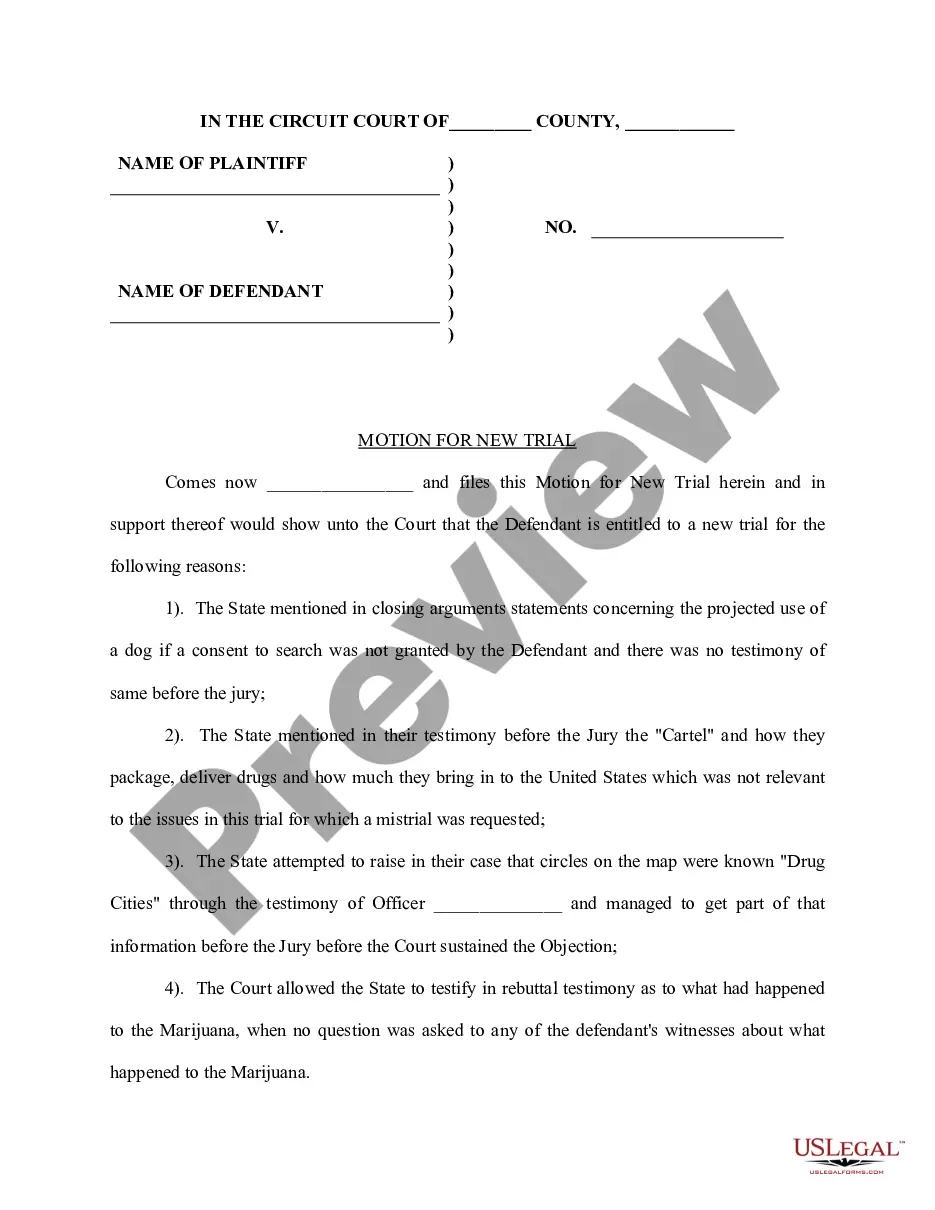
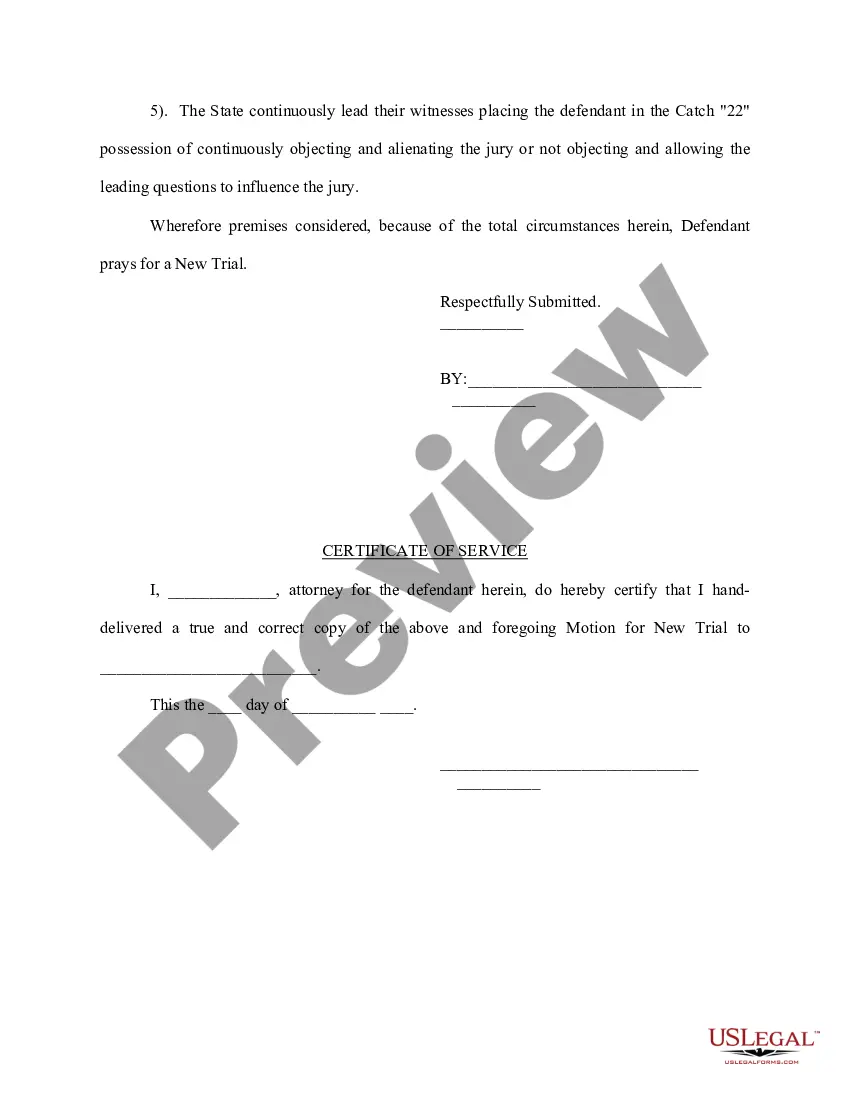
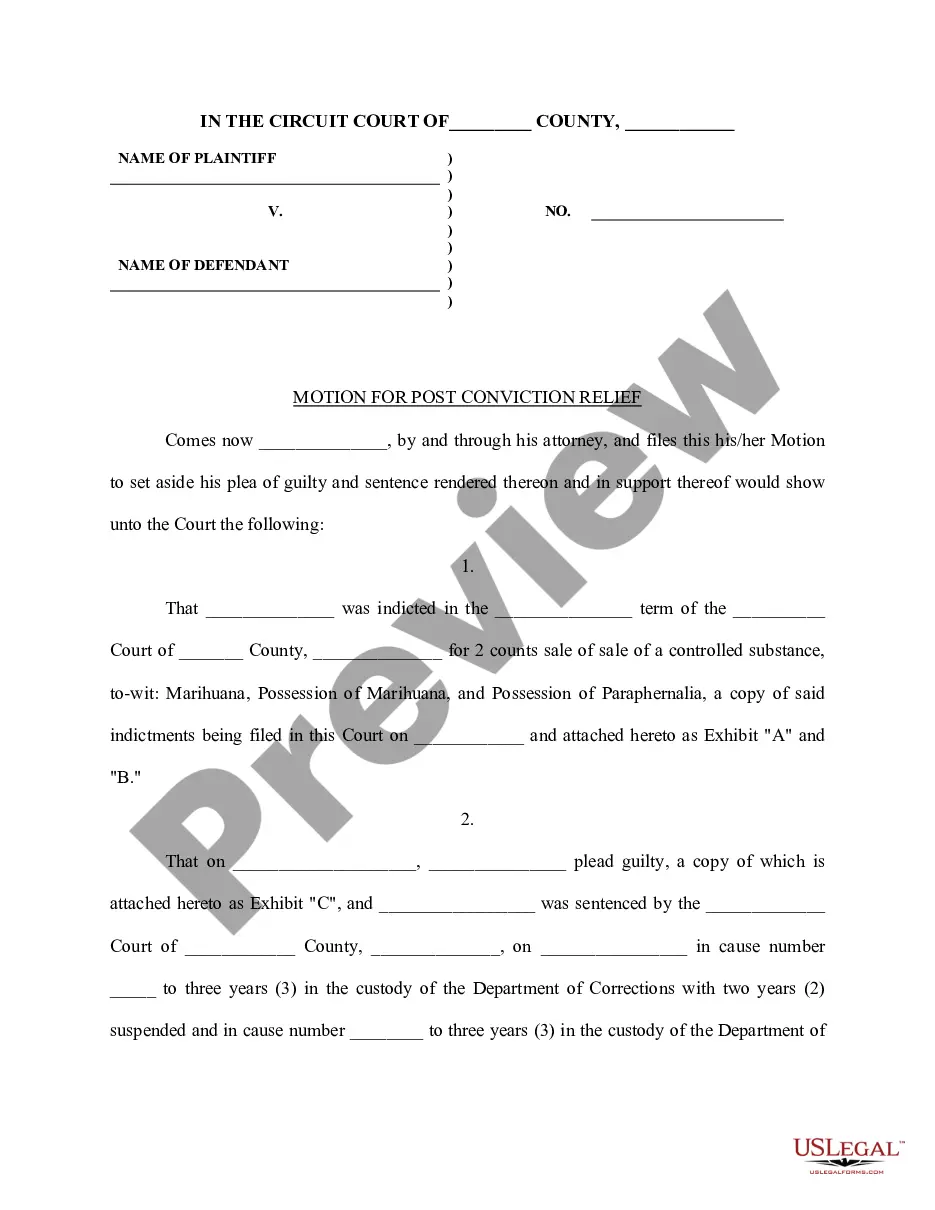
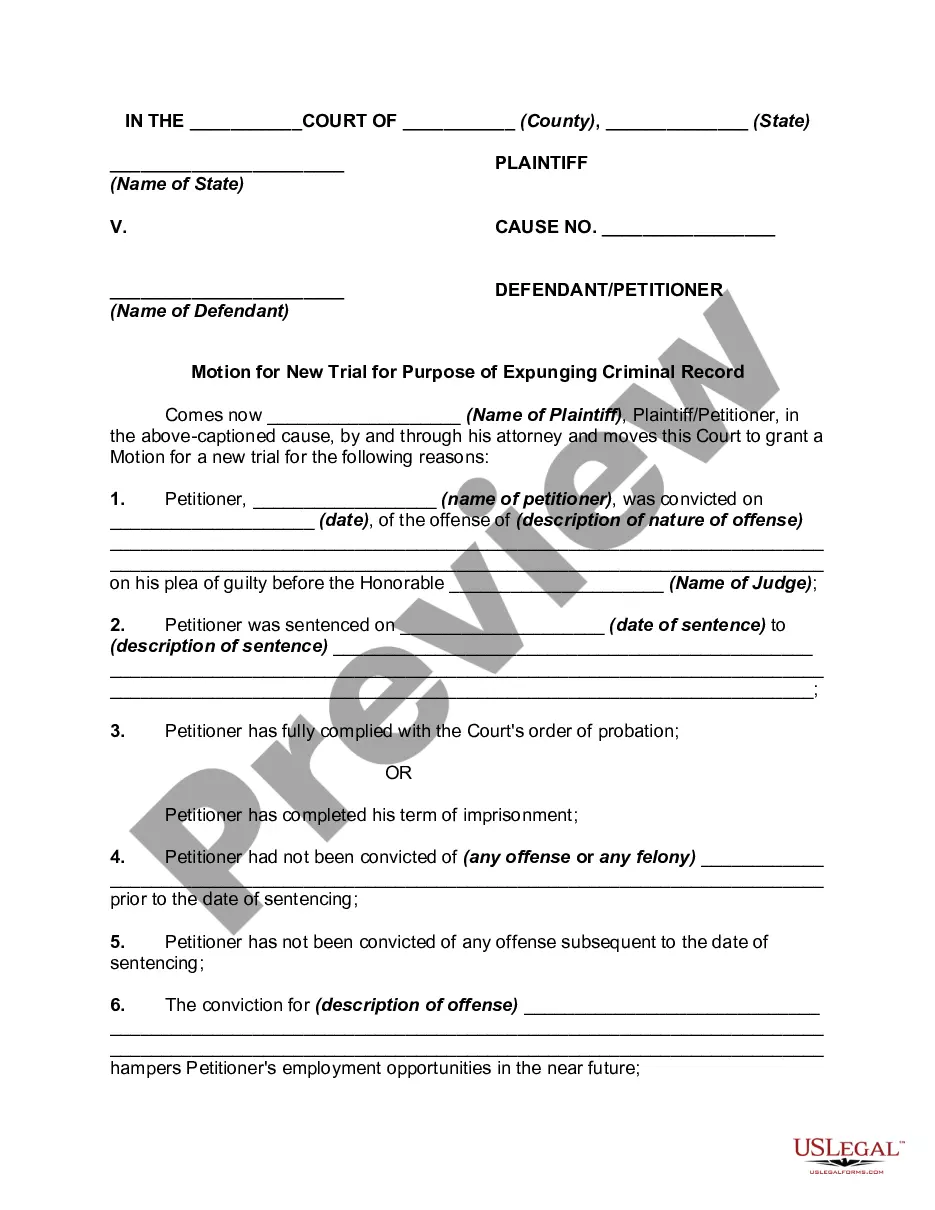
Get your form ready online
Our built-in tools help you complete, sign, share, and store your documents in one place.
Make edits, fill in missing information, and update formatting in US Legal Forms—just like you would in MS Word.
Download a copy, print it, send it by email, or mail it via USPS—whatever works best for your next step.
Sign and collect signatures with our SignNow integration. Send to multiple recipients, set reminders, and more. Go Premium to unlock E-Sign.
If this form requires notarization, complete it online through a secure video call—no need to meet a notary in person or wait for an appointment.
We protect your documents and personal data by following strict security and privacy standards.

Make edits, fill in missing information, and update formatting in US Legal Forms—just like you would in MS Word.

Download a copy, print it, send it by email, or mail it via USPS—whatever works best for your next step.

Sign and collect signatures with our SignNow integration. Send to multiple recipients, set reminders, and more. Go Premium to unlock E-Sign.

If this form requires notarization, complete it online through a secure video call—no need to meet a notary in person or wait for an appointment.

We protect your documents and personal data by following strict security and privacy standards.
Looking for another form?




How to fill out Motion For New Trial?
Identifying a reliable resource for obtaining the latest and pertinent legal samples constitutes a significant part of navigating bureaucracy. Selecting the appropriate legal documents requires precision and thoroughness, which is why it is vital to source Trial Criminal Sample Without Replacement solely from trustworthy providers, such as US Legal Forms. An incorrect template can squander your time and postpone your current situation. With US Legal Forms, you have minimal concerns.
You can access and verify all information regarding the document’s applicability and significance for your situation and in your jurisdiction.
Remove the complications associated with your legal documentation. Explore the vast US Legal Forms catalog where you can discover legal samples, assess their appropriateness for your situation, and download them instantly.
- Utilize the catalog navigation or search bar to find your template.
- Examine the form’s description to determine if it meets the needs of your state and area.
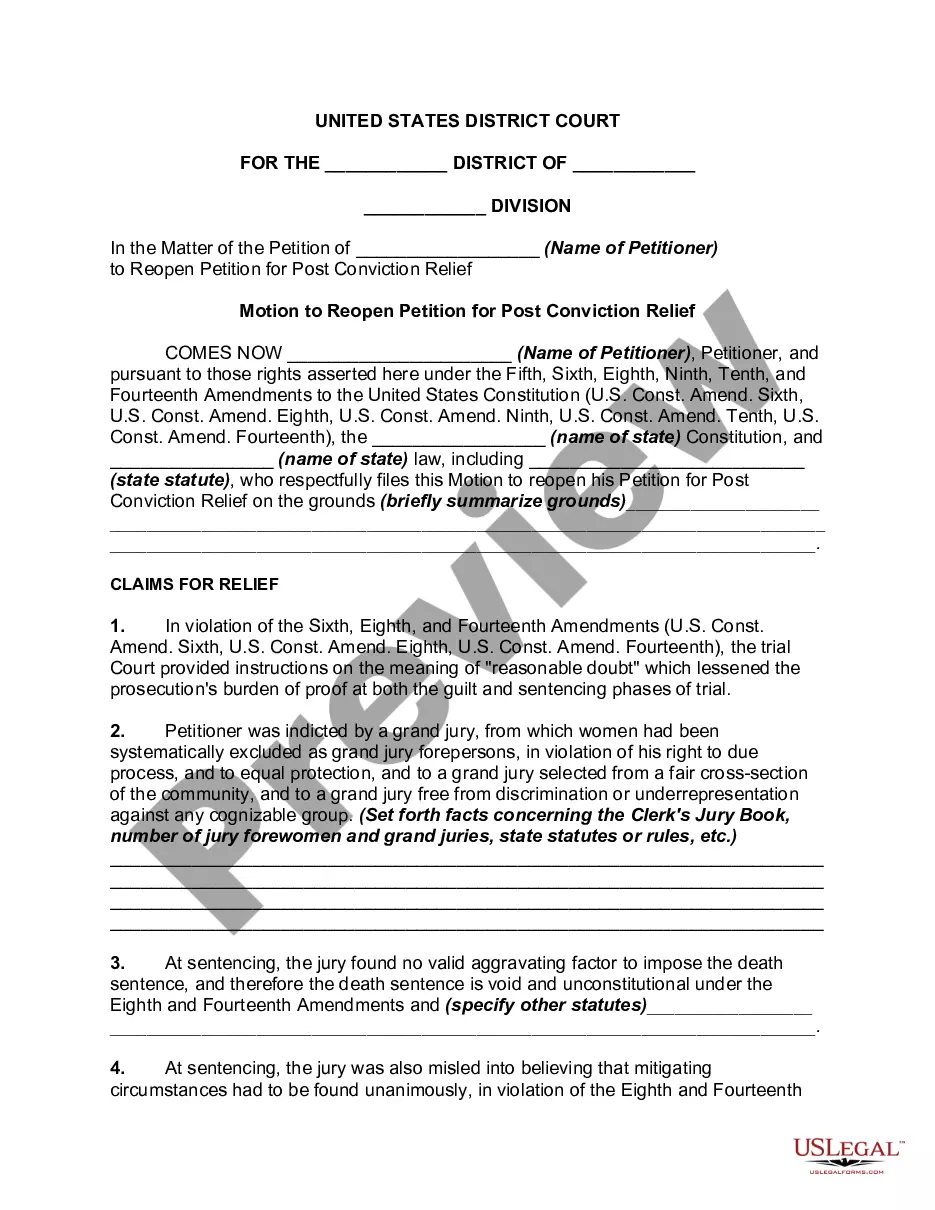
- Check the form preview, if available, to confirm that the form is indeed what you are looking for.
- Return to the search and find the suitable template if the Trial Criminal Sample Without Replacement does not align with your needs.
- If you are confident about the form’s relevancy, download it.
- As a registered user, click Log in to validate and access your selected forms in My documents.
- If you have not created an account yet, click Buy now to purchase the template.
- Choose the pricing plan that suits your preferences.
- Proceed to registration to finalize your purchase.
- Complete your transaction by selecting a payment method (credit card or PayPal).
- Select the file format for downloading Trial Criminal Sample Without Replacement.
- Once you have the form on your device, you can edit it with the editor or print it and complete it manually.
Form popularity
FAQ
The four types of random sampling include simple random sampling, stratified sampling, cluster sampling, and systematic sampling. In simple random sampling, each member has an equal chance of selection. Stratified sampling divides the population into distinct groups and samples from each group. Cluster sampling selects entire groups randomly, while systematic sampling involves selecting every nth member. Using a trial criminal sample without replacement enhances the validity of results in legal studies.
A sample without replacement refers to a method where selected items are not returned to the population during the sampling process. This means each item can only be selected once, which can lead to a more representative sample of the population. When dealing with legal cases, a trial criminal sample without replacement can provide insights that reflect real-life scenarios more accurately. It reduces bias by ensuring that each choice is unique.
When you select records randomly from a larger data set (or some master database), you can achieve the sampling in a few different ways, including: sampling without replacement, in which a subset of the observations are selected randomly, and once an observation is selected it cannot be selected again.
Without replacement: When sampling is done without replacement, each member of a population may be chosen only once. In this case, the probabilities for the second pick are affected by the result of the first pick.
In sampling without replacement, the two sample values aren't independent. Practically, this means that what we got on the for the first one affects what we can get for the second one. Mathematically, this means that the covariance between the two isn't zero. That complicates the computations.
Sampling with replacement will result in the same individual being chosen again whereas sampling without replacement will not. In order to account for this difference when using the table or generator for random digits, one must ignore the repeated number that was included in the labeling.
Sampling with replacement can be defined as random sampling that allows sampling units to occur more than once. Sampling with replacement consists of. A sampling unit (like a glass bead or a row of data) being randomly drawn from a population (like a jar of beads or a dataset).